Factory-direct · 60 Hz engineering · Seoul export support
Power Isolation Transformer Factory & Wholesalers Serving Seoul
Oil-immersed, dry-type, pad-mounted and compact substation solutions engineered for Seoul’s dense urban grid, data centers, hospitals and industrial loads.
8 Transformer Lines for Seoul Procurement Shortlists
These factory-direct product families cover single-phase and three-phase distribution, oil-immersed, pad-mounted, pole-mounted, power and dry-type isolation duties. Ratings, frequency and Korean project requirements are confirmed during engineering review.
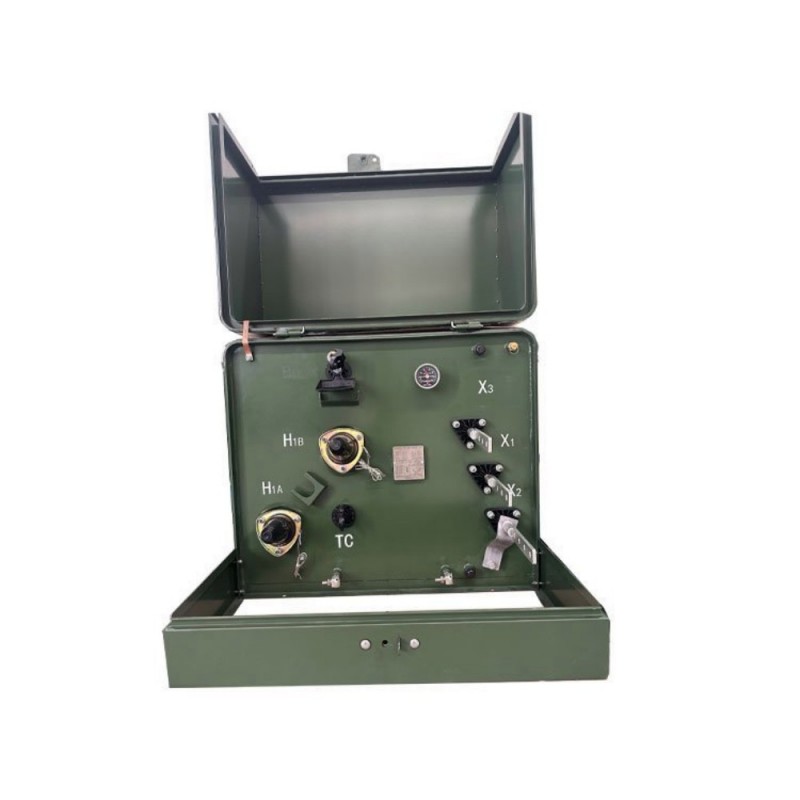
C Certification 6KV 10KV 13KV 20KV 34.5KV 50/60HZ Oil Type Single Phase 75KVA Pad Mounted Transformers
For Seoul residential underground loops, small commercial pads and single-phase voltage-matching duties.
Review specifications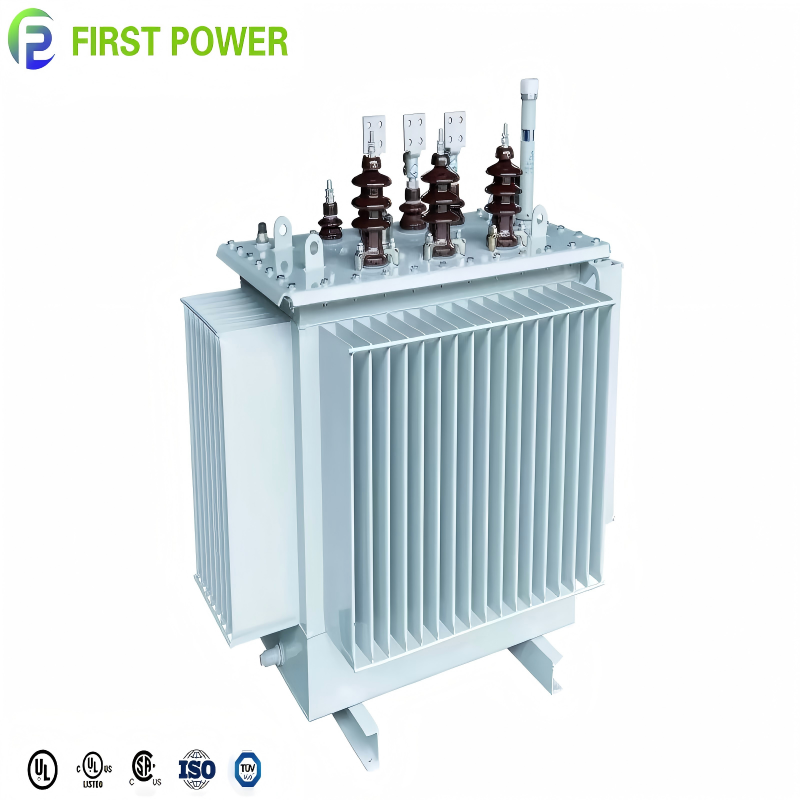
C CE S11 50/60HZ 6KV 10KV 15KV 20KV 35KV 100KVA 300KVA 3 Phase Oil Immersed Transformer 50KVA 33KV for Distribution System
For utility distribution, industrial plants and commercial substations where sealed oil-immersed efficiency matters.
Review specifications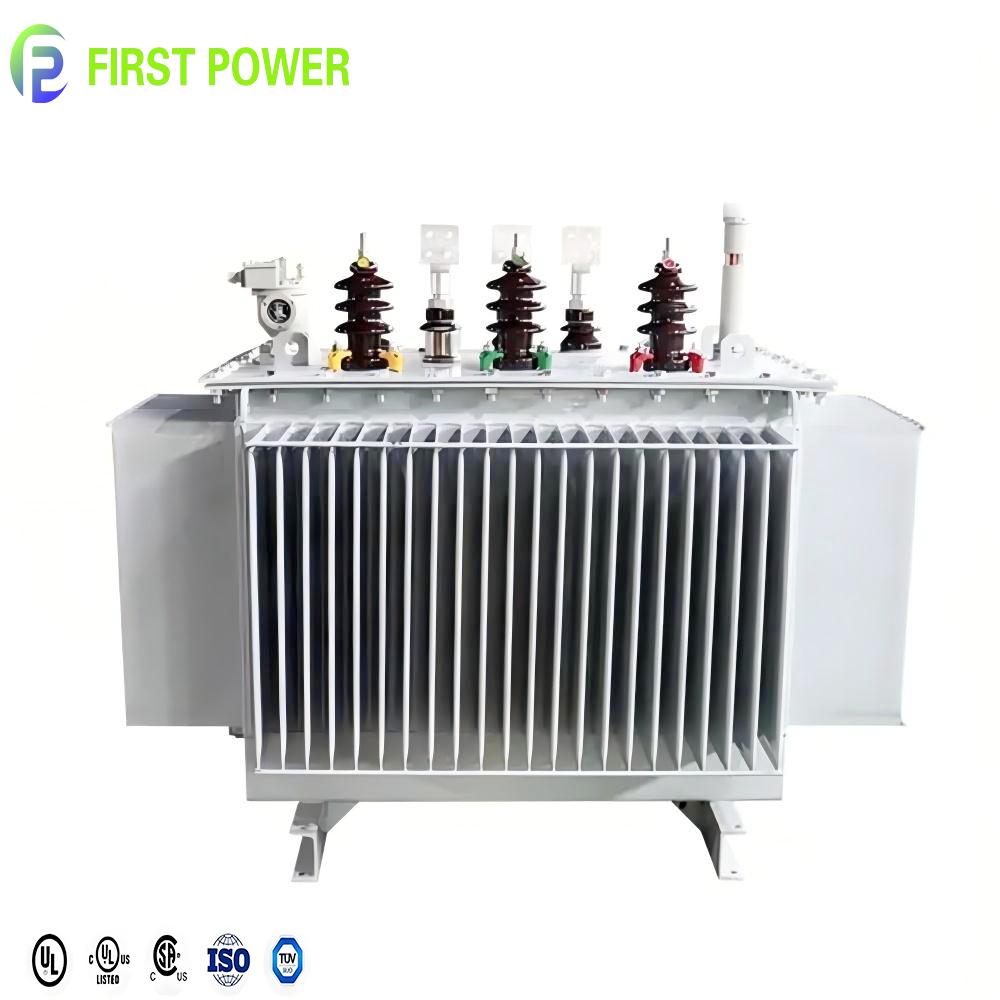
C CE S11 10KV 20KV 35KV 50KVA 100KVA 150KVA 200KVA 250KVA 3 Phase Oil-Immersed Transformer for Electric Power Distribution
For Seoul-area distribution upgrades where compact loss performance and proven vector groups are required.
Review specifications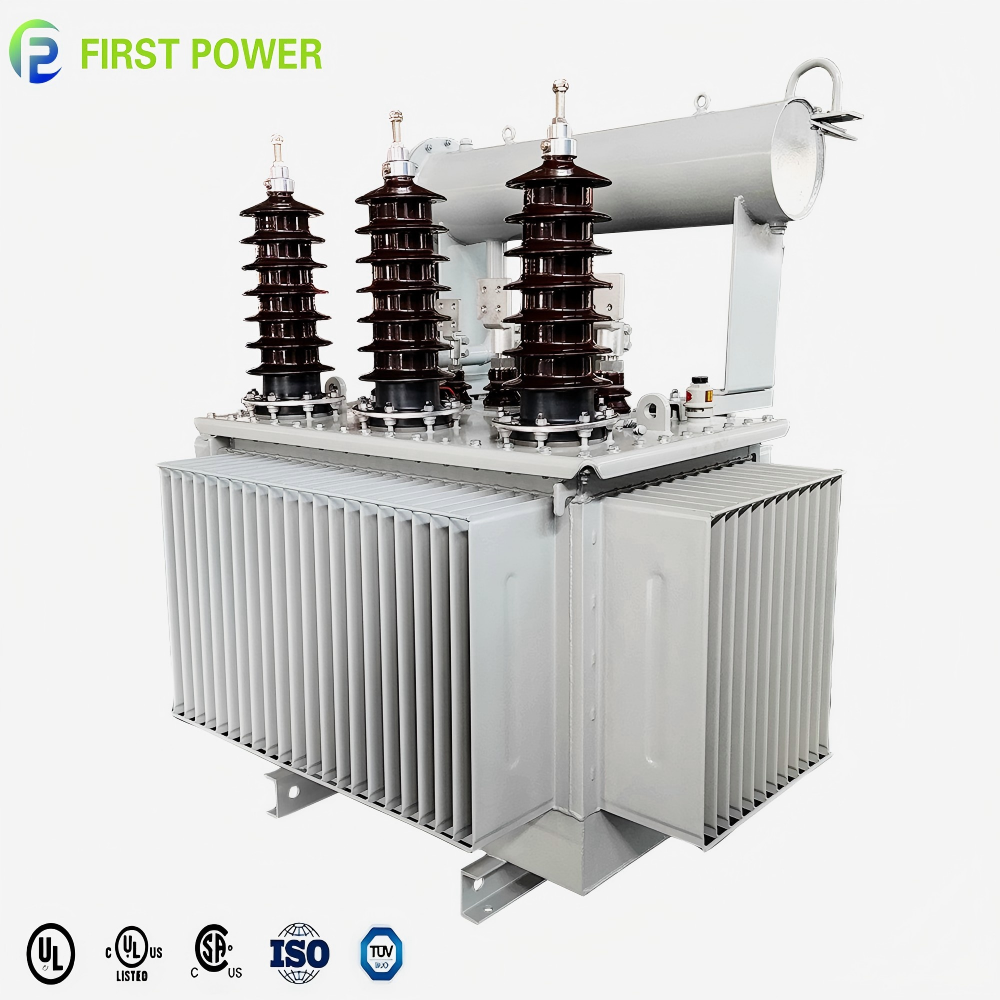
C CE Certification IEEE Standard 50/60HZ S11 Three Phase 33KV Oil Immersed Power High Voltage Transformer for Industrial
For industrial power supply, plant substations and high-voltage distribution interfaces in the capital region.
Review specifications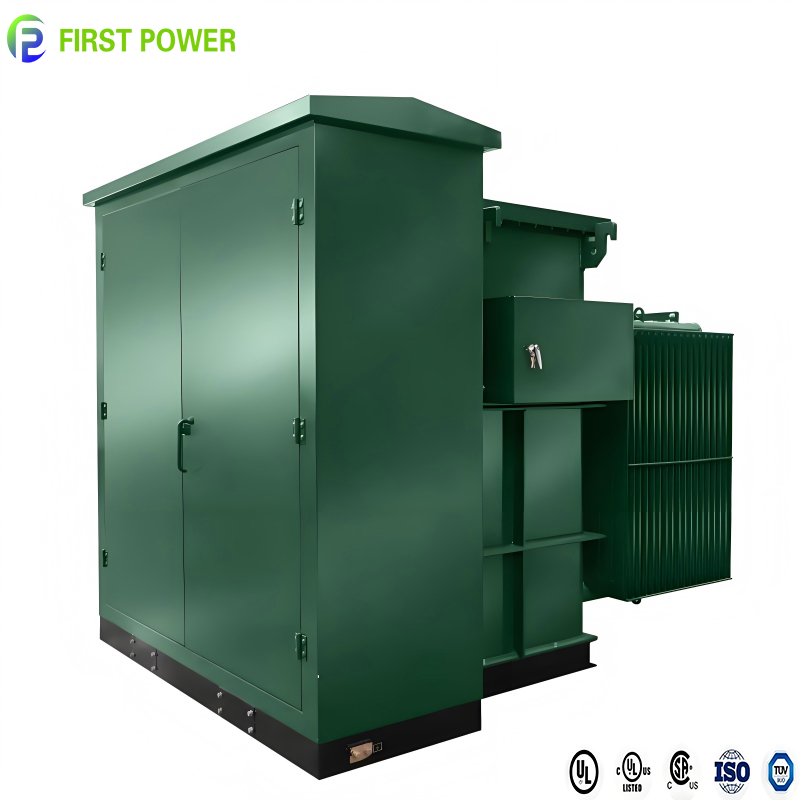
C CE 50/60HZ 6KV 10KV 15KV 20KV 35KV 100KVA 300KVA 500KVA 630KVA 3 Phase Pad Mounted Pedestal Transformer for Industrial
For space-constrained commercial sites, underground feeds, EV hubs and industrial pads requiring tamper-resistant enclosures.
Review specifications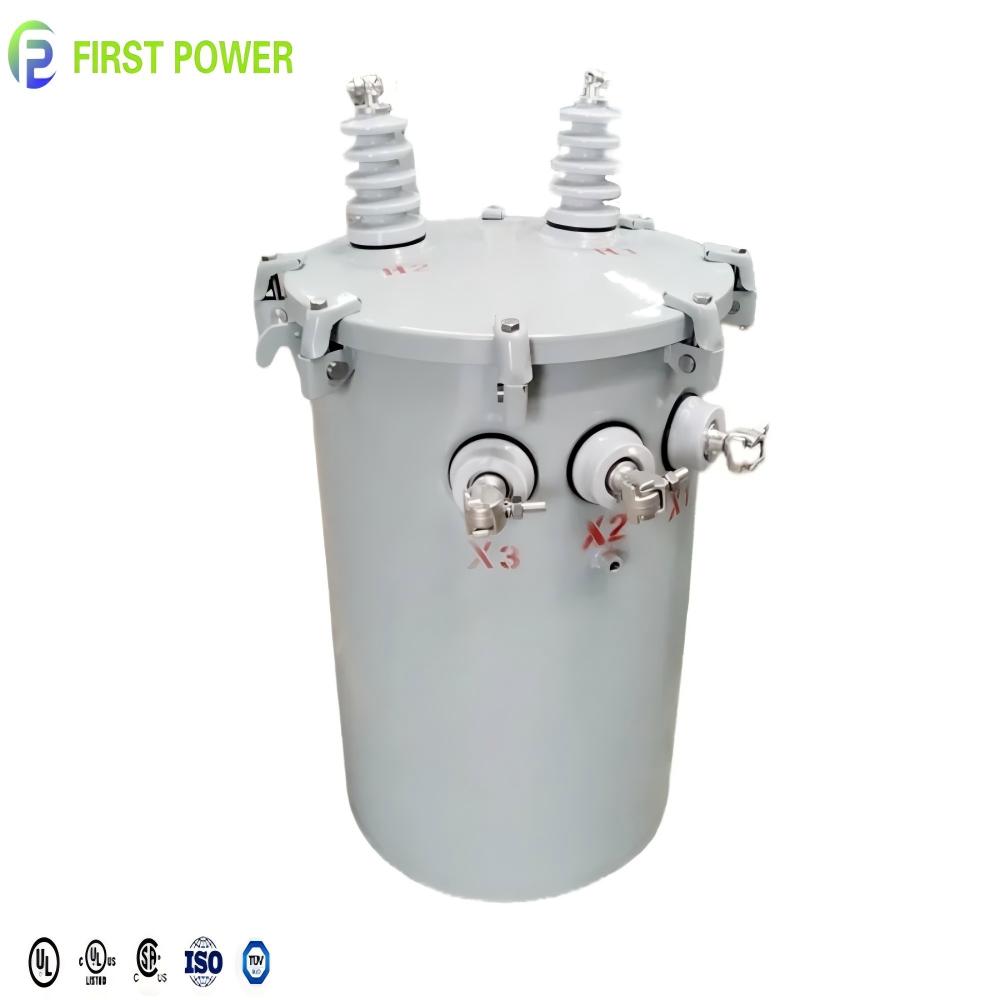
ANSI 50/60HZ 6KV 10KV 15KV 20KV 35KV 15KVA 25KVA 50KVA 100KVA Single Phase Pole Mounted Transformers for Industrial Power Supply
For overhead distribution, rural electrification interfaces and industrial single-phase power supply points.
Review specifications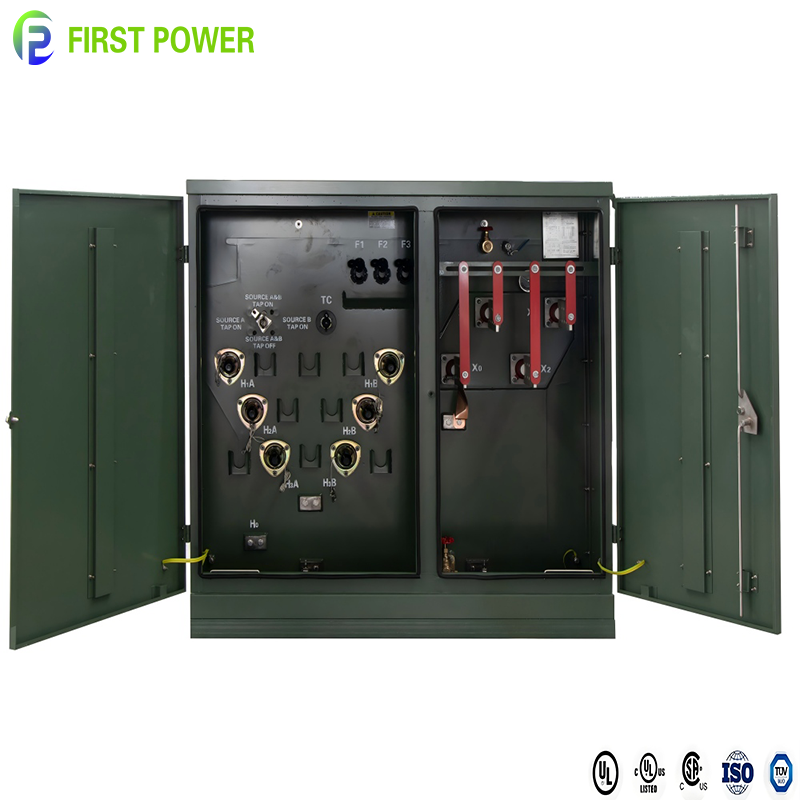
Listed C CE MV&HV 50/60HZ 6KV 10KV 15KV 20KV 35KV 3 Phase Pad Mounted Transformer Electrical for Industrial Power Supply
For medium- and high-voltage pad-mounted applications where access control, aesthetics and cable termination matter.
Review specifications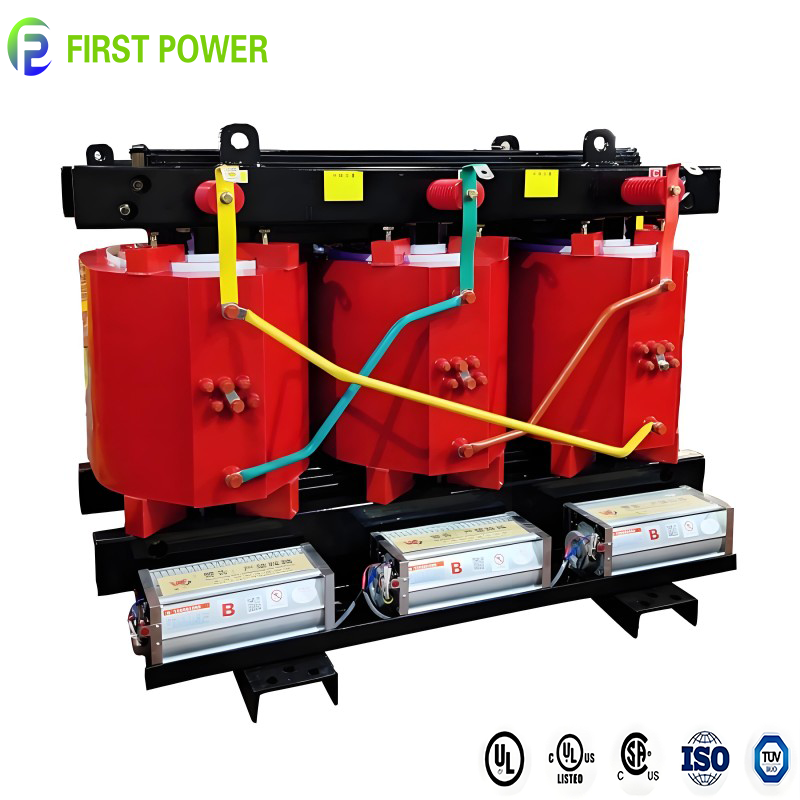
C CE Certification IEEE Standard 50/60HZ 5MVA 6MVA 6KV 35KV 3 Phase Dry Type Transformer for Electric Power Distribution
For indoor substations, hospitals, tunnels and fire-sensitive Seoul buildings where oil-free isolation is preferred.
Review specificationsWhat Seoul Buyers Must Verify Before Choosing an Isolation Transformer
Seoul is a high-density, high-value market where a transformer is rarely selected on kVA alone. Frequency, fire strategy, acoustic limits, loss capitalization, humidity and utility interface requirements all influence the final specification.
Frequency is the first filter. Korea operates on a 60 Hz grid, while many catalogue transformers are optimized for 50 Hz. A unit that appears similar on a data sheet can behave differently in flux density, sound level, temperature rise and no-load loss when re-engineered for 60 Hz. For Seoul procurement, ask for 60 Hz-specific guaranteed losses, vector group, impedance, tap range and test data before comparing quotations.
Location is the second filter. Seoul’s high land cost pushes equipment into basements, rooftops, underground vaults and compact commercial podiums. Indoor rooms may favor cast resin dry-type transformers because they eliminate oil fire risk and simplify fire protection. Outdoor pads, utility interfaces and industrial sites may favor oil-immersed or pad-mounted designs for efficiency, thermal capacity and cost per kVA. Neither choice is universally superior; the correct answer comes from a documented comparison of fire code, acoustic limit, ambient temperature, humidity, maintenance access and total cost of ownership.
Korean project interface is the third filter. Electrical designs in the Seoul metropolitan area commonly involve medium-voltage distribution and low-voltage utilization, with project-specific confirmation of the KEPCO interface, transformer vector group, protection coordination and metering arrangement. A supplier should provide GA drawings, nameplate drafts, routine test reports and loss values for review before production. CE certification supports European conformity, but it is not a substitute for Korean project acceptance; confirm any required KS, KEPCO or local authority documents with your consultant and authority having jurisdiction.
Power isolation transformers add a further layer of engineering when galvanic separation, noise attenuation, harmonic isolation or safety separation is required. For data centers, hospitals, laboratories and precision manufacturing in Seoul and Gyeonggi, specify the isolation requirement clearly: electrostatic shield, winding configuration, impedance, harmonic duty, sound pressure level and temperature-rise limit. A transformer that is merely oversized is not automatically a better isolation solution.
Information-gain notes for Seoul specifiers
Illustrative Seoul selection weighting
This is a workshop starting point, not a universal rule. Weight each factor with the owner, consultant, contractor and utility before shortlisting a transformer type.
Where Power Isolation Transformers Fit in Seoul and the Capital Region
Seoul’s building types, load profiles and space constraints create distinct transformer requirements. The same factory can supply multiple configurations, but each application needs a different technical conversation.
High-rise commercial and mixed-use
Gangnam, Yeouido, Yongsan and central Seoul projects often place tenant substations indoors or in confined service areas. Cast resin dry-type isolation transformers support fire-safe layouts, while low-noise cores help meet acoustic limits near occupied floors.
Dry type · low noise · indoorData centers and telecom
Seoul Digital Media City, Gyeonggi data-center clusters and telecom facilities demand harmonic awareness, low partial discharge and reliable thermal monitoring. Isolation transformers can be specified with electrostatic shielding and low-loss cores for sensitive loads.
Harmonics · shield · reliabilityHospitals, labs and research
Medical and laboratory loads require safety separation, low electromagnetic noise and predictable maintenance. Dry-type transformers avoid oil handling inside clinical buildings and can be integrated with redundant power schemes and harmonic filters.
Medical isolation · no oil · serviceabilityMetro, tunnel and infrastructure
Seoul’s transit and road infrastructure needs compact equipment with controlled smoke and fire performance where installed indoors. Cast resin designs and prefabricated substations support staged installation in constrained underground or tunnel-adjacent spaces.
Fire-safe · compact · staged deliveryEV charging, BESS and urban energy
Fast chargers and battery storage in Seoul parking structures and logistics hubs need fast deployment and compact footprints. Pad-mounted transformers and prefabricated compact substations reduce site work and simplify utility coordination.
EV hubs · BESS · prefabricatedIndustrial and logistics sites
Factories and distribution centers around Incheon, Pyeongtaek and the Seoul outskirts often favor oil-immersed distribution transformers for cost-effective capacity. For Korean projects, guaranteed losses and cooling-class assumptions should be reviewed against actual duty cycles.
Oil immersed · industrial · TCOWhich Isolation or Distribution Transformer Fits Each Seoul Use Case?
Use this matrix to start a technical shortlist, then replace general ranges with project-specific calculations and Korean acceptance requirements.
| Seoul use case | Recommended type | Typical rating to discuss | Why it may fit | Procurement check |
|---|---|---|---|---|
| Indoor high-rise, hospital or lab | Cast resin dry-type isolation/distribution transformer | 30–2,500 kVA; up to 35 kV class | Oil-free, fire-safe layout and lower environmental risk inside buildings | Noise level, IP rating, temperature rise, electrostatic shield and harmonic duty |
| Utility-style distribution or industrial plant | Oil-immersed S11 distribution transformer | 50–2,500 kVA; 6–35 kV | Efficient, robust and cost-effective for outdoor or dedicated substation rooms | 60 Hz losses, impedance, vector group, tap range, oil BDV and cooling class |
| Commercial pad, underground loop or EV site | Three-phase pad-mounted transformer | 45–5,000 kVA; up to 34.5 kV | Compact footprint, tamper-resistant enclosure and cable-friendly connections | Loop or radial feed, dead-front configuration, enclosure finish and access clearance |
| Fast-deployment energy project | Prefabricated compact substation | 100–2,500 kVA; 10–35 kV | Factory-assembled MV switchgear, transformer and LV distribution reduce site work | IEC 62271-202 design review, ventilation, protection coordination and transport limits |
| Transmission or large industrial interconnection | Power transformer / high-voltage oil-immersed unit | 33 kV to 500 kV class | Step-up or step-down duty for utility, generation and heavy industry | Loss evaluation, OLTC/NLTC, seismic review, oil containment and witness testing |
Ratings shown are indicative production categories. Seoul projects may require different voltage, frequency, impedance, protection, certification or documentation packages. Final design responsibility rests with the project engineer of record.
Localized Trends Shaping Transformer Procurement in Seoul
Seoul’s procurement trends are driven by land scarcity, climate resilience, energy-cost management and increasingly detailed project documentation. These trends affect both factory design and wholesaler selection.
Lifecycle loss evaluation replaces first-cost comparison
Commercial and industrial buyers in Seoul and Gyeonggi are increasingly evaluating no-load and load losses over the project life rather than comparing only purchase price. Suppliers should provide guaranteed loss values, test data and clear assumptions so the consultant can calculate total cost of ownership.
Fire-safe indoor equipment and natural-ester options
High-rise, underground and mixed-use developments continue to favor dry-type designs where fire separation is difficult. For oil-filled applications, natural-ester fluids and enhanced fire protection are discussed more often for sensitive sites, alongside oil containment and ventilation studies.
Space-efficient pad-mounted and compact substations
Seoul’s limited usable land makes pad-mounted transformers and prefabricated substations attractive for EV hubs, battery storage and commercial developments. Factory assembly reduces site labor and compresss commissioning windows, but transport clearances and ventilation must be checked early.
Condition monitoring and documentation depth
Digital temperature monitoring, winding sensors and oil diagnostics are becoming easier to specify for critical facilities. The data package matters as much as the sensor: nameplate details, routine test reports, GA drawings, spare parts data and O&M manuals should be available in English for international project teams.
60 Hz and Korean acceptance discipline
The most successful Seoul procurement processes separate factory conformity from project acceptance. Request 60 Hz test data, IEC or applicable IEEE test reports, CE/ISO documents where relevant, and any Korean-specific declaration required by the authority. Avoid assuming that a generic certificate automatically satisfies the local utility or fire authority.
Auditable Engineering and Supply Support for Seoul Buyers
Jiangsu Wisegj Power Co., Ltd. is a Suzhou-based transformer manufacturer and exporter serving overseas buyers, including wholesale distributors, EPC contractors and project owners working with Seoul and the wider Korean market. This is a factory-direct and export-support model, not a claim of local Seoul stock or Korean manufacturing.
Engineer review before quotation
Projects are reviewed against voltage, frequency, vector group, impedance, tap range, cooling, installation environment and loss target before a compliant offer is prepared.
Verified factory and third-party inspection
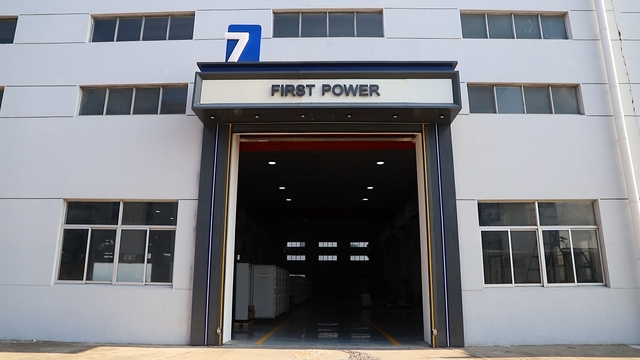
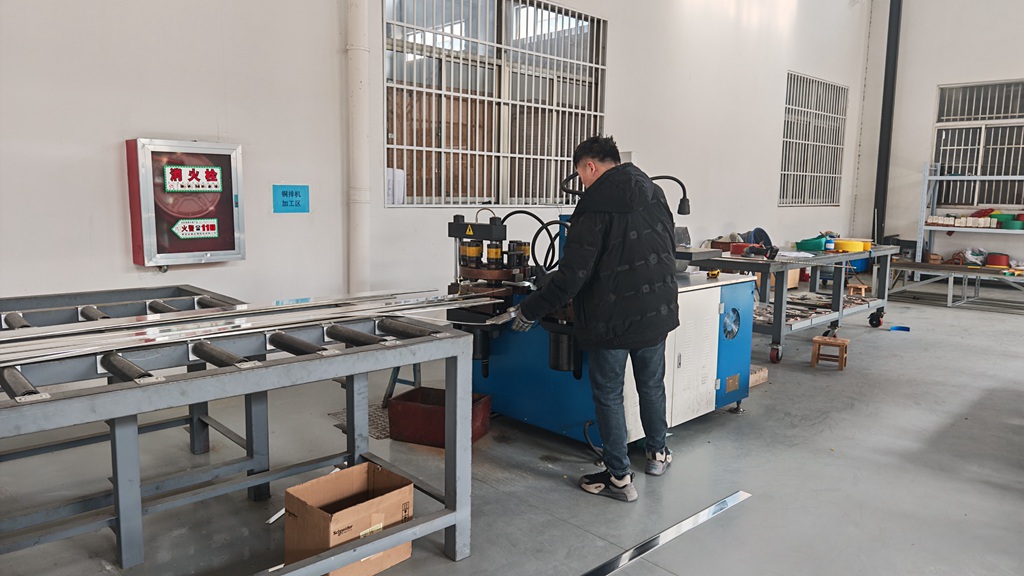
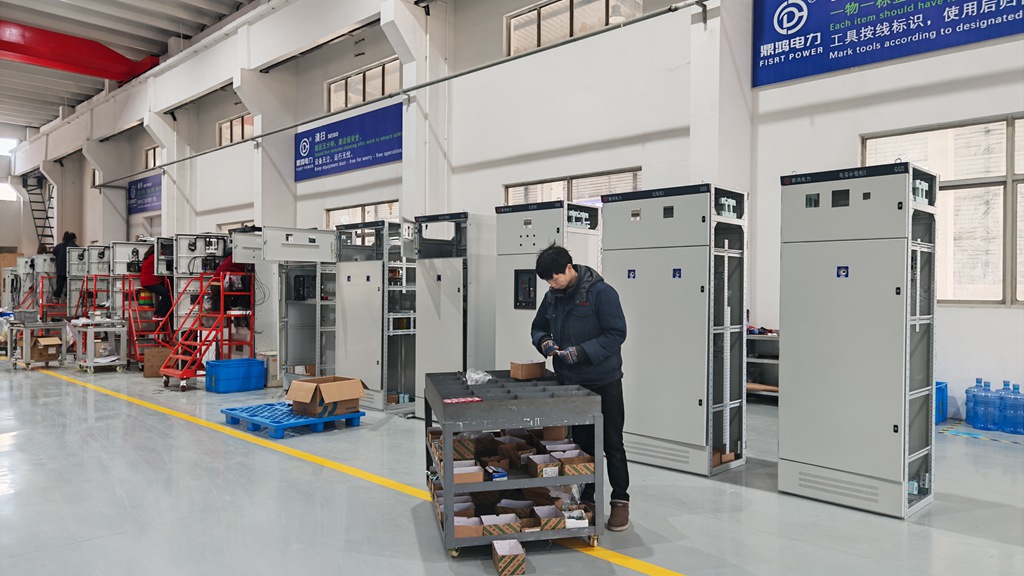
The company reports a 6,847 m² production area verified by TÜV Rheinland. Capacity, quality inspection and production floorspace can be discussed with your QA team before order.
Certified management and product conformity
ISO 9001, ISO 14001 and ISO 45001 management systems support production discipline. CE certificates are available for relevant transformer and substation families, with certificate numbers verifiable by the buyer.
OEM, ODM and specification customization
Ratings, vector group, impedance, tap range, bushing configuration, cooling method, insulating fluid, enclosure color and nameplate language can be adapted to project requirements.
Export logistics to Incheon and Busan
Seaworthy packing, shock indicators and document preparation support delivery to Korean ports. FOB, CFR, CIF, EXW, FCA, CIP, CPT and DDP terms can be discussed, depending on the project.
24-hour technical response
Technical questions and after-sales documentation requests are handled by an engineering team, supporting Seoul-based consultants and wholesalers across time zones.
What Seoul Buyers Should See in a Transformer Test Package
For project quality, the quotation, drawing and test report should tell the same story. A low price is not an information advantage if the guaranteed losses, impedance or documentation are unclear.
Specification review
Confirm kVA, primary and secondary voltage, 60 Hz design, vector group, impedance, taps, cooling and installation environment.
Drawing approval
Review GA drawing, nameplate, terminal arrangement, enclosure details and guaranteed losses before manufacturing.
Controlled production
Core, winding, drying, tanking and assembly follow documented work instructions and in-process inspection checkpoints.
Routine testing
Each unit is tested for winding resistance, ratio, vector group, impedance, load and no-load losses, applied and induced voltage.
Packing and documents
Export packing, test reports, nameplate details, GA drawings and O&M documents are prepared for shipment.
Information-gain checklist for a Seoul technical review
Ask suppliers to state assumptions rather than hide them in a catalogue. This checklist is designed for procurement and engineering teams comparing factory-direct offers.
Questions Buyers Ask About Power Isolation Transformers in Seoul
These answers reflect common factory and export conversations. Project acceptance remains subject to the Korean authority having jurisdiction, utility requirements and the engineer of record.
Can Wisegj supply 60 Hz power isolation transformers for Seoul projects?
Are your transformers compatible with the 22.9 kV KEPCO distribution environment?
What is the difference between a power isolation transformer and a distribution transformer?
Which documents should a Seoul procurement team request?
How do you handle indoor fire safety, noise and humidity?
What are the MOQ, lead time and shipping options to Seoul?
What payment terms and currencies can be discussed?
How can I get a fast, accurate quotation from the factory?
Send Your Seoul Transformer Specification for Engineer Review
Share your kVA, voltage, 60 Hz requirement, vector group, impedance, indoor or outdoor location, loss target and required documents. A factory engineer will review the project and respond within one working day.