8 Power Distribution Products for Makassar Buyers
The shortlist below is built for practical Makassar procurement: utility distribution, industrial power supply, pad-mounted underground networks, step-up duty and oil-immersed reliability. Each product link is preserved from the live catalogue, so your technical team can review the exact specification before requesting a Makassar-specific quotation.
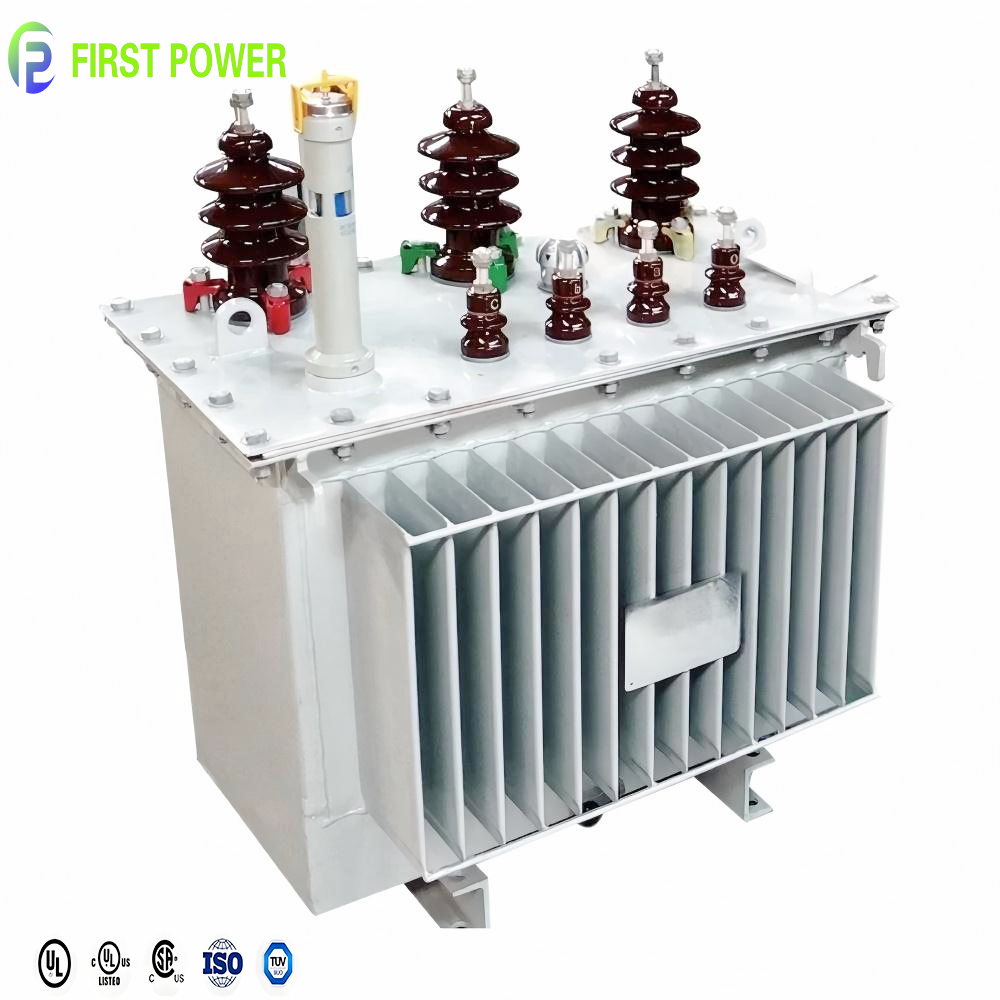
C CE 10KV 20KV 35KV 50KVA 100KVA 200KVA 300KVA 400KVA 500KVA Electric Oil Immersed Transformer for Industrial Power Supply
A versatile oil-immersed transformer family for factories, water plants, commercial buildings and utility feeder substations where 10 kV, 20 kV or 35 kV is stepped down for industrial power supply.
Review product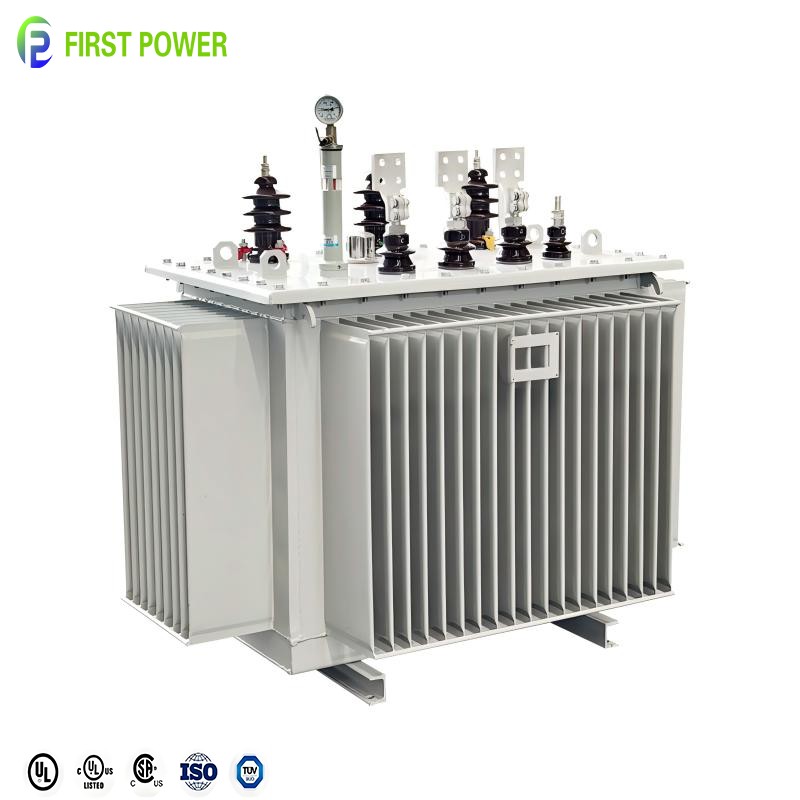
C CE 50/60HZ 100KVA 300KVA 500KVA 630KVA 1000KVA 10KV 20KV 35KV 3 Phase Oil Immersed Power Transformer for Power Supplies
A three-phase oil-immersed power transformer for distribution substations, industrial feeders and power supply projects that require stable thermal performance and proven insulation coordination.
Review product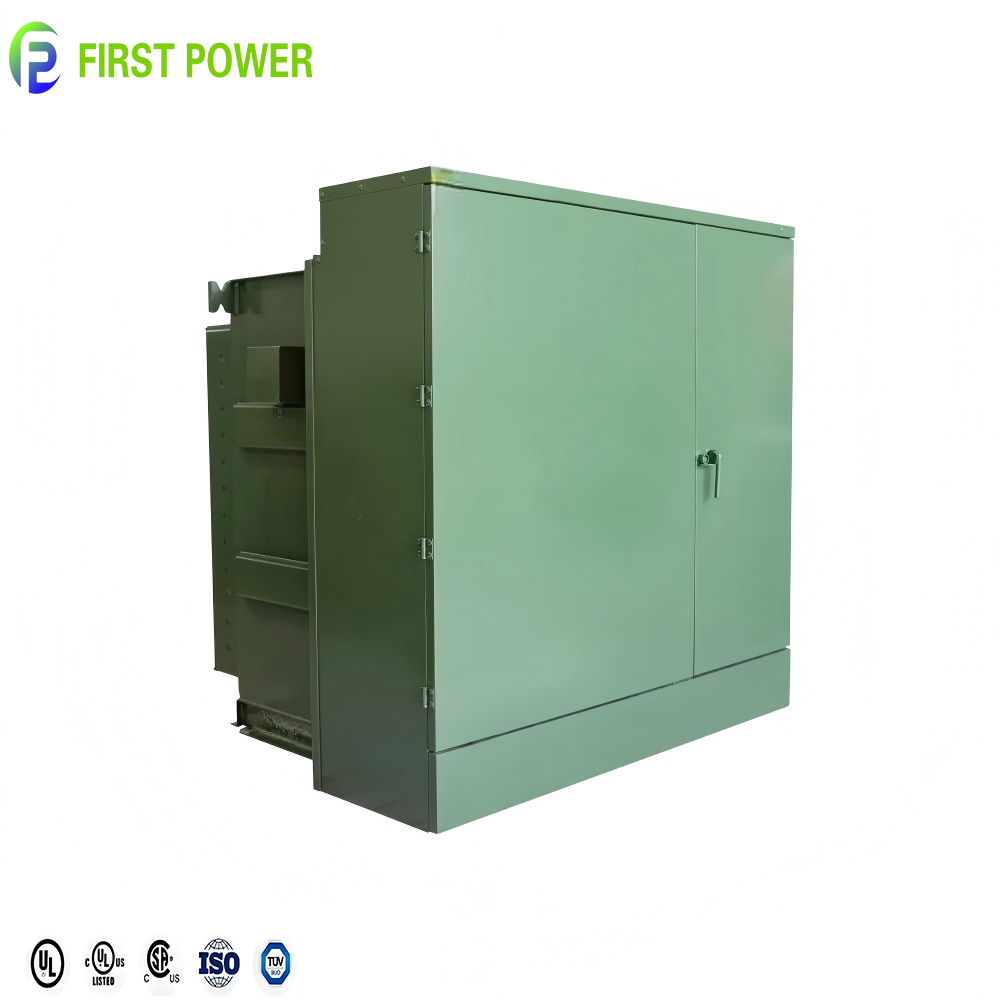
C CE MV&HV 50/60HZ 750KVA 1250KVA 1500KVA 2000KVA 2500KVA 3 Phase Pad Mounted Transformer for Industrial Power Supply
A larger pad-mounted transformer for industrial power supply, estate distribution and projects where underground cable entry, tamper resistance and a compact outdoor footprint are priorities.
Review product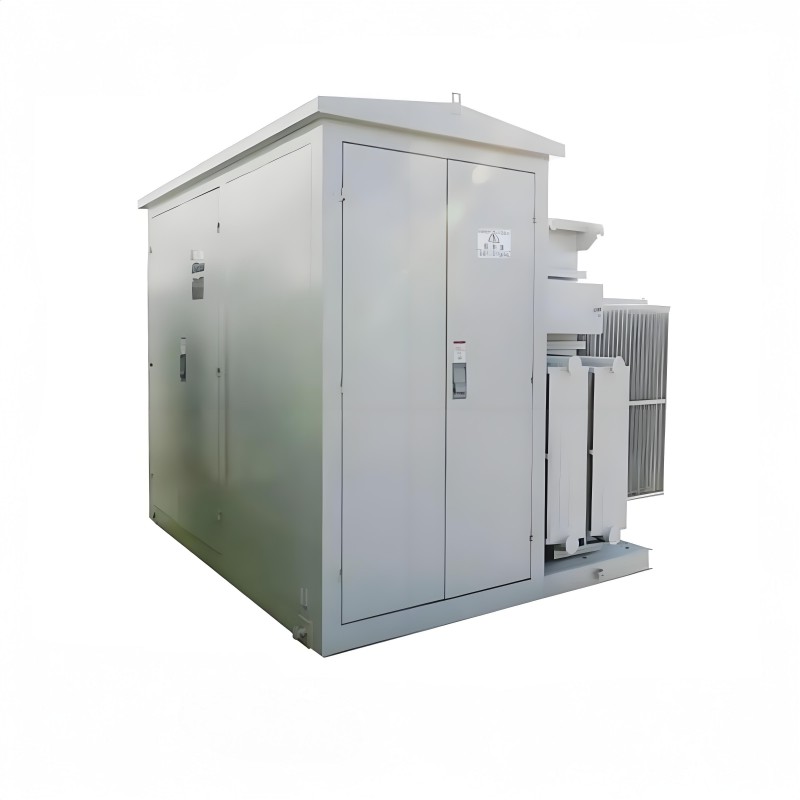
American Standard /C Certification 75-2500KVA Oil Type Three Phase 13.8KV Pad Mount Transformers for Power Generation
An American-standard oil pad-mounted transformer for power generation projects and renewable interconnections where 13.8 kV class equipment and ANSI-style layouts are requested.
Review product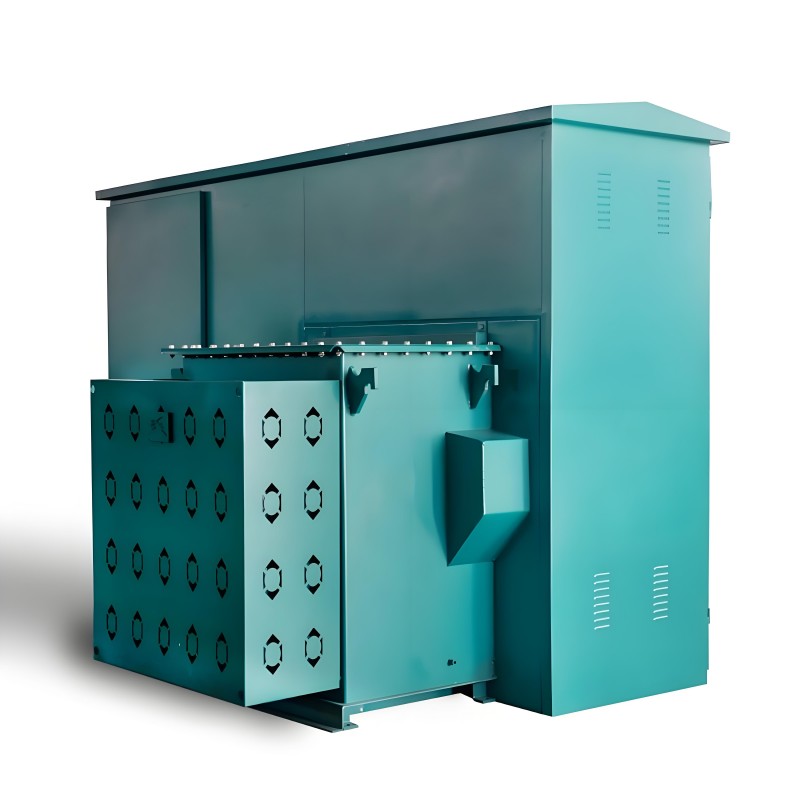
/C Certified Oil-Type Cooper 75-2500kva Pad Mounted Transformer 6kv-34.5kv 50/60hz Dead Front Three Phases
A dead-front pad-mounted transformer for loop-feed underground networks, offering operator-safe front access and flexible 6 kV to 34.5 kV configuration for export projects.
Review product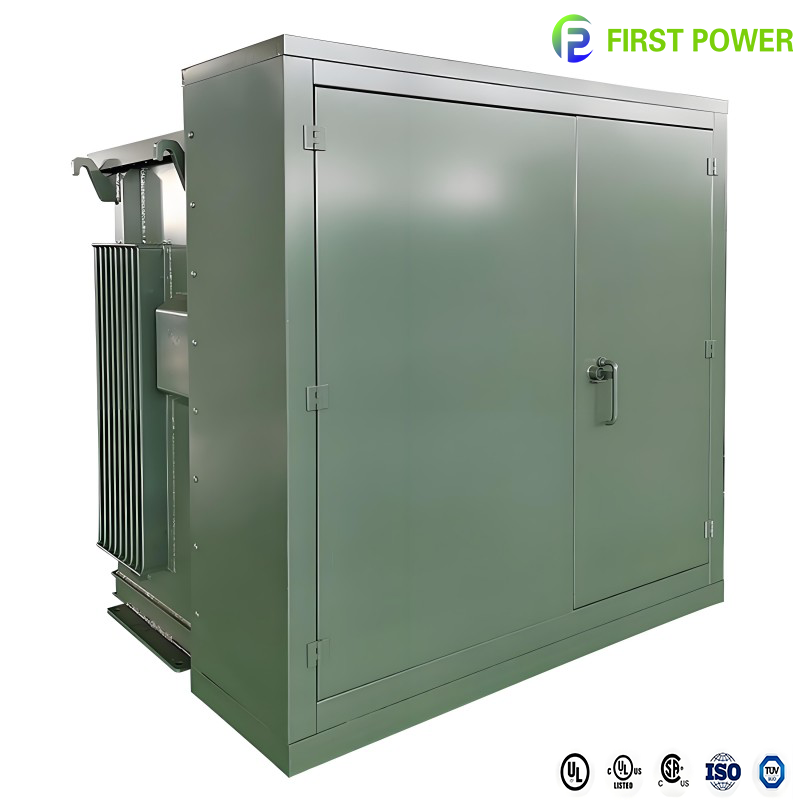
C CE MV&HV ZGS11 75-2500KVA 10KV 20KV 35KV Pad Mounted Three Phase Transformer for Electric Power Distribution
A ZGS11 pad-mounted distribution transformer for urban and industrial electric power distribution where a compact footprint, cable termination and outdoor protection are required.
Review product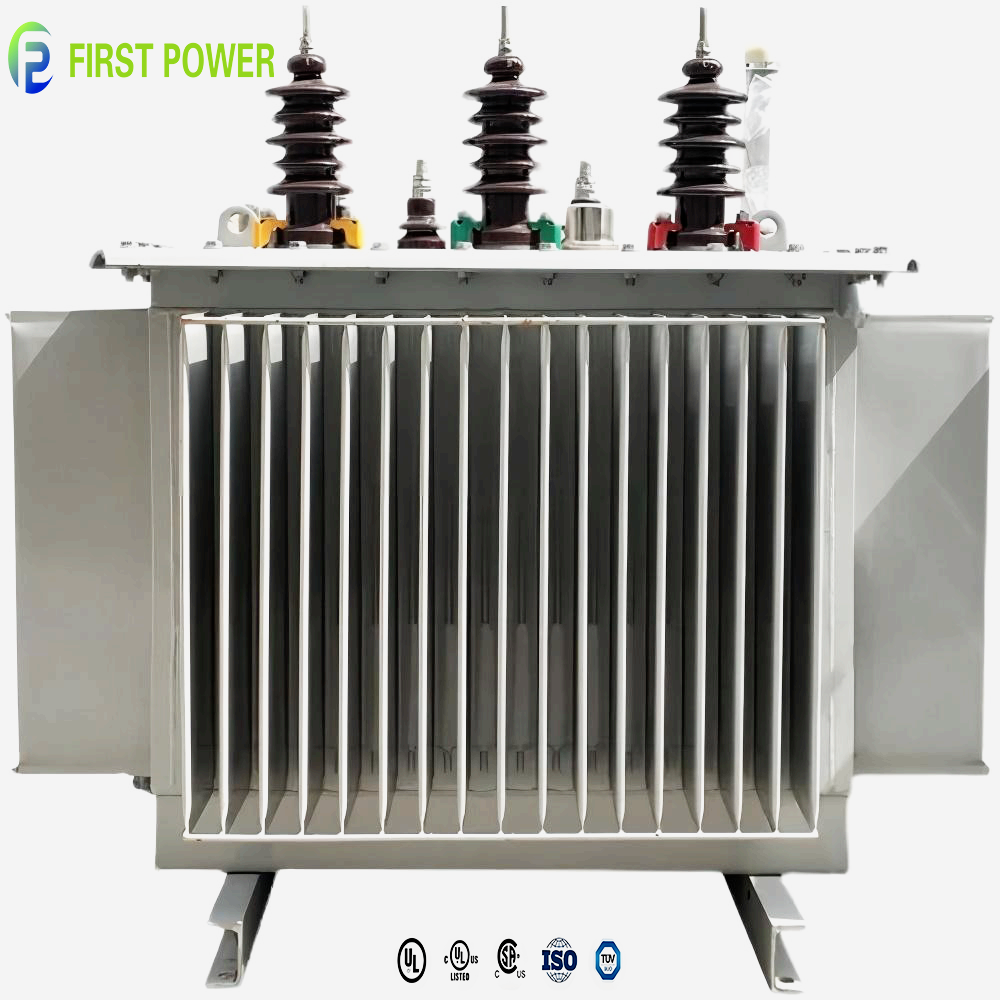
/C Certification 60HZ S11 Three Phase 10KV 35KV 500 KVA 22KV/0.4KV 50HZ Electric Oil Immersed Transformer for Power Supplies
An S11 three-phase oil-immersed transformer for power supplies where low losses, reliable thermal behaviour and standard 22 kV/0.4 kV distribution are important.
Review product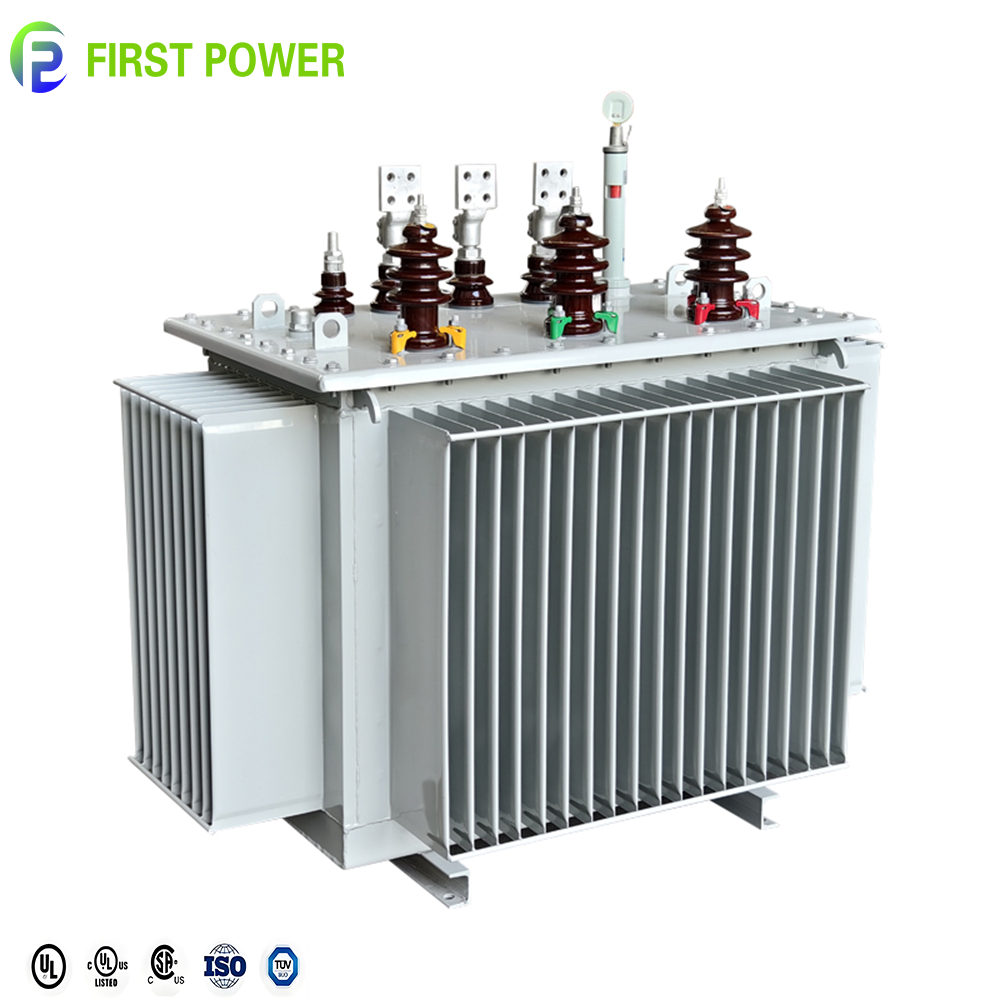
C CE 50/60HZ 6KV 10KV 15KV 20KV 35KV 100KVA 200KVA 300KVA 500KVA 220V Output Voltage Step up Oil Transformer for Industrial
A step-up oil transformer for industrial plants, generator interfacing and captive power systems that need 6 kV to 35 kV stepping with 220 V input/output options.
Review productWhy Makassar Projects Need More Than a Catalogue Transformer
Makassar is the largest city and a major logistics gateway in South Sulawesi. For power distribution equipment, the buying decision is shaped by port access, tropical humidity, salt-air corrosion, seismic design, 50 Hz grid practice and the practical needs of industries that serve eastern Indonesia.
For a Makassar commercial building, hospital, cold store or industrial estate, the transformer is not simply a kVA rating on a purchase order. It must match the local distribution voltage, the short-circuit duty, the ambient temperature, the installation method and the maintenance capability of the final owner. In Indonesia, a 20 kV medium-voltage distribution network and 50 Hz operation are common reference points, with low-voltage systems typically designed around 400/230 V. Where a project follows a PLN, EPC or private industrial standard, those requirements should be written into the datasheet before quotation.
A supplier working with Makassar buyers also has to think about the journey. Equipment may move through Makassar Port before delivery to project sites in Makassar city, Gowa, Maros, Pangkep, Takalar or wider Sulawesi. Seaworthy packing, moisture protection and lifting points matter as much as electrical ratings, because a transformer that arrives with damaged bushings or wet insulation creates delays that no price saving can offset. The right export partner should provide GA drawings, routine test reports, packing lists and document packages that align with the buyer’s inspection process.
Port and Marine Logistics
Reefer plugs, cranes, warehouses and terminal lighting need reliable oil-immersed distribution and compact substations with corrosion-resistant enclosures.
Nickel and Mineral Downstream
Smelters, processing plants and supporting industrial parks require step-up transformers, MV/HV distribution and carefully planned spare-part strategies.
Fishery and Cold Chain
Ice plants, cold storage and fish-processing operations depend on stable voltage for compressors, pumps and refrigeration controls.
Hospitals and Hospitality
Hospitals, hotels, malls and universities often prefer dry-type or low-fire-risk indoor solutions, with pad-mounted or compact substations for outdoor supply.
Urban Housing and Mixed-Use
Residential estates and mixed-use developments need compact footprints, low noise, cable-entry planning and protection against flooding and tampering.
Water and Public Infrastructure
Pumping stations, treatment works, airports and public campuses require transformers that tolerate high ambient temperatures and variable load profiles.
Solar, Hydro and Hybrid Power
Renewable and captive power projects use pad-mounted and step-up transformers to connect generation, storage and industrial loads.
Industrial Estates and Manufacturing
Food processing, cement, steel, packaging and assembly plants need distribution transformers sized for motor starting, harmonics and future expansion.
How to Shortlist the Right Equipment for Makassar Conditions
This comparison is a starting point for procurement and engineering discussion, not a substitute for a load flow, short-circuit and protection study. The final design should always be confirmed by a qualified electrical engineer.
| Makassar project need | Recommended equipment | Why it fits | Procurement checks |
|---|---|---|---|
| Commercial building or hotel with limited outdoor space | ZGS11 pad-mounted transformer or compact substation | Reduces civil works, protects live parts and supports cable-fed distribution in dense urban areas. | Confirm 20 kV or project voltage, 400/230 V secondary, enclosure finish, cable entry and noise limits. |
| Port terminal, reefer yard and warehouse | Oil-immersed distribution transformer with corrosion protection | Handles continuous loads, high ambient temperature and motor starting while remaining serviceable. | Specify IP rating, C5-M paint system, anti-condensation heaters and lifting arrangement. |
| Nickel processing, smelter support or industrial park | MV/HV pad-mounted transformer, power transformer or step-up transformer | Matches larger block loads, captive generation and high-voltage interconnection requirements. | Check vector group, impedance, tap range, cooling, short-circuit strength and spare-part plan. |
| Indoor hospital, data room, mall or university building | Dry-type transformer where fire safety dictates | Oil-free construction is preferred inside occupied buildings and fire-sensitive areas. | Confirm enclosure, IP rating, fan cooling, temperature rise and acoustic limits. |
| Solar, hydro, biomass or hybrid generation | Step-up transformer or pad-mounted transformer | Connects generation to the internal distribution system or grid interconnection point. | Review inverter/generator characteristics, harmonics, reverse power flow and protection settings. |
| Residential estate or mixed-use development | Single-phase or three-phase pad-mounted distribution transformer | Balances residential loads and provides an underground-friendly footprint with tamper resistance. | Review load diversity, phase balance, cable loops, earthing and future expansion capacity. |
For fire-sensitive indoor locations, the company’s dry-type transformer family can be quoted alongside the eight models above. For all projects, the technical datasheet should state frequency, voltage ratio, vector group, impedance, tap range, cooling method, ambient temperature and installation altitude.
Power Distribution Trends Shaping Makassar and South Sulawesi
Buyers in Makassar are not only comparing purchase price. They are comparing lifecycle loss, delivery risk, documentation quality and the ability of a supplier to support future expansion.
20 kV Network Efficiency
Loss reduction and transformer efficiency are increasingly important for utilities, industrial estates and commercial developments seeking lower operating costs over a 20–30 year asset life.
Tropical Climate Resilience
High humidity, salt-air exposure and intense rainfall drive demand for corrosion protection, sealing, anti-condensation measures and careful insulation design.
Downstream Industrial Growth
Sulawesi’s mineral and processing supply chains continue to create demand for high-capacity transformers, step-up units and fast project documentation.
Captive and Renewable Power
Solar, hydro, biomass and hybrid systems need step-up and pad-mounted transformers that can handle reverse power flow and variable generation profiles.
Modular Substations
Land constraints, construction speed and site labour availability are pushing more projects toward factory-assembled compact substations and pad-mounted designs.
Lifecycle Cost Focus
Procurement teams are increasingly evaluating no-load loss, load loss, maintenance access, spare parts and documentation as part of the total cost of ownership.
Makassar procurement blind spot 1: voltage and frequency assumptions. A specification copied from another market may refer to 60 Hz, 13.8 kV or 120/240 V. Indonesian projects commonly need 50 Hz and local medium-voltage practice, so the datasheet must be checked against the actual grid connection rather than the name of the equipment category.
Makassar procurement blind spot 2: corrosion and installation environment. Coastal air, seasonal flooding and high humidity can shorten the life of poorly specified enclosures. The buyer should state the installation environment and require a compatible paint system, IP rating, earthing arrangement and moisture-control plan.
Makassar procurement blind spot 3: documentation and local compliance. Tender requirements may involve SNI, PLN interconnection, TKDN or project-specific EPC standards. Clarify these requirements at the inquiry stage so that drawings, test reports and compliance documents can be prepared before shipment rather than after the equipment reaches Makassar.
A Transformer Exporter Built for Audited Procurement
Jiangsu Wisegj Power Co., Ltd. designs, assembles and exports medium- and high-voltage equipment from 220 V to 500 kV, including power transformers, distribution transformers, pad-mounted transformers, dry-type transformers, compact substations, switchgear and related distribution equipment.
The advantage for a Makassar buyer is not a generic claim of low price. It is a documented supply process: engineering review before quotation, controlled production, routine testing on every unit, export packing and an English-language documentation package that can be shared with consultants, insurers and project owners. The company operates under ISO 9001, ISO 14001 and ISO 45001 management systems, and product lines hold CE certification. Production capability and floorspace have been verified onsite by TÜV Rheinland.
The team brings more than 20 years of hands-on transformer experience, with 50+ engineers in R&D and technical support. That matters when a project has an unusual vector group, a non-standard tap range, a tight site footprint or a specification that mixes IEC and ANSI references. OEM, ODM, design-based and sample-based customization are available, and each unit can be supplied with routine test reports covering winding resistance, ratio, impedance, no-load loss, load loss and dielectric tests as applicable.

Verified Factory Capacity
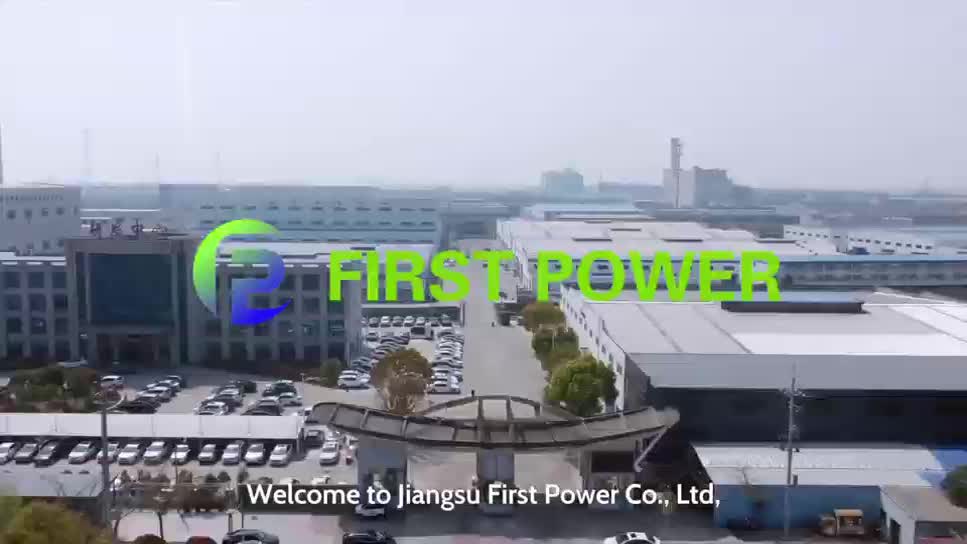
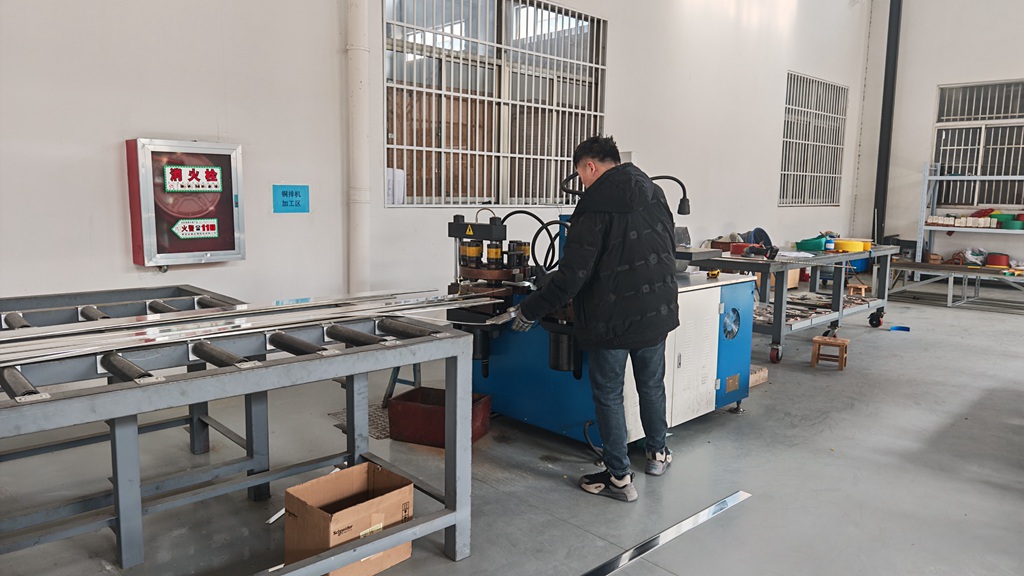
6,847 m² inspected floorspace with dedicated winding, core assembly, drying, tanking and testing areas.
In-House Testing
Ratio, resistance, loss, impedance, dielectric and oil BDV tests documented for each serial number.
Design Customization
Ratings, vector group, impedance, taps, bushings, cooling and enclosure can be adapted to utility specifications.
Export Logistics
Seaworthy packing, shock indicators and Incoterms coverage from EXW to DDP, with Makassar port delivery coordination available.
Certified Systems
ISO 9001, ISO 14001 and ISO 45001 management systems, with CE certification across key product lines.
Complete Documentation
GA drawings, nameplate drafts, routine test reports, packing lists and O&M manuals supplied in English.
211 Supply Partners
Qualified sources for silicon steel, copper, bushings and accessories help secure stable lead times.
24-Hour Engineer Response
Technical questions and after-sales issues receive a qualified response within one working day.
 TÜV Rheinland verified
ISO 9001 · 62824Q6052R0S
ISO 14001 · 62824E6053R0S
ISO 45001 · 62824S6054R0S
CE power transformer · 3N230310.JYTU038
CE dry type · FQC2530404
CE compact substation · M.2025.206.C121884
Makassar Buyer Questions: Voltage, Shipping, Testing and Support
These are the questions that commonly arise when a Makassar buyer compares transformer suppliers for an industrial, commercial, utility or EPC project.
1. What transformer rating is most common for Makassar commercial and industrial projects?
2. Should I choose a pad-mounted transformer, compact substation or dry-type transformer?
3. How do you protect equipment from Makassar humidity, salt spray and high ambient temperature?
4. Which standards can the equipment be designed and tested to?
5. What routine tests are performed before shipment?
6. How is equipment shipped to Makassar and what packing should I expect?
7. Can the transformer be customized for 50 Hz, 20 kV or a specific EPC specification?
8. What information is needed for an accurate Makassar quotation?
9. What trade and payment terms are accepted?
10. What support is available after delivery?
Request a Makassar-Ready Transformer Quotation
Send your single-line diagram, load list, voltage ratio, frequency, site conditions and delivery port. Our engineers will review the specification and respond with a practical configuration, documentation list and export plan.
Contact UsNo obligation. Technical review within one working day.