Why the Nairobi Market Needs a Different Pad Mount Transformer Conversation
Nairobi buyers are not simply ordering a transformer; they are fitting equipment into a 50 Hz network, an 11 kV and 33 kV distribution environment, a high-altitude construction climate and a procurement chain that often begins with a consultant’s schedule and ends with clearance at the Port of Mombasa. A pad mounted transformer that performs well in a coastal or low-altitude market may need revised cooling, clearance, enclosure and insulation coordination for Nairobi’s altitude of about 1,795 m, seasonal rain, dust and lightning exposure.
That is why a useful exporter conversation should move beyond “kVA and price”. It should confirm the point of supply, primary and secondary voltage, vector group, impedance, tap range, loss target, enclosure security, cable termination, testing standard and the documents your consultant or clearing agent will ask for. Jiangsu Wisegj Power Co., Ltd. supports this process with engineered-to-order pad mounted, oil immersed, dry type and power transformers from 220 V to 500 kV, plus compact substations and switchgear.
For Nairobi wholesalers, distributors and EPC procurement teams, the practical advantage is a supplier that can keep 50 Hz specifications, IEC 60076 test logic and export documentation aligned before production starts. That reduces clarification cycles, protects the tender position and makes factory inspection more predictable.
Nairobi specification snapshot
- Frequency50 Hz
- Common primary11 kV / 33 kV
- Secondary415 / 240 V
- Typical range50–2,500 kVA
- AltitudeAbout 1,795 m
- StandardsIEC 60076 / IEEE C57.12 where specified
- LogisticsMombasa port → Nairobi inland
- DocumentationDrawings, routine tests, KEBS/PVoC support
Manufacturing Evidence Nairobi Buyers Can Review
These figures come from the company profile and third-party verified production data. They are useful because pad mount transformer procurement is not only a catalogue exercise; it is a check on factory capacity, testing discipline and export follow-through.
Pad Mount Transformer Models for Nairobi Wholesalers and Project Buyers
These eight product families are a practical starting point for Kenya-bound enquiries. Use them to shortlist a configuration, then confirm the final 50 Hz ratings, losses, protection and documentation against your single-line diagram and utility point of supply.
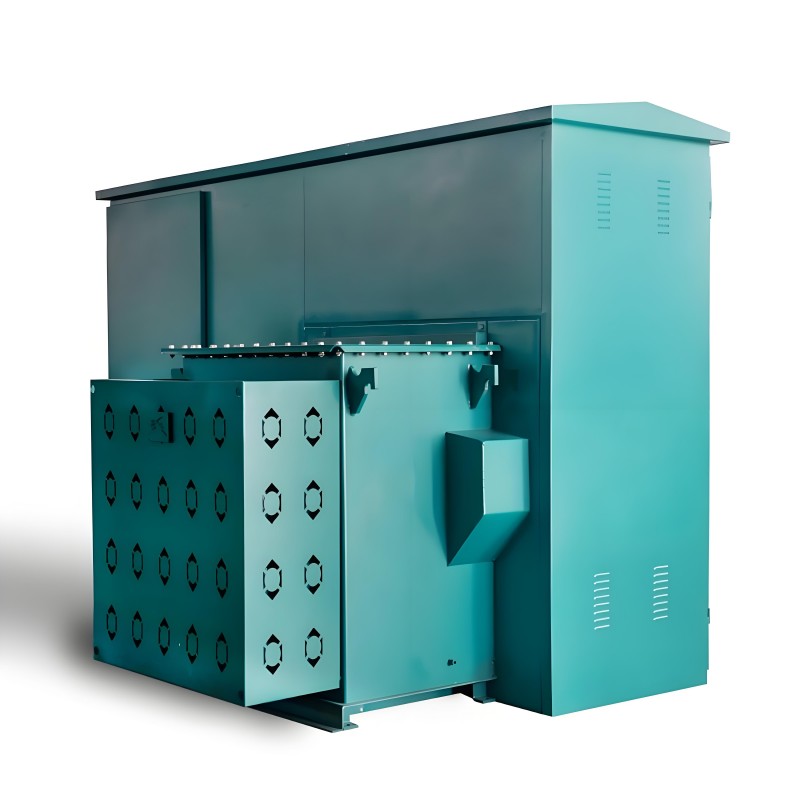
C Certified Oil-Type Copper Pad Mounted Transformer, 75–2500 kVA, 6–34.5 kV, Dead-Front, Three Phase
A strong starting point for Nairobi commercial buildings, mixed-use developments and private mini-substations that need a low-profile, tamper-resistant unit for underground cable systems. For Kenya, specify 50 Hz, 11 kV or 33 kV primary, 415/240 V secondary and losses aligned to the project energy target.
- Frequency: 50 / 60 Hz
- Primary: 11 kV or 33 kV options
- Feature: Dead-front, three phase
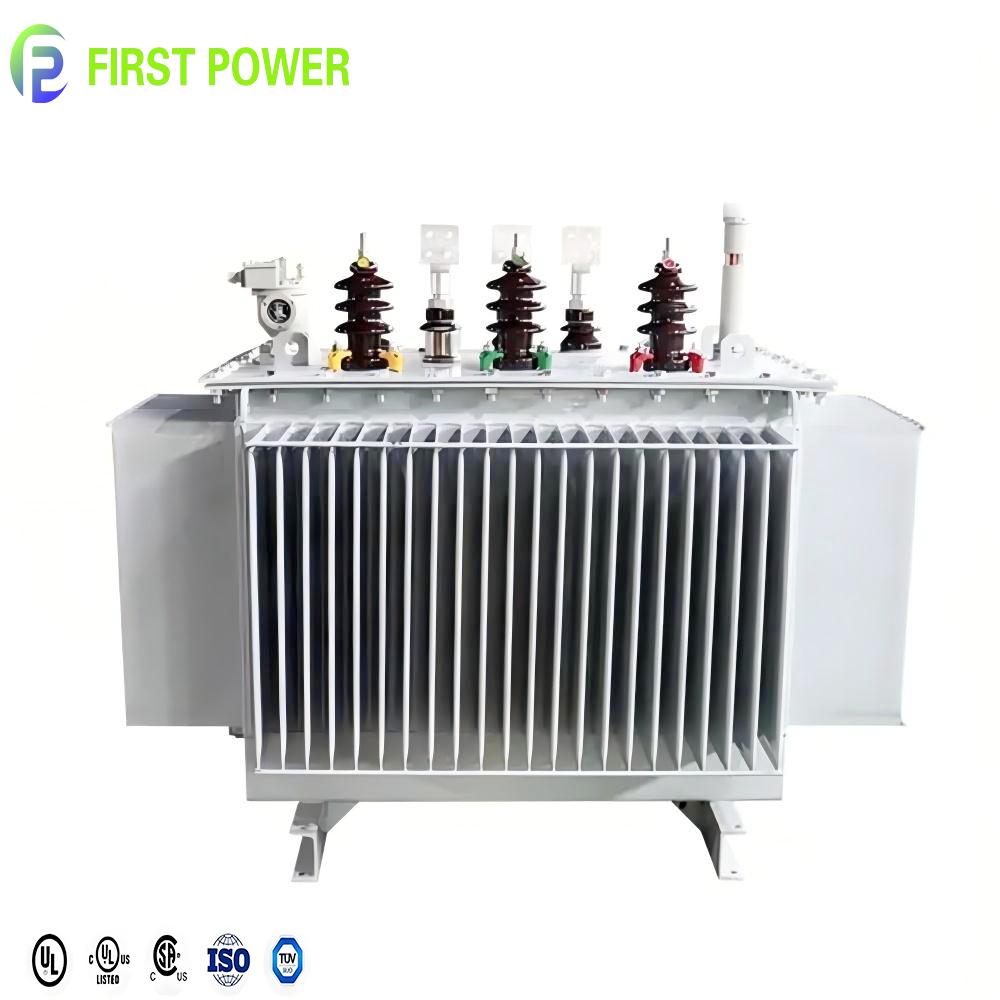
C/CE S11 Three-Phase Oil-Immersed Distribution Transformer, 50–250 kVA, 10/20/35 kV
A practical choice for Nairobi perimeter estates, light industrial loads and water-pumping stations. The hermetically sealed tank and low-loss core support confined sites where service access is limited. Request 11 kV or 33 kV primary for standard Kenyan distribution.
- Rating: 50–250 kVA
- Primary: 10 / 20 / 35 kV
- Use: Distribution and pumping loads
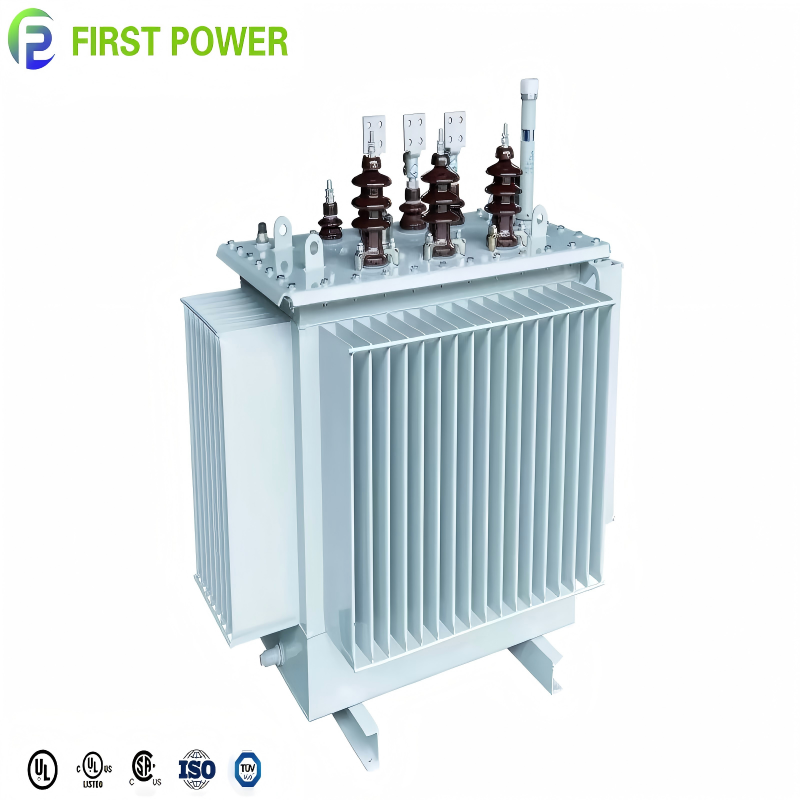
C/CE S11 50/60 Hz Oil-Immersed Transformer, 6–35 kV, 50–300 kVA
A flexible distribution unit for wholesalers who need to serve multiple project types: retail centres, workshops, school campuses and small factories. Specify 50 Hz for Kenya and confirm vector group, tap range and impedance against the upstream protection study.
- Rating: 50–300 kVA
- Voltage: 6–35 kV class
- Use: Mixed project portfolios
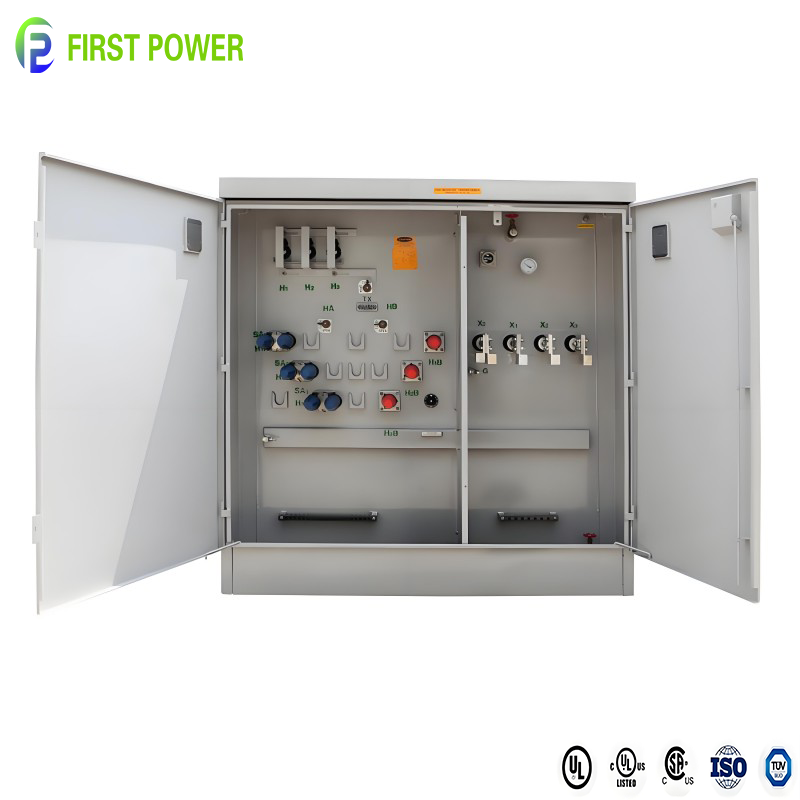
C/CE MV & HV Loop-Feed Pad Mounted Transformer, 300–700 kVA, 10–35 kV
Loop-feed configuration is useful where Nairobi industrial parks, logistics hubs and commercial campuses require continuity of supply and sectionalising capability. Dead-front design reduces exposed live parts; enclosure security suits unattended outdoor locations.
- Rating: 300–700 kVA
- Primary: 10–35 kV class
- Feature: Loop feed, dead-front
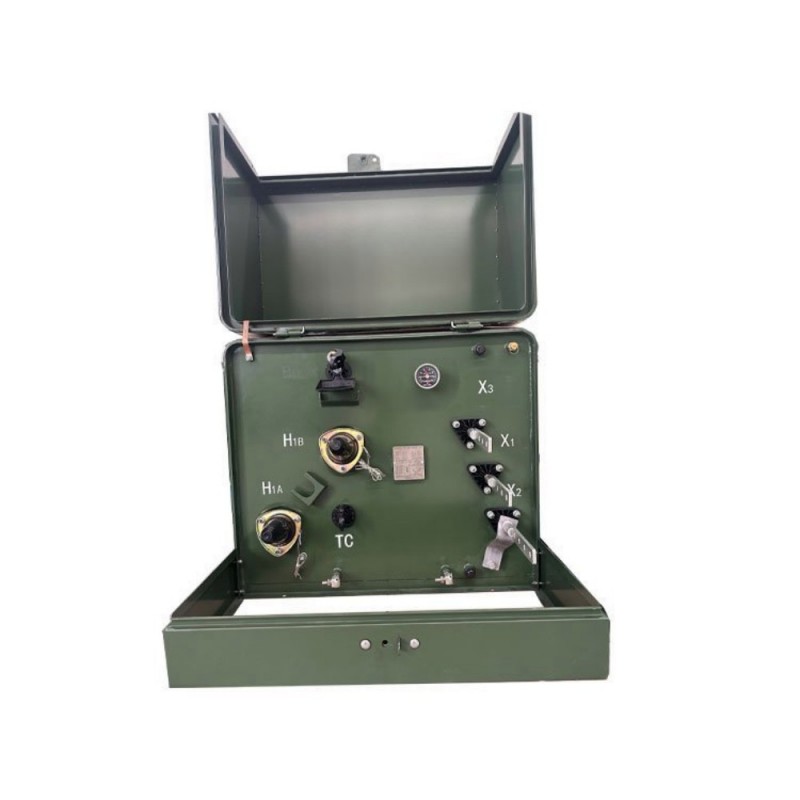
C Certification 6–34.5 kV Oil-Type Single-Phase 75 kVA Pad Mounted Transformer
For residential gated communities, street lighting and small commercial loads, a single-phase pad mount can simplify underground service. Confirm 50 Hz and a secondary voltage compatible with Kenyan 240 V single-phase utilisation.
- Rating: 75 kVA reference
- Voltage: 6–34.5 kV class
- Use: Estates and lighting circuits
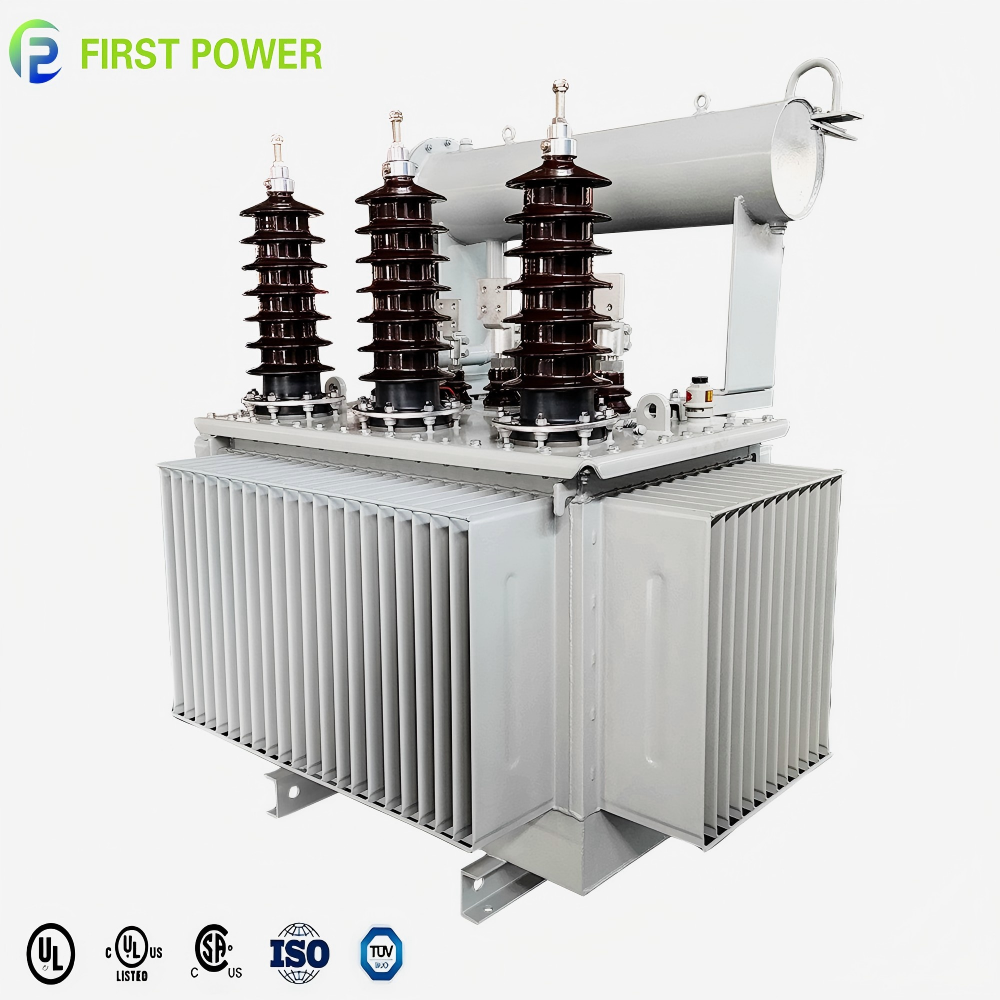
C/CE IEEE Standard S11 Three-Phase 33 kV Oil-Immersed Power Transformer
Appropriate for industrial power supply and mini-substations where a 33 kV primary and robust oil-immersed construction are required. The IEEE reference suits projects specifying IEEE-type testing; for Kenya, confirm whether IEC 60076 or a dual-standard test package is requested.
- Voltage: 33 kV class
- Standard: IEEE reference / IEC review
- Use: Industrial power supply
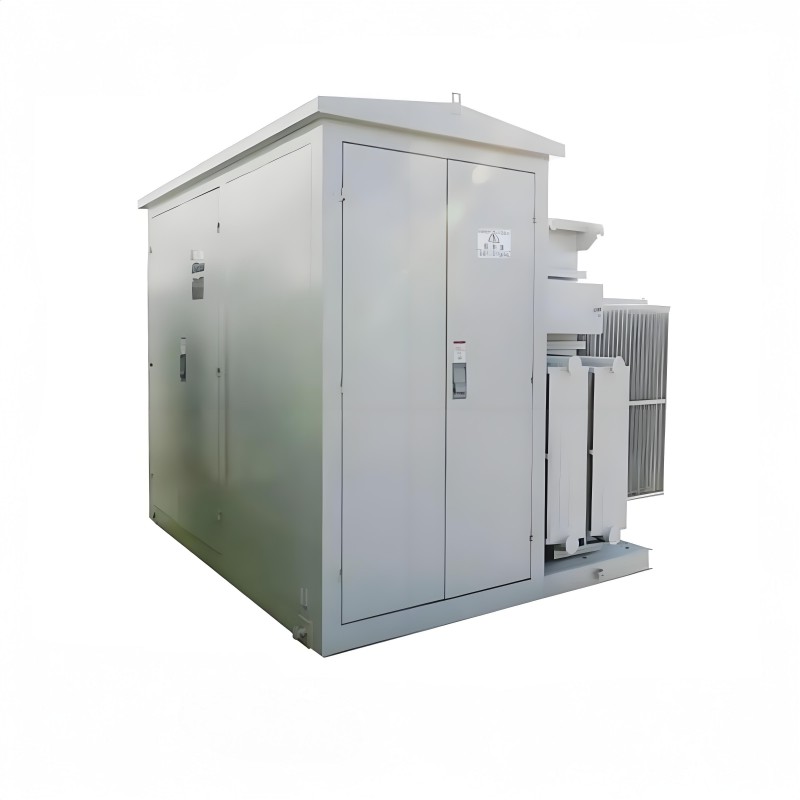
American Standard C Certification Oil-Filled Pad Mount Transformer, 75–2500 kVA, 13.8 kV
A high-capacity pad mount for power generation, large campuses and private networks. Although 13.8 kV appears in the model family, Nairobi projects can be engineered around 11 kV or 33 kV; the key is to freeze the point-of-supply voltage before factory drawings.
- Rating: 75–2500 kVA
- Reference: 13.8 kV design family
- Use: Generation and private networks
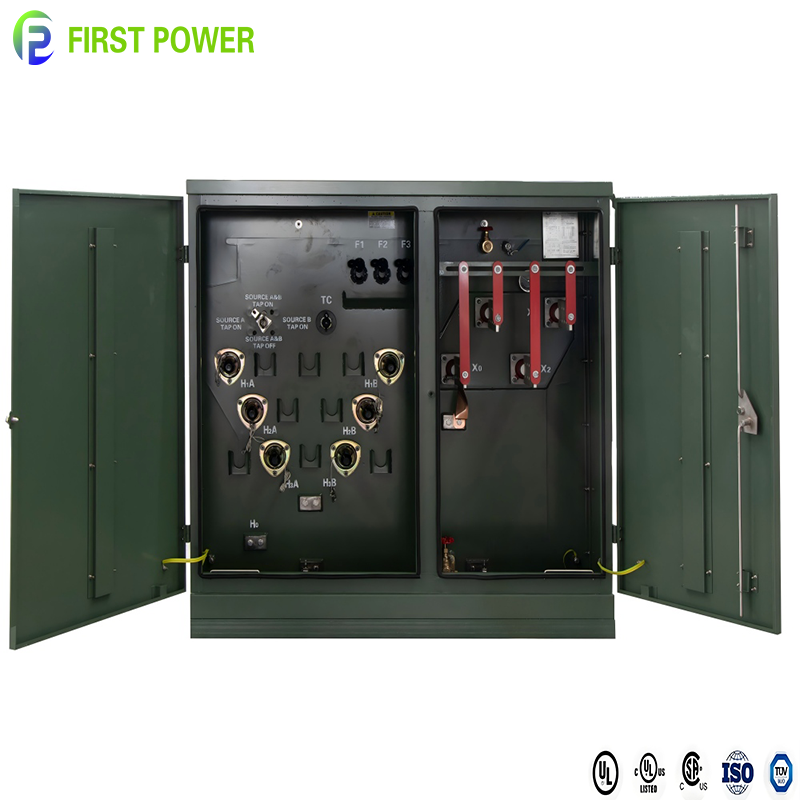
Listed C/CE MV & HV Three-Phase Pad Mounted Transformer, 6–35 kV
A flexible industrial power-supply unit for factories, warehouses and processing plants. Ask for a Nairobi-ready package: 50 Hz, 11 kV or 33 kV primary, 415/240 V secondary, lockable enclosure, cable termination support and routine test records before shipment.
- Voltage: 6–35 kV class
- Configuration: Three phase pad mount
- Use: Factories and warehouses
Where Pad Mount Transformers Fit in Nairobi’s Built Environment
Pad mounted transformers are chosen when outdoor ground-level equipment must combine security, low visual impact and reliable cable access. In Nairobi, the application usually determines the enclosure, loop configuration and protection philosophy.
Commercial and mixed-use developments
Westlands, Upper Hill and Kilimani-style projects often need compact outdoor distribution with tamper-resistant enclosures, cable termination space and coordinated protection for lifts, chillers, data rooms and tenant loads.
Industrial parks and logistics hubs
Athi River, Ruiru, Thika Road and similar corridors need loop-feed arrangements where downtime is costly. Dust, high ambient temperature and forklift or truck movement should be reviewed together with enclosure placement and cable entry.
Solar, data and distributed energy
Rooftop solar, captive generation, EV charging and data-centre expansion require transformers that match inverter and generator behaviour. Confirm 50 Hz, harmonic duty, step-up or step-down direction and loss evaluation early.
Residential estates and institutions
Gated communities, schools and clinics often prefer single-phase or small three-phase pad mounts for underground service. Where a building is fire-sensitive, the incoming pad mount can be paired with indoor dry type distribution.
Nairobi Pad Mount Transformer Specification Guide
Use this table as a procurement checklist, not a substitute for a protection study. The final design should be confirmed by a licensed electrical engineer and the relevant Kenyan authority or utility.
| Parameter | Nairobi specification focus | Procurement note |
|---|---|---|
| Frequency | 50 Hz required for Kenya | Do not accept a 60 Hz unit unless the full system and protection study confirms compatibility. |
| Primary voltage | 11 kV and 33 kV are common distribution points | Confirm the exact point of supply with the utility or project consultant before drawings are frozen. |
| Secondary voltage | 415/240 V, three-phase four-wire | Residential single-phase loads may use 240 V; confirm the building distribution design. |
| Rating | 50–2,500 kVA typical pad mount range | Size for maximum demand, future load and loss evaluation, not only initial construction load. |
| Vector group | Dyn11 commonly requested | Confirm against the protection, earthing and harmonic study; do not copy another project blindly. |
| Cooling and altitude | ONAN normally; check high-altitude correction | Nairobi is about 1,795 m above sea level; ambient, solar exposure and enclosure ventilation matter. |
| Insulating fluid | Mineral oil or natural ester where specified | Ester may be preferred near fire-sensitive or environmentally sensitive sites, subject to budget and approval. |
| Enclosure | Dead-front, lockable, tamper-resistant | Confirm cable termination space, padlock standard and access clearance for local operating practice. |
| Standards | IEC 60076; IEEE C57.12 where tender requires | KEBS/PVoC documentation and customs classification should be checked with the clearing agent. |
| Testing | Routine tests plus oil test for liquid-filled units | Match serial numbers, test reports and nameplate data before shipment and site acceptance. |
Information gain note: Nairobi projects frequently require a 50 Hz, 11 kV or 33 kV design that also satisfies a consultant’s IEC or IEEE test schedule. The most common costly error is freezing the mechanical layout before the electrical point of supply is confirmed.
Nairobi Market Trends Shaping Pad Mount Transformer Demand
Transformer demand in Nairobi is being shaped by how the city builds, how the grid is reinforced and how buyers evaluate total cost of ownership. These trends influence the specification conversation more than a simple price comparison.
Undergrounding and streetscape pressure
Commercial corridors and planned developments increasingly prefer low-profile outdoor equipment that reduces visual clutter and protects live parts. This favours dead-front pad mounts with secure enclosures and clean cable management.
Grid resilience and 33 kV reinforcement
As loads grow, projects pay more attention to loop feed, sectionalising, fault level and protection coordination. A transformer that cannot match the upstream protection philosophy creates delays at commissioning.
Efficiency and total cost of ownership
No-load and load losses are increasingly evaluated over the life of the asset. For Nairobi buyers, a slightly higher initial price can be justified by lower losses, better cooling margin and fewer maintenance interventions.
Compliance and document traceability
Consultants and clearing agents want drawings, test reports, nameplate data and certificate references that reconcile with each other. The transformer package should be audit-ready, not just visually impressive.
For Nairobi Wholesalers, Distributors and EPC Procurement Teams
The title “exporter and wholesalers” matters because the buying behaviour is different from a single end-user project. Wholesalers need repeatable documentation, mixed specifications and a supplier who can keep serial numbers, test reports and shipping marks aligned.
Mixed-specification order planning
Combine 11 kV and 33 kV models, single-phase and three-phase units, different kVA ratings and enclosure finishes while keeping project markings and test records separate.
Private label and buyer documentation
OEM, ODM and design-based customization can cover nameplate language, enclosure colour, manuals, packing marks and document packs for your own Nairobi customer base.
Kenya-bound export logistics
Plan vessel space, export packing, lifting points, shock indicators where appropriate and Mombasa-to-Nairobi inland movement. Confirm container, flat-rack or breakbulk handling before large-unit release.
After-sales and engineer response
Technical questions, drawing clarifications and after-sales issues should receive a qualified response within one working day so your project team is not left translating between supplier and consultant.
Why Wisegj Is a Practical Pad Mount Transformer Partner for Kenya-Bound Projects
Jiangsu Wisegj Power Co., Ltd. is a Suzhou-based manufacturer and exporter of pad mounted, oil immersed, dry type and power transformers, compact substations and switchgear from 220 V to 500 kV. For Nairobi buyers, the relevant advantage is not a slogan; it is the ability to freeze a 50 Hz specification, issue drawings, test each unit and ship with documents that a consultant or clearing agent can check.
The company operates under ISO 9001, ISO 14001 and ISO 45001 management systems, holds CE certificates for transformer and substation product lines, and has production capability verified by TÜV Rheinland. The team supports OEM, ODM, design-based and sample-based customization, with routine factory testing, English documentation and export terms ranging from EXW to DDP.
- 20+ years of transformer team experience
- 50+ R&D and technical engineers
- Verified 6,847 m² production floorspace
- 211 qualified supply-chain partners
- CE, ISO and TÜV Rheinland verification references
- 24-hour pre-sale and after-sale response target

Inside the Production and Testing Path
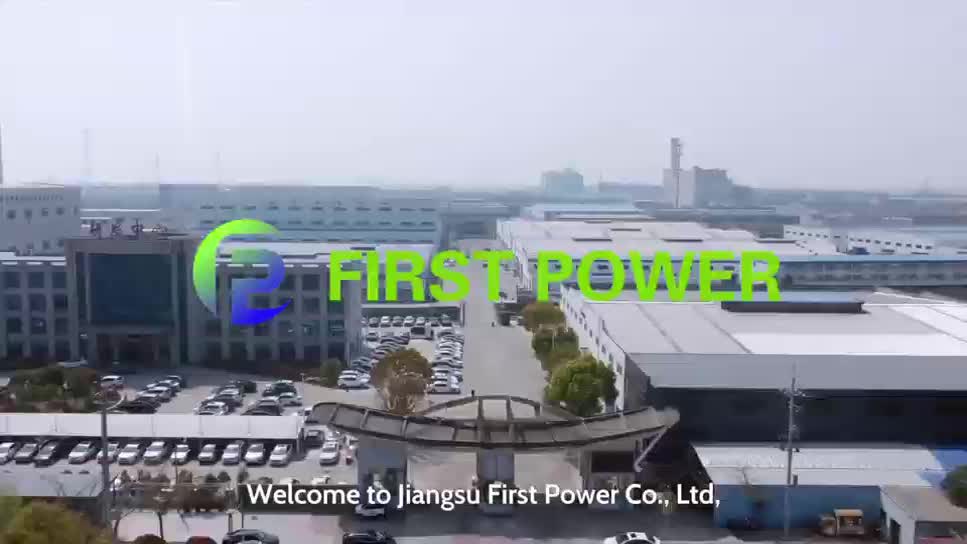
For a Nairobi tender, the factory path should connect the approved drawing to the test report and then to the shipping mark. These images show representative production and testing environments in the company profile.


Certificates and Compliance Evidence
Certificate numbers are listed so your compliance team can review them against the issuing body. For a Kenya-bound order, combine these references with the project-specific test plan, drawings and nameplate data.
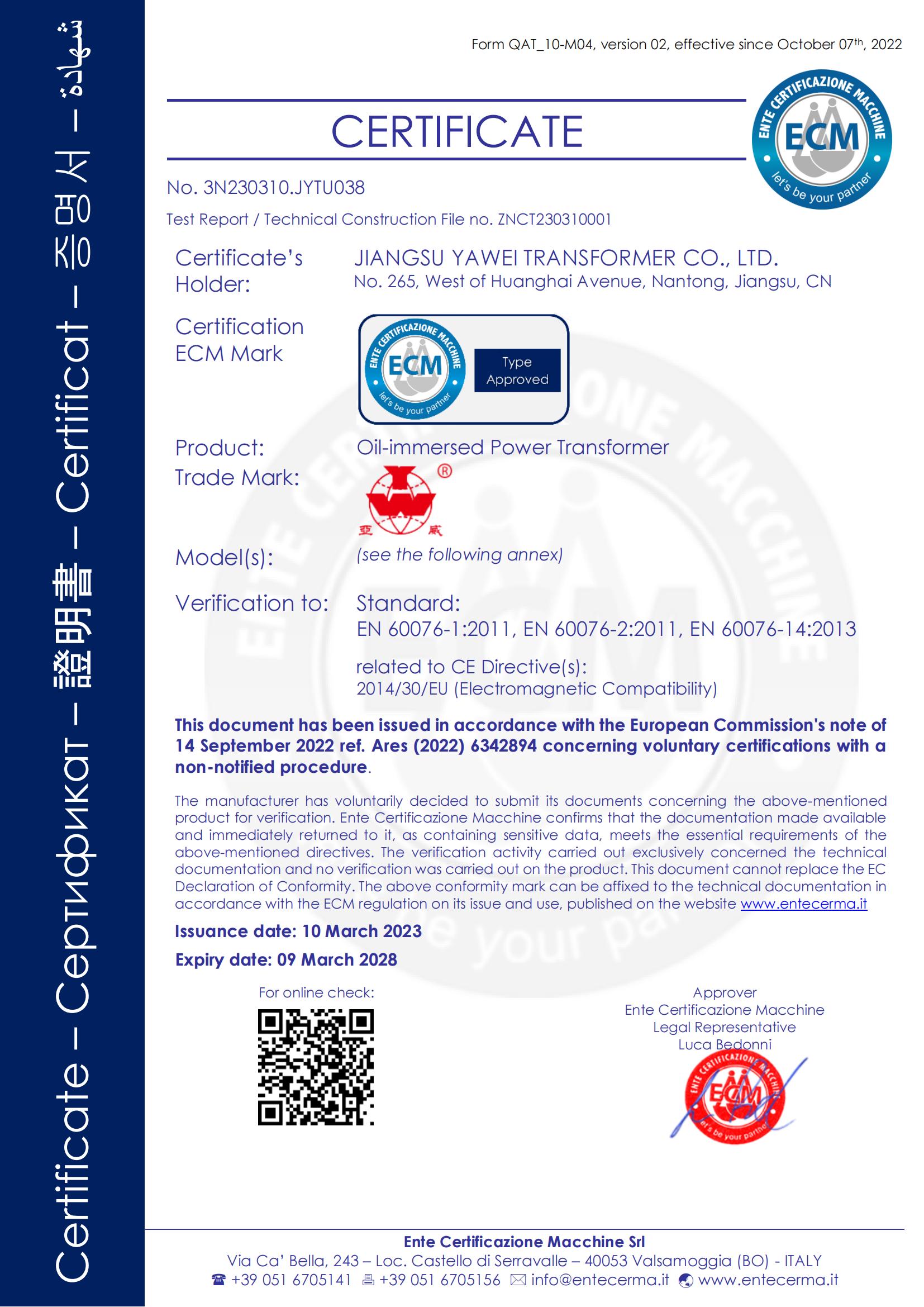
CE · Power Transformer
Oil-immersed power transformer · No. 3N230310.JYTU038 · 2023–2028
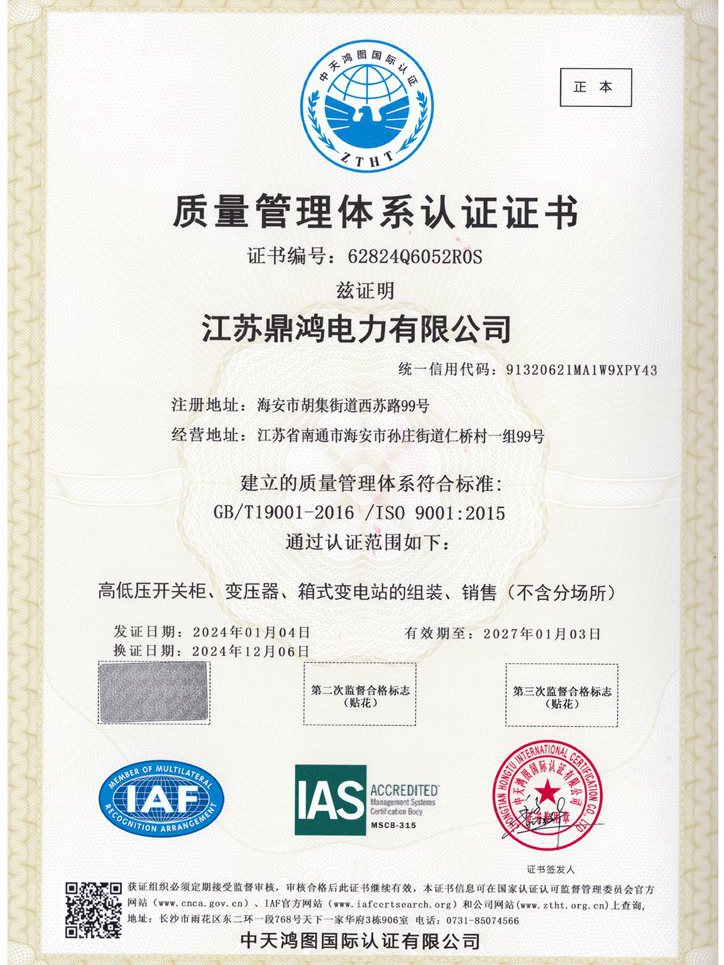
ISO 9001
Quality management · No. 62824Q6052R0S · 2024–2027
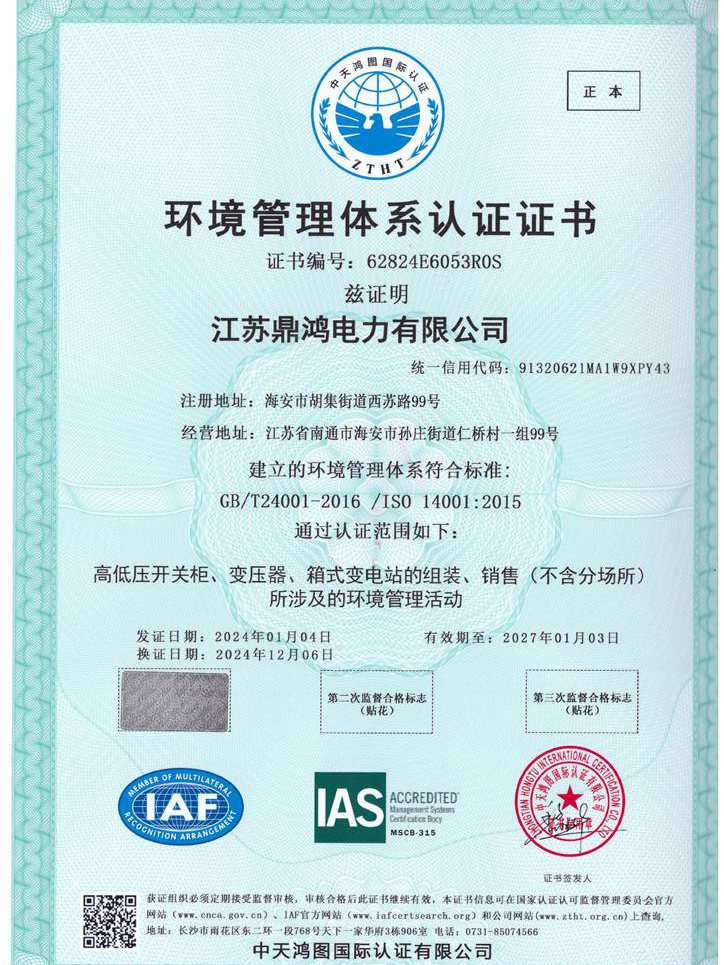
ISO 14001
Environmental management · No. 62824E6053R0S · 2024–2027
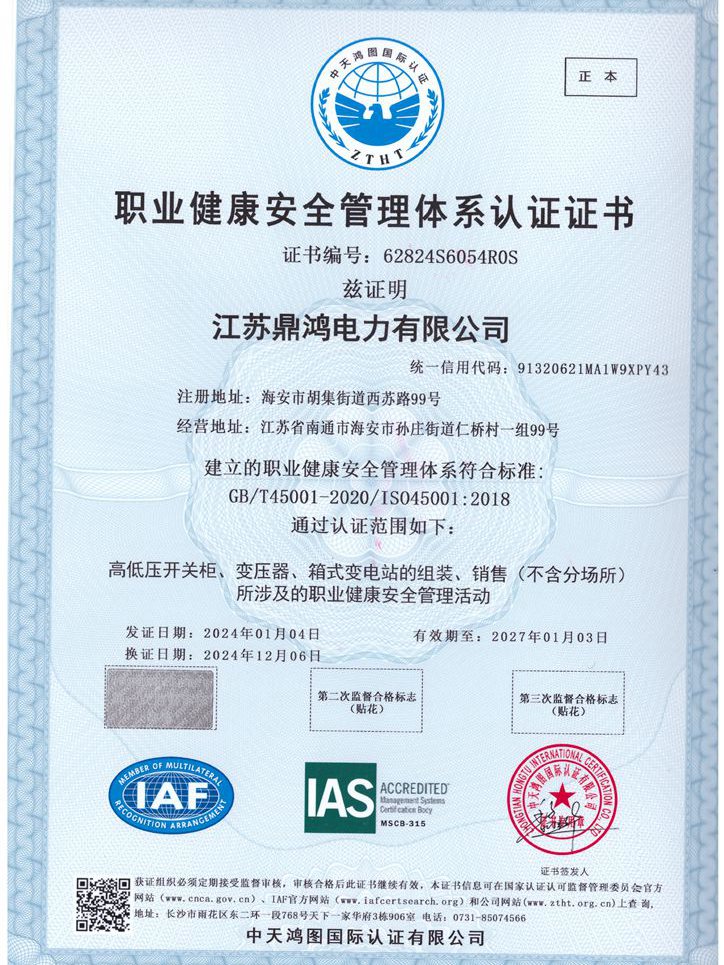
ISO 45001
Health & safety management · No. 62824S6054R0S · 2024–2027
From Nairobi RFQ to Site Energisation
A controlled sequence reduces the risk of a transformer arriving with the right kVA but the wrong voltage, documentation or enclosure detail.
Application review
Confirm point of supply, load profile, altitude, ambient, protection and target standard.
Electrical design and drawings
Freeze rating, vector group, impedance, taps, cooling, enclosure and cable termination.
Production and in-process inspection
Control core, winding, drying, tanking and assembly with documented checkpoints.
Routine testing and documents
Match serial numbers, test reports, nameplate drafts, drawings and packing marks.
Export packing and delivery coordination
Prepare sea-worthy packing and support Mombasa-to-Nairobi inland logistics.
Questions Nairobi Buyers Ask Before Ordering Pad Mount Transformers
These are the practical questions that appear when a consultant, wholesaler or EPC team compares offers for a Kenya-bound pad mounted transformer package.
Which pad mount transformer is best for Nairobi’s 11 kV or 33 kV network?
Can you supply 50 Hz units rather than 60 Hz?
How do you handle Nairobi’s altitude and climate?
What standards and compliance documents can you provide?
Which factory tests are performed before shipment?
What is the shipping route and what should we plan for?
Can you customize for our project or wholesaler brand?
What are the commercial terms and lead-time drivers?
Send these details for a Nairobi-specific quotation
A complete enquiry allows the engineering team to return a compliant configuration and guaranteed losses without unnecessary clarification rounds.
- Rated power in kVA
- Primary and secondary voltage
- Frequency: 50 Hz for Kenya
- Vector group and impedance
- Tap changer type and range
- Cooling method and insulating fluid
- Site altitude, ambient and installation location
- Applicable standard: IEC / IEEE / project specification
- Loss target, delivery port and documentation needs
Need a 50 Hz pad mount transformer for Nairobi?
Send your datasheet, single-line diagram or tender schedule. Our engineers will review the point of supply, altitude and loss target, then return a configuration that matches the Kenyan project requirement.