8 Oil Insulated Transformer Models for Port Harcourt Projects
The eight product families below cover the practical procurement window for utilities, oil and gas facilities, industrial estates, commercial developments and public infrastructure in Port Harcourt and across Rivers State. Each model can be customised for 50/60 Hz operation, 11 kV, 33 kV or 34.5 kV systems, specified vector groups, loss limits, anti-corrosion coatings, natural ester oil and local nameplate language.
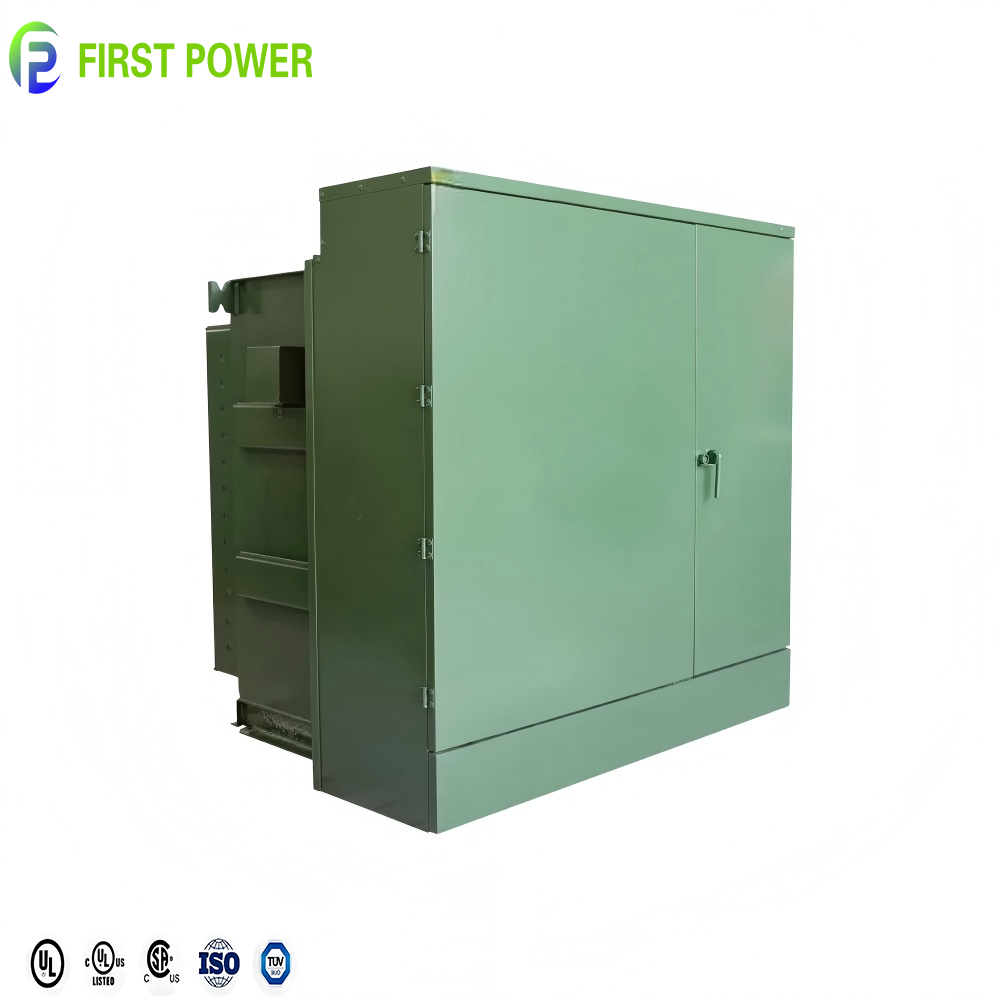
C CE 50/60HZ 10KV 20KV 35KV 300KVA 500KVA 630KVA 750KVA Three Phase Pad Mounted Transformer for Electric Power Distribution
Loop-feed or radial-feed pad-mounted distribution for commercial estates, utility underground networks and mini-grids. Options include C5-M coating, sealed cable compartments and FR3 ester oil.
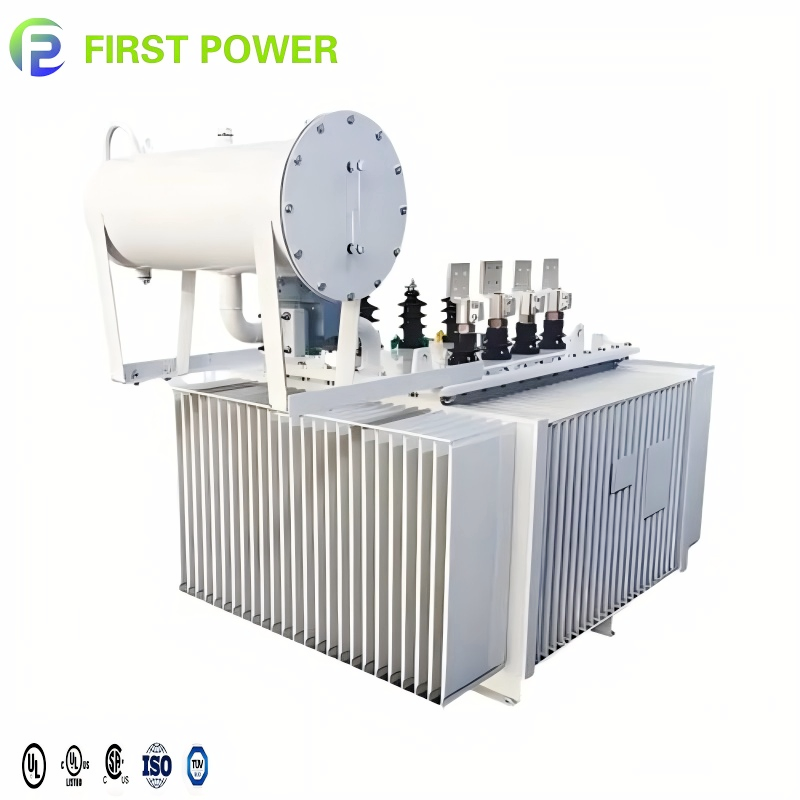
C CE 10KV 20KV 35KV 1000KVA 2000KVA 2500KVA 3 Phase Oil Type on Load Tap Changer Transformer for Industrial Power Supply
On-load tap changing supports voltage regulation in continuous-process plants, fabrication yards and industrial estates where supply fluctuations affect motors and controls.
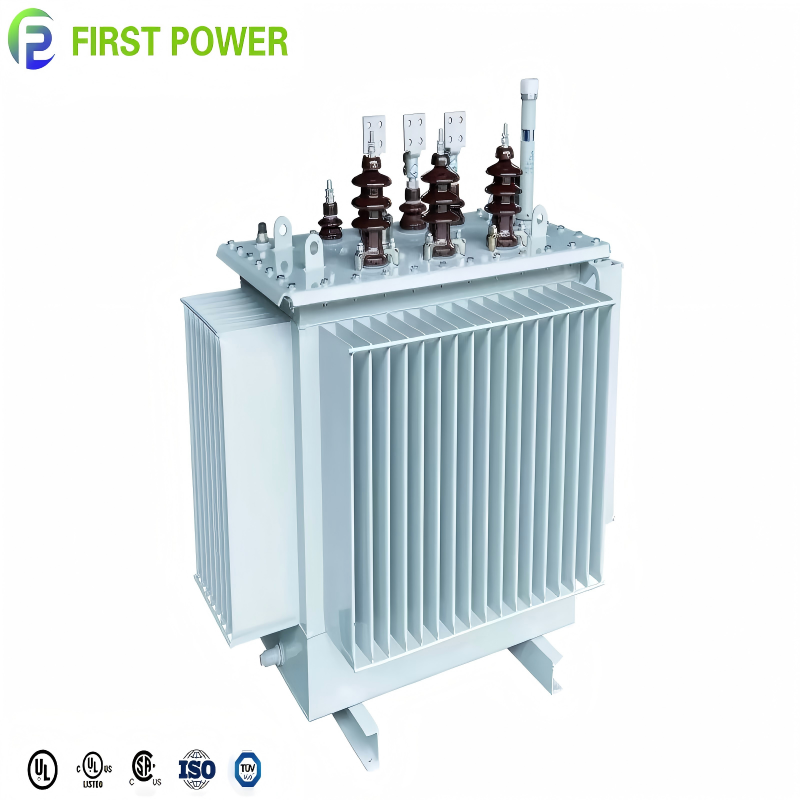
C CE S11 50/60HZ 6KV 10KV 15KV 20KV 35KV 100KVA 300KVA 3 Phase Oil Immersed Transformer 50KVA 33KV for Distribution System
A proven low-loss distribution workhorse for residential feeders, public buildings, water pumping stations and commercial load centres across Rivers State.
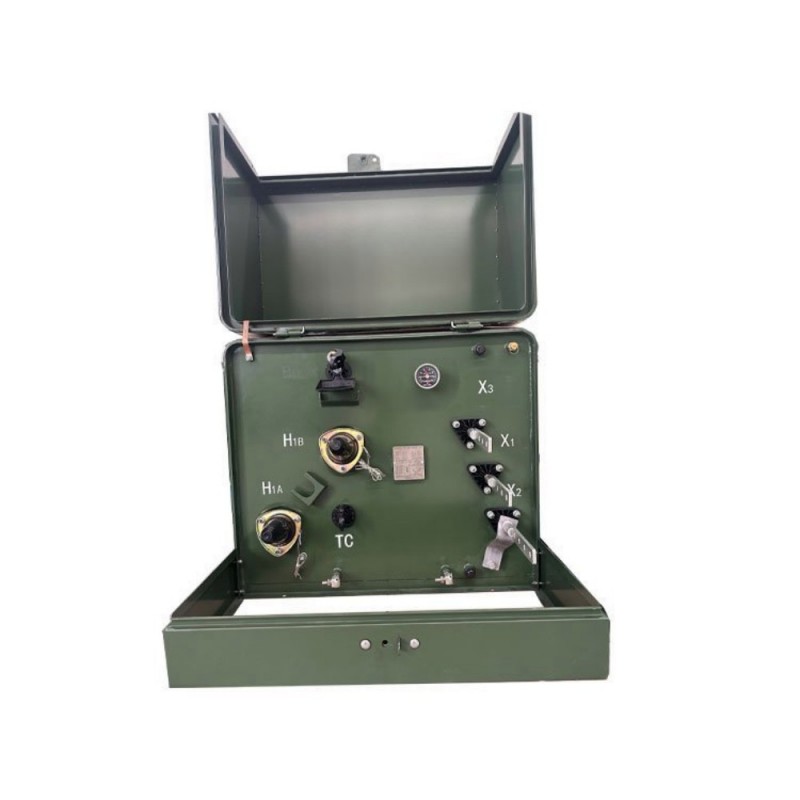
/C Certification 6KV 10KV 13KV 20KV 34.5KV 50/60HZ Oil Type Single Phase 75KVA Pad Mounted Transformers
Compact single-phase pad-mounted units for residential subdivisions, street lighting circuits and small commercial loads on underground distribution loops.
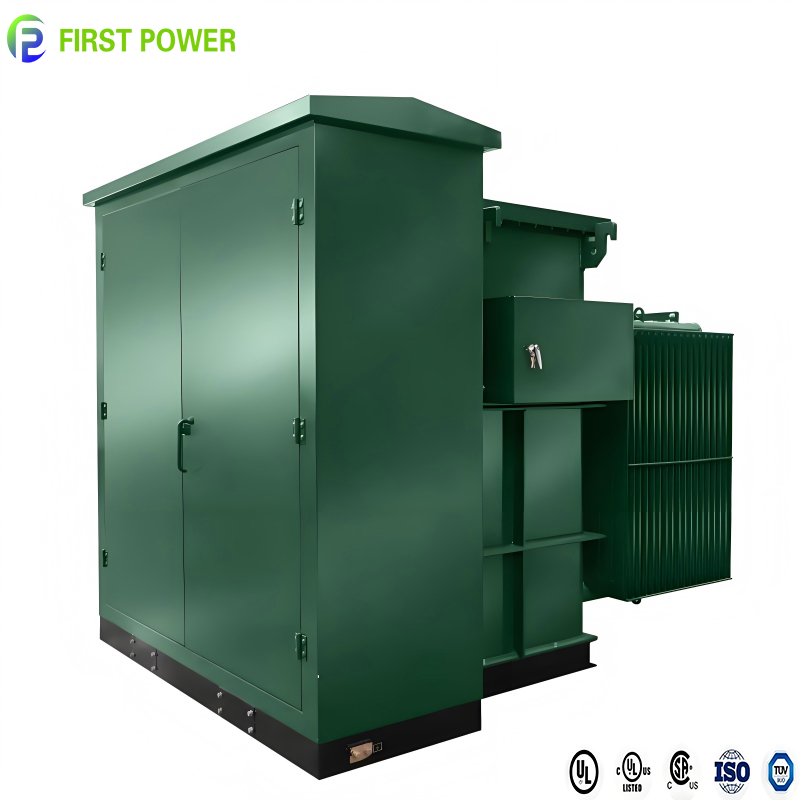
C CE 50/60HZ 6KV 10KV 15KV 20KV 35KV 100KVA 300KVA 500KVA 630KVA 3 Phase Pad Mounted Pedestal Transformer for Industrial
Pedestal-style pad-mounted transformer for industrial parks, logistics facilities and commercial sites needing a tamper-resistant outdoor installation.
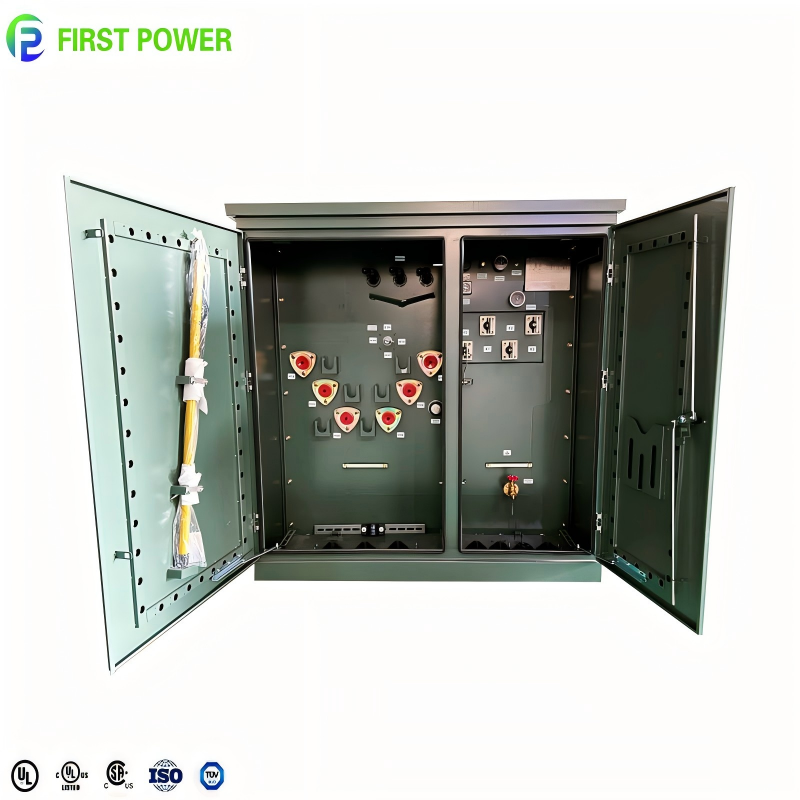
/C ZGS11 50/60HZ 75KVA-50000KVA 6KV 10KV 15KV 20KV 35KV Three Phase Pad Mounted Transformer for Electric Power Distribution
A broad pad-mounted range for utility distribution, renewable interconnections and large commercial campuses where underground feed and compact footprint matter.
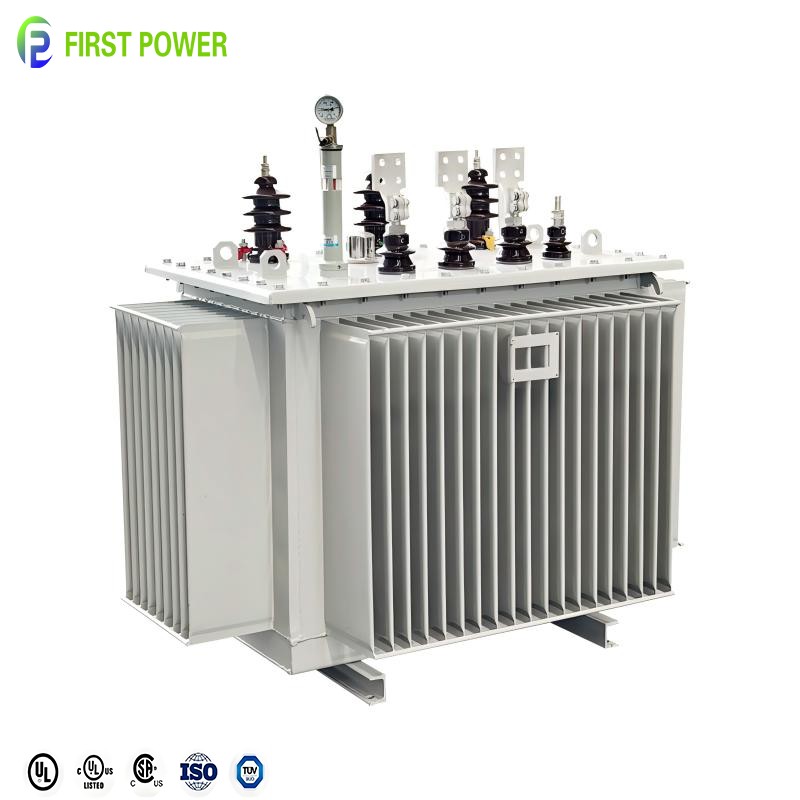
C CE 50/60HZ 100KVA 300KVA 500KVA 630KVA 1000KVA 10KV 20KV 35KV 3 Phase Oil Immersed Power Transformer for Power Supplies
Oil-immersed three-phase power transformer for plant distribution, captive generation, pumping stations and commercial buildings requiring robust overload tolerance.
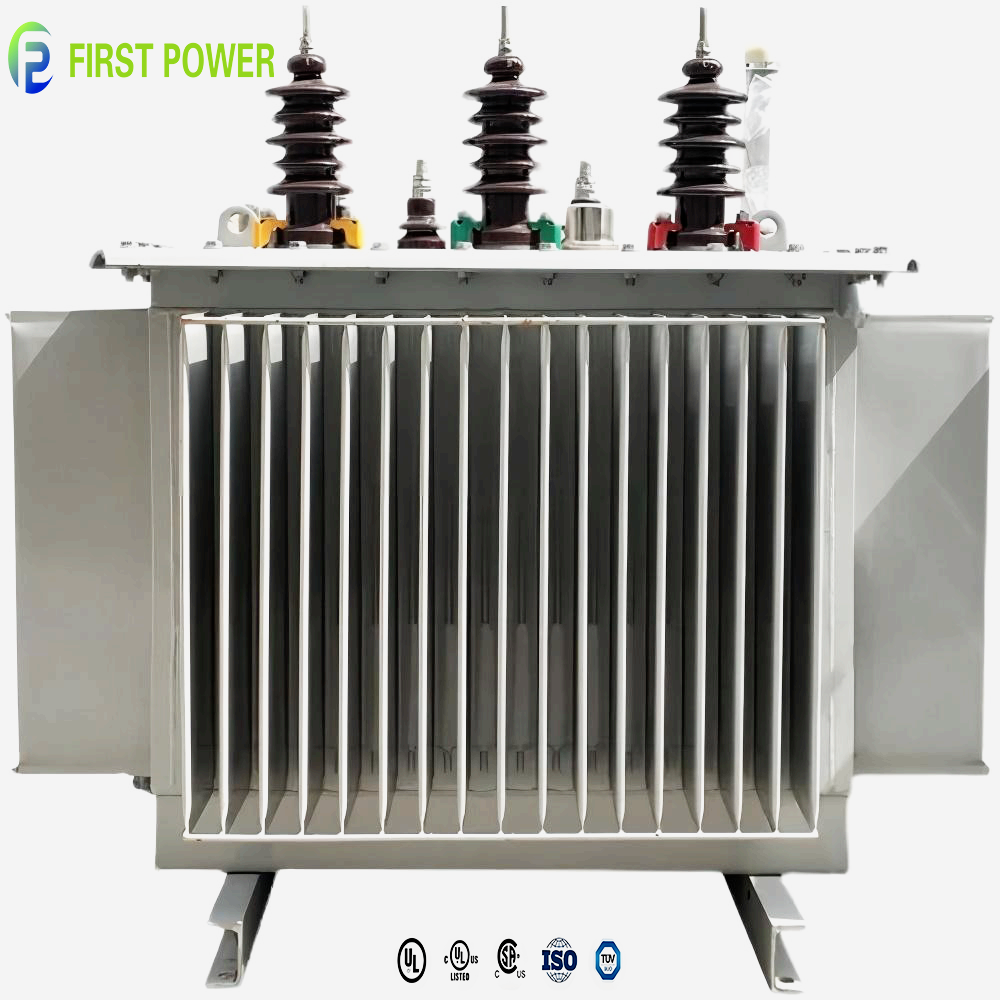
/C Certification 60HZ S11 Three Phase 10KV 35KV 500 KVA 22KV/0.4KV 50HZ Electric Oil Immersed Transformer for Power Supplies
S11 three-phase oil-immersed transformer configured for 50 Hz or 60 Hz markets, with optional 22 kV/0.4 kV ratio and utility-style documentation.
Oil Insulated Transformer Supply in Port Harcourt: Built for Heat, Humidity and Continuous Load
Port Harcourt is not a generic transformer market. The city's coastal humidity, salt-laden air, heavy rainfall, lightning activity and concentration of oil, gas and industrial loads create a specification environment in which moisture protection, thermal margin and documentation quality matter as much as nameplate capacity. For utility engineers, EPC contractors and plant maintenance teams in Rivers State, an oil insulated transformer must be more than a commodity: it must be a traceable, testable asset that can be maintained locally and accepted by insurers, lenders and regulators.
Oil insulated transformers remain the workhorse for this environment because the insulating liquid supports heat dissipation, provides tolerance to short-term overload and can be serviced in the field. The correct design, however, is not chosen from a catalogue alone. It must reflect the actual voltage ratio, harmonic load, ambient temperature, flooding risk, cable termination arrangement and logistics plan through Onne Port or Port Harcourt International Airport.
Our Port Harcourt quotations therefore start with an engineering review, not a price list. We check whether the transformer will operate on an 11 kV, 33 kV or 34.5 kV network; whether the load is dominated by motors, rectifiers, welding equipment or continuous process plant; how the unit will be protected against corrosion; and which factory tests, drawings and certificates the project owner needs before energisation.
What Port Harcourt RFQs Usually Include
- Rated power, primary and secondary voltage, frequency and vector group
- IEC 60076 or IEEE C57.12 design standard and loss limits
- Corrosion protection for humid, coastal and salt-spray conditions
- Routine test report, drawings, nameplate draft and O&M manual
- Export packing, shipping terms and delivery plan to Onne Port
Where Oil Insulated Transformers Are Used in Port Harcourt and Rivers State
Oil-immersed transformers are selected where reliability, overload tolerance and serviceability outweigh the indoor advantages of dry-type units. The applications below reflect the load profiles and site conditions our engineers review most often for Port Harcourt buyers.
Oil, Gas and Petrochemical Facilities
Flow stations, terminals, workshops and support facilities require stable 11 kV, 33 kV or 34.5 kV supply. OLTC units, enhanced cooling and corrosion-resistant enclosures reduce unplanned outages.
Utility Distribution Networks
11/0.415 kV and 33/0.415 kV distribution transformers from 300 kVA to 2,500 kVA support underground networks, new housing estates and commercial corridors.
Industrial Estates and Manufacturing
Food processing, plastics, fabrication yards and logistics hubs use oil-immersed transformers for motor starting, welding loads and multi-shift operations.
Healthcare, Campuses and Commercial Buildings
Hospitals, universities, hotels and mixed-use developments need reliable supply. Compact substations place MV switchgear, transformer and LV distribution close to load centres.
Water Treatment, Marine and Port Infrastructure
Pumping stations, jetties, Onne Port operations and marine workshops face humidity and salt spray. C5-M paint, stainless fasteners and sealed cable boxes are common requirements.
Renewables and Captive Generation
Gas-fired captive plants, solar-diesel hybrids and waste-heat projects use step-up or step-down transformers to connect generation to internal distribution.
Port Harcourt Transformer Market Trends and Buyer Priorities
Port Harcourt procurement is shifting from price-only comparison to lifecycle cost, environmental resilience and documented compliance. The following weightings are indicative priorities observed in typical project RFQs and should be confirmed against each utility, EPC or owner specification.
First, buyers are asking for tropicalised corrosion protection as a standard requirement rather than an optional extra. Salt-laden air, high humidity and intense rainfall accelerate tank and cabinet degradation, so C5-M coating systems, stainless-steel hardware, sealed cable boxes and anti-condensation measures are increasingly written into Port Harcourt specifications.
Second, loss evaluation is becoming more rigorous. Utilities and industrial owners increasingly compare guaranteed no-load and load losses against total owning cost, not just purchase price. This favours low-loss CRGO cores, optimised winding design and test reports that allow the buyer to verify guaranteed values before dispatch.
Third, project teams want fewer interfaces. Factory-assembled compact substations, pre-tested protection schemes and complete documentation packages reduce site labour and commissioning risk in congested industrial areas and fast-track developments.
Tropicalised Corrosion Package
C5-M coatings, stainless hardware and sealed enclosures are becoming baseline requirements for coastal and industrial sites.
Loss and Lifecycle Evaluation
Buyers are comparing guaranteed losses, loading profile and maintenance cost instead of relying on nameplate kVA alone.
Documentation-Led Procurement
Drawings, test reports, nameplate approval and O&M manuals are reviewed before shipment, not after arrival.
Ester Oil and Fire Mitigation
Natural ester oil is increasingly requested for sensitive sites where biodegradability and higher fire point support risk management.
Why Port Harcourt Procurement Teams Shortlist Wisegj
Our factory and export team support project buyers with auditable production data, engineering customisation and complete shipment documentation. The advantages below are the ones most often requested during supplier qualification.
20+ Years of Experience
Our transformer team brings more than two decades of design, manufacturing and export project experience.
6,847 m² Production Base
Verified floorspace covering winding, core assembly, drying, tanking, testing and packing areas.
50+ Engineers
R&D and technical support engineers review specifications, drawings and test requirements before quotation.
ISO and CE Documentation
ISO 9001, ISO 14001, ISO 45001 management systems and CE certificates support compliance review.
In-House Routine Testing
Ratio, resistance, loss, impedance, dielectric and oil tests are documented for each serial number.
OEM and ODM Customisation
Ratings, vector group, impedance, taps, bushings, cooling, coating colour and nameplate language can be adapted.
Export Logistics Support
Seaworthy packing and full Incoterms coverage from EXW to DDP, with documents prepared for Onne Port clearance.
24-Hour Engineer Response
Technical questions and after-sales issues receive a qualified response within one working day.
How to Specify an Oil Insulated Transformer for Port Harcourt
Use the following checklist to reduce clarification rounds and ensure the quotation reflects the real site conditions, not a generic catalogue rating.
Electrical Parameters
Confirm rated power, primary and secondary voltage, frequency, vector group, impedance, tap range, cooling method and loss limits. For Port Harcourt, 11 kV and 33 kV systems are common, but always verify the utility or plant standard.
Environmental Conditions
Specify maximum ambient temperature, humidity, salt-spray exposure, rainfall, flooding risk, altitude, seismic requirement and installation enclosure. Tropicalised paint, IP-rated cabinets and anti-condensation heaters may be needed.
Quality and Commercial
Agree the design standard, routine test list, third-party witness inspection, drawing approval process, packing method, shipping terms, warranty and spare-parts list before order placement.

Factory Testing, Certificates and Documentation That Reduce Project Risk
Every transformer is routine-tested before dispatch. Test records are linked to the serial number and supplied with the shipment so the project QA team can compare guaranteed values against measured results. Third-party witness inspection can be arranged when required by the utility, insurer or lender.
- Routine tests: winding resistance, ratio and vector group, impedance and load loss, no-load loss and current, applied and induced voltage, oil dielectric strength
- ISO 9001: 62824Q6052R0S · ISO 14001: 62824E6053R0S · ISO 45001: 62824S6054R0S
- CE oil-immersed power transformer certificate: 3N230310.JYTU038
- Production floorspace and inspection capability verified by TÜV Rheinland
- GA drawings, nameplate drafts, test reports, packing list and O&M manuals supplied in English
Questions Local Buyers Ask Before Ordering Oil Insulated Transformers
These answers reflect the technical and commercial questions our team receives from utilities, EPC contractors, plant engineers and procurement officers in Port Harcourt and the Niger Delta.
What is the difference between an oil insulated transformer and an oil immersed transformer?+
Which transformer ratings are most common in Port Harcourt?+
Can your oil insulated transformer handle Port Harcourt humidity, salt air and flooding?+
Do you deliver to Port Harcourt and Onne Port?+
Which standards and factory tests apply?+
Can you customise for 50 Hz, 60 Hz, vector group or natural ester oil?+
What is the typical lead time for delivery to Port Harcourt?+
What information is needed for a fast and accurate quotation?+
Request a Port Harcourt Transformer Catalogue and Engineering Review
Send your capacity, voltage ratio, frequency, vector group, installation environment and delivery date. Our transformer engineers will review the specification and return a compliant configuration with guaranteed losses, documentation scope and export plan.