Eight Oil-Filled and Distribution Transformer Options for Fukuoka Procurement
These eight product routes cover the practical shortlist for Fukuoka projects: single-phase and three-phase pad-mounted units, loop-feed and dead-front designs, low-loss S11 transformers, on-load tap changer units for industrial loads, and a dry-type option where indoor fire risk rules out oil. The product URLs and images below are retained from the original Wisegj series so procurement teams can compare the exact configurations.
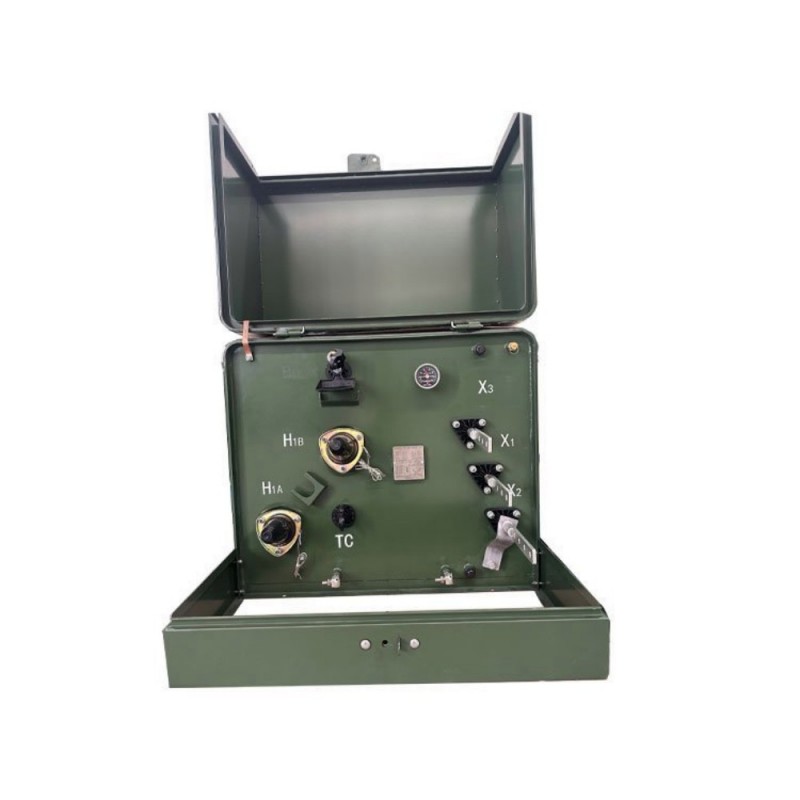
/C Certification 6KV 10KV 13KV 20KV 34.5KV 50/60HZ Oil Type Single Phase 75KVA Pad Mounted Transformers
Low-profile single-phase design for residential subdivisions, small commercial loads and underground loop circuits where a pad-mounted footprint is accepted.
View product details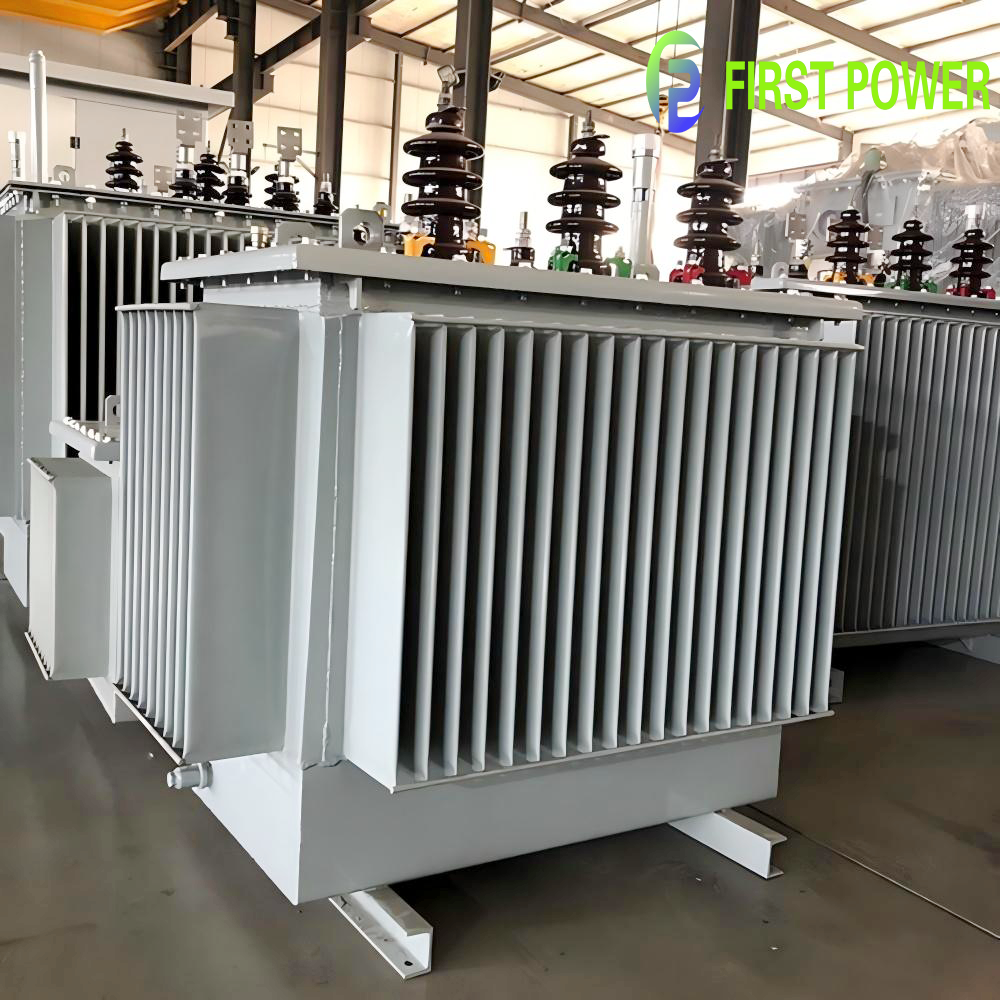
C CE MV&HV S11 50/60HZ 10KV 20KV 35KV Three Phase Oil Immersed 50KVA Transformer for Electric Power Distribution
S11 three-phase oil-immersed unit for conventional distribution duties, with low no-load loss and a compact tank for space-constrained sites.
View product details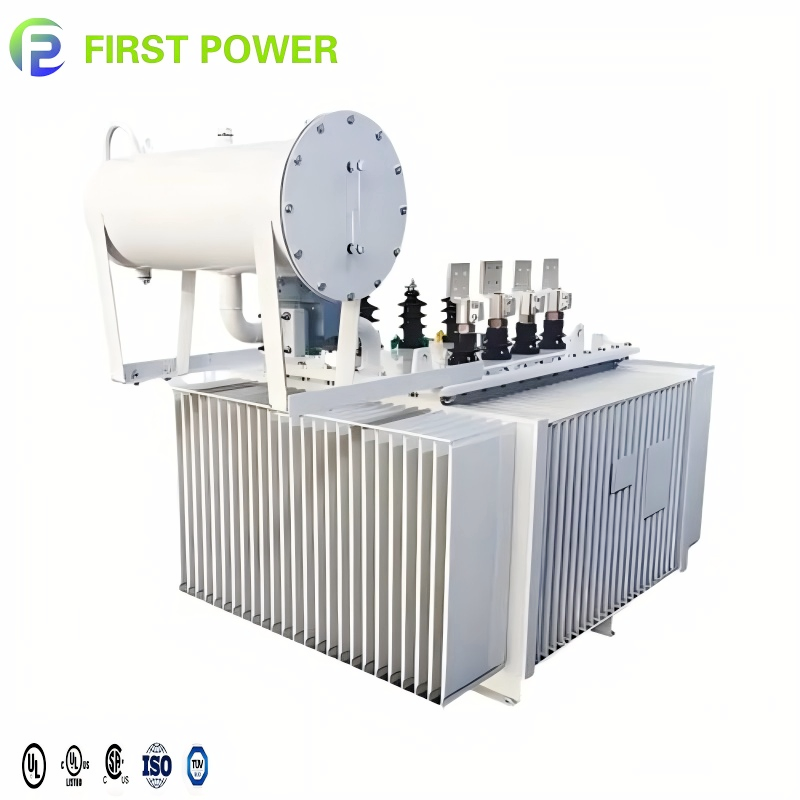
C CE 10KV 20KV 35KV 1000KVA 2000KVA 2500KVA 3 Phase Oil Type on Load Tap Changer Transformer for Industrial Power Supply
On-load tap changer transformer for industrial power supply, suitable for facilities with fluctuating load profiles and voltage regulation needs.
View product details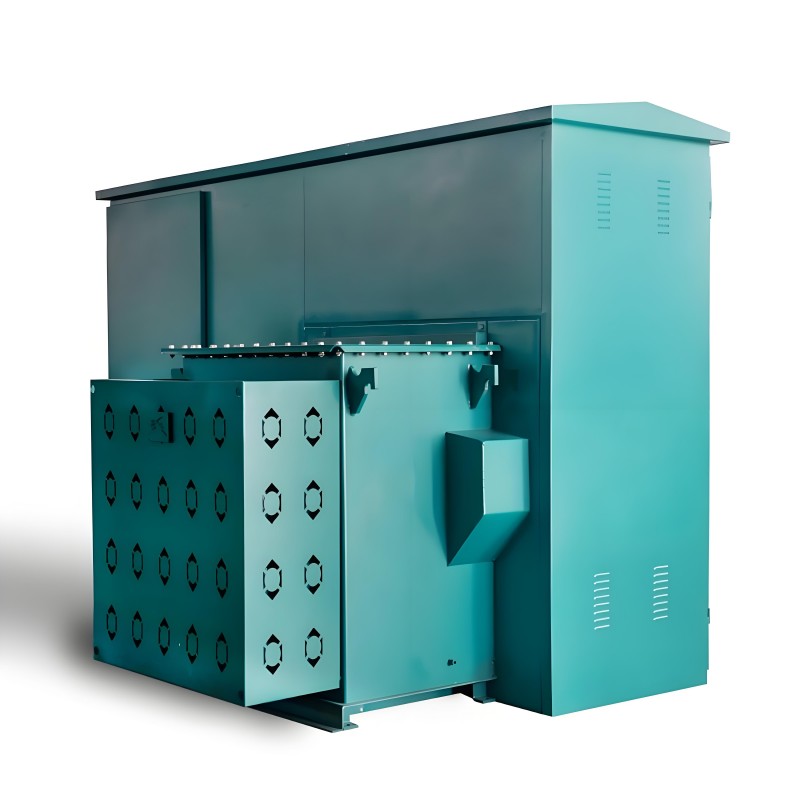
/C Certified Oil-Type Cooper 75-2500kva Pad Mounted Transformer 6kv-34.5kv 50/60hz Dead Front Three Phases
Dead-front three-phase pad-mounted transformer with tamper-resistant compartments and Cooper-style configuration for utility distribution.
View product details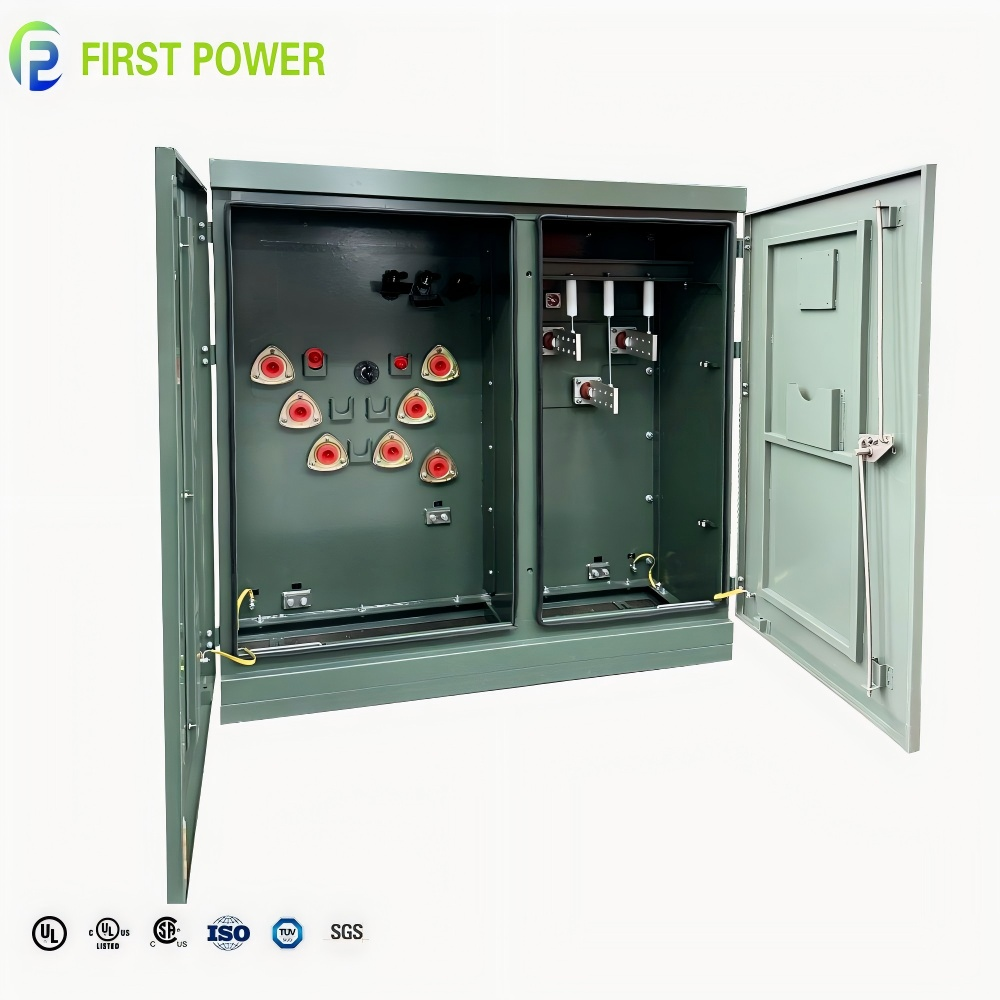
C CE Certification 50/60HZ 10KV 20KV 35KV 3 Phase Loop Feed Pad Mounted 750KVA Transformer for Electric Power Distribution
Loop-feed pad-mounted 750 kVA class transformer for commercial, institutional and renewable projects requiring sectionalising capability.
View product details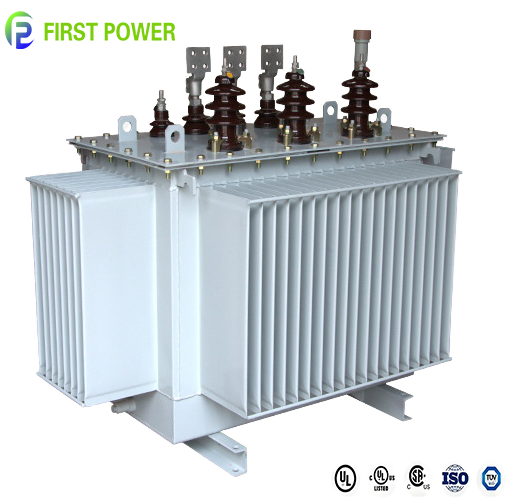
C CE 50/60HZ S11 10KV 15KV 20KV 35KV 100KVA 300KVA 500KVA 630KVA Three Phase Oil Transformer Price for Distribution System
Cost-optimised S11 three-phase distribution transformer for 100–630 kVA loads in buildings, plants and municipal networks.
View product details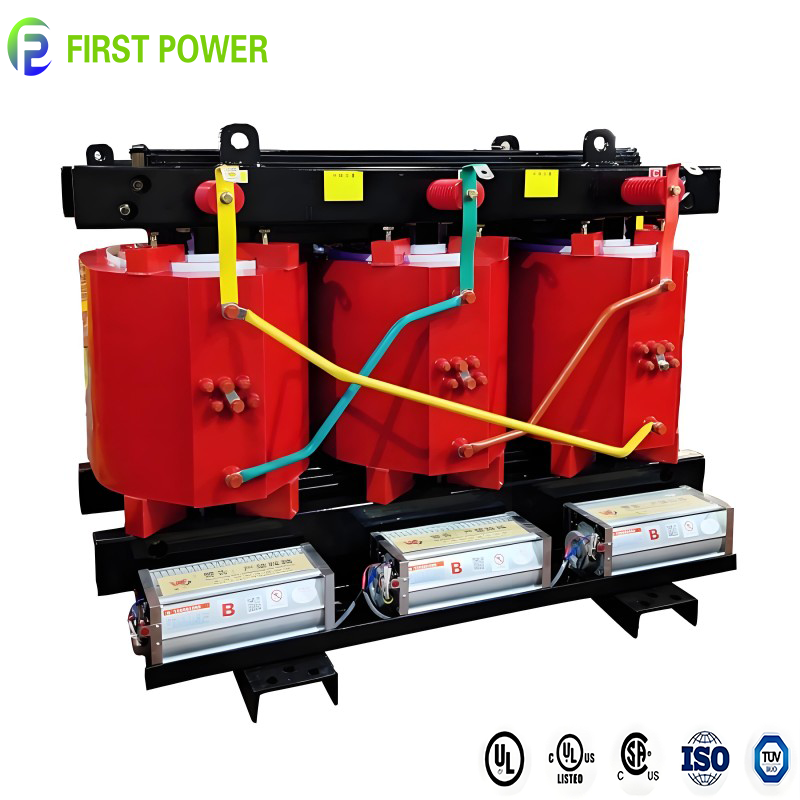
C CE Certification IEEE Standard 50/60HZ 5MVA 6MVA 6KV 35KV 3 Phase Dry Type Transformer for Electric Power Distribution
IEEE-style dry-type transformer for indoor electrical rooms, hospitals and fire-sensitive locations; included as a complementary non-oil option.
View product details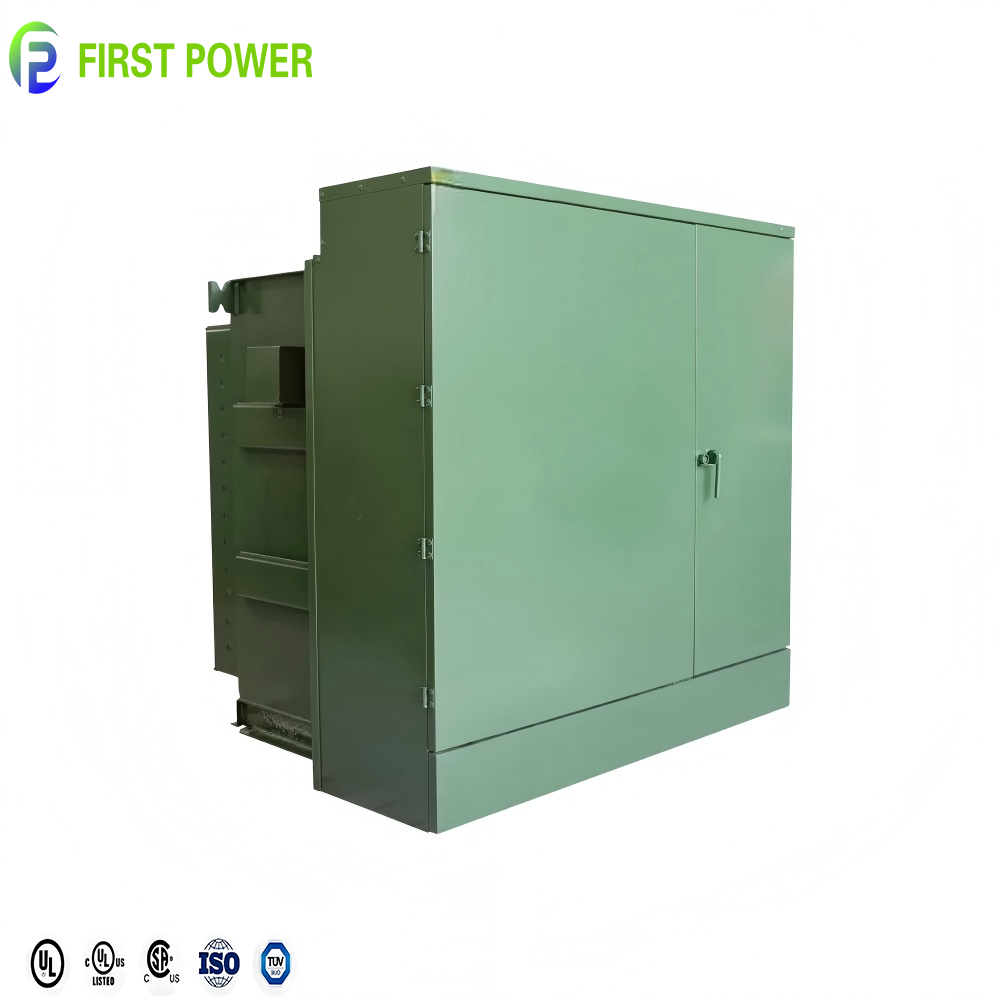
C CE 50/60HZ 10KV 20KV 35KV 300KVA 500KVA 630KVA 750KVA Three Phase Pad Mounted Transformer for Electric Power Distribution
Three-phase pad-mounted distribution transformer for 300–750 kVA commercial and utility loads with underground service.
View product detailsWhy Fukuoka Buyers Compare Oil-Filled Distribution Transformers More Carefully
Fukuoka is not a generic transformer market. The city combines dense commercial districts such as Tenjin and Hakata with port logistics, coastal humidity, typhoon exposure, and a regional grid in Japan’s 60 Hz zone. For project owners, EPC contractors and facility managers, the selection of an oil-filled distribution transformer affects more than first cost. It influences losses, acoustic performance, fault containment, seismic anchorage, maintenance access and the speed at which a building or industrial facility can be energised.
Procurement teams searching for oil filled distribution transformer manufacturers and suppliers serving Fukuoka usually need three things at once: a design that meets the project’s electrical requirements, documentation that satisfies the consulting engineer and utility, and a delivery plan that accounts for port handling, seismic anchorage and coastal corrosion. A catalogue page cannot answer those questions. A useful supplier must be able to discuss loss capitalisation, impulse withstand, temperature rise, tap range, oil containment, sound pressure and the maintenance access available at the final installation.
Oil-filled distribution transformers remain preferred in many Fukuoka applications because they combine high efficiency, proven dielectric strength, robust overload capability and lower first cost than dry-type units at equivalent ratings. They are not the right answer for every room. In basements, tunnels or densely occupied buildings, the project team must evaluate fire separation, oil containment and ventilation. In coastal logistics or port areas, the enclosure and tank coating matter as much as the kVA rating.
For Fukuoka, specify 60 Hz in the data sheet even when a supplier quotes 50/60 Hz. Losses, sound levels and temperature rise must be stated at the actual operating frequency. Confirm the utility-approved primary voltage rather than assuming a common class. Provide the short-circuit level, earthing arrangement, altitude, ambient temperature, seismic zone and installation location.
Information gain for technical buyers
- Quote losses at 60 Hz, not only at 50 Hz.
- Separate purchase price from capitalised energy cost.
- State coastal corrosion category and maintenance plan.
- Provide seismic anchorage and oil containment assumptions.
- Agree test witnesses and document language before order.
- Confirm utility approval route, not only CE marking.
A Supplier Profile Built for Auditable Engineering
Figures below reflect the company profile and production base described by Jiangsu Wisegj Power Co., Ltd. Final project-specific capability is confirmed in the quotation, drawings and test plan.
Fukuoka Application Scenarios for Oil-Filled Distribution Transformers
Fukuoka’s mix of dense urban blocks, port infrastructure and nearby industrial zones creates distinct transformer briefs. The following scenarios show where an oil-filled distribution transformer, pad-mounted unit or compact configuration is commonly evaluated; final selection depends on the approved single-line diagram and fire strategy.
Hakata and Tenjin commercial buildings
Retail, office and hotel projects need quiet, efficient distribution close to load centres. Pad-mounted or vault arrangements must address oil containment, ventilation and maintenance access.
Data centres and digital infrastructure
High availability and low losses dominate lifecycle cost. Specify loss capitalisation, partial-discharge test evidence and condition-monitoring provisions early in the RFQ.
Hakata Port and coastal logistics
Salt-laden air and humidity accelerate corrosion. Consider C4/C5 coating systems, stainless hardware, sealed tanks and planned inspection intervals.
Kyushu renewable and EV charging sites
Solar, battery storage and fast-charging hubs often require loop-feed or pad-mounted distribution with clear protection coordination and future capacity flexibility.
Kitakyushu industrial and manufacturing loads
Motor-heavy facilities may need on-load tap changing, high impedance options and thermal margins for sustained overload or harmonic-rich loads.
Hospitals, universities and transit facilities
Oil-filled units are used where dedicated vaults and fire separation are available; dry-type alternatives are compared for indoor public areas and fire-sensitive rooms.
Product Recommendations by Fukuoka Use Case
Use this matrix to shortlist a transformer type before requesting a detailed quotation. The final rating must be verified by a licensed electrical engineer and the local utility.
| Fukuoka project context | Recommended route | Engineering reason | Related configuration |
|---|---|---|---|
| Residential subdivision or small commercial feeder | Single-phase pad-mounted, 75 kVA class | Low profile, simple feeder protection and underground service compatibility. | 75 kVA single-phase pad-mounted |
| Commercial building, 300–750 kVA | S11 three-phase oil-immersed or pad-mounted | Low losses, proven distribution duty and compact footprint. | S11 three-phase oil transformer |
| Loop-feed campus or renewable site | 750 kVA three-phase loop-feed pad-mounted | Sectionalising capability and future expansion flexibility. | Loop-feed pad-mounted 750 kVA |
| Industrial plant with voltage regulation | 1000–2500 kVA oil type with OLTC | On-load voltage control under varying motor and process loads. | Oil type on-load tap changer |
| Utility dead-front pad-mounted configuration | 75–2500 kVA three-phase dead-front | Tamper-resistant compartments and utility-oriented layout. | Dead-front pad-mounted transformer |
| Indoor fire-sensitive electrical room | 5–6 MVA dry-type alternative | No oil, reduced fire load and suitability for indoor public areas. | IEEE standard dry-type transformer |
Tip: if the project is in a coastal district or a basement, add the corrosion category, flood level and fire-separation strategy to the RFQ. These details often change the preferred enclosure and transformer type more than the kVA rating alone.
Local Development Trends in Fukuoka and Kyushu
Fukuoka and the wider Kyushu region are moving through several procurement shifts that affect transformer specification. These trends are not marketing claims; they are practical questions to put into the RFQ.
60 Hz and utility-first compliance
Japan’s western grid operates at 60 Hz. Quote and test at the correct frequency, and submit the drawing package for utility review before release.
Resilience against typhoons and earthquakes
Specify anchorage details, enclosure wind load, flood level, seismic design category and post-event inspection access.
Loss capitalisation and lifecycle cost
Cheap kVA is not low-cost kVA. Compare no-load and load losses using the owner’s capitalisation factors and operating profile.
Space constraints and underground distribution
Fukuoka’s dense districts reward compact pad-mounted and vault-friendly designs, but oil containment and cooling must not be compromised.
Semiconductor, data-centre and EV growth
High-reliability loads require tight voltage regulation, low partial discharge and spare-capacity planning; quote monitoring options early.
Digital monitoring and circularity
Temperature, oil level and moisture sensors can be integrated. Natural ester fluids and recyclable materials are evaluated where fire or environmental risk matters.
Engineering Advantages of Jiangsu Wisegj Power Co., Ltd.
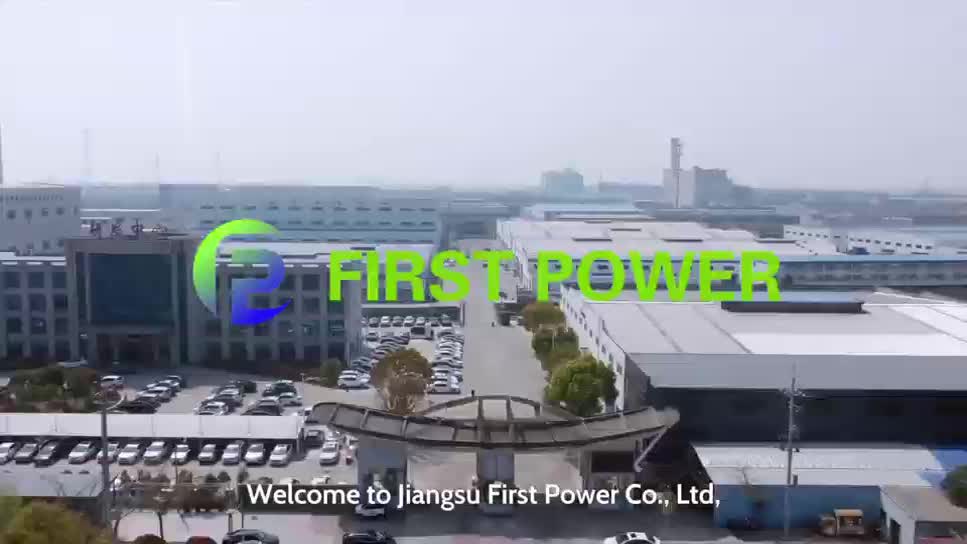
Jiangsu Wisegj Power Co., Ltd. is a Suzhou-based manufacturer and exporter of pad mounted, oil immersed, dry type and power transformers, compact substations and switchgear from 220 V to 500 kV. The company’s relevance to Fukuoka buyers is not only product range; it is the ability to produce an auditable design, test each unit and provide the documents a Japanese consultant or EPC expects.
Verified production base
6,847 m² of inspected floorspace with winding, core assembly, drying, tanking and testing areas.
Engineering depth
50+ R&D and technical engineers, with more than 20 years of team experience in transformer design and application.
Routine-tested units
Winding resistance, ratio, vector group, impedance, load loss, no-load loss and dielectric tests documented per serial number.
Certified systems
ISO 9001, ISO 14001 and ISO 45001 management systems; CE certificates for relevant transformer and substation lines; TÜV Rheinland verified production capability.
Customisation and supply chain
OEM, ODM and design-based customisation, supported by 211 qualified supply-chain partners for stable lead times.
Export support
Seaworthy packing, English documentation and flexible Incoterms from EXW to DDP; 24-hour pre-sale and after-sale response.
Independent verification and documentation
The original company profile states on-site verification by TÜV Rheinland and certificates covering CE, ISO 9001, ISO 14001 and ISO 45001. Certificate numbers and validity periods should be checked against the final product scope. Buyers can request GA drawings, a nameplate draft, test reports, packing plan and O&M manual in English.
The company also reports supplying Fortune 500 companies and a 4.9/5 average buyer rating. As with any supplier claim, validate this against the project’s audit and reference plan. For Fukuoka procurement, the practical test is whether the supplier can return a clean drawing package, a compliant test plan and a delivery schedule that matches the site programme.
What to Include in a Fukuoka Transformer RFQ
A complete data pack reduces clarification rounds and protects the project from later design changes. Include the following items where applicable.
- Primary and secondary voltage, vector group and earthing arrangement.
- Rated power, load profile and operating frequency, including 60 Hz losses.
- Impedance, tap range and utility short-circuit level.
- Indoor or outdoor location, altitude, ambient temperature, seismic and flood data.
- Oil containment, fire separation, acoustic limit and access requirements.
- Protection, cooling, monitoring and accessory scope.
- IEC, JIS/JEC, utility clauses and any third-party inspection requirement.
- Routine and type test scope, witness testing and documentation language.
- Delivery port, Incoterms, packing standard and required site date.
FAQ: Oil-Filled Distribution Transformers for Fukuoka Buyers
Answers are written for technical procurement teams comparing manufacturers and suppliers serving Fukuoka. Project-specific compliance must always be confirmed against the approved specification.
Can your oil-filled transformers be supplied for Fukuoka’s 60 Hz grid?
What voltage class should we specify for a Fukuoka distribution project?
How do you protect transformers for Fukuoka’s coastal humidity and typhoon season?
Which tests are performed before shipment?
How should a buyer compare transformer losses and lifecycle cost?
Can you customise for seismic anchorage, oil containment and acoustic limits?
What is the typical lead time and shipping route to Fukuoka?
How do you handle standards, JIS/JEC compliance and third-party inspection?
What commercial terms are available?
Have a Fukuoka Project Specification Ready?
Send the single-line diagram, kVA, voltages, frequency, loss limits, installation location and required delivery date. A transformer engineer will review the data and respond within one working day.