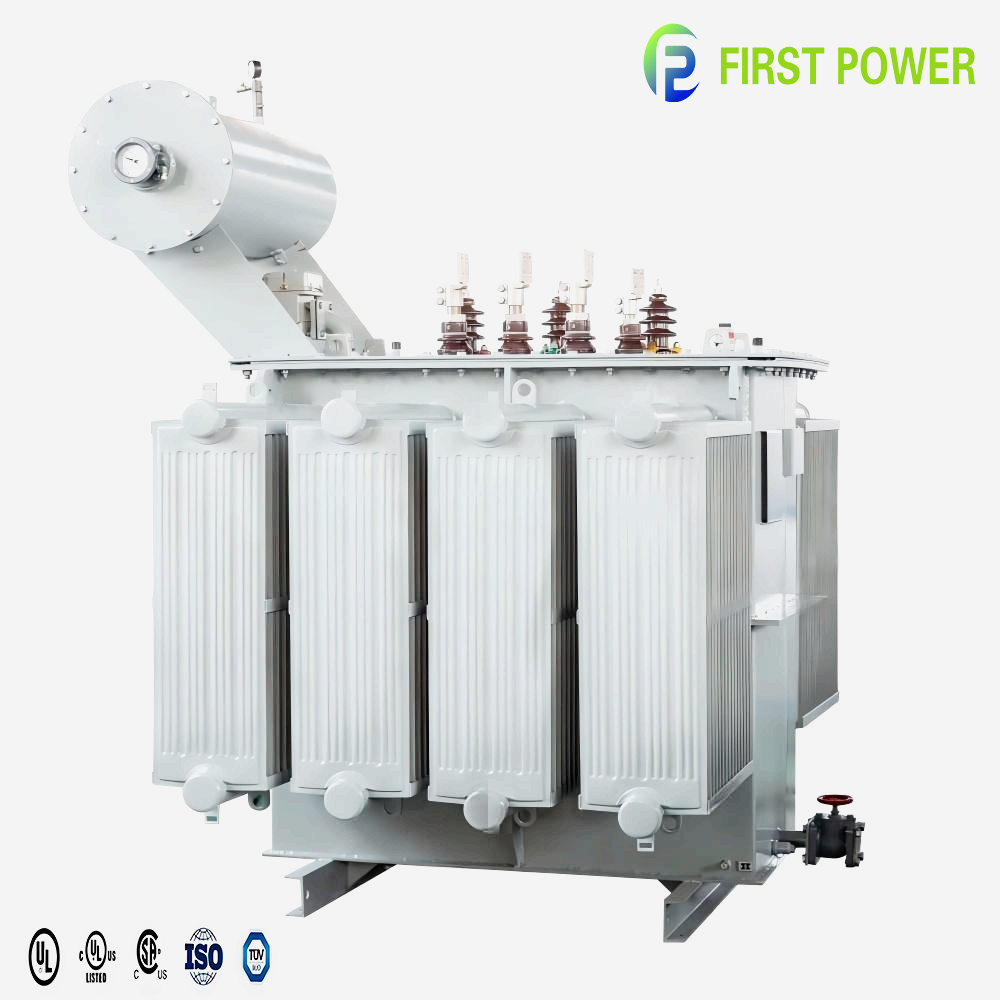
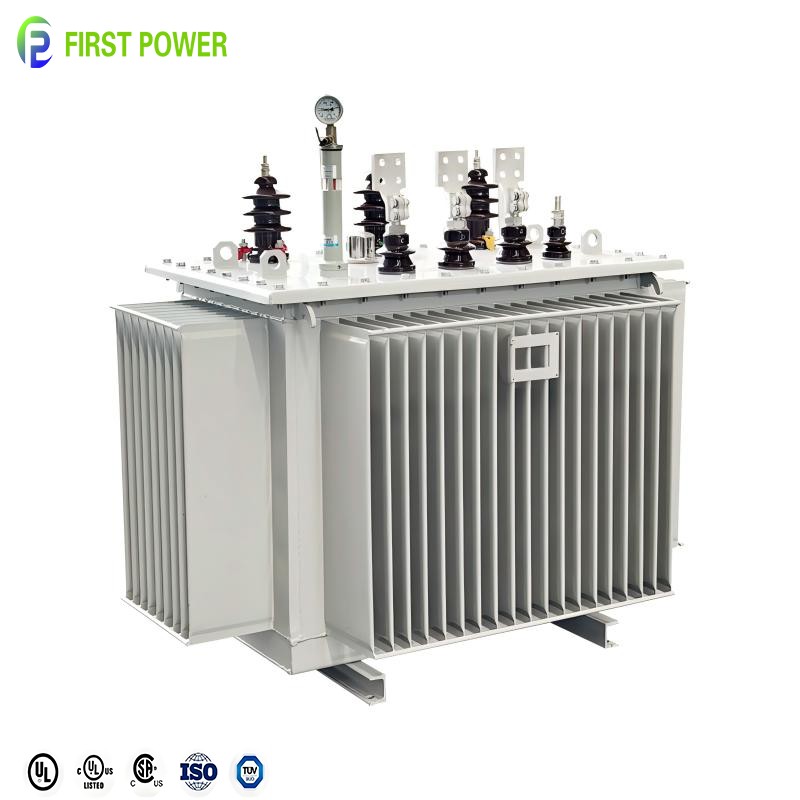
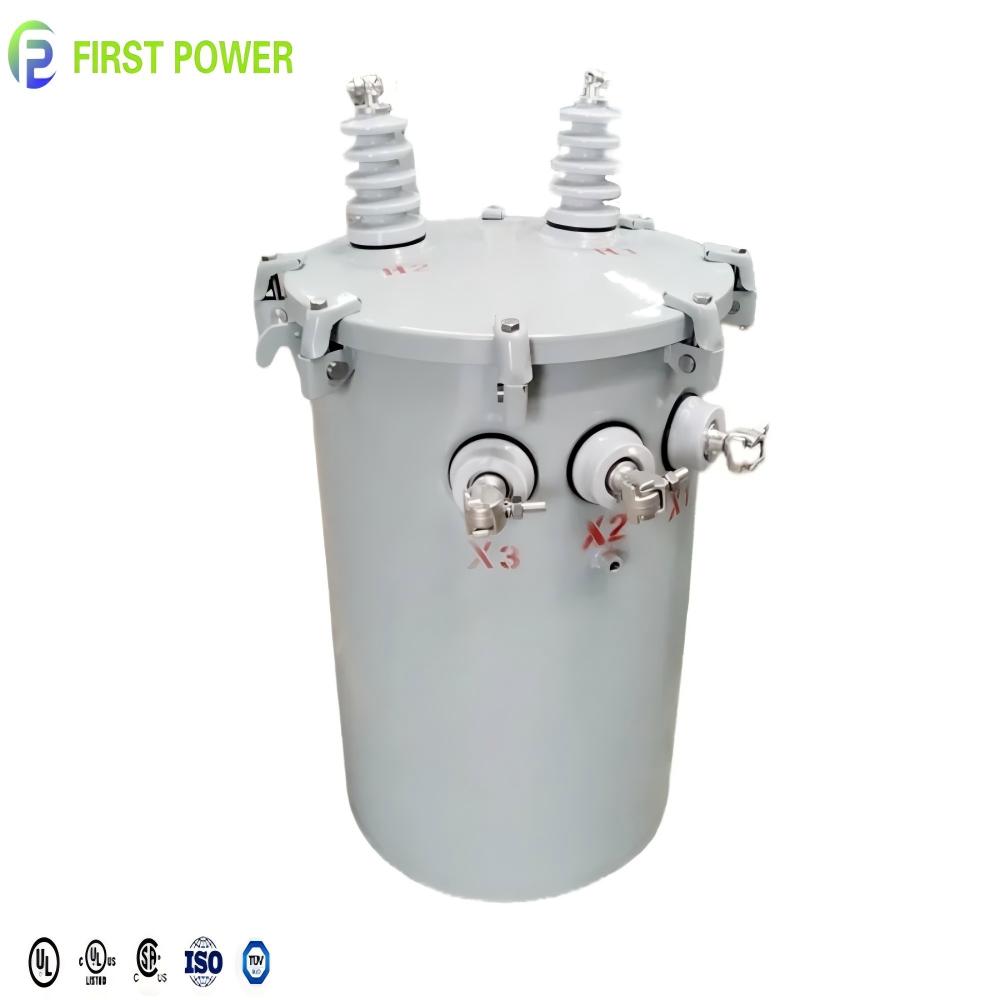
Start with the grid interface, not the product photo
Most Nantes-area distribution projects are planned around a 50 Hz network, with common medium-voltage distribution at 20 kV and low-voltage utilisation at 400/230 V. Industrial sites may use different voltage levels, and export or private-network projects can vary. Before shortlisting a supplier, confirm the primary and secondary voltage, vector group, impedance, tap range, frequency, neutral arrangement and any utility-specific connection requirement. A transformer that is technically compliant but incompatible with the local protection scheme can delay energisation.
For French projects, request evidence that the design is aligned with IEC 60076 and applicable CE marking documentation. Where the installation falls under French rules, the project team may also need documentation aligned with NF C 13-100 / NF C 13-200 installation practice and the connection requirements of the relevant network operator. Wisegj can prepare drawings, test reports and nameplate data in English for review by French engineering consultants; the final applicability of local installation rules remains a project-specific responsibility.
Evaluate losses with the buyer’s energy assumptions
No-load loss and load loss should be evaluated using the buyer’s expected energy price, load profile, discount rate and service life. A lower no-load loss is especially valuable for transformers that remain energised continuously, such as distribution units serving buildings, logistics sites or public infrastructure. A lower load loss is more valuable where the transformer runs near its rating for long periods, such as industrial processes, cold storage or EV charging hubs. Ask each supplier to state guaranteed losses and the tolerance basis. Then apply a transparent loss-capitalisation formula. This is where a low-cost quotation can become expensive over 20 to 30 years.
Also check the applicable EU Ecodesign requirements for the rating and placement on the market. The relevant tier and exclusions should be confirmed by the buyer’s compliance team, because the rules depend on transformer type, rating and intended use. A serious wholesaler should be comfortable providing calculation inputs, routine test data and drawing revisions rather than avoiding technical questions.
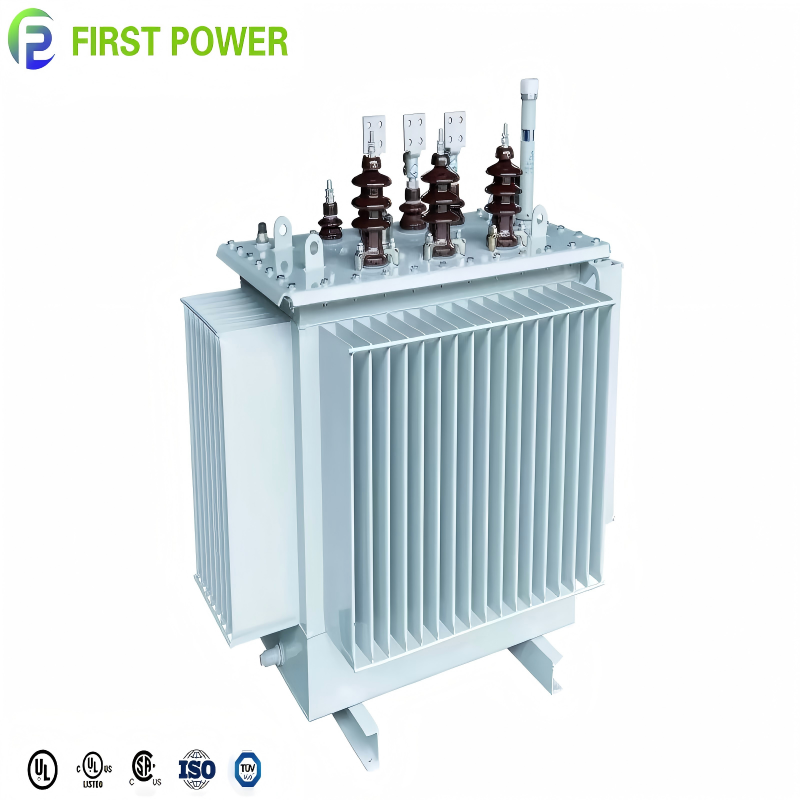
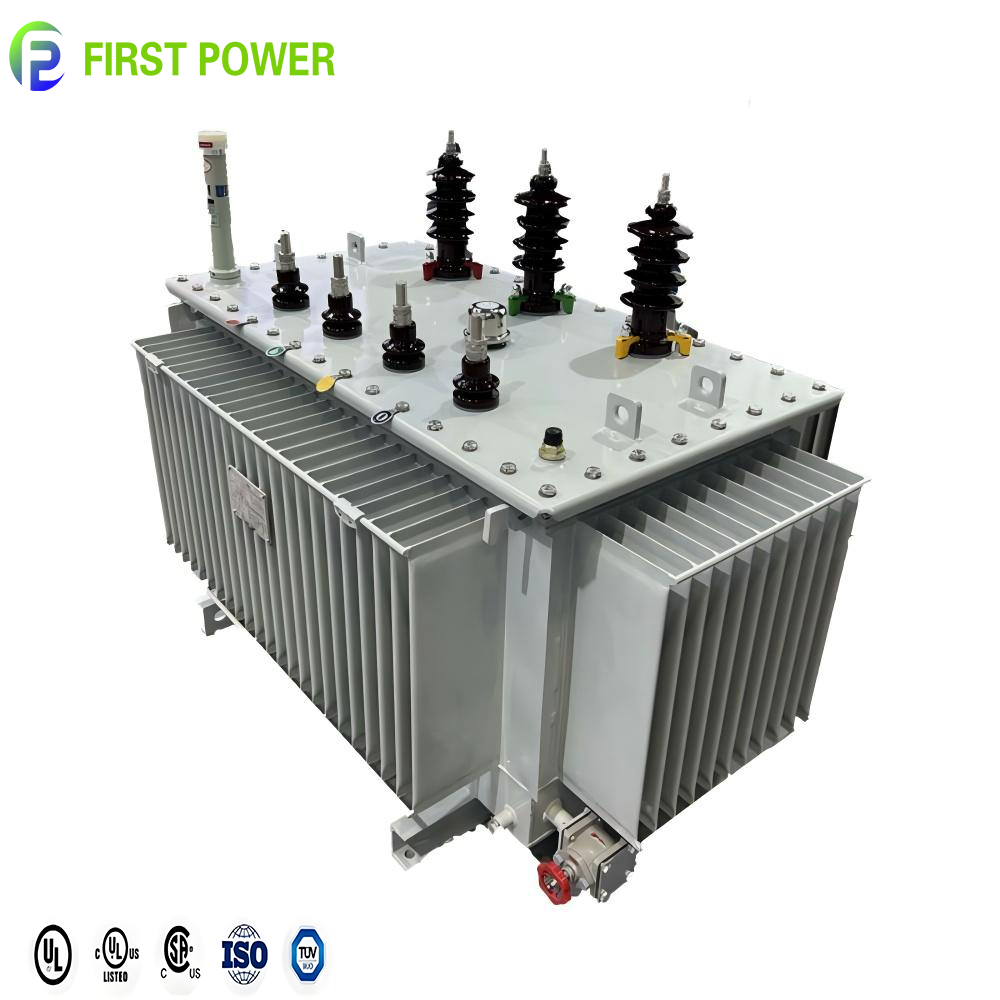
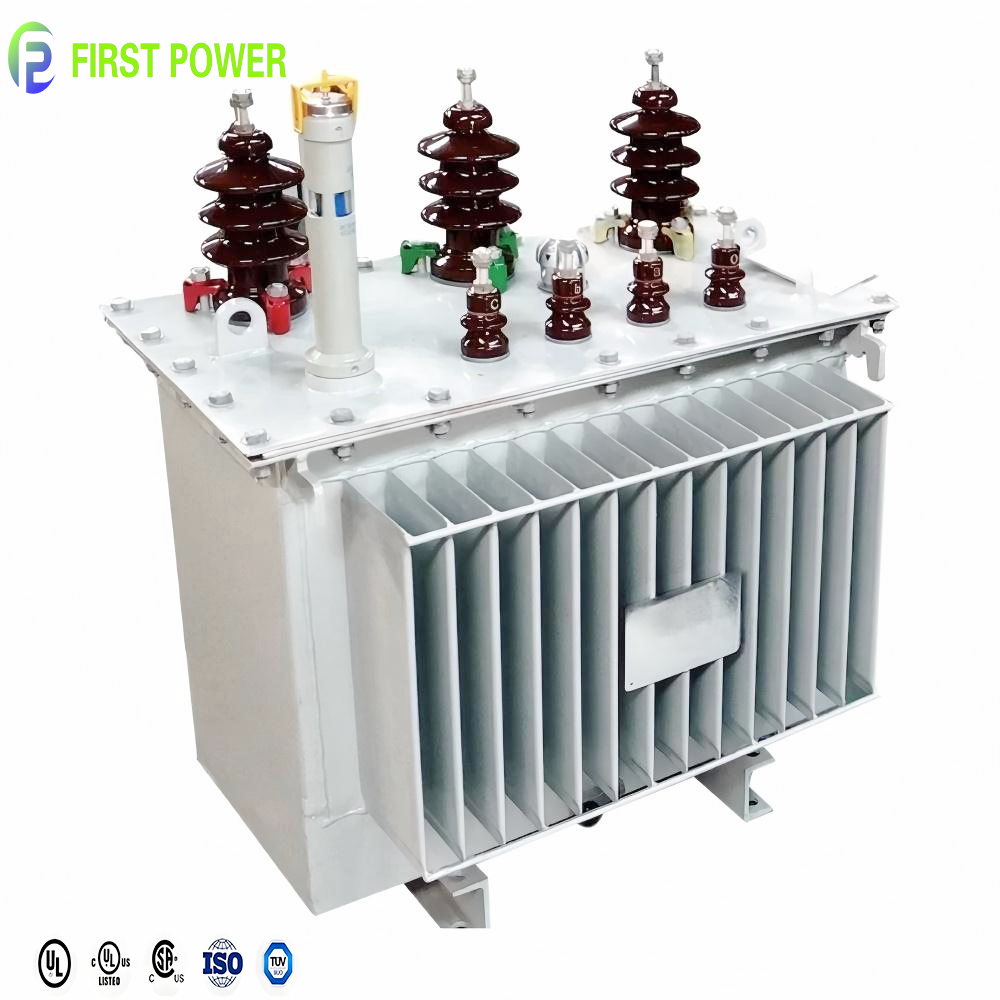 Oil-Immersed