8 Transformer Lines Recommended for Naypyidaw Wholesale & Project Procurement
The cards below preserve the original product URLs and product images. This range covers step-up, pad-mounted, loop-feed, low-loss oil-immersed, on-load tap-changing and industrial distribution duties commonly reviewed by Naypyidaw buyers sourcing three phase pole transformer alternatives or underground distribution equipment.
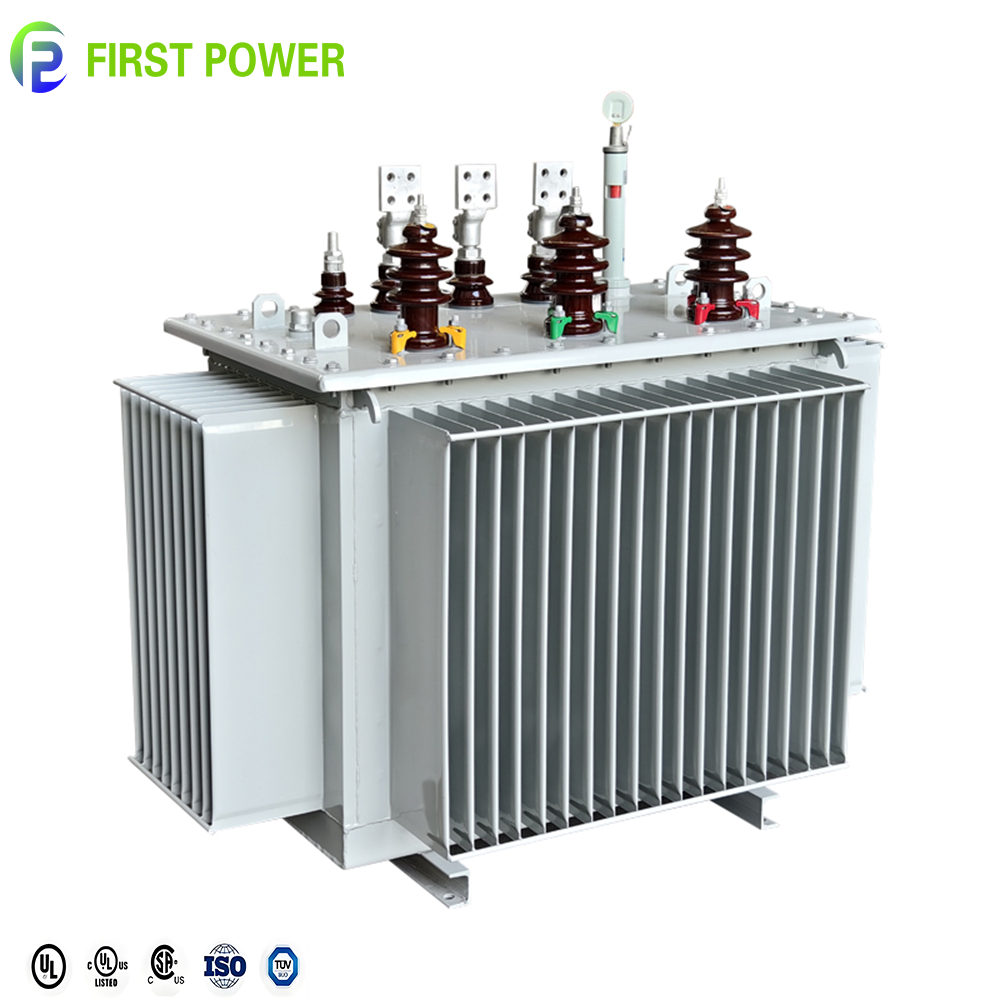 Step-Up
C CE 50/60Hz Oil-Immersed Step-Up Transformer
For 6–35 kV primary systems with 220 V output, 100–500 kVA class, industrial step-up duty and generator or plant interconnection.
View product details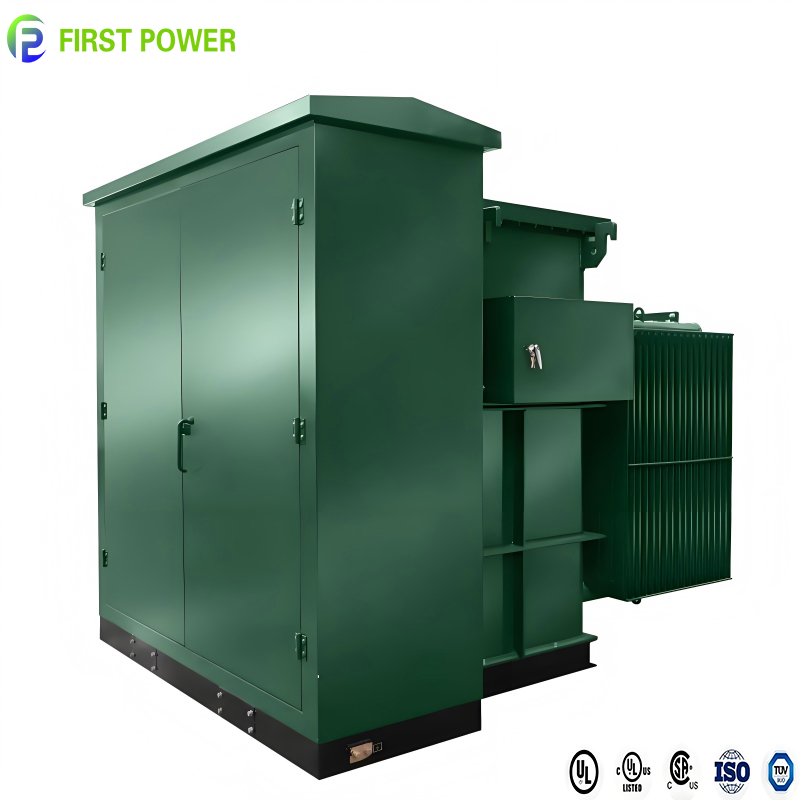 Pad Mounted
CE Industrial Three Phase Pad Mounted Pedestal Transformer
100–630 kVA class, 6–35 kV, tamper-resistant outdoor enclosure for commercial sites, campuses and underground distribution.
View product details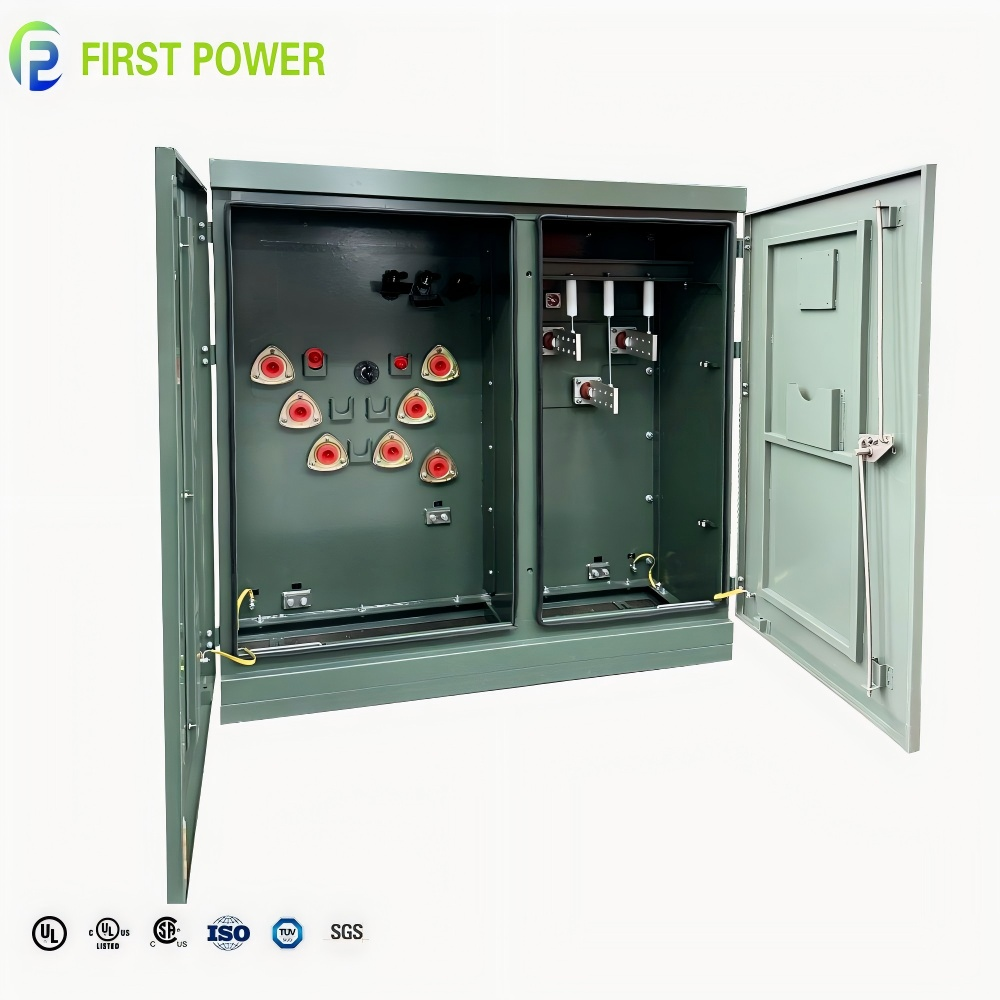 Loop Feed
CE 750kVA Three Phase Loop Feed Pad Mounted Transformer
750 kVA class for 10–35 kV electric power distribution, with loop-feed arrangement for higher reliability and compact urban substations.
View product details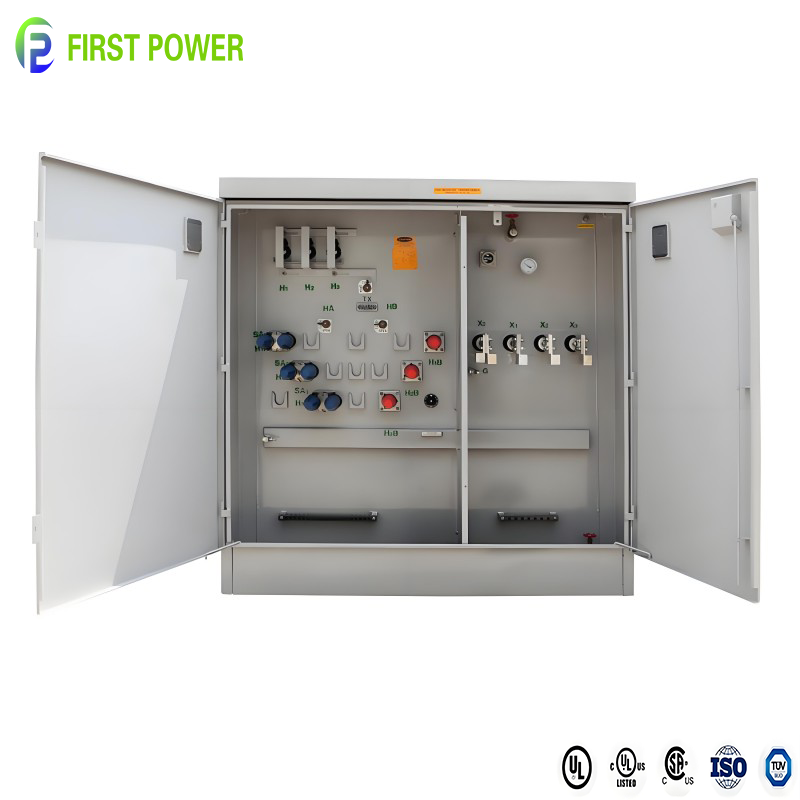 MV / HV
CE MV & HV Three Phase Loop Feed Pad Mounted Transformer
300–700 kVA class, 10–35 kV, for industrial campuses, private distribution and high-availability looped MV networks.
View product details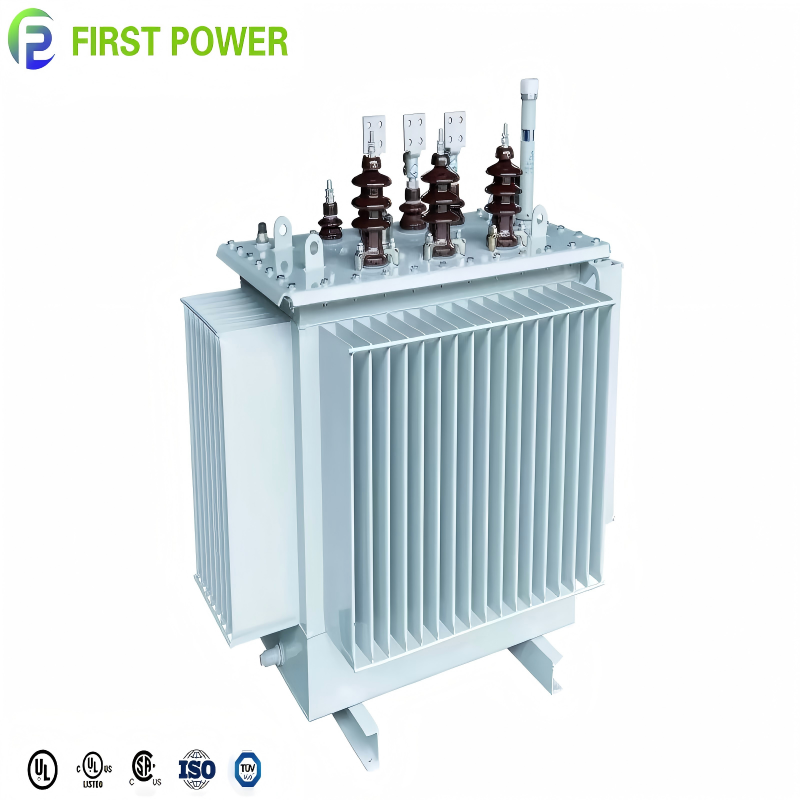 S11 Low Loss
CE S11 Three Phase Oil Immersed Distribution Transformer
50–300 kVA, 6–35 kV, low-loss design for utility feeders, township distribution, pumps and small industrial loads.
View product details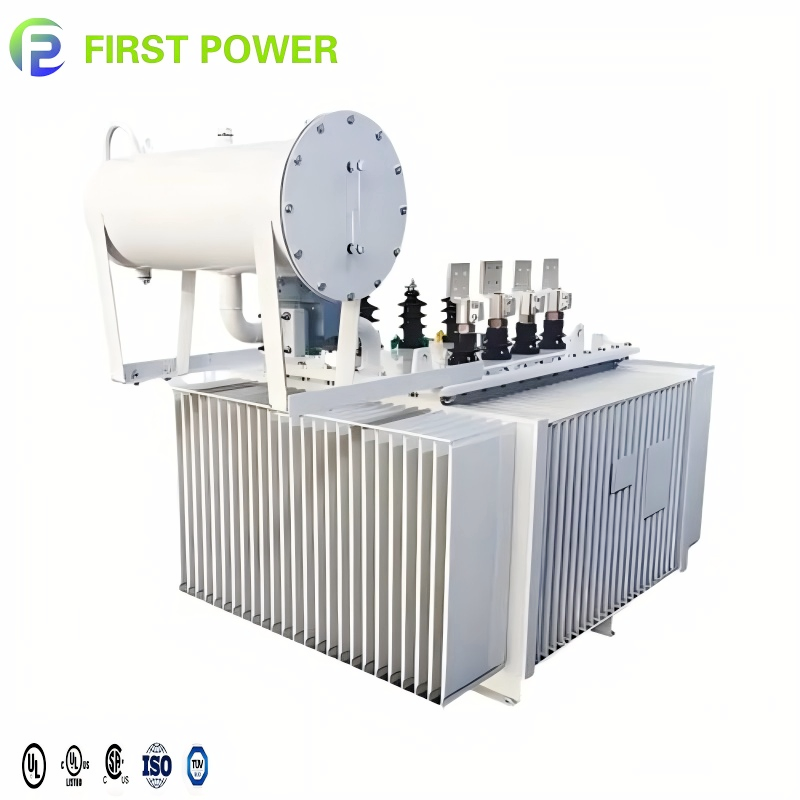 OLTC
CE Oil Type On-Load Tap Changer Transformer
1000–2500 kVA, 10–35 kV, for industrial power supply where voltage regulation and load variation control matter.
View product details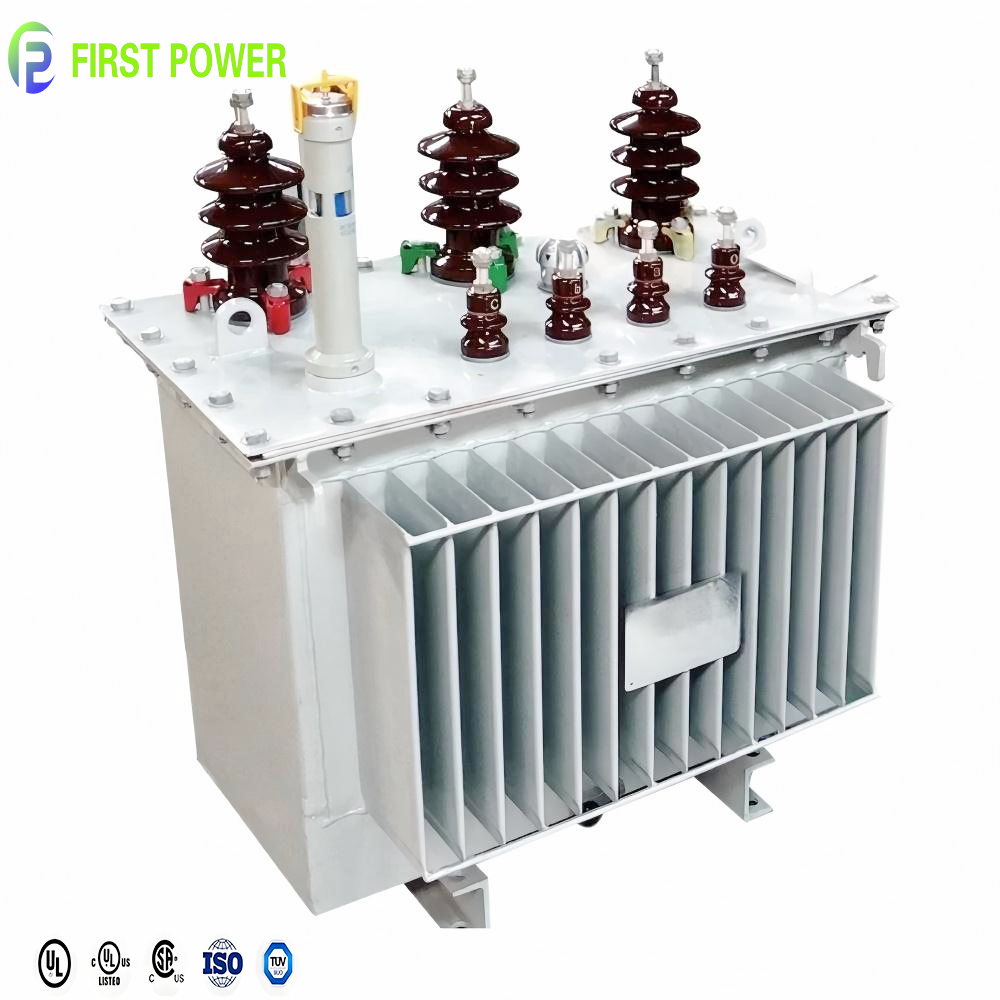 Industrial
CE Electric Oil Immersed Transformer for Industrial Supply
50–500 kVA, 10–35 kV, a robust oil-immersed option for factories, commercial buildings, water pumping and workshops.
View product details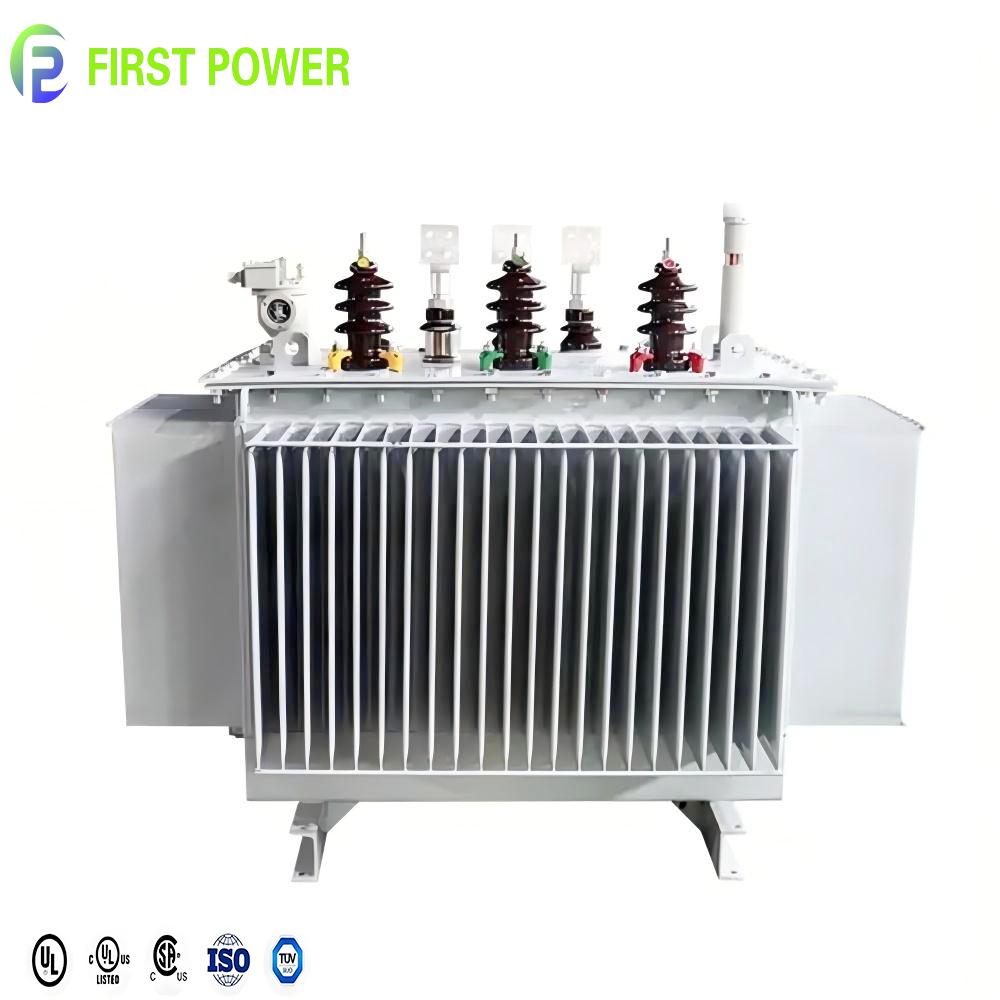 Distribution
CE S11 Three Phase Oil-Immersed Distribution Transformer
50–250 kVA, 10–35 kV, compact low-loss unit for electric power distribution systems and local feeder upgrades.
View product detailsProduct links and images above are preserved from the original catalogue. For a rating not shown — such as a 33 kV pole-mounted unit, a specific 50 Hz Naypyidaw utility specification or a custom enclosure — send the datasheet through the inquiry channel.
Why Naypyidaw Procurement Teams Need More Than a Transformer Price List
Naypyidaw is a planned capital with a mix of government campuses, diplomatic and hospitality facilities, residential zones, water infrastructure and emerging industrial or logistics uses. That mix creates several different distribution duties: overhead feeders serving lower-density areas, underground or screened distribution for high-availability sites, and robust oil-immersed units for factories, pumping stations and commercial buildings. A three phase pole transformer may be the right answer for one feeder and a poor fit for another if the site has underground cable, restricted public access or a requirement for looped MV service.
Because Myanmar uses 50 Hz system practice and many projects reference IEC 60076 or utility-specific specifications, the supplier's job is not only to quote kVA. It is to confirm frequency, primary and secondary voltage, vector group, impedance, tap range, cooling, loss limits, altitude and ambient conditions before drawings are released. Wisegj's OEM/ODM process is built around that specification review: engineers compare the requested rating with the installation practice, then return a GA drawing, nameplate draft and guaranteed performance values for approval.
Naypyidaw buyers also need documentation that can survive internal audits: routine test reports, oil dielectric results for liquid-filled units, CE and ISO evidence where applicable, packing lists and O&M instructions. That is the information gain of a specialist supplier over a generic trading listing: traceable engineering decisions, not only a price per kVA. For wholesalers and EPC teams, multiple ratings can be consolidated into one production plan while preserving individual serial-number test records.
Where Three Phase Distribution Transformers Fit in Naypyidaw Projects
The correct transformer choice depends on how power reaches the site, how critical the load is and how the buyer will maintain the equipment during the rainy season and peak-load periods.
Government, Diplomatic & Institutional Campuses
Administrative buildings and institutional campuses often need quiet, low-maintenance distribution with controlled access. Pad-mounted loop-feed units suit underground cable networks, while oil-immersed pole or platform units may suit overhead feeders. Buyers should specify enclosure finish, locking, cable entry and nameplate language before production.
Hotels, Hospitals & Commercial Buildings
Hotels, hospitals and commercial buildings are sensitive to voltage dips, generator changeover and harmonic loads. A three phase transformer with appropriate impedance, vector group and tap range can reduce nuisance trips and protect medical or hospitality equipment. Where oil-filled equipment is restricted, a dry-type alternative may also be reviewed.
Water Supply, Pumping & Irrigation Loads
Pumping stations and irrigation schemes often combine motor starting, high humidity and remote maintenance. Transformer selection should account for starting current, load duty cycle, corrosion protection and cooling margin. A conservatively rated oil-immersed distribution transformer is often easier for local teams to maintain than a highly stressed unit.
Industrial Parks, Warehouses & Agro-Processing
Factories, cold stores and agro-processing plants need stable voltage under changing load. For larger industrial supplies, an on-load tap changer or a design with a wider tap range can help manage voltage variation. Pad-mounted or oil-immersed units should be matched to site layout, cable termination, protection settings and maintenance access.
Solar Hybrid, Generator & Microgrid Projects
Solar hybrid and generator-backed projects use step-up or step-down transformers to connect different voltage levels. The specification should define reverse power flow, protection coordination, neutral arrangement, frequency and expected daily cycling. A factory-reviewed design helps avoid mismatches between inverter, generator, switchgear and transformer.
Utility Overhead Distribution & Pole-Mounted Duty
For overhead feeders, a three phase pole transformer must be assessed against pole loading, lightning exposure, earthing practice and public safety. Buyers should confirm whether a conventional pole-mounted unit or a pad-mounted solution is preferred by the local utility. The cheapest kVA price is not the lowest lifecycle cost if maintenance access or outage time is poor.
Naypyidaw Transformer Market Trends That Affect Your Tender
Procurement priorities are shifting from simple capacity matching toward reliability, documentation, loss control and lifecycle support.
1. Reliability-First Procurement
Buyers are asking for routine test reports, oil test data, verifiable certificates and clear warranty terms before shipment. A low purchase price is less persuasive when a failed feeder interrupts a campus, hospital or industrial process.
2. Underground & Loop-Feed Growth
New commercial, institutional and high-value sites often prefer screened or underground distribution. Loop-feed pad-mounted transformers are being reviewed where outage isolation, cable routing and public safety are important.
3. Distributed Generation & Resilience
Solar hybrid, generator backup and microgrid concepts increase the need for step-up and step-down transformers with clearly defined vector groups, protection interfaces and voltage regulation.
4. Lifecycle Cost & Documentation
Loss evaluation, spare-part planning, O&M manuals and nameplate accuracy are moving earlier in the buying process. Procurement teams want a supplier who can answer engineering questions, not only send a price sheet.
Planning Priority Signals for Naypyidaw-Type Distribution Projects
Illustrative planning weights based on typical transformer tender priorities; not official market statistics. Confirm final weighting with your utility, EPC consultant or owner's engineer.
Recommended Three Phase Transformer Configurations for Naypyidaw Projects
Use this matrix to shortlist the transformer family before requesting a quotation. Final design must be confirmed against the applicable utility specification, site conditions and protection study.
| Configuration | Typical Duty | Naypyidaw Application Fit | Procurement Checkpoints |
|---|---|---|---|
| Three Phase Pole Transformer | 30–500 kVA, 6–33 kV / 0.4 kV, 50 Hz, overhead feeder | Residential feeders, small industry, pumping loads and utility overhead distribution | Pole loading, lightning protection, earthing, loss limit and utility-approved nameplate |
| Loop-Feed Pad-Mounted Transformer | 300–750 kVA, 10–35 kV, underground cable, loop or radial feed | Commercial campuses, hospitals, institutional zones and high-availability sites | Enclosure access, cable termination, fusing, loop isolation and flood/water ingress protection |
| S11 Oil-Immersed Distribution Transformer | 50–300 kVA, 6–35 kV, low-loss distribution | Township distribution, workshops, water supply and light industrial loads | Loss evaluation, oil type, sealing, tap range and routine test report |
| On-Load Tap Changer Transformer | 1000–2500 kVA, 10–35 kV, industrial supply | Factories, large commercial loads and networks with voltage variation | Tap range, OLTC maintenance, protection coordination, impedance and cooling |
| Step-Up Oil-Immersed Transformer | 100–500 kVA, 6–35 kV, 220 V output or generator step-up | Generator interconnection, solar hybrid, plant distribution and voltage conversion | Vector group, reverse power, neutral arrangement, frequency and protection interface |
| MV/HV Industrial Distribution Transformer | 300–700 kVA, 10–35 kV, industrial distribution | Industrial parks, logistics hubs and private distribution networks | Short-circuit strength, cooling margin, enclosure finish and site ambient conditions |
Wisegj Advantages a Naypyidaw Buyer Can Verify Before Ordering
Jiangsu Wisegj Power Co., Ltd. is a Suzhou-based transformer and substation supplier with a factory-oriented engineering model. The claims below should be checked against current certificates, drawings and test documents during your supplier audit.
Factory-Based Engineering, Not Catalogue Relay
Wisegj operates a verified production base with winding, core assembly, drying, tanking and testing areas. More than 50 engineers support R&D, drawings and technical clarification, so a Naypyidaw inquiry is reviewed as an engineered project rather than a simple stock item.
OEM / ODM Customization at Drawing Stage
OEM, ODM, design-based and sample-based customization can cover ratings, vector group, impedance, tap range, bushing configuration, cooling method, insulating fluid, enclosure color and nameplate language. Changes are confirmed before production, which reduces site rework and document mismatch.
Routine Testing & Witness Inspection
Every unit can receive routine tests including winding resistance, voltage ratio and vector group, impedance and load loss, no-load loss and current, applied and induced voltage tests, plus oil dielectric testing for liquid-filled units. Third-party witness inspection is welcome.
Certification & Auditable Documents
Production runs under ISO 9001, ISO 14001 and ISO 45001 systems. Product lines hold CE documentation, including oil-immersed power transformer certificate 3N230310.JYTU038, dry-type transformer FQC2530404 and compact substation M.2025.206.C121884. TÜV Rheinland has verified production capability onsite.
Export Packing & Logistics Support
Seaworthy packing, shock indicators, packing lists and shipping documents can be prepared for Myanmar-bound projects. Trade terms can be discussed across common Incoterms, with final routing, port and delivery schedule confirmed against the project location and cargo size.
Responsive Technical Communication
Technical questions and after-sales issues can receive a qualified response within one working day. English GA drawings, nameplate drafts, test reports and O&M manuals help local consultants, contractors and facility teams review the equipment before arrival.

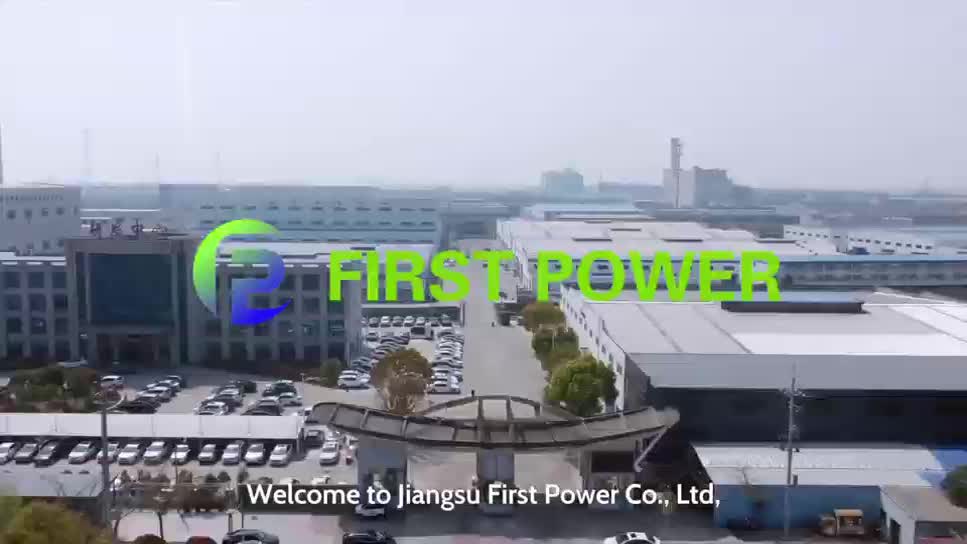
Company & facility overview

Assembly workshop

Testing laboratory
From Naypyidaw Enquiry to Tested Delivery: 6 Control Points
A repeatable process helps avoid the most expensive transformer problem: equipment that arrives with the wrong voltage, vector group, documentation or mechanical interface.
Specification Review
Engineers check kVA, primary and secondary voltage, frequency, vector group, impedance, tap range, cooling, altitude, ambient and applicable standard.
Drawing & Nameplate Approval
GA drawing, terminal arrangement, nameplate draft and guaranteed losses are confirmed with the buyer before material release.
Material & Process Control
Core, winding, insulation, drying, oil handling and tanking are controlled against documented work instructions and inspection checkpoints.
Routine Testing
Electrical routine tests and oil dielectric tests are recorded by serial number. Witness testing and third-party inspection can be arranged.
Export Packing & Shipping
Export crating, shock indicators, packing list and shipping marks are prepared for the agreed Incoterm and destination.
After-Sales & Spare Planning
O&M manuals, test reports, spare-part guidance and technical response help the local team commission and maintain the equipment.
Naypyidaw Market Procurement FAQ for OEM/ODM Three Phase Pole Transformers
These are the questions commonly raised by local buyers, EPC contractors and facility owners when comparing transformer suppliers for Naypyidaw projects.
Can you supply 50 Hz three phase pole transformers for the Naypyidaw market?
What is the difference between a pole-mounted and a pad-mounted transformer for a Naypyidaw project?
Which documents should a local buyer request before shipment?
How do you handle monsoon humidity, high ambient and voltage fluctuation?
Are you a manufacturer or a trading company, and can we audit the factory?
Can the transformer be customized for our Naypyidaw project?
Request a Naypyidaw-Specific Three Phase Transformer Quotation
To shorten the review cycle, include rated power, primary and secondary voltage, frequency, vector group, impedance, tap range, cooling method, altitude, ambient conditions, applicable IEC/IEEE standard, delivery destination and required documentation. A transformer engineer can then review the specification and respond with a suitable OEM/ODM configuration.
Inquire Now Technical and export enquiries: [email protected]