8 Pole-Mount & Distribution Transformer Options for Soweto Buyers
Each card below represents a real production family from Jiangsu Wisegj Power Co., Ltd., matched to Soweto procurement scenarios where overhead distribution, dense township load growth, public safety and 50 Hz grid compatibility matter. Product URLs are preserved exactly; request a mixed container, wholesale schedule or project-specific design when your tender requires more than a catalogue match.
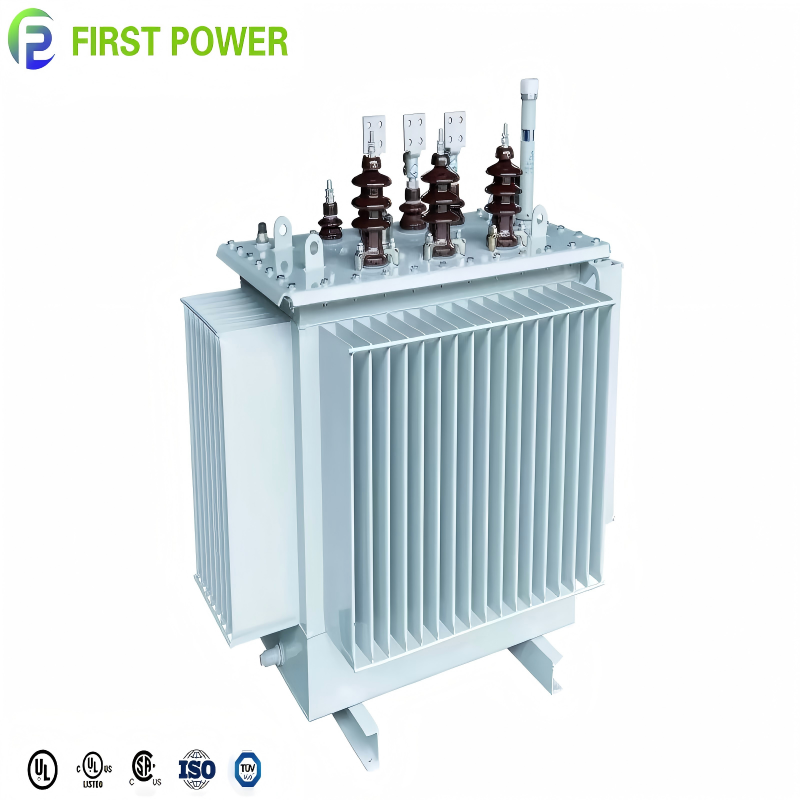
C CE S11 3-Phase Oil Immersed Transformer – 6–35 kV, 50–300 kVA
A compact oil-immersed workhorse for distribution branches, suited to township feeders and small commercial nodes where space, losses and routine test documentation matter.
- Best forOverhead distribution & small commercial
- Frequency50/60 Hz
- Class6–35 kV, 50–300 kVA
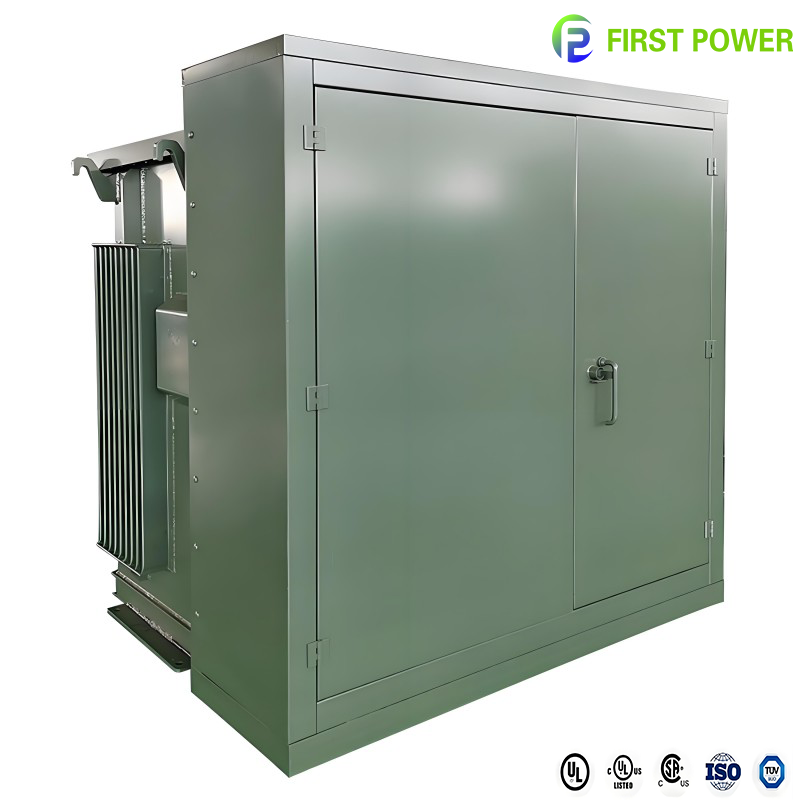
C CE 3-Phase Oil Type Pad Mounted Transformer – 75–400 kVA
A ground-level, tamper-resistant alternative to exposed pole platforms for public infrastructure, generation interfaces and light industrial supply.
- Best forPublic facilities & generation
- Range75–400 kVA
- Primary10–35 kV
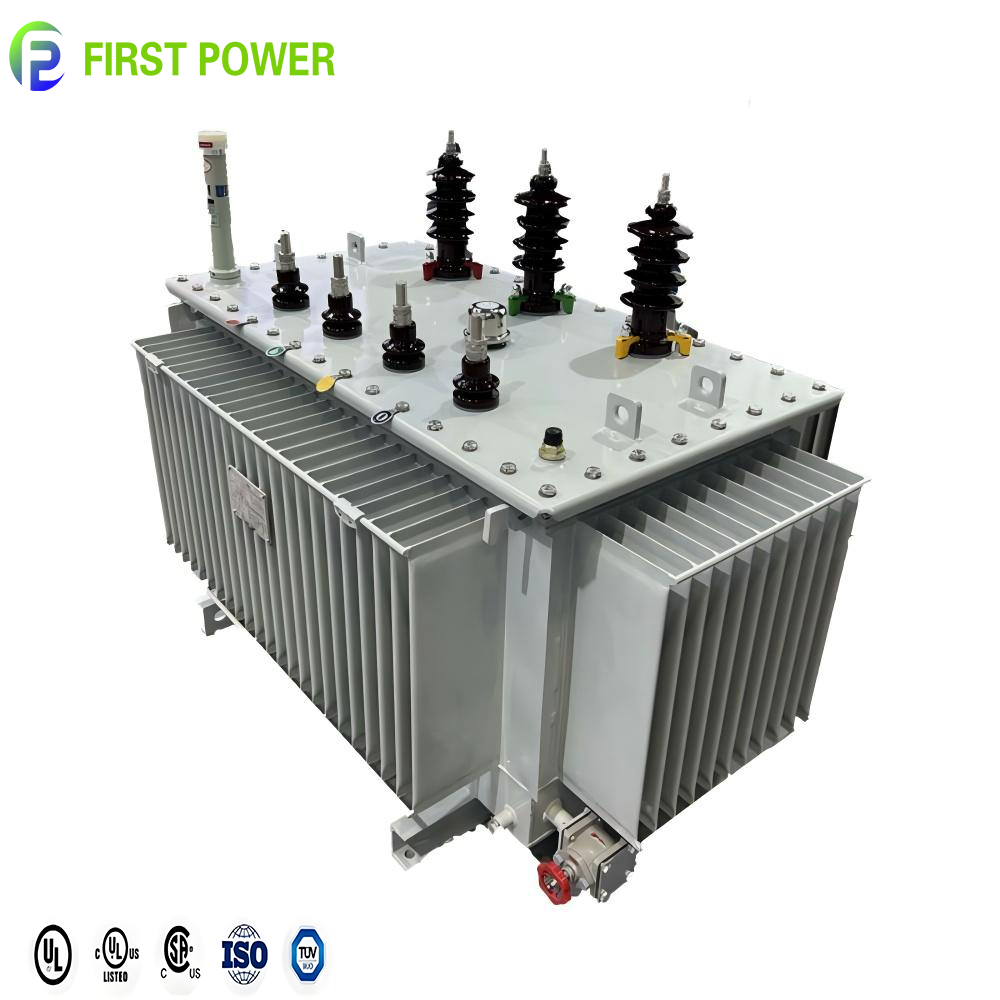
C CE S11 10–35 kV 3-Phase Oil Immersed Distribution Transformer
S11-type distribution transformer for low-loss township networks and wholesale replacement stock supporting 50–200 kVA expansion programmes.
- Best forUtility replacement & expansion
- Frequency50/60 Hz
- Primary10–35 kV
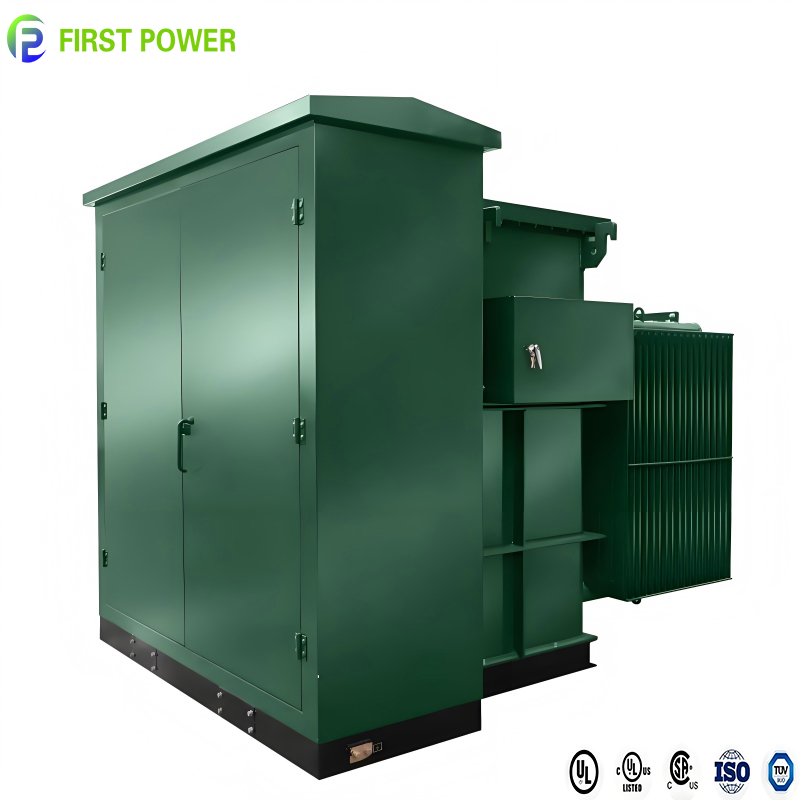
C CE Industrial 3-Phase Pad Mounted Pedestal Transformer – 100–630 kVA
Pedestal-style pad-mounted design for workshop clusters, pumping stations, commercial parks and sites where public safety and service access are priorities.
- Best forWorkshops & commercial parks
- Range100–630 kVA
- Class6–35 kV
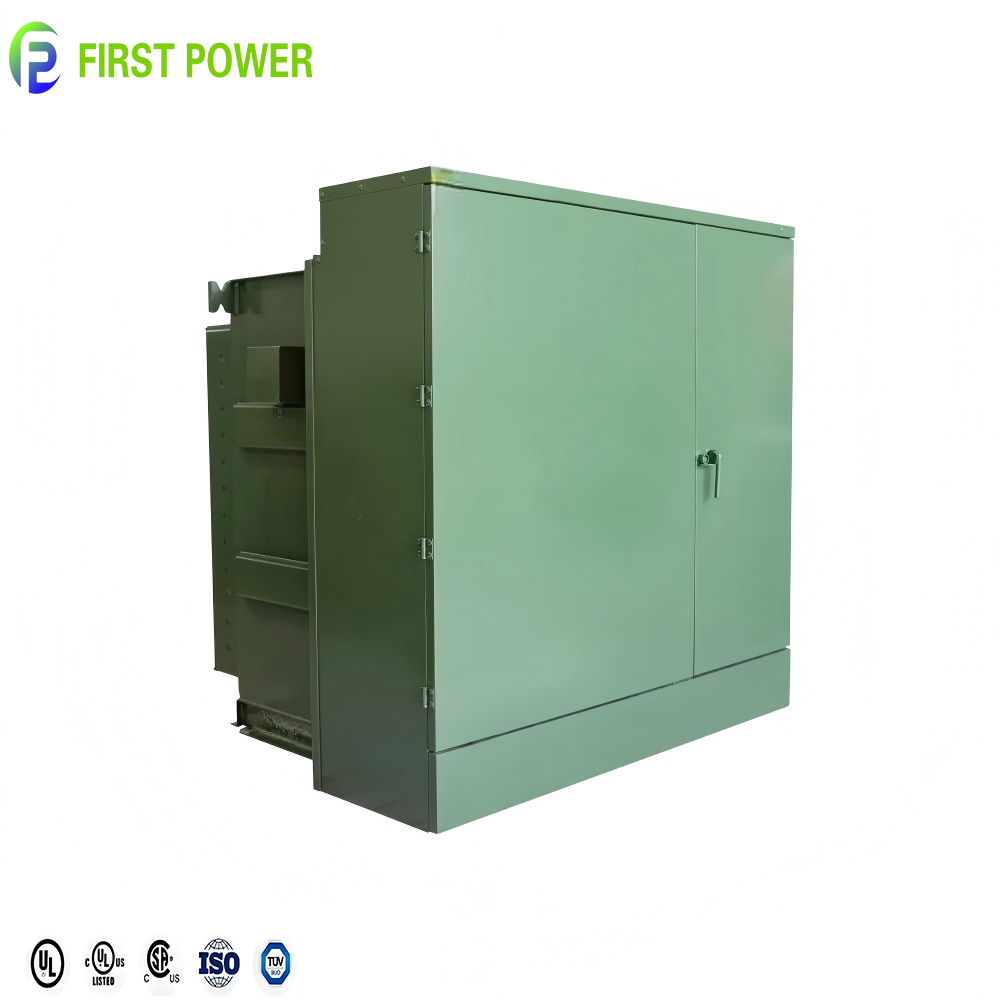
C CE MV&HV 3-Phase Pad Mounted Transformer – 750–2,500 kVA
Higher-capacity industrial supply for factories, mini-substations and larger commercial developments requiring engineered impedance and cooling.
- Best forFactories & mini-substations
- Range750–2,500 kVA
- ApplicationIndustrial power supply
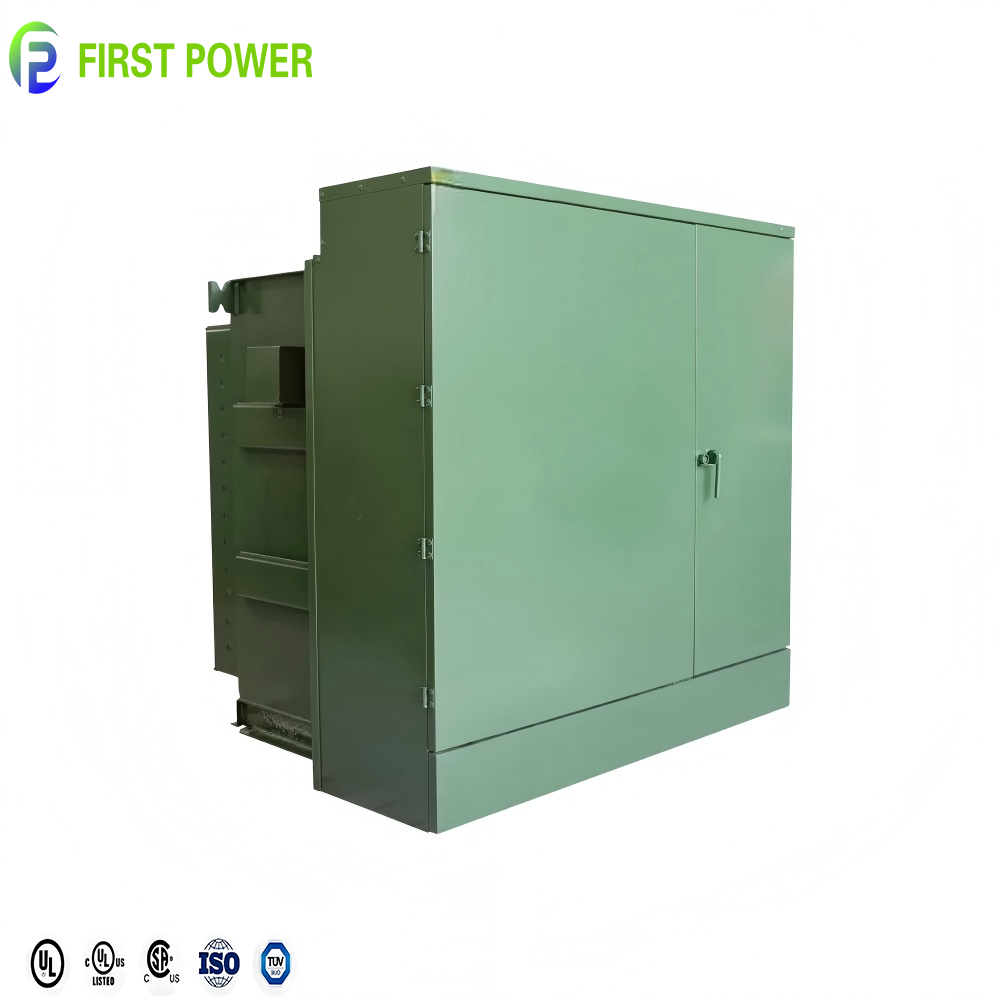
C CE 3-Phase Pad Mounted Power Distribution Transformer – 300–750 kVA
Distribution-class pad-mounted transformer for mixed-use estates, planned developments and underground-cable nodes across municipal networks.
- Best forMixed-use & underground nodes
- Range300–750 kVA
- Class10–35 kV
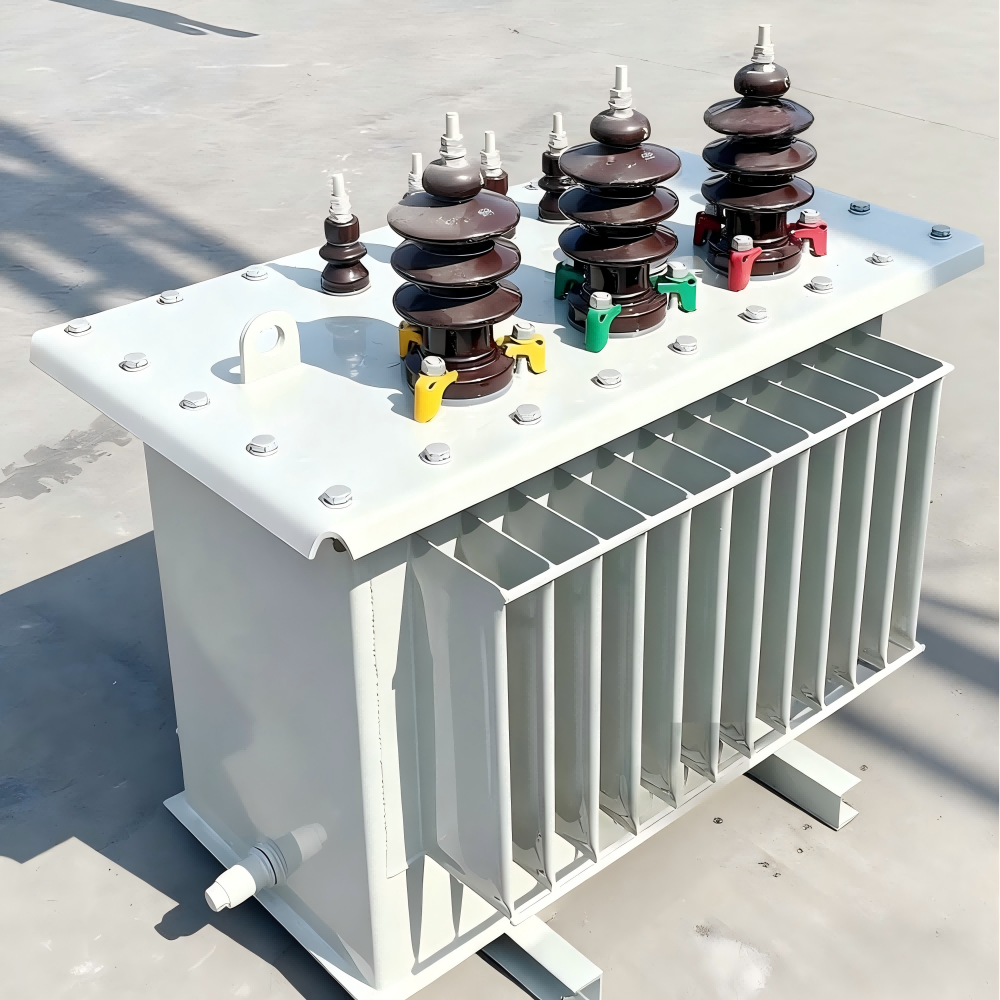
C CE MV&HV S11 3-Phase Oil Transformer – 30–31,500 kVA, 6–35 kV
A wide-range S11 oil transformer bridging distribution duty and small power-transformer applications; request guaranteed losses and impedance.
- Best forProject-scale distribution
- Range30–31,500 kVA
- Class6–35 kV
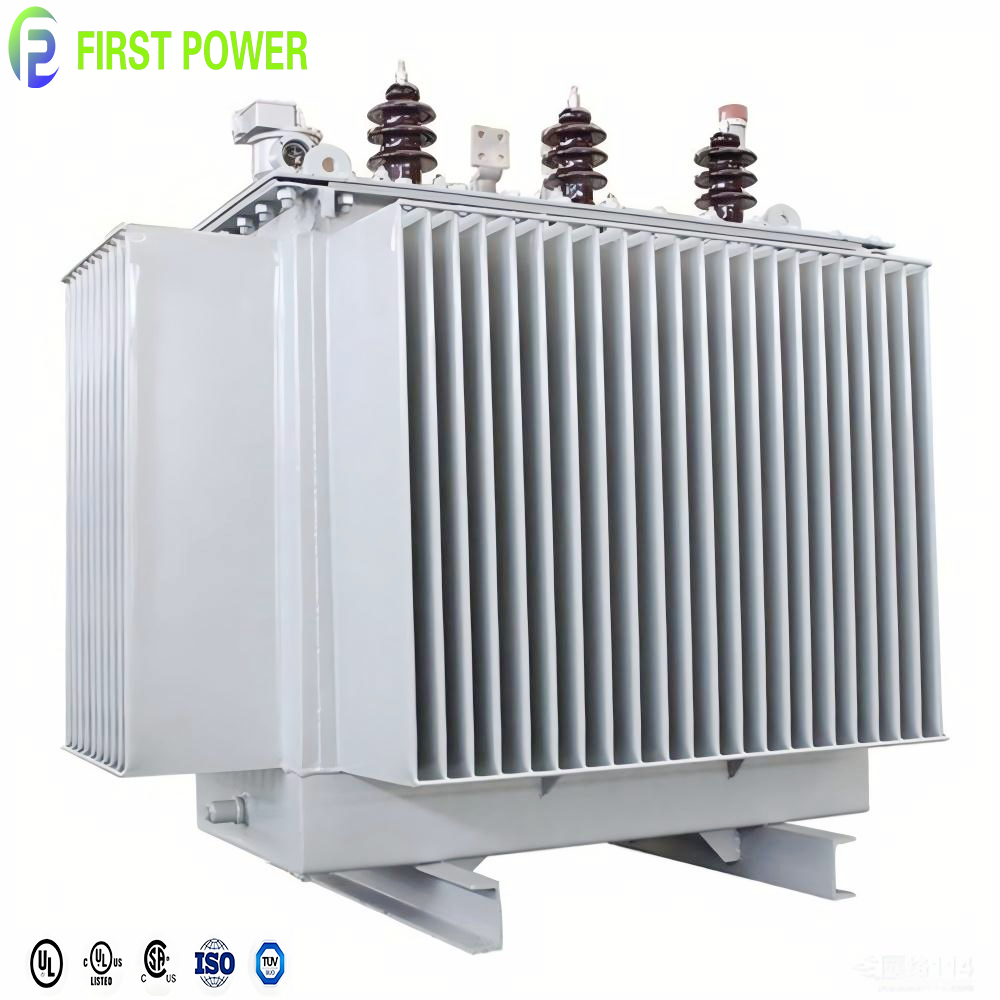
C CE S11 3-Phase Oil Transformer – 10–50,000 kVA, 10–35 kV
Large-capacity S11 oil transformer for wholesalers building a complete catalogue for Soweto EPCs, industrial buyers and substation projects.
- Best forWholesale & EPC specification
- Range10–50,000 kVA
- Class10–35 kV
Need a mixed container, a wholesale schedule or a 50 Hz design review for an 11 kV / 22 kV / 33 kV Soweto project? Send your single-line diagram and load data first; our engineers will check the design before quotation.
Inquire NowWhy the Soweto Market Needs a Different Pole-Mount Transformer Conversation
Local buyers are not purchasing “kVA at the lowest price”. They are purchasing uptime, public safety, verifiable documentation and a transformer that survives real township network conditions.
Soweto is not a generic “African market” box on a quotation sheet. It is a dense, established urban distribution environment with overhead MV lines, pole-mounted transformers, low-voltage reticulation, backyard-room load growth, small businesses, schools, clinics, public lighting and a mix of municipal and utility supply zones. The procurement challenge is therefore technical as much as commercial: equipment must tolerate repeated re-energization after load-shedding, high summer temperatures, lightning activity, dust, vandalism risk and the practical difficulty of accessing pole-mounted assets for maintenance.
For an OEM/ODM pole mount transformer exporter or wholesaler serving the Soweto market, the real value is not a relabelled catalogue unit. It is the ability to shorten the loop between specification review, drawings, guaranteed losses, routine testing, packing and spare-part planning. That is the information gain serious buyers look for: what changes when a transformer is designed for a 50 Hz South African network rather than a generic export destination?
At a minimum, review the rated kVA, primary voltage (11 kV, 22 kV or 33 kV), secondary voltage (400/230 V), frequency, vector group, impedance, tapping range, no-load and load losses, temperature rise, lightning impulse level, cooling method, cable box arrangement, earthing terminals, anti-theft features, enclosure finish and test plan. Where a tender calls for SANS 780, NRS 048, City Power or Eskom-derived requirements, share the exact clause so the design and documentation can be aligned with IEC 60076 as the common engineering baseline.
Information gain: specification questions that change the quotation
- Is the transformer intended for a pole platform, a compact pad, or a future underground-cable conversion?
- What is the measured peak demand and daily load profile, not just the nominal kVA requested?
- Which anti-theft, lockable-cover and public-safety measures are mandatory for the site?
- Will guaranteed losses, impedance and temperature rise be written into the purchase order?
- Are routine test reports, GA drawings, nameplate drafts and O&M manuals required before shipment?
Where Pole-Mount Transformers Earn Their Place in Soweto
The right transformer family depends on the load, the installation environment and the maintenance model. These four application scenarios drive most technical conversations.
Township overhead networks and backyard-room growth
Pole-mounted transformers remain practical where overhead MV lines already serve Soweto’s residential grids. As backyard rooms, geysers, heat pumps and small businesses raise evening peaks, engineers should review load profiles rather than simply selecting the next larger kVA.
Small commercial and light-industrial clusters
Spaza shops, workshops, food processing, salons and filling-station loads often sit close to residential feeders. A 100–315 kVA pole-mount or compact pad-mount unit can improve voltage regulation, but public access and fault level may justify a pad-mounted enclosure.
Schools, clinics, municipal buildings and lighting
Reliability and public safety matter more than first cost. Specify lockable covers, visible danger markings, earthing terminals, cable boxes and routine test reports. For clinics with backup generation, check vector group, neutral arrangement and re-energization behaviour.
Renewable, mini-grid and resilience interfaces
Solar rooftops, battery storage and backup generators need careful impedance and protection coordination. A pole-mount transformer can serve as the LV interface, but the design should consider reverse power flow, harmonics, neutral earthing practice and future capacity.
Soweto Market Trends Shaping 2025–2030 Transformer Specifications
Procurement teams are moving from “lowest first cost” toward total cost of ownership, documented compliance and service continuity. These are the four trends we see shaping technical reviews.
Re-energization and load-shedding resilience
Transformers must tolerate cycling, inrush current and protection coordination after outages. Buyers are asking for better thermal design, secure tap settings and documented test evidence rather than assuming that a larger kVA automatically solves resilience.
Low-loss cores and total cost of ownership
Energy costs and network losses make no-load and load-loss guarantees commercially important. A lower-loss design can justify a higher initial price when evaluated over a 20–25 year asset life, especially in wholesale programmes with repeat purchases.
Anti-theft, public safety and asset protection
No transformer design can eliminate theft or vandalism. Practical measures include lockable covers, anti-theft fasteners, secure cable boxes, welded lock points, durable warning labels and, for high-exposure sites, a pad-mounted enclosure instead of an accessible pole platform.
Documentation as a procurement KPI
Consulting engineers and asset owners increasingly score suppliers on GA drawings, nameplate drafts, routine test reports, guaranteed losses and O&M manuals. A compliant document pack is now part of the product, not an afterthought.
Illustrative selection weights used in Wisegj project reviews
For Soweto-style distribution upgrades, engineers rarely buy on kVA alone. A practical review often balances the factors below; the percentages are illustrative, not a substitute for your tender criteria.
Do not “future-proof” with oversized kVA alone
Oversizing increases no-load losses, capital cost and fault-current implications. A better approach is to document the load study, specify the right impedance and thermal margin, plan for parallel operation or later replacement, and align protection settings with the actual network.
- Request guaranteed losses and impedance, not just kVA.
- Confirm 50 Hz design, tap range and vector group.
- Review anti-theft and earthing details for the site.
Pole-Mount vs Pad-Mount Transformer Selection Matrix for Soweto Projects
Use this as a starting point for engineering discussion. The final choice must reflect the utility’s specification, site access, fault level, public exposure and maintenance strategy.
| Decision factor | Pole-mount transformer | Pad-mount transformer | Soweto buying note |
|---|---|---|---|
| Footprint and installation | Uses existing pole infrastructure; fast replacement on overhead networks. | Requires a concrete pad, cable termination space and greater civil coordination. | Choose pole-mount where overhead MV lines and lifting access already exist; choose pad-mount for underground or high-public-access sites. |
| Public safety and security | Exposed platform; requires lockable covers, warning labels and anti-theft measures. | Tamper-resistant enclosure with a smaller public interface. | If vandalism or oil theft is a recurring issue, compare total lifecycle cost, not only the transformer price. |
| Load growth and capacity | Good for distributed residential and small commercial loads, typically up to a few hundred kVA per unit. | Better for larger capacities, higher fault levels and concentrated commercial or industrial loads. | Document the load profile and future expansion; avoid blanket oversizing. |
| Lead time and logistics | Generally simpler packing and lower civil works for overhead replacement. | Larger enclosure and pad requirements can add shipping and site time. | For wholesale programmes, order mixed ratings and plan spares around the utility’s replacement cycle. |
| Documentation and standards | Routine test reports, nameplate, GA drawing and anti-theft details should be explicit. | Enclosure, earthing, cable entry and protection coordination documents are essential. | Align IEC 60076 with SANS, NRS or utility-specific clauses before production release. |


Why Wisegj Is a Practical OEM/ODM Partner for Soweto Wholesalers
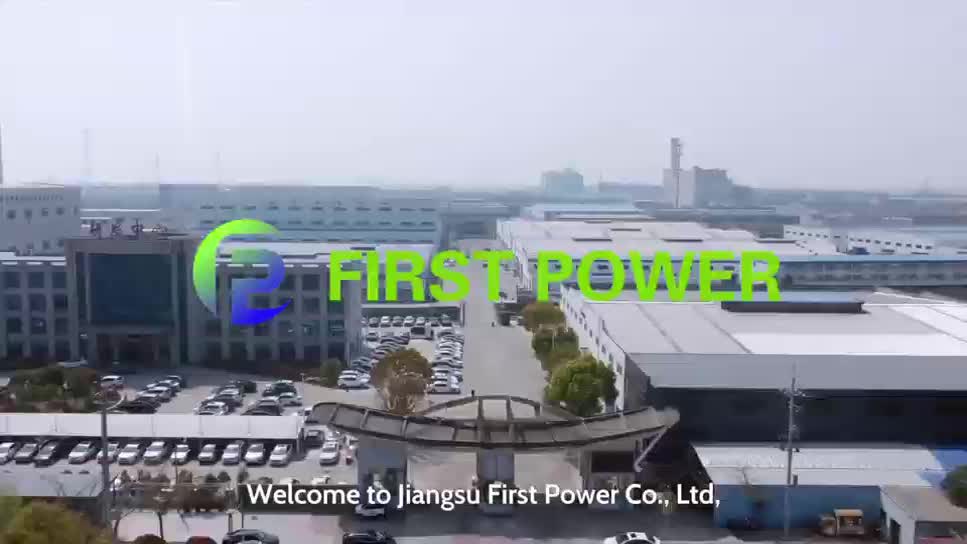
Jiangsu Wisegj Power Co., Ltd. designs, assembles and exports medium and high voltage equipment from 220 V up to 500 kV, including power transformers, oil immersed distribution transformers, pad mounted transformers, dry type transformers, compact substations, switchgear and distribution boxes. Our engineering team brings more than 20 years of hands-on transformer experience, and every project is reviewed before quotation so procurement teams receive equipment that matches the utility specification rather than a generic catalogue guess.
Production runs under ISO 9001, ISO 14001 and ISO 45001 management systems, with CE certificates across key product lines and TÜV Rheinland verified production capability. For wholesale buyers, we support OEM, ODM, design-based and sample-based customization, including ratings, vector group, impedance, tap range, bushings, cooling method, insulating fluid, enclosure colour and nameplate language.
Audit-ready production base
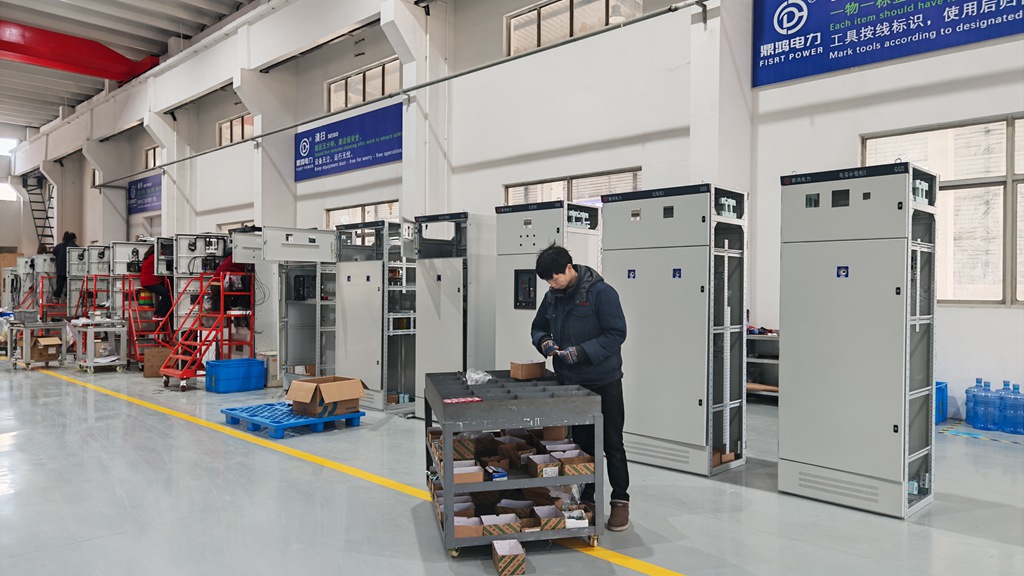
6,847 m² of verified floorspace with dedicated winding, core assembly, drying, tanking and test areas. Production capability, floorspace and inspection records can be reviewed with your QA team.
Engineer-led customization
50+ R&D and technical engineers support OEM, ODM and project-specific designs. Ratings, impedance, taps, bushings, cooling, earthing and enclosure details are reviewed against the actual network.
In-house routine testing
Winding resistance, ratio and vector group, impedance and load loss, no-load loss and current, applied and induced voltage withstand, plus oil dielectric strength for liquid-filled units.
Certified systems and documents
ISO 9001, ISO 14001 and ISO 45001 certificates are listed with numbers so your compliance team can verify them. CE documentation covers key transformer and substation lines.
Export and wholesale support
Seaworthy packing, shock indicators, mixed-container coordination and Incoterms from EXW to DDP. 211 qualified supply-chain partners help stabilise lead times for raw materials and accessories.
24-hour engineer response
Technical questions, drawing reviews and after-sales issues receive a qualified reply within one working day. We provide GA drawings, nameplate drafts, test reports and O&M manuals in English.
Certificates and Compliance Documents Buyers Can Verify
For Soweto wholesalers and project buyers, certificate numbers matter. Ask for the current document pack before approving a sample or releasing a purchase order.
ISO 9001 Quality Management
Production quality system. Certificate No. 62824Q6052R0S · valid through 2027.
ISO 14001 Environmental Management
Environmental management system. Certificate No. 62824E6053R0S · valid through 2027.
ISO 45001 Occupational Health & Safety
Health and safety management system. Certificate No. 62824S6054R0S · valid through 2027.
CE Product Certificates
Oil-immersed power transformer No. 3N230310.JYTU038; dry type transformer No. FQC2530404; compact substation No. M.2025.206.C121884. Third-party witness inspection is welcome.
Soweto Buyer FAQ: Pole-Mount Transformers, OEM/ODM and Wholesale Supply
Straight answers for procurement teams comparing local stock, import supply and project-specific engineering.
What pole-mount transformer ratings are most common for Soweto projects?
Distribution designs are usually dictated by the utility or consulting engineer. For 50 Hz South African networks, typical requests cluster around 50, 100, 200, 315 and 500 kVA, with 11 kV, 22 kV or 33 kV primary options and 400/230 V secondary. We do not recommend choosing a rating from a catalogue alone; send the load profile, fault level and installation constraints so the design can be checked.
Can you manufacture 50 Hz, 11 kV/400 V units to South African requirements?
Yes. Wisegj can engineer 50 Hz units and adapt vector group, taps, impedance, losses, bushings, cable boxes, earthing and corrosion protection to the project specification. We build to IEC 60076 as the common baseline. Where SANS, NRS or a City Power/Eskom-derived specification is required, share the exact tender clause so the design and test plan can be aligned.
How do you reduce oil theft and vandalism risk on pole-mounted transformers?
No transformer design can eliminate theft or vandalism. Practical measures include lockable covers, anti-theft fasteners, secure cable boxes, welded lock points, oil-level indicators that do not invite tampering, durable warning labels and, where public exposure is high, evaluating a pad-mounted enclosure. We can quote both options so wholesalers can sell the right solution for the site.
Will load-shedding change the transformer size we should order?
Load-shedding creates cycling and inrush events, but it does not justify a blanket kVA upgrade. Oversizing increases no-load losses and capital cost. Engineers should examine peak demand, diversity, motor starting, re-energization inrush, protection settings and future load growth. A documented load study is more useful than guessing the next size up.
Which factory tests are performed before shipment?
Routine tests for each unit include winding resistance, ratio and vector group, impedance and load loss, no-load loss and current, applied voltage and induced voltage withstand, plus oil dielectric strength for liquid-filled units. Type-test reports can be shared where available. Third-party witness inspection is welcome.
What is the minimum order for wholesale, OEM or ODM supply?
MOQ depends on model, customization and packing. Mixed containers are possible for distributors that need a spread of ratings. OEM/ODM can cover nameplate language, enclosure colour, logo, documentation set and project-specific accessories. Share the annual plan or replacement schedule to get a realistic production timeline.
How do you ship to Johannesburg and which trade terms are available?
Typical routes use ocean freight to Durban or Cape Town with onward road transport to Gauteng, or air/express for urgent spares. We quote FOB, CFR, CIF, EXW, FCA, CPT, CIP and DDP where supported. Provide the delivery address and preferred Incoterm so the landed-cost comparison is accurate.
What should a Soweto wholesaler send with an inquiry?
Send the single-line diagram, rated kVA, primary and secondary voltage, frequency, vector group, impedance, tapping range, losses or efficiency target, ambient and altitude, installation type, standard, protection accessories, quantity, delivery point and required documents. For repackaging, include label and pallet requirements so the quotation reflects the full scope.
Request a Soweto-Ready Pole-Mount Transformer Quotation
Send your datasheet, tender clause or single-line diagram. A transformer engineer will review the 50 Hz design, losses, impedance, anti-theft details and documentation requirements before we quote. Wholesale schedules, mixed containers and OEM/ODM nameplate programmes are welcome.
Email: [email protected] · Jiangsu Wisegj Power Co., Ltd. · Suzhou, Jiangsu, China