OEM/ODM Padmounted Transformer Exporter & Exporters Serving South Africa
Engineering-led pad-mounted transformer supply for South African utilities, EPC contractors, mines, gated estates and renewable IPPs—with specification review, routine testing, export packing and project documentation.
Eight Padmounted Transformer Configurations for South African Projects
South Africa’s procurement teams rarely buy a pad-mounted transformer as a catalogue item. They buy a configuration that must suit 50 Hz operation, 11 kV/22 kV/33 kV cable systems, 400/230 V secondary networks, coastal humidity, highveld lightning, dust, restricted sites and long inland transport. These eight product families are a practical starting point for an OEM/ODM quotation.
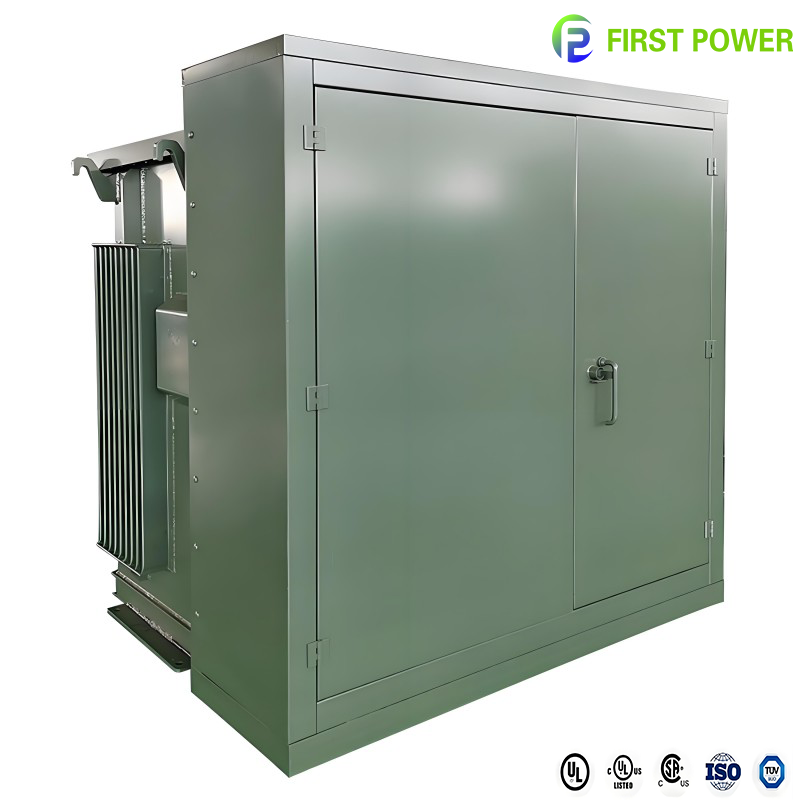
C CE 50/60HZ 10KV 20KV 35KV 75KVA 100KVA 200KVA 300KVA 400KVA 3 Phase Oil Type Pad Mounted Transformer for Power Generation
Oil-type three-phase unit for generator step-up and distribution duties; specify ratio, vector group, impedance and protection.
View product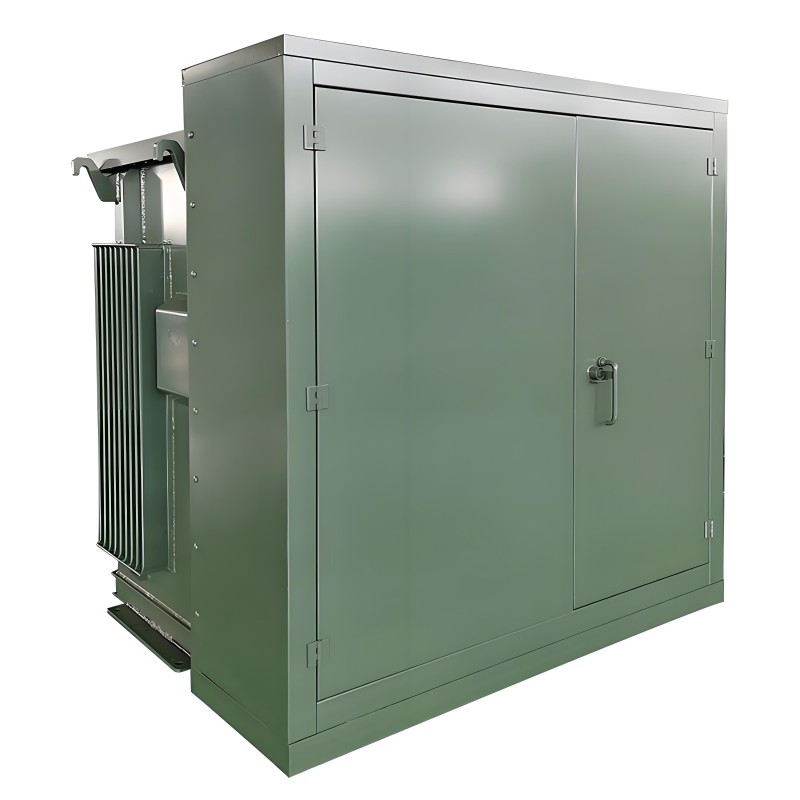
/C Certified 75-2500KVA Oil Type Three-Phase Pad-Mounted Transformer 480V Output Voltage 35KV Input Voltage 50/60HZ
Medium-capacity three-phase oil transformer with 35 kV input and 480 V output options for export projects.
View product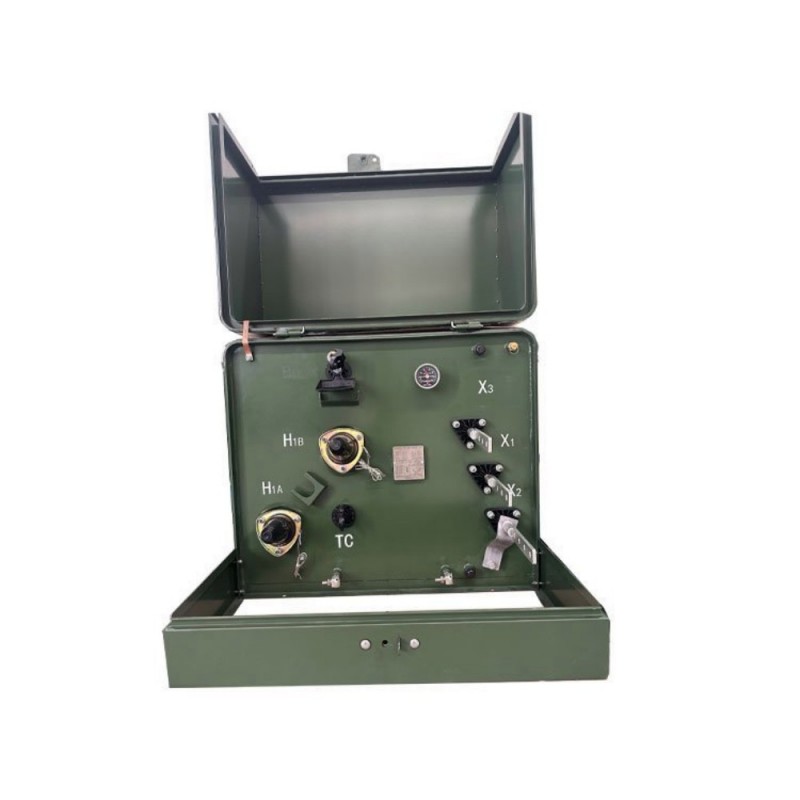
/C Certification 6KV 10KV 13KV 20KV 34.5KV 50/60HZ Oil Type Single Phase 75KVA Pad Mounted Transformers
Single-phase oil-type pad-mount platform for residential and rural feeders, with multi-voltage primary options.
View product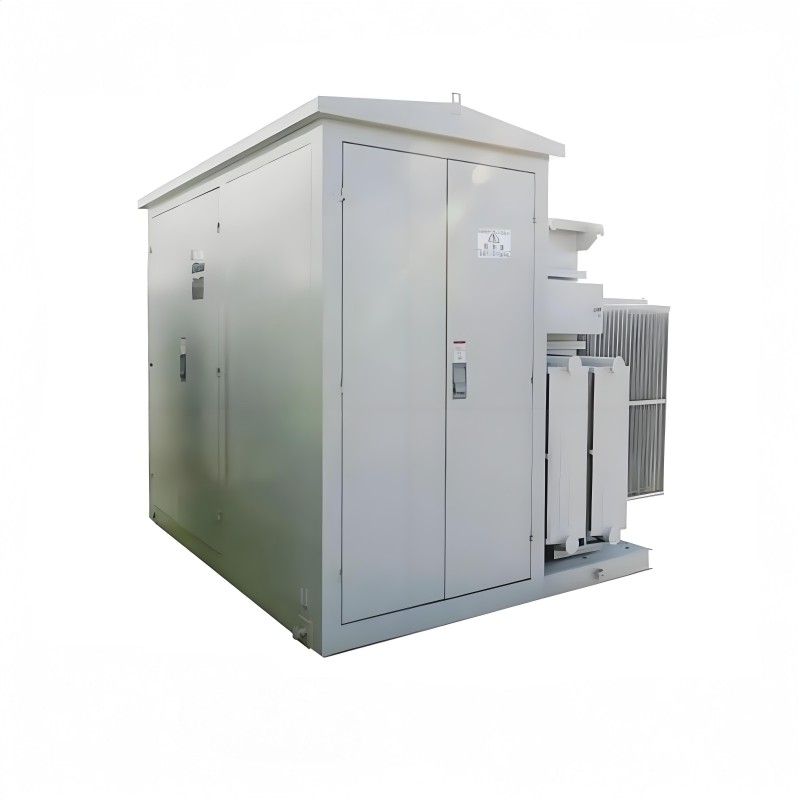
American Standard /C Certified 3000kva 34.5kv/480v Oil Type Pad Mounted Transformer 60 Hz 10kv Input 380v 440v Output
American-standard configuration with 34.5 kV class input and 480 V output for utility and industrial interfaces.
View product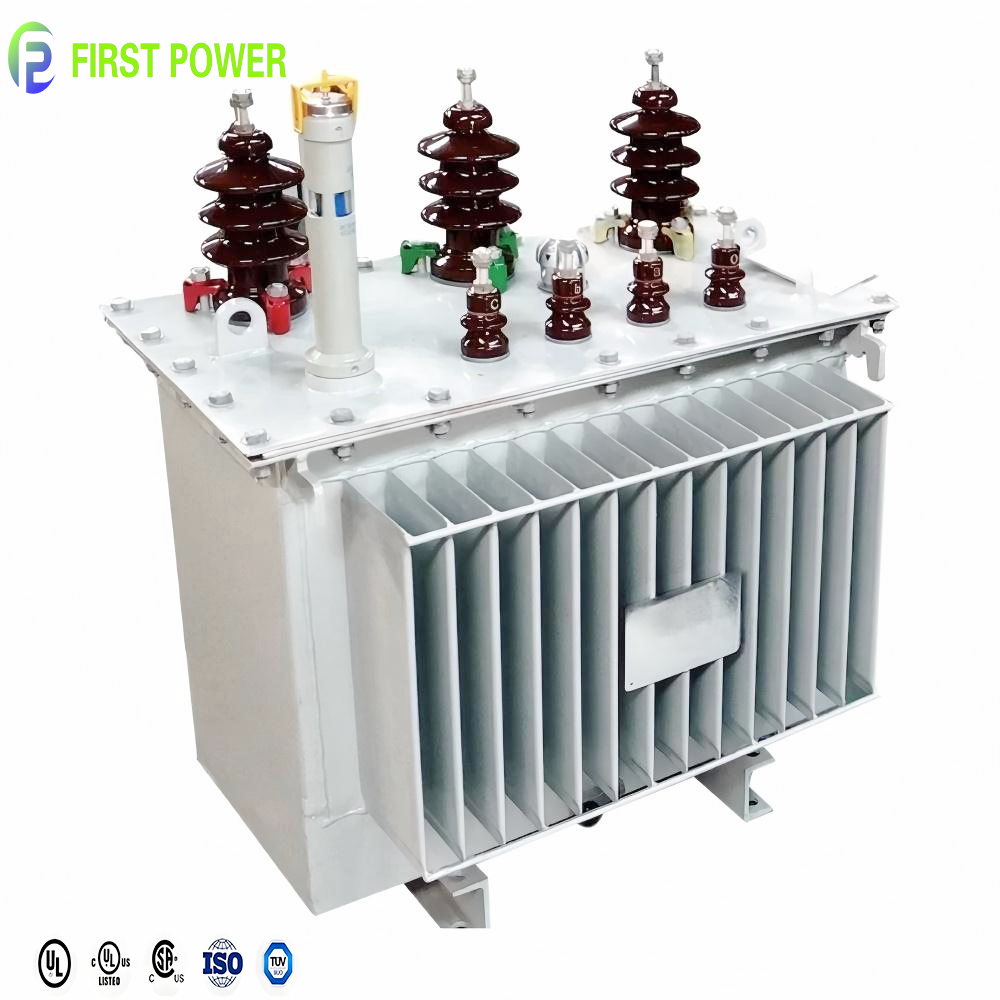
C CE 10KV 20KV 35KV 50KVA 100KVA 200KVA 300KVA 400KVA 500KVA Electric Oil Immersed Transformer for Industrial Power Supply
Oil-immersed industrial transformer for plant distribution and demanding continuous loads.
View product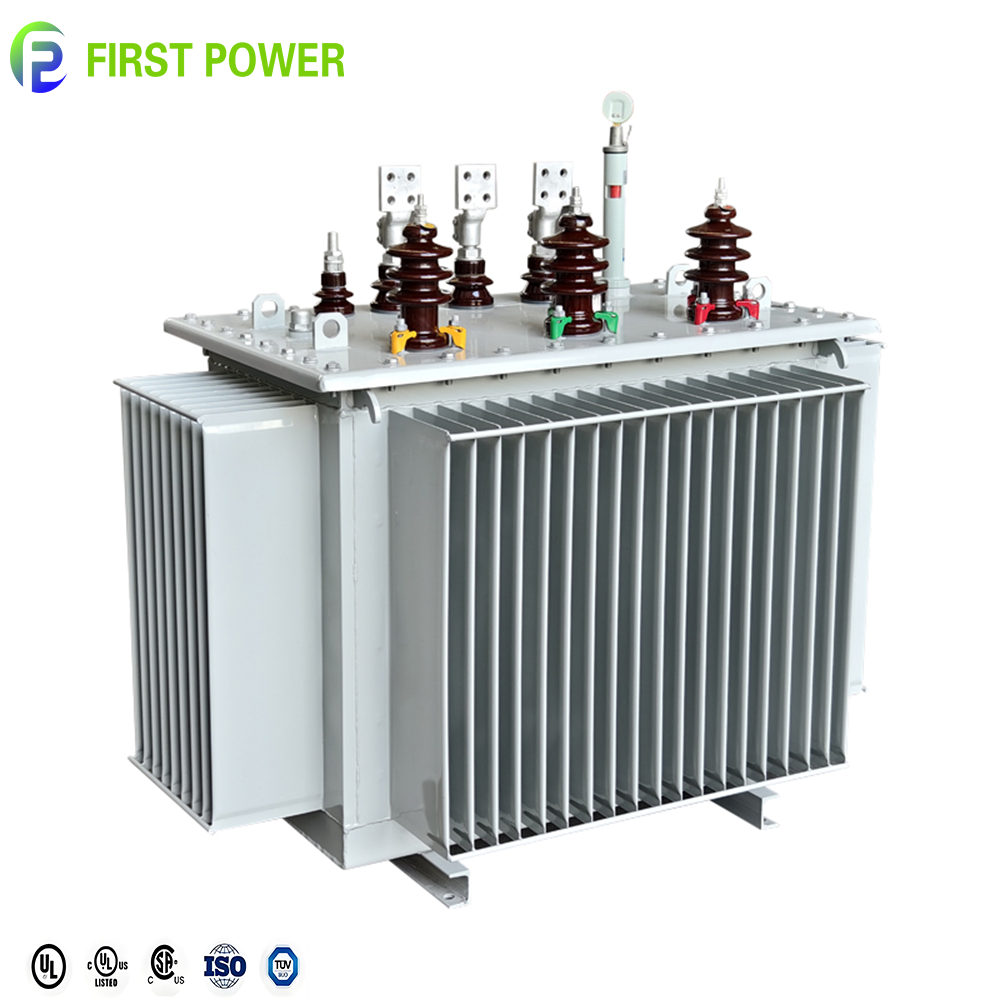
C CE 50/60HZ 6KV 10KV 15KV 20KV 35KV 100KVA 200KVA 300KVA 500KVA 220V Output Voltage Step up Oil Transformer for Industrial
Step-up oil transformer for industrial power supply, available with 220 V output arrangements on request.
View product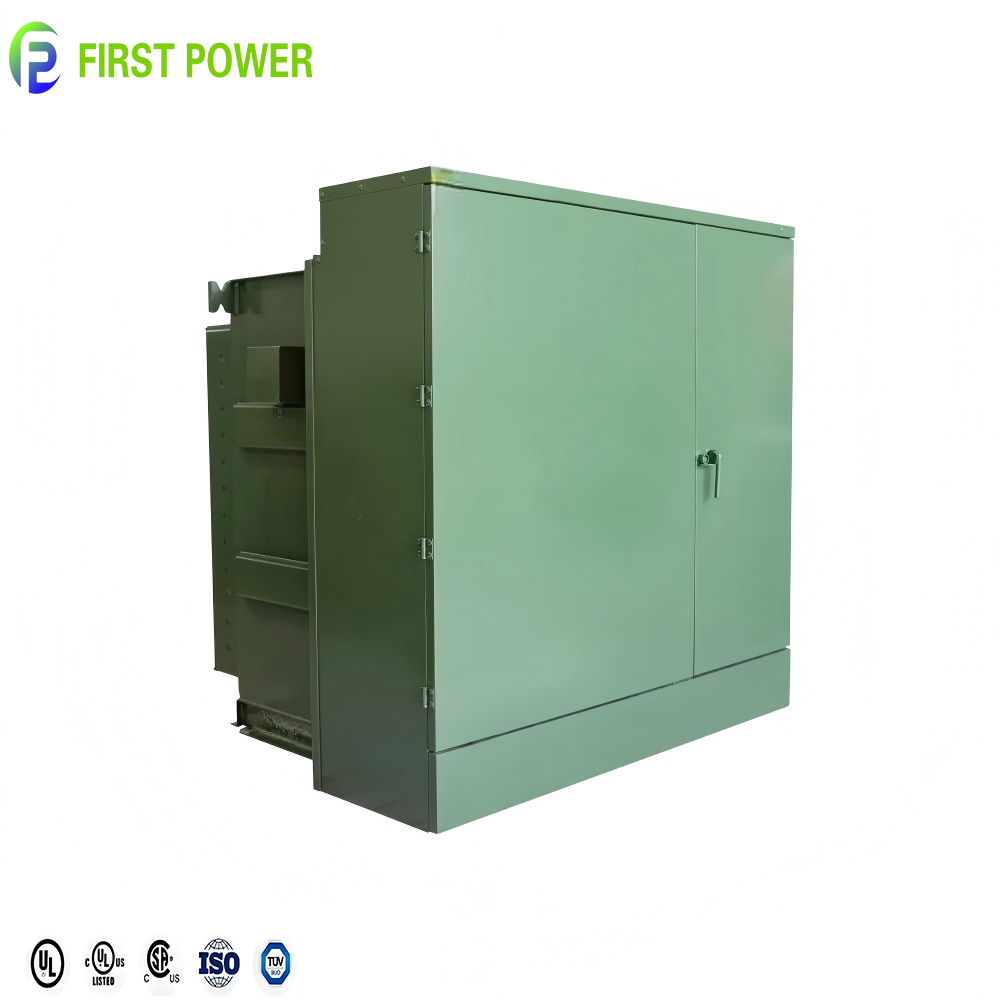
C CE MV&HV 50/60HZ 750KVA 1250KVA 1500KVA 2000KVA 2500KVA 3 Phase Pad Mounted Transformer for Industrial Power Supply
MV/HV three-phase pad-mount platform for higher-capacity industrial and utility connections.
View product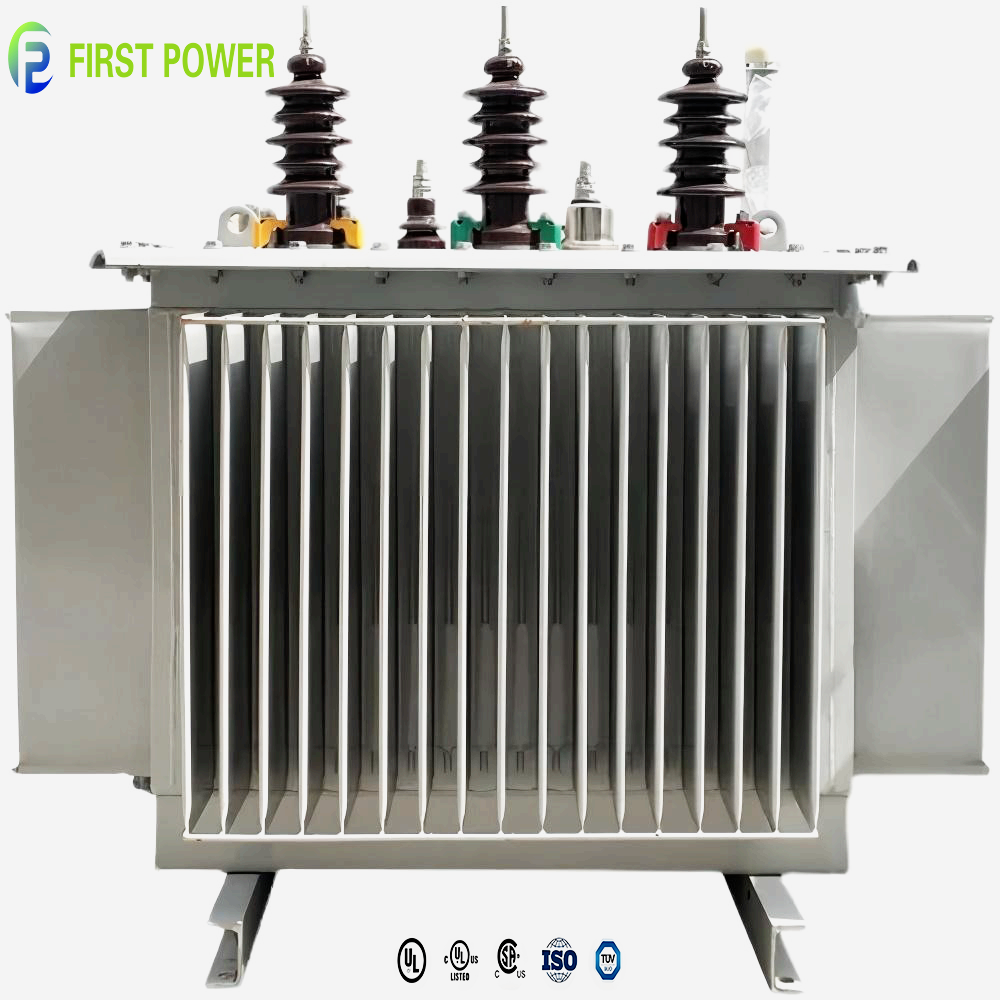
/C Certification 60HZ S11 Three Phase 10KV 35KV 500 KVA 22KV/0.4KV 50HZ Electric Oil Immersed Transformer for Power Supplies
S11 three-phase oil-immersed design for power supply projects, with 10–35 kV primary options.
View productWhat South African Buyers Should Expect From a Padmounted Transformer Exporter
South Africa is not a single transformer market. A unit for a coastal municipality, a solar IPP in the Northern Cape and a mine in Limpopo may all be called “pad-mounted,” yet the design details, protection, finish and documentation can differ materially.
An OEM/ODM pad-mounted transformer supplier should behave more like an engineering partner than a box shipper. The quotation should identify the governing standard, primary and secondary voltages, frequency, vector group, impedance, tap range, cooling, enclosure rating, cable-box arrangement, fusing, losses, tests, nameplate language, packing and delivery term. If those details are missing, the buyer is comparing incomplete offers.
Information gain comes from clarifying the decisions that affect total cost: whether the site needs loop or radial feed; whether mineral oil or natural ester is preferred; whether C4 or C5 corrosion protection is required; whether the transformer will sit behind a utility meter or a private network; and whether future capacity growth justifies a larger enclosure.
South African buyers often request compliance with SANS-derived or utility specifications, while international projects may reference IEC 60076 or ANSI/IEEE C57.12. Where SANS 780 or a utility specification is cited, we review the clauses with the buyer and map them to the approved design and test plan rather than assuming a generic export model is automatically compliant.
The most useful exporter is one that can explain, in writing, which requirement drives the design and which test proves it. That is the difference between a competitive price and a procurement decision that survives commissioning, utility inspection and long-term operation.
Five questions that change the quotation
- What is the actual primary voltage and earthing arrangement?
- Is the feed loop or radial, and what cable-box configuration is needed?
- What ambient, altitude and solar condition will the unit see?
- Which loss values will be evaluated, and over what asset life?
- Which tests and documents must be witnessed or supplied?
Where Padmounted Transformers Fit South Africa’s Power Landscape
Pad-mounted transformers are most valuable where overhead lines are difficult, dangerous or visually unacceptable. The application decides the enclosure, protection, loss target and documentation package.
Municipal undergrounding & grid reinforcement
For 11 kV, 22 kV and 33 kV cable networks in Cape Town, Johannesburg, Durban and secondary towns, pad-mounted units reduce overhead exposure and support concentrated load growth.
Gated estates & commercial developments
Loop-feed configurations, low-profile tamper-resistant enclosures and clean cable compartments help developers meet aesthetic, safety and metering requirements.
Mining & heavy industry
Dust, high ambient temperature, long cable runs and production-critical uptime call for robust tanks, corrosion protection and verified losses.
Solar PV, wind & battery storage
Step-up transformers for renewable IPPs and private generators need loss discipline, dynamic loading review and clear protection coordination.
Agriculture & cold chain
Irrigation, packhouses and cold storage depend on voltage stability. Transformer sizing should consider motor starts, seasonal peaks and future expansion.
Data centres & critical facilities
Where indoor or fire-sensitive installation is required, dry-type alternatives can be supplied; outdoor pad-mounts remain preferred for utility feeders.
South Africa–Specific Transformer Details, Not Generic Catalogue Copy
The same kVA rating can require different insulation, enclosure and documentation depending on the site. These are the technical points our application engineers clarify before offering a firm design.
| Design question | South African context | OEM/ODM response |
|---|---|---|
| Frequency & primary voltage | Networks commonly use 11 kV, 22 kV and 33 kV at 50 Hz; secondary distribution is often 400/230 V. | Confirm ratio, vector group and tap range on the approved GA drawing. |
| Secondary & vector group | Dyn11 and related configurations are common for distribution, but utility practice can vary. | Provide vector group, neutral arrangement, impedance and temperature-rise targets in the data sheet. |
| Ambient & altitude | Highveld sites, coastal humidity and hot inland areas place different demands on cooling and insulation. | Specify maximum ambient, altitude and solar gain; we adjust cooling and temperature rise. |
| Corrosion & security | Coastal installations and public areas require robust enclosures, locks and finishes. | Hot-dip galvanised or coated enclosures, stainless fasteners, tamper-resistant compartments and security options. |
| Lightning & insulation coordination | Lightning activity and cable-fed networks require careful impulse and surge coordination. | Review impulse level, bushings, cable boxes and arrester coordination with the project engineer. |
| Losses & whole-life cost | Utilities and IPPs increasingly evaluate no-load and load losses, not only purchase price. | Guaranteed loss values, test verification and design options to meet loss targets. |
| Standards & documentation | Buyers may reference SANS, utility specifications, IEC 60076 or ANSI/IEEE practice. | We review the governing specification and provide drawings, test reports, nameplates and O&M documentation. |
| Logistics | Inland delivery, port handling and site storage require export-grade packing. | Seaworthy packing, shock indicators, lifting points and Incoterms from EXW to DDP. |
Capacity bands are indicative planning ranges. Final ratings depend on load profile, protection, ambient, altitude, loss evaluation and utility approval.
Localised Trends Reshaping Padmounted Transformer Demand in South Africa
Transformer specifications are changing because South Africa’s grid, generation mix and asset-protection pressures are changing. These trends should appear in the technical evaluation, not only in the commercial narrative.
Loss-aware procurement
Capitalised loss evaluation is moving from a nice-to-have to a tender requirement. The lowest purchase price can be the most expensive transformer over a 20–30 year asset life.
Private generation & wheeling
More commercial and industrial buyers are specifying transformers for embedded generation, wheeling and grid-tied renewable projects. This adds requirements for protection, metering and documentation.
Theft, vandalism & resilience
Cable theft and equipment vandalism increase the value of tamper-resistant enclosures, secure fasteners, oil containment and designs that simplify site inspection.
Condition-monitoring readiness
Even where sensors are not installed initially, buyers increasingly ask for temperature, pressure and partial-discharge provision to support future condition-based maintenance.
Why Wisegj Is a Practical OEM/ODM Partner for South African Projects
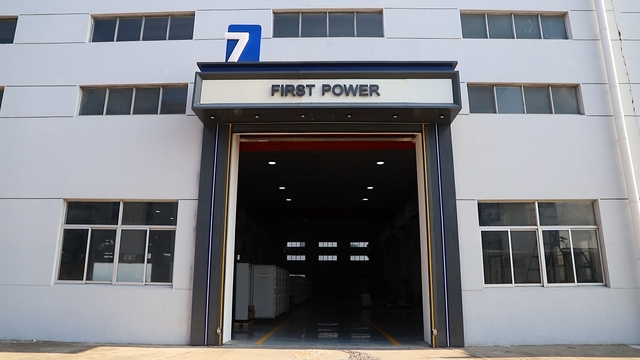
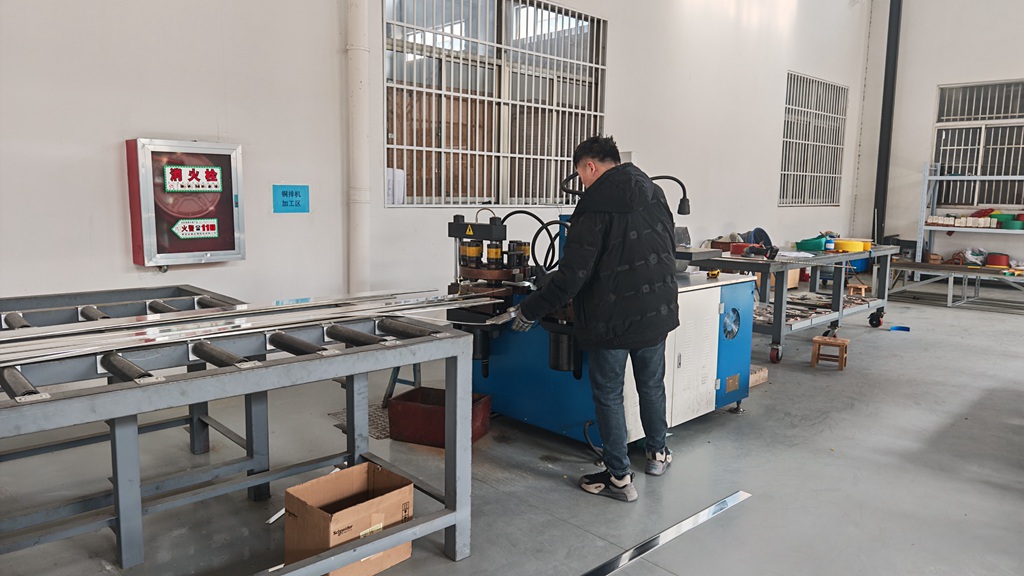
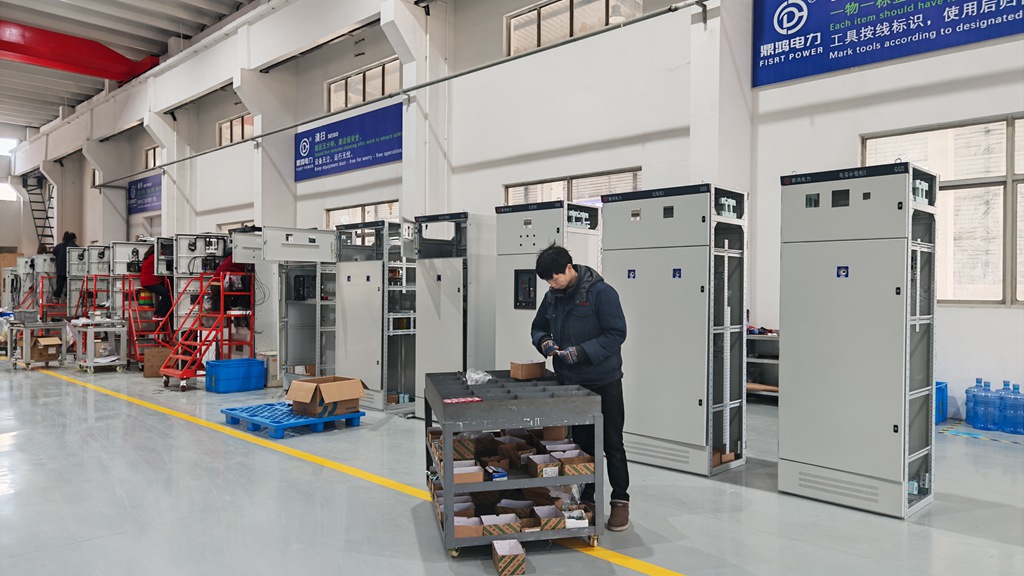
Jiangsu Wisegj Power Co., Ltd. is a Suzhou-based manufacturer and exporter of pad-mounted transformers, oil-immersed transformers, dry-type transformers, power transformers, compact substations, switchgear and related power equipment from 220 V to 500 kV.
For South African projects, our role is to match a proven product platform with the buyer’s utility or EPC specification, then document every change. Our engineering team brings more than 20 years of hands-on transformer experience, supported by 50+ R&D and technical engineers. Ratings, impedance, temperature rise, insulation levels, protection and site conditions are reviewed before quotation.
Production runs under ISO 9001, ISO 14001 and ISO 45001 systems; product lines hold CE certificates. Our production capability, floorspace and quality inspection have been verified onsite by TÜV Rheinland. Certificate numbers are provided so your QA team can verify them independently.
Routine testing is performed on each unit, with reports tied to the serial number. Third-party witness inspection is welcome. Export packing is designed for sea freight and inland transport, with complete shipping documents and English O&M documentation.
- OEM, ODM, design-based and sample-based customization
- Supplier to Fortune 500 companies
- FOB, CFR, CIF, EXW, FCA, CIP, CPT, DDP and other terms
- T/T, L/C, D/P and D/A payment options
- Tests, drawings, nameplate drafts and O&M manuals
- 24-hour pre-sale and after-sale response

Production capability, floorspace and quality inspection verified onsite by TÜV Rheinland, an independent third-party inspection body.
A Buyer-Friendly Process Built Around Approval, Testing and Documentation
The fastest quotation is not always the lowest-risk order. Our process reduces rework by agreeing the design, losses, tests and documents before production begins.
Specification review
Engineers check ratings, voltages, frequency, standard, site altitude, ambient, protection and loss targets against the buyer’s data sheet.
Drawing approval
GA drawing, nameplate draft, guaranteed losses, test plan and packing scope are confirmed before winding and tank fabrication.
Controlled production
Core, winding, drying, oil processing and tanking are controlled with in-process QC records and traceable materials.
Routine test & shipment
Every unit receives routine tests; reports are supplied with seaworthy packing and shipping documents for the agreed port or site.
What South African Buyers Commonly Ask Before Ordering
These are the practical questions that arise when a buyer compares OEM/ODM padmounted transformer exporters for a South African project.
Which voltages and frequency do you normally quote for South Africa?
Can you review a SANS or utility specification?
What is the typical delivery lead time to South Africa?
Do you supply mineral-oil and natural-ester units?
What tests and documents are provided?
How do you protect coastal installations from corrosion?
Can you customize for OEM/ODM projects?
What payment and trade terms are accepted?
Send the Transformer Specification—Not Just a kVA Number
For a faster, compliant offer, share primary and secondary voltage, frequency, vector group, impedance, tap range, cooling, ambient, altitude, cable-box arrangement, standard, loss target and delivery port. A transformer engineer will review the requirement and respond within one working day.
Send an Inquiry