Why Abuja Projects Need a Verified OEM/ODM Switchgear Partner, Not a Catalogue Reseller
High voltage switchgear is a safety-critical interface between the grid, the transformer and the load. In Abuja, the technical and commercial risks are specific: dust, rainy-season humidity, voltage quality, protection coordination and documentation that must satisfy utilities, consultants, insurers and lenders.
An OEM/ODM high voltage switchgear supplier and wholesaler in Abuja is judged less by the glossy enclosure and more by what happens before the first breaker closes. The winning package must define rated voltage, insulation level, short-circuit withstand, internal arc classification, degree of protection, cable termination space, CT/VT ratios, relay logic, earthing arrangement and the interface with the upstream utility feeder and downstream transformer. Wisegj approaches Abuja enquiries as an engineering supply problem, not a box-moving exercise.
A typical Abuja project may involve 11 kV or 33 kV ring main units, vacuum circuit breakers, load break switches, metering panels, protection relays, surge arresters, auxiliary supply, SCADA termination and integrated compact substations. Each item has a different duty cycle in the Central Business District, Wuse, Gwarinpa, Lugbe, Kubwa, Guzape, Idu Industrial Park and the airport corridor. Commercial towers may prioritise redundancy and fire safety; industrial parks may prioritise motor-starting capability and fault level; estates may prioritise tamper resistance and low maintenance; utility interface projects may prioritise protection coordination and test documentation.
Because Abuja has a pronounced harmattan season and a high-energy rainy season, IP rating, anti-condensation heating, ventilation, galvanised steelwork, cable sealing and surge protection are not optional details. A switchgear room that performs in a temperate showroom can fail prematurely when dust enters ventilation paths, humidity condenses on busbars and accessories are not specified for the site environment. Wisegj coordinates the switchgear, transformer and compact substation interfaces so the buyer receives one consistent design package rather than several disconnected quotations.
Wisegj’s production background includes pad mounted transformers, oil immersed transformers, dry type transformers, power transformers, compact substations, high and low voltage switchgear, distribution boxes and voltage stabilisers. The team brings more than 20 years of hands-on experience, ISO 9001, ISO 14001 and ISO 45001 management systems, CE-certified product lines and third-party verified factory information. For Abuja buyers, that means a more practical path from RFQ to factory acceptance test, with English drawings, test reports, nameplate drafts and O&M documentation prepared for local approval.
Eight Equipment Options for Abuja Switchgear, Substation and Distribution Projects
The products below are frequently specified upstream or downstream of HV switchgear. Each link is preserved from the Wisegj product set; use the shortlist to align transformer rating, voltage class, cooling method and enclosure type before requesting an integrated OEM/ODM quotation.
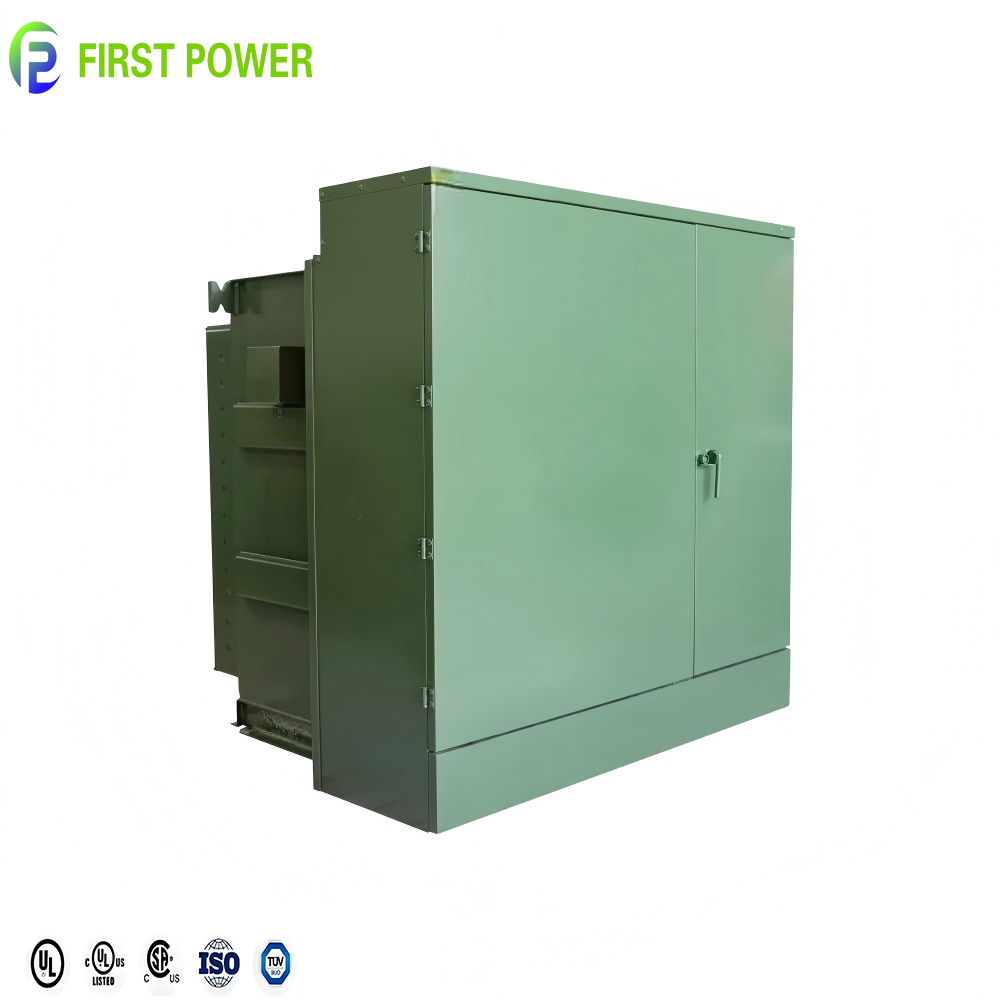
C CE MV&HV 50/60HZ 750KVA 1250KVA 1500KVA 2000KVA 2500KVA 3 Phase Pad Mounted Transformer for Industrial Power Supply
A compact pad mounted solution for industrial estates, commercial developments and underground distribution where switchgear and transformer interfaces must be tightly coordinated.
View product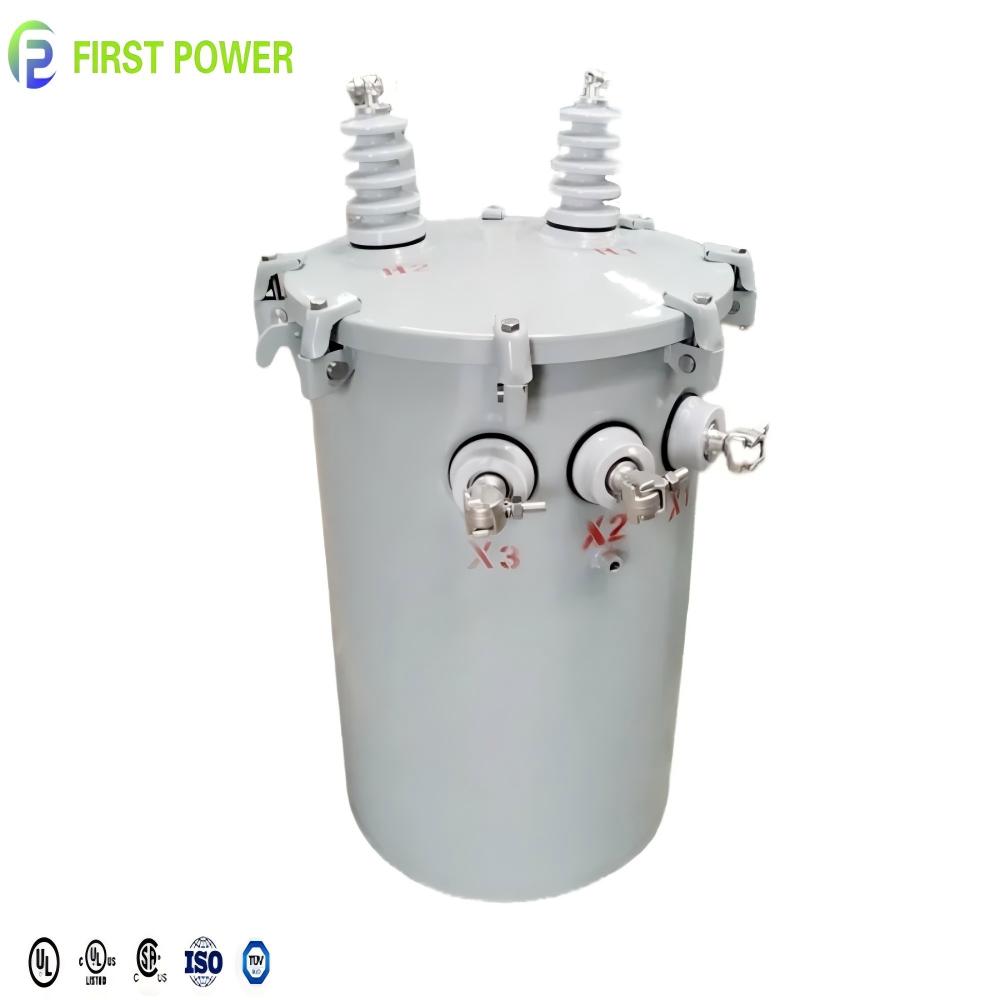
ANSI 50/60HZ 6KV 10KV 15KV 20KV 35KV 15KVA 25KVA 50KVA 100KVA Single Phase Pole Mounted Transformers for Industrial Power Supply
Suitable for distributed loads, rural electrification and smaller commercial feeders where a cost-effective pole mounted transformer pair is required.
View product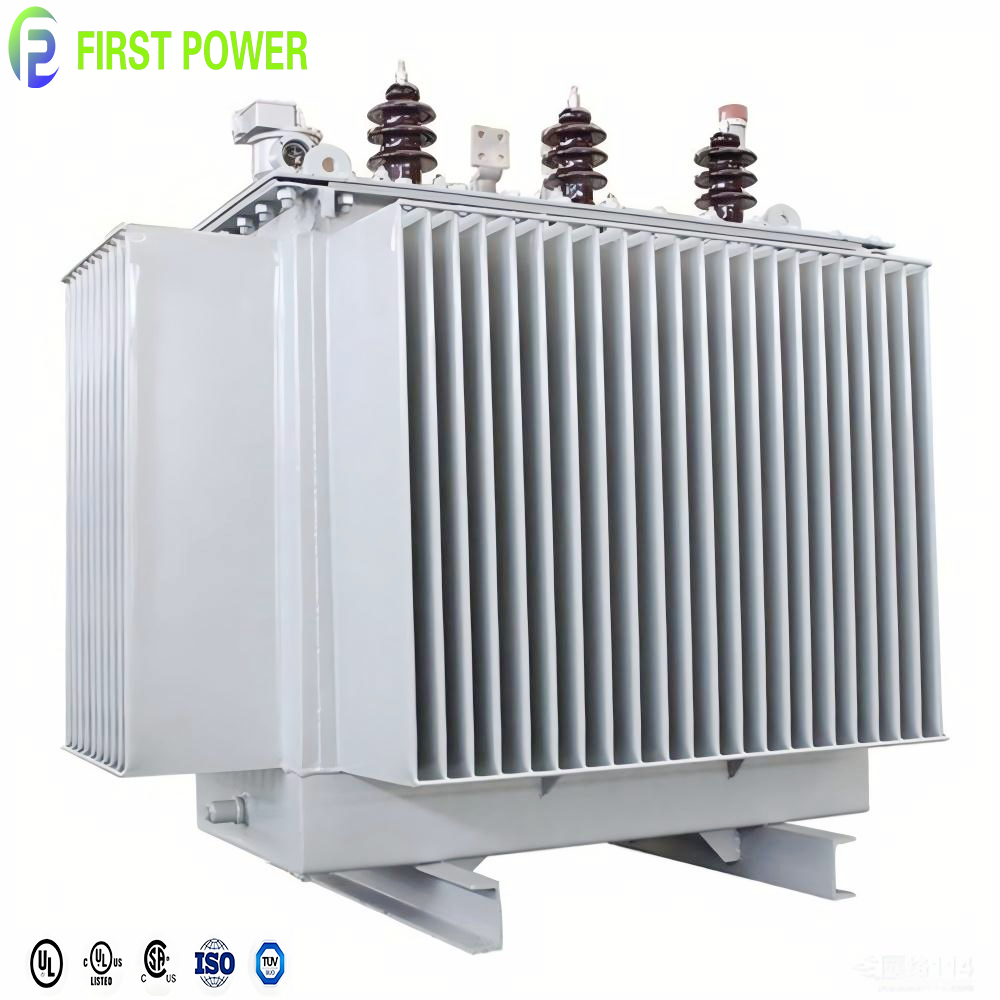
C CE MH&HV 50/60HZ 10KVA-50000KVA 10KV 15KV 20KV 35KV Three Phase S11 Oil Transformer for Electric Power Distribution
A broad distribution transformer range for utility feeders, industrial plants and substations where oil immersed technology offers proven thermal performance.
View product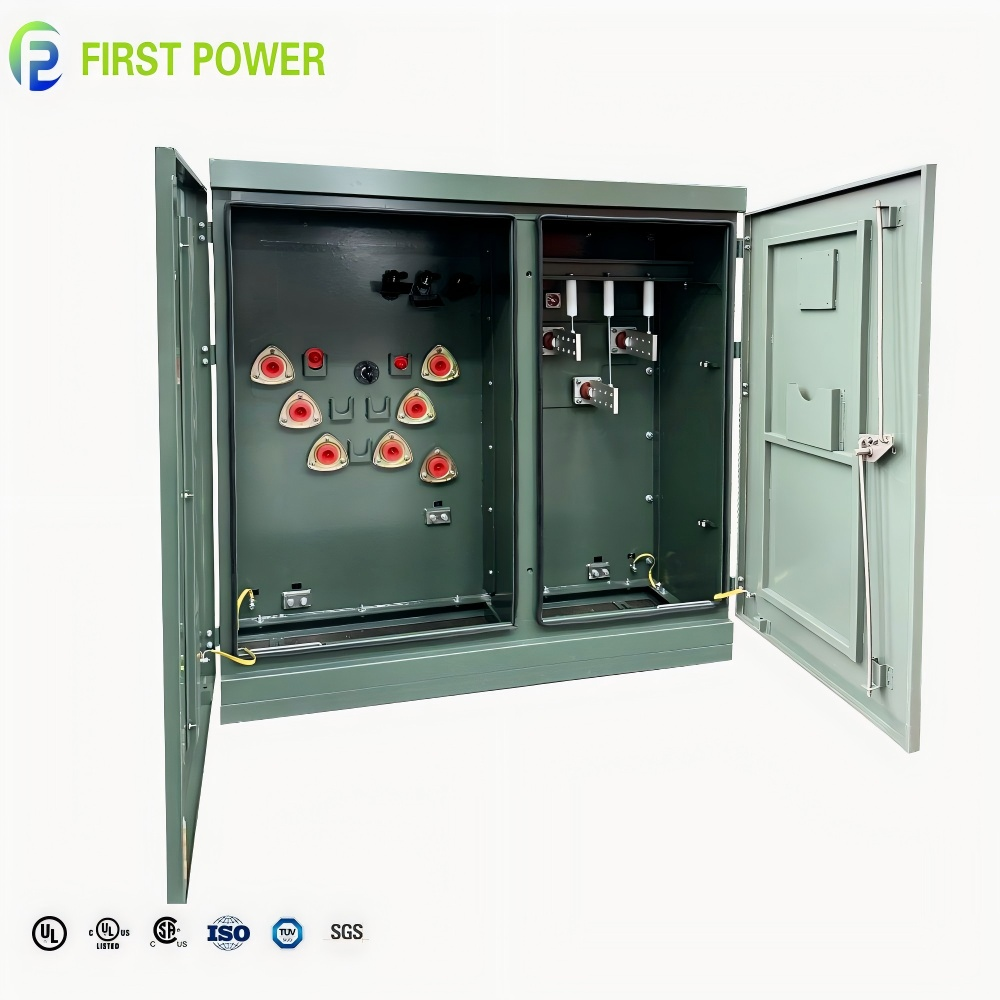
C CE Certification 50/60HZ 10KV 20KV 35KV 3 Phase Loop Feed Pad Mounted 750KVA Transformer for Electric Power Distribution
Loop feed configuration is useful for estates, campuses and commercial networks where ring topology and future load expansion are planned.
View product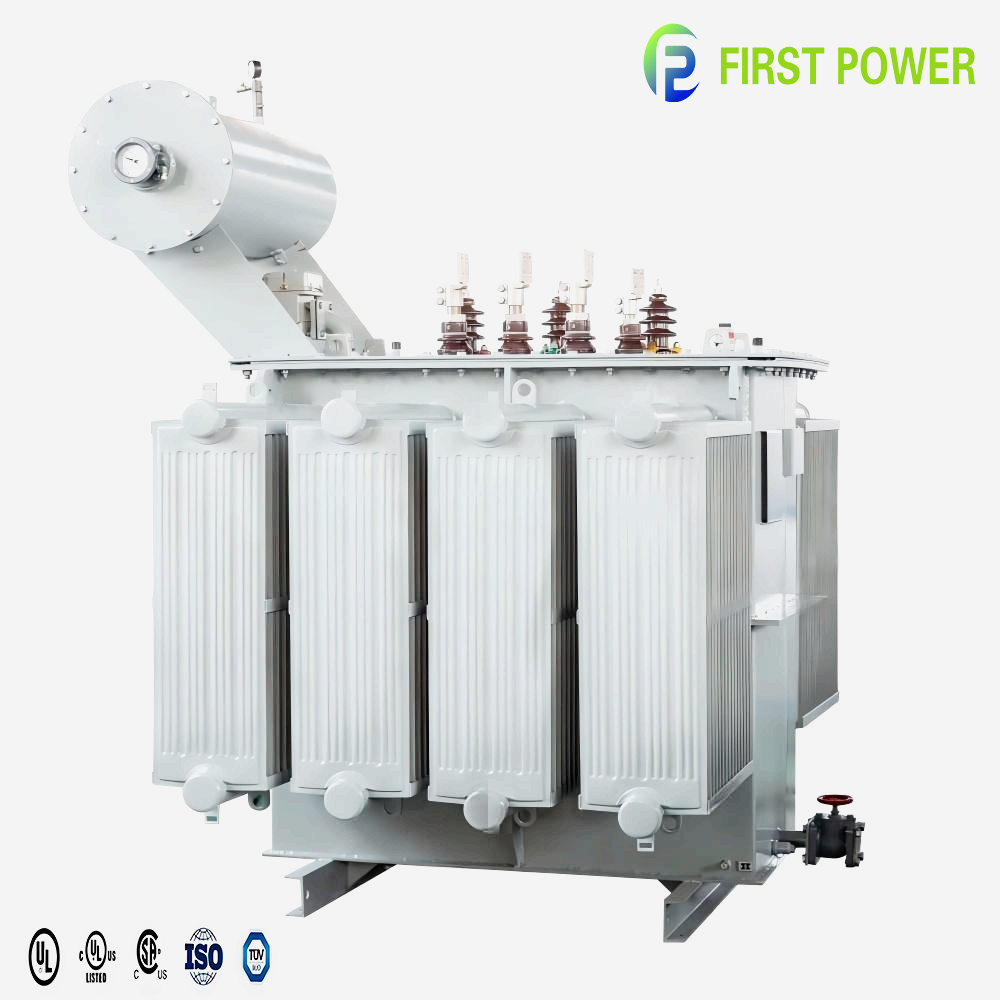
/C Certification 50/60HZ 6KV 10KV 20KV 35KV Three Phase 1000KVA 1MW Solar PV Transformers Oil Immersed for Power Generation
For solar PV and hybrid generation projects that need inverter-duty transformer design, harmonic consideration and coordination with MV switchgear.
View product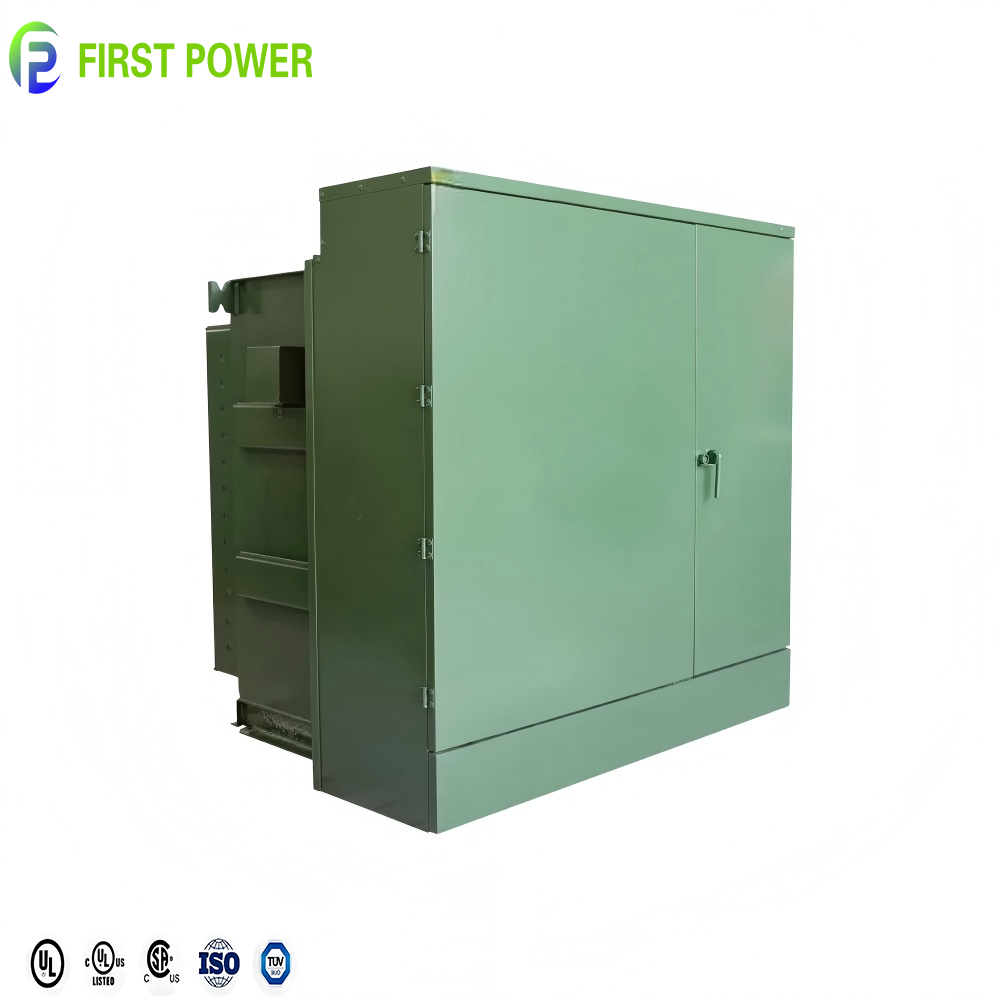
C CE 50/60HZ 10KV 20KV 35KV 300KVA 500KVA 630KVA 750KVA Three Phase Pad Mounted Transformer for Electric Power Distribution
A practical range for residential estates, commercial buildings and mixed-use developments requiring a tamper-resistant outdoor transformer footprint.
View product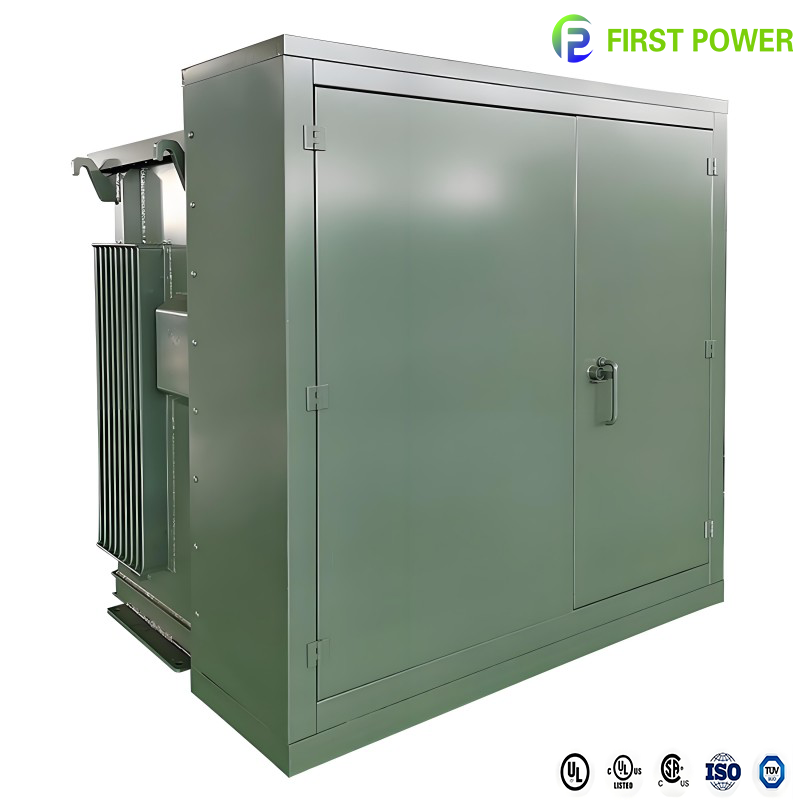
C CE MV&HV ZGS11 75-2500KVA 10KV 20KV 35KV Pad Mounted Three Phase Transformer for Electric Power Distribution
A flexible pad mounted transformer family for projects that need a defined outdoor enclosure, connection philosophy and protection interface.
View product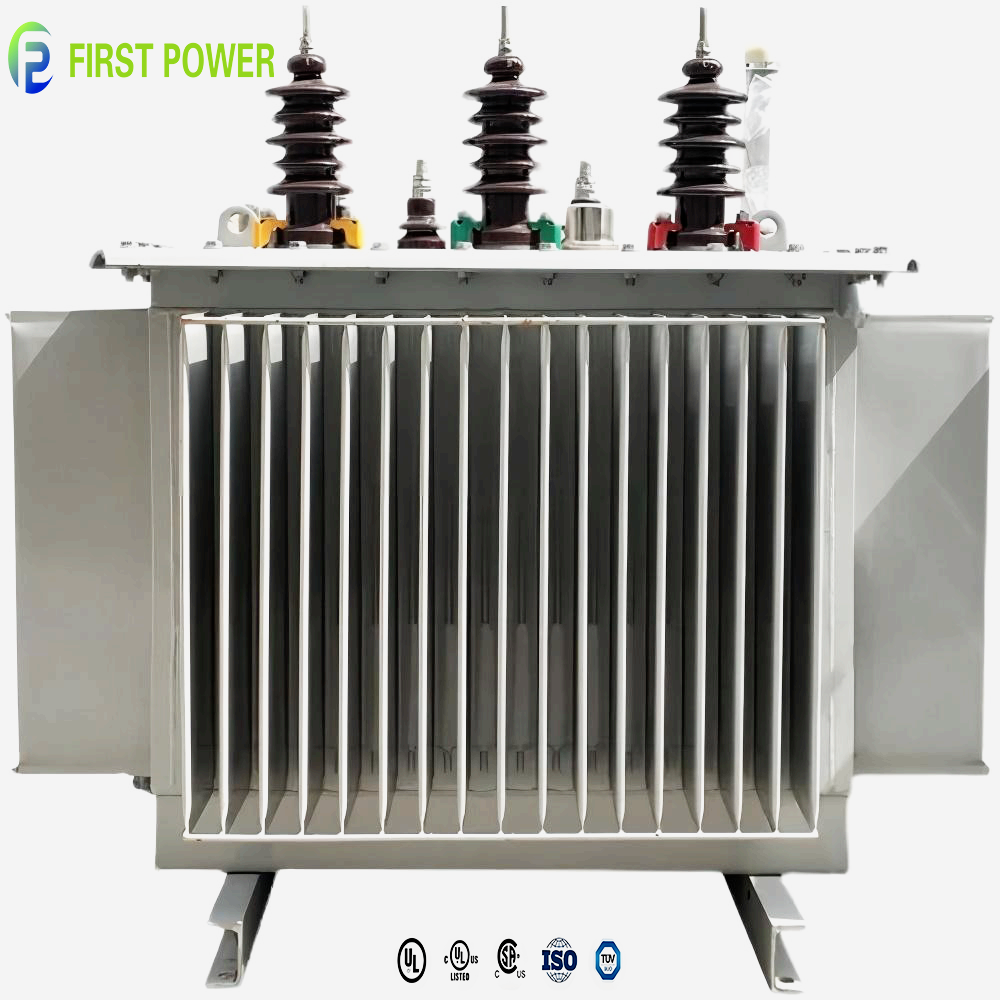
/C Certification 60HZ S11 Three Phase 10KV 35KV 500 KVA 22KV/0.4KV 50HZ Electric Oil Immersed Transformer for Power Supplies
A utility-style oil immersed option for stable power supplies, industrial loads and distribution substations requiring mature insulation technology.
View productWhere HV Switchgear and Integrated Power Equipment Deliver Value in Abuja
Different Abuja sites create different electrical duty cycles. A specification that fits a government office campus may be wrong for an industrial park or a solar hybrid plant.
CBD and Wuse Commercial Towers
Retail, hospitality and office developments in the Central Business District and Wuse need compact, space-efficient substations with clear protection zones, fire-safe transformer choices and reliable redundancy for tenant loads. Dry type transformers, LV distribution and MV switchgear should be designed as one coordinated package.
Idu Industrial Park and Industrial Loads
Manufacturing and processing sites often require higher fault withstand, motor-starting studies, power factor correction and robust cable termination space. Oil immersed transformers paired with 11 kV or 33 kV switchgear can deliver the thermal reserve needed for continuous industrial operation.
Residential Estates in Lugbe, Gwarinpa and Kubwa
Housing estates and mixed-use communities need pad mounted transformers, ring main units and tamper-resistant enclosures that fit estate roads and easements. Load growth is often underestimated, so spare capacity and future loop expansion should be planned from the first phase.
Healthcare, Data and Critical Facilities
Hospitals, data rooms and emergency facilities require careful redundancy, fast fault isolation and fire-sensitive equipment selection. Cast resin dry type transformers and arc-aware switchgear layouts reduce risk where oil-filled equipment is undesirable or maintenance access is constrained.
Utility and AEDC/TCN Interface Projects
Projects connecting to the Abuja distribution network or transmission interface need protection coordination, CT/VT ratios, relay settings, SCADA signals and test records that match utility expectations. Documentation quality often determines approval speed as much as equipment quality.
Solar, Hybrid and Embedded Generation
Solar PV, battery storage and hybrid plants need inverter-duty transformers, MV collection switchgear and compact substations that can be commissioned quickly. Harmonic loading, reverse power flow and protection settings should be reviewed before the transformer and switchgear order is released.
Trends Shaping Abuja HV Switchgear Procurement in 2025 and Beyond
Abuja’s power infrastructure is moving toward faster deployment, stronger grid resilience and more digital visibility. These trends change what buyers should ask for in an RFQ.
Grid Hardening and 33/11 kV Upgrades
Utilities and large developments are replacing ageing sections, adding ring main units and improving feeder segmentation. Buyers increasingly request higher short-circuit withstand, clearer interlocks and tested earthing switches.
Renewable Integration and BESS
Solar, storage and hybrid projects are creating demand for inverter-duty transformers, bidirectional protection and compact MV stations. The switchgear must be specified for fault contributions from multiple sources, not only the utility grid.
Prefabricated Compact Substations
Factory-assembled substations reduce civil works, site labour and commissioning time. For Abuja estates, industrial parks and renewable plants, the compact substation is becoming a practical way to control quality before delivery.
Digital Monitoring and Arc Safety
IEC 61850 interfaces, remote status monitoring, condition data and arc-resistant designs are moving from premium options to specification requirements. Operators want fewer site visits and faster fault diagnosis.
Abuja Procurement FAQ: HV Switchgear, Transformers and Wholesale Supply
These are the questions Wisegj engineers and export staff most often answer from Abuja utilities, EPCs, developers and industrial buyers.
What is the typical voltage class for high voltage switchgear in Abuja projects?
Most distribution-level projects in Abuja are designed around 11 kV or 33 kV, while transmission interface and utility substation projects may involve 132 kV or 330 kV assets. The correct specification must confirm system voltage, insulation level, frequency (50 Hz in Nigeria), short-circuit withstand and protection coordination with the connecting utility.
Can Wisegj act as an OEM/ODM supplier and wholesaler rather than only a trading company?
Yes. Wisegj supports OEM, ODM, design-based and sample-based customisation across ratings, vector group, impedance, tap range, bushing configuration, cooling method, insulating fluid, enclosure colour, protection scheme and nameplate language. The factory produces transformers, compact substations and high/low voltage switchgear, so buyers can source an integrated package through one technical team.
How do you address Abuja’s dust, humidity and rainy-season conditions?
Specifications should define IP rating, anti-condensation heaters, ventilation filters, galvanised or corrosion-resistant steelwork, cable sealing, surge arresters and clear drainage. For outdoor equipment, enclosure colour, solar gain and maintenance access also matter. Wisegj reviews site ambient conditions and installation practice before finalising the enclosure and insulation design.
What documentation should an Abuja buyer request with the quotation?
Ask for GA drawings, single-line diagrams, nameplate drafts, routine test reports, type test references, CE and ISO certificates where applicable, packing lists, O&M manuals and recommended spare parts. For switchgear, protection settings and CT/VT ratios should be reviewed before manufacture. Third-party witness testing can be discussed before shipment.
How can an Abuja project reduce lead time and avoid mismatched components?
The fastest route is to release a complete datasheet early: rated power, primary and secondary voltage, frequency, vector group, impedance, tap range, cooling method, enclosure, protection scheme, site altitude and ambient temperature. Ordering switchgear, transformer and compact substation interfaces as one package avoids late changes to cable boxes, busbar connections and relay logic.
What shipping, payment and verification options are available?
Wisegj works with FOB, CFR, CIF, EXW, FCA, CIP, CPT, DDP and other Incoterms, with T/T, L/C, D/P and D/A among the payment options. Currencies include USD, EUR, GBP, CAD, AUD and other major currencies. Production is supported by ISO management systems and TÜV Rheinland-verified factory information; buyers can request inspection and test documents before dispatch.
Why Wisegj Is a Practical OEM/ODM Partner for Abuja Buyers
The company’s advantage is not a single certificate or a single product line. It is the ability to combine engineering review, custom manufacturing, testing, documentation and export logistics in one accountable supply chain.
20+ Years of Team Experience
More than 20 years of hands-on transformer and power equipment experience, with 50+ R&D and technical engineers supporting custom designs and project reviews.
Verified Factory Capacity
A 6,847 m² production base with winding, core assembly, drying, tanking and testing areas, supported by 211 qualified supply-chain partners and third-party onsite verification.
ISO and CE Compliance
ISO 9001, ISO 14001 and ISO 45001 management systems, plus CE certification for power transformers, oil immersed transformers, dry type transformers, compact substations and switchgear lines.
In-House Routine Testing
Winding resistance, ratio and vector group, impedance and load loss, no-load loss and current, applied and induced voltage tests, plus oil dielectric testing for liquid-filled units.
OEM/ODM Customisation
Ratings, vector group, impedance, tap range, protection scheme, cable boxes, bushings, cooling, enclosure colour and nameplate language can be adapted to Abuja project specifications.
Export Logistics and 24h Response
Seaworthy packing, shock indicators, complete shipping documents and Incoterms from EXW to DDP, with technical questions answered by a qualified engineer within one working day.

Engineering Evidence, Not Marketing Claims
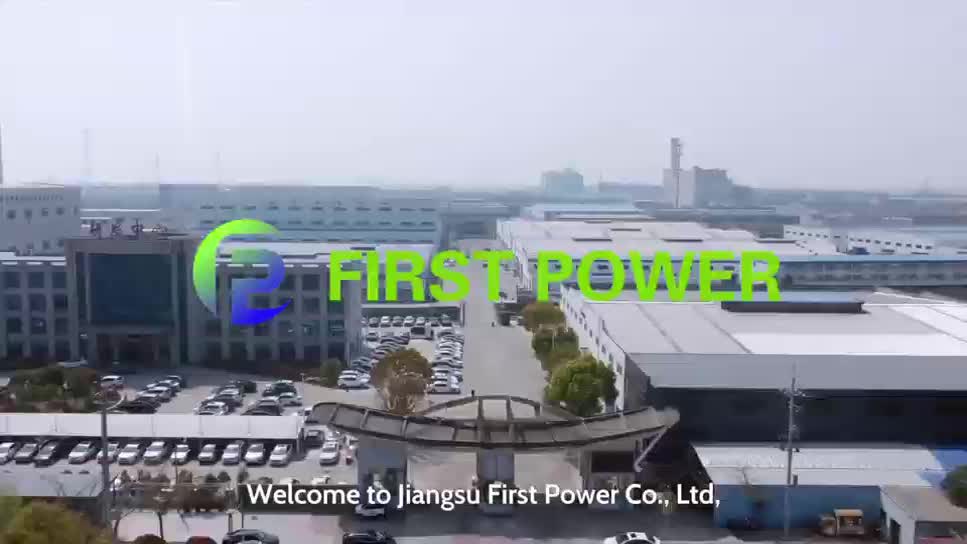
Abuja buyers often need to satisfy a consultant, utility reviewer, insurer or lender before placing a high-value order. That is why Wisegj keeps the evidence trail practical: product drawings, guaranteed losses, routine test reports, certificate numbers, nameplate drafts and English O&M documentation can be shared for review before shipment.
The factory operates under ISO 9001, ISO 14001 and ISO 45001 systems, and production capability has been verified onsite by TÜV Rheinland. The team supports third-party witness testing, pre-shipment inspection and document review. For an OEM/ODM high voltage switchgear supplier and wholesaler in Abuja, that level of transparency reduces the risk of rework, customs delays and site rejection.
HV Switchgear Specification Matrix for Abuja Projects
Use this matrix to align the RFQ, single-line diagram, transformer data and factory test plan before comparing quotes.
| Parameter | Typical Abuja project decision | What to confirm in the RFQ |
|---|---|---|
| System voltage | 11 kV or 33 kV distribution; 132 kV or 330 kV at utility transmission interfaces. | Rated voltage, insulation level, frequency (50 Hz), neutral earthing and connecting utility requirements. |
| Short-circuit withstand | 25 kA or 31.5 kA class may be considered depending on source fault level and future expansion. | Utility fault level, breaker rating, busbar rating, earthing switch rating and protection coordination study. |
| Enclosure and environment | Indoor or outdoor; IP41 to IP54; anti-corrosion finish for humidity and harmattan dust. | IP rating, anti-condensation heater, ventilation, cable entry, solar gain, vermin protection and drainage. |
| Protection and control | Numerical relays, CT/VT metering, interlocking and SCADA interface for larger projects. | Relay functions, IEC 61850 or hard-wired signals, auxiliary supply, trip circuit supervision and event records. |
| Transformer interface | Pad mounted, oil immersed, dry type or compact substation depending on load and fire strategy. | Transformer rating, vector group, impedance, cooling, cable box orientation, busbar connection and nameplate data. |
| Testing and documents | Routine test reports per unit; factory acceptance test and third-party witness inspection where required. | Test plan, certificate references, GA drawings, O&M manuals, spare parts list and packing inspection records. |
The values above are procurement guidance, not a substitute for project-specific engineering. Final ratings must be confirmed against the utility fault level, load study, ambient conditions and approved single-line diagram.
From Abuja RFQ to Factory Acceptance Test
A controlled process reduces the risk of late design changes, mismatched cable boxes and incomplete test documentation.
Datasheet Review
Share the single-line diagram, load list, voltage class, fault level, ambient conditions and utility requirements. Engineers review the scope before quotation.
Drawing Approval
GA drawings, nameplate drafts, guaranteed losses, protection scheme and interface points are confirmed with the buyer and consultant.
Controlled Production
Core, winding, tanking, switchgear assembly and wiring proceed under documented work instructions and in-process inspection checkpoints.
Testing and Dispatch
Routine tests, optional witness inspection, export packing, shock indicators and shipping documents are completed before dispatch.
Ready to Shortlist an OEM/ODM HV Switchgear Package for Abuja?
Send your datasheet, single-line diagram or tender documents. Wisegj will review the switchgear, transformer and compact substation interfaces, then respond with a practical technical and commercial proposal for your Abuja project.
Typical information to include: rated voltage, frequency, short-circuit withstand, transformer rating, vector group, enclosure requirement, protection scheme, site conditions, delivery location and required standards.