Recommended electrical isolation and distribution transformers for Baguio procurement
The eight lines below are practical starting points for a Baguio isolation, distribution or pad-mounted requirement. They cover oil-immersed, pad-mounted, pedestal, American-standard and on-load tap changer platforms from 30 kVA to 31,500 kVA and up to 35 kV class in this shortlist, with higher classes engineered to order. Buyers can preserve the exact product link, request 60 Hz windings, confirm 13.8 kV or 34.5 kV utility coordination, and ask for an OEM/ODM drawing package before committing.
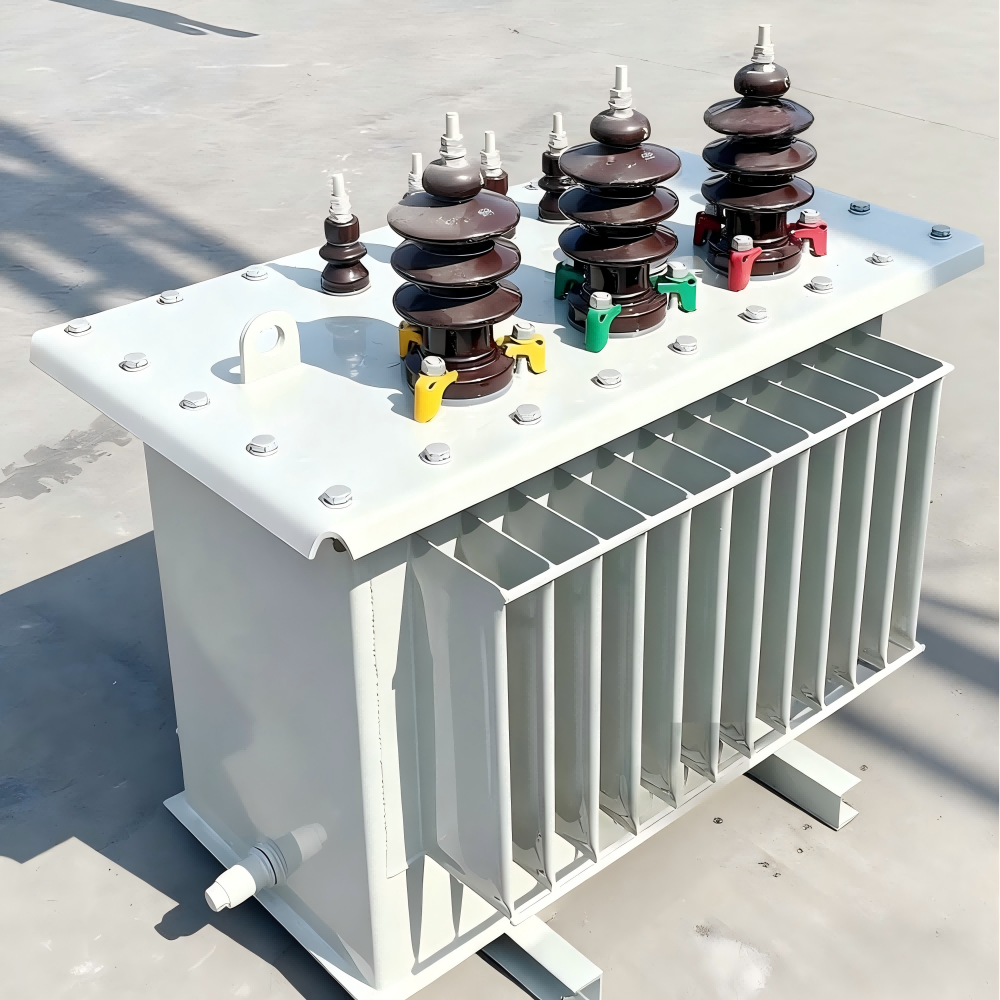 S11 Oil
C CE MV&HV 30-31500KVA 6KV 10KV 15KV 20KV 35KV S11 Three Phase Oil Transformer for Electric Power Distribution
A workhorse three-phase oil transformer for feeder and distribution duty. The wide kVA and voltage range supports utility, commercial and industrial projects, with 60 Hz manufacture available for Philippine procurement.
- 30–31,500 kVA
- 6 kV–35 kV class
- CE / routine tested
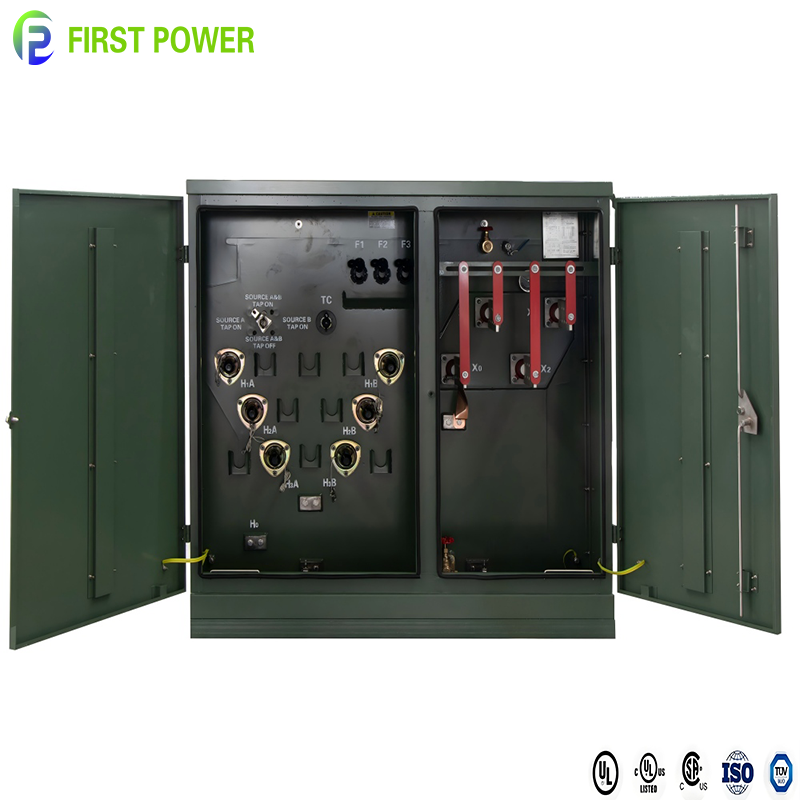 Pad Mounted
Listed C CE MV&HV 50/60HZ 6KV 10KV 15KV 20KV 35KV 3 Phase Pad Mounted Transformer Electrical for Industrial Power Supply
A pad-mounted platform for underground and industrial power. Tamper-resistant enclosure design, loop or radial feed options and dead-front configurations suit Baguio compounds where public access and moisture control matter.
- Industrial power supply
- 50/60 Hz build
- Pad-mounted enclosure
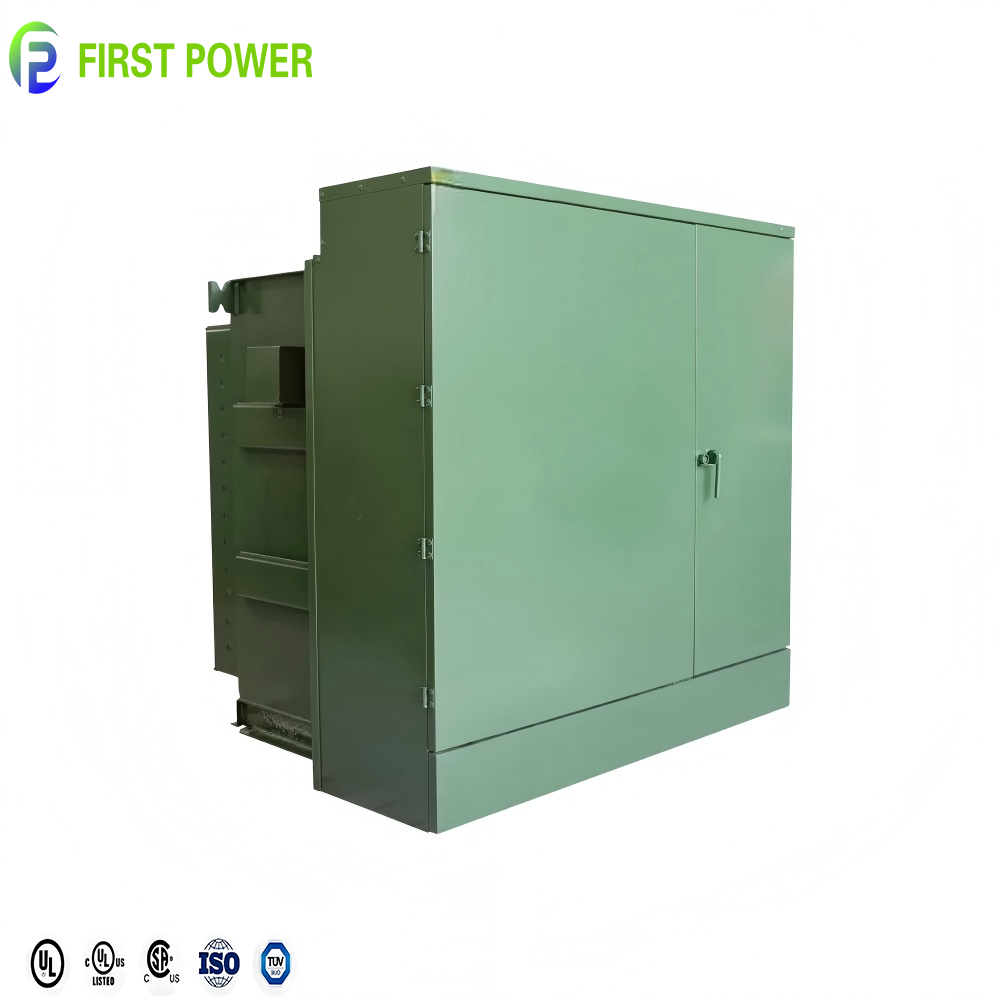 300–750 kVA
C CE 50/60HZ 10KV 20KV 35KV 300KVA 500KVA 630KVA 750KVA Three Phase Pad Mounted Transformer for Electric Power Distribution
A distribution-class pad-mounted transformer for mixed-use developments, estate reticulation and public facilities. The compact footprint helps planners fit equipment into constrained Baguio sites while keeping cable entry organized.
- 300–750 kVA
- 10–35 kV class
- Distribution duty
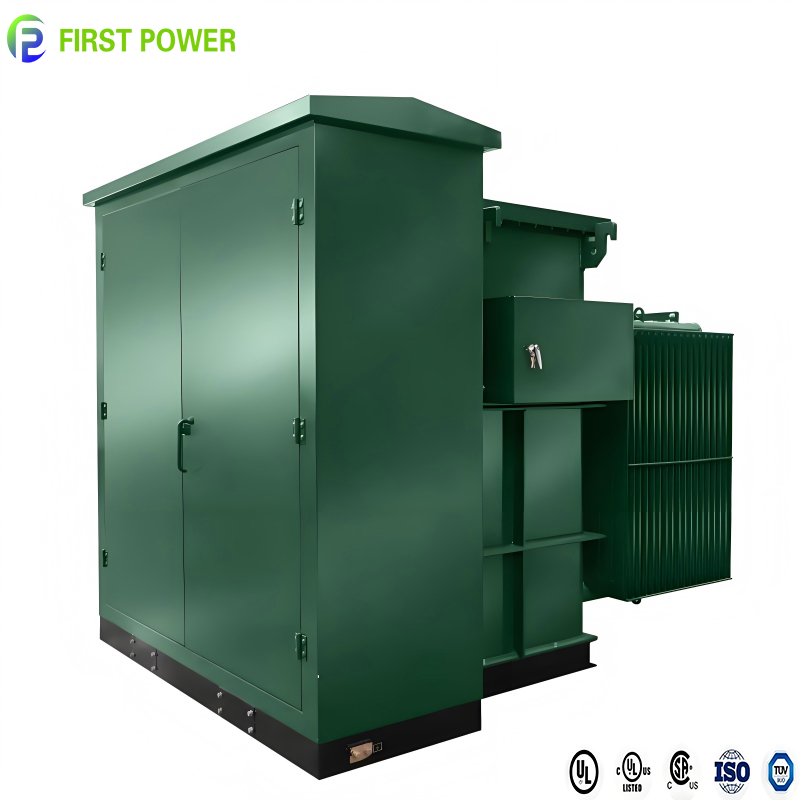 Pedestal
C CE 50/60HZ 6KV 10KV 15KV 20KV 35KV 100KVA 300KVA 500KVA 630KVA 3 Phase Pad Mounted Pedestal Transformer for Industrial
A compact pedestal transformer for industrial sites that need an outdoor installation with locked compartments and corrosion protection. Optional 60 Hz windings support local utility and project specification review.
- 100–630 kVA
- 6–35 kV class
- Industrial service
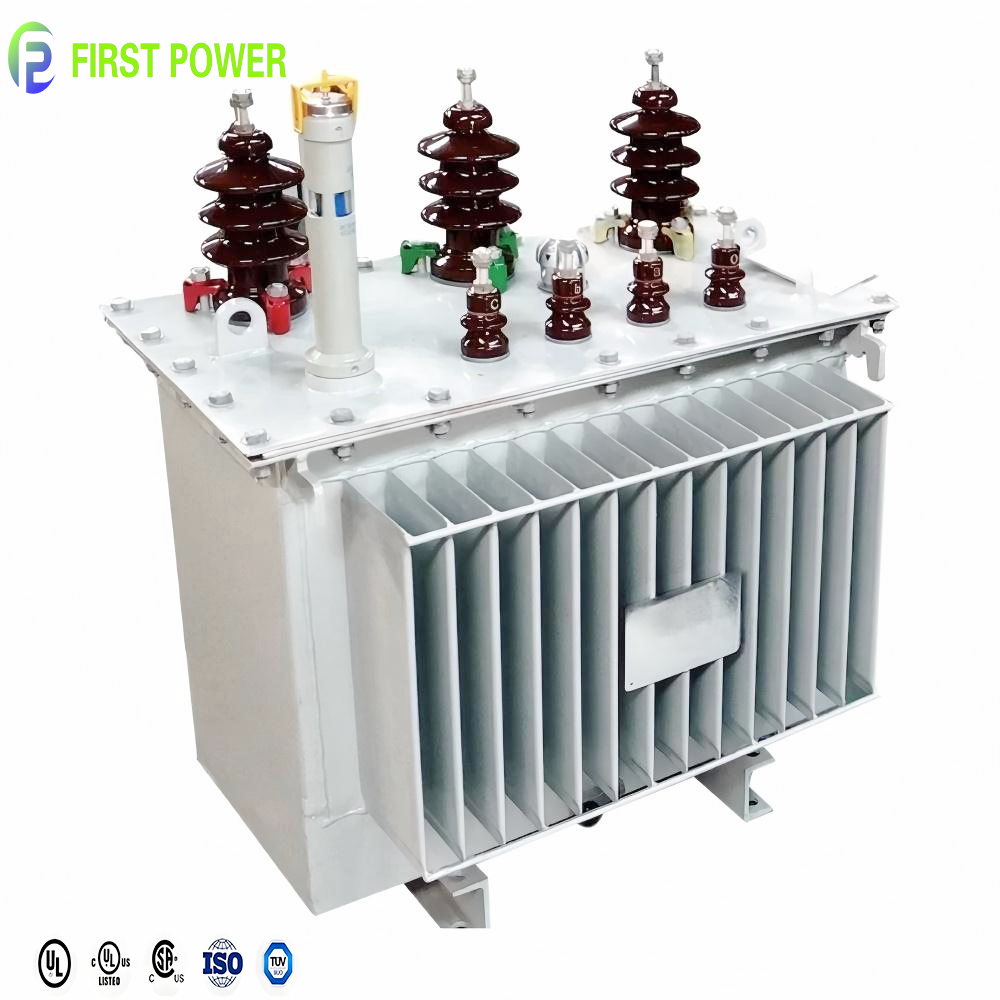 Oil Immersed
C CE 10KV 20KV 35KV 50KVA 100KVA 200KVA 300KVA 400KVA 500KVA Electric Oil Immersed Transformer for Industrial Power Supply
A sealed oil-immersed transformer for industrial power supply. Corrugated tank construction and a proven insulation system offer a practical balance of capital cost, efficiency and outdoor durability for provincial networks.
- 50–500 kVA
- 10–35 kV class
- Low-loss option
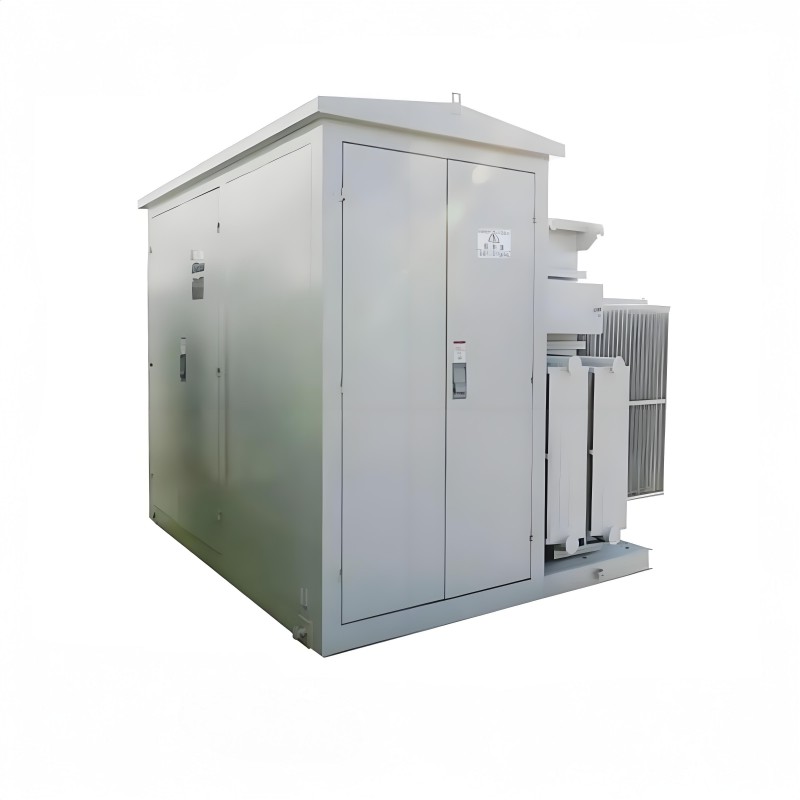 13.8 kV Pad
American Standard /C Certification 75-2500KVA Oil Type Three Phase 13.8KV Pad Mount Transformers for Power Generation
An American-standard pad-mount design for generation, renewable interconnection and utility-style enclosures. The 13.8 kV class and 75–2500 kVA range align with many 60 Hz project specifications in the Philippines.
- 75–2500 kVA
- 13.8 kV class
- American standard
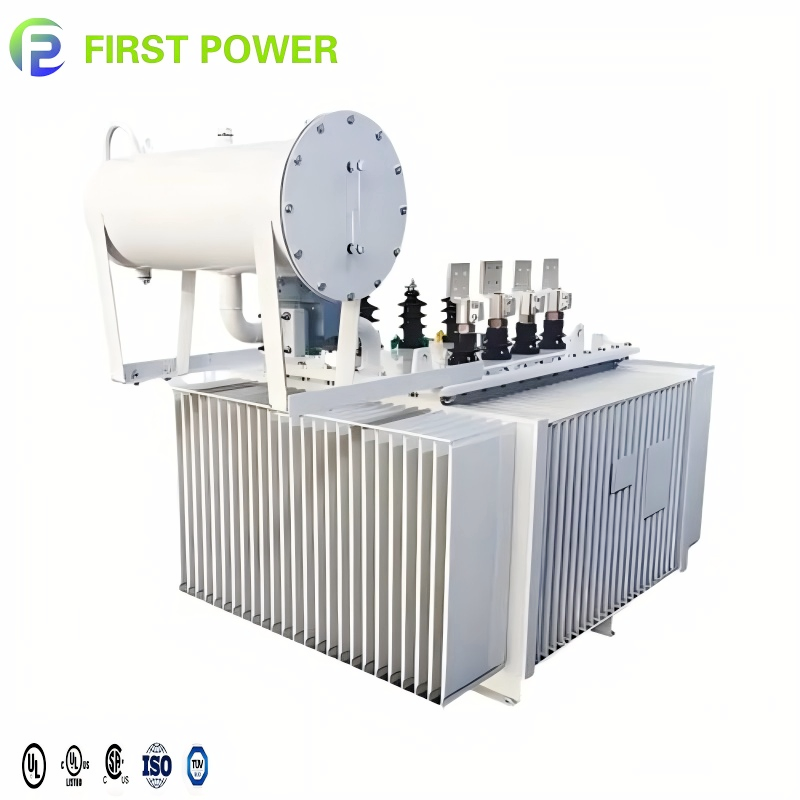 OLTC
C CE 10KV 20KV 35KV 1000KVA 2000KVA 2500KVA 3 Phase Oil Type on Load Tap Changer Transformer for Industrial Power Supply
An on-load tap changer transformer for industrial networks with variable voltage. It supports voltage correction for processing plants, cold storage, mining support facilities and larger commercial complexes.
- 1000–2500 kVA
- 10–35 kV class
- On-load tap changer
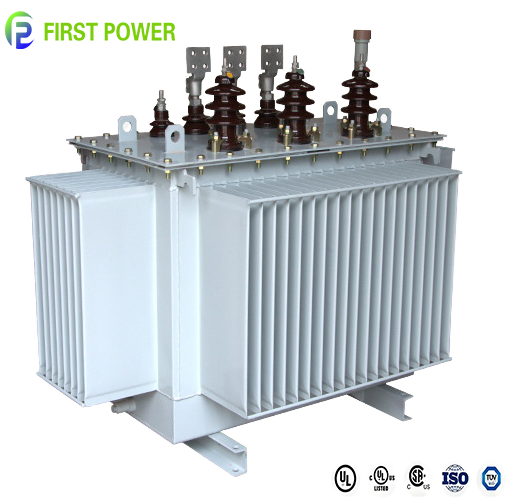 S11 Distribution
C CE 50/60HZ S11 10KV 15KV 20KV 35KV 100KVA 300KVA 500KVA 630KVA Three Phase Oil Transformer Price for Distribution System
A commonly shortlisted low-loss distribution class for 10–35 kV networks. It suits wholesale stock programs, contractor bundles and project quotations where price, efficiency and test documentation must be balanced.
- 100–630 kVA
- 10–35 kV class
- Distribution system
A production base Baguio wholesalers can verify before ordering
Wisegj is a manufacturing source in Suzhou, China, not a Baguio retail counter. The company supports electrical wholesalers, EPC contractors, facility owners and project buyers with factory-direct OEM/ODM supply, documented testing and export logistics.
Where electrical isolation transformers create local value in Baguio
Baguio’s highland climate, tourism economy, healthcare facilities, universities, commercial centers and nearby industrial activity create a mixed demand profile. The right transformer is not only a kVA number; it is a specification that matches altitude, humidity, lightning exposure, seismic anchorage, load quality and maintenance capability.
Hospitals and diagnostic centers
Healthcare loads need stable voltage and reduced electrical noise. Isolation transformers help separate sensitive diagnostic, laboratory and IT circuits from common-mode disturbances. Indoor dry-type units reduce fire risk, while anti-condensation design addresses Baguio’s cool, damp mornings and seasonal rain.
Hotels, tourism and mixed-use buildings
Hotels, serviced apartments, restaurants and convention spaces combine lifts, kitchen equipment, laundry, HVAC and guest Wi-Fi on one supply. A pad-mounted or oil-immersed transformer can serve the building with a compact outdoor footprint, while an isolation platform can protect low-voltage distribution and IT rooms from transients.
Universities, schools and R&D laboratories
Baguio’s educational and research facilities often run instruments, computers and test benches that are sensitive to voltage sags and switching noise. A shielded isolation transformer with clearly specified impedance and electrostatic shielding can improve power quality for selected laboratories without changing the utility service arrangement.
BPO, telecom and digital operations
BPO offices, call centers, telecom rooms and small data spaces need continuous power quality. Isolation transformers can reduce common-mode noise, support UPS interfaces and create a clean neutral reference for sensitive equipment. For Baguio operators, humidity control, surge protection and documented load calculations are as important as the transformer itself.
Retail, commercial and estate distribution
Shopping areas, offices and residential estates increasingly plan underground or fenced distribution. Pad-mounted transformers keep cables and terminations protected, reduce visible footprint and support phased load growth. For dense Baguio sites, the enclosure orientation, cable entry and access clearance should be reviewed with the civil plan early.
Agri-processing, cold chain and mining support
Benguet’s agricultural supply chain, cold storage, processing plants and mining support operations often face motor starting, voltage fluctuation and dusty or damp environments. Oil-immersed transformers with optional on-load tap changers can provide a rugged, cost-effective solution when routine maintenance and spill containment are planned properly.
Baguio procurement trends shaping transformer specifications
Baguio buyers are not simply replacing old units with the same nameplate. They are responding to utility coordination, climate resilience, sustainability targets, digital load growth and the need for faster project documentation.
60 Hz compliance and utility coordination
Philippine projects require 60 Hz design, not a converted 50 Hz datasheet. Baguio buyers increasingly ask for winding ratios, vector groups and loss values that can be checked against the local distribution plan and the Philippine Electrical Code. Early coordination with BENECO or the responsible utility reduces drawing revisions.
Typhoon, lightning and humidity resilience
Highland rain, fog and lightning activity make moisture control a real procurement topic. Specifications increasingly call for anti-condensation heaters, IP-rated enclosures, corrosion-resistant hardware, pressure relief devices, surge arresters and cable terminations suitable for wet environments.
Low-loss and sustainability pressure
Commercial owners and development lenders are comparing no-load and load losses, not only equipment price. Low-loss cores, optimized winding design and optional natural ester fluid are becoming easier to justify when lifecycle cost is included. Dry-type transformers remain attractive where fire safety and indoor placement dominate.
Undergrounding and space constraints
As Baguio commercial corridors and hillside developments look for cleaner streetscapes, pad-mounted and compact distribution designs are being evaluated for cable-fed service. The decision often turns on access clearance, drainage, vehicle protection, enclosure finish and safe cable termination.
Digital load quality and backup readiness
BPO facilities, hotels, clinics and schools now depend on electronics that notice every sag and transient. Isolation transformers are being specified together with UPS systems, surge protection and neutral grounding review. The objective is not to over-specify but to define the sensitive load boundary clearly.
Factory-direct wholesale and OEM/ODM
Baguio electrical wholesalers and project buyers increasingly request private-label packaging, mixed-container loading, nameplate language control and pre-approved drawings. A factory-direct OEM/ODM model gives distributors a clearer cost structure while keeping test reports and material traceability tied to the actual production batch.
How to specify an isolation transformer for Baguio’s altitude, climate and 60 Hz network
An electrical isolation transformer provides galvanic separation between primary and secondary circuits. In practice, that separation must be designed around the actual load, the supply system, the installation environment and the maintenance strategy. For Baguio, the engineering review should explicitly cover altitude, humidity, seismic anchorage, lightning exposure, enclosure finish and 60 Hz operation.
Baguio sits at roughly 1,500 m above sea level. Transformer standards commonly define normal service conditions up to 1,000 m, so altitude should be stated in the inquiry rather than assumed. Higher altitude can affect cooling and dielectric clearances, and the final design may require a reviewed temperature rise, improved cooling or adjusted clearances. The cooler highland ambient can be favorable, but it does not replace a proper altitude and ambient review. Similarly, a transformer rated for an indoor dry environment should not be placed in a wet outdoor compound without an appropriate enclosure and ingress protection strategy.
For Baguio projects, an isolation transformer is often evaluated together with the distribution transformer. The distribution transformer changes voltage for the building or process; the isolation transformer creates a separately derived or isolated circuit for sensitive equipment. A hospital imaging room, a laboratory bench, a data/telecom room or a premium hotel IT backbone may need a dedicated isolation unit, while the main building supply may use a pad-mounted or oil-immersed distribution transformer. Clear boundary definition prevents overspending and keeps fault coordination understandable.
| Baguio application | Recommended starting point | Typical range | Why it fits |
|---|---|---|---|
| Hospital, clinic or laboratory | Cast resin dry-type isolation or distribution transformer | 30–2500 kVA, 10–35 kV class | Oil-free indoor installation, low fire risk, clean power for sensitive equipment, anti-condensation options. |
| Hotel, mall or mixed-use compound | Three-phase pad-mounted distribution transformer | 300–2500 kVA, 13.8/34.5 kV coordination | Compact outdoor footprint, cable-fed service, tamper-resistant enclosure and public-area safety. |
| Industrial process with voltage variation | Oil-immersed transformer with on-load tap changer | 1000–2500 kVA, 10–35 kV class | Voltage correction under changing load, rugged oil design, serviceable tap changer. |
| Utility-style distribution and wholesale stock | S11 three-phase oil transformer | 100–630 kVA, 10–35 kV class | Common low-loss distribution platform, familiar procurement format, routine test documentation. |
| Telecom, BPO or IT room | Shielded dry-type isolation transformer | Application load dependent | Common-mode noise reduction, neutral separation, indoor placement and UPS interface planning. |
| Renewable or generation interconnection | Pad-mounted or power transformer platform | 500–2500 kVA and above | 60 Hz design, utility coordination, outdoor enclosure, protection and metering interface. |
For any Baguio project, provide the site altitude, ambient temperature range, installation location, altitude of the actual sitio or barangay, utility voltage, frequency, required vector group, impedance, cooling method, loss target, enclosure finish and applicable standard. The final design should be reviewed against the current Philippine Electrical Code and the local utility’s interconnection requirements.
A manufacturing partner for Baguio wholesalers, not a local stock-counter claim
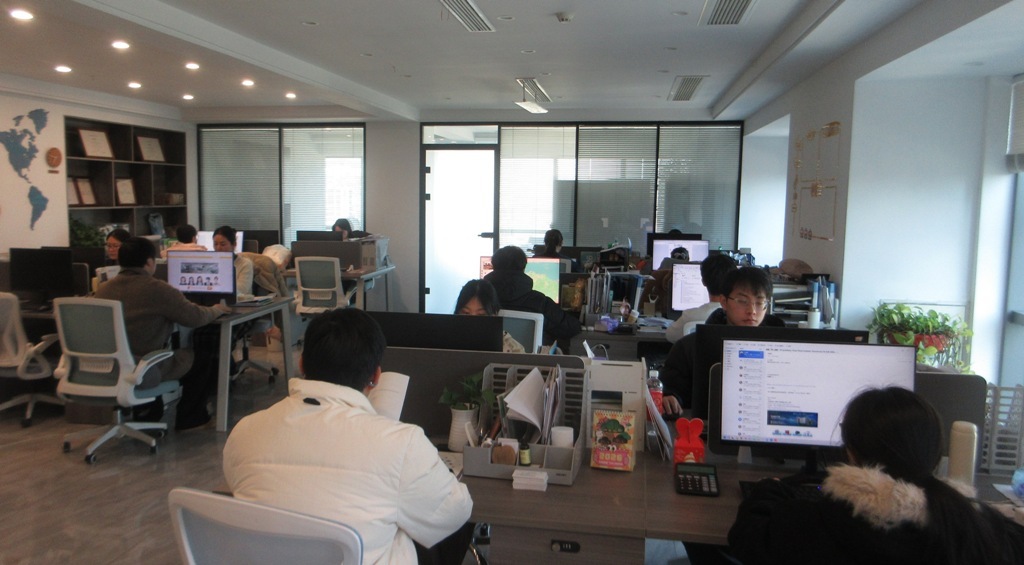
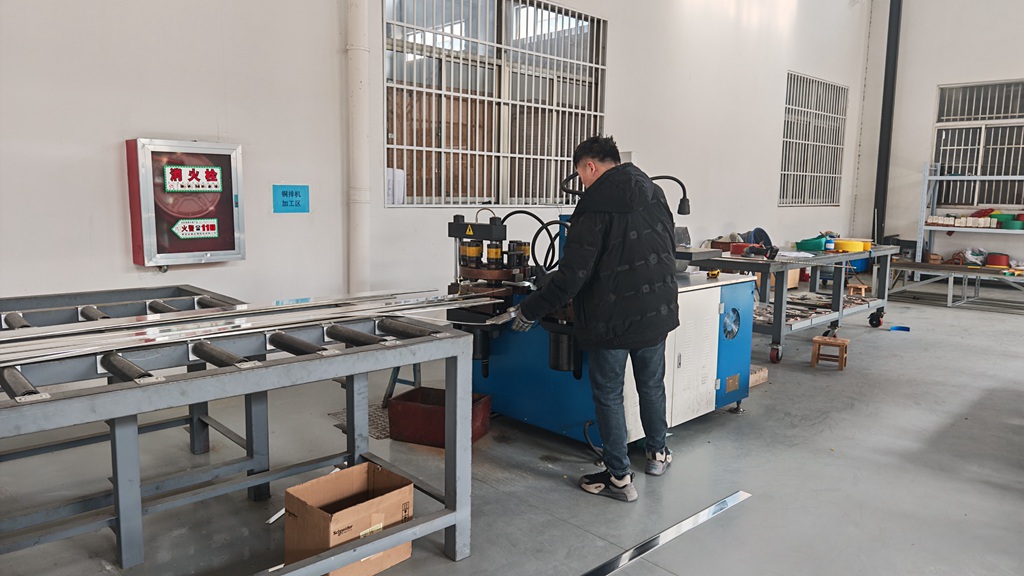
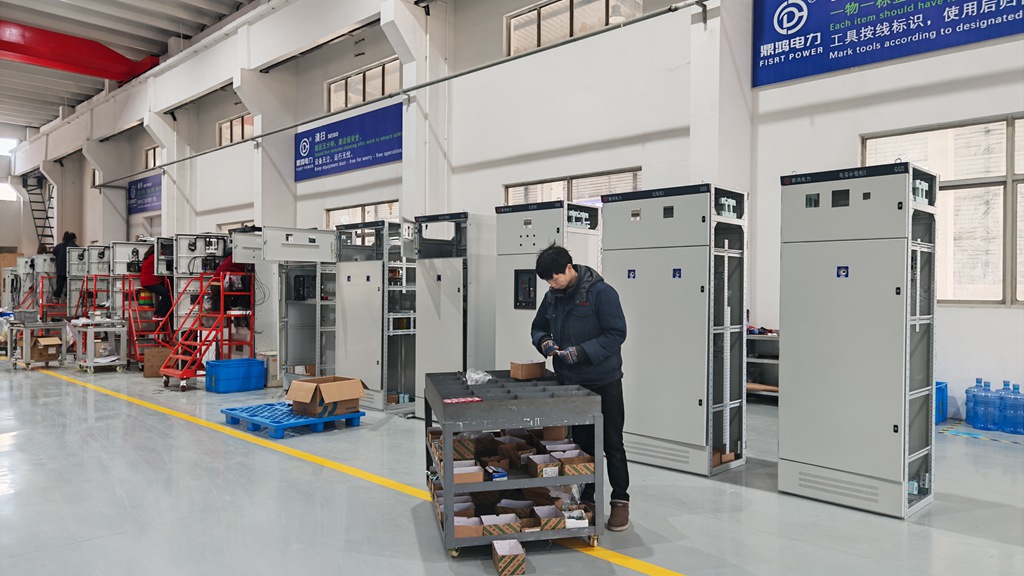
Jiangsu Wisegj Power Co., Ltd. designs, assembles and exports medium- and high-voltage equipment from 220 V up to 500 kV, including power transformers, distribution transformers, pad-mounted transformers, dry-type transformers, compact substations, switchgear and related equipment. The company operates a verified production base and supports buyers who need OEM, ODM, design-based and sample-based customization.
For Baguio procurement, the practical advantage is factory-direct engineering before the quotation is fixed. A transformer engineer can review the site altitude, 60 Hz requirement, utility voltage, load profile and enclosure environment before drawings are released. This reduces the risk of ordering a standard 50 Hz unit, a transformer with insufficient corrosion protection, or a pad-mount enclosure that does not fit the cable plan.
- Verified 6,847 m² production base
- 50+ R&D and technical engineers
- ISO 9001, ISO 14001 and ISO 45001 systems
- CE certificates for relevant transformer families
- TÜV Rheinland onsite verification
- 24-hour engineer response for technical questions
Certificate examples include ISO 9001 No. 62824Q6052R0S, ISO 14001 No. 62824E6053R0S, ISO 45001 No. 62824S6054R0S, CE oil-immersed power transformer No. 3N230310.JYTU038, CE dry-type transformer No. FQC2530404 and CE compact substation No. M.2025.206.C121884. Buyers should verify certificate scope and validity for the specific project.

From Baguio specification to factory test report
A clear five-stage workflow keeps a custom transformer order from drifting between sales, engineering and logistics. Each stage produces a document the buyer can review.
Specification intake
Collect kVA, primary and secondary voltage, 60 Hz, vector group, impedance, cooling, tap range, altitude, ambient, enclosure, standard, loss target and destination in Baguio.
Electrical design
Engineers review core and winding design, insulation, shielding requirements, temperature rise, impedance and accessories before a quotation is finalized.
Drawing approval
GA drawing, nameplate draft, test plan, packing drawing and document list are sent for buyer approval before production release.
Controlled production
Core stacking, winding, drying, tanking and assembly are tracked with in-process inspection records and material traceability.
FAT and shipment
Routine tests, optional third-party witness inspection, export packing, shipping documents and inland delivery planning to Baguio are completed.
Documentation and tests that support E-E-A-T and procurement confidence
For a Baguio project, a transformer quotation should include more than a price and a picture. The supplier should be able to explain what will be tested, what documents will be delivered, and how the unit will survive the trip from the factory to the highlands.
Routine electrical tests
Winding resistance, voltage ratio, vector group, impedance and load loss, no-load loss and current, applied voltage and induced voltage tests are recorded against the serial number.
Dielectric and oil checks
Liquid-filled units receive oil dielectric strength checks and related inspections. Bushings, clearances and sealing are reviewed before dispatch.
Certificates and third-party review
ISO management certificates, CE certificates and TÜV Rheinland verification support supplier due diligence. Witness testing can be arranged when the project requires it.
Drawing and O&M documents
GA drawings, nameplate drafts, routine test reports, packing lists, installation guidance and operation and maintenance manuals are supplied in English for project records.
Climate-ready enclosure review
For Baguio, powder-coating system, stainless hardware, anti-condensation provision, IP rating, drainage and cable entry details should be confirmed against the installation environment.
Export packing and logistics
Seaworthy packing, shock indicators where required and Incoterms coverage from EXW to DDP help distributors plan sea freight to Manila or Subic and inland trucking to Baguio.
Common purchasing questions from Baguio distributors and project owners
These are the questions most often raised by electrical wholesalers, contractors and facility owners comparing a factory-direct transformer quotation with a local trading quote.
Are you a factory or a Baguio-based wholesaler?
Can you build 60 Hz transformers for the Philippines?
How should Baguio’s altitude affect the transformer specification?
What enclosure and corrosion protection are suitable for Baguio’s climate?
Do you provide OEM/ODM service for local wholesalers?
Which certificates and test reports can be supplied?
What is the minimum order quantity and typical lead time?
How are transformers shipped to Baguio?
What payment methods and currencies do you accept?
What information is needed for a fast, accurate quotation?
Have a 60 Hz isolation or distribution transformer specification ready?
Send your datasheet, single-line diagram, utility voltage, site altitude and target delivery date. A transformer engineer can review the requirement and recommend a practical OEM/ODM configuration with drawings, test documents and export packing.