Eight Transformer Lines for Naples Distribution, Industry & Port Projects
These are the direct product entries buyers can evaluate first. Where a project requires cast resin dry-type design, the request can still be routed through the same OEM/ODM factory workflow — rating, vector group, impedance, enclosure, losses, seismic base and documentation are confirmed during technical review.
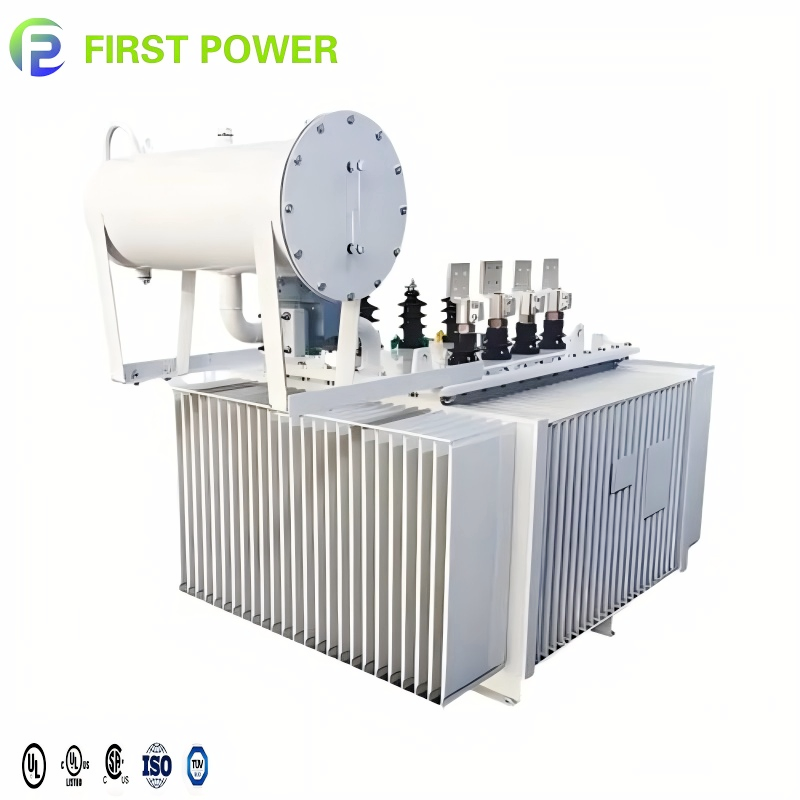 OLTC
C CE 10–35KV 1000–2500KVA Oil Type On-Load Tap Changer Transformer
For industrial power supply where voltage regulation and high capacity matter. Suited to heavy manufacturing, utility interconnection and process plants on 10–35 kV networks.
View product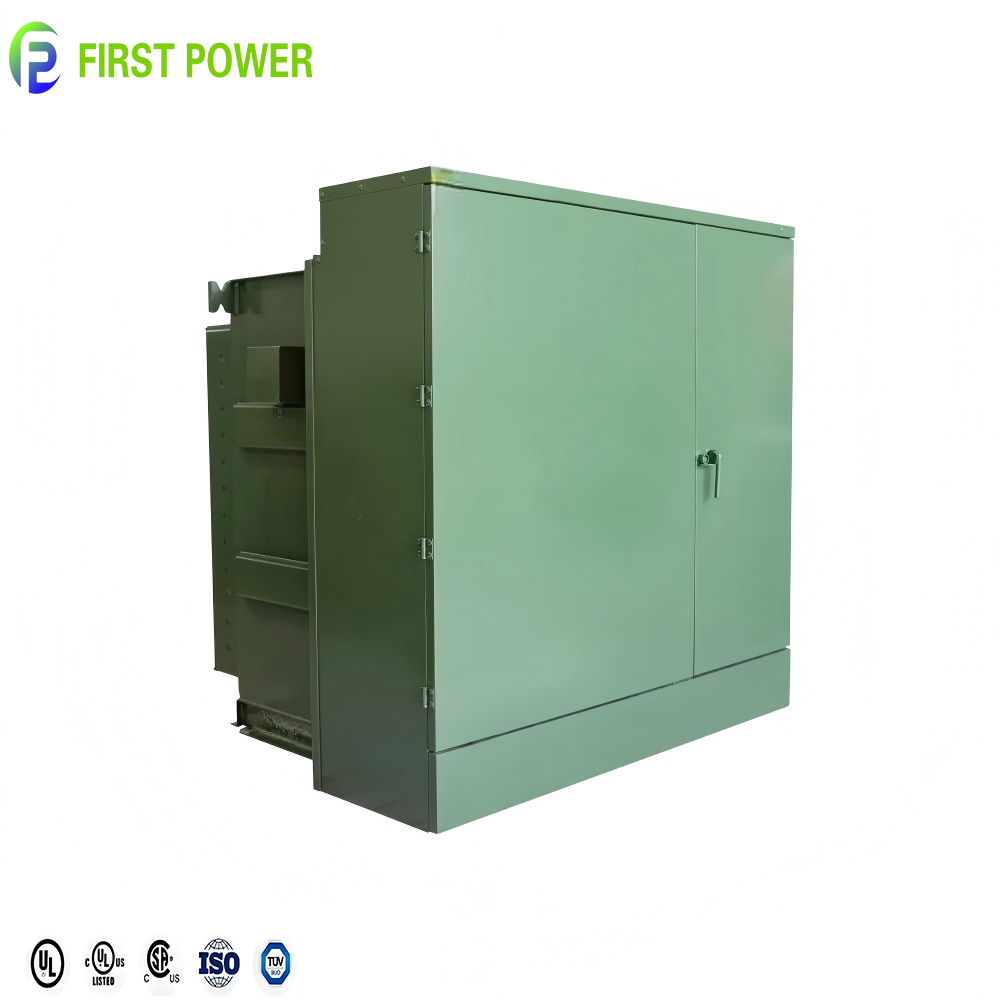 Pad Mounted
C CE MV&HV 50/60HZ 750–2500KVA Pad Mounted Transformer
Compact underground distribution for commercial complexes, port logistics and industrial parks. Available with loop or radial feed and project-specific corrosion protection.
View product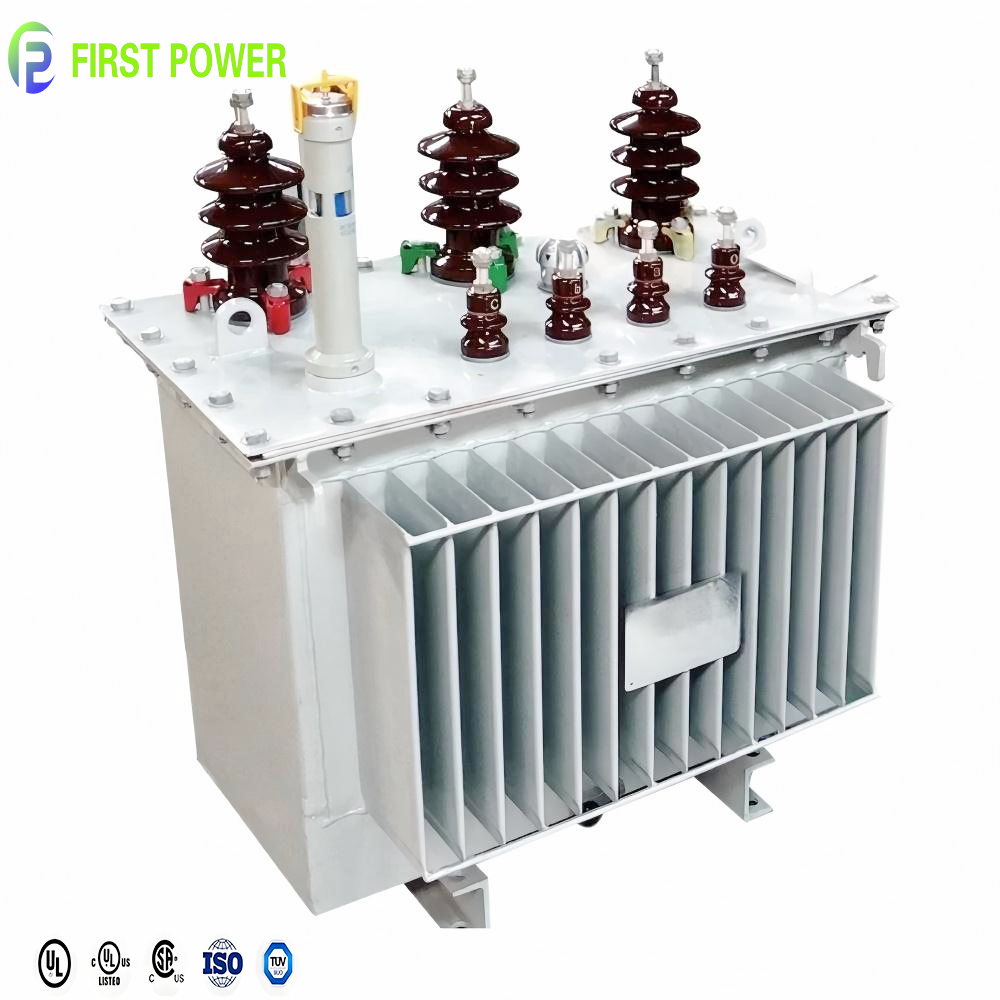 Distribution
C CE 10–35KV 50–500KVA Oil Immersed Transformer
General-purpose distribution for factories, water utilities, building services and secondary distribution. Low-loss core options support lifecycle cost targets.
View product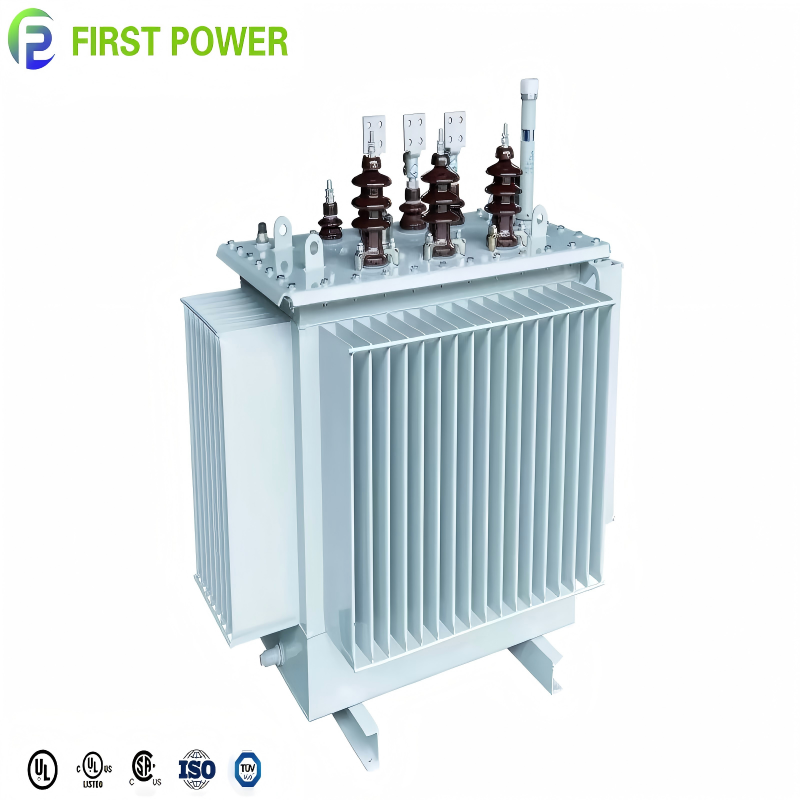 S11
C CE S11 6–35KV 50–300KVA Oil Immersed Distribution Transformer
S11 distribution platform for 50 Hz networks. A common choice for secondary distribution, retrofit projects and utility specification upgrades in Campania.
View product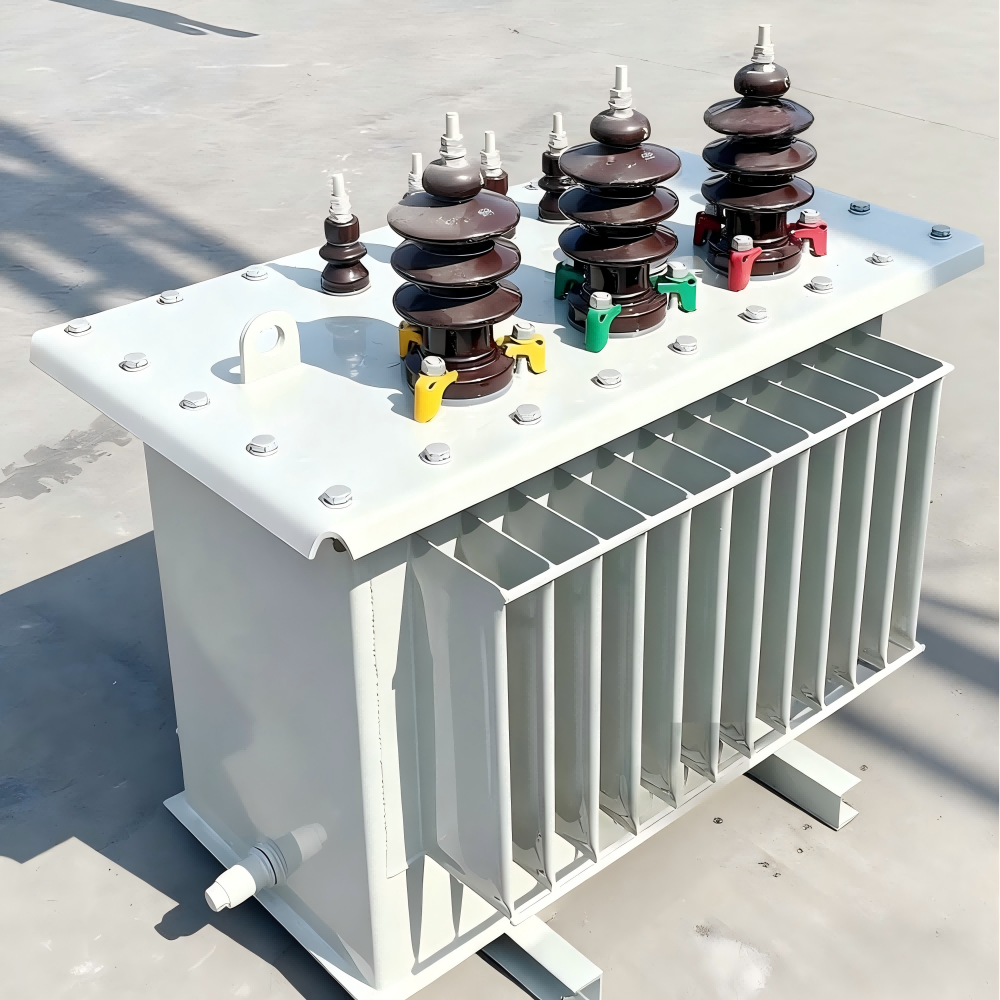 Power
C CE MV&HV 30–31500KVA 6–35KV S11 Three Phase Oil Transformer
Large transformer for project substations, generation step-up and power distribution. Engineered to project loss, impedance and temperature-rise targets.
View product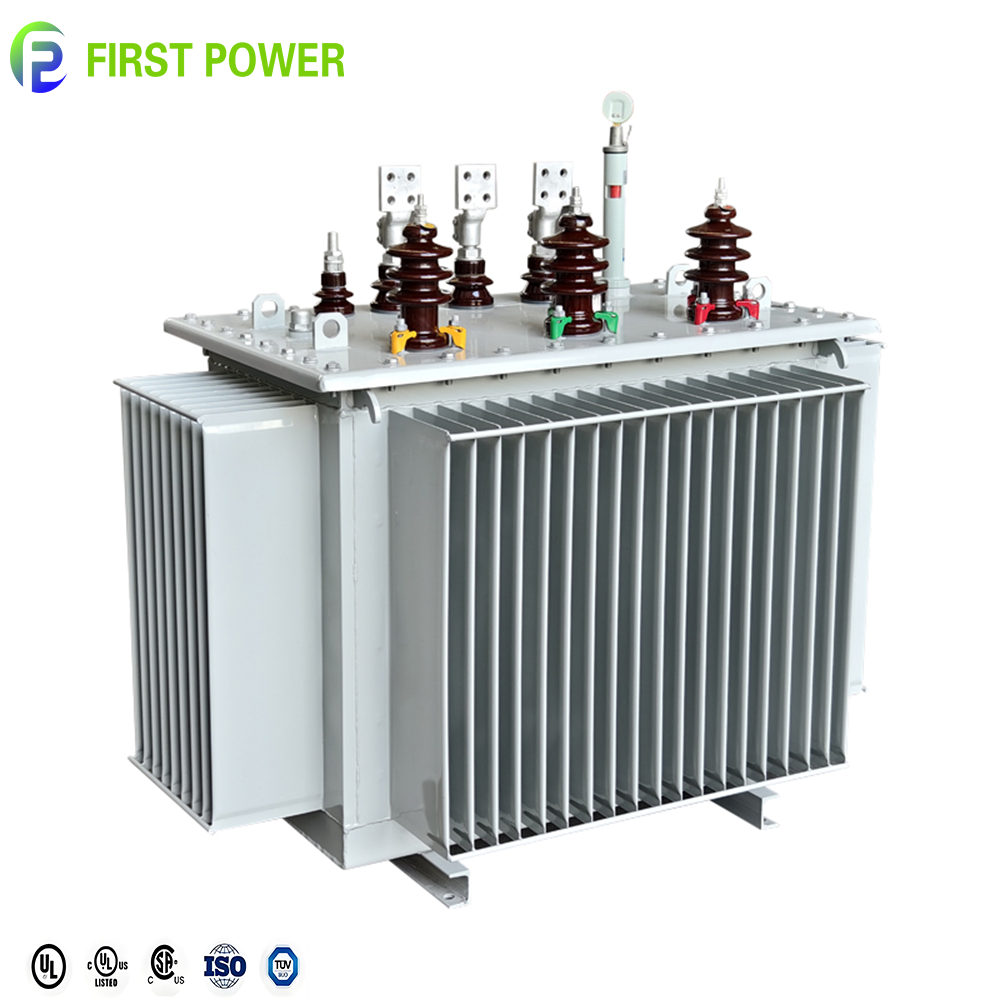 Step-Up
C CE 50/60HZ 6–35KV 100–500KVA Step-Up Oil Transformer
Step-up design for industrial processes and generator interfaces. Output voltage customization is available for 220 V and other system arrangements.
View product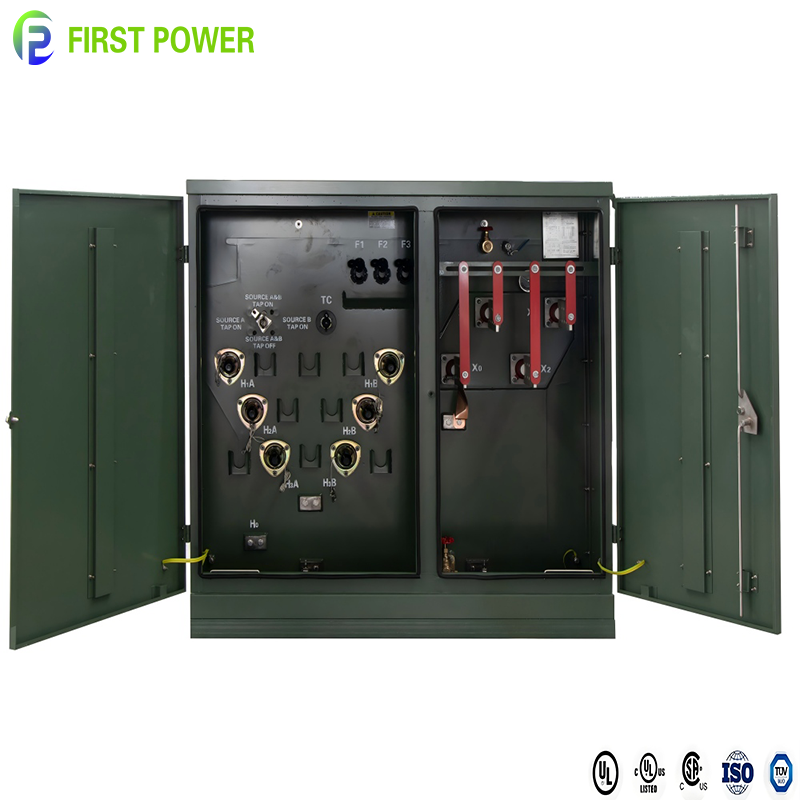 Listed C CE
 MV&HV 50/60HZ 6–35KV Pad Mounted Transformer
Pad mounted electrical transformer for industrial supply, with CE documentation and export packing for Italian projects requiring compact outdoor distribution.
View product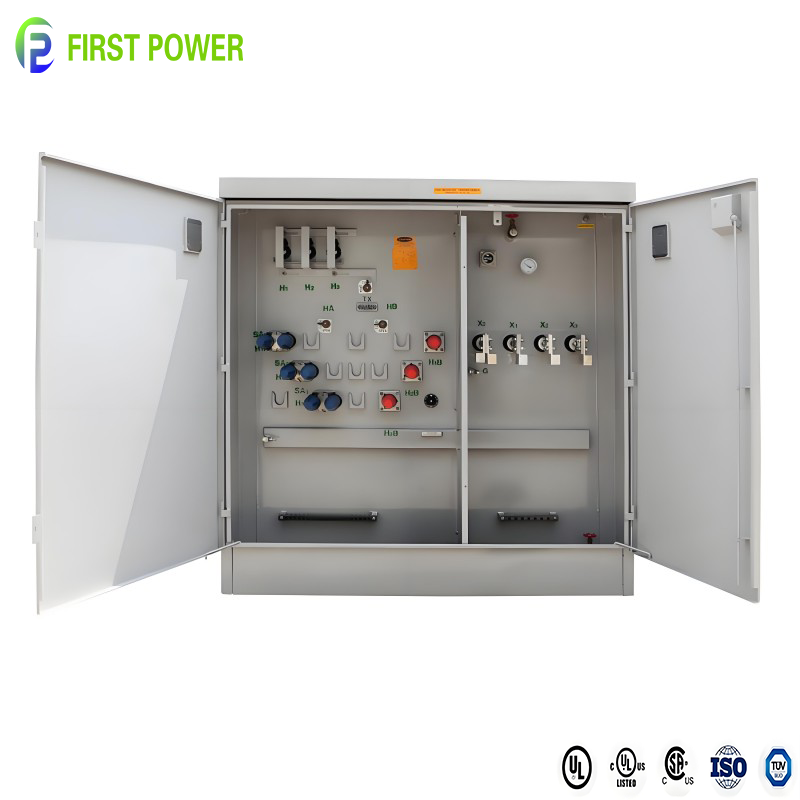 Loop Feed
C CE MV&HV 50/60HZ 300–700KVA Loop Feed Pad Mounted Transformer
Loop-feed pad-mounted unit for commercial and industrial distribution where continuity of supply, compact footprint and service access are required.
View productAuditable Capacity, Not a Catalogue-Only Claim
For a Naples procurement team, the value of an OEM/ODM factory is measured by documents, test records and delivery control. The figures below reflect the operating profile of Jiangsu Wisegj Power Co., Ltd. and the evidence buyers can request during supplier review.
Years of team experience in transformer design, production and export support.
R&D and technical engineers available for specification review and drawings.
Production floorspace inspected and verified through third-party assessment.
Qualified supply-chain partners supporting stable lead times and component traceability.
Maximum voltage class within the wider transformer and substation supply portfolio.
Average buyer rating reported on the company platform; reference checks are encouraged.
Why Cast Resin Transformers Fit Naples’ Dense, Humid and Fire-Sensitive Sites
Naples procurement is rarely a simple kVA purchase. The city combines a dense historic centre, hospitality buildings, hospitals, university facilities, metro and rail infrastructure, cruise terminals and a busy port. Around these loads, buyers must consider fire load, indoor placement, humidity, salt-laden air from the Tyrrhenian coast, summer heat, limited plant-room space and seismic planning across Campania.
A cast resin dry-type transformer removes insulating oil from the equation. That matters in hotels, museums, laboratories, tunnels and public buildings where oil containment, fire barriers and additional sprinkler provisions can increase project cost. It also supports compact indoor substations close to the load, reducing cable runs and electrical losses in urban regeneration projects.
As a China-based manufacturer and exporter, Jiangsu Wisegj Power Co., Ltd. supports Naples projects with CE documentation, IEC design review, routine test reports and export packing. The company’s wider portfolio covers 220 V to 500 kV, and its factory workflow is built around OEM/ODM customization rather than fixed catalogue boxes.
What Naples buyers can specify
- 50 Hz, 10 kV or 20 kV primary, 400/230 V secondary, project vector group such as Dyn11.
- Class F or Class H insulation with defined temperature-rise margin for roof plant rooms and summer peaks.
- IP20/IP21 indoor enclosures or IP54 protected enclosures for humid, dusty or coastal-adjacent areas.
- C4/C5-M corrosion protection, stainless hardware and anti-condensation heaters where salt air is a factor.
- Seismic base frame and anchorage data aligned with the project’s structural and Campania seismic requirements.
- PT100 sensors, fan control, alarm contacts, low-loss core options and bilingual nameplate where required.
Where Cast Resin Transformers Create the Most Value in Naples
The same transformer type can behave very differently in a restored palace, a cruise terminal, a metro plant room and a data room. These are the four Naples scenarios most often discussed during technical review.
Historic centre & hospitality
Hotels, boutique retail, museums and restored buildings in the UNESCO centre often need oil-free equipment close to occupied spaces. Compact cast resin units reduce fire load, simplify indoor substation layout and support low-noise operation.
Healthcare & laboratories
Hospitals, clinics, university labs and research facilities require high reliability and low fire risk. Cast resin units support redundancy planning, clean indoor installation and predictable maintenance in critical-care environments.
Port, cruise & cold chain
Port of Naples terminals, cruise operations, cold storage and logistics hubs need corrosion-aware equipment. Specify protected enclosures, C5-M coatings and cooling margins for shore-power, refrigeration and terminal electrification loads.
Metro, airport & data rooms
Metro Line 1 and Line 6 projects, Capodichino airport facilities and urban data rooms face harmonic loads, limited space and strict service continuity requirements. Oversized or K-factor-informed designs can improve thermal resilience.
Matching the Transformer Build to the Naples Project
Use this matrix as a starting point for an RFQ. Final selection still depends on short-circuit level, protection coordination, ambient conditions, duty cycle and the local utility connection agreement.
| Project need | Recommended build | Why it fits Naples | Specification watch-outs |
|---|---|---|---|
| Historic hotel or museum | Cast resin dry-type, 630–1250 kVA, 20 kV / 400 V, Class F, IP20/IP21, low noise | Oil-free indoor installation; easier fire-risk management in occupied or heritage-sensitive buildings. | Acoustic level, floor loading, ventilation path, cable entry and aesthetic enclosure finish. |
| Hospital or laboratory | Cast resin with redundancy, 1000–2000 kVA, low partial discharge, PT100 monitoring | High reliability and clean installation near critical care, diagnostics and research loads. | Harmonic spectrum, voltage dip tolerance, seismic anchoring and maintenance access. |
| Port terminal or cold store | Cast resin in IP54 enclosure or pad-mounted oil solution, 20 kV / 400 V, C5-M hardware | Coastal humidity and salt exposure demand corrosion control; terminal loads may require high cooling margin. | Salt-fog class, anti-condensation heaters, fan cooling, short-circuit withstand and cable termination. |
| Metro, airport or data room | Cast resin with oversized cooling, K-factor review, low-loss core, remote alarms | Dense urban infrastructure and 24/7 operation reward thermal margin and predictable maintenance. | Load profile, non-linear loads, redundancy scheme, noise limit and BMS integration points. |
| Industrial zone or renewable interconnection | Pad-mounted or oil-immersed distribution transformer from the product lines above | Outdoor yards, industrial parks and generation interfaces may favour conventional oil or pad-mounted designs. | Loop/radial feed, OLTC requirement, loss evaluation, protection and local utility approval. |
Naples Trends Reshaping Transformer Demand
Procurement decisions in Naples are being shaped by port electrification, climate adaptation, urban regeneration and digital infrastructure. These trends change the technical questions asked of exporters.
Shore power & terminal microgrids
Cruise and cargo terminals are moving toward electrification and cleaner vessel operations. Cast resin units are attractive for indoor terminal substations where fire risk and maintenance access matter, especially when corrosion protection is specified.
Salt air, humidity & heat waves
Naples’ coastal humidity and increasingly hot summers push buyers to examine temperature-rise margins, anti-condensation measures, enclosure treatment and corrosion class more carefully than a standard indoor catalogue unit may suggest.
Compact substations in dense districts
Restoration, hospitality and mixed-use projects need smaller plant rooms and quieter equipment. Dry-type transformers support compact indoor placement, while custom busbar orientation and enclosure dimensions solve access constraints.
Power quality and service continuity
Data rooms, laboratories and medical facilities place a premium on low partial discharge, harmonic tolerance, monitoring and fast technical response. Buyers increasingly ask for test evidence before comparing price alone.
Six Engineering Checks Before Ordering a Cast Resin Transformer for Naples
An oil-free design is only the first decision. The following points separate a price-driven unit from a project-ready design that can survive Naples humidity, grid conditions and building constraints.
1. Thermal class & temperature rise
Class F insulation is common; Class H may be selected for higher margin in roof plant rooms or high-ambient zones. Define the ambient design temperature, enclosure ventilation and whether AN/AF fan cooling is required.
2. Partial discharge & insulation control
Vacuum-cast resin windings need controlled partial discharge performance. Ask for routine PD testing, impulse withstand data and a design review covering clearances, humidity and pollution conditions.
3. Loss evaluation & lifecycle cost
No-load and load-loss values should be evaluated over a 20–25 year horizon. Low-loss core options can justify a higher initial price where energy costs and continuous duty are significant.
4. Corrosion & enclosure protection
Naples humidity and salt exposure may call for C4/C5-M coating, stainless hardware, anti-condensation heaters and a protected enclosure. Clarify whether IP20, IP21 or IP54 is genuinely required for the installed location.
5. Seismic anchorage & site integration
Provide the project’s seismic parameters, floor loading and anchorage requirements. The transformer base frame, centre of gravity, cable entry and maintenance clearance must be coordinated with the building structure.
6. Grid compatibility & protection
Confirm 50 Hz, 20 kV or 10 kV primary, 400/230 V secondary, Dyn11 vector group, tap links, impedance, short-circuit withstand and protection settings. These inputs prevent rework after the drawing stage.
Naples Specification Priority Scorecard
Indicative weighting used during application review for indoor cast resin transformer projects in the Naples area.
Factory Control, Testing & Export Documentation for Naples Buyers
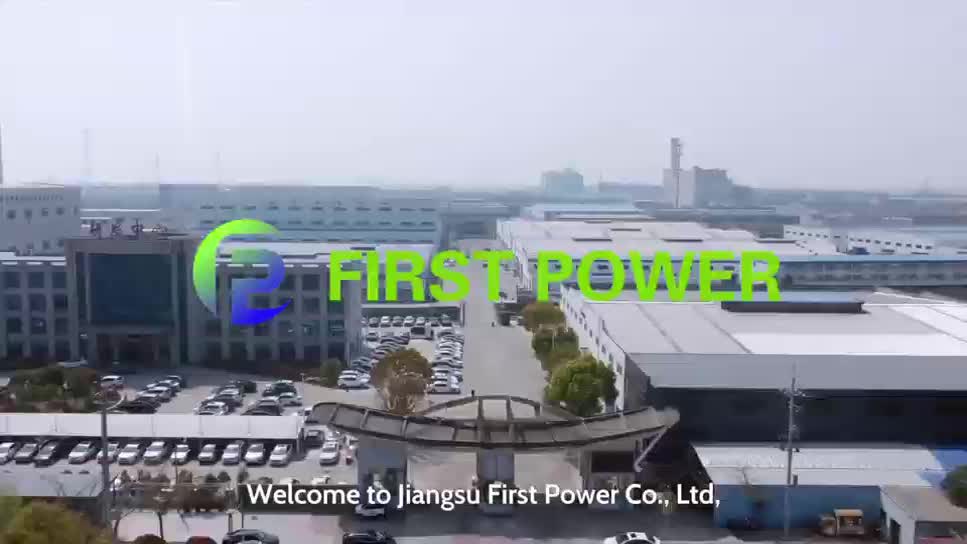
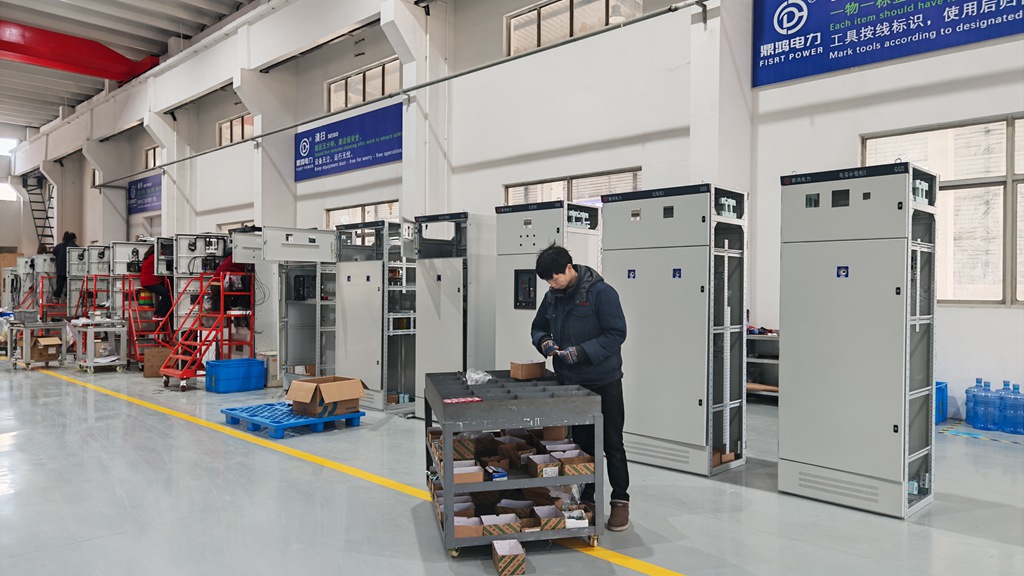
Jiangsu Wisegj Power Co., Ltd. designs, assembles and exports medium and high voltage equipment from 220 V up to 500 kV, including power transformers, distribution transformers, pad mounted transformers, dry type transformers, compact substations and switchgear. The company reports more than 20 years of team experience, 50+ engineers and 6,847 m² of verified production floorspace.
Quality management is supported by ISO 9001, ISO 14001 and ISO 45001 systems, while product lines hold CE certificates and the production capability has been assessed by TÜV Rheinland. For a Naples buyer, the practical benefit is an auditable chain from design freeze and drawing approval to routine testing and export packing.
- Routine tests: winding resistance, ratio, vector group, impedance, load loss, no-load loss and current.
- Applied and induced voltage tests; PD and dielectric checks according to the agreed design standard.
- GA drawings, nameplate drafts, test reports and O&M manuals supplied in English.
- Third-party witness inspection welcome before shipment.
- Export packing with seaworthy crating and shock indicators for long sea routes.
- OEM, ODM, design-based and sample-based customization available.

Production capability, floorspace and quality inspection verified through independent third-party assessment. Certificate numbers can be supplied for compliance review.
From Naples Technical Intake to Port of Naples Delivery
A clear RFQ shortens the engineering cycle. The process below is designed for procurement teams that need a documented, comparable offer rather than a generic quotation.
Technical intake
Share kVA, primary and secondary voltage, frequency, vector group, impedance, ambient, altitude, IP rating, seismic and loss targets.
Design freeze
Engineers issue GA drawing, nameplate draft, loss guarantee, enclosure details and cable-entry arrangement for approval.
Controlled production
Core, winding, vacuum casting, assembly and inspection follow documented work instructions and checkpoints.
Routine testing
Test reports are prepared per serial number; third-party witness inspection can be arranged when required.
Export packing
Seaworthy crating, shock indicators, packing list and shipping documents are prepared for the Italy route.
Handover support
Commissioning documents, spare-parts guidance and 24-hour technical response help local contractors complete installation.
Questions Naples Buyers Ask Before Ordering
Straight answers from the engineering and export workflow used for European projects.
Do you supply OEM or ODM cast resin transformers to Naples, and what can be customised?
Both. OEM supply can include buyer nameplate, logo, enclosure colour and documentation format. ODM supply can adapt ratings, vector group, impedance, tap range, busbar orientation, PT100 sensors, fan control, IP enclosure, anti-condensation heaters, seismic base and loss targets. One-off replacement units can also be quoted after technical review.
Are your units CE marked and designed to IEC 60076-11 for Italy?
Cast resin dry-type designs are engineered against IEC 60076-11 and CE requirements, with declaration documents, routine test reports and drawings supplied. For project-specific Italian utility connection, provide the local grid requirements and short-circuit data so the design can be reviewed before quotation.
How do you address Naples humidity, salt air and seismic risk?
Specify C4/C5-M corrosion coating for the enclosure and hardware, stainless fasteners, anti-condensation heaters, IP54 protection where justified and adequate insulation margin. For seismic risk, provide the project response spectrum and anchorage requirements so the base frame and anchor points can be coordinated with the building structure.
What is the typical lead time and shipping route to Naples?
Engineered units normally move through drawing approval, production and routine testing before shipment. The usual sea route is from Shanghai or Ningbo to the Port of Naples. FOB, CFR, CIF and DDP options can be reviewed, and the final lead time depends on kVA, cooling, enclosure, testing and component supply.
Can you match 50 Hz, 20 kV / 400 V and Dyn11 for the Naples grid?
Yes. Italian distribution commonly uses 50 Hz and 20 kV medium voltage, with 400/230 V low voltage. We can build to Dyn11 or the project vector group, with tap links, specified impedance and BIL. The actual grid code, neutral arrangement and short-circuit level should be confirmed by the local designer.
What documentation is supplied for procurement and local approval?
Documentation can include GA drawing, nameplate, routine test report, CE documents, O&M manual, packing list, certificate copies and optional type-test reports or third-party witness records. Bilingual labels and project-specific document packages can be prepared when required by the Naples contractor or end user.
Ready to Review an OEM/ODM Cast Resin Transformer Build for Naples?
Send the kVA, primary and secondary voltage, frequency, vector group, impedance, installation location, IP requirement, ambient conditions and target delivery date. A transformer engineer can review the specification and return a compliant design direction, test scope and export documentation list.