Eight Factory Products Frequently Quoted with MV Switchgear Panels
Cape Town switchgear panel packages often need a matched transformer and distribution interface. The eight products below are commonly specified alongside 11 kV, 22 kV and 33 kV medium voltage panels for commercial, industrial, utility and renewable projects. Every product link is retained for direct technical review.
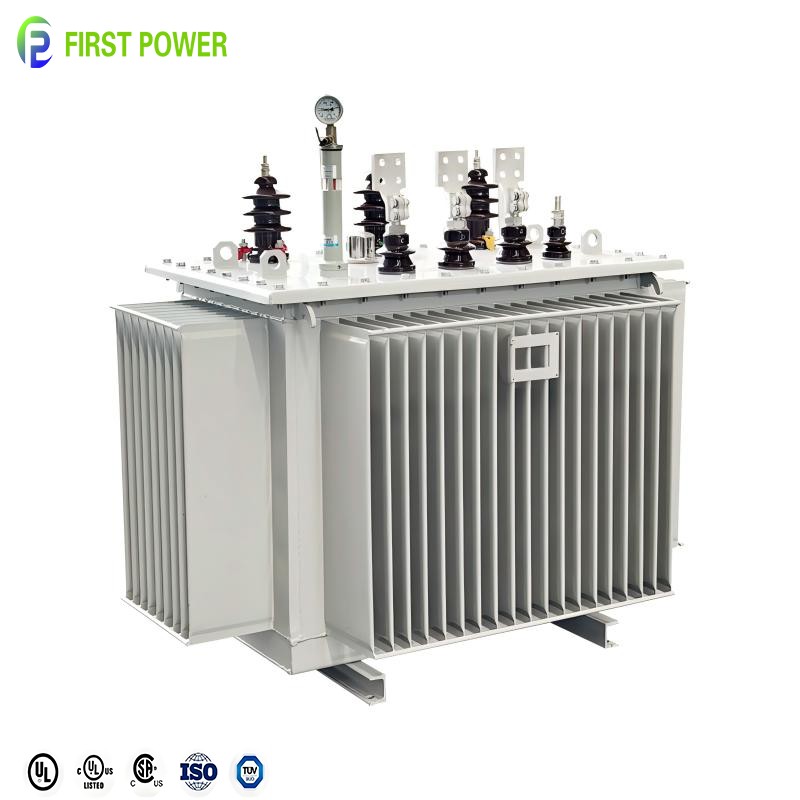
C CE 50/60Hz 100–1000 kVA Oil Immersed Power Transformer, 10–35 kV
Three phase oil immersed transformer for power supplies, utility distribution and industrial substations where an MV switchgear panel requires a robust transformer interface.
View product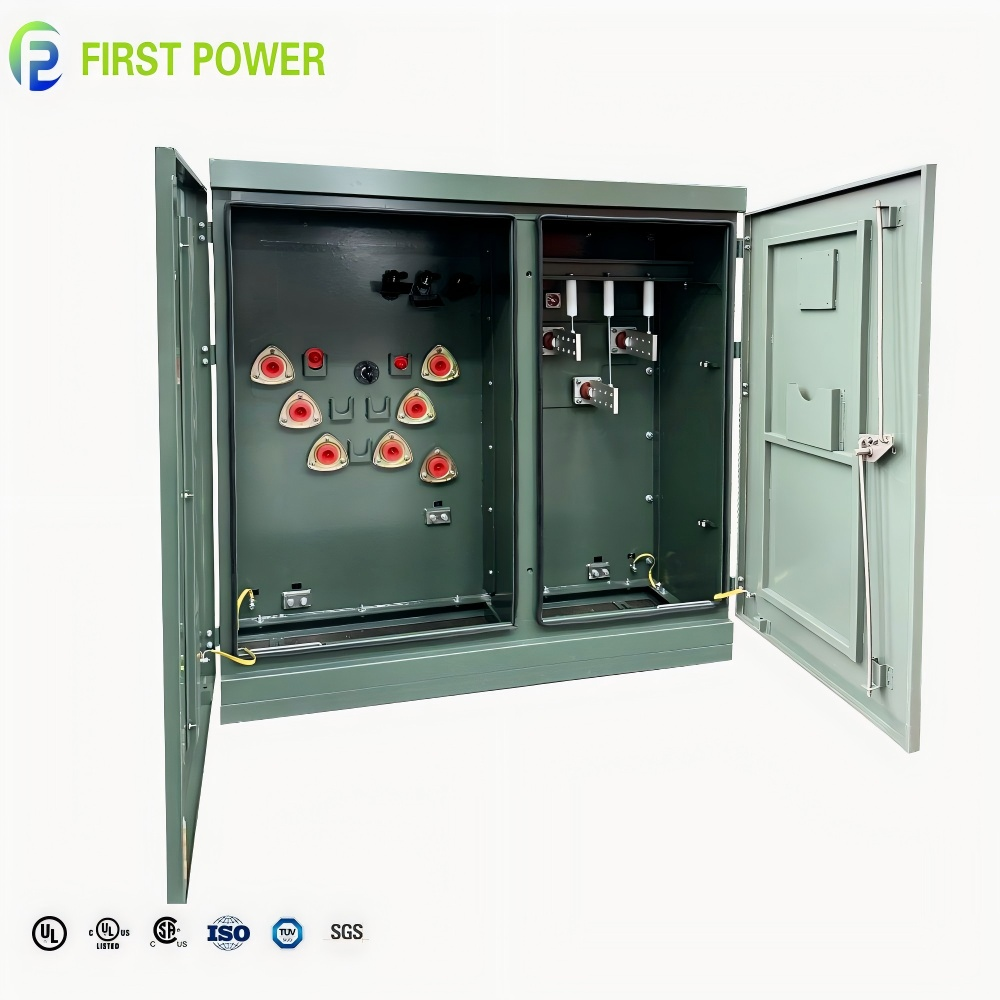
C CE 750 kVA Loop Feed Pad Mounted Transformer, 10–35 kV
Loop feed pad mounted design for electric power distribution, commercial campuses and underground networks where space, access and coastal durability matter.
View product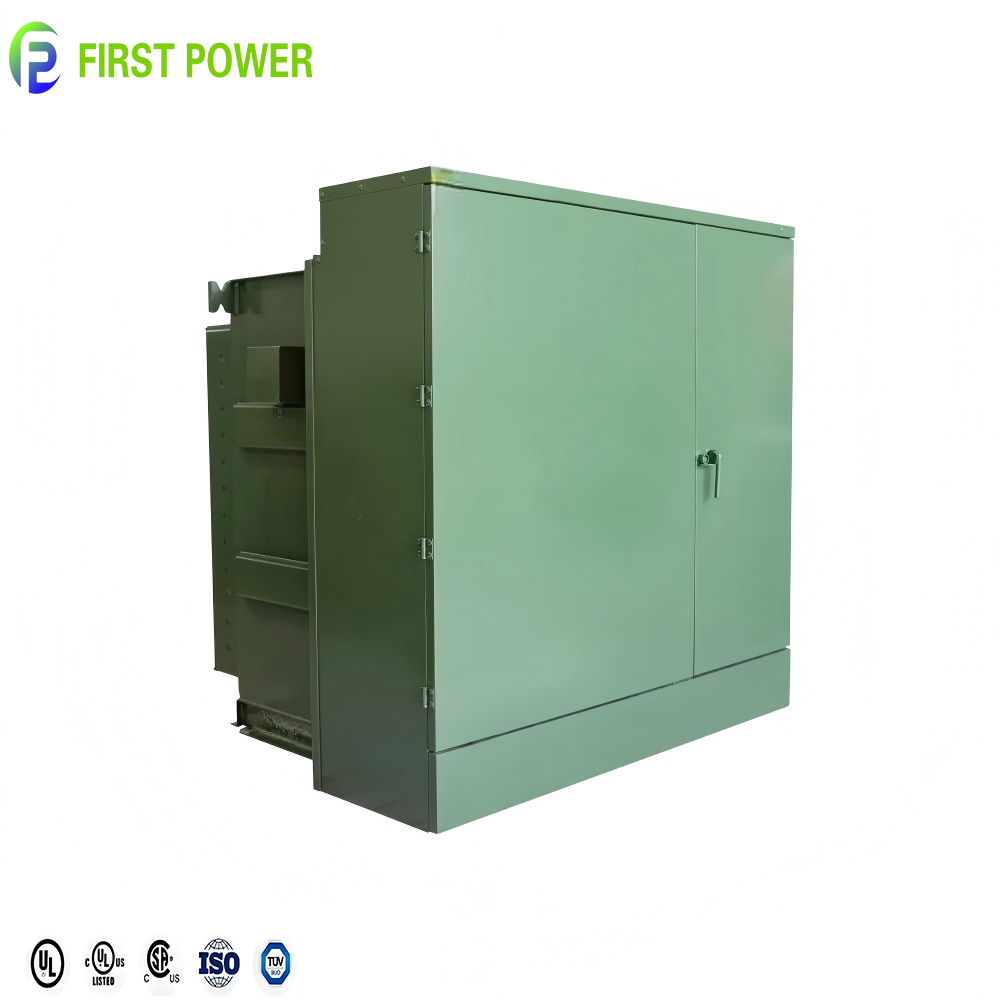
C CE MV/HV 750–2500 kVA Pad Mounted Transformer for Industrial Supply
Large rating pad mounted transformer for industrial power supply, logistics hubs, manufacturing facilities and projects requiring a compact outdoor footprint.
View product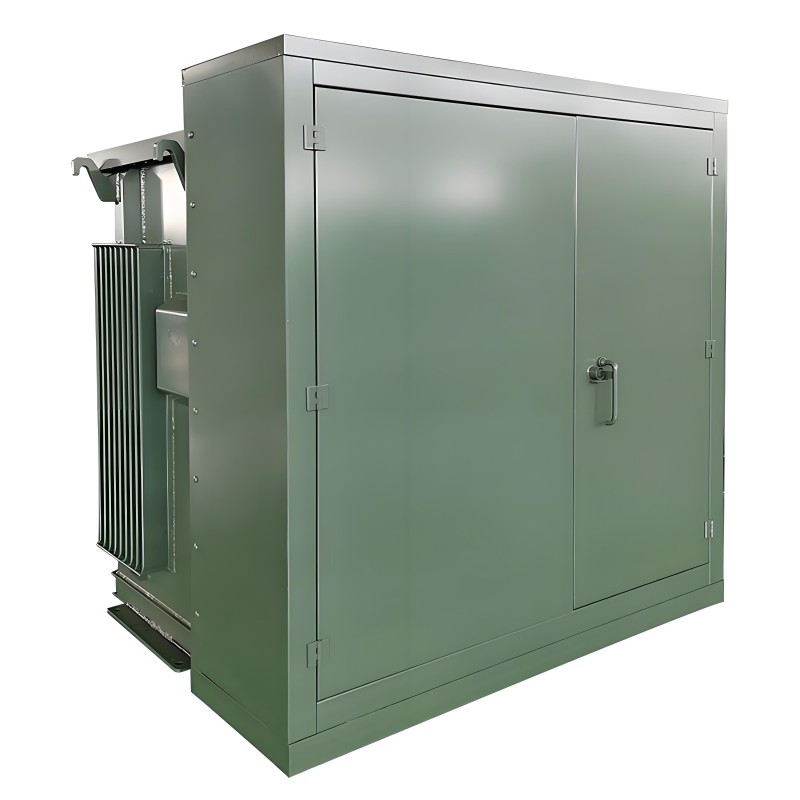
C Certified 75–2500 kVA Oil Type Three-Phase Pad-Mounted Transformer
Oil type pad-mounted transformer with 35 kV input and 480 V output options, suitable for distribution systems, commercial nodes and industrial facilities.
View product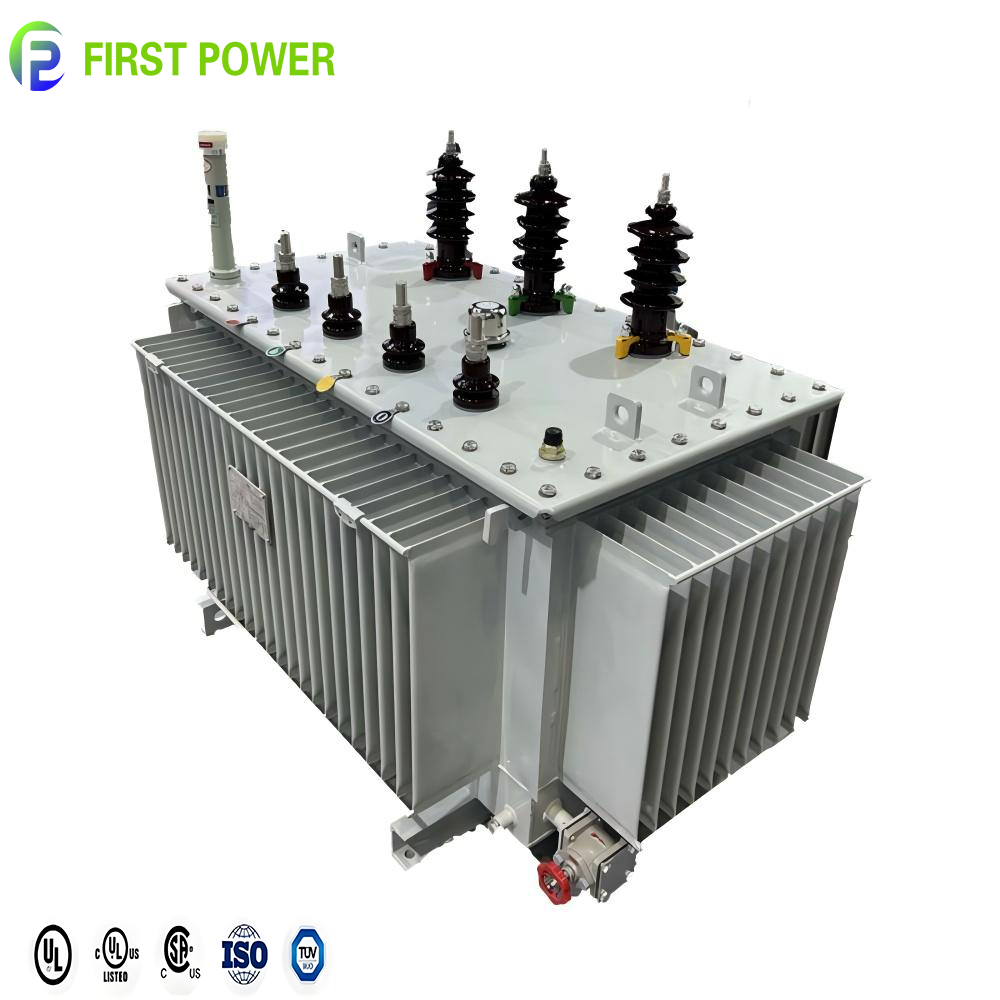
C CE S11 50–200 kVA Oil Immersed Distribution Transformer, 10–35 kV
S11 electrical oil immersed transformer for distribution systems, feeder upgrades, commercial buildings and municipal network reinforcement.
View product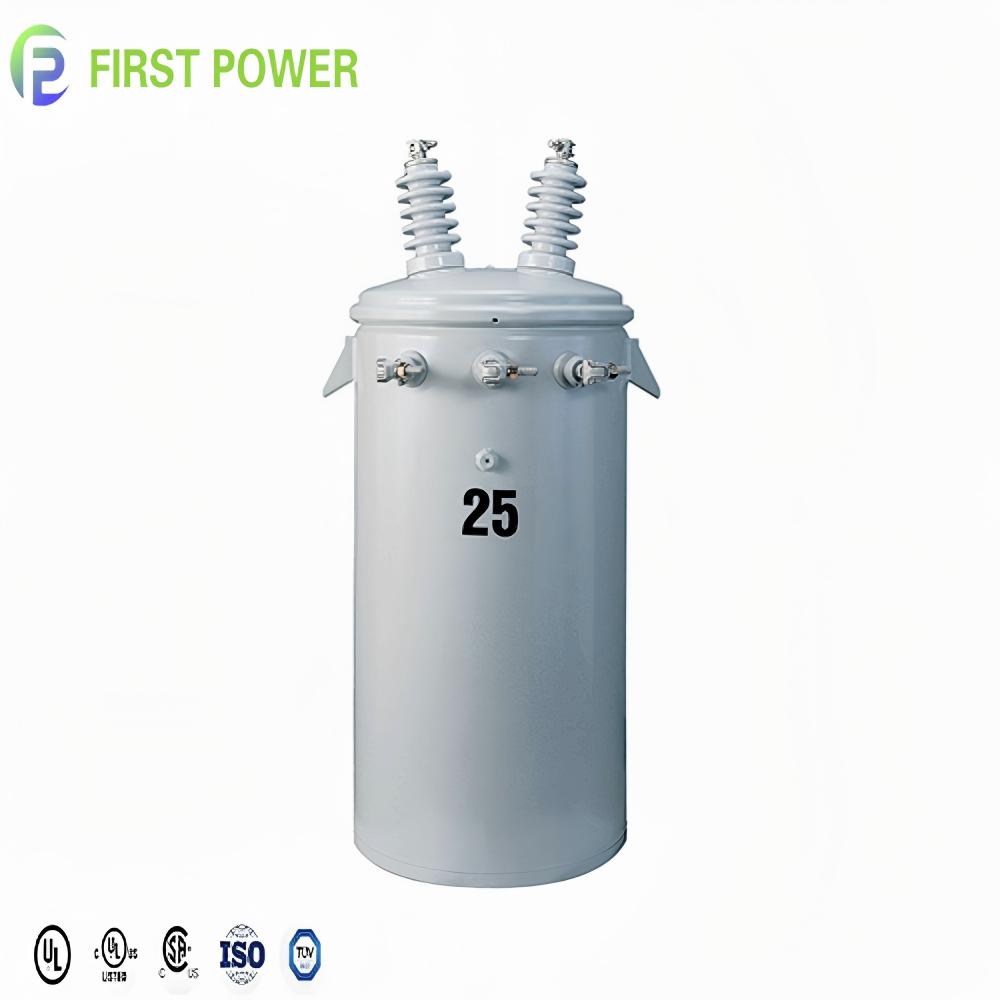
C CE MV/HV 25 kVA Single Phase Transformer, 6–35 kV
Single phase transformer for electric power distribution, residential feeders and light commercial loads where a compact MV distribution interface is required.
View product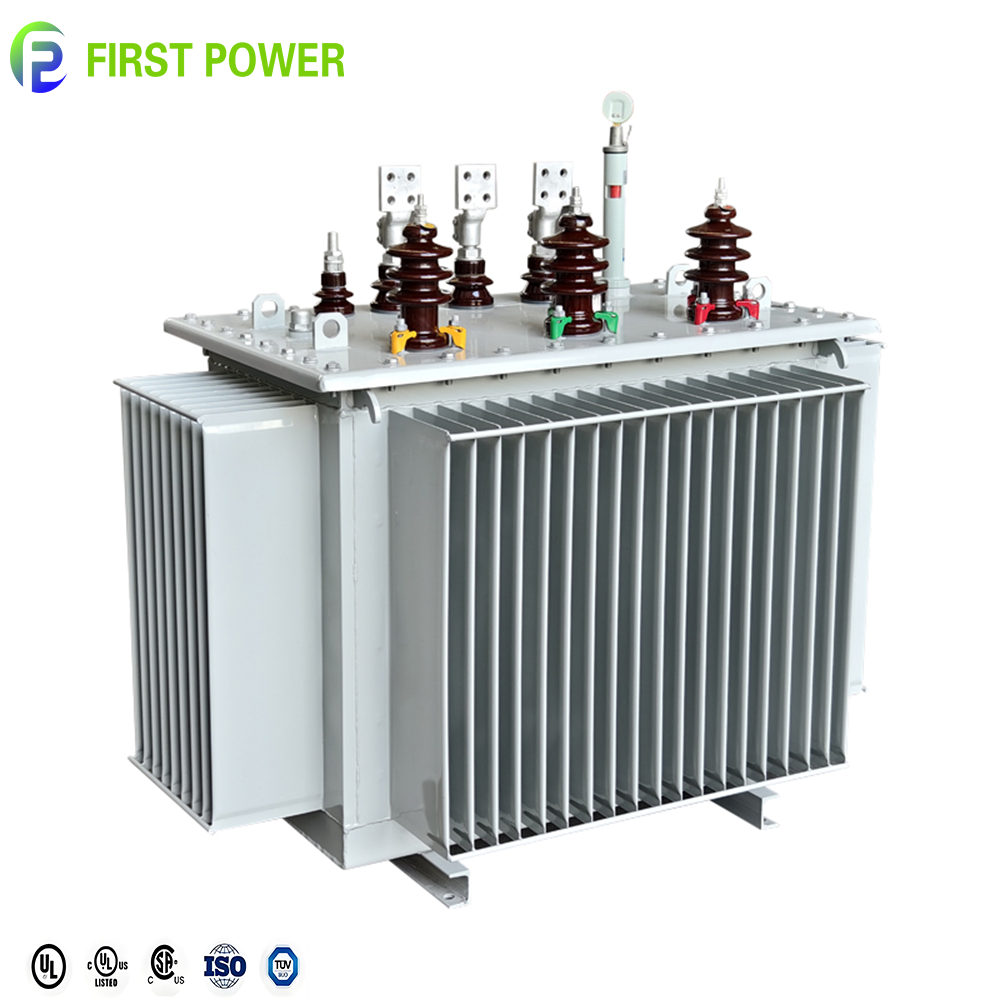
C CE 100–500 kVA Step-Up Oil Transformer, 6–35 kV / 220 V
Step-up oil transformer for industrial applications, generator interfaces and renewable projects that require reliable voltage transformation.
View product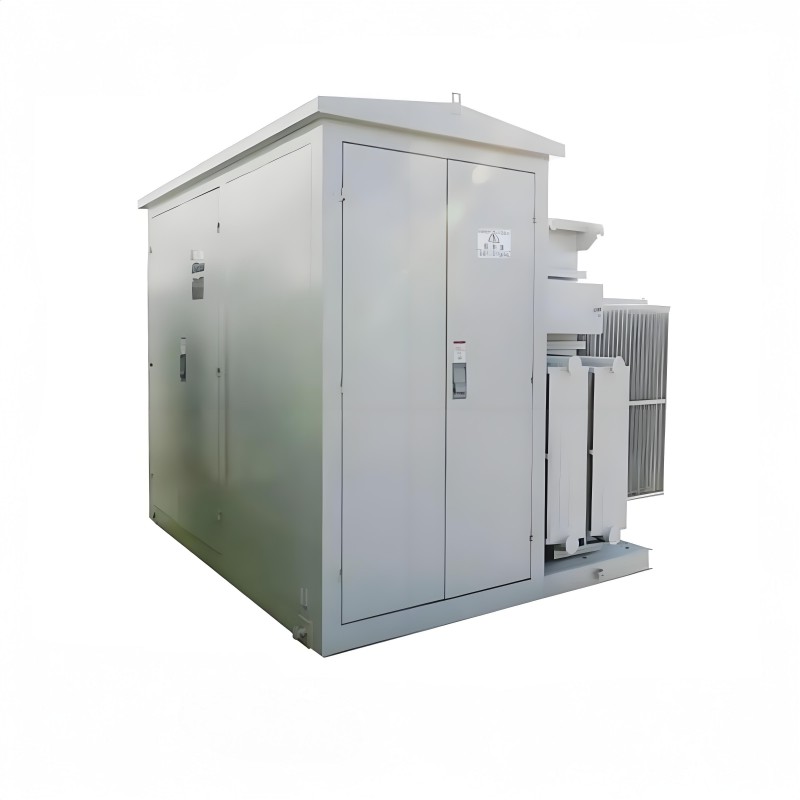
American Standard C Certified 75–2500 kVA 13.8 kV Pad Mount Transformer
Oil filled three phase pad mount transformer for power generation, industrial supply and projects using American standard equipment references.
View productProject note: for custom MV switchgear panel schedules, send the single-line diagram, voltage class, busbar rating, fault level, IP rating, protection philosophy and transformer interface details. Our engineers will review the package before quotation.
Send an InquiryCompany Evidence Behind the Cape Town Supply Offer
Jiangsu Wisegj Power Co., Ltd. is a Suzhou-based manufacturer and exporter of transformers, compact substations and high and low voltage switchgear. The figures below support a serious procurement conversation rather than a catalogue-only claim.
What Cape Town Buyers Should Know Before Specifying an MV Switchgear Panel
Search demand around Cape Town is rarely just “buy a switchgear panel.” Procurement teams investigate voltage class, fault level, protection coordination, coastal corrosion, lead time and whole-life cost. A panel that is technically compliant in one climate may be the wrong choice on the Cape coast.
From a panel purchase to a grid-interface decision
For a medium voltage switchgear panel manufacturer and wholesaler serving the Cape Town market, the real work begins before the bill of materials. A Cape Town project typically has to align with the local distribution network, the consulting engineer’s specification, the EPC contractor’s construction sequence and the end user’s maintenance capability. A 11 kV ring main unit for a CBD commercial building has different priorities from a 22 kV metal-clad panel for an industrial plant or a 33 kV substation package for a renewable energy connection.
South African medium voltage projects commonly reference IEC 62271 for switchgear, IEC 60076 for transformers, IEC 61439 for low voltage assemblies and project-specific utility requirements. Frequency is normally 50 Hz, while distribution voltages in and around Cape Town frequently involve 11 kV and 22 kV, with 33 kV used in sub-transmission and larger industrial or utility applications. A competent supplier should ask for the single-line diagram, fault level, busbar current rating, protection scheme, metering requirements and interface details before offering a price.
Local operating conditions that change the specification
Cape Town’s coastal environment introduces salt-laden air, wind-driven moisture and temperature cycles that can punish poorly specified enclosures. For outdoor and semi-outdoor installations, buyers should discuss IP rating, anti-corrosion paint systems, stainless steel hardware, anti-condensation heaters, cable entry sealing and ventilation logic. For indoor installations, arc-flash risk, ventilation, fire load and access for maintenance become more important. These details are not cosmetic; they influence outage risk, spares strategy and total cost of ownership.
A second local factor is project resilience. Commercial properties, data centres, cold storage, water treatment plants and healthcare facilities increasingly ask for N+1 or ring-feed topologies, clear separation between normal and essential supplies, and protection settings that can be coordinated with upstream devices. That is why the best procurement conversations treat the MV switchgear panel, transformer, compact substation and protection relays as one engineered interface rather than unrelated line items.
Typical Cape Town MV Panel Decision Weighting
Based on the RFQ questions our engineering team receives from export buyers, the following technical and commercial factors usually dominate a shortlist decision.
Where MV Switchgear Panels Matter in Cape Town and the Western Cape
The right panel package depends on load criticality, environmental exposure, operating staff and expansion strategy. These are the application scenarios we most often review with Cape Town wholesalers, EPCs and facility owners.
CBD Commercial, Mixed-Use and Data Centre Projects
High-rise offices, retail nodes and data centres need compact, serviceable MV panels with clear fault isolation, metering and protection coordination. Ring-feed arrangements and N+1 thinking are common where downtime has commercial consequences.
- 11 kV ring main units and metal-enclosed panels
- Arc-flash labelling, interlocking and safe isolation
- Coordination with dry-type or oil-immersed transformers
Port, Logistics and Cold-Chain Infrastructure
Port of Cape Town operations, warehousing and cold storage depend on stable power for refrigeration, cranes and IT systems. Panels should be specified for humidity, salt exposure, voltage dips and maintainable cable access.
- Corrosion-resistant enclosures and hardware
- Protection against moisture ingress and condensation
- Transformer and LV distribution integrated as one package
Winelands Agri-Processing and Cold Storage
Wineries, packhouses and food-processing plants often combine seasonal loads, irrigation pump systems, refrigeration and expansion-ready distribution. The MV panel must be practical for local electricians and spares planning.
- Pump starter and VSD coordination
- Harmonic and power-factor considerations
- Outdoor pad-mounted or compact substation options
Water, Wastewater and Municipal Infrastructure
Pump stations, treatment works and bulk-water infrastructure require reliable MV distribution with remote monitoring, SCADA integration and clear maintenance access. Outdoor enclosures must handle coastal and exposed sites.
- Remote monitoring and IEC 61850-ready protection
- Compact substations for constrained sites
- Spares and documentation for municipal maintenance teams
Solar PV, Wind and Battery Energy Storage
Western Cape renewable projects increasingly require bidirectional power flow, anti-islanding protection, grid-code compliance and transformer-panel interfaces that can be witnessed and documented before shipment.
- 22 kV and 33 kV interconnection packages
- Step-up transformer and MV panel coordination
- Test reports, drawings and witness inspection support
Healthcare, Campuses and High-Rise Buildings
Hospitals, universities and large mixed-use campuses need redundancy, fire safety and maintenance access without disrupting critical operations. Indoor dry-type transformer packages are often paired with MV switchgear.
- Essential and non-essential supply separation
- Dry-type transformer options for indoor locations
- Protection settings and test documentation for facility teams
Cape Town MV Switchgear Trends Reshaping Procurement in 2025 and Beyond
Cape Town buyers are not only comparing panel prices. They are comparing resilience, documentation, lead time, digital integration and the cost of keeping equipment serviceable for the next two decades.
N+1 and Ring-Feed Thinking
Commercial and industrial projects increasingly plan for maintenance without a full shutdown. Ring-feed pad-mounted transformers, sectionalisers and withdrawable switchgear help isolate faults while keeping critical loads available.
Renewable and BESS Interconnection
Solar PV, wind and battery storage projects need transformers and MV panels that can handle bidirectional flow, protection coordination and grid-operator witness testing. The interface is becoming more engineered, not less.
Undergrounding and Compact Substations
Space-constrained Cape Town sites favour pad-mounted transformers and prefabricated compact substations that reduce civil works and shorten commissioning time on site.
IEC 61850-Ready Protection
Utilities, data centres and large campuses are asking for digital protection relays, event logs and communication-ready panels. Documentation and configuration discipline matter as much as the relay brand.
Coastal-Grade Enclosures
Salt fog, humidity and wind-driven rain push buyers toward higher IP ratings, robust paint systems, stainless hardware and condensation control. A standard indoor enclosure is rarely the best outdoor choice near the coast.
Whole-Life Cost Over Lowest Price
Losses, outage risk, maintenance access, spares availability and documentation are entering the commercial evaluation. Wisegj supports buyers with drawings, routine test reports and export packing details before order.
How to Compare MV Switchgear Architectures for Cape Town Projects
There is no universal “best” MV panel. The correct architecture depends on site constraints, fault level, maintenance strategy, budget and the utility or consulting engineer’s approved standards.
AIS vs GIS
Air-insulated switchgear is often easier to inspect and familiar to local maintenance teams. Gas-insulated switchgear saves space and can suit compact urban rooms, but requires different service capabilities.
Metal-Clad vs Metal-Enclosed
Metal-clad construction offers compartmentalisation and withdrawable equipment for higher availability. Metal-enclosed designs can be cost-effective for simpler distribution duties where maintenance philosophy allows.
Vacuum vs SF6
Vacuum circuit breakers are widely used for MV distribution and are practical for many Cape Town projects. SF6 options may be considered where space or specific utility standards require them, subject to environmental policy.
Fixed vs Withdrawable
Withdrawable designs improve maintainability and fault isolation but increase cost. Fixed patterns can be rational for smaller facilities with planned outage windows and simpler operating needs.
A Specialist Supplier Based in Suzhou, China, Supporting Cape Town Buyers
Jiangsu Wisegj Power Co., Ltd. designs, assembles and exports medium and high voltage equipment from 220 V up to 500 kV. We are not claiming a local factory in Cape Town; we are offering a factory-backed supply route with engineering review, export documentation and third-party verified production capability.

Our engineering team brings more than 20 years of hands-on transformer and power distribution experience. Every project is reviewed by engineers before quotation, built under ISO 9001 quality control and shipped with routine test reports, so procurement teams receive equipment that matches the approved specification more closely the first time.
For Cape Town wholesalers and EPC contractors, this means a single technical channel for MV switchgear panel packages, compact substations, oil-immersed transformers, dry-type transformers, pad-mounted transformers and related distribution equipment. OEM, ODM and design-based customization are available for ratings, vector group, impedance, tap range, bushing configuration, cooling method, insulating fluid, enclosure colour and nameplate language.
- Own production base with full industry certificates
- 50+ engineers in R&D and technical support
- Supplier to Fortune 500 companies
- 24-hour pre-sale and after-sale response
- Finished-product inspection on every unit
- Complete drawings, test reports and O&M documents
Six Procurement Advantages for Cape Town Wholesalers and EPCs
A good MV switchgear panel supplier reduces technical risk before shipment. These are the practical advantages buyers can audit through documents, factory evidence and project communication.
Certified Management Systems
ISO 9001, ISO 14001 and ISO 45001 management systems support consistent quality, environmental control and occupational safety across production.
Third-Party Verified Capacity
Production capability, floorspace and quality inspection have been verified onsite by TÜV Rheinland, giving remote buyers a stronger evidence base.
Engineer-Led Specification Review
Drawings, ratings, losses, protection interfaces and site conditions are reviewed by technical staff before quotation, not left to a generic sales script.
OEM and ODM Customization
Ratings, vector group, impedance, taps, bushings, cooling, insulating fluid, enclosure colour and nameplate language can be adapted to project requirements.
Routine Testing and Documentation
Winding resistance, ratio and vector group, impedance and load loss, no-load loss and current, applied and induced voltage tests are documented per unit.
Export Logistics and Fast Response
Seaworthy packing, shock indicators, Incoterms coverage and a 24-hour technical response help Cape Town buyers manage long-distance procurement.
Questions Local Buyers Ask Before Ordering MV Switchgear Panels
These are common questions from Cape Town wholesalers, consulting engineers, EPC contractors and facility owners comparing a factory-backed supply route with local stock or regional assembly.
Are you an MV switchgear panel manufacturer or a wholesaler for Cape Town?
Wisegj is a China-based manufacturer and exporter of transformers, compact substations and high and low voltage switchgear. For the Cape Town market we work as a factory-backed supply partner for wholesalers, EPCs and project buyers. We do not claim a local panel factory in Cape Town; our role is engineered manufacturing, documentation, testing and export supply.
Can the MV panel, transformer and compact substation be supplied as one package?
Yes, subject to the technical scope. Many projects benefit from coordinating the MV switchgear panel, transformer, LV distribution and enclosure as one interface. Send the single-line diagram and equipment schedule so our engineers can confirm what can be integrated, what must be separately specified and how testing and documentation will be handled.
Which voltages and ratings are most relevant for Cape Town?
Cape Town projects commonly involve 11 kV and 22 kV distribution, with 33 kV used in sub-transmission and larger industrial or utility applications. Low voltage distribution is typically 400/230 V. Frequency is normally 50 Hz. Final ratings depend on the utility connection, fault level, load profile and consulting engineer’s specification.
Which standards should be referenced in the enquiry?
Common references include IEC 62271 for MV switchgear, IEC 60076 for transformers, IEC 61439 for LV assemblies, and project-specific SANS or City of Cape Town utility requirements where applicable. CE and ISO documents support export procurement, but the approved project specification always takes priority.
How do you address coastal corrosion and humidity?
For Cape Town coastal sites, specify the required IP rating, paint system, stainless steel hardware, anti-condensation heaters, cable sealing and ventilation approach. Outdoor pad-mounted and compact substation designs should be reviewed for salt-laden air and wind-driven rain rather than treated as standard indoor equipment.
What is the typical lead time and shipping route to Cape Town?
Lead time depends on the panel configuration, transformer rating, protection relays and testing scope. After drawing approval, production and routine testing are scheduled, followed by export packing and sea freight to Cape Town or a nominated South African port. Incoterms such as FOB, CFR, CIF, EXW, FCA, CIP, CPT and DDP can be discussed.
Can you support local wholesalers with documentation and spares?
Yes. English drawings, nameplate drafts, routine test reports and O&M manuals are supplied. Spare parts and replacement components can be discussed at order stage so local wholesalers and maintenance teams can plan stock. Third-party witness inspection is also welcome before shipment.
What testing is performed before shipment?
Liquid-filled transformers normally receive routine tests including winding resistance, ratio and vector group, impedance and load loss, no-load loss and current, applied and induced voltage tests, plus oil dielectric testing where applicable. Switchgear and integrated packages are tested according to the approved specification and project quality plan.
What should I include for a fast, accurate quotation?
Send the single-line diagram, voltage class, frequency, busbar rating, short-circuit fault level, transformer rating and impedance, protection and metering requirements, IP rating, environmental conditions, applicable standards, quantity, delivery port and required Incoterm. A complete data pack reduces clarification cycles and helps our engineers return a compliant offer faster.
Ready to shortlist an MV switchgear panel package for Cape Town?
Send your single-line diagram, technical schedule or tender documents. A transformer and switchgear engineer will review the requirement and respond with a practical configuration, documentation route and export supply plan.