Transformer & MV Distribution Packages Commonly Specified with Kawasaki Switchgear Panels
These eight product families are frequently evaluated alongside medium voltage switchgear panels for Kawasaki factory, distribution, loop-feed and renewable projects. Product links and images are retained for direct technical review.
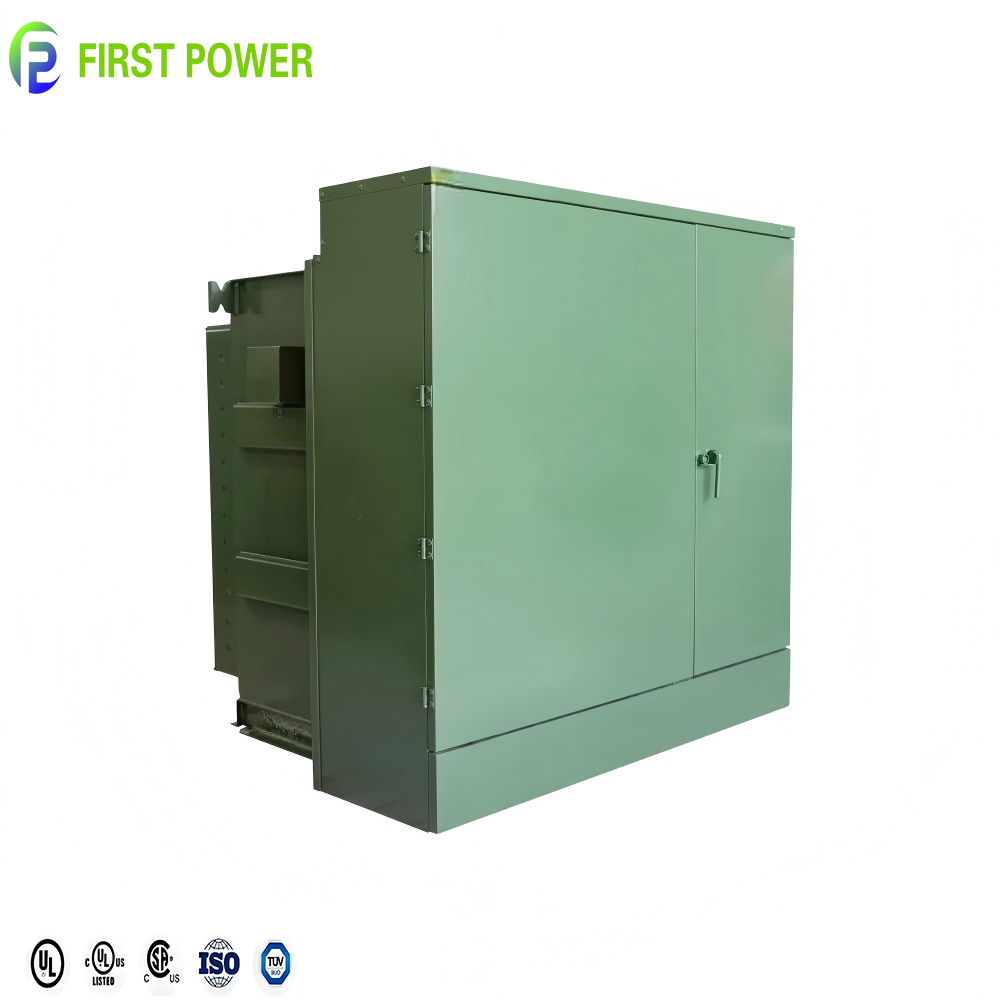 Industrial
C CE MV&HV 50/60HZ 750KVA 1250KVA 1500KVA 2000KVA 2500KVA 3 Phase Pad Mounted Transformer for Industrial Power Supply
For Kawasaki plant yards where an MV switchgear panel feeds a compact step-down transformer. Confirm 50 Hz losses, coating class and seismic anchoring at drawing stage.
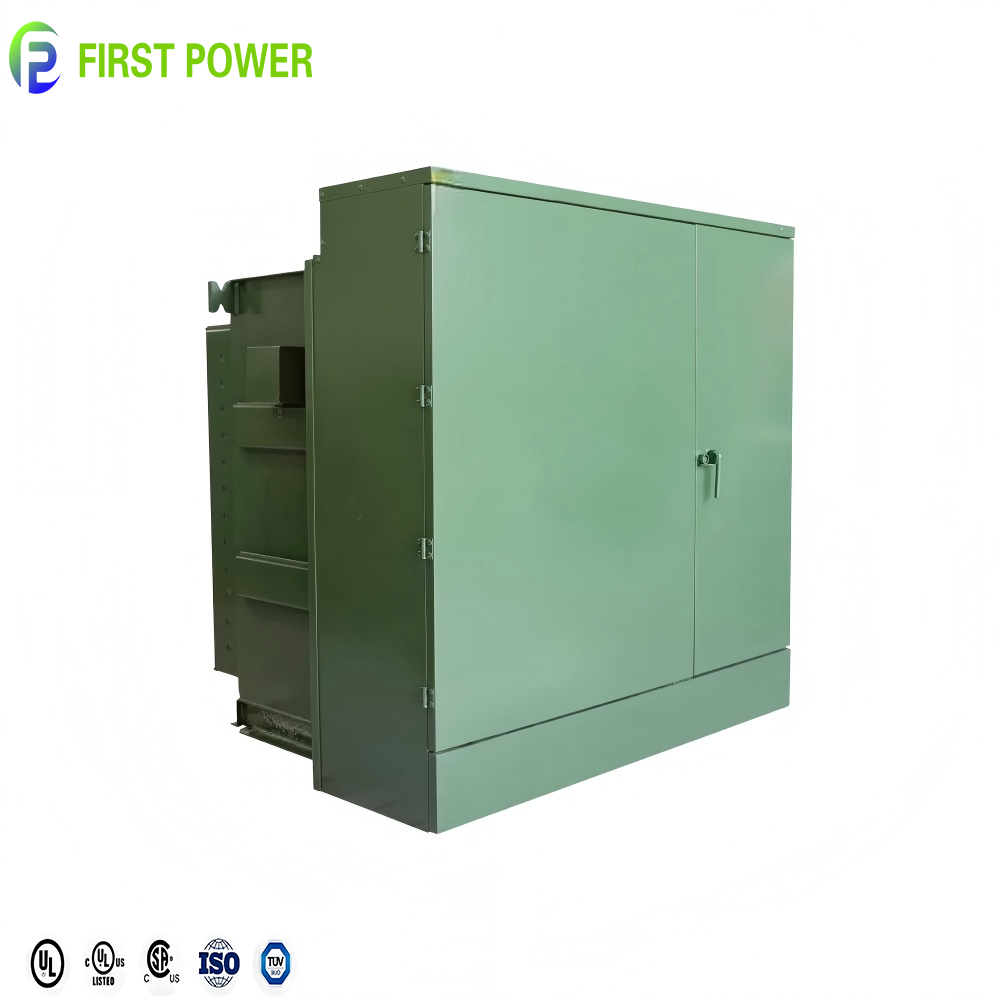 Distribution
C CE 50/60HZ 10KV 20KV 35KV 300KVA 500KVA 630KVA 750KVA Three Phase Pad Mounted Transformer for Electric Power Distribution
Suited to Kawasaki commercial and industrial distribution upgrades where the MV panel, cable route and transformer enclosure must fit an existing electrical room footprint.
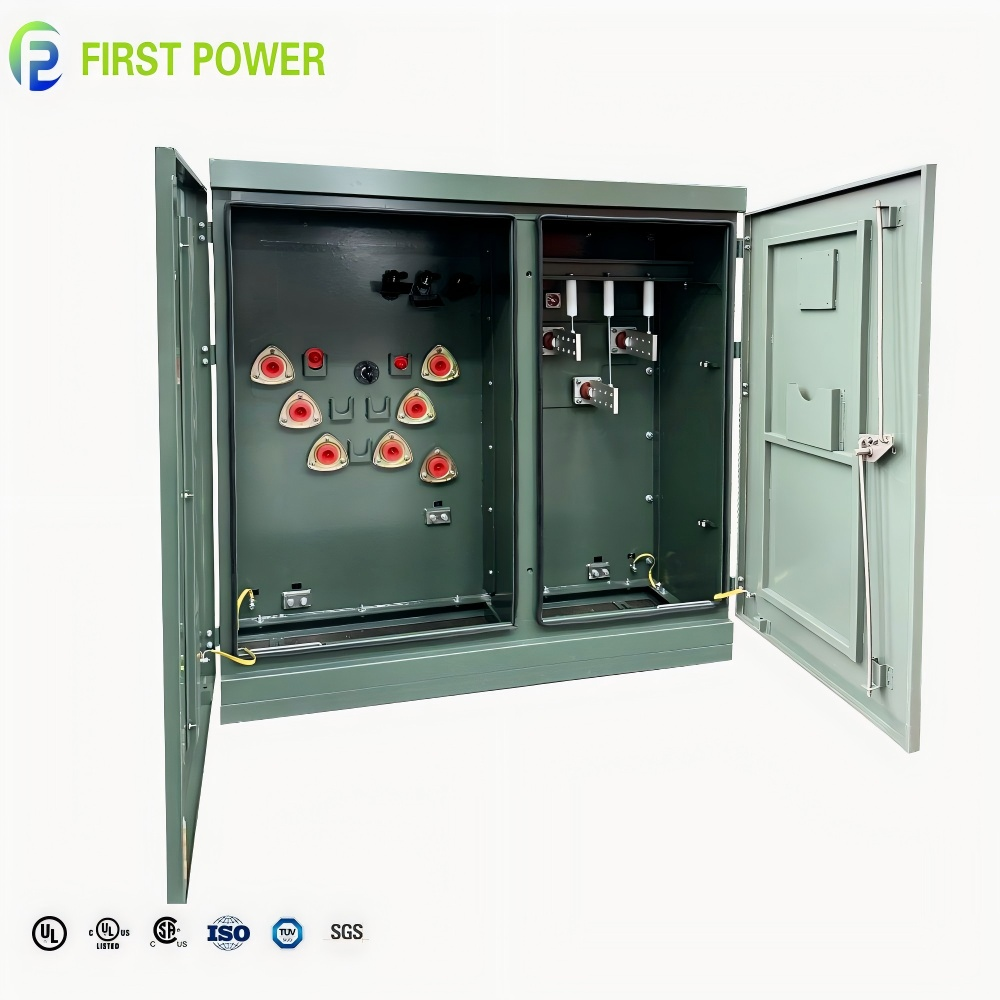 Loop Feed
C CE Certification 50/60HZ 10KV 20KV 35KV 3 Phase Loop Feed Pad Mounted 750KVA Transformer for Electric Power Distribution
Loop-feed configurations help Kawasaki campuses, logistics parks and port facilities maintain service continuity during feeder maintenance and staged expansion.
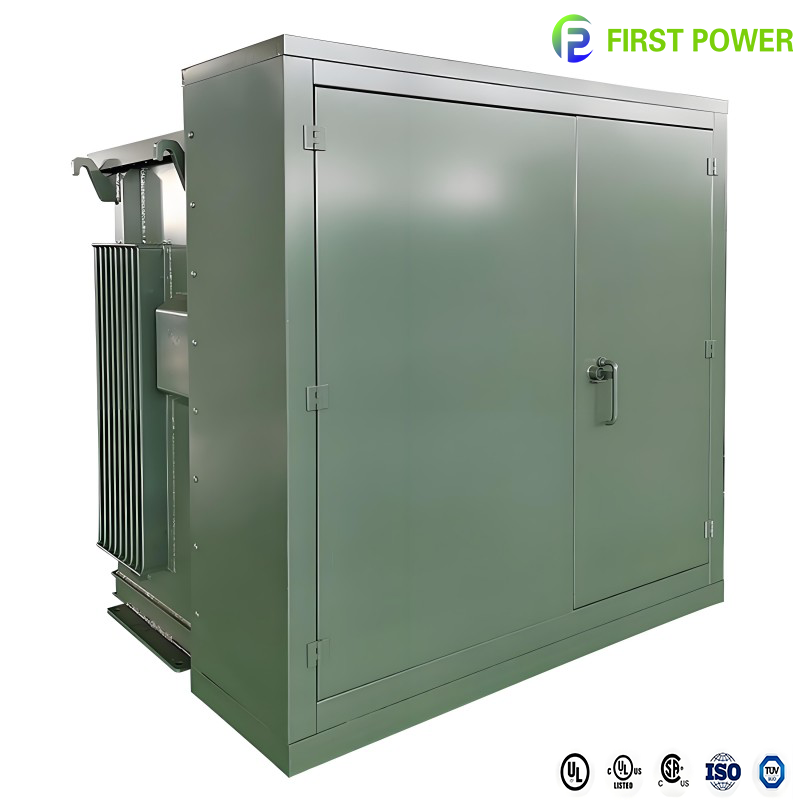 ZGS11
C CE MV&HV ZGS11 75-2500KVA 10KV 20KV 35KV Pad Mounted Three Phase Transformer for Electric Power Distribution
ZGS11-style units are often reviewed for Kawasaki space-constrained sites where compact MV equipment and low maintenance are more important than oversized clearances.
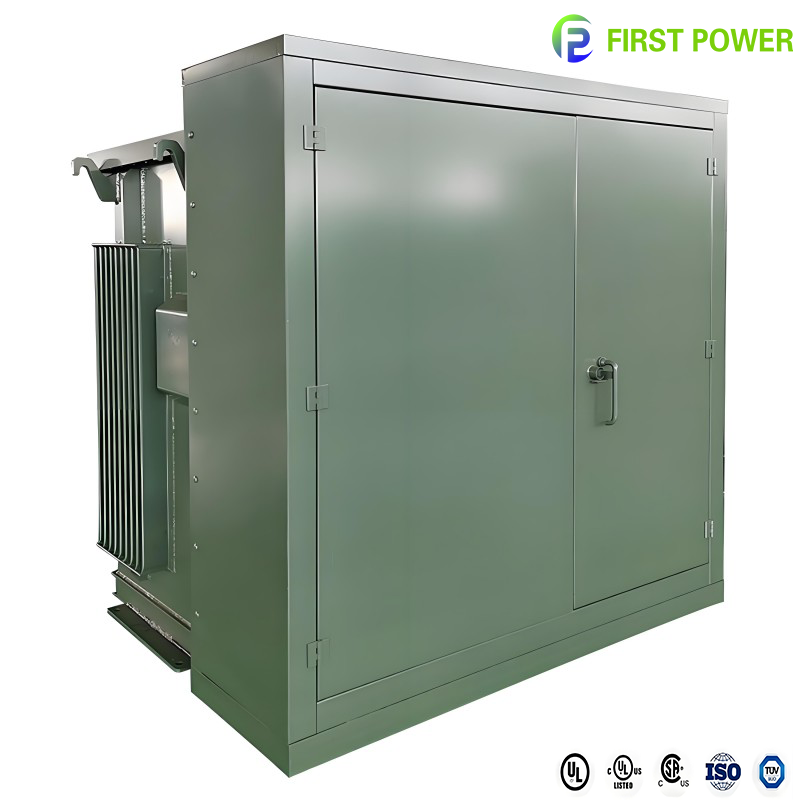 Oil Type
C CE 50/60HZ 10KV 20KV 35KV 75KVA 100KVA 200KVA 300KVA 400KVA 3 Phase Oil Type Pad Mounted Transformer for Power Generation
For Kawasaki generation, standby power and industrial plant projects that need proven oil-immersed reliability with clear routine-test documentation.
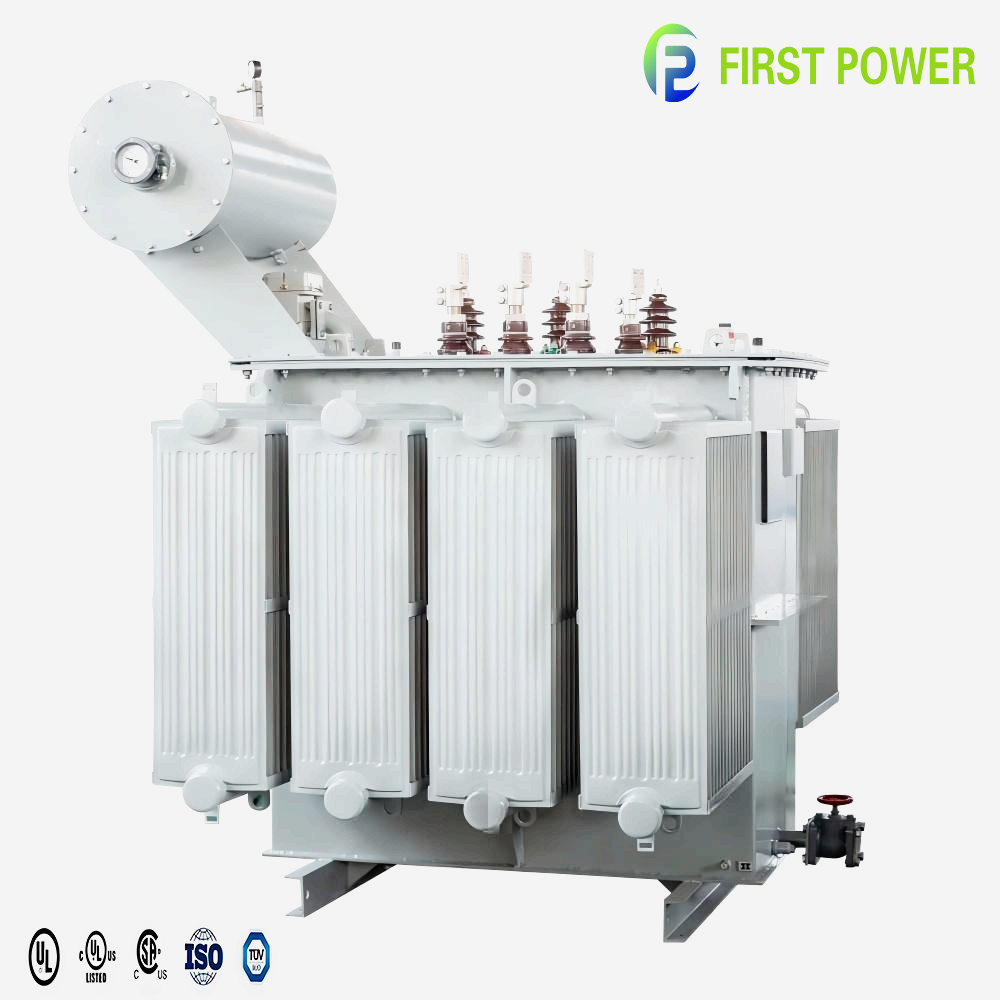 Solar PV
C Certification 50/60HZ 6KV 10KV 20KV 35KV Three Phase 1000KVA 1MW Solar PV Transformers Oil Immersed for Power Generation
Relevant to Kawasaki renewable and grid-edge projects where the MV switchgear panel must coordinate with a solar PV step-up transformer at 50 Hz.
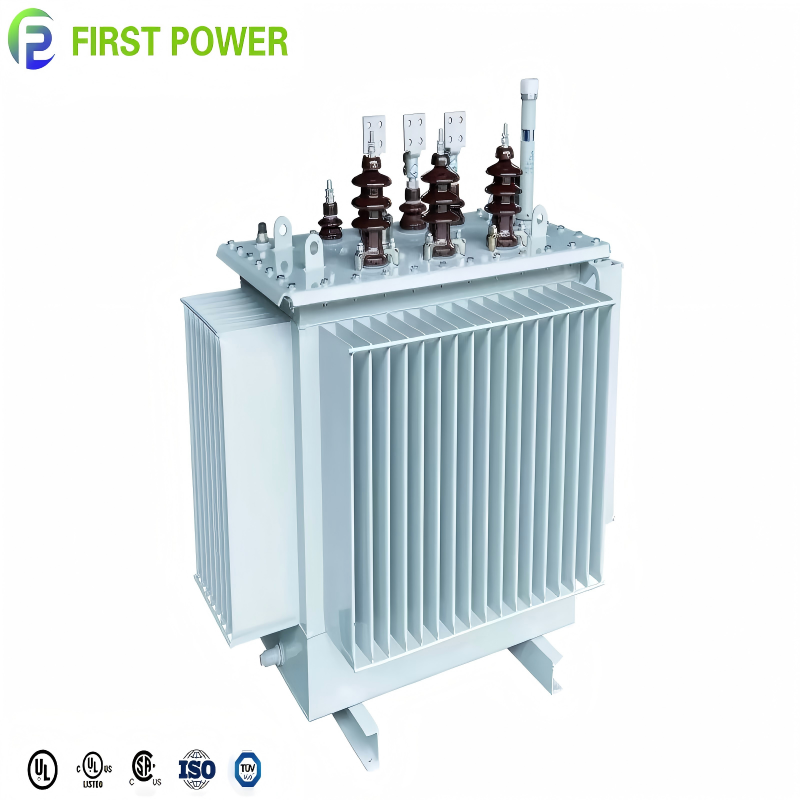 S11
C CE S11 50/60HZ 6KV 10KV 15KV 20KV 35KV 100KVA 300KVA 3 Phase Oil Immersed Transformer 50KVA 33KV for Distribution System
Useful for Kawasaki distribution-system replacements where standard S11 oil-immersed transformers are acceptable and lifecycle cost is a key review item.
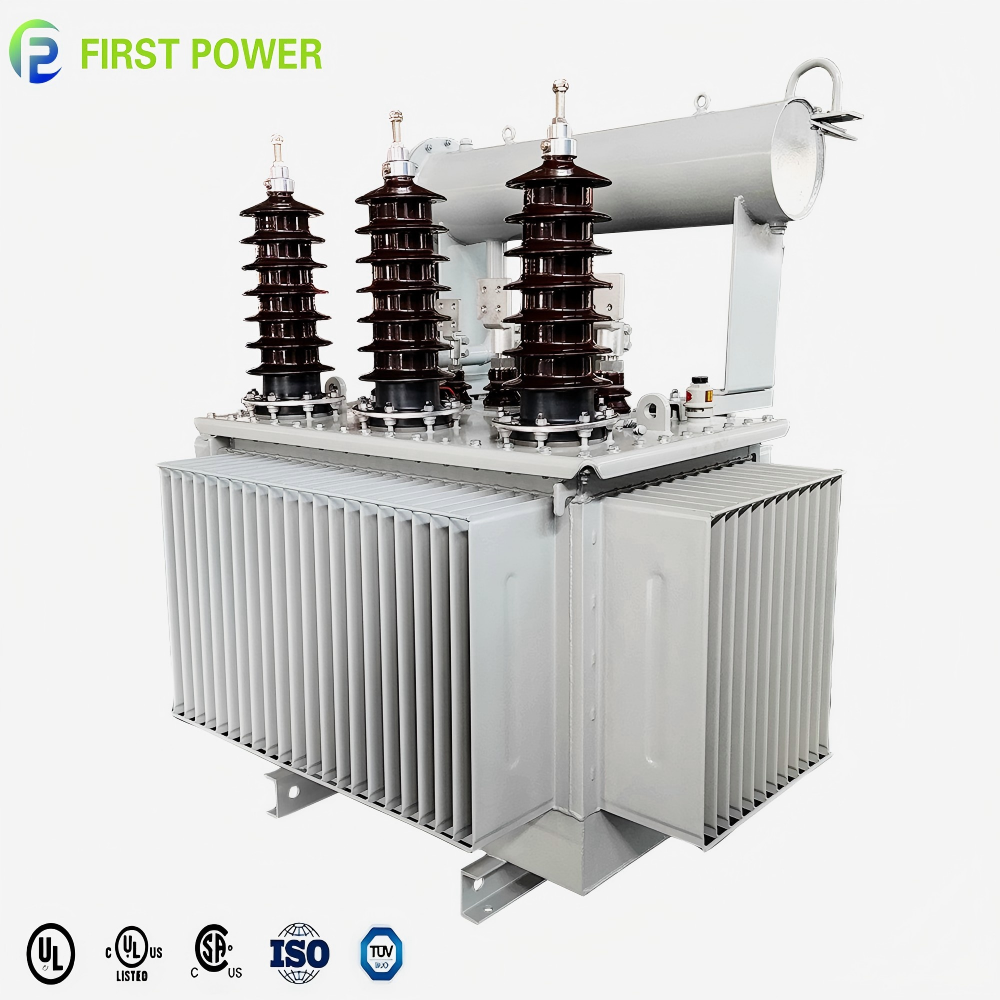 IEEE
C CE Certification IEEE Standard 50/60HZ S11 Three Phase 33KV Oil Immersed Power High Voltage Transformer for Industrial
For industrial Kawasaki projects that reference IEEE and IEC practices in the same procurement package, with clear test evidence and bilingual documentation.
What Kawasaki Buyers Actually Need from an MV Switchgear Panel Exporter
Kawasaki is a dense, coastal industrial city inside the Keihin Industrial Zone. Steel, chemicals, automotive, food logistics, data centres, port operations and municipal infrastructure all compete for limited land and electrical room space. Most medium voltage projects here are brownfield upgrades, capacity expansions or resilience replacements, not clean-sheet substations. That changes the procurement brief: the switchgear panel has to fit an existing cable route, match the site single-line diagram, survive salt-laden air, and arrive with documentation that a Japanese EPC, facility engineering team or insurer can review without ambiguity.
A credible Medium Voltage Switchgear Panel Exporter & Wholesalers serving Kawasaki therefore cannot sell on price alone. The exporter must understand that Kawasaki is a 50 Hz market, that local project approvals often demand traceable type-test evidence, and that CE marking is not a substitute for Japanese project approval. The practical work is in the interface engineering: relay settings, CT/VT ratios, cable termination space, earthing, arc-fault containment, seismic fixing and the coordination between the MV panel and the downstream transformer or compact substation.
Jiangsu Wisegj Power Co., Ltd. supports Kawasaki-based wholesalers, panel builders, MEP contractors and plant maintenance teams from a Suzhou export base. Our product scope covers medium and high voltage switchgear, compact substations, distribution boxes, voltage stabilisers, pad-mounted transformers, oil-immersed transformers, dry-type transformers and power transformers from 220 V to 500 kV. For a Kawasaki project, the value is not simply a panel quotation; it is a coordinated equipment package with drawings, routine test records, export packing and a single technical contact for the switchgear–transformer interface.
Kawasaki project lens
- 50 Hz frequency and utility interconnection review
- Seismic anchoring, base frame and enclosure rigidity
- Salt-air corrosion protection for coastal sites
- IEC 62271 documentation and routine test records
- Transformer loss, impedance and vector group coordination
- Spare-parts plan and 24-hour engineering response
Every specification below should be confirmed against the approved single-line diagram, site seismic class and local electrical contractor requirements.
Contact UsWhere MV Switchgear Panels and Transformer Packages Fit in Kawasaki
Kawasaki projects rarely use one generic specification. The same city contains heavy process industry, cold-chain logistics, dense commercial districts, rail infrastructure, data centres and grid-edge energy projects. Each setting changes the switchgear panel brief.
Keihin coastal manufacturing
Steel, chemical and automotive plants typically need 6.6 kV or 22 kV receiving panels with withdrawable vacuum circuit breakers, clear cable compartments, anti-condensation heaters and corrosion-resistant enclosures. Short-circuit ratings and protection curves should be checked against the utility fault level before panel release.
Port logistics and cold storage
Refrigerated warehouses and container terminals cannot tolerate unplanned downtime. Specify IP-rated panels, surge protection, harmonic review for VFD-driven chillers and transformer packages with low no-load losses for 24/7 cold-chain duty.
Data centres and EV charging
Urban Kawasaki sites have limited electrical room footprint. Compact MV panels with digital relays, metering and IEC 61850-ready communication help operators monitor capacity. Dry-type or low-loss transformers may be preferable where fire risk and indoor installation govern the design.
Rail, municipal and public infrastructure
Seismic bracing, arc-rated enclosures, service continuity and spare-parts planning matter more than first cost. Panel design should support future feeder additions without replacing the busbar or cable basement.
Renewable and grid-edge projects
Solar PV, BESS and combined heat and power schemes require clear protection coordination between the MV panel, step-up transformer and utility interface. Specify 50 Hz protection curves, anti-islanding requirements and test documentation early.
Commercial buildings and district energy
Hospitals, high-rise buildings and district energy plants need the MV panel to integrate with dry-type transformers, transfer schemes and building management systems. Noise, fire safety, maintainability and lifecycle documentation are part of the buying decision.
2025 Buying Signals: Resilience, Documentation and Lifecycle Cost
Kawasaki procurement teams are increasingly asked to replace aging receiving cubicles while keeping production online. That creates a preference for factory-assembled, tested packages and for suppliers who can support staged shutdowns. The switchgear panel is no longer bought as a steel enclosure with a breaker inside; it is evaluated as a documented safety asset with arc-rating evidence, relay configuration, seismic fixing details, cable termination data and a spare-parts strategy.
Coastal corrosion remains a practical differentiator. Salt-laden air, humidity and seasonal temperature swings affect hinges, gaskets, hardware, paint systems and ventilation paths. At the same time, energy visibility is moving from optional to expected: digital relays, power meters and communication gateways help Kawasaki facility teams understand loading, harmonics and transformer losses. Vacuum interruption and lower-GWP insulation options are also discussed more often, but the final choice must follow project approval rather than marketing language.
For wholesalers, the winning offer is repeatable: a clear BOM, stable drawing templates, English documentation, Japanese project labels where agreed, and a factory that can answer engineering questions without passing the buyer between trading companies.
How to Brief an MV Switchgear Panel Supplier for a Kawasaki Project
A strong enquiry package reduces quotation cycles and protects the project from avoidable site modifications. The checklist below reflects the interface points we review with Kawasaki wholesalers, panel builders and plant engineering teams.
| Review area | What to define | Why it matters in Kawasaki |
|---|---|---|
| Frequency and voltage | 50 Hz; 6.6 kV, 22 kV or 33 kV as applicable; single-line diagram; neutral earthing method | Kawasaki is in eastern Japan’s 50 Hz area. Assuming 60 Hz or a different MV voltage can invalidate relay settings, CT ratios and motor protection. |
| Switchgear standard | IEC 62271-1, IEC 62271-100 and IEC 62271-200; project-specific JIS/JEC or utility requirements where stated | International IEC evidence is useful, but the approved project specification remains the governing document. CE is an EU marking, not Japanese approval. |
| Arc and partition class | IAC classification, LSC2B or project-required partition level, compartment arrangement, busbar and cable zone separation | Dense industrial and urban sites often require clear internal arc evidence and maintainable compartment access during limited shutdown windows. |
| Seismic and anchorage | Site seismic class, base-frame details, anchor layout, enclosure rigidity and third-party structural review requirements | Kawasaki projects must consider earthquake loading and building anchorage. The panel supplier should provide structural data; the local structural engineer confirms the final fixing design. |
| Corrosion and ingress | C4/C5 paint system where required, stainless hardware, gasket material, anti-condensation heaters, IP rating and ventilation path | Coastal salt air and humidity affect long-term reliability. Corrosion protection should be specified, inspected and documented, not left as a verbal promise. |
| Transformer coordination | Transformer kVA, impedance, vector group, losses, tap range, cable box orientation and MV/LV interface dimensions | The switchgear panel and transformer package must fit the same cable route and electrical room. Interface errors are expensive after shipment. |
| Documentation | GA drawings, single-line and schematic drawings, nameplate draft, routine test reports, O&M manuals, packing list and certificate package | Japanese EPC and facility teams need traceable documents for approval, maintenance and insurance review. Documentation quality is part of product quality. |
| After-sales plan | Spare breaker/relay recommendations, remote support process, local contractor coordination and response time | Kawasaki buyers value a supplier who can respond after energisation. A 24-hour engineering response target is more useful than a generic warranty statement. |
Why Kawasaki Wholesalers and Panel Builders Work with Wisegj
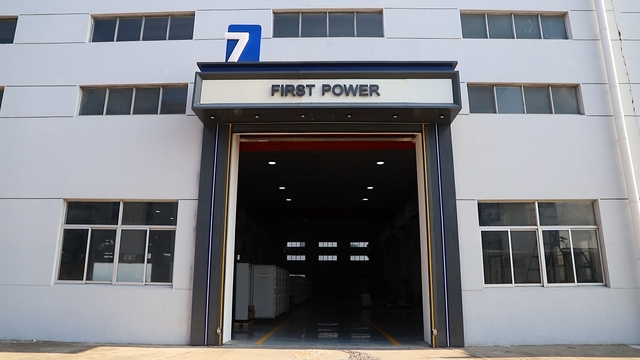
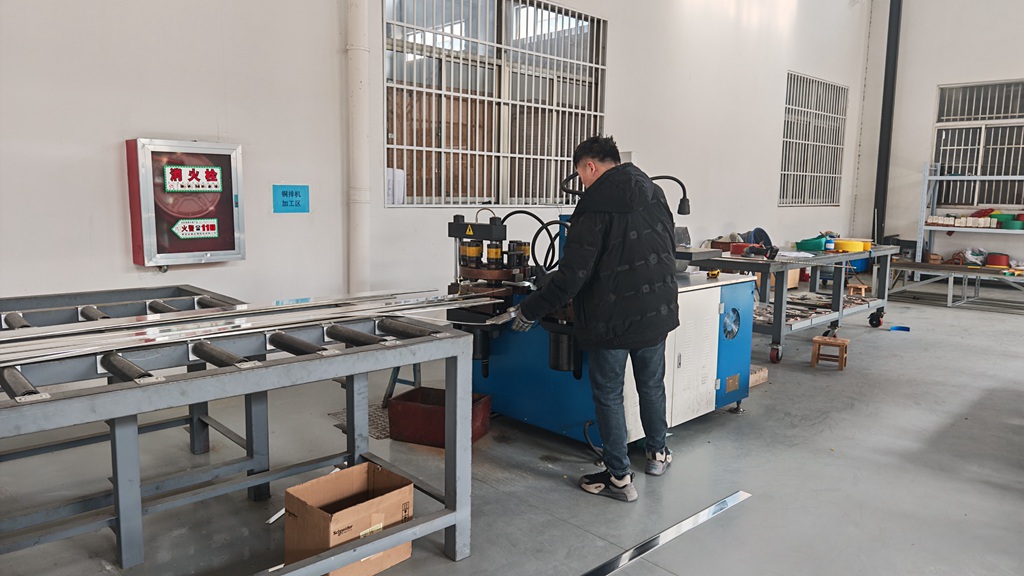
Jiangsu Wisegj Power Co., Ltd. is an export-oriented manufacturer and supplier of transformers, compact substations, switchgear and related distribution equipment. The team brings more than 20 years of hands-on transformer and power equipment experience. Production is supported by a 6,847 m² verified floorspace, 50+ R&D and technical engineers, 211 qualified supply-chain partners and a documented quality system.
The company holds ISO 9001, ISO 14001 and ISO 45001 management certificates, CE certificates for oil-immersed power transformers, dry-type transformers and compact substations, and has been verified onsite by TÜV Rheinland. Existing references include Fortune 500 company supply experience, OEM/ODM and design-based customisation, 24-hour pre-sale and after-sale response, and finished-product inspection on every unit.
For Kawasaki-based wholesalers, we support repeatable specifications, consolidated shipments and OEM/ODM programmes. For panel builders, we align the MV switchgear panel with transformers, compact substations and LV distribution so the mechanical and electrical interfaces are resolved before shipment. For plant maintenance teams, we focus on spare-parts clarity, test reports and practical technical answers.
Contact UsVerified factory capacity
6,847 m² inspected production floorspace with winding, assembly, drying, tanking and test areas.
Certificate and test pack
ISO 9001/14001/45001, CE certificates and routine factory test records for each serial number.
Engineering depth
50+ R&D and technical engineers review ratings, losses, vector group and interface drawings.
Wholesale-ready support
OEM/ODM, design-based customisation, export packing and 24-hour technical response target.
Questions Asked by Kawasaki Buyers, Wholesalers and Panel Builders
These answers reflect the practical questions we receive when a Kawasaki project team compares medium voltage switchgear panel suppliers.
Can a Chinese exporter supply medium voltage switchgear panels for Kawasaki projects?
What voltage and frequency should I specify for Kawasaki?
Does CE certification satisfy Japanese standards for switchgear?
How do you address salt-air corrosion at Keihin coastal sites?
What seismic information do you need before quoting?
Which documents are supplied with the shipment?
What are the MOQ, lead time, payment terms and Incoterms?
What after-sales support is available for a Kawasaki installation?
Send your Kawasaki project specification for engineering review
Share the MV single-line diagram, transformer schedule, voltage and frequency, site corrosion class, seismic requirements and required document language. Our export engineering team will review the switchgear panel, transformer and compact substation interfaces before quotation.