Heavy-Duty Voltage Regulation & Distribution Equipment
Certified to IEC 60076 and IEEE C57 standards, engineered specifically to stabilize voltage sags, harmonics, and heavy industrial load shifts across Sousse and the Sahel region.
1. Executive Summary & Grid Infrastructure Context in Sousse
As the economic engine of Tunisia’s Sahel region, Sousse represents a vibrant nexus of heavy manufacturing, textile processing, automotive component fabrication, tourism hospitality, and maritime port operations. However, powering this dynamic industrial ecology presents unique electrical engineering challenges. Sousse relies on medium-voltage (MV) distribution feeders operating primarily at 30 kV and 10 kV under the national transmission framework managed by STEG (Société Tunisienne de l'Électricité et du Gaz).
Industrial facility operators, commercial developers, and EPC contractors in Sousse frequently encounter operational hazards driven by power quality degradation. Long radial overhead lines extending from regional substations to industrial zones like Sidi Abdelhamid, Akouda, and the Enfidha industrial hub suffer from significant line impedance, load-induced voltage drops, and severe seasonal voltage sags. During peak summer months, excessive air conditioning loads across coastal resorts combine with continuous industrial motor operations, causing feeder line voltage variations exceeding ±12% to ±15% of nominal values.
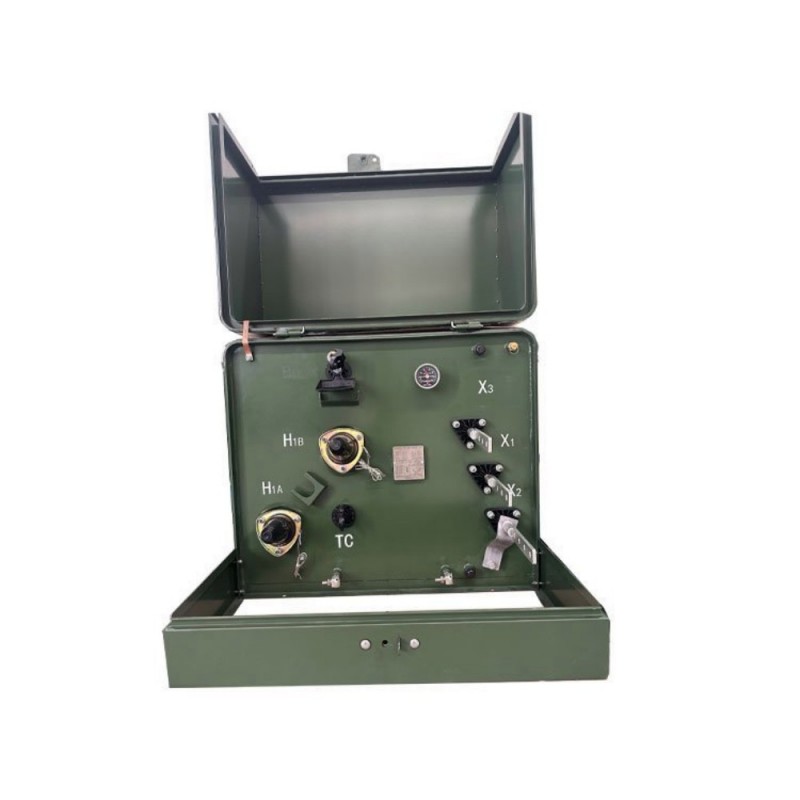
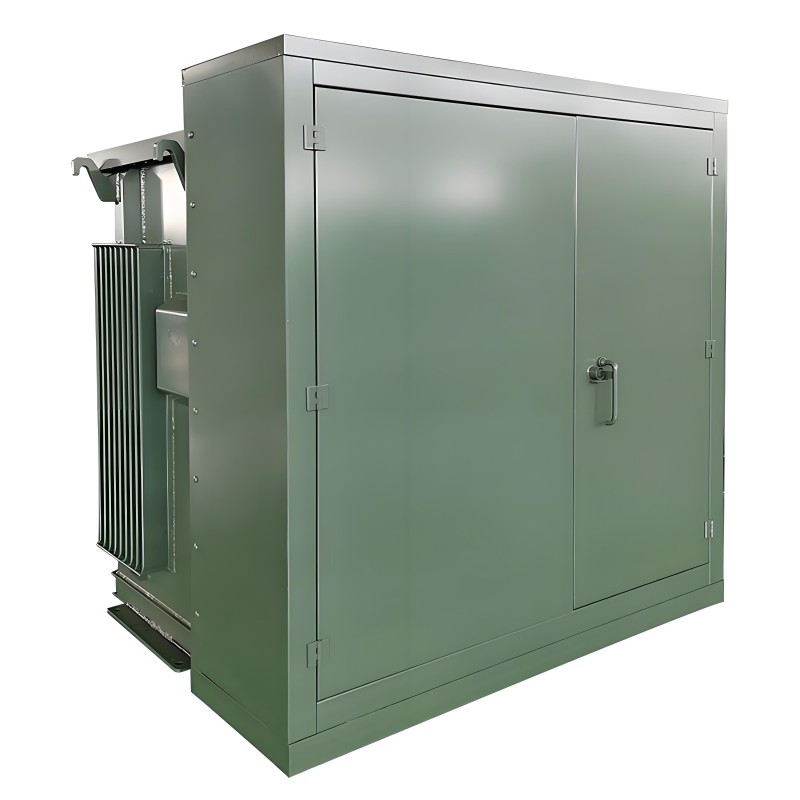
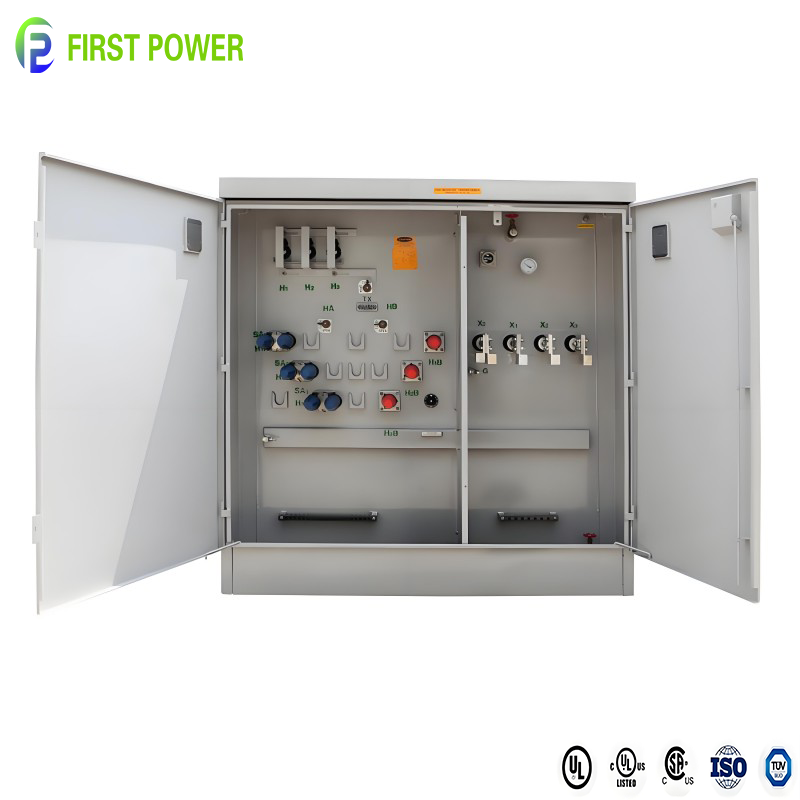
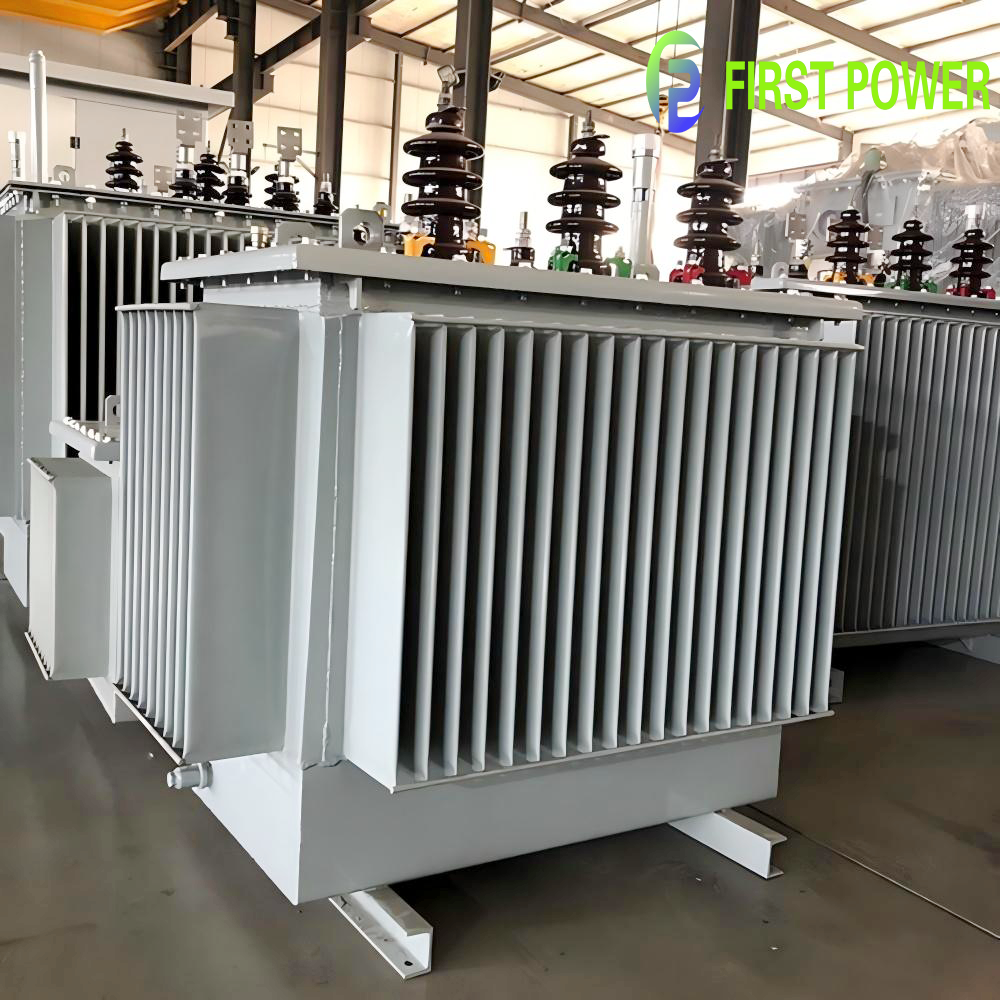
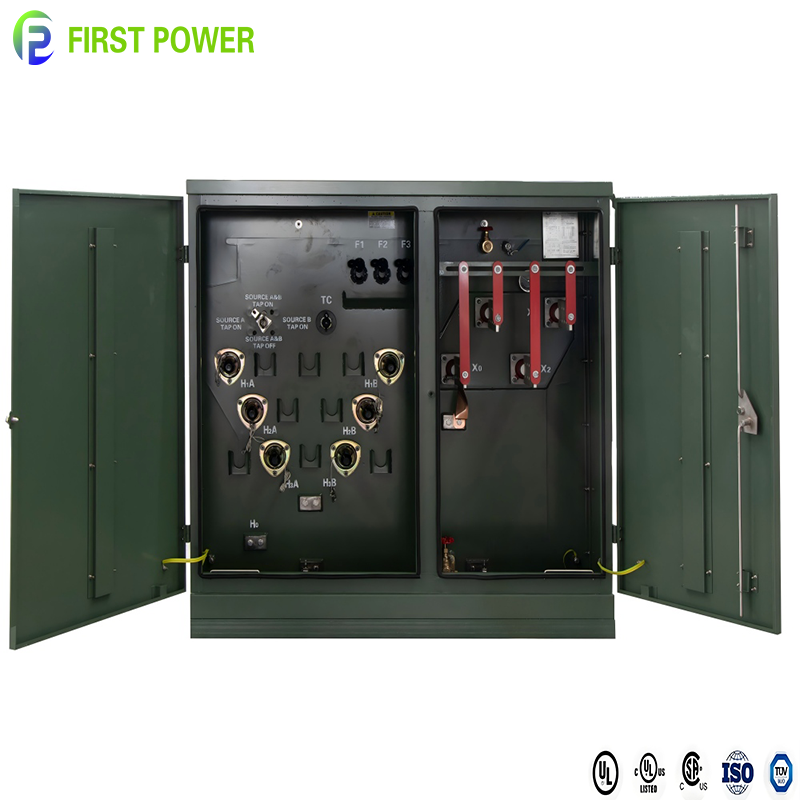
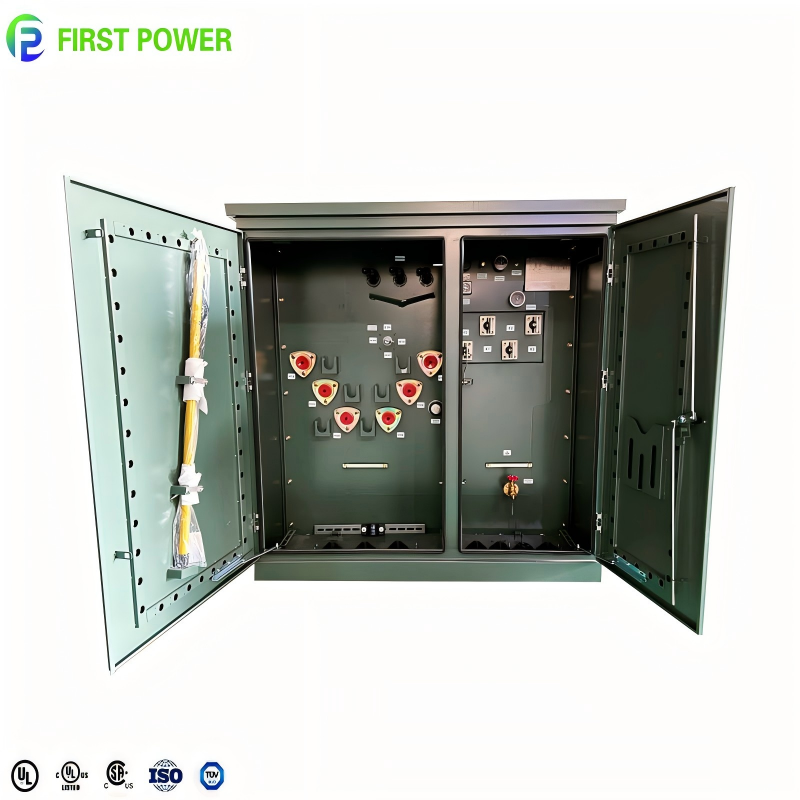
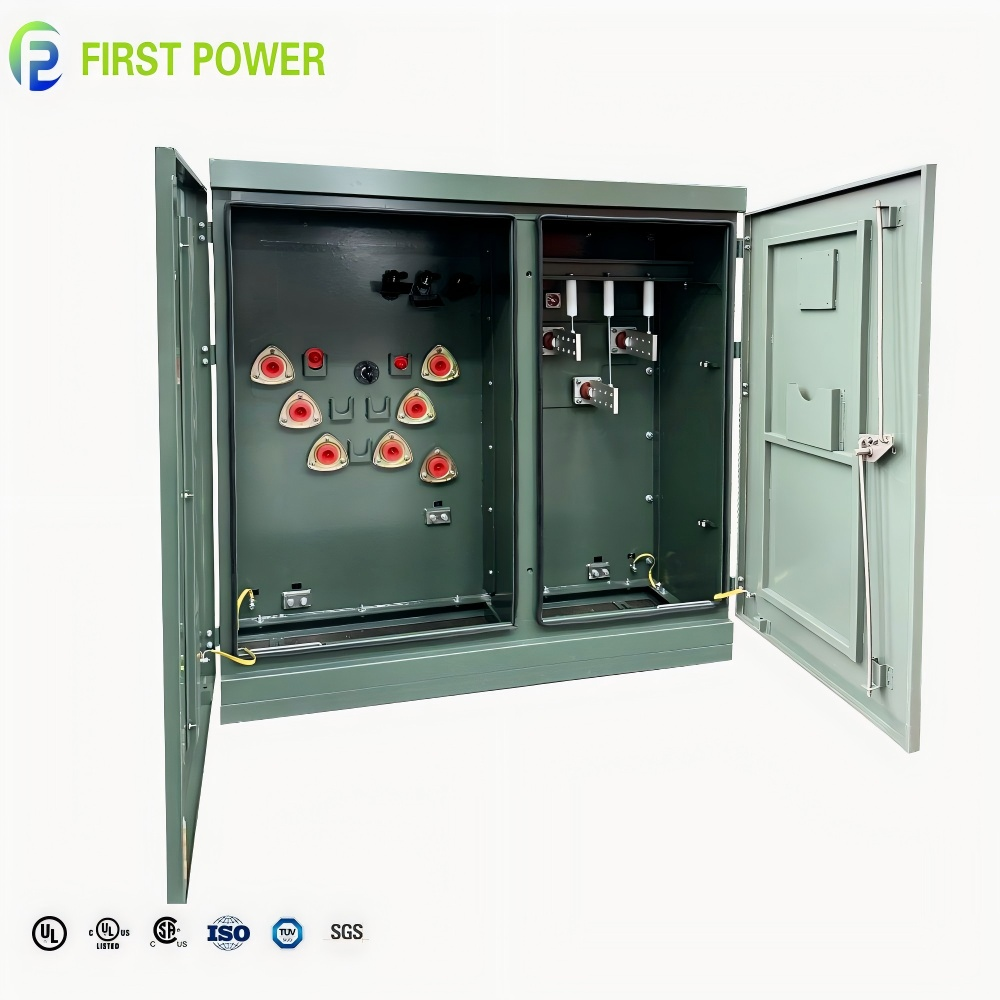
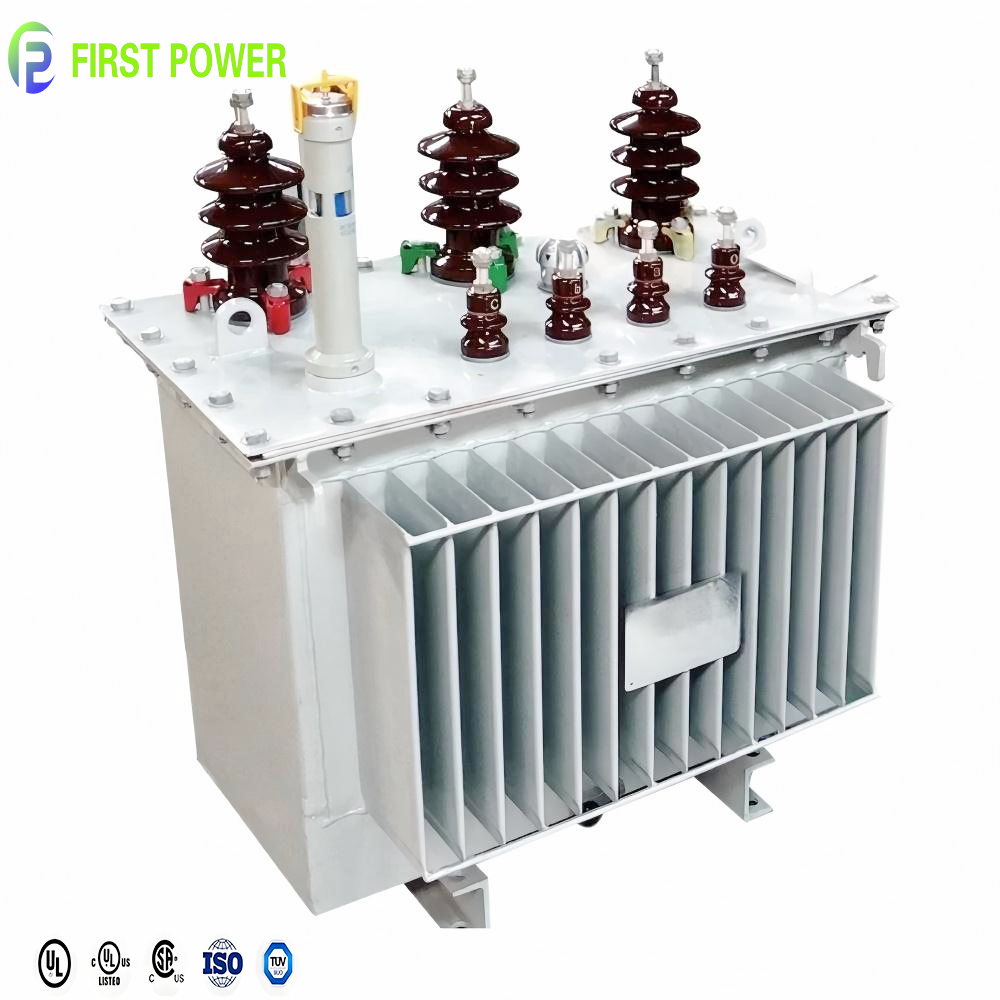
As a specialized manufacturer and global exporter of high-reliability power equipment, Jiangsu Wisegj Power Co., Ltd. supplies advanced Line Step Voltage Regulators, automatic On-Load Tap Changing (OLTC) power transformers, and compartmental pad-mounted substations engineered specifically to compensate for grid volatility in coastal Mediterranean micro-environments.
2. Localized Micro-Environment Challenges in Sousse & Technical Mitigation
Deploying voltage regulation equipment in Sousse demands far more than off-the-shelf standardized parameters. Equipment must be customized to withstand the specific environmental and operational stresses prevalent in coastal Central Tunisia:
Atmospheric Salinity and C5-M Anti-Corrosion Coating Architecture
Sousse’s proximity to the Mediterranean Sea exposes outdoor electrical installations to high atmospheric humidity combined with airborne marine salt crystals. Standard enamel paint systems on transformer tanks and regulator enclosures degrade rapidly under marine salt spray, leading to rust penetration, oil leakages, and terminal bushing flashovers. Wisegj Power equips all line voltage regulators and pad-mounted substations bound for Sousse with a multi-stage C5-M marine-grade coating process:
- Surface Preparation: Automated shot-blasting to ISO 8501-1 Sa 2.5 cleanliness standard, removing all surface oxides.
- Zinc-Rich Epoxy Primer: 60–80 µm layer offering galvanic protection against substrate corrosion.
- High-Build Epoxy Intermediate Coat: 100–120 µm barrier preventing moisture and salt vapor migration.
- Polyurethane Topcoat: 60–80 µm UV-stabilized aliphatic polyurethane layer ensuring high weatherability against North African solar radiation.
Thermal Stress Management Under Summer Heatwaves
Summer ambient temperatures in Sousse routinely exceed 45°C. When combined with direct solar radiation and internal transformer copper losses ($I^2R$), standard cooling designs risk thermal runaway. Wisegj line regulators and pad-mounted distribution units utilize optimized ONAN/ONAF cooling configurations, low-loss Cold-Rolled Grain-Oriented (CRGO) silicon steel cores, and high-flashpoint insulation fluids (including optional synthetic or natural ester FR3 fluid with a fire point >300°C), allowing continuous full-load operation without derating at elevated ambient temperatures.
3. Engineering Overview: Line Voltage Regulation Systems
A Line Step Voltage Regulator is essentially a specialized single-phase or three-phase autotransformer equipped with an automatic On-Load Tap Changer (OLTC) mechanism and a micro-processor controller. Positioned along distribution lines or at sub-distribution points, the line voltage regulator dynamically adjusts line voltage in precise steps (typically 32 steps of 5/8% each, offering a regulation range of ±10% boost or buck).
Dynamic Tap Changing
High-speed vacuum switches execute tap transitions in under 30 milliseconds without interrupting power or creating arc contamination in insulating oil.
Microprocessor Control
Programmable controllers sense feeder line drops, adjust target voltage levels, and communicate via MODBUS/IEC 60870-5-104 protocols for SCADA integration.
Tamper-Proof Safety
Dead-front pad-mounted enclosures prevent unauthorized access, ensuring safe operation in publicly accessible commercial or resort areas.
4. Technical Specification Matrix
The table below highlights key parameters for Wisegj line voltage regulators and distribution transformers deployed across industrial projects in Tunisia:
| Technical Parameter | Single Phase Line Regulator | Three Phase Pad-Mounted Substation | Oil Immersed Power Transformer |
|---|---|---|---|
| Voltage Rating | 6.6 kV, 10 kV, 15 kV, 30 kV | 10 kV to 35 kV Input / 400V Output | Up to 500 kV Class |
| Power Capacity Range | 50 kVA – 1,000 kVA | 75 kVA – 5,000 kVA | 1 MVA – 100 MVA |
| Regulation Range | ±10% (32 steps of 0.625%) | ±5% or ±2x2.5% (NLTC / OLTC) | Custom On-Load Tap Range |
| Vector Group | Single Phase Autotransformer | Dyn11, Yyn0, Dyn1 | Dyn11, YNd11, Custom |
| Cooling Standard | ONAN (Mineral Oil / FR3 Fluid) | ONAN / ONAF | ONAN / ONAF / OFAF |
| Enclosure Protection | IP54 / IP65 Waterproof Enclosure | Compartmentalized Dead-Front IP55 | Tank Sealed / Conservator Type |
| Applicable Standards | IEEE C57.15 / IEC 60076-21 | IEEE C57.12.34 / IEC 60076 | IEC 60076 Series / CE Marked |
5. Localized Market Trends & Grid Modernization in Sousse
The electrical landscape in Sousse and the broader Sahel region is undergoing rapid structural modernization driven by national energy policies and international trade agreements:
Expansion of Solar PV Microgrids in Enfidha and Port Logistics Hubs
Under the Tunisian Solar Plan, commercial facilities, logistics parks, and textile mills around Sousse are rapidly adopting rooftop and ground-mounted solar photovoltaic (PV) systems. However, reverse power flow from distributed solar generation during mid-day peak generation periods often pushes local feeder line voltages above allowed limits. Wisegj Line Voltage Regulators feature bi-directional power flow sensing algorithms. They dynamically adjust step positions whether power flows from the STEG utility grid to the facility or reverse-feeds from solar inverters back into the grid, preventing overvoltage trips and maintaining inverter synchronization.
Upgrading Textile & Automotive Manufacturing to Industry 4.0
Textile weaving, dyeing plants, and automotive wiring component factories in Sousse’s industrial zones rely on automated CNC machinery, robotic assembly arms, and precise heating equipment. Voltage fluctuations result in thread breakage, color shade inconsistency in dyeing, and high scrap rates. Implementing local 30kV/400V voltage regulation transformers ensures stable busbar voltage, lowering machine downtime and extending electronic drive lifespans.
6. Enterprise Advantage & E-E-A-T Capabilities: Why Partner with Wisegj Power?
Jiangsu Wisegj Power Co., Ltd. is a specialized manufacturer headquartered in Suzhou, China, with a verified production footprint of over 6,847 m² and a team of more than 50 senior electrical and structural engineers. We provide comprehensive design, manufacturing, quality assurance, and international export services.
- Rigorous Standard Compliance: All transformers and line voltage regulators comply fully with IEC 60076, IEC 62271, and ANSI/IEEE standards. Our production processes operate under accredited ISO 9001 (Quality), ISO 14001 (Environmental), and ISO 45001 (Occupational Health & Safety) management systems.
- Third-Party Verification: Our manufacturing facility, technical capacity, and export capability have been audited and verified on-site by TÜV Rheinland. Product lines hold verified CE certificates for European and North African trade compliance.
- Full Factory Testing Before Export: Every single unit undergoes rigorous routine testing before leaving our facility, including winding resistance measurements, voltage ratio and vector group verification, short-circuit impedance and load loss testing, no-load loss and current tests, separate-source AC withstand voltage tests, induced overvoltage withstand tests, and insulating oil dielectric breakdown voltage (BDV) tests. Certified test reports accompany every shipment.
- Flexible Customization (OEM/ODM): We engineer custom terminal layout configurations, dual-voltage primary windings (e.g., 10kV / 30kV switchable), custom vector groups, and specific paint finishes tailored to tender specifications.
7. Frequently Asked Questions (FAQ) for Sousse Procurement Teams
Engineered Line Voltage Regulation Solutions for Sousse
Submit your single-line diagram (SLD), tender specs, or required voltage ratings today. Our senior electrical engineering team will provide a comprehensive technical proposal, guaranteed loss figures, and a competitive factory direct quotation within 24 hours.
Send an Inquiry