8 product paths for Nakuru voltage-stability and distribution projects
Nakuru buyers rarely specify a line voltage regulator in isolation. Stable voltage depends on the incoming feeder window, transformer tap range, low-voltage cable drop, motor starting, inverter output and load balance. The eight product URLs below are the most requested starting points for 50/60 Hz projects; each can be reviewed against 11 kV or 33 kV feeder conditions, 415/240 V LV networks, site altitude, dust exposure and future load growth.
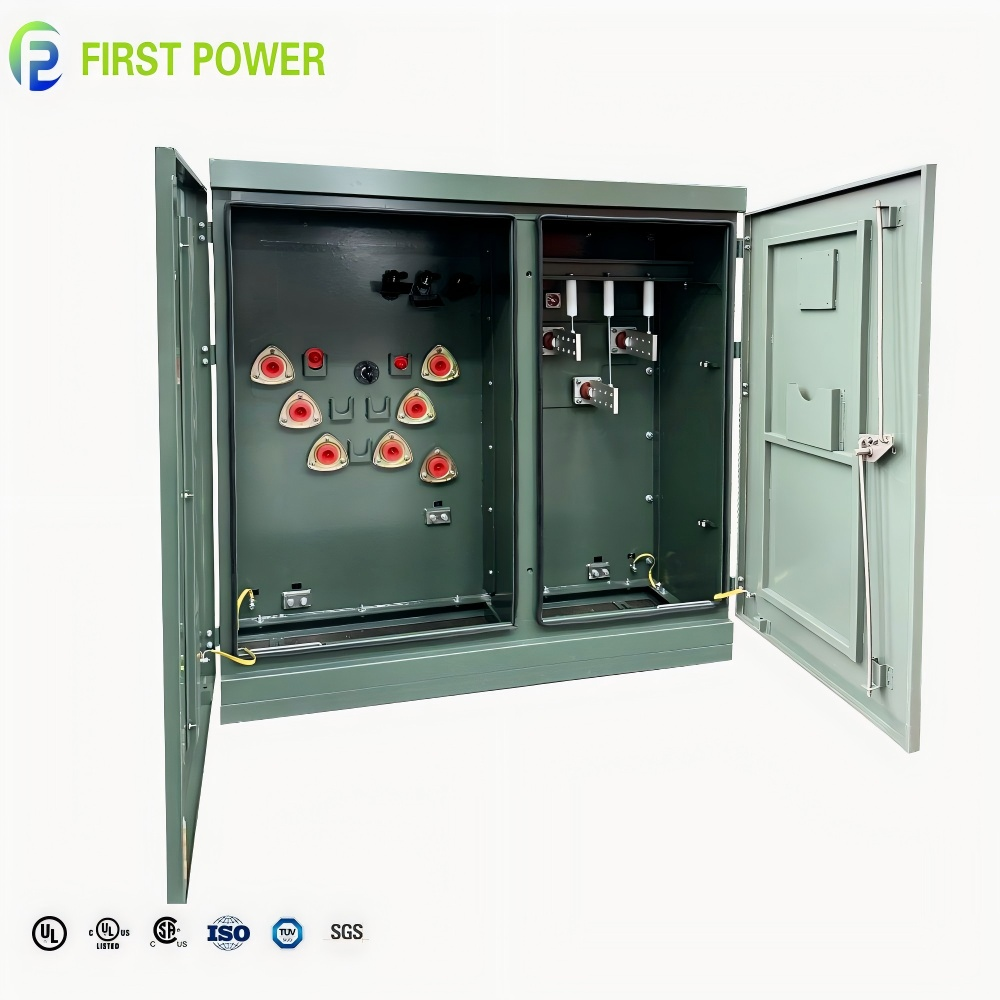
C CE Certification 50/60HZ 10KV 20KV 35KV 3 Phase Loop Feed Pad Mounted 750KVA Transformer for Electric Power Distribution
A 750 kVA-class pad-mounted distribution path for compact urban substations, commercial feeders and looped networks where security and cable access matter.
View product details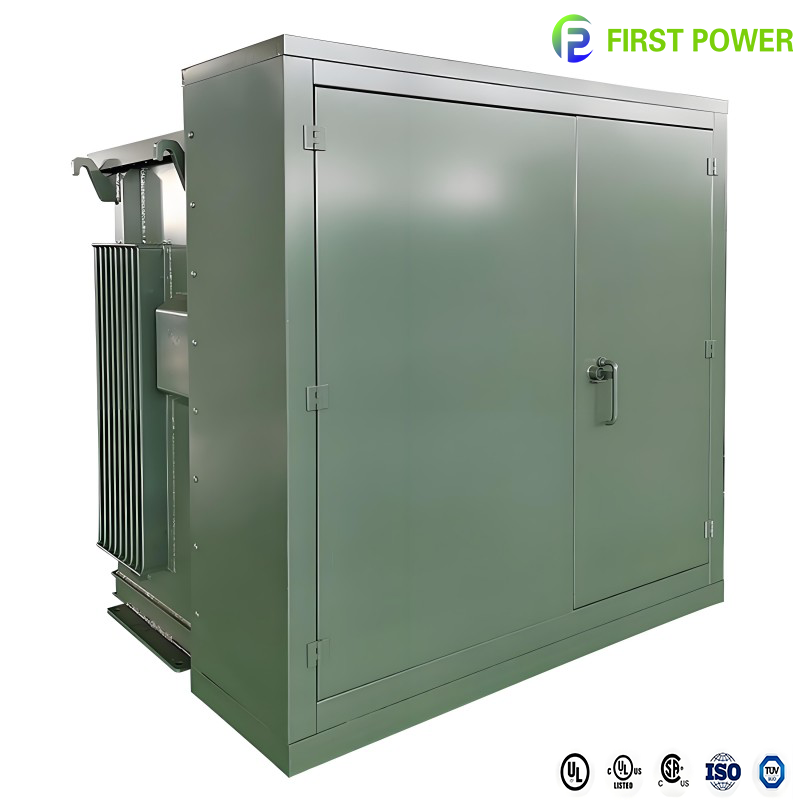
C CE MV&HV ZGS11 75-2500KVA 10KV 20KV 35KV Pad Mounted Three Phase Transformer for Electric Power Distribution
A broad 75–2500 kVA platform for tamper-resistant outdoor distribution, suitable for county feeders, industrial parks and projects requiring a defined enclosure footprint.
View product details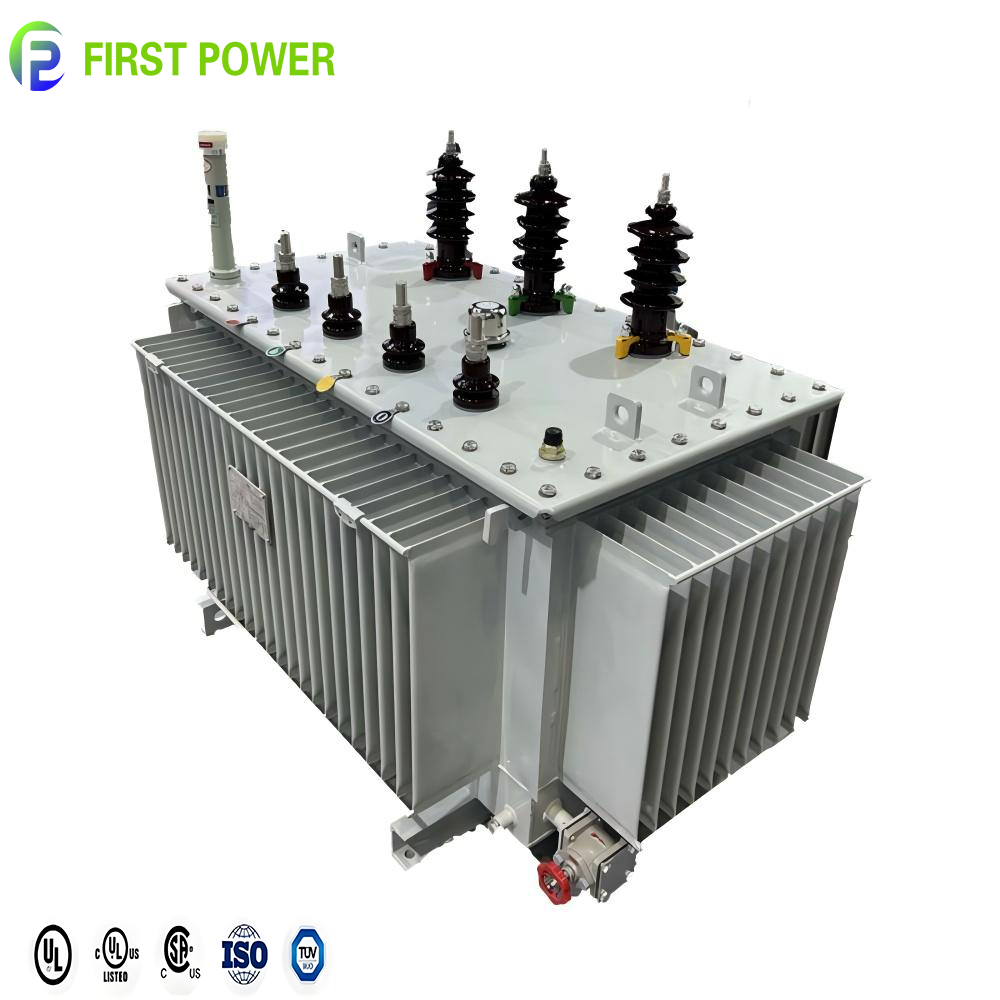
C CE 50/60HZ S11 10KV 20KV 35KV 50KVA 100KVA 200KVA 3 Phase Electrical Oil Immersed Transformer for Distribution System
A practical S11 oil-immersed route for 50–200 kVA distribution duties, rural feeders and commercial loads where low losses and proven insulation systems are priorities.
View product details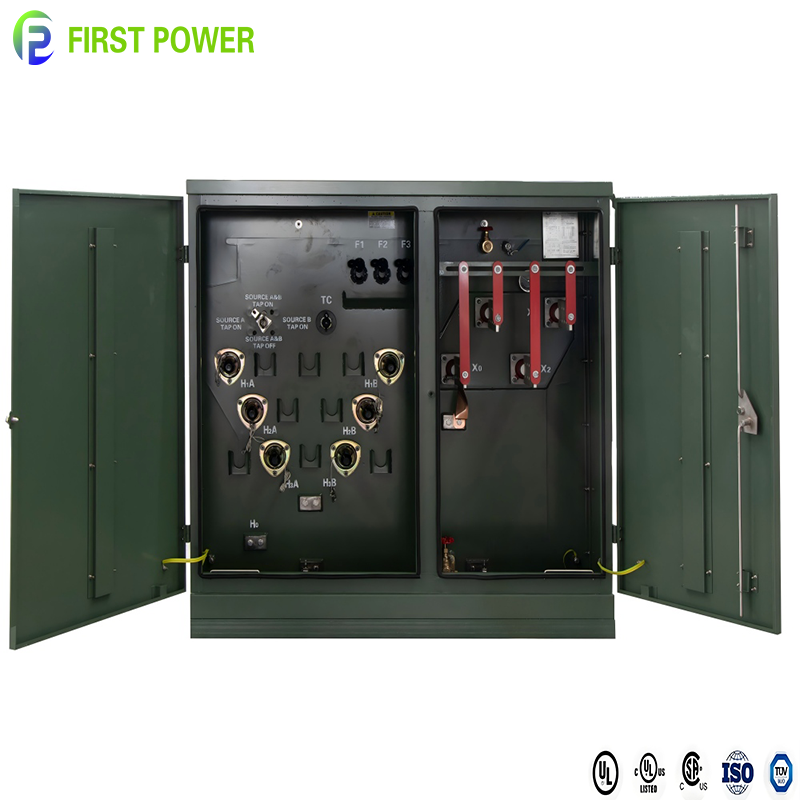
Listed C CE MV&HV 50/60HZ 6KV 10KV 15KV 20KV 35KV 3 Phase Pad Mounted Transformer Electrical for Industrial Power Supply
An industrial pad-mounted option for plants that need an outdoor, secure transformer close to process loads, with primary voltage flexibility across 6–35 kV classes.
View product details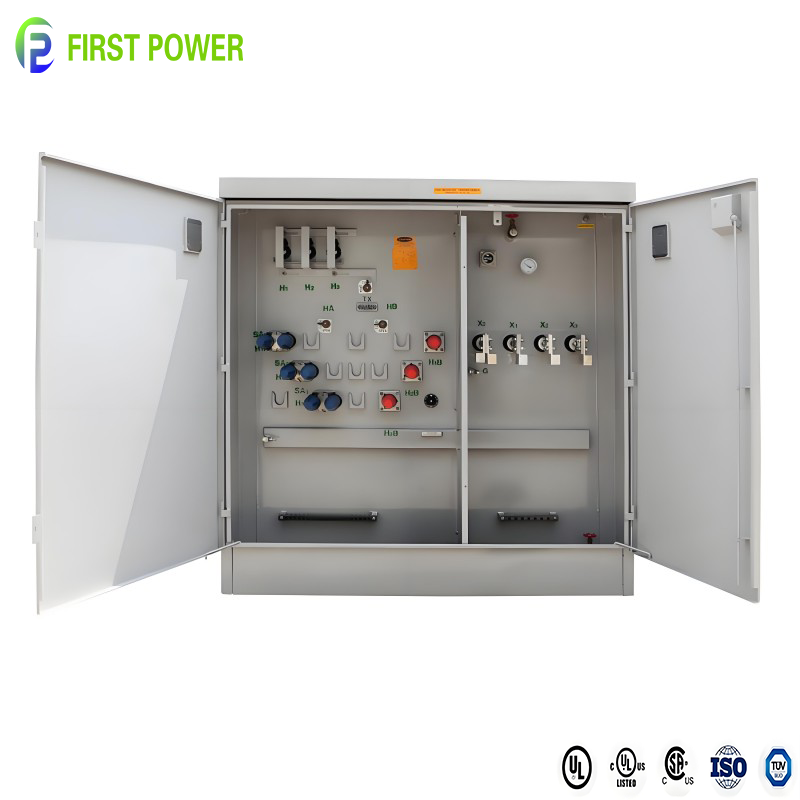
C CE MV&HV 50/60HZ 300KVA 500KVA 630KVA 700KVA 10KV 15KV 20KV 35KV 3 Phase Loop Feed Pad Mounted Transformer for Industrial
A loop-feed package for industrial sites that value feeder redundancy, planned maintenance and reduced downtime during cable or switch operations.
View product details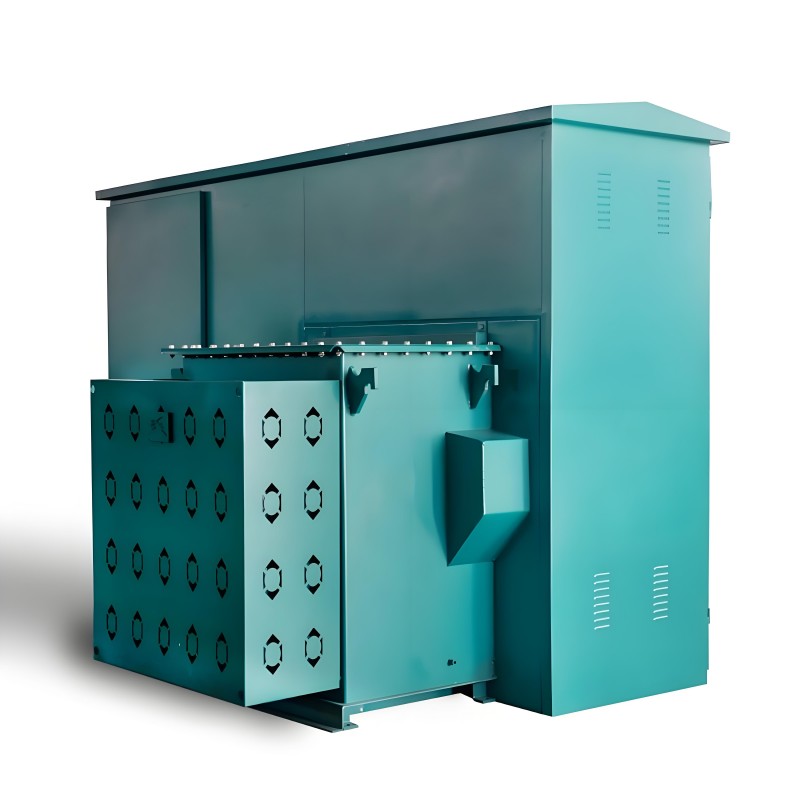
C Certified Oil-Type Cooper 75-2500kVA Pad Mounted Transformer 6kV-34.5kV 50/60Hz Dead Front Three Phase
A dead-front oil-type path for underground distribution and utility-style projects where visible live parts, cable termination and public safety are closely reviewed.
View product details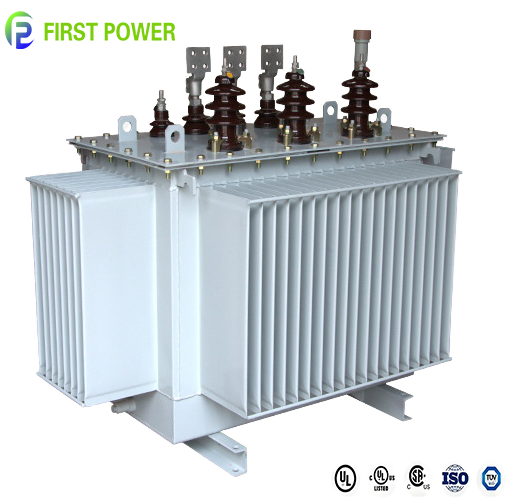
C CE 50/60HZ S11 10KV 15KV 20KV 35KV 100KVA 300KVA 500KVA 630KVA Three Phase Oil Transformer Price for Distribution System
A mid-range distribution transformer path for commercial buildings, water pumping, agro-processing and county infrastructure where budget and loss evaluation must balance.
View product details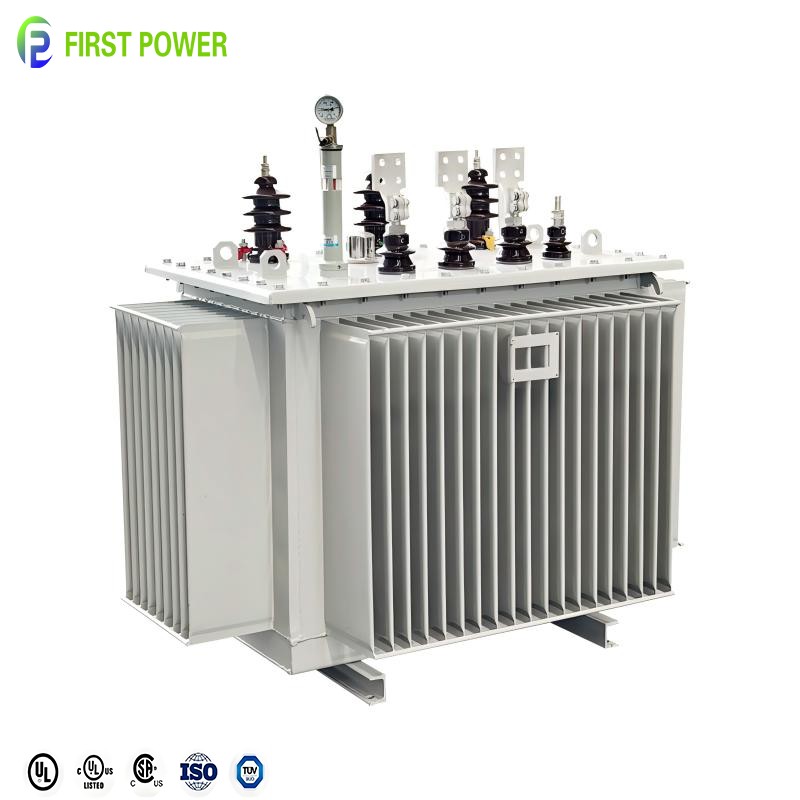
C CE 50/60HZ 100KVA 300KVA 500KVA 630KVA 1000KVA 10KV 20KV 35KV 3 Phase Oil Immersed Power Transformer for Power Supplies
A larger oil-immersed route for plant power supplies, mini-substations and projects that need a step-down or step-up transformer coordinated with voltage regulation.
View product detailsShare your single-line diagram, incoming voltage window, required correction range, load profile and delivery point. Our engineers will review the regulator and transformer package together rather than quoting an isolated cabinet.
What “line voltage regulator factory” means for a Nakuru buyer
Nakuru is no longer only an agricultural service town on the A104 corridor. It is a county capital with expanding manufacturing, flower and horticultural value chains, cold storage, water utilities, hospitals, universities, hospitality and a growing base of grid-connected renewables. Those loads share one characteristic: they are sensitive to voltage quality. A line voltage regulator factory that understands only the regulator cabinet will miss the interaction between 11 kV or 33 kV feeder voltage, transformer tap range, low-voltage cable drop, motor starting, inverter output and load balance.
The phrase “line voltage regulator” is also used differently across markets. Some buyers mean a feeder voltage regulator; others mean an automatic voltage stabilizer for a building, a servo or static AVR, or a transformer with an on-load tap changer. For Nakuru projects, the most reliable route is to define the voltage window, correction range, response time, duty cycle, harmonic environment and protection requirements first. The factory can then propose either a dedicated line voltage regulator, a tap-changing transformer, a low-loss distribution transformer, or a coordinated package. This is the kind of information gain a serious supplier should provide before price negotiation begins.
On a 50 Hz Kenyan network, a 60 Hz default design should never be accepted without review. Frequency affects core flux, cooling assumptions and motor load behaviour. For Nakuru, a practical specification usually states the primary voltage class, the LV voltage such as 415/240 V, the acceptable steady-state voltage band, the maximum correction range, the load power factor, the short-circuit level, the altitude, the ambient temperature, the dust and lightning exposure, and the required enclosure protection. A factory that can translate those inputs into a guaranteed design is more valuable than one that simply lists a kVA range.
Voltage regulation cannot compensate for an undersized transformer, poor power factor, unbalanced phases or a weak neutral. A line voltage regulator can correct slow feeder voltage variation, but it cannot remove every harmonic, transient or fault condition. That is why the strongest Nakuru procurement strategies evaluate the regulator, transformer, switchgear, protection and cable drop as one electrical system. For high-value loads such as cold rooms, diagnostic imaging, dairy cooling, packaging lines and water pumping, the cost of a voltage excursion is often far higher than the incremental engineering cost of a properly sized transformer and regulator package.
Where stable voltage changes the economics for Nakuru users
Nakuru’s load mix is diverse: county water schemes, flower farms, dairy and food processing, light manufacturing, hotels, hospitals, schools and renewable projects. Each has a different tolerance for voltage deviation and a different payback case for line voltage regulation.
Water pumping and boreholes
Long rural feeders and repeated motor starts can depress voltage and stress contactors, cables and pump motors. A regulator or tap-changing transformer package helps maintain starting torque and reduces nuisance trips.
Flower farms and cold chain
Around Naivasha, Njoro and Nakuru’s horticultural belt, packhouses, irrigation pumps and cold rooms depend on stable voltage. Voltage dips can disturb refrigeration, grading equipment and overnight cold-chain integrity.
Dairy and agro-processing
Milk cooling, pasteurization, milling and packaging lines are motor-heavy and sensitive to voltage sag. A low-loss distribution transformer plus a defined voltage correction strategy can protect throughput and product quality.
Manufacturing and industrial parks
Welding, compressors, plastics, packaging and food processing create flicker and frequent load swings. Loop-feed pad-mounted transformers and engineered tap ranges support redundancy, maintenance and future expansion.
Hospitals and diagnostics
Imaging systems, laboratory analysers, operating theatres and IT rooms tolerate poor voltage badly. Indoor dry-type transformers and clean voltage regulation paths are often preferable near sensitive clinical loads.
Hotels and commercial buildings
Air-conditioning, kitchens, elevators, laundry and guest IT systems are sensitive to persistent over-voltage and sags. Regulated voltage supports equipment life and avoids guest-facing outages.
Schools, campuses and ICT
Computer laboratories, servers, printers and science equipment are low-fault-tolerance loads. Voltage stabilisation and proper transformer selection reduce repetitive power-supply failures and maintenance costs.
Renewables and EV charging
Solar, geothermal and inverter-based loads can create voltage rise or rapid variation. Tap-changing transformers and correctly coordinated regulation help maintain stable distribution as Nakuru’s clean-energy base grows.
Nakuru-specific trends reshaping voltage-regulation procurement
Procurement decisions made in 2025 and 2026 will support assets that operate for 20 years or more. The strongest tenders look beyond initial price and evaluate losses, resilience, documentation and future grid conditions.
Load growth and county industrialization
New commercial buildings, agro-processing, logistics and industrial parks increase feeder loading. Transformers specified only for today’s load can become voltage-limited quickly; future capacity and tap range should be reviewed at design stage.
Geothermal, solar and inverter integration
Renewable generation changes voltage profiles and reverse power flow. On-load tap changers, adequate impedance and coordinated protection become more important when inverter-based sources share the same distribution network.
Energy-efficiency and loss evaluation
Buyers increasingly compare total owning cost, not just purchase price. No-load and load-loss guarantees, test reports and realistic load profiles help Nakuru projects avoid oversized or inefficient equipment.
Undergrounding and pad-mounted security
Pad-mounted equipment reduces overhead exposure but introduces enclosure security, cable termination and access requirements. Dead-front design, locking, corrosion protection and clear maintenance access should be specified.
Dust, lightning and altitude resilience
Nakuru’s highland environment requires attention to creepage, sealing, corrosion, lightning impulse coordination and cooling at altitude. A standard catalogue unit may need enclosure and insulation review for the actual site.
Digital monitoring and smart grids
Temperature monitoring, electronic controls, remote diagnostics and smart metering are moving from premium options to expected features. Specifying data protocols early avoids expensive retrofits later.
Relative procurement priority for Nakuru projects
Selection matrix: matching line voltage regulation and transformer hardware to Nakuru duty
Use this matrix as a screening tool, then confirm the design with a load-flow study, protection review and site conditions. Ratings shown are typical starting points, not a substitute for project engineering.
| Equipment path | Typical Nakuru use | Voltage / rating window | Why it matters |
|---|---|---|---|
| Line voltage regulator / automatic voltage regulator | Feeder voltage correction, building voltage stabilization, sensitive process loads | Project-specific; 50 Hz; LV or MV enclosure | Corrects incoming voltage variation within its defined range, but must be coordinated with transformer taps and load limits. |
| Three-phase pad-mounted transformer | Commercial sites, industrial parks, solar farms, data and hospitality loads | 75–2,500 kVA; up to 35 kV class | Outdoor, tamper-resistant and cable-friendly; loop-feed options support maintenance and redundancy. |
| Oil-immersed distribution transformer | Utility feeders, water pumping, agro-processing, county infrastructure | 50–630 kVA typical; 10–35 kV primary | Proven insulation and cost-effective distribution; loss guarantees and test reports are key comparison points. |
| Dead-front oil-type pad-mounted transformer | Underground distribution, public-facing installations, utility-style projects | 75–2,500 kVA; 6–34.5 kV | Improves termination safety and supports cable-based networks where visible live parts are undesirable. |
| Power transformer / larger oil-immersed unit | Plant power supply, mini-substations, step-up or step-down interconnections | 100–1,000 kVA typical in this product family; larger on request | Provides the upstream transformation basis for voltage regulation, protection coordination and future expansion. |
| Dry-type transformer | Hospitals, high-rise buildings, tunnels, indoor plant rooms, fire-sensitive areas | 30–2,500 kVA; up to 35 kV | Oil-free design reduces fire and environmental risk where indoor installation or close-to-load placement is required. |
| Compact substation | Fast-track renewables, urban networks, temporary or distributed installations | 100–2,500 kVA; 10–35 kV | Factory-assembled MV switchgear, transformer and LV distribution reduce site work and commissioning time. |
Sizing warning: never size a line voltage regulator from the transformer nameplate alone. Use the measured load profile, voltage window, motor-starting duty, harmonic survey and future expansion plan. A smaller regulator applied to the correct load group often performs better than an oversized unit on a mixed feeder.
Why Nakuru buyers shortlist Jiangsu Wisegj Power
Jiangsu Wisegj Power Co., Ltd. designs, assembles and exports medium and high voltage equipment from 220 V up to 500 kV, including power transformers, distribution transformers, pad-mounted transformers, dry-type transformers, compact substations, switchgear, distribution boxes and voltage stabilizers. The advantage is not a single catalogue page; it is the ability to review a 50 Hz specification, document the design and support the shipment through to Nakuru.
20+ years of team experience
Engineers with long transformer project exposure review ratings, losses, tap ranges and site conditions before a quotation is released.
6,847 m² verified production base
Dedicated winding, core assembly, drying, tanking, testing and packing areas support controlled transformer production.
50+ engineers and technical staff
R&D and technical support teams help convert utility specifications into drawings, guarantees and test plans.
211 qualified supply partners
Stable sourcing for silicon steel, copper, bushings, tap changers and accessories supports dependable lead times.
ISO and CE management systems
ISO 9001 No. 62824Q6052R0S, ISO 14001 No. 62824E6053R0S and ISO 45001 No. 62824S6054R0S support quality, environment and safety control.
TÜV Rheinland verified capability
Production capability, floorspace and quality inspection have been verified onsite by an independent third-party body.
OEM, ODM and design customization
Ratings, vector group, impedance, taps, bushings, cooling, insulating fluid, enclosure colour and nameplate language can be adapted.
24-hour engineer response
Technical questions and after-sales issues receive a qualified response within one working day, with documentation supplied in English.

Factory evidence beats catalogue claims
A Nakuru buyer should ask for verifiable evidence: current certificates, routine test report samples, nameplate drafts, GA drawings, packing plans and spare-parts recommendations. Wisegj works under a documented quality system and shares product-line CE certificates for oil-immersed transformers, dry-type transformers, compact substations, switchgear and related equipment. For public or utility projects, third-party witness inspection is welcome before shipment.
- Supplier to Fortune 500 companies
- Own production base with full industry certificates
- Finished-product inspection on every unit
- Export packing and Incoterms coverage
From 50 Hz specification to sealed test report
Voltage regulation and transformer projects fail when assumptions are hidden. A documented workflow gives Nakuru buyers a clear approval point at each stage.
Specification review
Engineers check rated power, primary and secondary voltage, frequency, vector group, impedance, tap range, cooling, altitude, ambient, dust, lightning and efficiency targets.
Drawing and nameplate approval
GA drawings, terminal arrangement, enclosure details, nameplate language, guaranteed losses and transport dimensions are confirmed before production begins.
Controlled production
Core stacking, winding, drying, oil processing, tank fabrication and assembly follow documented work instructions and in-process inspection checkpoints.
Routine testing
Winding resistance, ratio and vector group, no-load and load loss, impedance, applied and induced voltage tests, plus oil dielectric strength for liquid-filled units.
Witness and documentation
Third-party witness inspection can be arranged. Test reports, O&M manuals, packing lists and shipping documents are prepared in English.
Export packing and dispatch
Seaworthy packing, shock indicators, moisture protection and clear marking support the Mombasa port route and onward road freight to Nakuru.
Shipping to Nakuru: what a realistic schedule looks like
Nakuru is inland, so the logistics plan must connect factory production, sea freight, Mombasa clearance and road transport without leaving site teams waiting.
Factory lead time
Standard distribution transformers and pad-mounted units follow an agreed production schedule after drawing and nameplate approval. Custom regulators, tap changers and enclosures require earlier review.
Mombasa port and clearance
Export documentation, packing lists, certificates and shipping marks should match the buyer’s clearing agent requirements. Incoterms from EXW to DDP can be discussed.
Road freight to Nakuru
After clearance, transformers move by road via Nairobi or the Rift Valley corridor. Heavy units need route surveys, lifting plans and site access checks before dispatch.
Site readiness
Foundation, cable trench, earthing, protection settings and commissioning checks should be complete before arrival. O&M manuals and test reports help the local installer prepare.
Common local questions about line voltage regulators and factory supply
These are the questions our engineering and export teams receive most often from Kenyan buyers, EPC contractors and facility owners.
Are line voltage regulators and transformers both needed for a Nakuru project?
Often, yes — but the correct combination depends on the voltage problem. A transformer changes voltage level and can include tap changers for slow correction. A line voltage regulator or automatic voltage stabilizer corrects supply variation within a defined range. If the feeder voltage swings widely, the load is sensitive, or the transformer tap range is insufficient, a coordinated regulator and transformer package is usually more reliable than adding equipment after commissioning.
Can you supply 50 Hz equipment for Kenya’s 11 kV or 33 kV networks?
Yes. The design should be confirmed as 50 Hz, not adapted from a 60 Hz default. Share the primary voltage, secondary voltage such as 415/240 V, vector group, frequency, impedance and required tap range. The factory can review 11 kV, 33 kV and other project-specific voltage classes against IEC or IEEE requirements depending on the tender.
How should Nakuru altitude, dust and lightning be addressed?
Nakuru’s highland environment can affect cooling, insulation coordination, sealing and corrosion. Provide the actual site altitude, ambient temperature range, dust exposure, enclosure position and lightning risk. The design may require adjusted temperature rise, increased creepage, IP-rated enclosures, anti-corrosion treatment and surge protection coordination. Do not assume a standard coastal or low-altitude catalogue unit is automatically suitable.
Which certificates and test reports can be supplied?
Product-line CE certificates are available for oil-immersed transformers, dry-type transformers, compact substations and related equipment. Production runs under ISO 9001, ISO 14001 and ISO 45001 systems. For each unit, routine test reports can include winding resistance, ratio and vector group, no-load and load loss, impedance, applied and induced voltage tests, plus oil dielectric strength for liquid-filled transformers. Third-party witness inspection is welcome.
What is the minimum order quantity and typical lead time?
For many transformer and voltage-regulation projects, one engineered unit can be quoted, but the exact MOQ depends on the product family, customisation and test requirements. Lead time starts after specification review, drawing approval and receipt of the agreed deposit. Pad-mounted and oil-immersed transformers typically require a defined production slot; complex tap changers, special enclosures or third-party witness testing can extend the schedule.
How are goods shipped from China to Nakuru?
The usual route is sea freight to Mombasa, customs clearance, then road transport to Nakuru via Nairobi or the Rift Valley corridor. Export packing should be seaworthy and suitable for multiple handling points. Buyers should confirm the delivery address, unloading capability, lifting equipment and any route restrictions for heavy vehicles before shipment. FOB, CFR, CIF, EXW, FCA, CIP, CPT and DDP terms can be discussed.
What payment methods and currencies are accepted?
The company works with T/T, L/C, D/P, D/A and other secure payment methods agreed per contract. Major currencies include USD, EUR, GBP, CAD, AUD, JPY, HKD, CHF and CNY. For public projects or larger orders, the payment schedule should be aligned with drawing approval, production milestones, pre-shipment inspection and shipping documents.
Can you customise equipment for Kenyan utility or county project documentation?
Yes. OEM, ODM, design-based and sample-based customisation are available. Typical customisation includes rating, vector group, impedance, tap range, bushing configuration, cooling method, insulating fluid, enclosure colour, nameplate language and documentation format. If the tender references specific utility, KEBS, EPRA or county requirements, provide the relevant clauses so the engineering team can confirm compliance or identify exceptions.
What after-sales support and spare parts are available?
The export team can provide O&M manuals, test reports, nameplate records and recommended spare-parts lists. For tap changers, bushings, relays, seals and monitoring accessories, the recommended spare strategy should be agreed at order stage rather than after commissioning. Technical questions receive a qualified response within one working day in most cases.
How do I get an engineer-reviewed quotation for Nakuru?
Send the single-line diagram, load list, voltage window, required correction range, transformer rating, site altitude, ambient conditions, enclosure requirement, delivery point and target standard. If drawings are not ready, describe the problem in plain terms: voltage sag, over-voltage, motor trips, equipment failures or expansion plans. Our engineers will propose a compliant equipment path and highlight the information still needed.
Send your Nakuru project data for an engineer-reviewed proposal
Do not let a voltage problem be reduced to a generic catalogue number. Share the actual operating conditions and let the factory review the line voltage regulation, transformer, enclosure and logistics plan together.
- Rated power and future expansion load
- Primary and secondary voltage
- Frequency: 50 Hz confirmation
- Incoming voltage window and correction range
- Vector group, impedance and tap range
- Site altitude, ambient, dust and lightning exposure
- Enclosure, cable entry and installation arrangement
- Applicable standard and witness inspection needs
- Delivery point, timeline and spare-parts plan
For document review, include your single-line diagram, load profile, site layout and target commissioning date. Email: [email protected]. A transformer engineer, not a sales script, will review the requirement and respond within one working day.