Eight Transformer Products for Bloemfontein Isolation, Distribution and Industrial Power
The product set below is the fastest route to a comparable quotation. Each card links to its original product page. Where a project needs a modified rating, vector group, shielding arrangement, enclosure or test plan, use the quote button so a transformer engineer can review the specification before pricing.
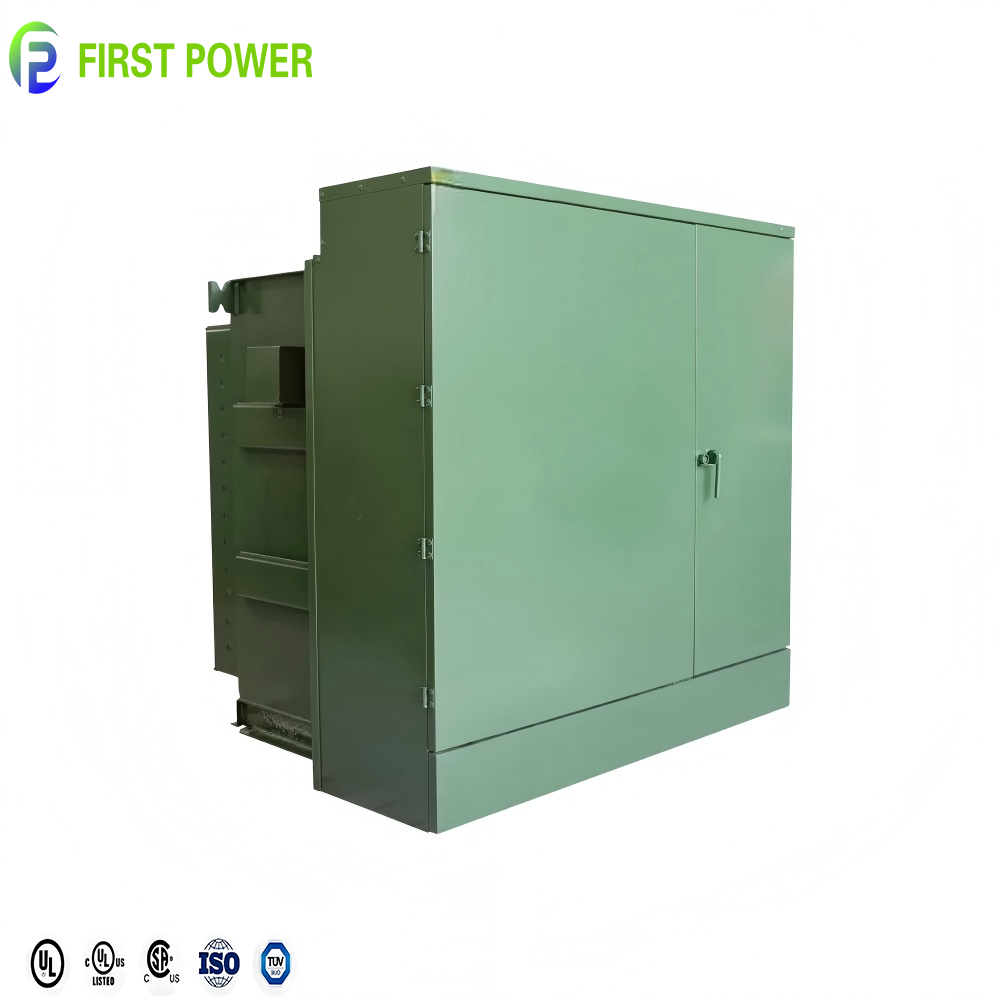 Pad Mounted
C CE 50/60HZ 10KV 20KV 35KV 300KVA 500KVA 630KVA 750KVA Three Phase Pad Mounted Transformer for Electric Power Distribution
For underground commercial, solar and data-centre distribution, this three-phase pad-mounted design suits 10–35 kV systems and 300–750 kVA duty. Tamper-resistant pad mounting, cable access and a compact footprint help Free State projects meet site safety and municipal access requirements.
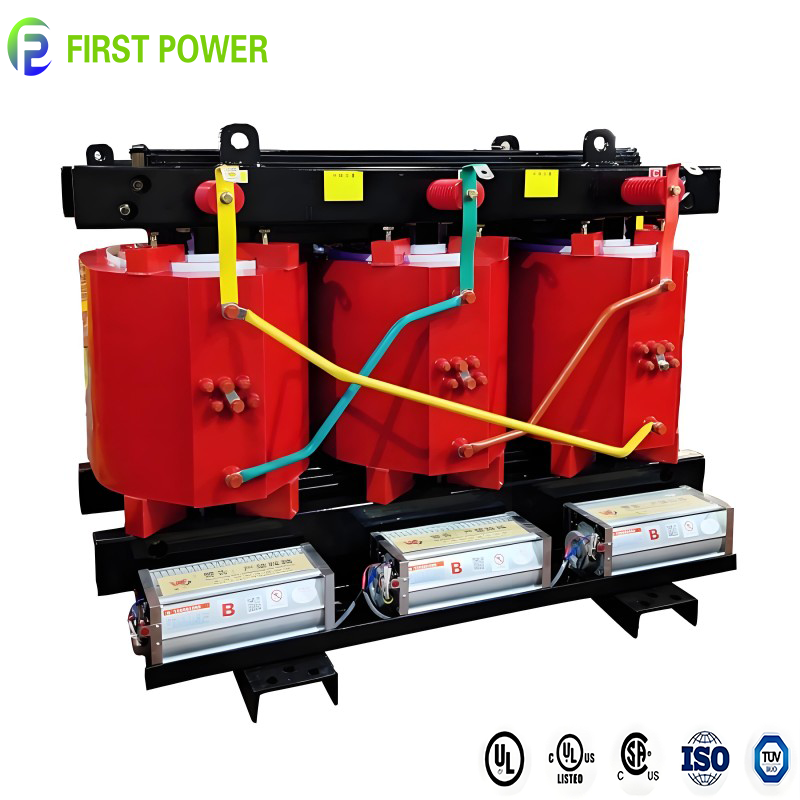 Dry Type
C CE Certification IEEE Standard 50/60HZ 5MVA 6MVA 6KV 35KV 3 Phase Dry Type Transformer for Electric Power Distribution
Dry-type construction avoids liquid oil in indoor plant rooms and fire-sensitive locations. The 5–6 MVA class and 6–35 kV options are relevant where a higher-capacity isolation or distribution step-down transformer is needed for industrial plants, campuses or utility interconnection studies.
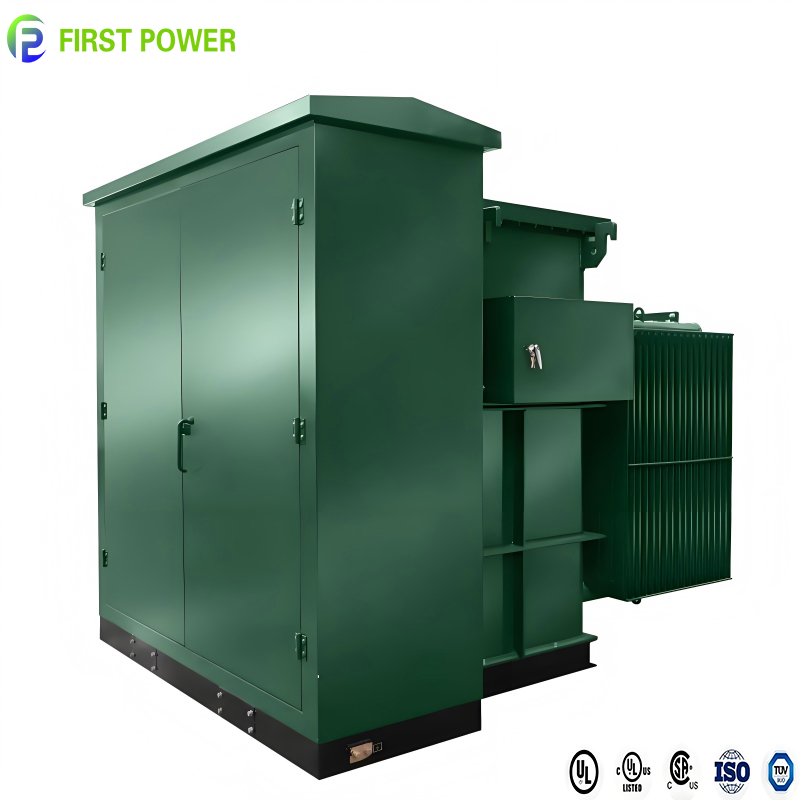 Industrial
C CE 50/60HZ 6KV 10KV 15KV 20KV 35KV 100KVA 300KVA 500KVA 630KVA 3 Phase Pad Mounted Pedestal Transformer for Industrial
A pedestal-style pad-mounted three-phase unit for industrial estates, water works, mining support facilities and logistics hubs. The 100–630 kVA range supports 6–35 kV primary systems and creates practical separation between utility equipment and the customer's plant.
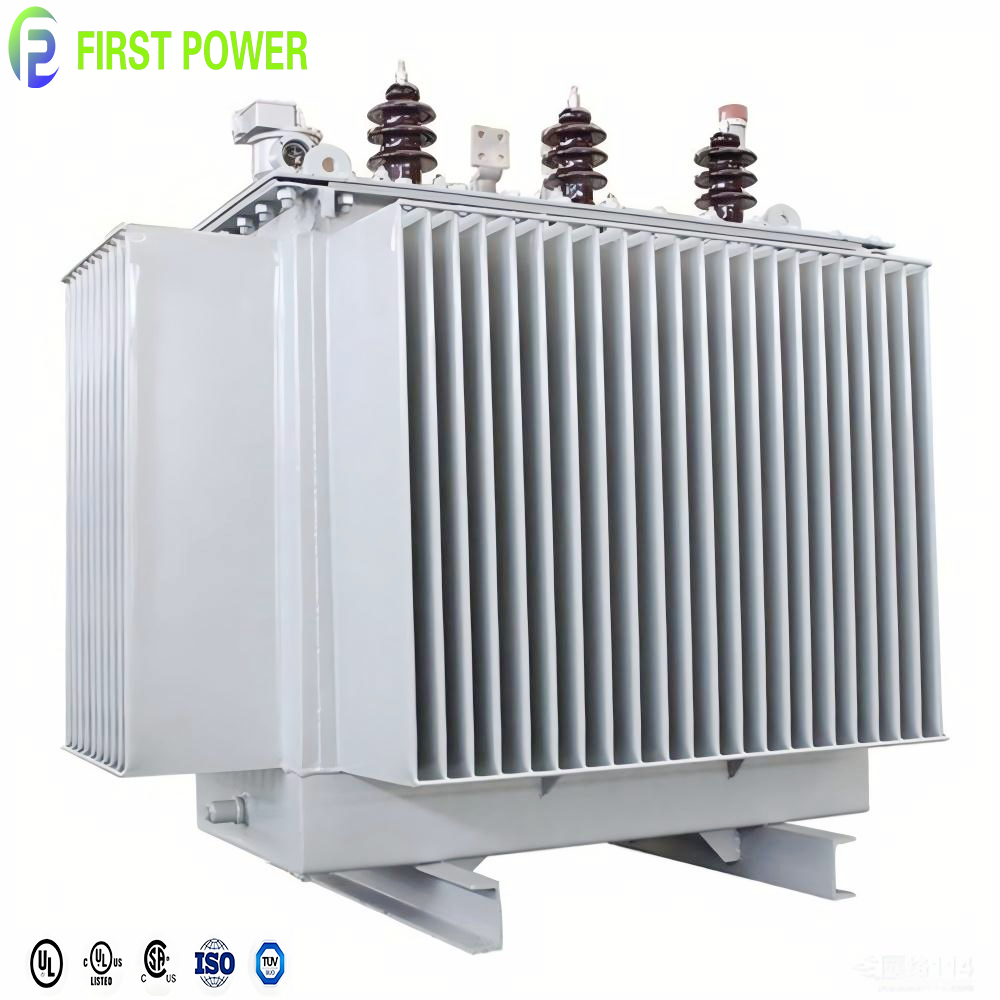 S11 Oil Type
C CE MH&HV 50/60HZ 10KVA-50000KVA 10KV 15KV 20KV 35KV Three Phase S11 Oil Transformer for Electric Power Distribution
The S11 oil transformer family is a workhorse for distribution networks. With 10 kVA to 50,000 kVA and 10–35 kV coverage, it can be specified for Free State feeders, agriculture, manufacturing and municipal substations where low loss and proven insulation performance matter.
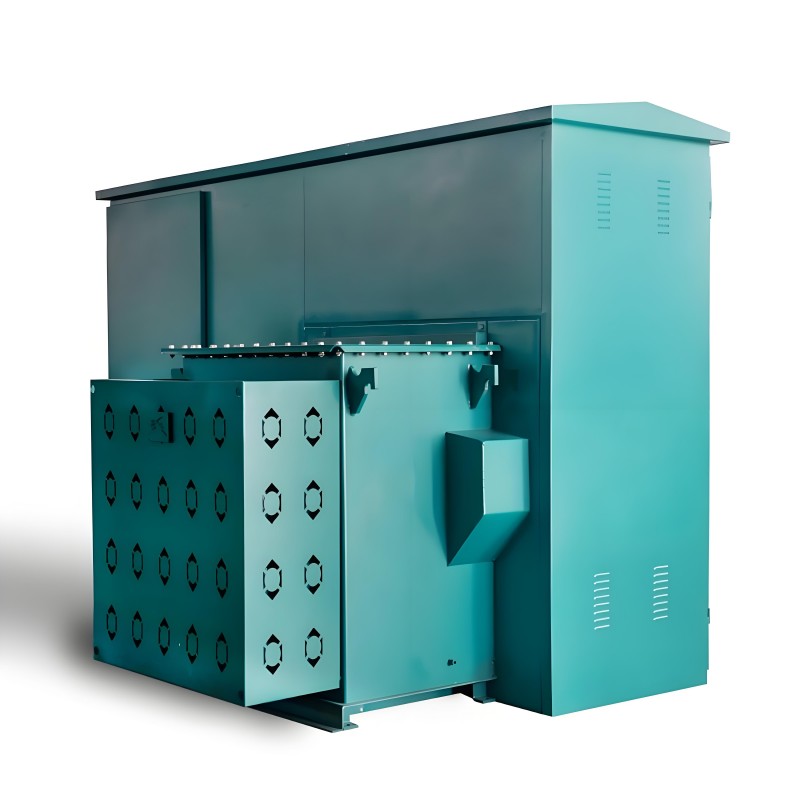 Dead Front
C Certified Oil-Type Cooper 75–2500 kVA Pad Mounted Transformer 6–34.5 kV 50/60 Hz Dead Front Three Phase
This dead-front pad-mounted three-phase family covers 75–2500 kVA and 6–34.5 kV. Dead-front compartments improve operator protection, while copper windings and oil-type construction suit outdoor distribution points, commercial developments and utility loop feeds.
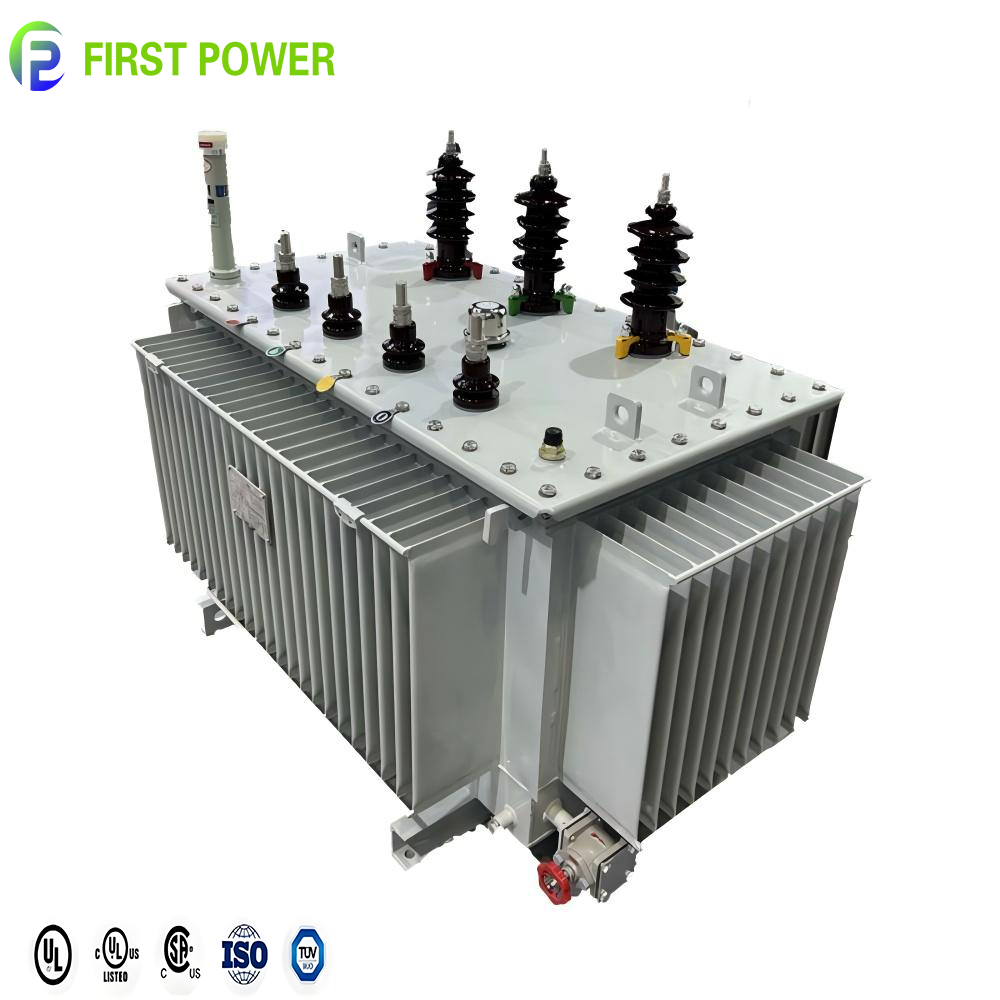 Oil Immersed
C CE 50/60HZ S11 10KV 20KV 35KV 50KVA 100KVA 200KVA 3 Phase Electrical Oil Immersed Transformer for Distribution System
A compact 50–200 kVA three-phase oil-immersed distribution transformer for 10–35 kV systems. It is a practical choice for small industrial sites, commercial buildings and rural load points where a robust liquid-filled transformer is preferred over a larger substation footprint.
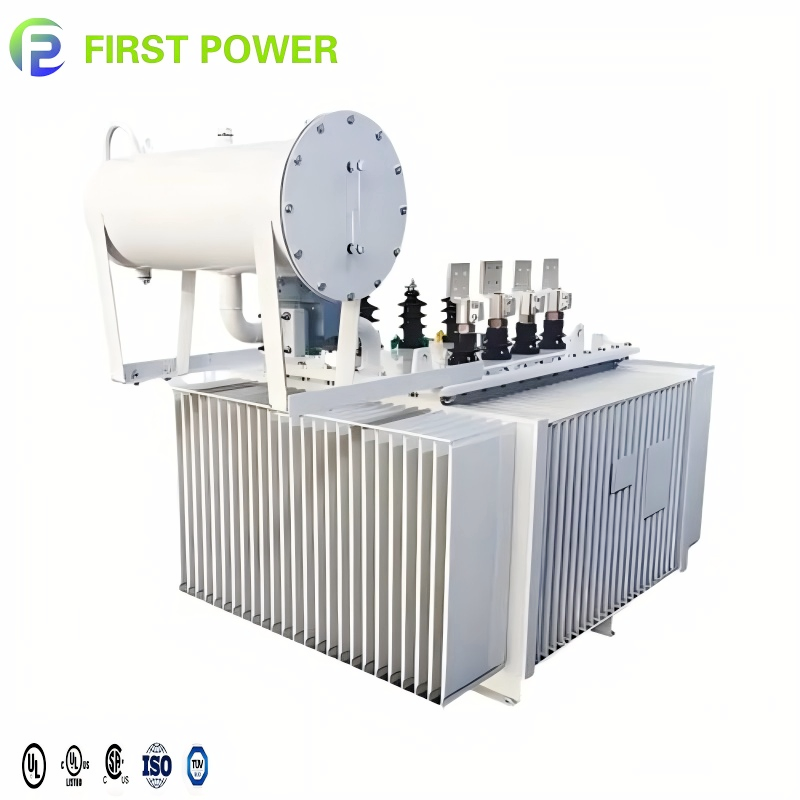 OLTC
C CE 10KV 20KV 35KV 1000KVA 2000KVA 2500KVA 3 Phase Oil Type on Load Tap Changer Transformer for Industrial Power Supply
This oil-type transformer uses an on-load tap changer for industrial supplies where voltage must be regulated while the plant remains energised. The 1000–2500 kVA range and 10–35 kV classes support process plants, large motors and sensitive production lines.
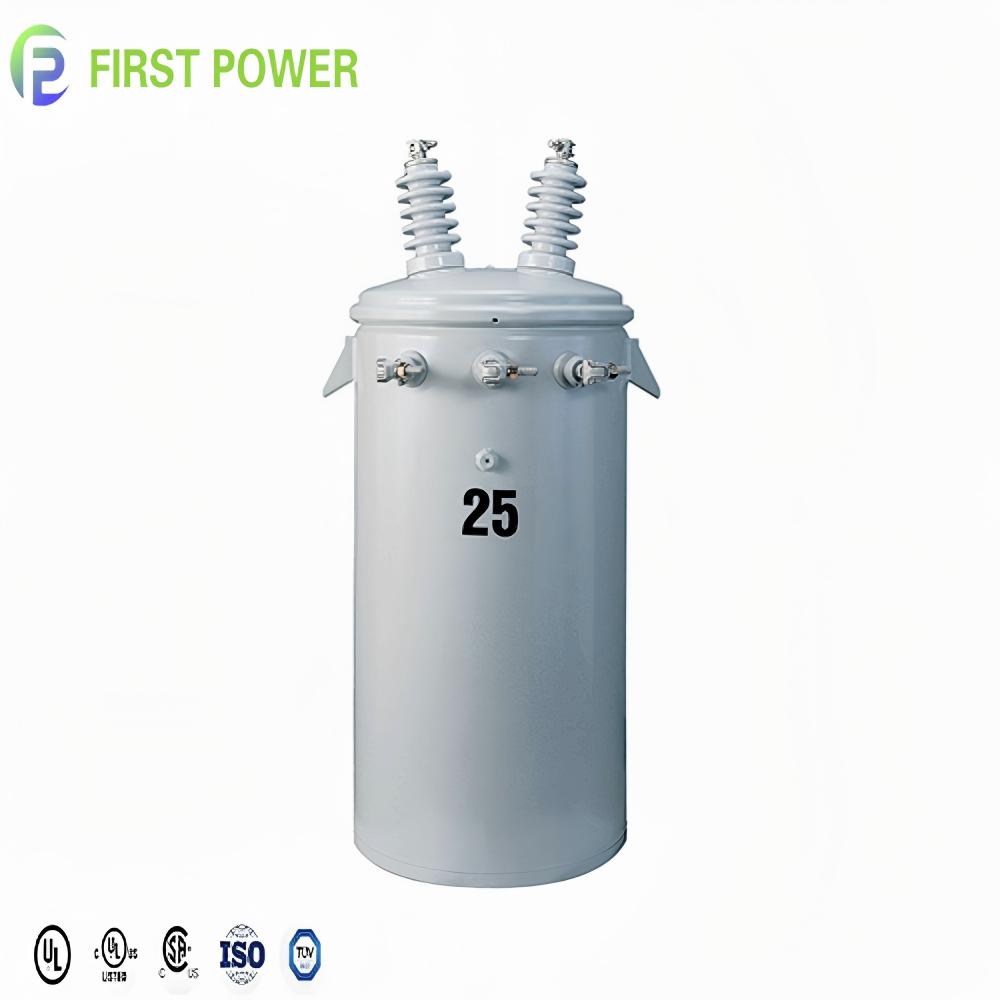 Single Phase
C CE Certification MV&HV 50/60HZ 6KV 10KV 20KV 35KV 25KVA Single Phase Transformer Price for Electric Power Distribution
A single-phase 25 kVA class transformer for MV/HV distribution, 6–35 kV and 50/60 Hz projects. It is often used for small loads, isolated supplies and specialised distribution applications where a compact single-phase solution is more economical than a three-phase unit.
Why an Isolation Transformer Exporter Matters in Bloemfontein
Bloemfontein is not a generic coastal port city. It is an inland Free State hub roughly 1,400 m above sea level, serving government, healthcare, education, logistics, agriculture and light industry on a 50 Hz network.
Distribution designs commonly involve 11 kV, 22 kV or 33 kV primary voltages and 400/230 V low-voltage systems; industrial plants may also use 6.6 kV or other special classes. For buyers, the practical question is not simply who can ship a transformer, but who can translate altitude, ambient temperature, lightning exposure, dust, harmonic loads and municipal approval requirements into a design that will pass review and operate reliably.
An isolation transformer adds a deliberate galvanic barrier between primary and secondary circuits. In sensitive facilities, that barrier can limit common-mode noise, reduce the transfer of certain harmonics and transients, support separately derived system grounding, and improve fault-current management. In a hospital, laboratory, data centre or manufacturing line, this is often more valuable than a small price difference between two catalogue units. A competent exporter should therefore ask for the single-line diagram, load profile, earthing arrangement, frequency, voltage ratio, impedance, shielding requirement, duty cycle and site conditions before quoting.
Wisegj approaches the Bloemfontein market as an engineering-led exporter: the product family can be supplied in oil-immersed, dry-type, pad-mounted, pedestal, single-phase and on-load tap-changer variants, and the design can be reviewed against IEC 60076 or IEEE C57.12 families, with applicable South African SANS/NRS and municipal requirements identified with your consultant. The goal is a quotation that is technically comparable, not merely the lowest headline kVA price.
Six Specification Details That Often Decide Project Performance
These are the points our engineers check before releasing a quotation for a Free State isolation or distribution transformer. They are also the details most likely to be missed when buyers compare only kVA and price.
50 Hz is not a footnote
South Africa operates at 50 Hz. A 60 Hz unit may physically fit, but flux, loss, saturation and temperature behaviour change. Specify frequency, voltage ratio and vector group together.
Altitude near 1,400 m
Bloemfontein is often quoted around 1,400 m. Above the common 1,000 m design reference, dielectric and cooling margins should be reviewed rather than assumed.
Lightning and insulation coordination
Highveld thunderstorms make BIL, surge-arrester coordination, cable entry and enclosure shielding part of the transformer specification, not an afterthought.
Heat, dust and enclosures
Dust reduces heat rejection, and solar gain can raise enclosure temperatures. Confirm maximum ambient, IP rating, anti-corrosion finish and cooling method.
Harmonics from PV, UPS and VFDs
Modern Free State sites often combine solar PV, battery storage, UPS systems and variable-frequency drives. Disclose the harmonic spectrum so winding heating and derating can be checked.
Neutral earthing and shielding
An isolation transformer's neutral treatment affects fault current, protection settings and noise performance. State the earthing arrangement and whether an electrostatic shield is required.
Bloemfontein Isolation Transformer Buyer's Guide
Use this matrix as a pre-quotation checklist. It helps align the transformer design with the site, the consultant's specification and the municipal review process.
| Parameter | Why it matters in Bloemfontein | What to specify |
|---|---|---|
| System frequency | South Africa uses 50 Hz; mismatch affects flux, losses and saturation. | 50 Hz, plus any 60 Hz equipment interface requirement. |
| Primary voltage | 11 kV, 22 kV and 33 kV distribution classes are common; industrial sites may differ. | Actual primary voltage, nominal and maximum, with tap range. |
| Secondary voltage | 400/230 V is typical for building and plant distribution. | Secondary voltage, vector group and neutral arrangement. |
| Rating and duty | A unit sized only for today's load can become a bottleneck after expansion or a production upgrade. | Continuous kVA, future expansion, motor starting and cyclic duty. |
| Insulation type | Indoor plant rooms, hospitals and data centres may prefer dry type; outdoor yards often use oil-immersed or pad-mounted units. | Dry type, oil-immersed, natural ester or mineral oil, with fire-safety requirements. |
| Altitude and ambient | Around 1,400 m altitude plus highveld temperature swings can affect cooling and dielectric margins. | Site altitude, maximum ambient, solar exposure and installation orientation. |
| Impedance | Impedance must coordinate with breaker, fuse and protection settings and the available fault level. | Required impedance percentage and fault-current study assumptions. |
| Shielding | Sensitive loads may need an electrostatic shield to reduce common-mode noise transfer. | Shield required, grounding point and noise attenuation target. |
| Losses | No-load and load losses affect lifecycle cost, especially for continuously energised distribution transformers. | Guaranteed no-load loss, load loss and evaluation method at 50 Hz. |
| Standards | IEC/IEEE design alone is not the full approval path; local installation rules and utility requirements may apply. | IEC 60076 or IEEE C57.12 basis, plus SANS/NRS and municipal review. |
| Enclosure | Dust, rain, UV and unauthorised access influence long-term reliability. | IP rating, anti-corrosion finish, pad-mounted compartment and locking arrangement. |
| Documentation | Procurement, insurance and commissioning teams need verifiable records. | GA drawing, nameplate, routine test report, O&M manual and packing list. |
Ranges shown are typical and project-specific. Final ratings, losses and dimensions are confirmed by drawing approval before production.
Product Recommendations for Bloemfontein Application Scenarios
The right transformer depends on where it is installed, what it supplies and how the site will be operated. These recommendations are a starting point for a specification review.
Hospitals, clinics and medical campuses
Dry-type isolation transformers are often preferred for indoor electrical rooms because they remove liquid oil from fire-sensitive areas. Specify low noise, electrostatic shielding, 400/230 V secondary distribution and clear neutral earthing for operating theatres, imaging equipment and critical-care loads.
Data centres, telecom and IT facilities
Isolation and harmonic performance matter where UPS systems, servers and cooling plant operate continuously. A dry-type unit or compact substation can support clean power distribution, while guaranteed losses and temperature-rise data support lifecycle-cost comparison.
Universities, laboratories and research facilities
Bloemfontein's education and research facilities need stable voltage and low electrical noise for instruments and computing. A dry-type isolation transformer with electrostatic shielding can provide a separately derived system and reduce common-mode interference from the wider campus network.
Water, wastewater and pumping stations
Pumping loads cycle heavily and may be exposed to dust and moisture. Oil-immersed or pad-mounted distribution transformers in the 11–33 kV class are practical, with corrosion protection, suitable IP rating and cooling checked against the pump duty and ambient conditions.
Agriculture, food processing and cold chain
Free State agriculture and food operations depend on reliable supply for irrigation, milling, refrigeration and packaging. S11 oil-immersed distribution transformers can provide robust 22/33 kV step-down duty, while enclosure and cable-entry details address dust and seasonal temperature swings.
Manufacturing, mining support and commercial buildings
Industrial process plants often need on-load tap changing, motor-starting capability and harmonic review. For commercial and mixed-use developments, a compact substation or pad-mounted transformer can reduce civil works and speed site commissioning.
Localised Trends Shaping Transformer Procurement in Bloemfontein
Transformer decisions in the Free State are increasingly driven by resilience, power quality, lifecycle cost and documentation quality rather than first cost alone.
Embedded solar PV and battery storage
The Free State has a strong solar resource, and many Bloemfontein sites are adding PV, battery storage and generator transfer schemes. The isolation transformer must be reviewed for reverse power, harmonic injection, neutral grounding and protection coordination. NRS 097 and municipal requirements may form part of the approval conversation.
Load-shedding resilience and power quality
Backup generators, UPS systems and transfer switching are now common. Isolation transformers help separate sensitive loads, reduce transient transfer and establish clean neutral earthing. Buyers should disclose the transfer scheme, fault level and harmonic profile so the transformer and protection settings work together.
Low-loss, fire-safe and document-rich procurement
Energy efficiency is moving from a line item to a lifecycle-cost requirement. Guaranteed no-load and load losses at 50 Hz, noise data, fire behaviour and complete test documentation are increasingly requested. Dry-type units are favoured indoors, while natural ester fluids can help where environmental and fire risk must be reduced.
Why Wisegj Is a Practical Isolation Transformer Exporter for Bloemfontein
Jiangsu Wisegj Power Co., Ltd. is based in Suzhou, China, and manufactures pad-mounted, oil-immersed, dry-type and power transformers plus compact substations from 220 V to 500 kV.
The company is not a trading shell: verified production floorspace is 6,847 m², the team has more than 20 years of cumulative transformer experience, and over 50 R&D and technical engineers support design reviews. Production operates under ISO 9001, ISO 14001 and ISO 45001 systems; product lines hold CE certificates; and capability has been inspected by TÜV Rheinland. For a South African buyer, the value is not only factory price. It is the ability to obtain drawings, test reports, nameplate data, packing plans and export documents that survive procurement, insurance and commissioning scrutiny.
Verified factory capacity
6,847 m² of inspected production floorspace with dedicated winding, core assembly, drying, tanking and test areas. Capability has been verified onsite by TÜV Rheinland.
Engineer-led customisation
OEM, ODM, design-based and sample-based customisation can cover rating, vector group, impedance, tap range, bushing configuration, cooling, insulating fluid, enclosure colour and nameplate language.
Routine testing on every unit
Winding resistance, ratio and vector group, impedance and load loss, no-load loss and current, applied and induced voltage tests, plus oil dielectric strength for liquid-filled units. Third-party witness testing is welcome.
Certified management systems
ISO 9001, ISO 14001 and ISO 45001 management systems are in place, with CE certificates for relevant product lines. Certificate numbers are available for independent verification.
Complete documentation
GA drawings, nameplate drafts, routine test reports, packing lists and O&M manuals can be supplied in English, giving procurement, insurance and commissioning teams a clear audit trail.
Export logistics to South Africa
Seaworthy packing, shock indicators and Incoterms from EXW to DDP can be discussed. For Bloemfontein, common options include CIF Durban or DDP inland delivery, with export documents prepared for the agreed route.
211 qualified supply partners
Qualified sources for silicon steel, copper, bushings and accessories support stable material planning and help maintain consistent lead times across repeat utility and EPC orders.
24-hour response and buyer confidence
Technical questions and after-sales issues target a qualified response within one working day. Wisegj has supplied Fortune 500 companies and holds a 4.9/5 average buyer rating in the source profile.
Certifications and Quality Documents Buyers Can Verify
Certificate numbers are listed so your compliance team can verify them directly with the issuing bodies. Project-specific certificates and test reports can be shared during the quotation stage.
ISO 9001
Quality management systemCertificate No. 62824Q6052R0S · 2024–2027
ISO 14001
Environmental management systemCertificate No. 62824E6053R0S · 2024–2027
ISO 45001
Occupational health and safety systemCertificate No. 62824S6054R0S · 2024–2027
CE product certificates
Oil-immersed power transformer No. 3N230310.JYTU038 · Dry type FQC2530404 · Compact substation M.2025.206.C121884
Inside the Factory, Test Bay and Export Preparation
From core and coil assembly to routine testing and export packing, the production workflow is supported by documented inspection checkpoints and a traceable test report for each serial number.

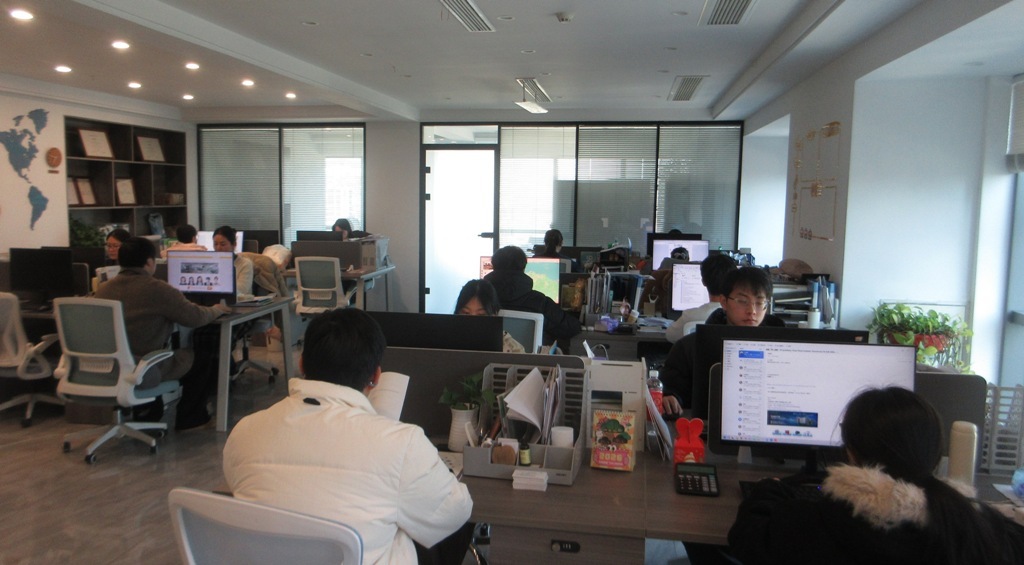
Company and facility overviewManufacturing, engineering and export support from the Suzhou base.
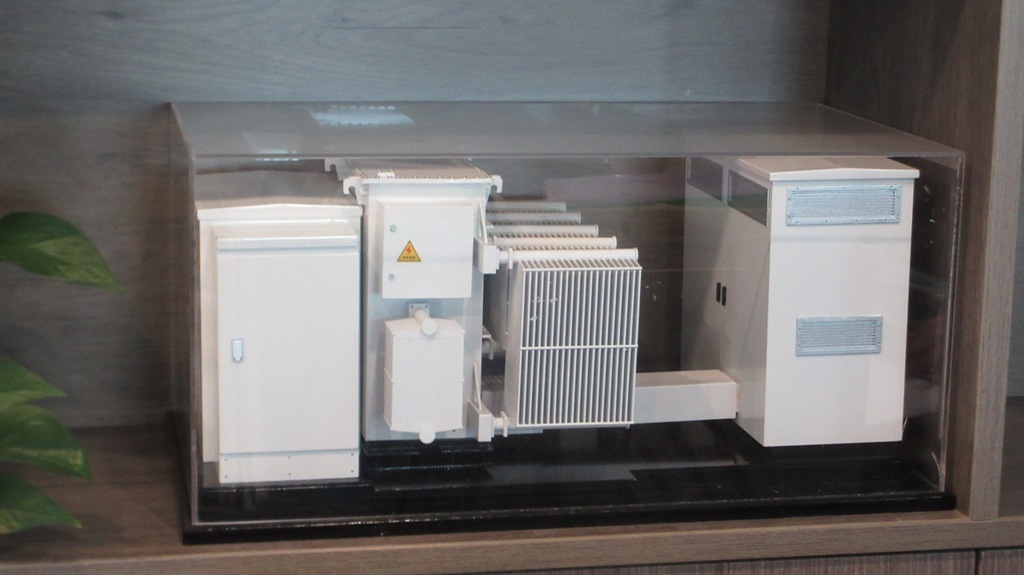
Assembly workshopControlled assembly stages for oil-immersed and dry-type transformer production.
Core and coil assemblyMaterial handling and winding quality are checked before drying and tanking.

Testing laboratoryRoutine electrical tests are documented before packing and shipment.
Technical Checklist for Bloemfontein Isolation Transformer Enquiries
Send these details to reduce clarification cycles. Our engineers can then review the design basis, guaranteed losses and documentation package before commercial negotiation.
Bloemfontein Isolation Transformer Buyer FAQ
Straight answers from our engineering and export teams for South African buyers comparing isolation transformer exporters.
Are you an isolation transformer exporter serving Bloemfontein?
Yes. Jiangsu Wisegj Power Co., Ltd. exports from China to South African utilities, EPC contractors, consultants and industrial buyers. For Bloemfontein, we can quote EXW, FOB, CIF Durban or DDP with inland delivery, depending on the buyer's preferred Incoterm and customs arrangement. The technical review is handled by transformer engineers, not only a sales desk.
Can you design 50 Hz transformers for 11 kV, 22 kV and 33 kV networks?
Yes. Our portfolio covers 220 V to 500 kV, with typical distribution classes within that range. For South African projects, the quotation should state 50 Hz, primary and secondary voltages, vector group, impedance, tap range, cooling, ambient, altitude and applicable standards. We can review your single-line diagram and municipal or consultant specification before offering.
How is an isolation transformer different from a standard distribution transformer?
Every transformer provides winding isolation, but an isolation transformer is specified with the electrical separation, shielding, neutral arrangement, noise and harmonic requirements in mind. It may include an electrostatic shield for noise-sensitive loads, different winding geometry, a separately derived neutral or enhanced impedance. It is not automatically a voltage-changing device; ratio, frequency and duty must still be defined.
What is the effect of Bloemfontein's altitude, lightning and dust?
At around 1,400 m, above the common 1,000 m design reference used in many reviews, cooling and dielectric margins should be checked. Highveld conditions can include hot summers, cold winters, dust and lightning. We review ambient, enclosure IP rating, anti-corrosion finish, BIL, surge-protection coordination and necessary derating with the designer.
Which factory tests and documents are supplied?
Routine tests generally include winding resistance, ratio and vector group, impedance and load loss, no-load loss and current, applied and induced voltage withstand, and oil dielectric strength for liquid-filled units. Documentation can include GA drawings, nameplate drafts, routine test reports, packing lists and O&M manuals in English. Third-party witness inspection is welcome.
Can you customise the transformer for our engineer or utility?
Yes. OEM, ODM, design-based and sample-based customisation are available. Parameters that can be reviewed include rating, vector group, impedance, tap range, bushing configuration, cooling method, insulating fluid, enclosure colour, nameplate language and test plan. Customisation is confirmed through drawings and a technical data sheet before production.
What trade and payment terms are accepted?
We work with Incoterms such as FOB, CFR, CIF, EXW, FCA, CIP, CPT and DDP, and support T/T, L/C, D/P and D/A among the payment options agreed in the contract. Currencies include USD, EUR, GBP, CAD, AUD and other major currencies. For Bloemfontein, CIF Durban and DDP inland delivery are common options to discuss.
What is the usual shipping route and lead time to Bloemfontein?
The usual sea-freight route is to a South African port, most commonly Durban, followed by inland road or rail movement to Bloemfontein. Urgent or smaller consignments may be quoted by air. Production lead time depends on rating, design approval, testing and order volume, so it is confirmed after drawing sign-off. We provide a packing and shipping plan with the order.
What after-sales support is available after delivery?
Our pre-sale and after-sale response target is 24 hours for technical questions. Support includes drawing clarification, commissioning information, O&M manuals, test-report review and coordination of spare parts. For projects requiring third-party inspection, we can arrange witness testing and documentation review before shipment.
Send Your Isolation Transformer Specification for a Bloemfontein Project
Share your single-line diagram, load schedule, voltage ratio, applicable standard and site conditions. An engineer, not a script, will review the requirement and reply with a practical next step — including drawing review comments, recommended transformer type, guaranteed-loss discussion, testing plan and export delivery options.
Get a Quote