Germany Focus · Isolation · Step-Up · Step-Down
Isolation Step Up Step Down Transformer Supplier & Suppliers Serving Germany
A technical sourcing guide for German utilities, EPCs, industrial plants and renewable developers comparing isolation, step-up and step-down transformer suppliers — with CE-oriented documentation, IEC 60076 design logic and export-ready factory testing.
8 Transformer Platforms for German Isolation, Step-Up and Step-Down Duty
The product cards below preserve the original product links and images. They are not a generic catalogue: each platform can be reviewed against German project requirements such as 50 Hz operation, LV 400/230 V, MV 10/20 kV, loop or radial feed, low-loss TCO targets, CE documentation and factory acceptance testing. For isolation duty, specify separate primary and secondary windings, vector group, impedance and any electrostatic shielding requirement. For step-up or step-down duty, specify ratio, tap range, cooling method and loss limits.
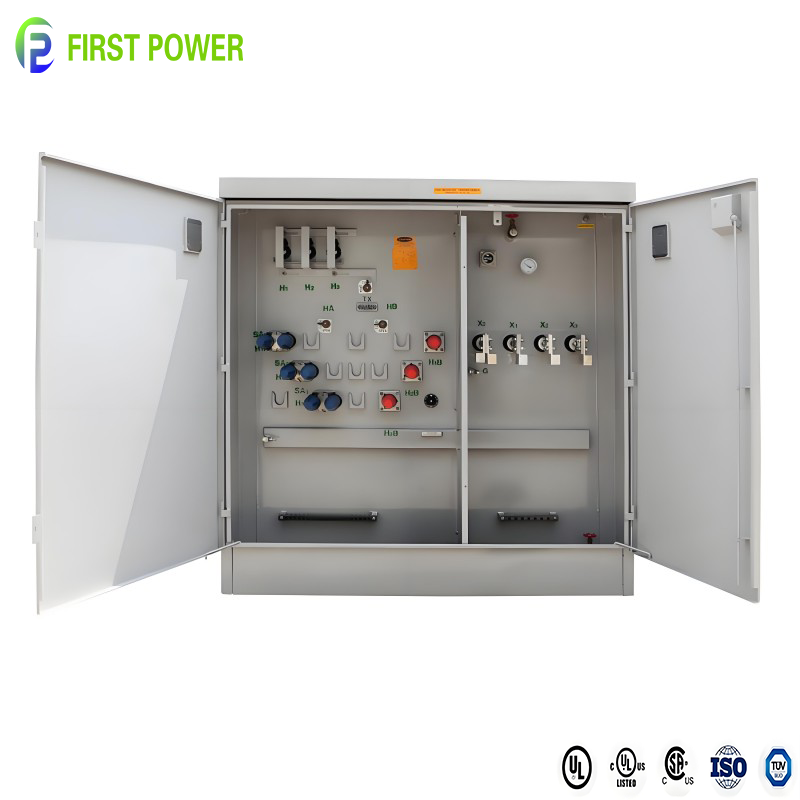
C CE MV&HV 50/60HZ 300KVA 500KVA 630KVA 700KVA 10KV 15KV 20KV 35KV 3 Phase Loop Feed Pad Mounted Transformer for Industrial
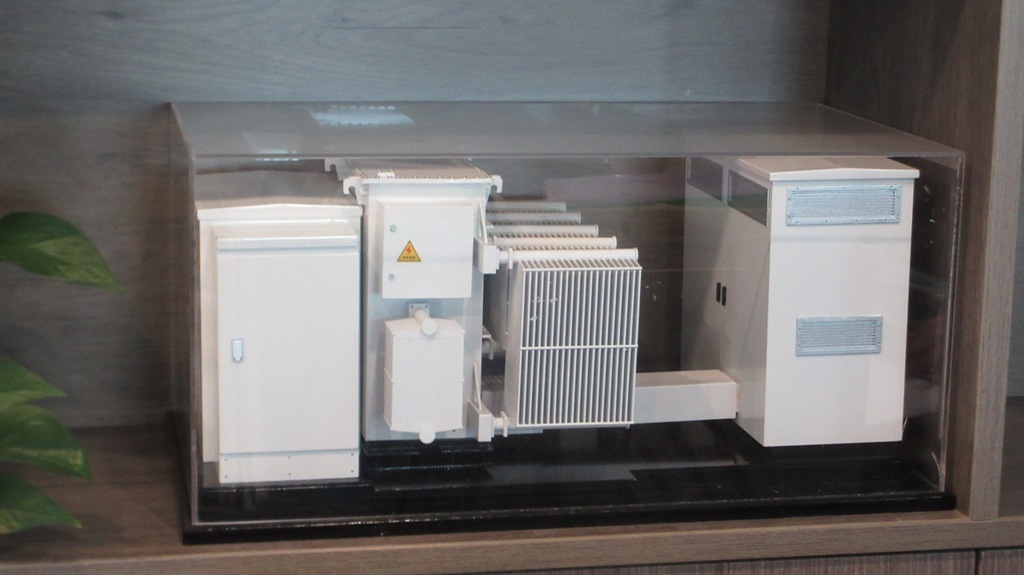
Loop-feed pad-mounted platform for industrial sites, data centres, campuses and renewable connections; configurable for step-down from 10–35 kV or isolation duty.
View product details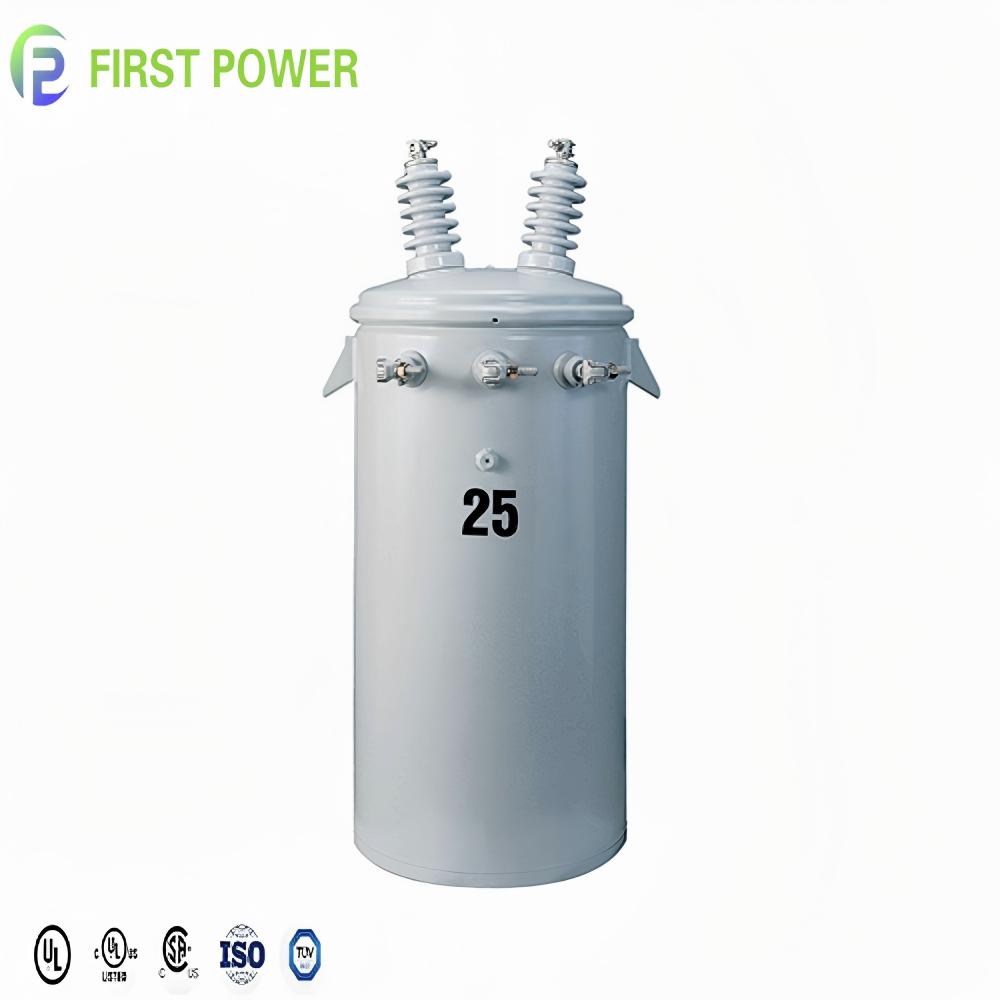
C CE Certification MV&HV 50/60HZ 6KV 10KV 20KV 35KV 25KVA Single Phase Transformer Price for Electric Power Distribution
Single-phase CE-certified distribution platform for rural, residential and small commercial feeders; useful where a compact step-down or isolation point is required.
View product details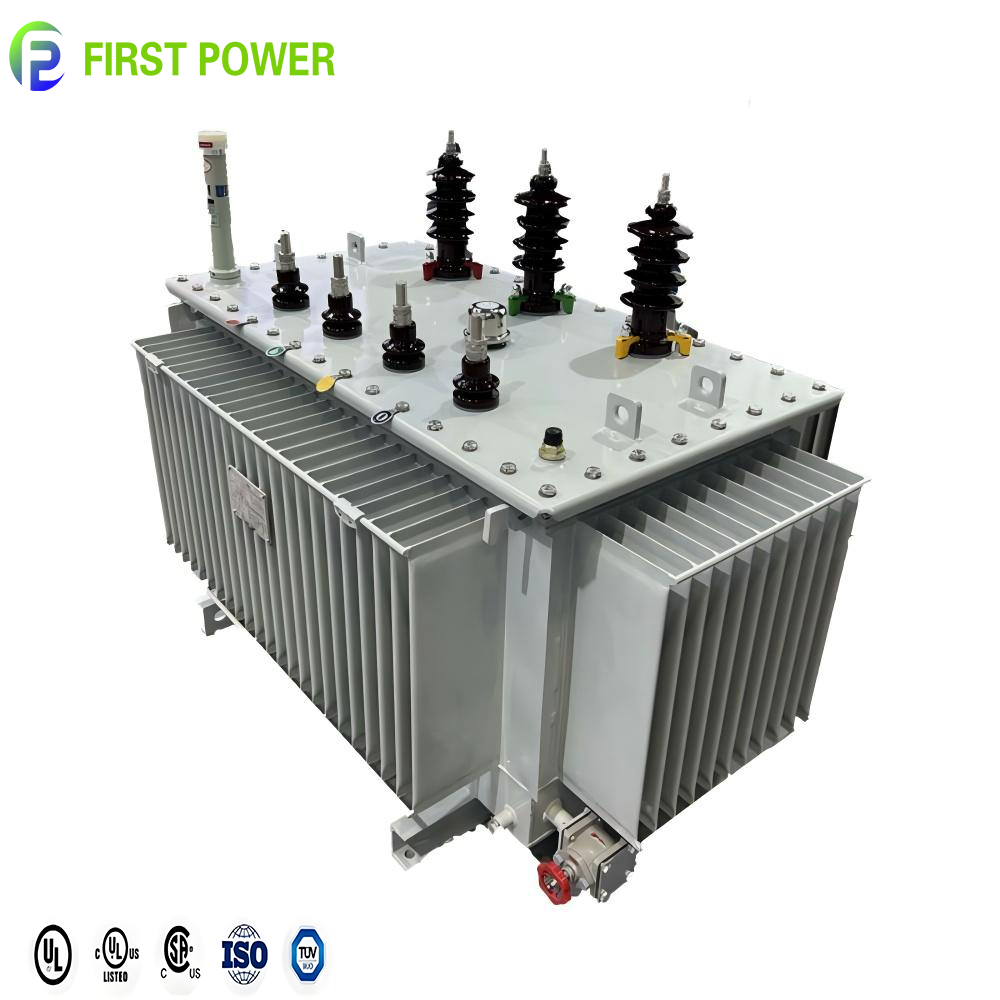
C CE 50/60HZ S11 10KV 20KV 35KV 50KVA 100KVA 200KVA 3 Phase Electrical Oil Immersed Transformer for Distribution System
Oil-immersed S11 distribution transformer for 10/20/35 kV networks; low-loss core options and step-down to LV for commercial or municipal loads.
View product details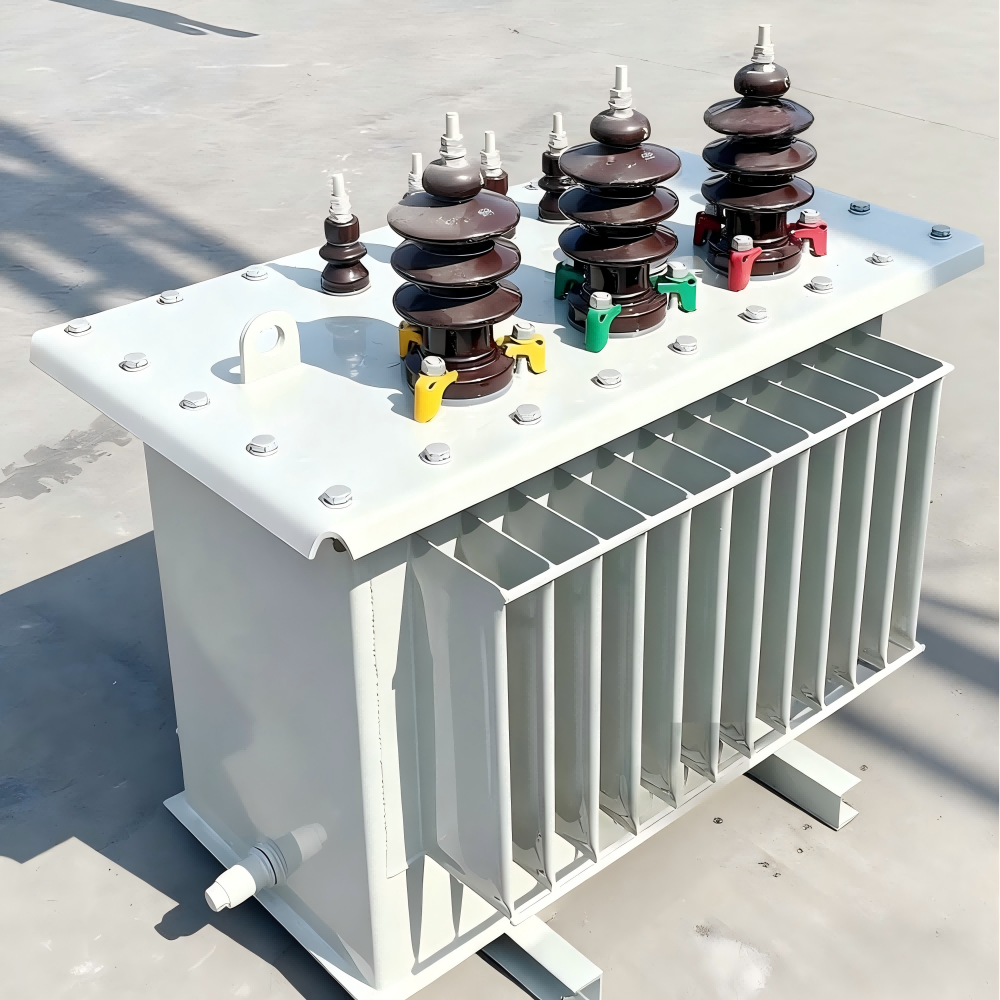
C CE MV&HV 30-31500KVA 6KV 10KV 15KV 20KV 35KV S11 Three Phase Oil Transformer for Electric Power Distribution
A 30–31,500 kVA S11 platform for larger distribution and power duty; suitable for renewable collection step-up or industrial step-down duties.
View product details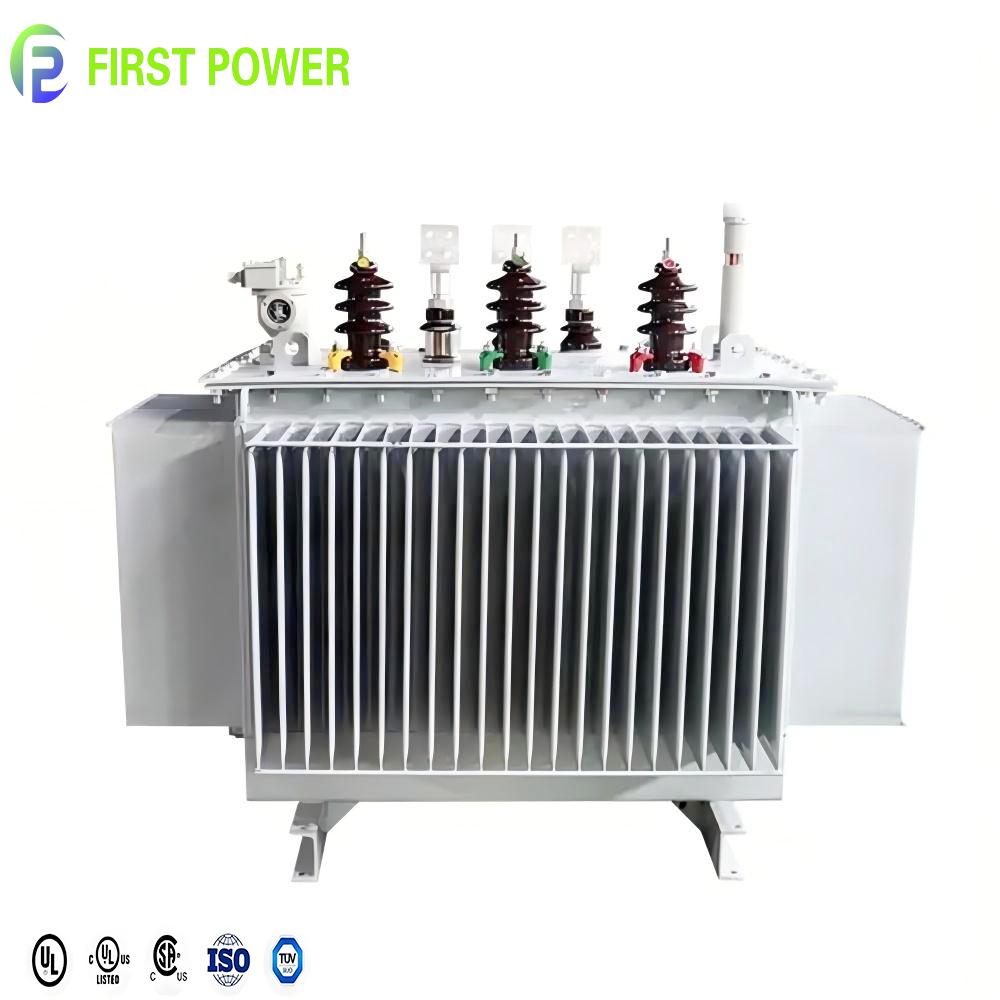
C CE S11 10KV 20KV 35KV 50KVA 100KVA 150KVA 200KVA 250KVA 3 Phase Oil-Immersed Transformer for Electric Power Distribution
50–250 kVA three-phase oil-immersed distribution unit for commercial buildings, municipal loads and small industrial substations.
View product details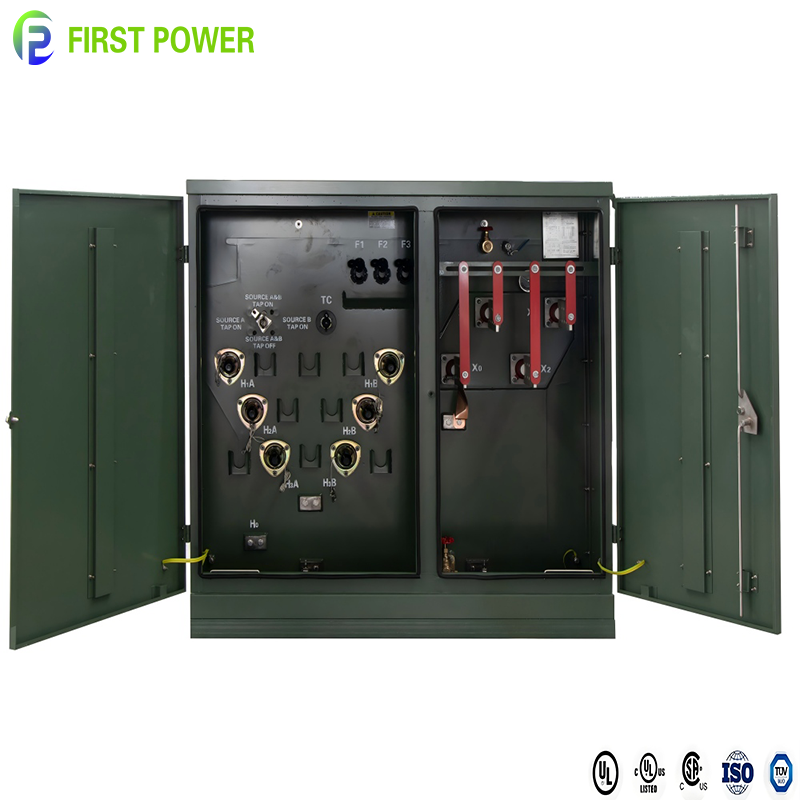
Listed C CE MV&HV 50/60HZ 6KV 10KV 15KV 20KV 35KV 3 Phase Pad Mounted Transformer Electrical for Industrial Power Supply
Listed C CE MV/HV three-phase pad-mounted unit for industrial power supply; supports enclosed outdoor installation and project-specific feed arrangements.
View product details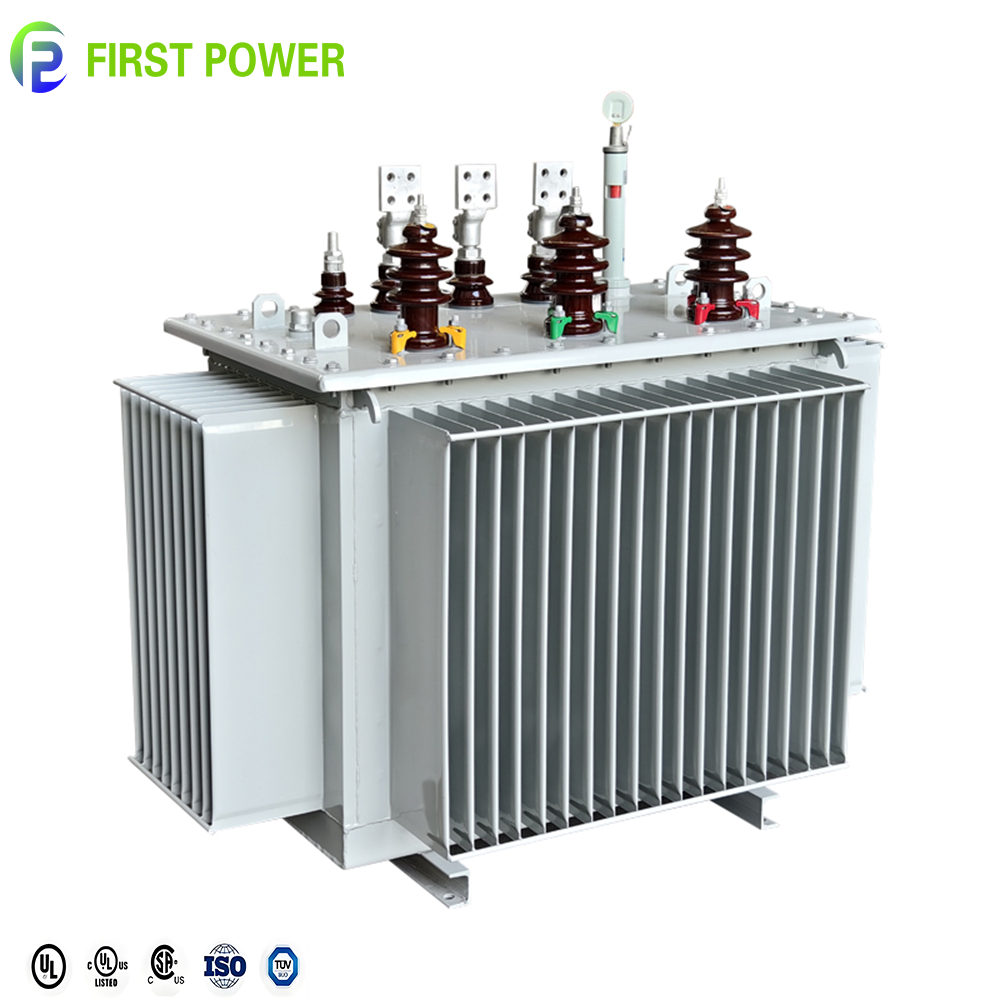
C CE 50/60HZ 6KV 10KV 15KV 20KV 35KV 100KVA 200KVA 300KVA 500KVA 220V Output Voltage Step up Oil Transformer for Industrial
A configurable oil-immersed step-up or step-down platform for industrial ratios; discuss primary/secondary orientation, 220 V output requirement, taps and isolation options with engineers.
View product details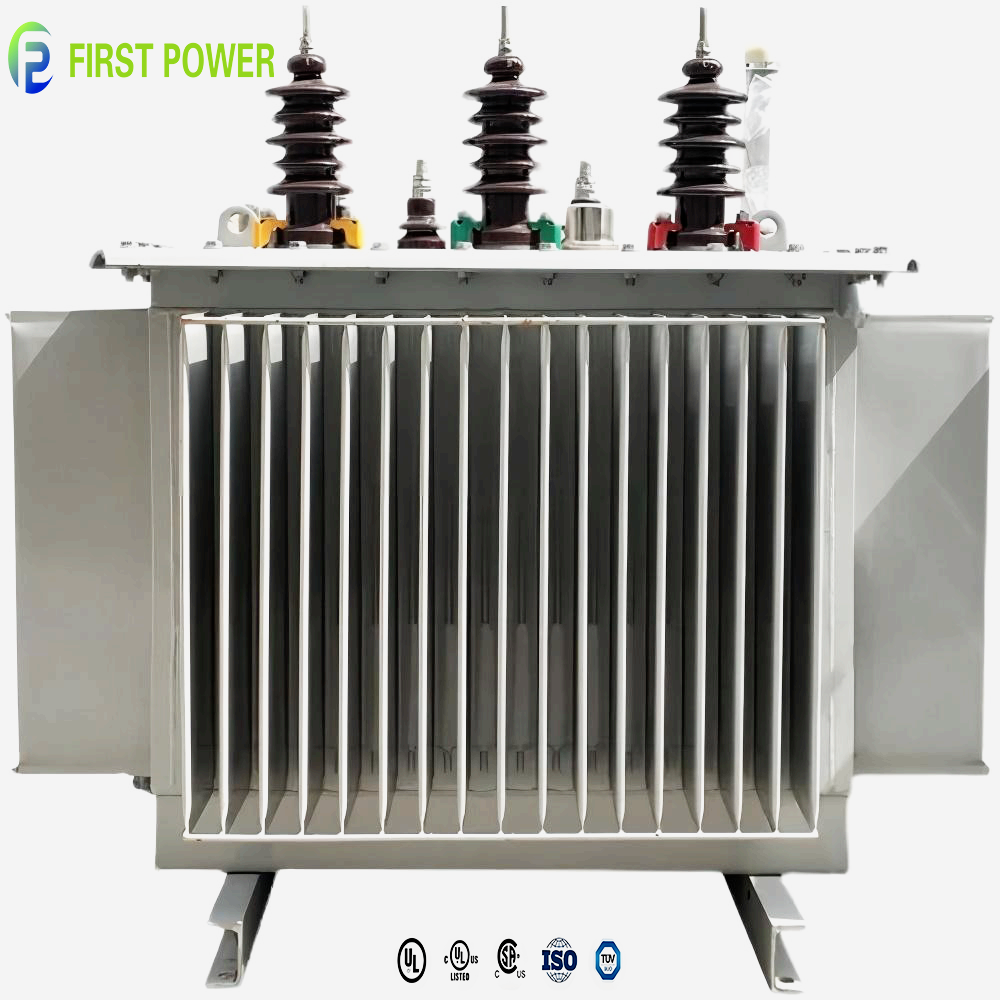
/C Certification 60HZ S11 Three Phase 10KV 35KV 500 KVA 22KV/0.4KV 50HZ Electric Oil Immersed Transformer for Power Supplies
S11 three-phase oil-immersed transformer for power supplies, including 22 kV/0.4 kV ratios; discuss 50 Hz German adaptation, vector group and loss targets before quotation.
View product detailsWhat German buyers actually mean by “isolation step up step down transformer supplier”
The search phrase combines three different buying intents. “Supplier” usually signals a buyer who wants one accountable manufacturer for engineering, documentation, testing and delivery. “Suppliers” often indicates a procurement team building a qualified panel for multi-site rollout, spare parts or risk diversification. The technical phrase — isolation, step-up and step-down — describes a functional requirement, not a commodity item. A German buyer may need galvanic isolation for sensitive production lines, a step-up unit for renewable generation collection, or a step-down transformer for an industrial load centre. Each case changes winding design, impedance, vector group, cooling, loss evaluation and documentation.
Germany operates on a 50 Hz grid, with common LV systems around 400/230 V and MV distribution classes such as 10 kV and 20 kV. A credible transformer supplier for Germany should therefore answer engineering questions, not simply quote a kVA figure. The supplier must understand 50 Hz loss behaviour, tap range, dielectric requirements, noise limits, fire safety, CE documentation and the buyer’s total cost of ownership. For an isolation transformer, the key questions include separate winding construction, electrostatic shielding where required, inter-winding capacitance, insulation coordination and the expected harmonic load. For step-up and step-down duty, the critical points are ratio, impedance, cooling method, tap changer, parallel operation and future expansion.
Wisegj approaches this search intent as a technical isolation step-up and step-down transformer supplier serving Germany, not as a catalogue-only trader. The company’s portfolio spans pad-mounted, oil-immersed, dry-type and power transformers plus compact substations, from 220 V to 500 kV. For German projects, the practical value lies in early specification review: engineers can check whether a standard platform should be adapted for 50 Hz operation, German LV voltage, utility vector-group practice, loss capitalization and factory acceptance testing before the order is placed.
Bid evaluation should also move beyond purchase price. A transformer is a long-life asset, and German procurement teams increasingly compare offers using capitalized no-load loss, capitalized load loss, installation cost, maintenance and outage risk. This is especially important for renewable step-up transformers and continuously energised distribution transformers, where energy losses can outweigh a low initial quote over the asset life.
Germany-fit engineering matrix
Indicative review priorities used in early technical clarification with German buyers.
Where Isolation, Step-Up and Step-Down Transformers Are Used in Germany
Germany’s market is not defined by one transformer type. It is a mix of renewable expansion, industrial modernisation, municipal infrastructure and grid reinforcement. The application determines the right electrical and mechanical configuration.
Renewable Generation and Grid Connection
Solar parks, wind projects and hybrid generation sites use step-up transformers to raise inverter or generator voltage to 10 kV, 20 kV or 35 kV for collection and grid connection. Loop-feed pad-mounted units help simplify cable routing, while engineered loss evaluation supports long-term renewable asset economics.
Industrial Mittelstand and Automotive Suppliers
Automotive suppliers, machine builders and process plants often step down from 10 kV or 20 kV to 400 V or 690 V. Isolation transformers may be specified for sensitive production lines, harmonic-heavy loads or separation between operational areas. Motor starting, duty cycle and future capacity should be included in the design brief.
Data Centres, EV Charging and Battery Plants
Data centres and high-power EV charging hubs require reliable step-down and isolation arrangements with low noise and clear thermal design. Battery factories and other fast-build industrial facilities need documented designs, factory testing and delivery schedules that align with construction sequencing.
Municipal Infrastructure and Healthcare
Hospitals, water treatment plants, public buildings and transport depots use transformers where continuity and fire safety matter. Oil-immersed units are common in outdoor substations, while dry-type solutions can be considered for indoor, fire-sensitive areas in the wider Wisegj portfolio. Local site rules and insurance requirements should always be checked.
Brownfield Upgrades and Fast Deployment
German industrial sites and urban networks often face limited space and tight shutdown windows. Compact substations and pad-mounted transformers reduce civil works and simplify commissioning. Early review of cable entry, enclosure dimensions, ventilation and access requirements helps avoid late site changes.
Green Hydrogen and Power-to-X Projects
Electrolyser and power-to-X projects need step-down and isolation arrangements around rectifier systems, with attention to harmonics, DC influence and duty profile. These projects are highly project-specific; the transformer should be developed from the load study rather than selected from a generic list.
Germany Market Trends Shaping Transformer Sourcing, 2025–2030
The German transformer market is being reshaped by grid congestion, renewable expansion, industrial resilience and stricter lifecycle cost thinking. These trends change what buyers should ask suppliers to document.
Grid Congestion and Delivery Pressure
Grid operators and developers are under pressure to connect new load and generation faster. Suppliers that can provide early drawings, stable lead times and export-ready documentation reduce project risk before civil works begin.
Loss Capitalization and EU Efficiency Thinking
German buyers increasingly evaluate no-load and load losses rather than purchase price alone. Where EU Ecodesign requirements apply, the technical file and loss data should be reviewed against the actual project duty cycle and financing assumptions.
Renewable Step-Up Demand
Solar, wind and hybrid projects continue to require step-up transformers with defined impedance, cooling and environmental protection. Buyers should compare not only kVA but also harmonic performance, parallel operation and future expansion.
Industrial Resilience and Isolation
Manufacturers are reviewing power quality, production continuity and equipment protection. Isolation transformers may be specified to separate sensitive processes or reduce disturbance propagation, but the winding and shielding requirements must be defined at the RFQ stage.
Fire Safety, Ester Oil and Environmental Review
Projects near buildings, tunnels or environmentally sensitive areas may require additional fire-safety and fluid discussions. Whether mineral oil or ester fluid is suitable depends on local rules, installation location and the buyer’s risk assessment.
Digital Monitoring and Condition Data
Temperature, pressure, moisture and partial-discharge data are increasingly requested for critical transformers. Sensors do not replace good design, but they support maintenance planning and asset management when specified with a clear data protocol.
Supplier or Suppliers Serving Germany: How to Build a Resilient Sourcing Model
For a single project, one accountable supplier usually gives the fastest technical route. For a multi-site programme, a qualified suppliers panel may improve delivery flexibility and spare-part coverage. The right model depends on standardisation, risk tolerance and project schedule.
Single-source specialist model
A single transformer supplier can simplify drawing approval, test documentation and warranty responsibility. This is often the best route for complex isolation transformers, non-standard ratios, renewable step-up units or projects where interfacing with switchgear and substations matters. The buyer should still audit factory capability and require routine test reports for every serial number.
Multi-supplier panel model
A panel of suppliers can reduce schedule risk for repeat distribution transformers, spare units and multi-country rollouts. The trade-off is more technical comparison work. To keep quality consistent, German buyers should issue a common RFQ template covering vector group, impedance, tap range, loss limits, test plan, documentation language and packing standard.
| Sourcing Model | Best Fit for German Projects | Main Risk to Manage | Practical Control |
|---|---|---|---|
| Single specialist supplier | Isolation transformers, renewable step-up units, custom ratios, compact substations and projects needing tight engineering communication | Capacity concentration and lead-time dependence | Factory audit, FAT witness, agreed drawing freeze date and documented test plan |
| Qualified suppliers panel | Repeat distribution transformers, multi-site industrial rollouts, spare units and long-term framework agreements | Inconsistent technical offers and documentation quality | Common RFQ template, common loss capitalization formula and sample approval process |
| Local integrator with export manufacturer | Projects needing German-language site coordination with an export-ready transformer factory | Unclear responsibility between integrator and manufacturer | Written interface matrix covering design, testing, delivery, commissioning and warranty |
Why Wisegj Can Act as a Technical Isolation Transformer Supplier for Germany
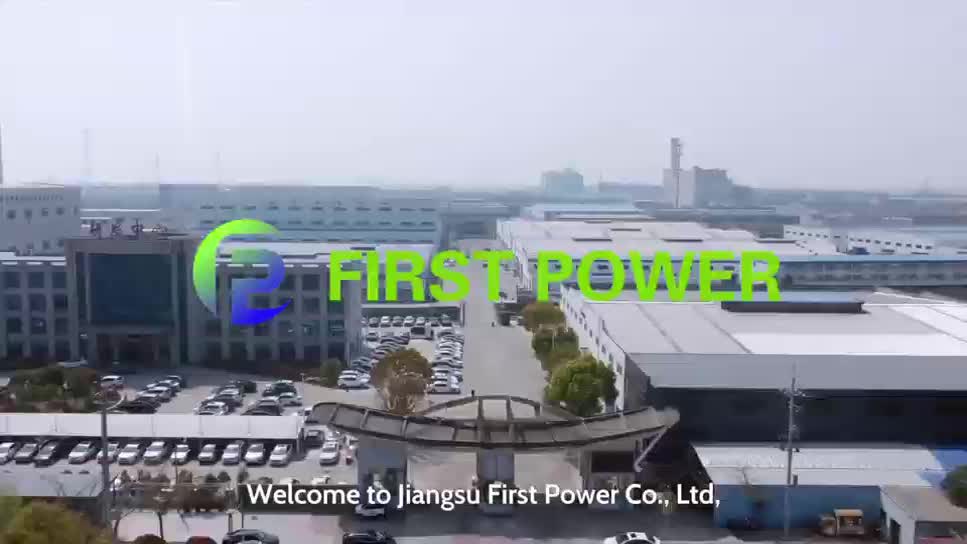
Jiangsu Wisegj Power Co., Ltd. is a Suzhou-based manufacturer and exporter of pad-mounted, oil-immersed, dry-type and power transformers plus compact substations. The team brings more than 20 years of transformer experience, operates from a verified production base of 6,847 m², and works with more than 50 R&D and technical engineers. The company reports 211 qualified supply-chain partners, an average buyer rating of 4.9/5, and 24-hour pre-sale and after-sale response targets.
For Germany, the value is not a claim of a local German factory. It is export-grade engineering, auditable quality control and responsive customization. Wisegj product lines hold CE certificates, and production runs under ISO 9001, ISO 14001 and ISO 45001 management systems. Production capability, floorspace and quality inspection have been verified onsite by TÜV Rheinland, an independent third-party inspection body. This evidence matters when a German procurement team needs to justify a supplier to engineering, compliance and commercial stakeholders.
- Own production base with full industry certificates
- 50+ engineers in R&D and technical support
- OEM, ODM and design-based customization
- Finished product inspection on every unit
- ISO 9001, ISO 14001 and ISO 45001 systems
- 24-hour pre-sale and after-sale response
- Export packing and full Incoterms support
- Third-party witness inspection welcome
Engineering Review Before Quotation
Ratings, voltage ratio, vector group, impedance, cooling and site conditions are checked before price and lead time are confirmed.
In-House Testing
Routine tests cover winding resistance, ratio, vector group, impedance, load loss, no-load loss, applied voltage and induced voltage.
Design Customization
OEM, ODM and sample-based options include taps, bushings, enclosure colour, insulating fluid and nameplate language.
Export Logistics
Seaworthy packing, shock indicators and Incoterms from EXW to DDP help align delivery with German site schedules.
Certified Systems
ISO 9001, ISO 14001 and ISO 45001 management systems are listed with certificate numbers for verification.
Complete Documentation
GA drawings, nameplate drafts, routine test reports and O&M manuals can be supplied in English for technical review.
Qualified Supply Chain
211 supply-chain partners support stable sourcing of silicon steel, copper, bushings, tap changers and accessories.
Responsive Communication
Technical questions and after-sales issues receive a qualified response target within one working day.
Certificates, Factory Tests and Documents German Procurement Teams Can Audit
CE certificates and test reports are not marketing decoration. They are evidence for tender clarification. A German buyer should be able to trace a quoted transformer to a design standard, a routine test plan, a nameplate drawing and a packing specification. For liquid-filled units, oil dielectric strength testing should be documented. For projects with critical continuity requirements, third-party witness inspection can be arranged.
The evidence pack for a Germany-bound project can include the general arrangement drawing, electrical data sheet, guaranteed losses, vector-group confirmation, tap range, routine test report, oil test report where applicable, nameplate drawing, packing list, O&M manual and certificate copies. If the buyer has a utility specification or an internal standard, it should be shared at RFQ stage so deviations can be resolved before manufacturing.
- Routine tests for every unit, not only a type-test sample
- Third-party witness and factory acceptance testing welcome
- CE certificate numbers available for verification
- ISO management-system certificates valid through the stated period
- Documentation language and drawing format agreed before production
Verifiable certificate references

Questions German Buyers Ask Before Ordering an Isolation, Step-Up or Step-Down Transformer
These answers reflect the practical questions raised by procurement, engineering and compliance teams when comparing transformer suppliers serving Germany.
Are you a manufacturer or a trading company?
Can you supply 50 Hz transformers for the German grid?
How do you handle isolation transformer requirements?
Which standards and certificates apply?
Which factory tests are performed before shipment?
Can you customize for German utilities and EPC contractors?
What Incoterms and payment terms are accepted?
What should a German buyer include in the RFQ?
Send a Germany-Ready RFQ in One Pass
Sharing the following parameters allows transformer engineers to return a compliant design, guaranteed losses and a realistic delivery plan without unnecessary clarification rounds. If a German utility specification or internal standard is available, include it with the inquiry.
Need an Isolation, Step-Up or Step-Down Transformer Supplier with Auditable Evidence?
Share your German project specification, single-line diagram or tender documents. Wisegj engineers can review the voltage ratio, isolation requirement, vector group, loss target, factory test plan and delivery schedule, then respond with a technical route for quotation.
Send an Inquiry