Utility & Industrial Grade Transformers
Engineered to IEC 60076 & ANSI/IEEE C57 specifications. Built for seamless indoor substation integration in humid, tropical urban microclimates.
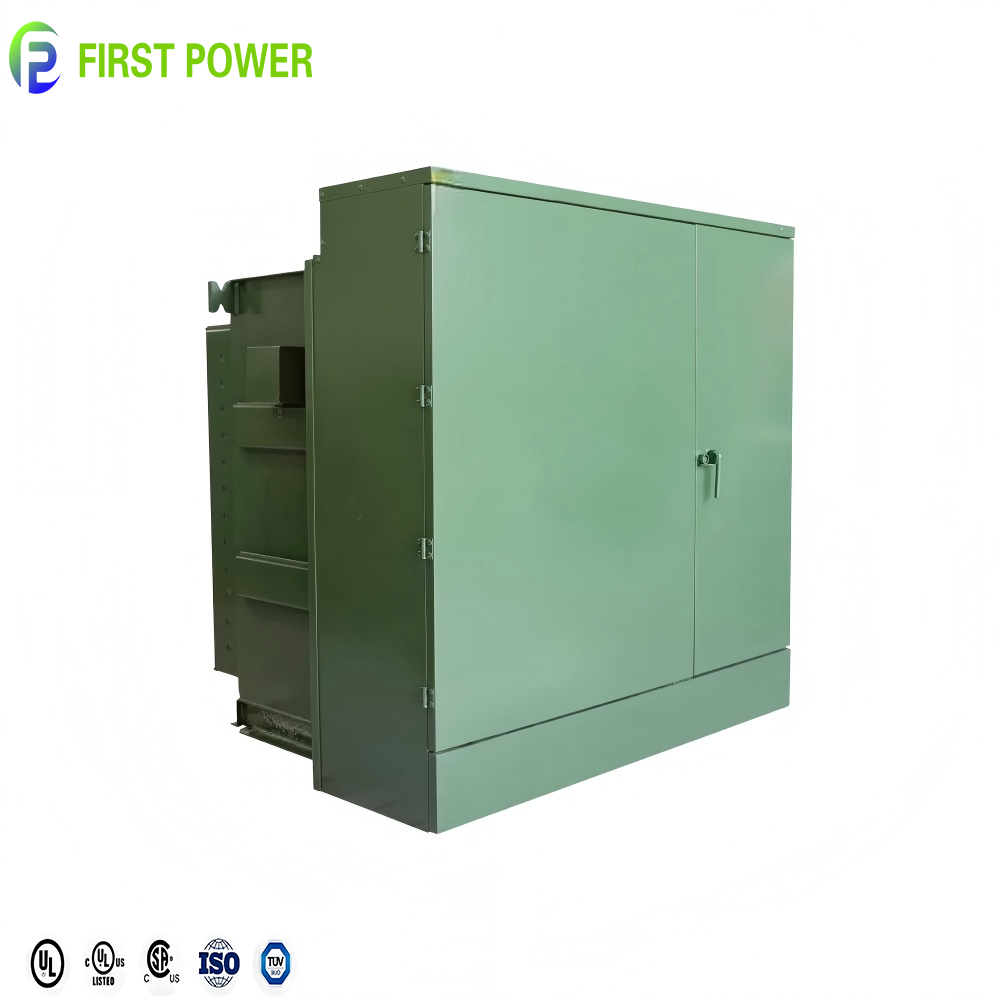
Three Phase Pad Mounted Transformer for Electric Power Distribution
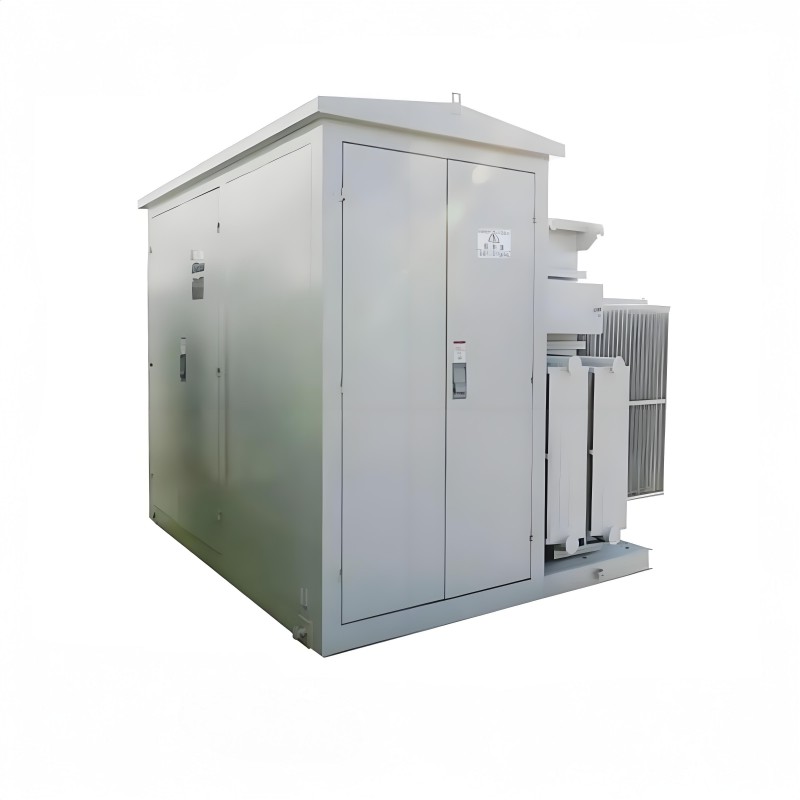
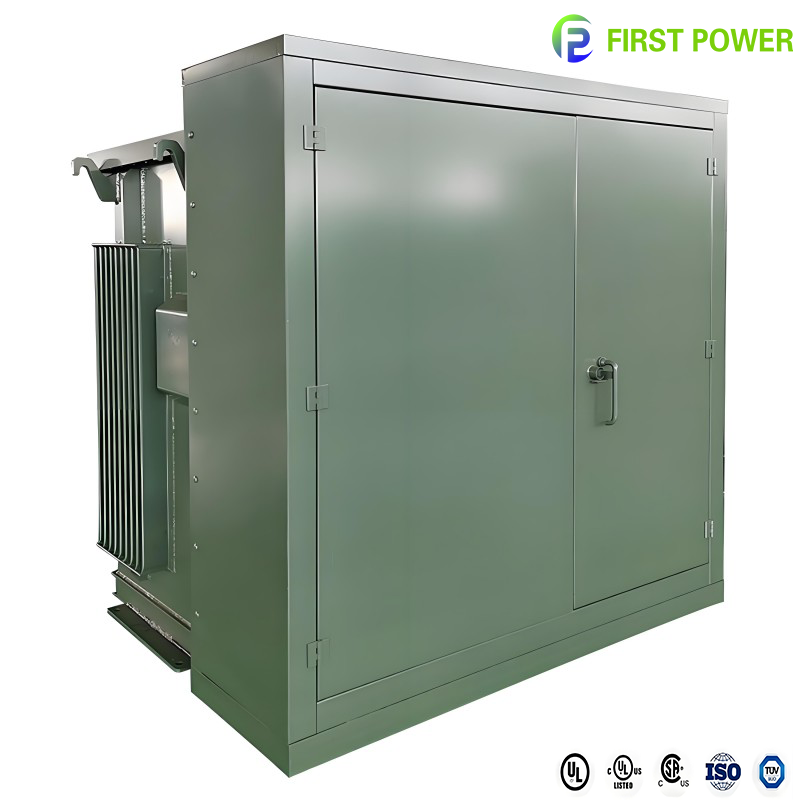
3 Phase Oil Type Pad Mounted Transformer for Power Generation
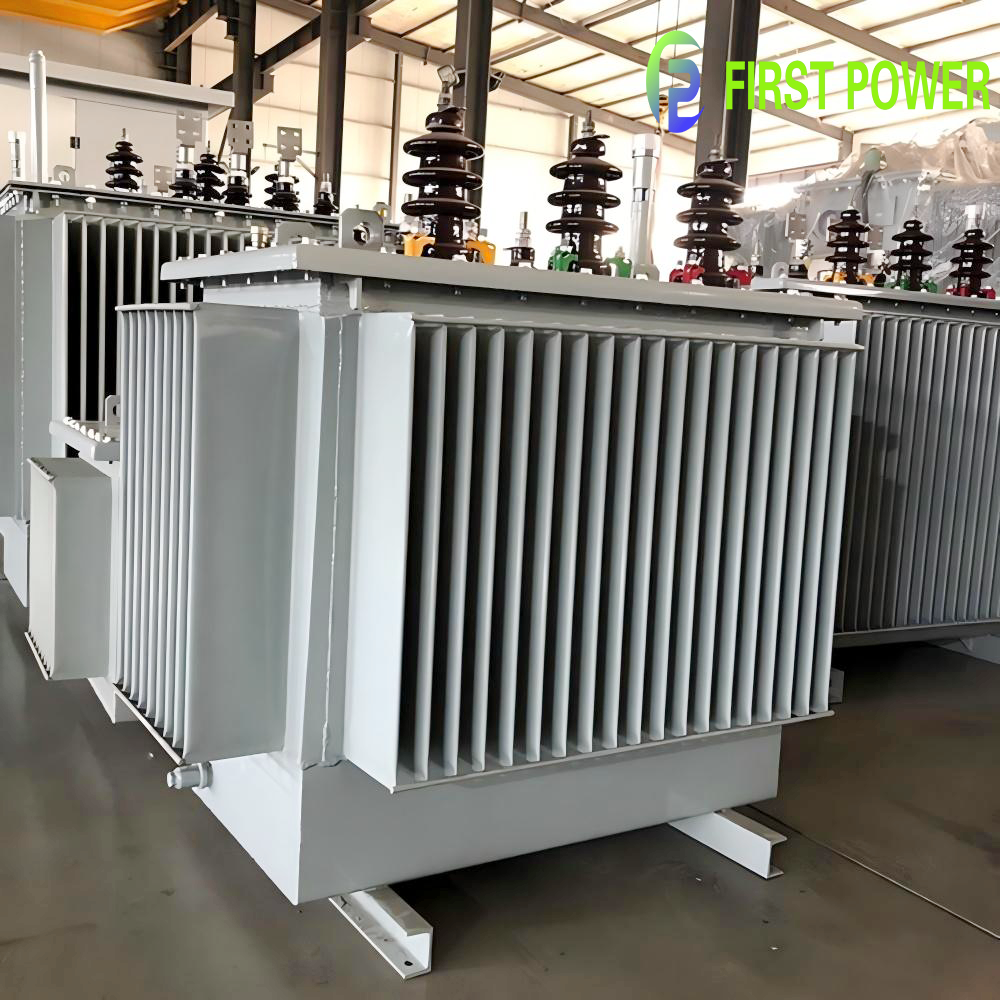
S11 Three Phase Oil Immersed 50KVA Distribution Transformer
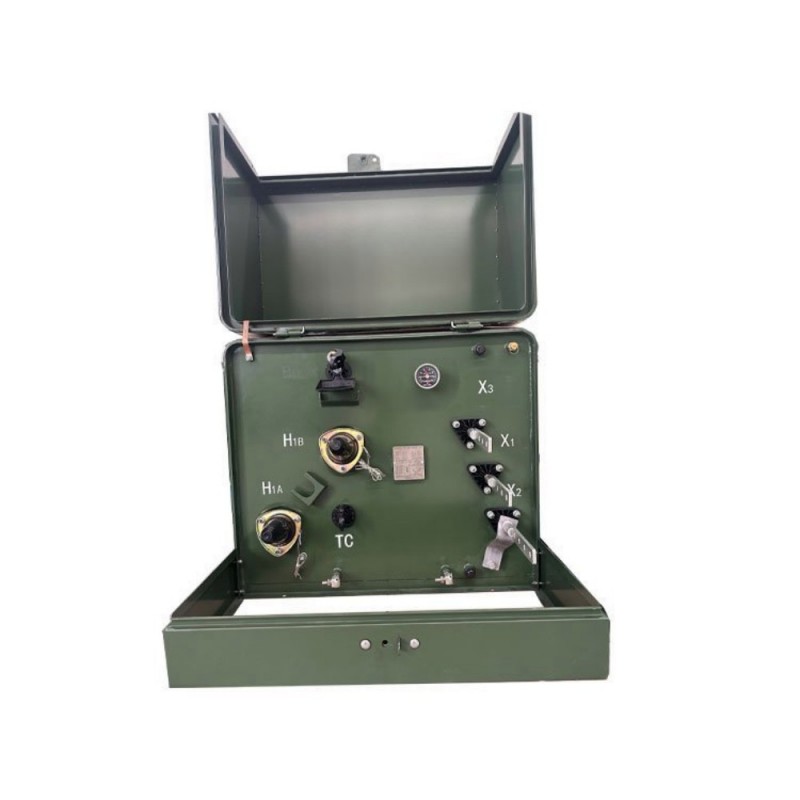
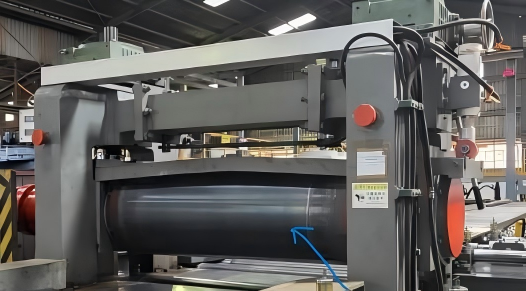
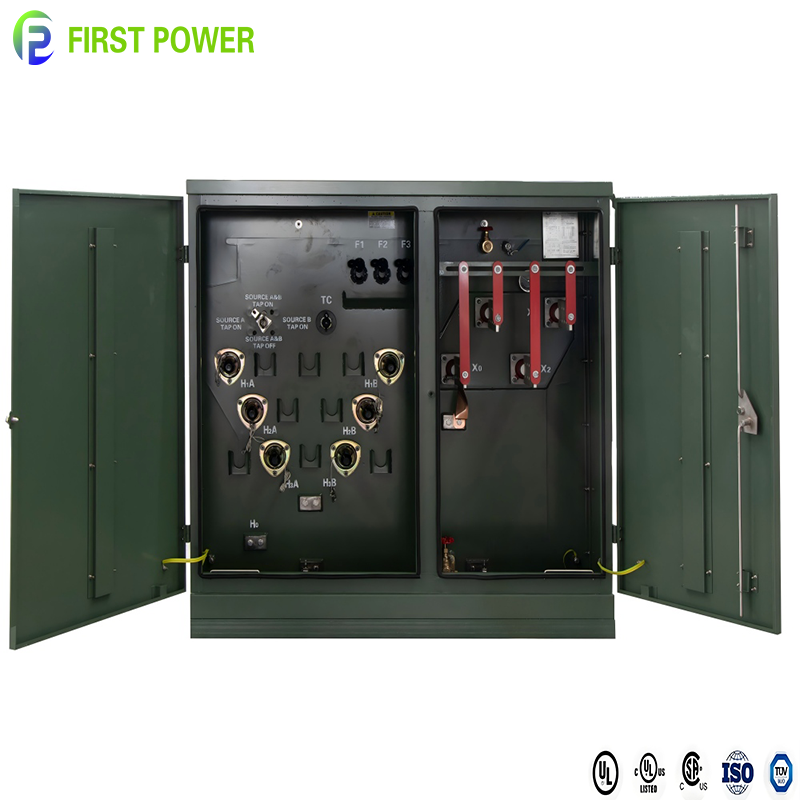
3 Phase MV/HV Pad Mounted Transformer for Industrial Power Supply
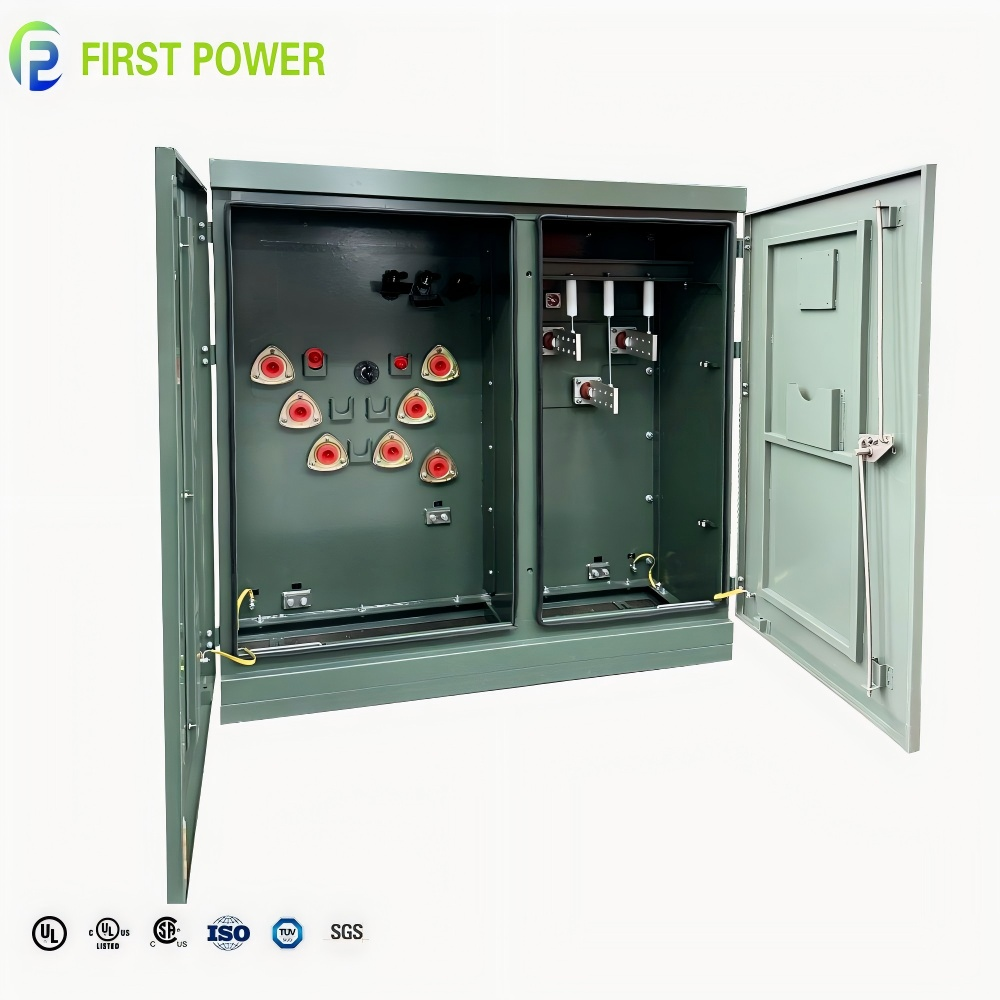
Engineering Technical Whitepaper: Indoor Power Transformer Selection for Vacoas-Phoenix Grid Infrastructure
Vacoas-Phoenix, positioned within the high-plateau region of Mauritius, presents a unique electrical and environmental landscape for medium-voltage (MV) power distribution. Characterized by elevated relative humidity, frequent rain squalls, and dense commercial-residential urban zoning, local power distribution projects require indoor transformer systems that prioritize compact physical footprints, zero flammability risks, high dielectric stability, and resilience against tropical ambient thermal fluctuations.
Selecting an indoor transformer supplier serving the Vacoas-Phoenix municipal zone demands a granular understanding of the local Central Electricity Board (CEB) medium-voltage sub-transmission parameters (predominantly operating at 22kV and 11kV networks, 50 Hz). Whether equipping commercial real estate complexes near Phoenix, textile processing facilities, or institutional infrastructure in Vacoas, electrical engineers must evaluate step-down transformer architectures based on Total Cost of Ownership (TCO), life-cycle reliability, thermal insulation class, and harmonic tolerance.
Technical Gain Insight: Indoor power installations in humid tropical elevated environments demand cast-resin dry-type units featuring Class H or Class F insulation with an enclosure protection rating of at least IP23 (or IP54 for harsh dust/moisture spaces). Fire safety standards (F1 classification) and low partial discharge (< 10 pC) are critical criteria for indoor substations housed beneath occupied structures in Mauritius.
Cast Resin Dry-Type vs. Hermetically Sealed Liquid-Immersed Indoor Transformers
When specifying medium-voltage indoor transformers for multi-story buildings, underground vaults, or cleanroom industrial environments in Vacoas-Phoenix, the primary engineering choice lies between Epoxy Cast Resin Dry-Type Transformers and Hermetically Sealed Liquid-Immersed Units equipped with high-fire-point natural ester fluids.
1. Cast Resin Dry-Type Transformers (SCB Series)
Cast resin dry-type transformers have emerged as the industry standard for indoor substations located inside commercial shopping centers, hospitals, and high-rise office developments. Winding conductors (high-grade copper or electrical-grade aluminum) are vacuum-cast in epoxy resin reinforced with fiberglass matting. Key technical advantages include:
- Self-Extinguishing & Zero Fire Risk: Compliant with IEC 60076-11 F1 fire behavior rating. They generate no toxic fumes and require no fire-suppression deluge systems or oil catchment basins, substantially lowering civil construction costs in urban Vacoas-Phoenix developments.
- Moisture & Fungal Resistance: Rated C2 (climatic) and E2 (environmental), meaning the resin-encapsulated coils prevent moisture absorption during prolonged shutdown periods in high-humidity ambient air.
- High Mechanical Short-Circuit Strength: Rigid resin encapsulation ensures exceptional resistance to dynamic electromagnetic forces experienced during line-to-ground or line-to-line grid fault events.
2. Hermetically Sealed Natural Ester Liquid-Immersed Transformers
For standalone indoor plant rooms with external ventilation or isolated industrial substations, hermetically sealed oil-immersed transformers using biodegradable synthetic or natural ester fluids offer an economical, low-loss alternative. The corrugated tank walls accommodate thermal expansion of the dielectric liquid without atmospheric breathing, completely isolating the liquid from oxygen and moisture ingress.
| Parameter / Specification | Epoxy Cast Resin Dry-Type (SCB) | Hermetically Sealed Ester Liquid | Conventional Mineral Oil Type |
|---|---|---|---|
| Primary Voltage Range | 6 kV to 35 kV (22kV CEB Standard) | 10 kV to 35 kV | 6 kV to 33 kV |
| Fire Safety Rating | Class F1 (Self-extinguishing) | K-class Fluid (Flash point >300°C) | O-class (Flash point ~140°C) |
| Cooling Method | AN / AF (Air Natural / Air Forced) | ONAN / ONAF | ONAN |
| Maintenance Requirement | Minimal (Routine visual & dust clearing) | Low (Periodic fluid sampling) | Moderate (DGA, moisture & oil filtering) |
| Partial Discharge Level | ≤ 10 pC at 1.3 Um | N/A (Liquid Dielectric) | N/A (Liquid Dielectric) |
| Indoor Vault Pit Requirement | None required | Minimal catch tray | Full volume oil containment basin |
Localized Application Scenarios in Vacoas-Phoenix
Engineering customized indoor transformer solutions requires matching the electrical duty cycle with the physical site environment. Below are the primary deployment scenarios observed across the Vacoas-Phoenix regional grid:
Commercial Facilities & Malls
Substation integration within dense commercial nodes (such as the Phoenix commercial district). Cast resin transformers (1000kVA–2500kVA, 22kV to 415V) supply low-noise, flame-safe power to air conditioning chillers, escalators, and IT server rooms.
Textile & Industrial Plants
Heavy manufacturing units require transformers capable of handling harmonic loads generated by Variable Frequency Drives (VFDs) and automated looms. K-Factor rated transformers (K-4 to K-13) prevent neutral conductor overheating and core saturation.
Rooftop Solar & Microgrids
Grid-tied step-up indoor compact transformers (415V to 22kV) designed for solar PV integration across industrial rooftops in Vacoas-Phoenix, featuring electrostatic shielding between primary and secondary windings to mitigate grid transients.
Grid Dynamics & Emerging Transformer Trends in Mauritius
As the Republic of Mauritius accelerates its National Energy Policy goal to achieve 60% renewable energy generation by 2030, the local distribution network operated by the CEB is experiencing major operational shifts. Indoor transformer installations in Vacoas-Phoenix are adapting through several key technological trends:
1. Smart Monitoring & IoT Sensor Integration
Modern indoor step-down transformers are increasingly specified with integrated fiber-optic hot-spot temperature sensors, online micro-water sensors (for ester-filled units), and digital PT100 temperature controllers with RS485 Modbus communications. This enables real-time integration into local SCADA systems, preventing unexpected thermal trips during summer peak demand.
2. Ultra-Low Loss Cores (Amorphous Alloy & High-Permeability CRGO)
With electricity tariffs structured to incentivize energy efficiency, industrial buyers in Vacoas-Phoenix prioritize low no-load (iron) and load (copper) loss metrics. Jiangsu Wisegj Power incorporates top-grade Cold Rolled Grain Oriented (CRGO) silicon steel laminations (0.23mm to 0.27mm thickness) and optional Amorphous Metal cores, cutting no-load losses by up to 70% compared to standard IEC tier-1 requirements.
3. Compact Prefabricated Indoor Substations
Space constraints in urban Vacoas-Phoenix building basements have driven demand for modular, factory-assembled compact substations containing High Voltage Ring Main Units (SF6-free GIS RMU), cast resin dry-type transformers, and low-voltage switchboards inside a single ingress-protected IP54 housing.
Manufacturer Credibility: Jiangsu Wisegj Power Co., Ltd.
As a global power transformer manufacturer and trusted exporter to Africa, Europe, and the Americas, Jiangsu Wisegj Power Co., Ltd. specializes in custom-engineered pad-mounted, oil-immersed, and dry-type transformer solutions operating from 220V up to 500kV.
Our manufacturing complex spans over 6,847 m² of verified production floorspace, fully audited and verified onsite by TÜV Rheinland. With a dedicated team of over 50 electrical and structural engineers, every unit manufactured for clients serving Vacoas-Phoenix undergoes rigorous quality control aligned with international standards.
- Complete Standard Compliance: Engineered to IEC 60076, ANSI/IEEE C57, and CE standards.
- International Management Certifications: ISO 9001 (Quality), ISO 14001 (Environmental), and ISO 45001 (Occupational Health & Safety).
- Certified CE Credentials: CE Certificates for Power Transformers (3N230310.JYTU038), Dry-Type Transformers (FQC2530404), and Compact Substations (M.2025.206.C121884).
- 100% Factory Routine Testing: Every unit is tested for winding resistance, voltage ratio, vector group, impedance, load/no-load losses, and dielectric withstand before export packing.

Frequently Asked Questions by Buyers in Vacoas-Phoenix
Technical guidance for electrical consultants, EPC contractors, and procurement managers.