Chiang Mai Buyer Guide · Export Factory Direct
High Voltage Transformer Exporter & Wholesalers in Chiang Mai
Engineering-led 50 Hz transformer supply for Chiang Mai hotels, hospitals, food processing plants, industrial estates, solar farms and EV infrastructure. 220 V–500 kV, IEC/IEEE designs, CE and ISO-certified production, routine test reports and export documentation from Jiangsu Wisegj Power Co., Ltd.
Specification Before Price
A Specification-First Buying Guide for Chiang Mai Transformer Procurement
Chiang Mai is not a generic tropical load. A transformer specified for a Bangkok industrial estate may still be the wrong choice for a mountainside resort, a hospital in Mueang Chiang Mai, a cold-storage facility in Saraphi or a solar project in the Chiang Mai–Lamphun corridor. The local buying decision usually starts with the utility supply conditions: 50 Hz frequency, commonly discussed 22 kV or 33 kV distribution, low-voltage 400/230 V, PEA or MEA requirements, protection coordination and the physical constraints of the site.
When buyers search for a high voltage transformer exporter and wholesaler in Chiang Mai, the real intent is rarely “the cheapest box.” It is usually a request for a supplier who can review a single-line diagram, confirm vector group and impedance, control losses, provide routine test reports and ship a complete unit with documentation that the consultant, contractor and asset owner can approve. This guide is structured around that procurement reality.
The most useful comparison is not only the quoted price. It is the total evaluated cost: no-load loss and load loss at 50 Hz, temperature rise, noise, enclosure corrosion protection, fire strategy, spare-part availability, transport route to Chiang Mai, and the cost of a specification error discovered during commissioning. A factory-direct exporter should be able to explain these trade-offs in engineering language, not only send a catalogue.
What an informed Chiang Mai inquiry should include
Give the supplier enough data to return a compliant design the first time. This reduces clarification rounds and protects the project schedule.
- Rated power in kVA or MVA, plus future expansion allowance
- Primary and secondary voltage, frequency 50 Hz, vector group
- Impedance, tap range, cooling method and loss target
- Indoor or outdoor location, ambient, humidity and flood risk
- IEC or IEEE standard, test report and witness inspection needs
- Delivery site in Chiang Mai and required Incoterms
Product Recommendations
Eight Transformer Product Lines for Chiang Mai Buyer Shortlists
These eight lines cover industrial power supply, pad-mounted distribution, S11 oil-immersed distribution, IEEE 33 kV power transformers, loop-feed industrial units and dead-front pad-mounted designs. Ratings and voltages are customized to the project, so always confirm the final datasheet, guaranteed losses and test plan before ordering.
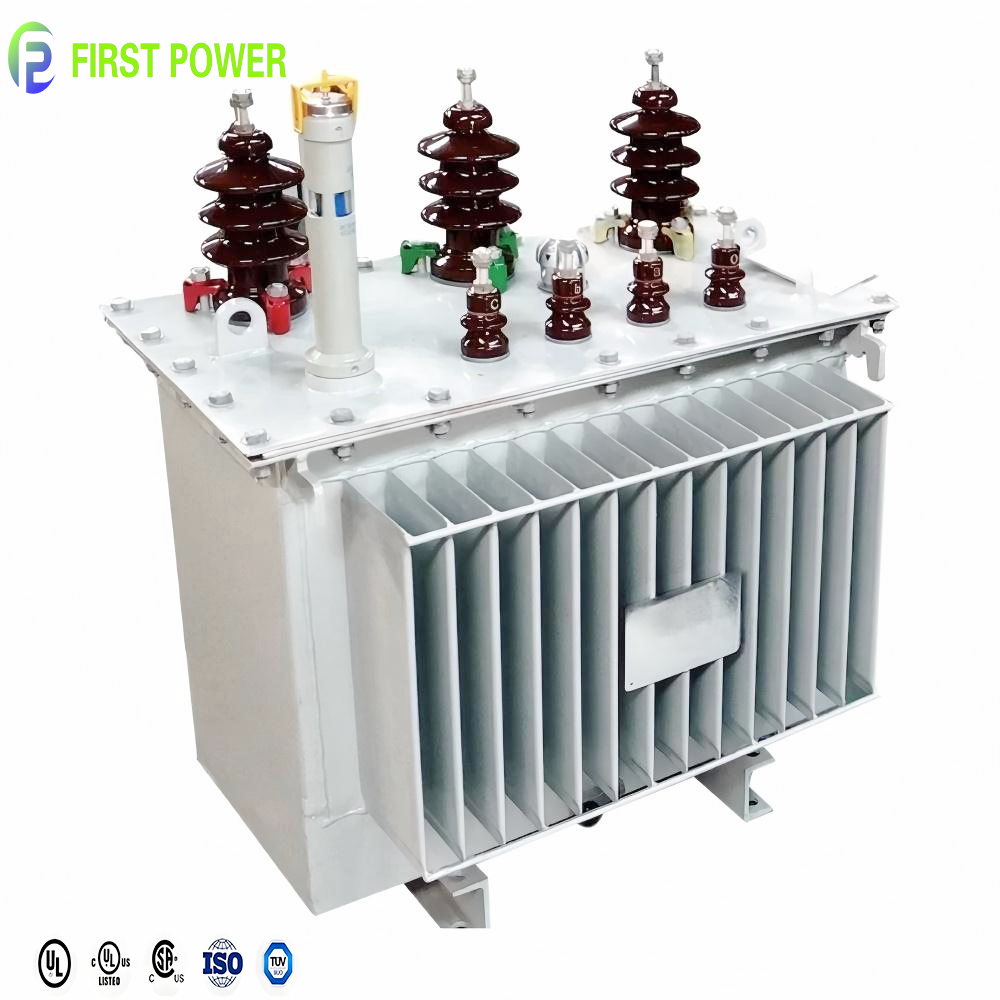 Industrial
C CE 10 kV–35 kV 50–500 kVA Oil-Immersed Transformer for Industrial Power Supply
A practical option for factories, workshops and agro-processing loads in Chiang Mai that need robust oil-immersed distribution with defined losses and routine testing.
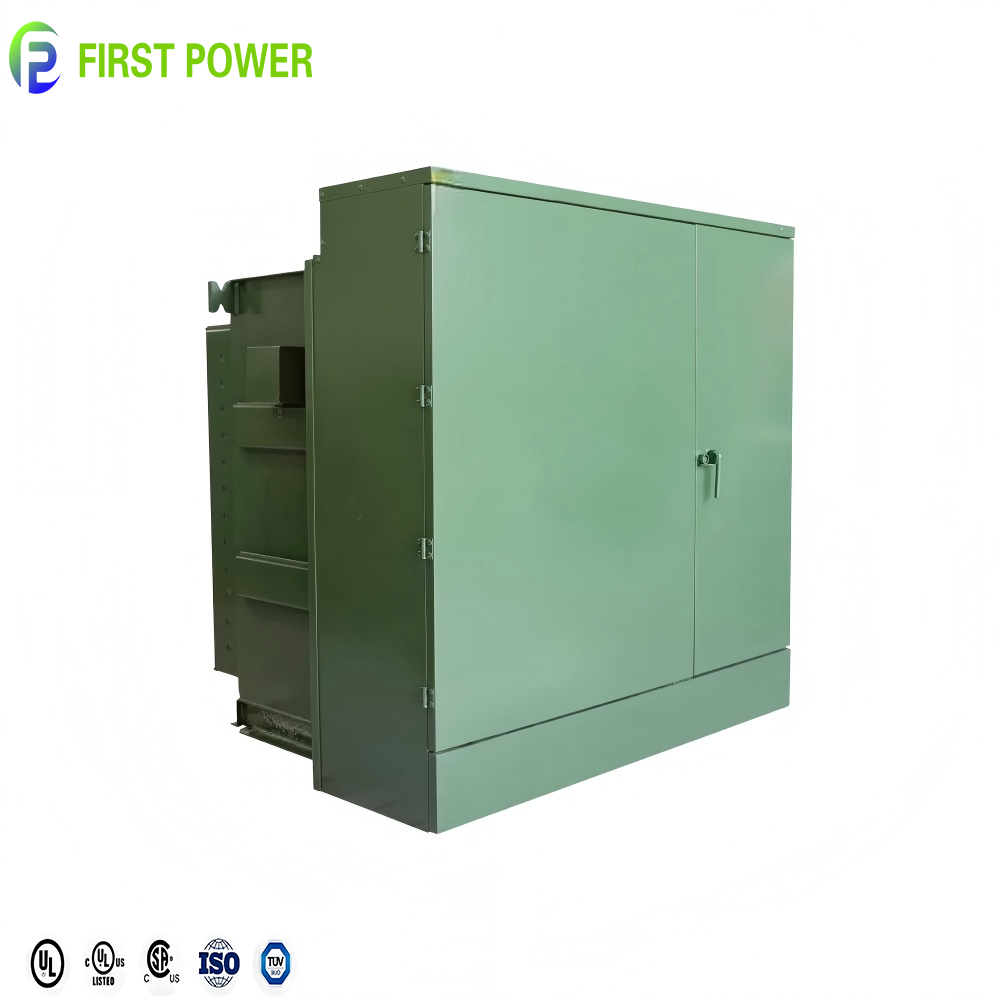 Pad Mounted
C CE 50/60 Hz 10 kV–35 kV 300–750 kVA Three-Phase Pad-Mounted Transformer for Electric Power Distribution
Well suited to underground distribution, resort developments, commercial compounds and renewable projects where surface space and tamper resistance matter.
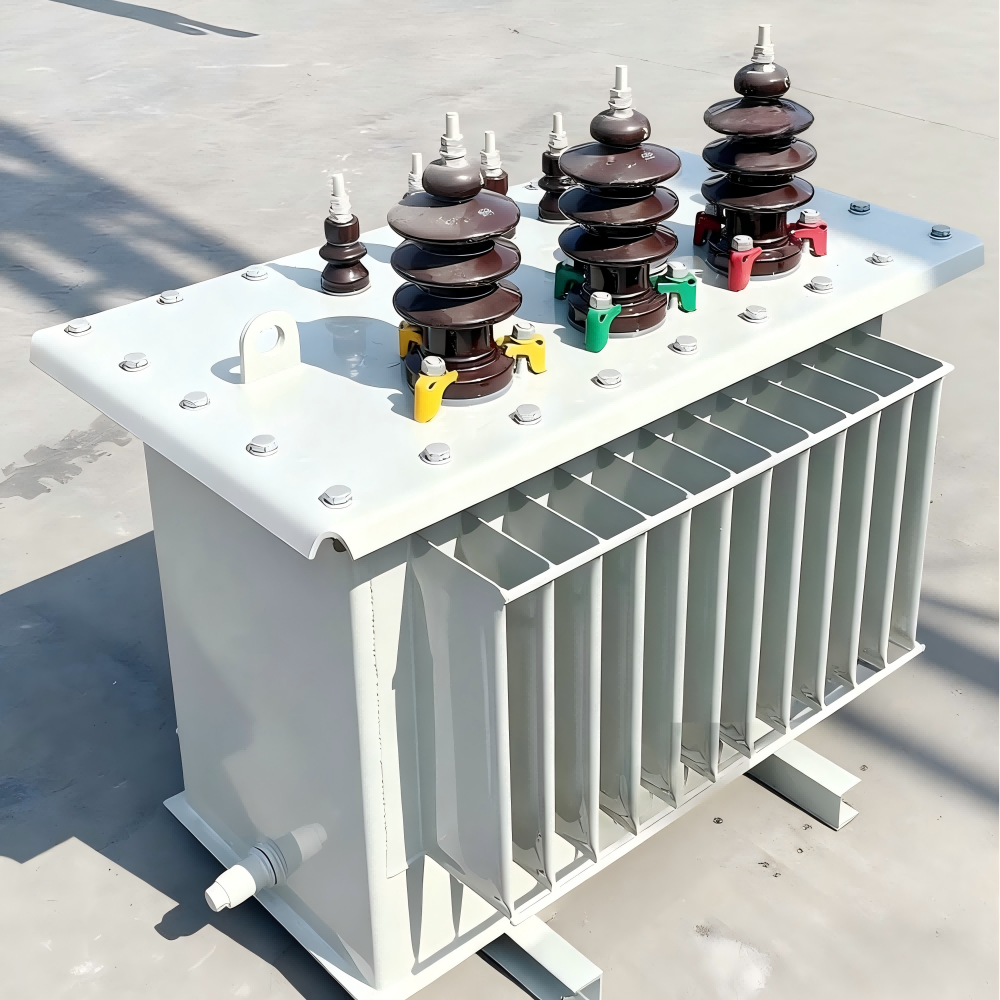 S11 Series
C CE MV&HV 30–31,500 kVA 6 kV–35 kV S11 Three-Phase Oil Transformer for Electric Power Distribution
Broad-range S11 distribution coverage for utility networks, industrial plants and larger commercial loads, with ratings engineered to the project schedule.
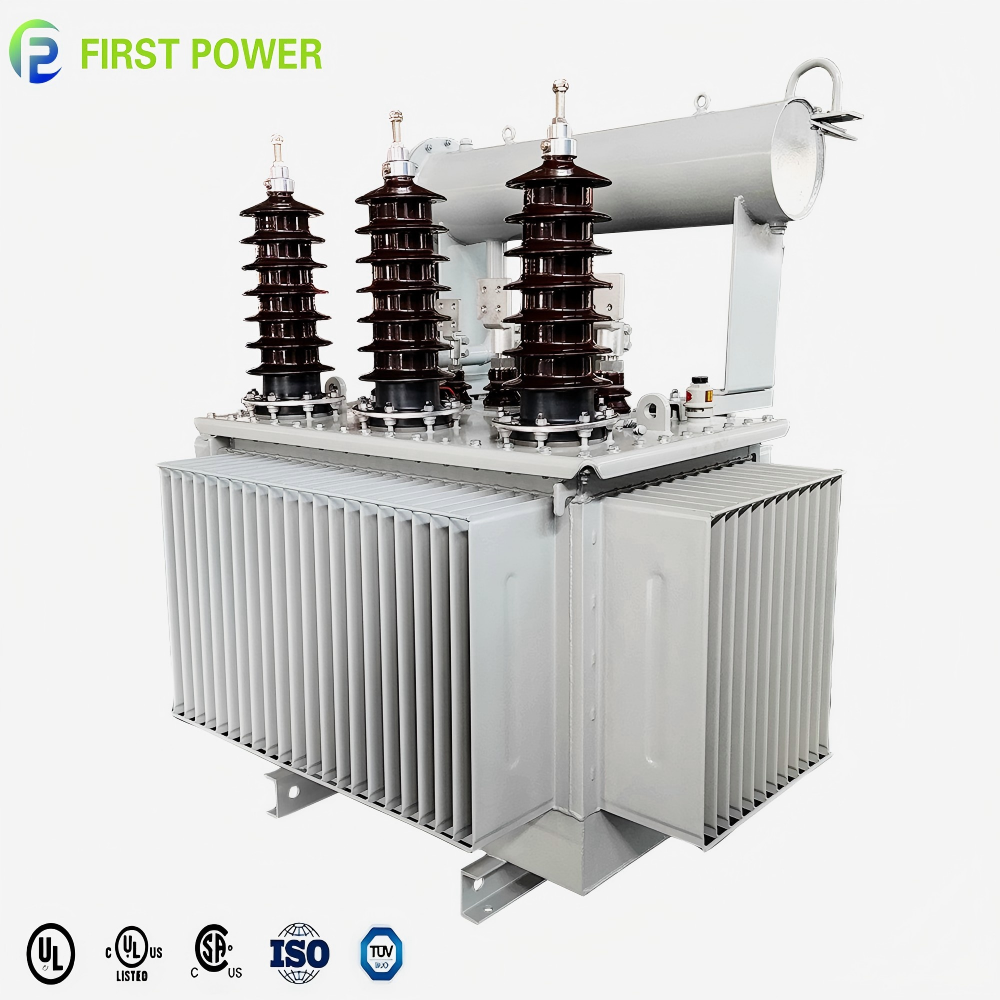 IEEE 33 kV
C CE Certification IEEE Standard 50/60 Hz S11 Three-Phase 33 kV Oil-Immersed Power High Voltage Transformer for Industrial Use
For industrial projects and consultants who require IEEE-oriented documentation and a clearly traceable oil-immersed high voltage design.
 Loop Feed
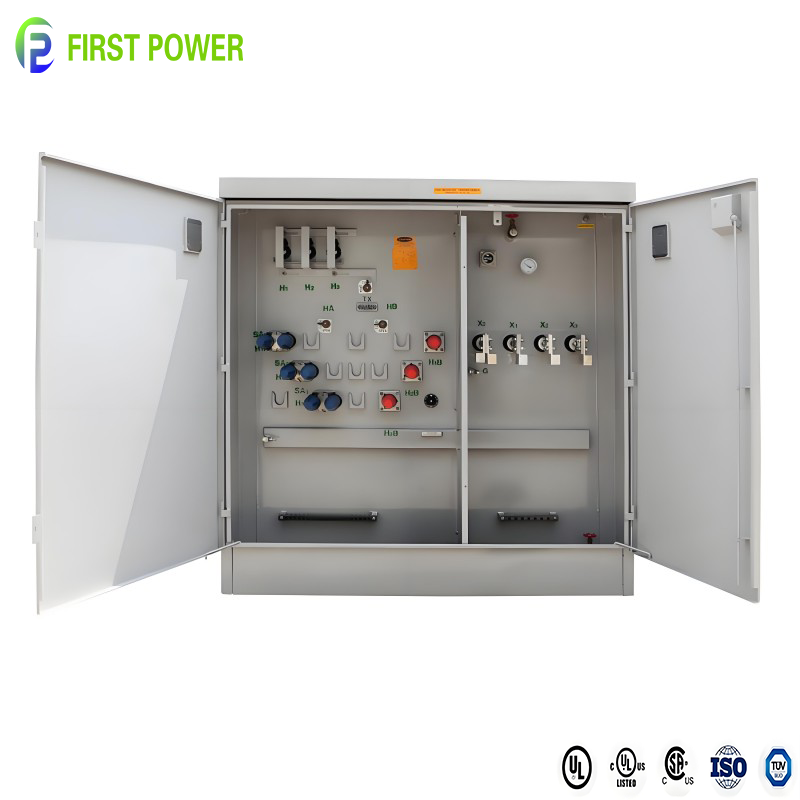
C CE MV&HV 50/60 Hz 300–700 kVA 10 kV–35 kV Three-Phase Loop-Feed Pad-Mounted Transformer for Industrial Projects
A strong fit for commercial campuses, EV charging hubs and industrial expansions where loop-feed configuration and compact outdoor footprint are required.
 22 kV / 0.4 kV
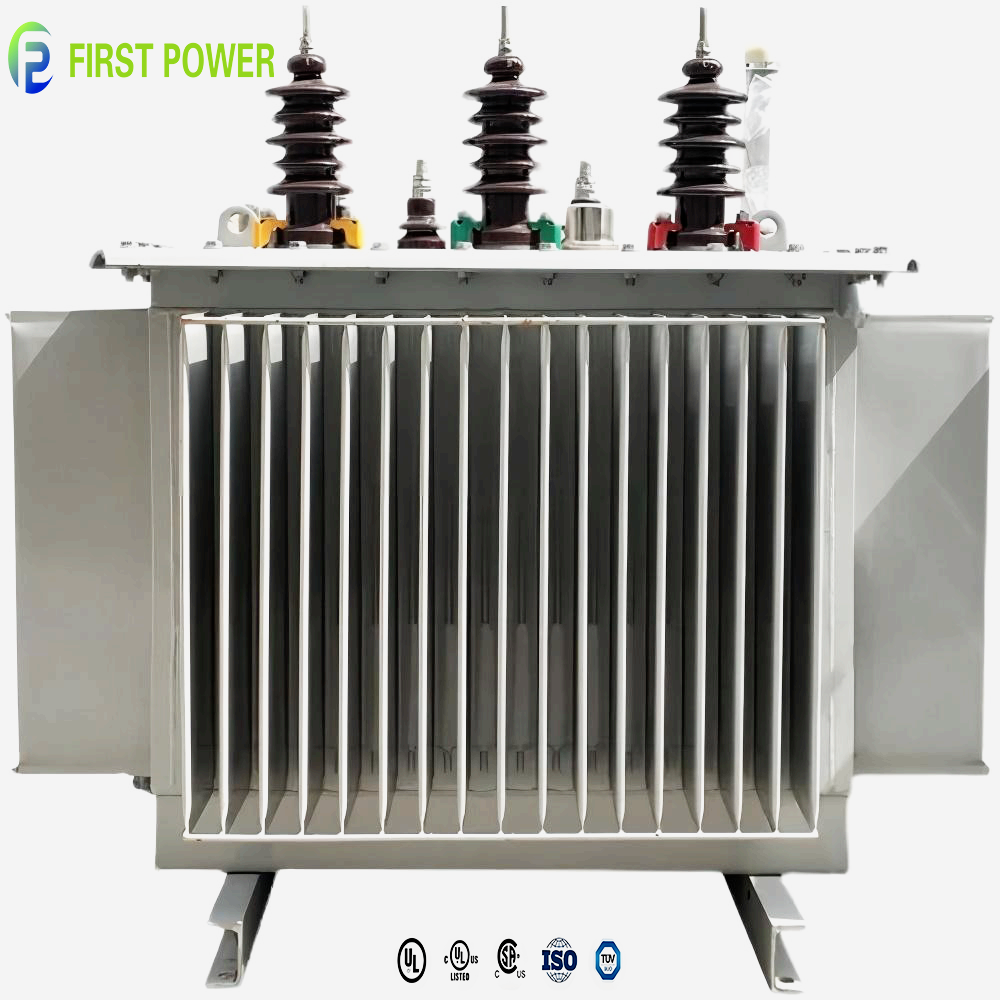
C Certification 60 Hz S11 Three-Phase 10 kV–35 kV 500 kVA 22 kV/0.4 kV 50 Hz Electric Oil-Immersed Transformer for Power Supplies
A distribution-line option for commercial buildings and light industrial facilities, with voltage ratio and frequency confirmed against the local utility supply.
 Dead Front
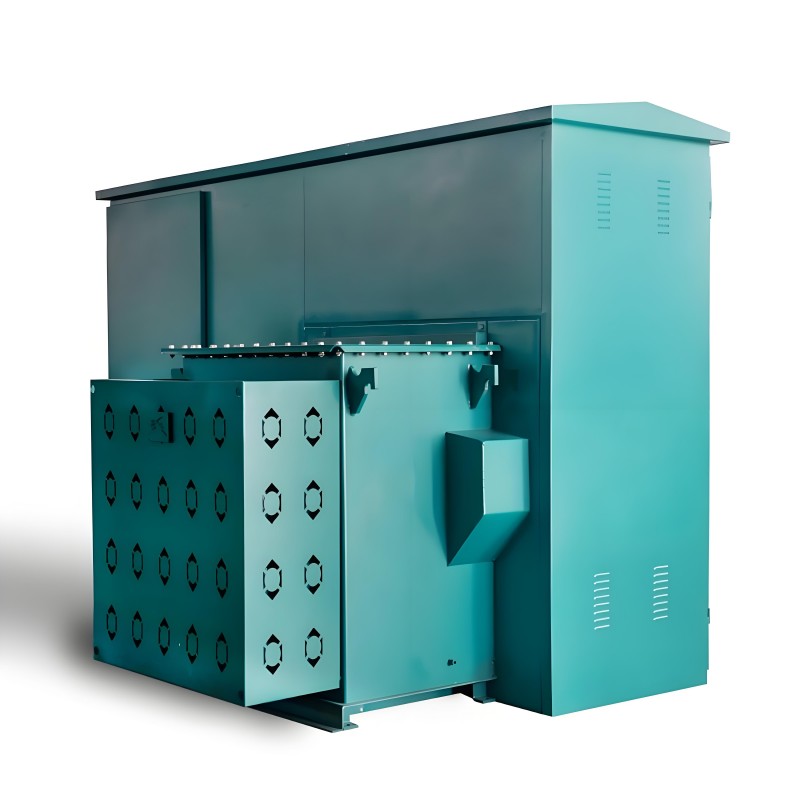
C Certified Oil-Type 75–2,500 kVA Pad-Mounted Transformer 6 kV–34.5 kV 50/60 Hz Dead-Front Three Phase
For projects that prioritize operator-safe dead-front design, tamper-resistant enclosures and underground distribution in public-facing or commercial areas.
 Distribution
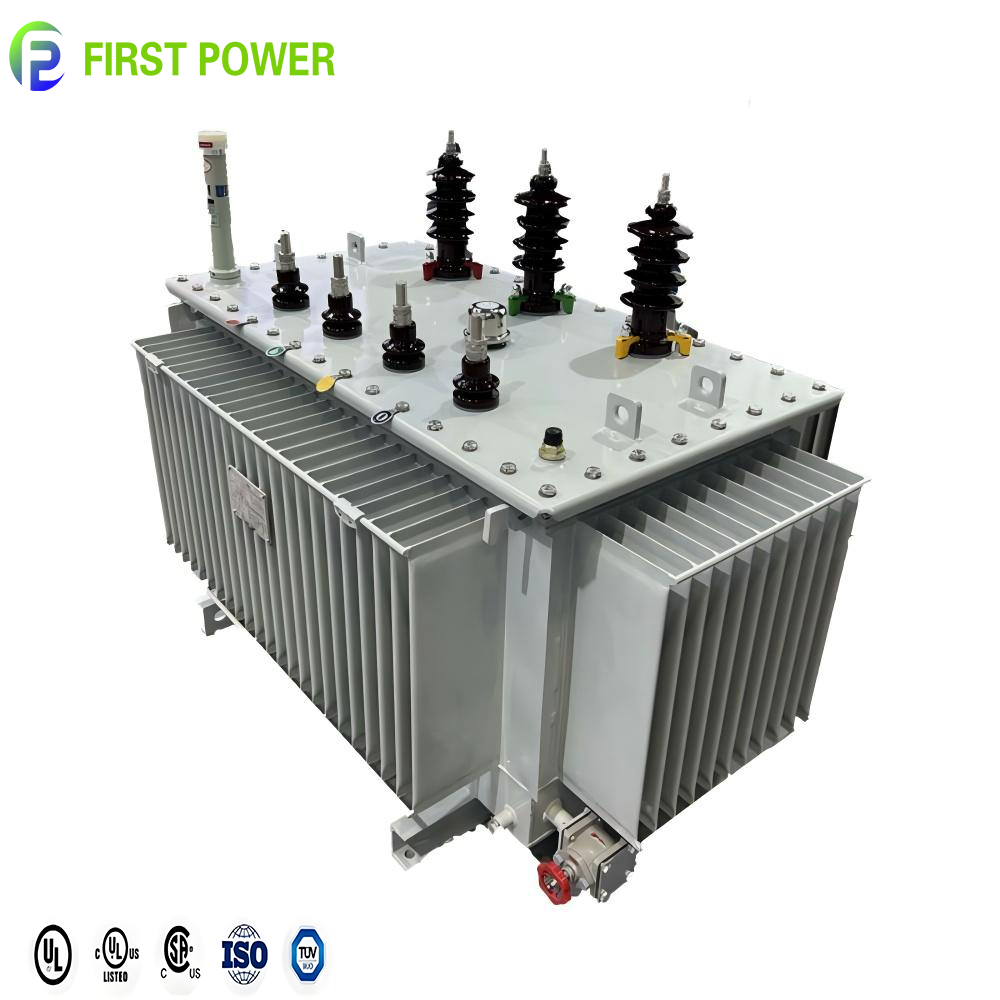
C CE 50/60 Hz S11 10 kV–35 kV 50–200 kVA Three-Phase Electrical Oil-Immersed Transformer for Distribution Systems
Compact low-loss distribution for commercial buildings, workshops, rural feeders and small industrial loads where dependable supply matters more than oversized equipment.
Localized Applications
Where These Transformers Fit in Chiang Mai
Chiang Mai combines tourism, healthcare, education, food processing, logistics and a growing renewable-energy sector. Each load profile produces a different transformer brief, protection strategy and space requirement.
Hotels and Old-City Retrofit
For boutique hotels, spas and mixed-use conversions, dry-type or compact substation solutions can reduce fire risk and simplify indoor installation. Pad-mounted units are better where outdoor space permits and underground feed is available.
Food Processing and Cold Chain
Rice mills, fruit packaging, cold storage and food factories in Saraphi, Hang Dong and the Chiang Mai–Lamphun corridor need stable voltage and motor starting capability. Oil-immersed S11 distribution transformers are often a practical fit.
Hospitals, Universities and Public Facilities
Hospitals and university campuses place a premium on fire safety, low noise and maintenance access. Cast-resin dry-type transformers and well-protected pad-mounted units help meet those priorities when coordinated with emergency power.
Solar, EV Charging and Commercial Hubs
Solar rooftops, EV charging plazas and commercial developments often need compact outdoor equipment with defined fault levels, ventilation and future expansion capacity. Loop-feed pad-mounted and compact substation designs are common discussion points.
Local Development Trends
Chiang Mai Market Trends Shaping Transformer Specifications
A transformer that matches today’s load but ignores tomorrow’s expansion is a false economy. These trends are visible in the questions contractors, hotel owners, factories and renewable developers are bringing to procurement teams.
50 Hz and Utility Coordination
Thailand operates at 50 Hz. Buyers should confirm the primary voltage, secondary voltage, vector group and protection interface with the relevant utility before approving a design. A 60 Hz nameplate reference must never be carried over by mistake.
Loss Evaluation and Total Cost
Energy costs and efficiency expectations make no-load and load losses central to evaluation. Two compliant transformers can have the same kVA but very different lifetime operating costs. Ask for guaranteed losses and test verification.
Renewables and EV Growth
Solar, energy storage and EV charging add distributed generation and fast-changing loads. Designers increasingly ask for clear short-circuit data, cooling assumptions, future capacity and outdoor enclosure durability.
Humidity, Rain and Flood Resilience
Chiang Mai’s rainy season and occasional low-lying flooding make enclosure protection, anti-corrosion coating, cable entry sealing and plinth height relevant. Outdoor pad-mounted designs need a maintenance plan, not only an IP label.
Fire Safety and Acoustic Comfort
In hospitality, healthcare and residential areas, noise and fire strategy can decide the transformer type. Dry-type units avoid insulating oil, while well-designed oil-immersed installations require bunding, fire separation and access planning.
Documentation and Digital Traceability
Owners increasingly expect routine test reports, serial-number traceability, GA drawings, nameplate records and O&M manuals in English. Modern procurement treats documentation as part of the delivered asset, not an optional extra.
Selection Guide
How to Choose the Right Transformer Type Before Requesting a Quote
Use this comparison as a shortlisting tool. Final selection must be confirmed by the project engineer against utility requirements, fault level, protection settings and site conditions.
| Project Need | Recommended Type | Typical Chiang Mai Use | Key Specification to Confirm |
|---|---|---|---|
| Outdoor commercial or resort site with underground feed | Three-phase pad-mounted transformer | Hotels, retail compounds, EV hubs, solar interconnections | 22 kV or 33 kV primary, 400/230 V secondary, loop or radial feed, enclosure finish, 50 Hz |
| Indoor installation where fire risk and noise are sensitive | Cast-resin dry-type transformer | Hospitals, universities, high-rise buildings, shopping areas | Class F or H insulation, low noise, IP rating, ventilation, altitude and ambient |
| Industrial motor loads and continuous process operation | S11 oil-immersed distribution transformer | Food processing, cold storage, workshops, light manufacturing | Vector group, impedance, tap range, ONAN cooling, loss guarantees, oil test |
| Space-constrained renewable or temporary project | Compact substation or loop-feed pad-mounted unit | Solar farms, construction power, commercial microgrids | MV switchgear, transformer rating, LV distribution, ventilation, IEC 62271-202 coordination |
| Utility or larger industrial interconnection | Power transformer | Transmission-connected projects and larger plants | Voltage class, OLTC or NLTC, cooling stage, impedance, test plan, transport limits |
For a faster quotation, send the transformer schedule, single-line diagram, applicable standard, delivery site in Chiang Mai, required Incoterms and any approved vendor list requirement. A supplier who asks engineering questions before quoting is usually a safer long-term partner than one who quotes only kVA and price.
Company Advantages
Why Wisegj Is a Credible Export Partner for Chiang Mai Buyers
Jiangsu Wisegj Power Co., Ltd. is a manufacturer and exporter of transformers, compact substations and switchgear, not a marketplace trader. We do not claim a local Chiang Mai office or warehouse; the value we offer is factory-direct engineering, transparent testing and export documentation from Suzhou, China.
Verified Factory Capacity
A verified production base with 6,847 m² of floorspace, separate areas for winding, core assembly, drying, tanking and testing. The site has been assessed by TÜV Rheinland, an independent third-party inspection body.
ISO and CE Certification
Production runs under ISO 9001, ISO 14001 and ISO 45001 management systems. Product lines include CE certificates for oil-immersed transformers, dry-type transformers, compact substations and switchgear.
Routine Testing and Documentation
Each unit receives routine tests including winding resistance, ratio and vector group, impedance and load loss, no-load loss and current, applied and induced voltage tests, plus oil dielectric testing for liquid-filled units. Third-party witness inspection is welcome.
OEM, ODM and Design Customization
Ratings, vector group, impedance, tap range, bushing configuration, cooling method, insulating fluid, enclosure color and nameplate language can be adapted. Our team can work from a consultant specification or a sample-based brief.
Experienced Engineering Team
More than 20 years of team experience and over 50 R&D and technical engineers support specification review. A technical question should receive a qualified answer, not a generic sales reply.
Export Logistics for Chiang Mai
Seaworthy packing, complete shipping documents and Incoterms coverage from EXW to DDP. Typical routing is sea freight to Laem Chabang, customs clearance and inland transport to Chiang Mai; final logistics are quoted per project.
Controlled Delivery
From Inquiry to Delivery: Six Controlled Steps
Clear stage gates reduce the risk of a costly mismatch between the tender document, the approved drawing and the equipment delivered to site.
Specification Review
Engineers check rating, voltage, frequency, impedance, losses, ambient, altitude, installation and standard.
Drawing Approval
GA drawing, nameplate data, guaranteed losses and test plan are confirmed before production begins.
Controlled Production
Core, winding, drying, tanking and assembly follow documented work instructions and inspection checkpoints.
Routine Testing
Each unit receives routine electrical tests and oil tests where applicable, with reports tied to the serial number.
Export Packing
Seaworthy protection, shock and moisture control, packing list and shipping documents are prepared for the route.
Site Support
Drawings, O&M information and technical clarification support the contractor during installation and commissioning.
FAQ
Chiang Mai Procurement FAQs
Straight answers to the questions commonly raised by local buyers, contractors and consultants when comparing international transformer exporters.
Can you supply 50 Hz transformers for Chiang Mai’s 22 kV or 33 kV network?
Yes. The design must be confirmed against the actual utility supply, but 50 Hz transformers with 22 kV or 33 kV primary and 400/230 V secondary are within the normal discussion range. Provide the single-line diagram and utility requirements so the vector group, impedance and protection assumptions can be checked.
Do you have a local office or stock in Chiang Mai?
No. We are an export manufacturer based in Suzhou, China, serving Chiang Mai buyers through factory-direct supply and international logistics. We prefer to state that clearly rather than imply a local warehouse that does not exist. For urgent projects, ask for current production and shipping lead times before planning site works.
What is the typical shipping route and lead time to Chiang Mai?
Equipment is normally shipped by sea to Laem Chabang, cleared through customs and then transported inland to Chiang Mai. For standard distribution transformers, an indicative production window after drawing approval may be around 25–45 days, but larger power transformers and customized units require longer. Final lead time is confirmed in the quotation and contract.
Can you customize vector group, losses, enclosure and nameplate language?
Yes. OEM, ODM and design-based customization are available. We can discuss ratings, vector group, impedance, tap range, cooling method, insulating fluid, enclosure color and nameplate wording. Documentation is normally supplied in English; translated nameplate wording and project-specific document formats can be agreed before order.
How can I verify quality and certificates before shipment?
Request the certificate numbers, routine test reports, GA drawings and nameplate drafts for review. ISO 9001, ISO 14001, ISO 45001 and CE documentation can be checked with the issuing bodies. Third-party witness inspection before shipment is welcome, and test reports are linked to the delivered serial numbers.
What are the wholesale MOQ, payment and Incoterms?
Transformer procurement is usually project-based rather than consumer-style wholesale, so MOQ depends on the product line, rating and customization. We accept common trade terms including FOB, CFR, CIF, EXW, FCA, CIP, CPT and DDP, and can discuss T/T, L/C, D/P and D/A payment structures in major currencies. Final terms are stated in the quotation.
Start With the Specification
Send Your Transformer Schedule for Engineering Review
Share the capacity, primary and secondary voltage, 50 Hz frequency, vector group, impedance, tap range, cooling method, ambient conditions, installation site in Chiang Mai and required delivery terms. Our team will review the requirement and respond with a suitable configuration, guaranteed losses and a clear quotation path.
[email protected]