8 Transformer & Substation Products Often Specified with HV Switchgear in Vietnam
High voltage switchgear projects rarely stop at the circuit breaker. Vietnamese industrial parks, renewable energy farms, urban substations and data centres need coordinated transformers, pad-mounted units and dry-type distribution equipment. The eight lines below are part of the Wisegj equipment portfolio and can be reviewed together with medium and high voltage switchgear, protection and control, and compact substation design.
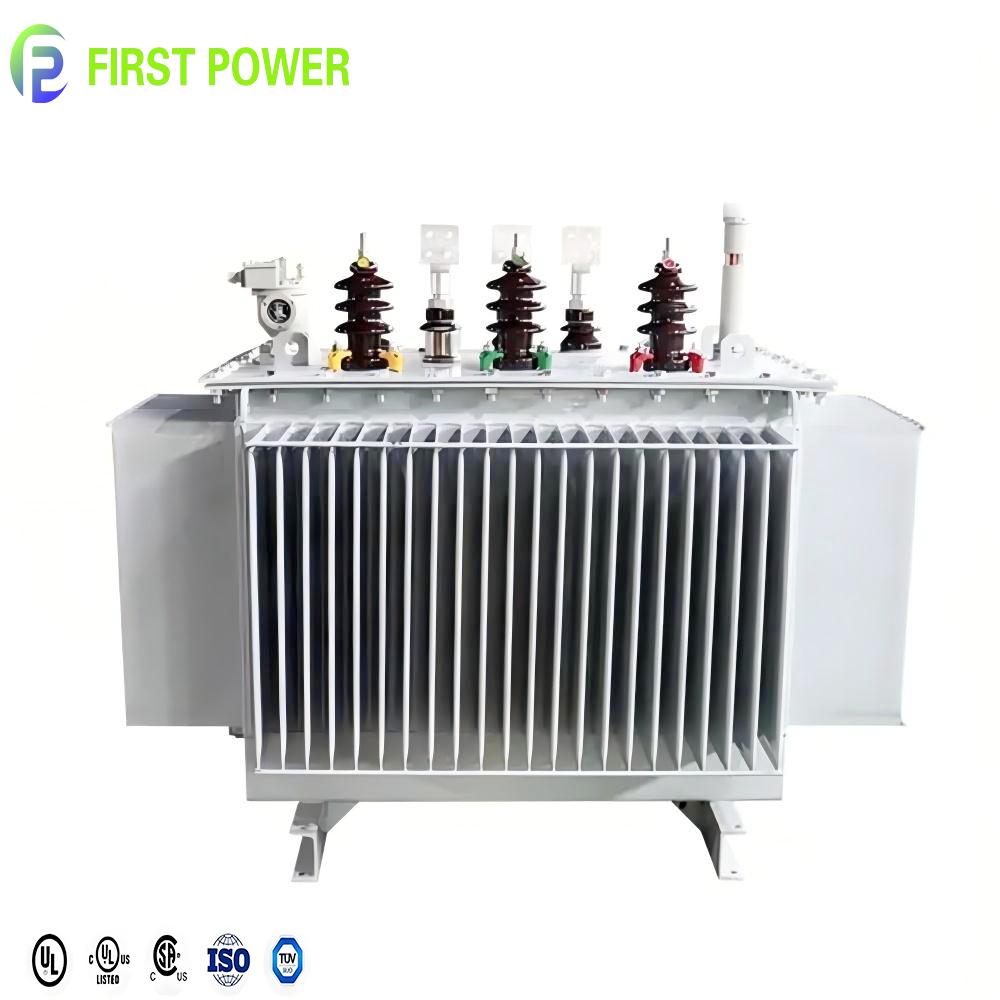
C CE S11 10KV 20KV 35KV 50KVA 100KVA 150KVA 200KVA 250KVA 3 Phase Oil-Immersed Transformer for Electric Power Distribution
Low-loss S11 distribution transformer for 10–35 kV systems, industrial parks and utility feeders where 50 Hz performance, compact footprint and routine test records matter.
View product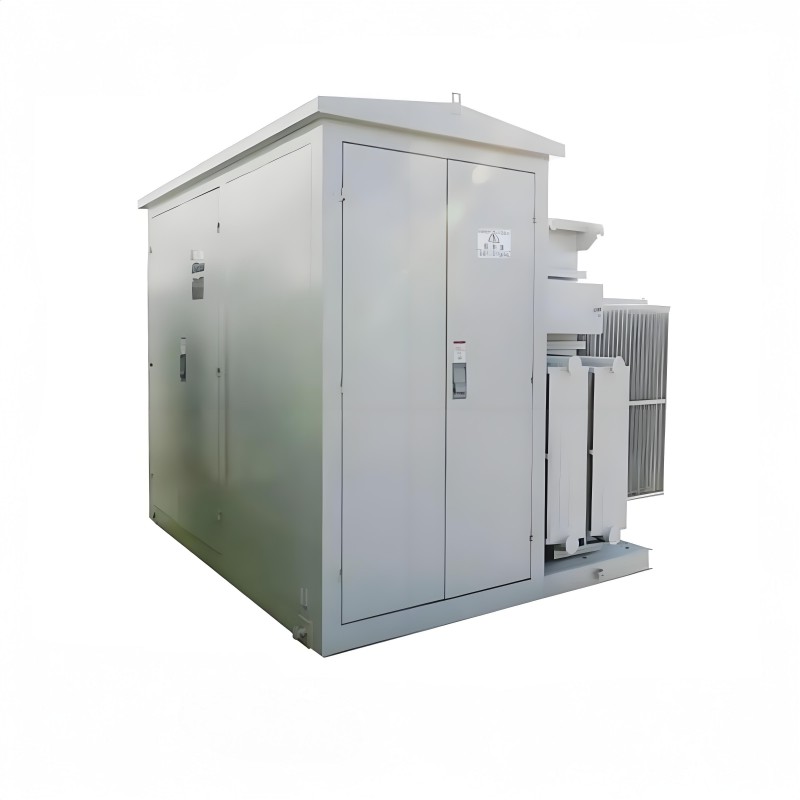
American Standard /C Certification 75-2500KVA Oil Type Three Phase 13.8KV Pad Mount Transformers for Power Generation
American-standard pad-mounted transformer for power generation and commercial distribution; confirm primary/secondary voltage, protection, enclosure finish and frequency before ordering.
View product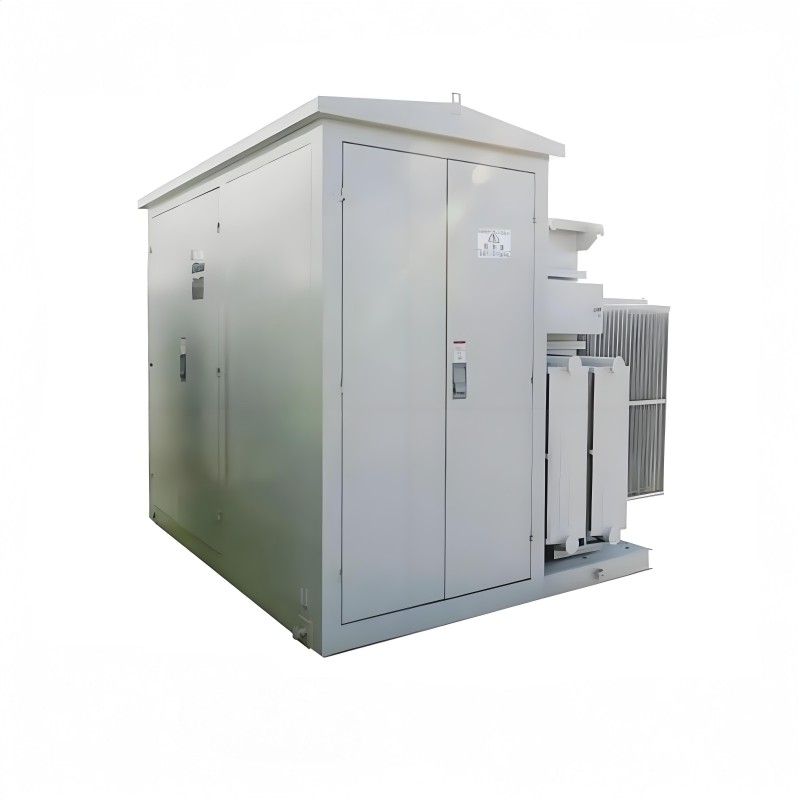
American Standard /C Certified 3000kva 34.5kv/480v Oil Type Pad Mounted Transformer 60 Hz 10kv Input 380v 440v Output
Large 3,000 kVA class pad-mounted transformer for projects requiring 34.5 kV primary; confirm project frequency, secondary voltage and short-circuit duties with the single-line diagram.
View product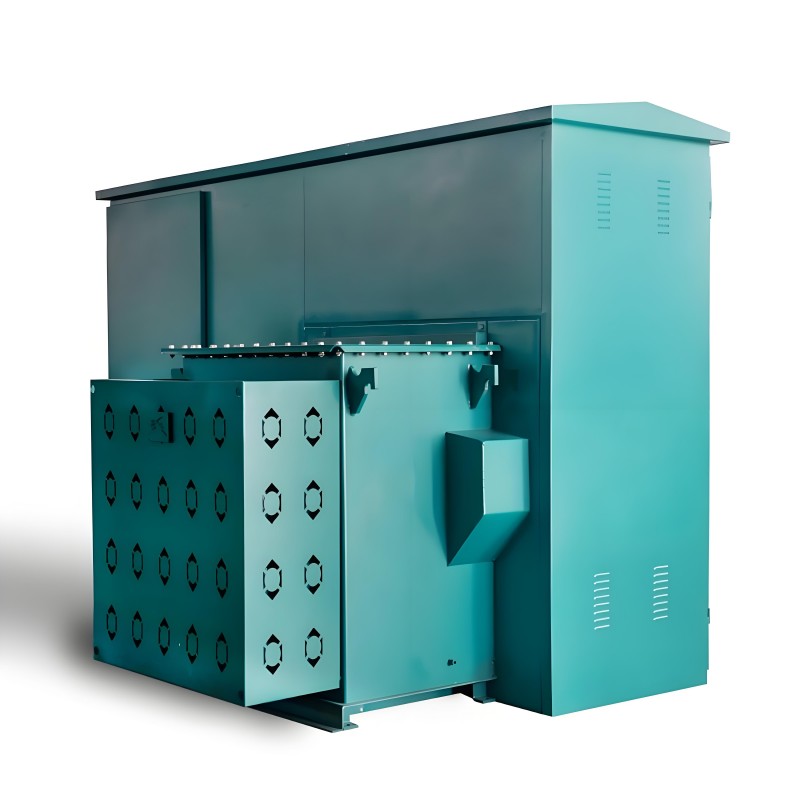
/C Certified Oil-Type Cooper 75-2500kva Pad Mounted Transformer 6kv-34.5kv 50/60hz Dead Front Three Phases
Dead-front Cooper-style pad-mounted transformer for loop-fed underground distribution, access-controlled compartments and utility-style protection arrangements.
View product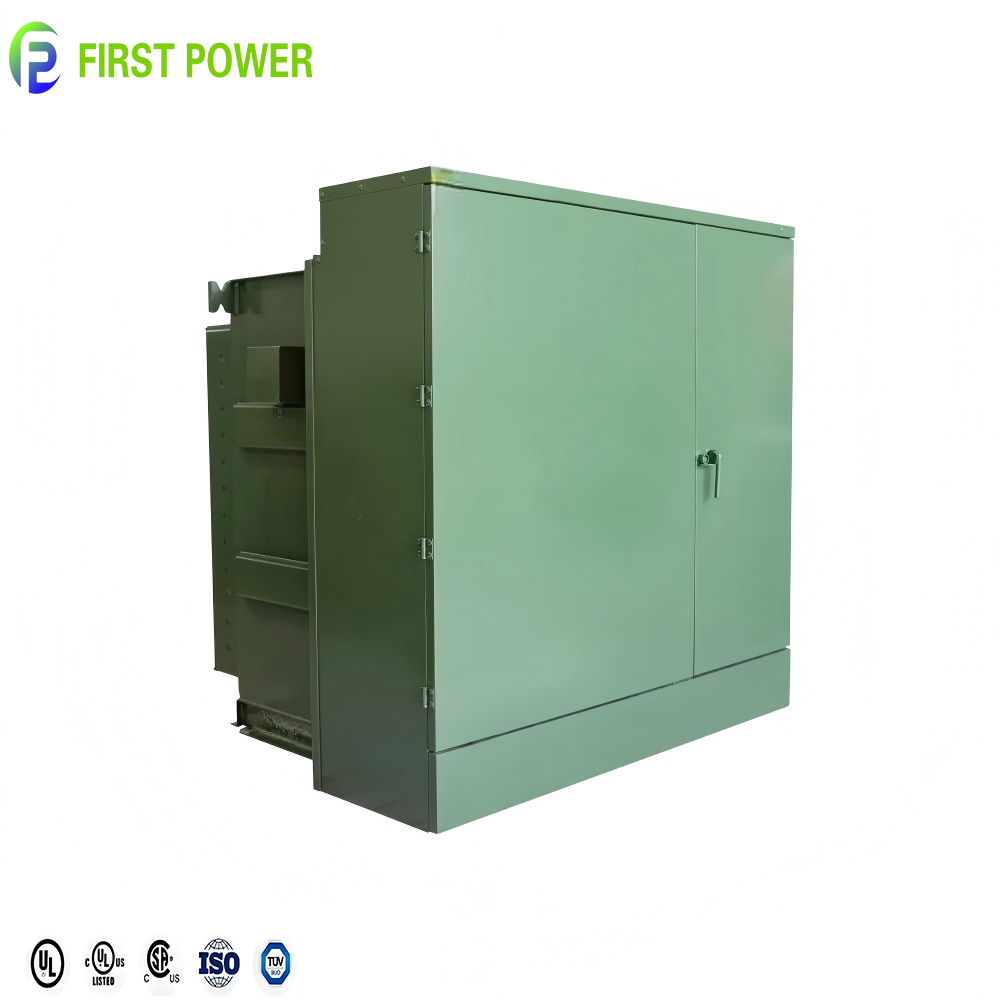
C CE MV&HV 50/60HZ 750KVA 1250KVA 1500KVA 2000KVA 2500KVA 3 Phase Pad Mounted Transformer for Industrial Power Supply
MV/HV pad-mounted transformer line for industrial power supply; pair with switchgear, fuse coordination and relay settings that reflect Vietnam’s load growth and expansion plans.
View product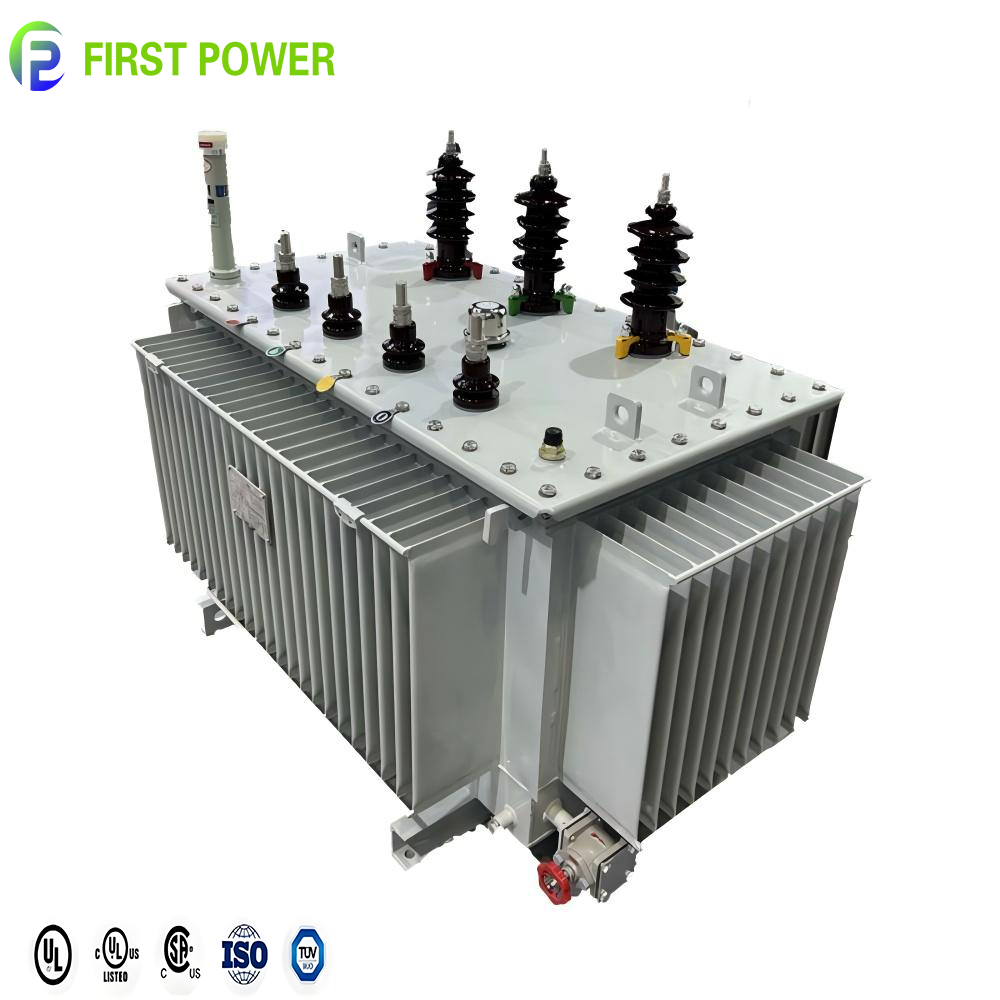
C CE 50/60HZ S11 10KV 20KV 35KV 50KVA 100KVA 200KVA 3 Phase Electrical Oil Immersed Transformer for Distribution System
S11 oil-immersed distribution transformer for 10–35 kV networks; a practical pairing for 22 kV distribution substations, factory expansions and renewable collection systems.
View product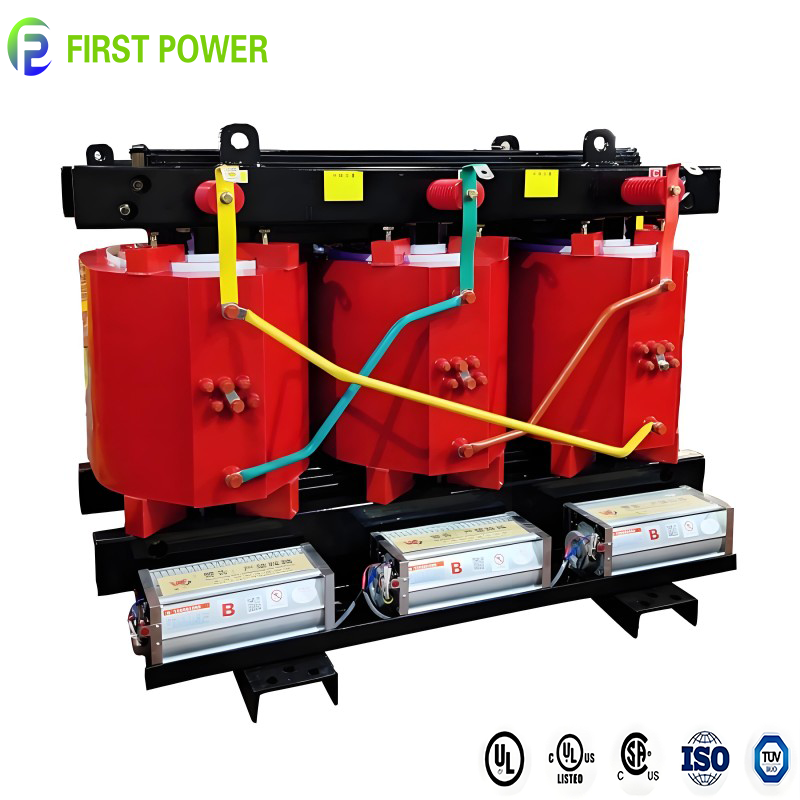
C CE Certification IEEE Standard 50/60HZ 5MVA 6MVA 6KV 35KV 3 Phase Dry Type Transformer for Electric Power Distribution
Dry-type transformer for indoor distribution where fire risk and oil containment matter; suited to commercial towers, hospitals, tunnels and data-centre electrical rooms.
View product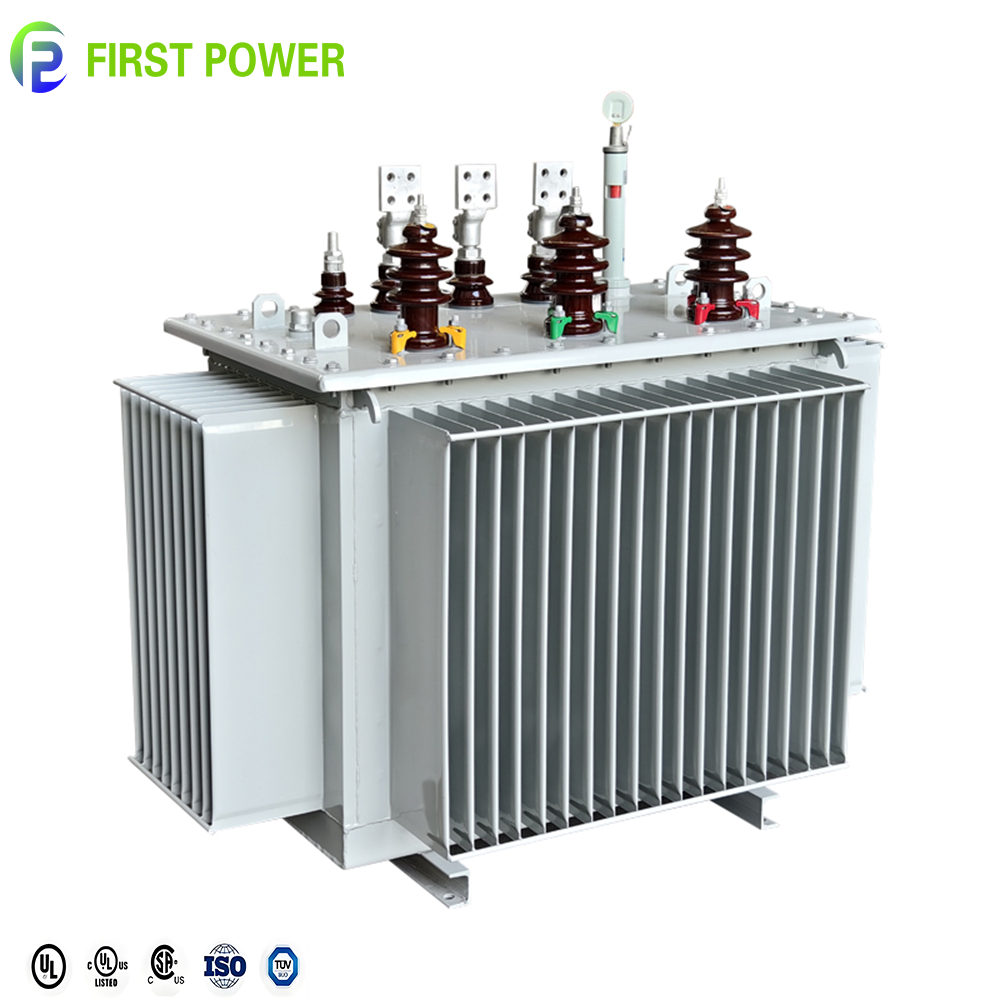
C CE 50/60HZ 6KV 10KV 15KV 20KV 35KV 100KVA 200KVA 300KVA 500KVA 220V Output Voltage Step up Oil Transformer for Industrial
Oil-immersed step-up transformer for industrial generation, captive power and voltage conversion; specify tap range, impedance and thermal design for the Vietnam site ambient.
View productHow to Compare High Voltage Switchgear Manufacturers and Factories for Vietnam
Buyers searching for high voltage switchgear manufacturers and factories for Vietnam usually combine three intents: finding a qualified factory, confirming IEC/TCVN compliance for a 50 Hz network, and reducing project risk through documentation, factory testing and local logistics. A catalogue alone is not enough evidence for an EPC or utility tender.
Intent signal 1: factory capability, not brochure claims
Vietnam’s power projects increasingly require traceable quality records. Before shortlisting a high voltage switchgear manufacturer, request the factory’s business licence, production floor plan, main assembly and test equipment list, calibration records, sample routine test reports, CE certificates, ISO 9001/14001/45001 evidence and recent export references. If the factory also supplies transformers or compact substations, ask how busbar interfaces, protection coordination, cable termination, earthing and enclosure thermal design are reviewed together.
A credible factory should explain which processes are in-house and which are coordinated through qualified partners. That transparency matters more than a claim of “one-stop supply”. For Vietnam, verify who signs the drawings, who witnesses the FAT, who prepares the packing list and who supports commissioning questions after arrival at Hai Phong, Cat Lai or a project site.
Intent signal 2: localization to Vietnamese grid conditions
Vietnam’s grid is normally 50 Hz, and project requirements often reference IEC, TCVN or EVN technical specifications. The correct switchgear design must match the actual single-line diagram: 22 kV or 35 kV distribution, 110 kV or 220 kV substation interfaces, short-circuit rating, relay protection, metering, SCADA protocol, arc-rated access, IP protection and enclosure ventilation. A 60 Hz unit should not be assumed interchangeable unless the project is isolated or explicitly designed that way.
- Tropical humidity and condensation control for coastal and delta provinces
- Salt-spray, galvanizing and paint systems for islands and near-shore industrial zones
- Flood-resilient plinths, cable entry, drainage and raised equipment practice
- Lightning and surge coordination for renewable energy collector networks
- Bilingual drawings and nameplate review support for Vietnamese project teams
Where HV Switchgear and Integrated Substations Are Used Across Vietnam
Different Vietnamese project types stress different parts of the switchgear and transformer package. A factory in Bac Ninh may prioritize harmonics and expansion space, while a coastal wind project may prioritize corrosion and remote monitoring.
Industrial Parks & Export Manufacturing Hubs
In Bac Ninh, Hai Phong, Dong Nai and Binh Duong, 22 kV and 35 kV ring main units, 110 kV substations and compact distribution rooms support electronics, automotive, textile and food factories. Switchgear should be specified for expansion space, arc-resistant access, harmonic-rich loads and clear interface with the utility metering point.
Urban Distribution & Underground Networks
Hanoi, Ho Chi Minh City and fast-growing provincial cities are placing more distribution equipment underground or behind compact enclosures. Pad-mounted transformers, compact substations and small-footprint RMUs help reduce visual impact while meeting ventilation, flood, noise and maintenance access requirements in dense urban areas.
Solar, Wind & Grid Interconnection
Renewable projects in Ninh Thuan, Binh Thuan, Dak Lak and coastal wind zones require collector substations, step-up transformers and HV switchgear that meet grid-code reactive power, power quality and protection requirements. Harmonic studies, inverter behaviour and SCADA integration should be reviewed early.
Data Centres & High-Reliability Facilities
Data-centre and cloud projects need dual feeds, fast transfer, selective coordination, arc-flash risk control, relay event recording and condition monitoring. Dry-type transformers and metal-clad switchgear are often preferred indoors, with clear segregation, neutral grounding and redundant auxiliary power for protection systems.
Coastal, Island & Salt-Spray Environments
Coastal industrial zones, ports and islands need enhanced corrosion protection: hot-dip galvanized structures, C5-grade paint, stainless hardware, sealed cable entries, anti-condensation heaters and IP-rated enclosures. Maintenance access and spare-parts logistics should be planned before shipment.
EVN Substations & Utility Upgrades
Utility substations and grid upgrade projects require strong compliance evidence: type-test reports, routine test records, protection coordination, IEC 61850 or conventional control interfaces, and documented FAT/SAT procedures. Spare-parts lists and training support help reduce long-term operating risk.
2025–2030 Trends That Change HV Switchgear Specifications in Vietnam
Vietnam’s power development strategy, manufacturing growth and digital-grid investment are changing how factories, EPCs and utilities write technical specifications. These trends are practical reasons to avoid copying an old tender package without review.
PDP8 and grid investment
Power Development Plan VIII and related transmission investments continue to drive 500 kV, 220 kV and 110 kV upgrades. Long-lead switchgear and transformer packages need earlier specification review to protect project schedules.
110 kV and 220 kV substation expansion
Space-constrained urban and industrial substations favour GIS, hybrid switchgear and compact layouts. Factory-assembled modules can reduce site work and improve quality control, provided transport limits and Vietnamese site access are checked.
Digital substations and IEC 61850
Utilities and large private networks are asking for digital protection, event recording, remote diagnostics and IEC 61850 interoperability. Cyber-security, test access and relay configuration documentation must be included in the factory scope.
SF6-free and eco-gas interest
Green procurement and lifecycle emissions are becoming more important. Buyers should compare total cost, gas management, leakage detection, spare parts and local service competence before selecting an alternative insulation technology.
Modular E-house and compact substations
Renewables, data centres and temporary industrial loads benefit from prefabricated substations. The factory must coordinate MV switchgear, transformer, LV distribution, HVAC, fire protection and transport lifting points as one system.
Local service and lifecycle support
Vietnamese buyers increasingly evaluate after-sales response, spare-parts availability, commissioning support, training and remote troubleshooting. A low initial price can be expensive if protection settings or spare modules delay energization.
A Practical Switchgear and Transformer Pairing Matrix for Vietnam Projects
Use this matrix as an early-stage checklist. Final equipment must be confirmed against the project single-line diagram, short-circuit study, protection study, site ambient, altitude, transport route and EVN or owner specifications.
| Vietnam Project Scenario | Switchgear Focus | Transformer Pairing | Due Diligence Before Order |
|---|---|---|---|
| Industrial park at 22 kV / 35 kV | Ring main units, arc-resistant access, relays, metering | S11 oil-immersed distribution or dry-type indoor transformer | 50 Hz confirmation, harmonic load, expansion space, cable termination, factory FAT |
| Urban underground distribution | Compact RMU, pad-mounted switch, remote monitoring | Dead-front or loop-feed pad-mounted transformer | Flood level, ventilation, noise, corrosion, maintenance access and public safety |
| 110 kV utility substation | GIS or AIS, IEC 61850 protection, SCADA interface | Power transformer or large distribution transformer | Type-test reports, protection coordination, EVN technical review, transport permits |
| Solar or wind collector network | 35 kV collector switchgear, feeder protection, reactive control | Step-up transformer and auxiliary transformer | Grid-code compliance, harmonic study, anti-corrosion, remote site maintenance |
| Data centre or high-reliability facility | Dual-feed MV switchgear, fast transfer, arc-flash mitigation | Dry-type transformer with low noise and high thermal margin | 2N architecture, relay event recording, monitoring protocol, indoor heat rejection |
| Coastal or island infrastructure | IP-rated enclosure, anti-condensation heaters, corrosion protection | Sealed oil-immersed or dry-type transformer as appropriate | Salt-spray class, typhoon wind load, spare-parts plan, commissioning support |
Ranges and pairings are indicative. A compliant offer depends on the actual single-line diagram, short-circuit level, protection philosophy, site conditions, owner standard and Vietnamese utility interconnection requirements.
Why Wisegj Is a Credible Manufacturing Partner for Vietnam Projects
Jiangsu Wisegj Power Co., Ltd. is an export-oriented manufacturer and supplier based in Suzhou, China. The company serves utilities, EPC contractors, industrial developers and renewable energy projects with high and low voltage switchgear, power transformers, distribution transformers, pad-mounted transformers, dry-type transformers, compact substations, distribution boxes and voltage stabilizers from 220 V to 500 kV.
Verified Factory Capacity
Dedicated winding, assembly, drying, tanking and test areas support controlled production and audit preparation.
In-House Testing
Routine tests, ratio, resistance, loss, impedance and dielectric checks can be documented by serial number.
Design Customization
OEM, ODM, design-based and sample-based customization for ratings, vector group, taps, bushings and enclosures.
Export Logistics
Seaworthy packing, shipping marks, shock indicators and Incoterms support from EXW to DDP.
Certified Systems
ISO 9001, ISO 14001 and ISO 45001 management systems, plus CE-certified product families and switchgear certification.
Complete Documentation
GA drawings, nameplate drafts, test reports, O&M manuals, packing lists and export documents in English.
211 Supply Partners
Qualified sources for steel, copper, bushings, relays and accessories support stable lead times and spare-parts planning.
24 h Engineer Response
Technical questions, drawing clarifications and after-sales issues receive an engineer-reviewed response target within one working day.
Questions Vietnamese Buyers Commonly Ask HV Switchgear Factories
These answers are written for procurement, engineering and project teams evaluating high voltage switchgear manufacturers and factories for Vietnam-based projects.
Are you a high voltage switchgear manufacturer or a trading company?
Jiangsu Wisegj Power Co., Ltd. is an export-oriented manufacturer and supplier with a verified production base and a portfolio covering high and low voltage switchgear, transformers, compact substations and related power equipment. We disclose which items are produced in-house and which are coordinated through qualified supply partners, so your engineering team can assess the scope before order. For tenders, request the factory profile, business licence, certificates and product-specific test reports.
Which standards should Vietnamese projects reference for HV switchgear?
Typical references include IEC 62271 for high voltage switchgear and controlgear, IEC 61439 for low voltage assemblies, IEC 60076 for transformers and relevant TCVN standards where adopted by the owner or utility. Vietnamese projects often add EVN technical requirements, protection and metering rules, and project-specific grid-code clauses. Always confirm the applicable edition, type-test evidence and any owner deviation before quotation.
Can you support 22 kV, 35 kV, 110 kV and 220 kV project discussions?
Our portfolio covers equipment from 220 V to 500 kV, including high and low voltage switchgear, power transformers, distribution transformers, pad-mounted transformers, dry-type transformers and compact substations. Final feasibility depends on the single-line diagram, short-circuit level, relay protection, enclosure rating, site ambient and transport limits. Send the SLD and technical specification so our engineers can review the correct equipment scope.
How do you address Vietnam’s humidity, salt spray and flooding risks?
Specify IP protection, anti-condensation heaters, sealed cable entries, hot-dip galvanizing, C5-grade paint, stainless hardware and suitable ventilation for the actual site. For flood-prone areas, discuss raised plinths, cable entry direction, drainage and maintenance access. Coastal and island projects should define the salt-spray class and corrosion category clearly in the RFQ rather than relying on a generic “outdoor” enclosure.
What factory tests and documents can be supplied before shipment?
Depending on the product, routine tests may include dielectric tests, wiring checks, mechanical operation, relay configuration verification, ratio and resistance tests, loss measurements and functional interlocks. Documentation can include GA drawings, nameplate drafts, routine test reports, type-test references, O&M manuals, packing lists, certificates of origin and export documents. Third-party witness inspection and FAT attendance can be arranged when agreed in the contract.
What should be included in an RFQ for a Vietnam project?
Provide the single-line diagram, rated voltage, rated current, short-circuit rating, frequency, IP rating, ambient temperature, altitude, installation location, cable entry arrangement, relay and metering requirements, SCADA protocol, applicable standards, required type-test reports, delivery port and expected schedule. For transformers, add rating, vector group, impedance, tap range, losses, cooling, insulating fluid and enclosure finish. Complete data reduces clarification cycles and helps avoid non-compliant offers.
What are typical lead times and shipping options to Vietnam?
Lead time depends on the approved drawings, material availability, factory loading and test schedule. Sea freight is commonly arranged to Hai Phong or Cat Lai, with inland delivery where required. We can discuss EXW, FOB, CFR, CIF, CPT, CIP and DDP options, and prepare packing lists, shipping marks and documents to support customs clearance. Early drawing approval is usually the most effective way to protect the project schedule.
What payment and trade terms are accepted?
Trade terms can include FOB, CFR, CIF, EXW, FCA, CIP, CPT and DDP, subject to the final contract. Payment methods may include T/T, L/C, D/P and D/A, with currencies such as USD, EUR, GBP, CAD and AUD. The exact combination should be agreed before production, together with inspection, warranty and after-sales responsibilities.
Can nameplates, drawings and documentation be adapted for Vietnam?
English documentation is standard. Bilingual nameplates, Vietnamese project references, owner-specific drawing formats and relay configuration files can be discussed in the technical agreement. Enclosure colour, language, protection relay model, metering arrangement and spare-parts list can also be customized when the project specification requires it. Please provide the owner’s template early so it can be reviewed before drawing approval.
How can I get a fast, accurate quotation?
Send the single-line diagram, equipment list, voltage and current ratings, short-circuit level, standard, site conditions, delivery port and required date. If the project is at an early stage, share the load schedule and one-line concept so our engineers can propose a practical switchgear and transformer configuration. Use the quote button to start the technical review.
Request a Vietnam-Specific HV Switchgear & Substation Proposal
Share your single-line diagram, ratings, standards, site conditions and delivery port. A transformer and switchgear engineer can review the specification, propose a coordinated equipment scope and confirm the documents required for your Vietnam project.
Typical response target: one working day for technical clarification · FAT witness support available · Export packing and documentation included.