Epoxy Cast Transformer Manufacturers & Wholesaler in the Dire Dawa Market
Factory-direct epoxy cast dry-type, oil-immersed and pad-mounted transformer solutions engineered for 50 Hz networks, high-ambient industrial sites and fast-track projects across Dire Dawa, eastern Ethiopia and the Djibouti logistics corridor.
Eight Transformer Products Commonly Shortlisted for Dire Dawa Projects
The Dire Dawa market often requires a mix of indoor fire-safe distribution, outdoor oil-immersed capacity and space-saving pad-mounted designs. The products below preserve the manufacturer’s original specifications and project links, covering industrial power supply, utility distribution, power generation and single-phase rural distribution. For epoxy cast transformer enquiries, our engineers can also configure cast-resin dry-type units to the same technical schedule.
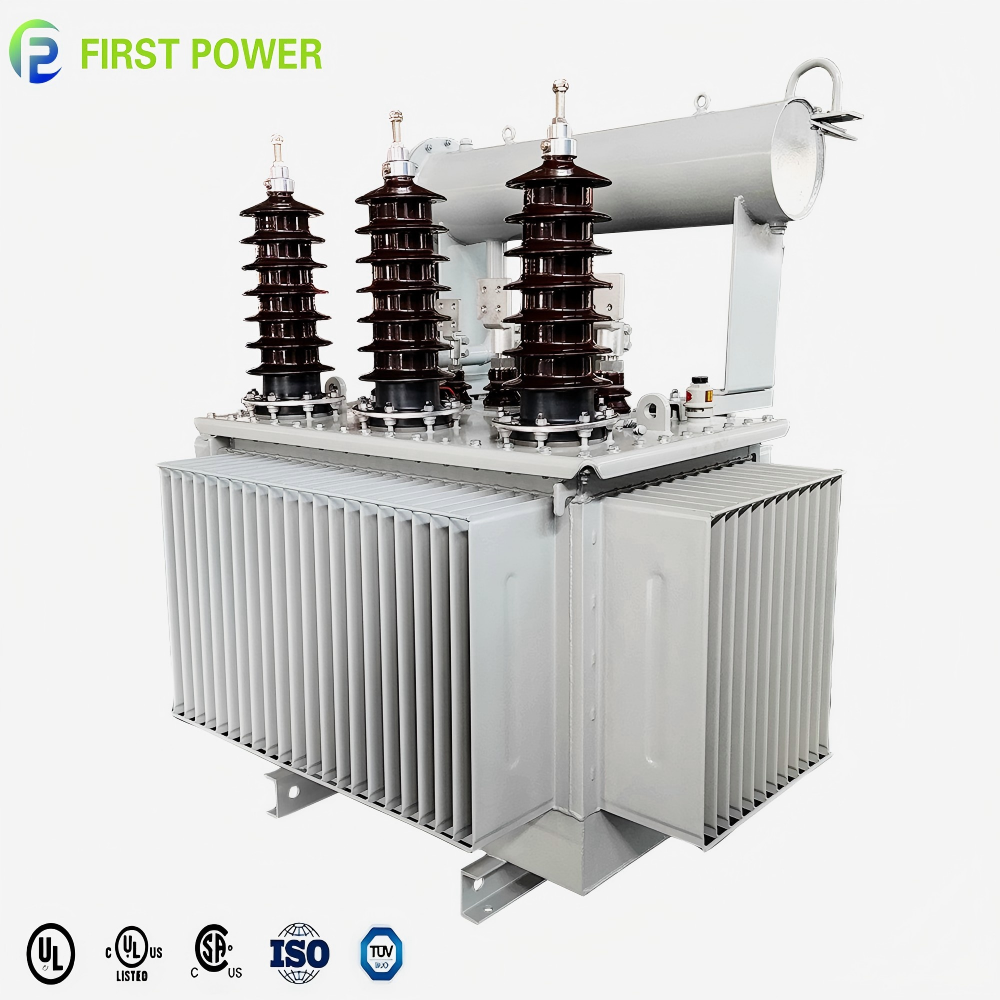
C CE Certification IEEE Standard 50/60HZ S11 Three Phase 33KV Oil Immersed Power High Voltage Transformer for Industrial
A strong candidate for industrial estates, aggregate processing plants and larger captive loads where a 33 kV primary supply is available and outdoor oil-immersed equipment fits the site layout. IEEE and CE documentation support tender review and utility submission.
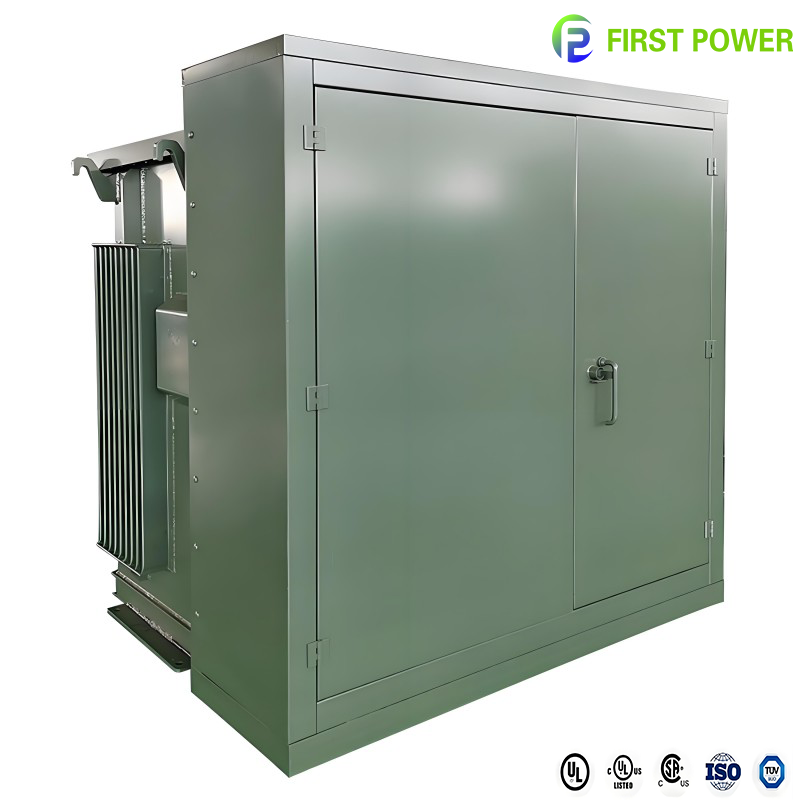
C CE 50/60HZ 10KV 20KV 35KV 75KVA 100KVA 200KVA 300KVA 400KVA 3 Phase Oil Type Pad Mounted Transformer for Power Generation
Designed for underground or pad-mounted distribution where cable entry, tamper resistance and a compact footprint matter. In Dire Dawa commercial and industrial parks, this configuration can reduce outdoor switchyard space while supporting 10–35 kV distribution.
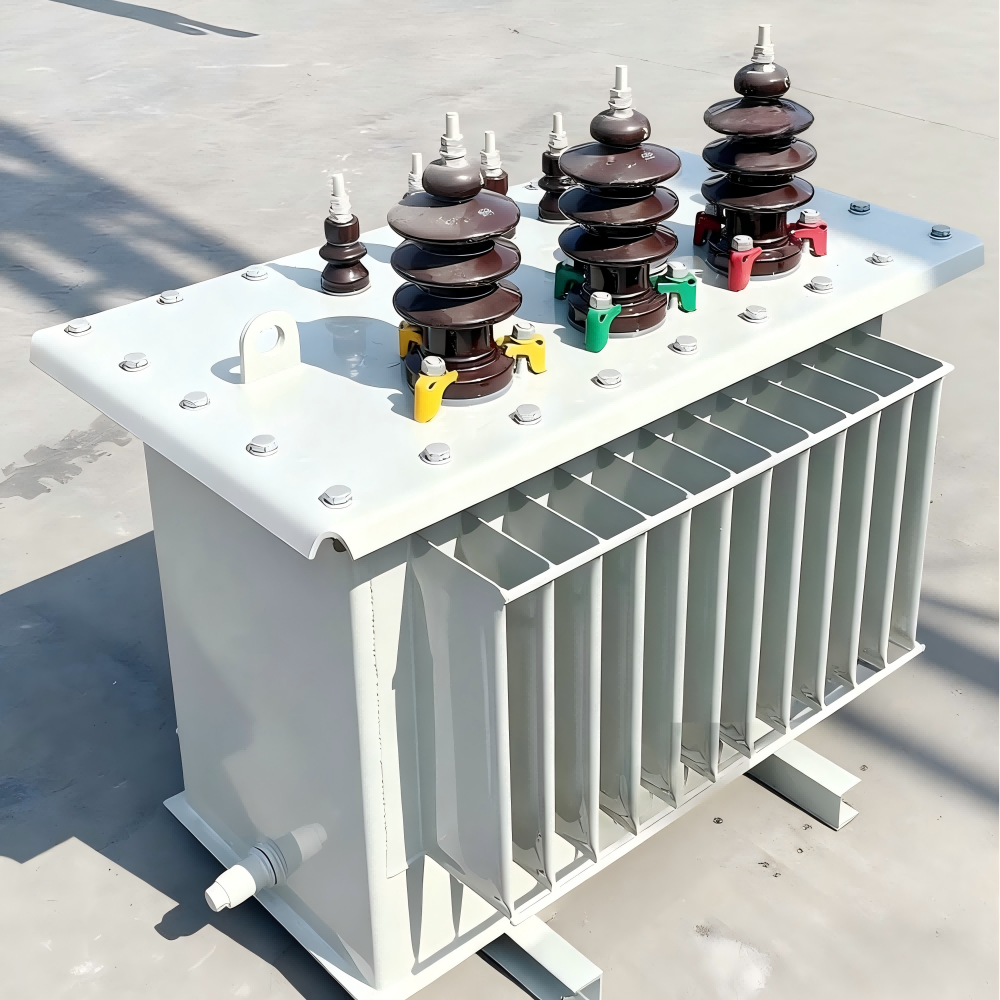
C CE MV&HV 30-31500KVA 6KV 10KV 15KV 20KV 35KV S11 Three Phase Oil Transformer for Electric Power Distribution
A broad-capacity option for utility distribution, industrial park main step-down and medium-voltage substations. The wide 30–31,500 kVA range lets procurement teams standardize on one qualified oil-immersed platform across multiple Dire Dawa phases.
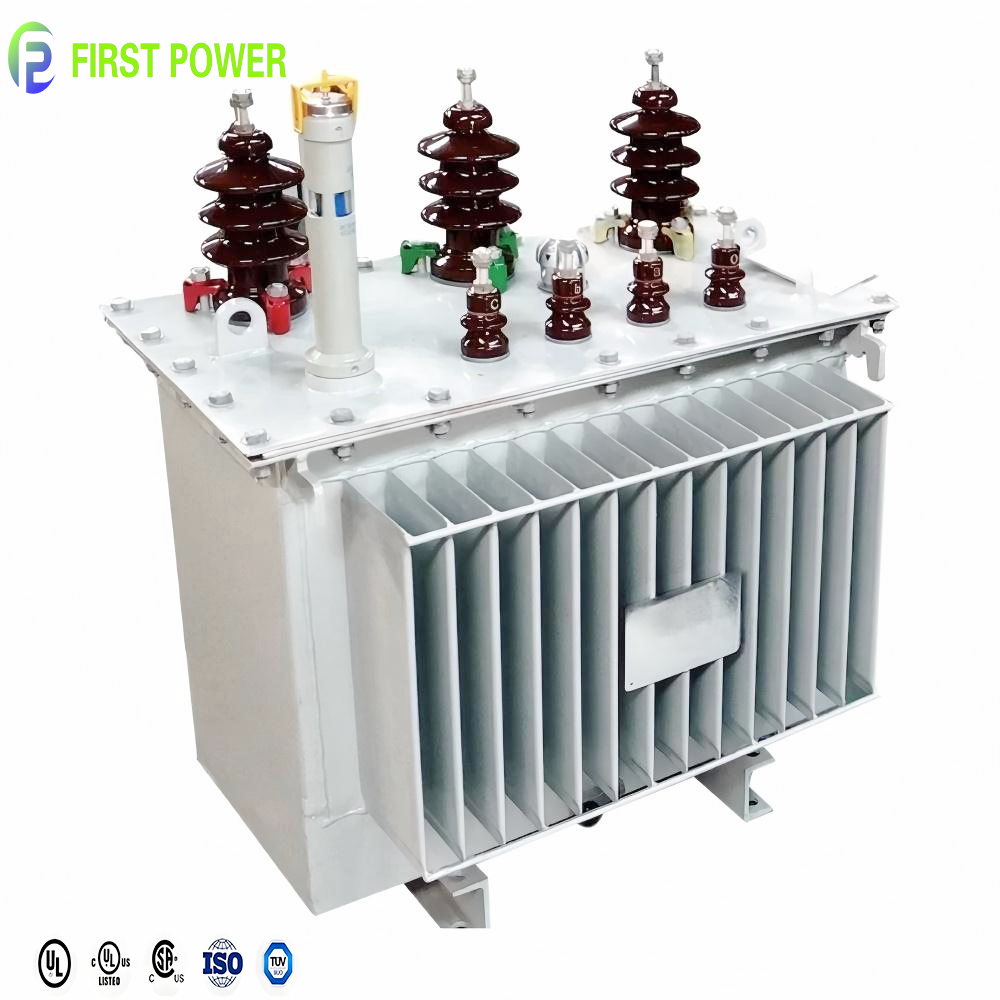
C CE 10KV 20KV 35KV 50KVA 100KVA 200KVA 300KVA 400KVA 500KVA Electric Oil Immersed Transformer for Industrial Power Supply
A practical small-to-medium capacity family for workshops, cold stores, textile plants and commercial facilities needing reliable 10–35 kV transformation. It offers an economical balance of capital cost, loss performance and outdoor installation flexibility.
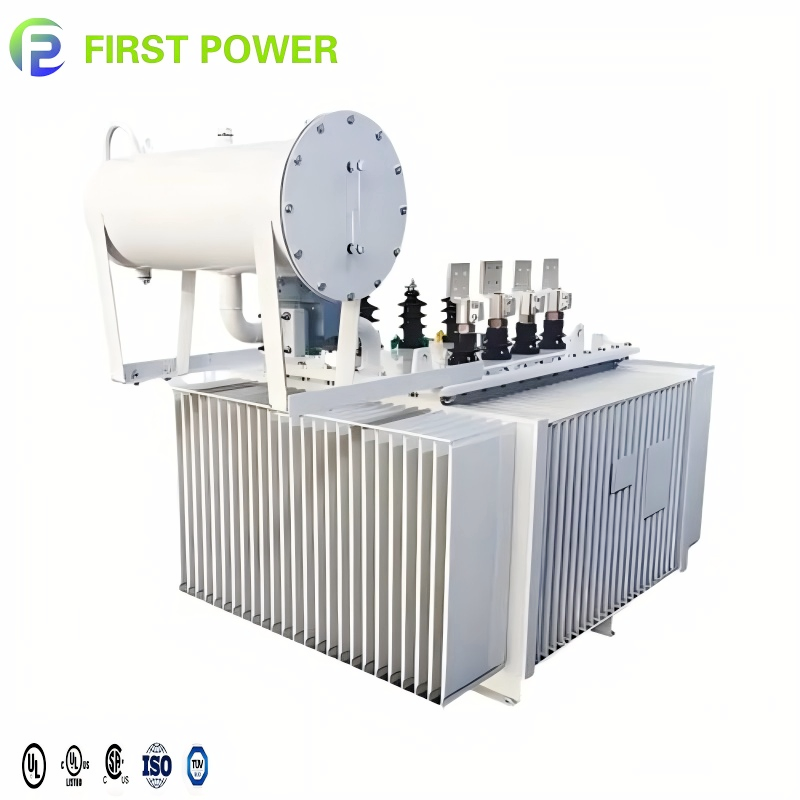
C CE 10KV 20KV 35KV 1000KVA 2000KVA 2500KVA 3 Phase Oil Type on Load Tap Changer Transformer for Industrial Power Supply
For larger industrial loads where voltage fluctuation must be managed while the plant remains online, an on-load tap changer can support stable process operation. This 1,000–2,500 kVA range suits cement, food processing, packaging and utility-scale commercial complexes.
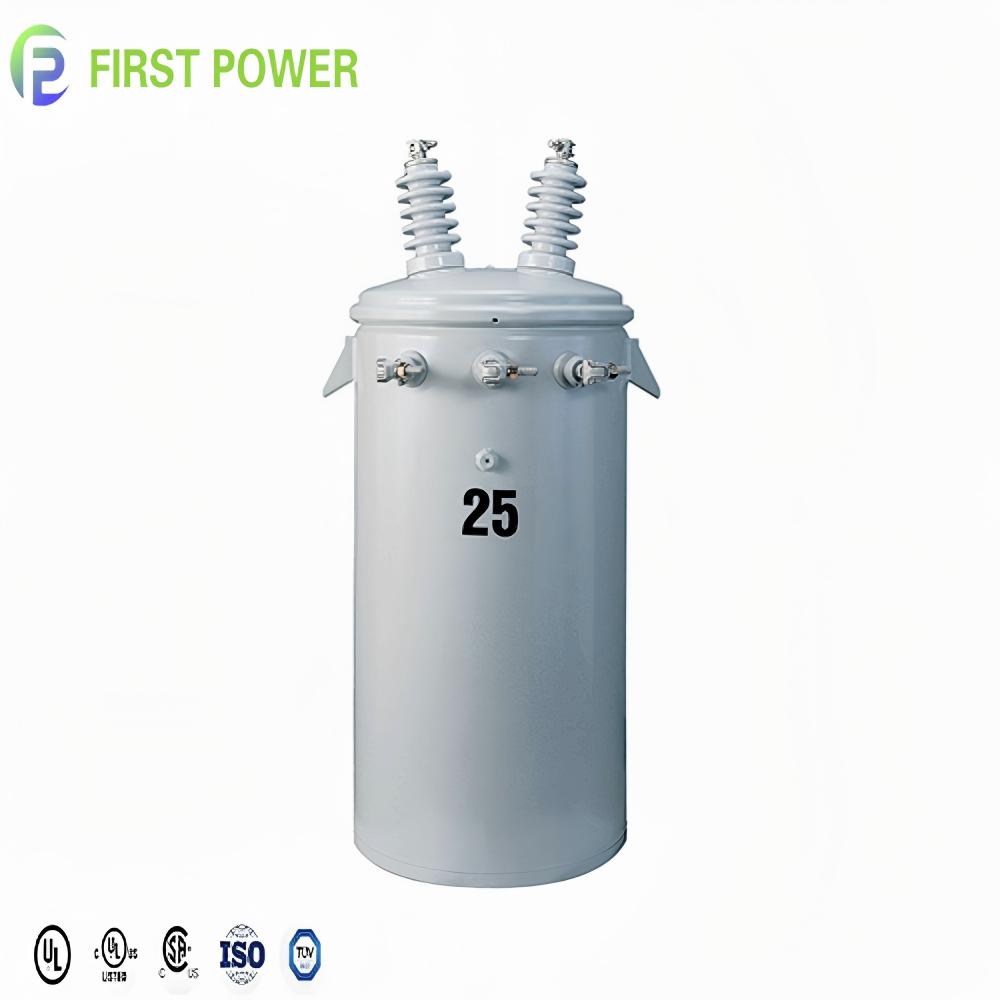
C CE Certification MV&HV 50/60HZ 6KV 10KV 20KV 35KV 25KVA Single Phase Transformer Price for Electric Power Distribution
A compact single-phase option for dispersed loads, rural electrification, lighting circuits and smaller commercial connections. For Dire Dawa’s peripheral growth areas, single-phase units can reduce initial distribution cost while remaining compatible with 50 Hz project requirements.
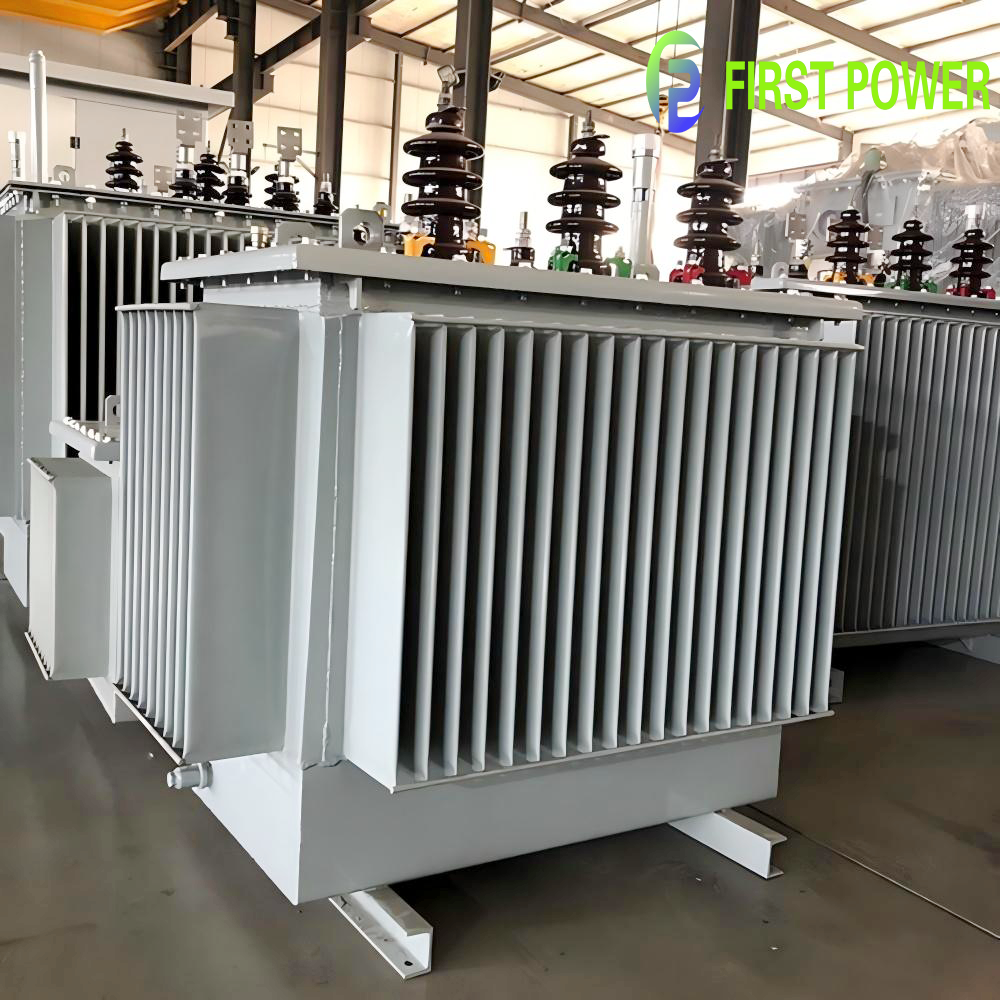
C CE MV&HV S11 50/60HZ 10KV 20KV 35KV Three Phase Oil Immersed 50KVA Transformer for Electric Power Distribution
A standardized 50 kVA distribution transformer for small factories, water pumping, workshops and community loads. S11 low-loss design is useful where operating hours are long and electricity cost over the asset life matters more than the lowest initial quotation.
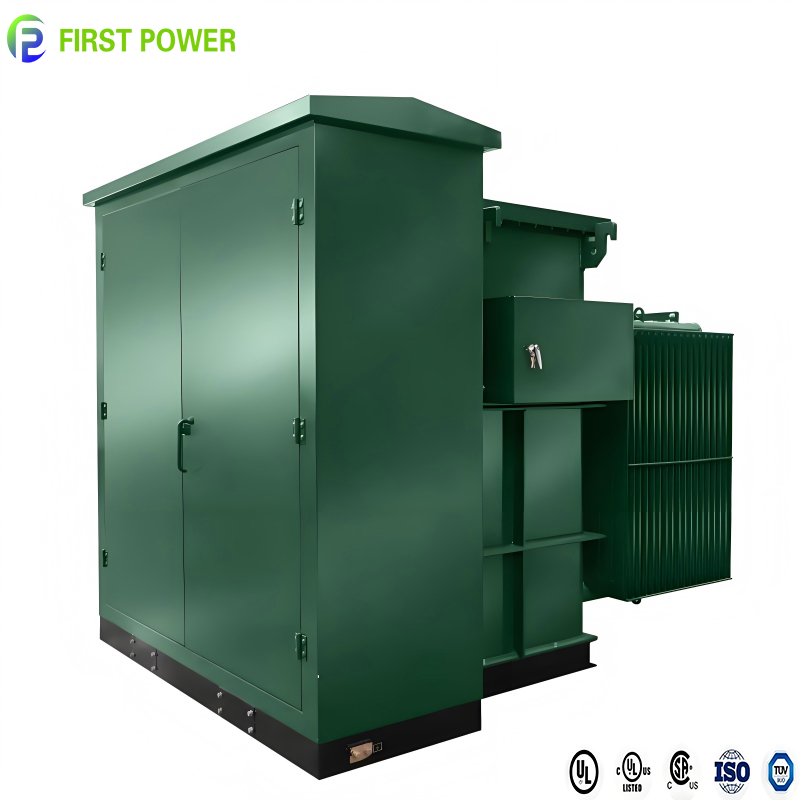
C CE 50/60HZ 6KV 10KV 15KV 20KV 35KV 100KVA 300KVA 500KVA 630KVA 3 Phase Pad Mounted Pedestal Transformer for Industrial
A pad-mounted pedestal configuration for industrial parks, logistics facilities and commercial developments that need a secure outdoor footprint and underground cable connection. The 100–630 kVA range fits many Dire Dawa building and warehouse distribution projects.
Epoxy Cast Transformers in the Dire Dawa Market: A Practical Engineering and Buying Guide
The Dire Dawa market is not a generic transformer market. It combines a hot semi-arid climate, seasonal dust, 50 Hz utility networks, expanding industrial parks, commercial construction and a logistics corridor that links eastern Ethiopia with the Port of Djibouti. For consultants, EPC contractors, factory owners and wholesalers in Dire Dawa, the transformer is not simply a kVA rating on a purchase order; it is a long-life asset that affects fire safety, voltage quality, maintenance workload and total cost of ownership.
An epoxy cast transformer, also known as a cast-resin dry-type transformer, encapsulates the windings in epoxy resin. This removes liquid oil from the transformer tank, reduces fire risk in indoor electrical rooms and simplifies routine inspection. It is often specified for hospitals, commercial buildings, manufacturing units, food processing plants, tunnels and other areas where an oil leak or fire spread would be unacceptable. However, epoxy cast transformers still need correct thermal design. In a hot climate such as Dire Dawa, ventilation, ambient derating, enclosure IP rating, dust control and load duty cycle must be confirmed before quotation.
For outdoor distribution, larger industrial loads and projects where the site can safely accommodate liquid-filled equipment, oil-immersed and pad-mounted transformers remain highly competitive. The best procurement decision is the one that matches the actual installation environment, utility requirements, maintenance capability and delivery schedule. This is where a manufacturer that can supply both dry-type and oil-immersed options is more useful than a supplier that only offers one technology.
As a manufacturer and wholesaler serving international projects, Jiangsu Wisegj Power Co., Ltd. supports Dire Dawa buyers with specification review, drawings, routine test reports and export logistics from China to Djibouti and onward to Dire Dawa. The aim is to give procurement teams information gain before the order: clear technology selection, transparent test evidence and practical delivery terms instead of generic catalogue claims.
Fast Selection Logic for Dire Dawa Projects
- Indoor, fire-sensitive or oil-free site: start with epoxy cast dry-type transformers and confirm Class F/H insulation, ventilation and IP protection.
- Outdoor plant or larger capacity: compare oil-immersed distribution or power transformers for capital cost, loss performance and high ambient resilience.
- Underground or space-limited commercial site: use pad-mounted or pedestal transformers with cable entry, tamper resistance and compact footprint.
Illustrative engineering weighting for a Dire Dawa RFQ
Illustrative decision weighting used for discussion, not a market statistic.
Where Epoxy Cast and Dry-Type Transformers Fit in Dire Dawa
Selection should follow the load, building type, fire strategy and maintenance capability. These are the application scenarios our engineers review most often with Dire Dawa buyers.
Industrial Parks and Manufacturing Units
Factories in the Dire Dawa Industrial Park and Melka Jebdu corridor often need indoor distribution close to production lines. Epoxy cast transformers reduce oil-fire exposure in electrical rooms, while oil-immersed or pad-mounted units may be better for outdoor main step-down and larger process loads.
Commercial Buildings, Hotels and Retail
In shopping centres, hotels, offices and mixed-use developments, the transformer room is often below or adjacent to occupied space. A cast-resin dry-type transformer removes oil from the room and can simplify fire compartment design, provided ventilation and ambient temperature are correctly engineered.
Healthcare, Water Supply and Public Infrastructure
Hospitals, clinics, laboratories and water pumping stations require continuity and low fire risk. Specify dry-type transformers with adequate thermal margin, fan cooling where needed, temperature monitoring and a clear spare-parts list. For remote pumping loads, oil-immersed transformers may remain the practical choice.
Rail, Logistics and Warehouse Facilities
The Djibouti–Dire Dawa transport corridor supports warehouses, cold-chain facilities and freight operations. Pad-mounted pedestal transformers are useful where cables enter from underground and outdoor space must remain secure. Indoor offices and control rooms may still use epoxy cast dry-type units.
Solar, Captive Generation and Mini-Grids
Industrial self-generation and solar-hybrid projects need transformers that match inverter output, grid voltage and protection settings. Dry-type units are often preferred indoors, while oil-immersed distribution transformers may be more economical for outdoor step-up and step-down duty.
Utility Distribution and Urban Expansion
As Dire Dawa expands, distribution planners need repeatable equipment standards. For 15 kV and 33 kV networks, standardized oil-immersed distribution transformers, pad-mounted units and single-phase transformers for dispersed loads can simplify spares, training and inspection.
What Dire Dawa Buyers Are Specifying Now
transformer procurement in eastern Ethiopia is moving toward clearer technical documentation, fire-safe indoor distribution and total-cost evaluation rather than price-only comparison.
50 Hz and Utility Alignment
Every RFQ should state frequency, voltage ratio, vector group, impedance, tap range and reference standard. A transformer that is technically correct in one market may be non-compliant if 50 Hz, ambient and utility protection requirements are not confirmed.
Fire-Safe Indoor Distribution
Commercial buildings and factories increasingly ask for epoxy cast dry-type transformers to reduce oil-fire risk in electrical rooms. The trade-off is that thermal design and ventilation must be handled properly from the start.
Loss and Total Owning Cost
Buyers are comparing no-load loss and load loss over the project life, not only the purchase price. For long-operating industrial loads in Dire Dawa, a low-loss S11 or dry-type design can justify a higher initial cost.
Heat, Dust and Corrosion Engineering
High ambient temperature, dust ingress and solar radiation affect insulation life and cooling. Specify actual site ambient, altitude, enclosure IP, anti-corrosion finish and cleaning access instead of accepting a standard catalogue rating without review.
Djibouti Corridor Logistics
Sea freight to Djibouti followed by onward transport to Dire Dawa requires seaworthy packing, clear shipping marks and coordinated documents. Export experience matters as much as the factory test report when project schedules are tight.
Traceable Documentation
Procurement teams increasingly require serial-number test reports, approved GA drawings, nameplate drafts, O&M manuals and spare-parts lists. These documents reduce commissioning delays and support future maintenance planning.
Epoxy Cast vs Oil-Immersed vs Pad-Mounted: Dire Dawa Selection Matrix
Use this matrix as a starting point for the technical clarification meeting. Final selection must follow the project single-line diagram, utility requirements and site fire strategy.
| Decision Factor | Epoxy Cast Dry-Type Transformer | Oil-Immersed Distribution Transformer | Pad-Mounted Transformer |
|---|---|---|---|
| Fire and oil risk | No liquid oil; preferred for indoor electrical rooms and fire-sensitive buildings. | Mineral oil or ester fluid; suitable outdoors or in dedicated oil containment areas. | Oil-filled but enclosed in a tamper-resistant pad-mounted cabinet; used for underground distribution. |
| Typical installation | Indoor, close to the load, with ventilation and clearance to walls. | Outdoor platform, pole, substation or dedicated transformer bay. | Outdoor ground pad, car park edge, industrial park or commercial compound. |
| Capacity sweet spot | Small to medium building and industrial distribution, often up to a few MVA depending on design. | Broad distribution and power range, from tens of kVA to large utility units. | Commercial and industrial distribution where underground cable entry is planned. |
| Heat and dust behavior | Needs careful ambient derating, airflow and dust control; avoid blocked ventilation paths. | Generally robust outdoors, but oil temperature, radiators and seals must be maintained. | Enclosure must be designed for dust, solar gain and ventilation; cable compartments need sealing. |
| Maintenance profile | No oil testing; inspect windings, fans, filters, alarms and insulation condition. | Periodic oil testing, seal inspection, breather and tap changer checks where fitted. | Oil and accessory checks plus enclosure, lock and cable termination inspection. |
| Best fit in Dire Dawa | Hospitals, hotels, indoor factory distribution, commercial basements and fire-sensitive rooms. | Utility distribution, outdoor industrial plants, pumping stations and larger process loads. | Industrial parks, logistics warehouses, commercial compounds and underground distribution. |
| Reference standards | IEC 60076-11 and project-specific utility requirements; CE documentation where applicable. | IEC 60076 series, IEEE C57 series where specified, plus CE and ISO management evidence. | IEC 60076 and relevant pad-mounted / distribution standards according to the destination market. |
Capacities, voltages and testing scope are confirmed against the approved datasheet, single-line diagram and utility specification before production.
Why Dire Dawa Buyers Shortlist Jiangsu Wisegj Power Co., Ltd.
Jiangsu Wisegj Power Co., Ltd. designs, assembles and exports power transformers, distribution transformers, pad-mounted transformers, dry-type transformers, compact substations and switchgear. The value for Dire Dawa buyers is not only product range; it is the ability to review a specification, document the design and ship equipment with verifiable test records.
Auditable Factory Capacity
6,847 m² of verified production floorspace with winding, core assembly, drying, tanking and testing areas. TÜV Rheinland verification supports buyer due diligence.
Engineering Customization
OEM, ODM and design-based customization for ratings, vector group, impedance, tap range, bushings, cooling, insulating fluid, enclosure color and nameplate language.
Certification and Testing
ISO 9001, ISO 14001 and ISO 45001 management systems plus CE certificates for key product lines. Routine test reports are supplied for each unit; third-party witness inspection is welcome.
Export and Service Support
211 qualified supply-chain partners, 24-hour pre-sale and after-sale response, seaworthy packing and Incoterms from EXW to DDP. Payment terms include T/T, L/C, D/P and D/A.
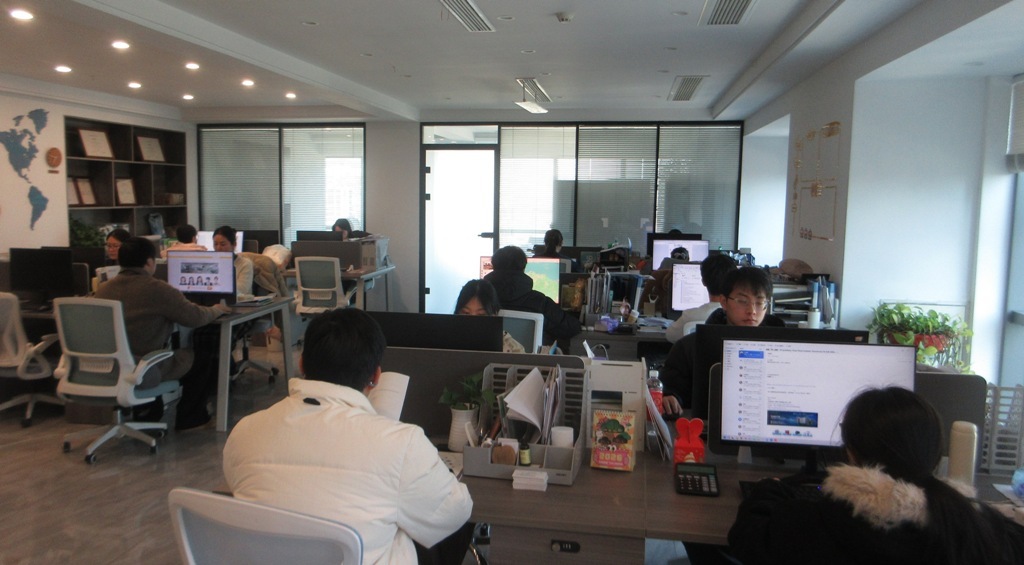
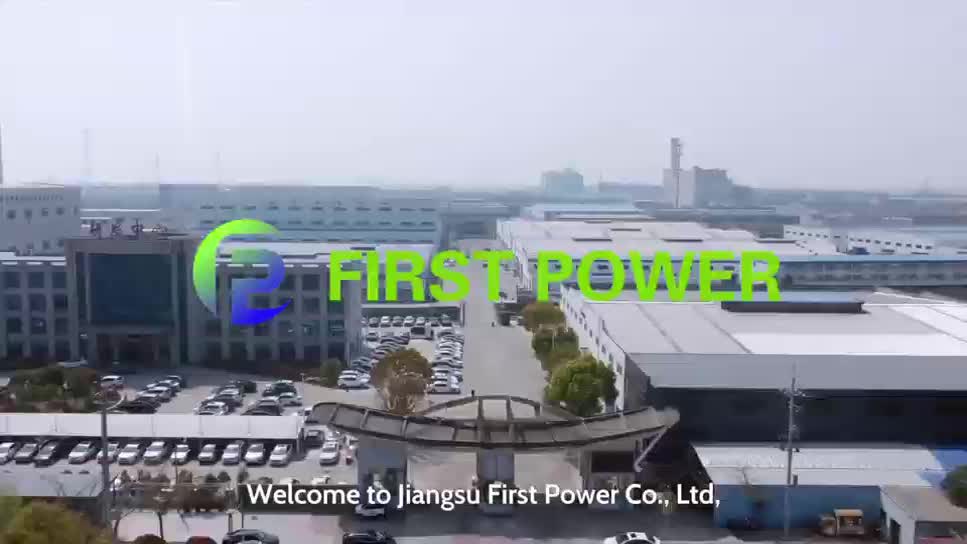 Factory and engineering team
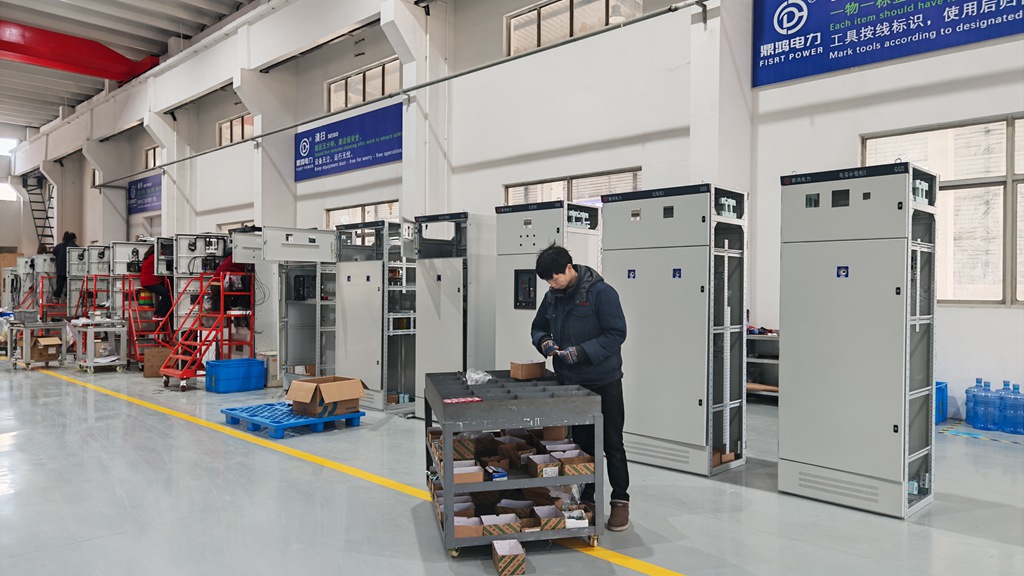
 Assembly workshop
 Testing laboratory
 Export packing and loading
What Dire Dawa Buyers Receive With a Qualified Quotation
Clear documents reduce clarification cycles and support smoother approval by consultants, utilities and internal procurement committees.
Common Questions from Dire Dawa Buyers and Wholesalers
These answers reflect the technical and commercial questions our export and engineering teams handle for Ethiopian and East African projects.
Are epoxy cast transformers suitable for Dire Dawa’s heat and dust?
Yes, but only with correct thermal and enclosure design. Dire Dawa’s high ambient temperature and dust require the transformer to be rated for the actual site condition, not just a standard reference ambient. Specify Class F or H insulation, adequate ventilation, cleanable dust filters where appropriate, IP protection matched to the electrical room and load duty cycle. For outdoor high-capacity duty, compare oil-immersed designs as well.
What frequency and voltages should be included in the RFQ?
Ethiopia operates at 50 Hz, so the RFQ should clearly state 50 Hz. The voltage ratio must come from the project single-line diagram and utility confirmation. Dire Dawa projects may involve medium-voltage distribution levels such as 15 kV or 33 kV and low-voltage systems, but the exact values must be verified with the utility and consultant. Include vector group, impedance, tap range and neutral arrangement.
Which standards and certificates apply?
Transformers are typically designed and tested to IEC 60076 series standards, with IEC 60076-11 relevant to dry-type transformers. Where the project requires IEEE or ANSI practice, the design can be reviewed against the applicable C57 series. Our key product lines hold CE certificates, and production runs under ISO 9001, ISO 14001 and ISO 45001 management systems. Certificate numbers can be shared for compliance review.
Can you supply both copper and aluminium windings?
Both winding materials can be discussed depending on the rating, loss target, short-circuit strength requirement and budget. Copper is often preferred where high efficiency, compact size or demanding fault duty is important. Aluminium may be considered for cost-sensitive projects. The final choice should be stated in the approved datasheet and evaluated on total owning cost, not purchase price alone.
Which factory tests can be reviewed before shipment?
Routine tests typically include winding resistance, voltage ratio and vector group, impedance and load loss, no-load loss and current, applied voltage and induced voltage tests. For liquid-filled units, oil dielectric strength is also checked. Partial discharge or other special tests can be included where specified. Third-party witness inspection is welcome, and test reports are supplied per serial number.
How is delivery to Dire Dawa handled?
Export shipments are typically prepared for sea freight from China to Djibouti, followed by onward transport to Dire Dawa by road or rail according to the buyer’s logistics plan. Seaworthy packing, shock indicators, lifting marks and complete shipping documents are prepared. Incoterms such as FOB, CFR, CIF, FCA, CIP, CPT and DDP can be discussed so responsibilities are clear.
What lead time and payment terms are typical?
Lead time depends on rating, customization, testing scope and order volume. Standard distribution transformers may be quoted around several weeks after drawing approval, while larger or specially tested units require longer. Payment terms can include T/T, L/C, D/P and D/A, subject to contract and country requirements. The quotation should state the exact validity, delivery schedule and inspection milestones.
Can you customize for utility specifications or OEM branding?
Yes. Customization can cover ratings, voltage ratio, vector group, impedance, tap changer type and range, bushing configuration, cooling method, insulating fluid, enclosure color, IP rating, cable entry, nameplate language and branding. To avoid rework, share the utility specification, single-line diagram, site ambient, altitude and any approved drawing format with the inquiry.
Ready to Compare Epoxy Cast, Oil-Immersed and Pad-Mounted Options?
Send your transformer datasheet, single-line diagram or tender document. Include the required kVA, primary and secondary voltage, 50 Hz frequency, vector group, impedance, indoor or outdoor installation, ambient temperature, altitude, IP requirement and delivery terms. Our engineers will review the application and respond with a clear technical and commercial path.