High-Performance Isolation & Power Transformers
Engineered to withstand rigorous grid fluctuations, tropical climatic stress, and complex non-linear industrial loads in Bujumbura and East Africa.
1. The Critical Need for Electrical Isolation Transformers in Bujumbura’s Industrial Grid
Bujumbura, as the economic hub and primary port city of Burundi, is undergoing rapid industrialization and urban modernization. From processing plants along the shores of Lake Tanganyika to high-density commercial developments in the Asian Quarter and industrial expansion in the Bujumbura Mairie Province, reliable electric power is indispensable. However, the local grid managed by REGIDESO (Régie de Distribution d'Eau et d'Électricité) faces operational challenges including seasonal voltage sags, rapid load variations, lightning-induced transient surges during the tropical rainy seasons, and harmonic pollution introduced by modern non-linear loads (such as variable frequency drives, arc furnaces, and telecommunications switchgear).
Standard step-down auto-transformers or conventional distribution transformers lack physical separation between their primary and secondary windings. As a result, line noise, high-frequency transients, and neutral-to-ground voltage drifts pass directly to sensitive equipment. An Electrical Isolation Transformer solves these systemic power quality issues by establishing complete galvanic isolation—transferring electrical power purely through magnetic coupling across an insulated dielectric gap without a direct conduction path.
“In tropical, high-humidity, grid-vulnerable environments like Bujumbura, galvanic isolation transformers act as an essential electromagnetic barrier—preventing catastrophic component failure, reducing ground loop currents, and eliminating common-mode noise in critical industrial, medical, and telecommunications installations.”
2. Technical Architecture & Engineering Principles of Galvanic Isolation
Jiangsu Wisegj Power Co., Ltd. designs and manufactures industrial-grade isolation transformers engineered specifically for heavy-duty commercial, renewable, and infrastructure operations. Unlike standard autotransformers, our isolation transformers incorporate advanced engineering features:
A. Electrostatic Shielding (Faraday Shielding)
To eliminate high-frequency common-mode noise and atmospheric lightning transients, a grounded copper electrostatic shield is positioned between the high-voltage primary and low-voltage secondary windings. This shield shunts capacitive coupling noise directly to earth ground before it can enter sensitive downstream control units, microprocessor controllers, or medical diagnostic systems.
B. Optimized Core & Coil Construction
Utilizing high-permeability, cold-rolled grain-oriented (CRGO) silicon steel laminations with step-lap joints, our isolation transformers achieve minimal no-load losses and exceptionally low stray magnetic flux. High-purity electrolytic copper windings with Class H or Class C insulation systems ensure structural integrity under severe thermal stress and short-circuit conditions.
C. K-Factor Rated Design for Harmonic Suppression
Modern industrial equipment generates significant non-linear triplen harmonics (3rd, 9th, 15th orders), causing conventional transformers to overheat and fail prematurely due to eddy current losses. Wisegj isolation transformers are customized with K-13 and K-20 rating options, double-sized neutral conductors, and electrostatic shields designed specifically to dissipate harmonic heat safely.
D. Advanced Neutral-Ground Separation
By providing a brand-new, clean, bonded ground-neutral reference point at the secondary output, our isolation transformers solve local neutral float issues common in extended African radial distribution lines, maintaining zero neutral-to-ground potential for sensitive electronics.
Galvanic Isolation
Total physical separation between primary and secondary circuits guarantees safety, shock protection, and total elimination of direct electrical fault leakage pathways.
Surge & Spike Attenuation
Multi-layered electrostatic Faraday shielding attenuates high-voltage switching spikes and atmospheric lightning transients before they reach mission-critical equipment.
Harmonic Heat Dissipation
Specially calculated core flux densities and oversizing options prevent thermal buildup caused by non-linear loads like VFDs, inverter drives, and data server banks.
3. Localized Application Scenarios in Bujumbura & Surrounding Regions
Whether servicing urban infrastructure in central Bujumbura or remote solar microgrids across Burundi, our tailored isolation transformer models address specific local operating environments:
A. Port of Bujumbura & Lake Logistics Hubs
Port cargo handling cranes, cold-storage warehouses, and maritime vessel shore-to-ship power distribution require galvanic isolation to prevent electrolytic salt-water corrosion, manage inductive motor starting surges, and protect automated crane logic controls from maritime utility network spikes.
B. Industrial Manufacturing & Agri-Processing Plants
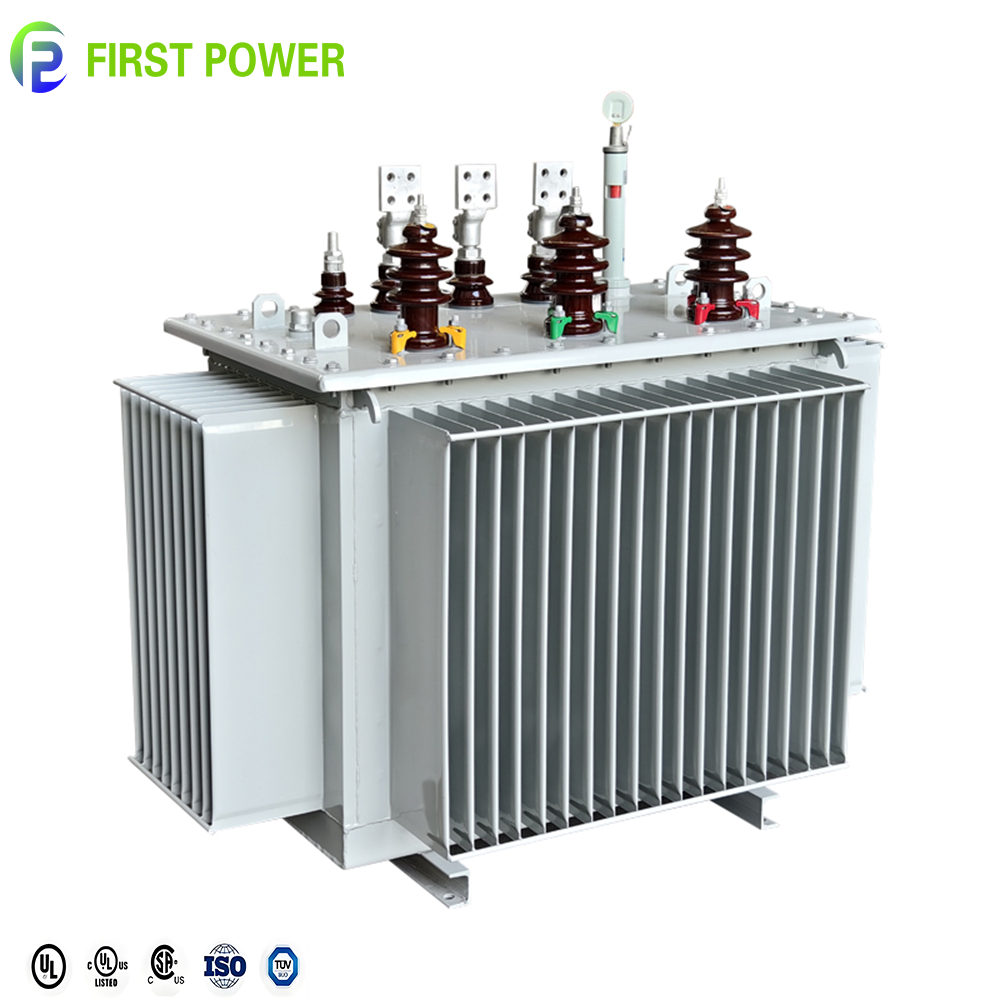
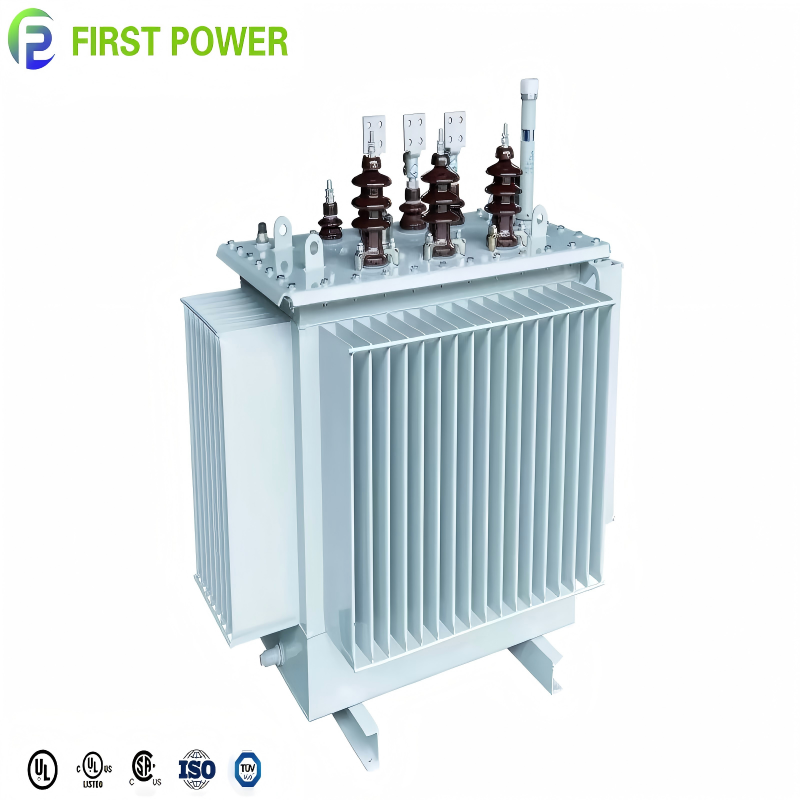
Burundi’s vital coffee, tea, sugar, and beverage processing facilities utilize automated machinery and sensitive PLCs. Line voltage fluctuations on 10kV or 35kV utility feeds can corrupt processing sequences. Installing oil-immersed or cast-resin isolation transformers protects machinery, minimizes unplanned downtime, and drastically cuts maintenance expenses.
C. Commercial Real Estate, Data Centers & Healthcare Facilities
Hospitals such as Hôpital Prince Régent Charles and modern commercial complexes in Bujumbura demand absolute electrical safety and zero electromagnetic interference (EMI). Cast-resin dry-type isolation transformers are installed indoors to isolate sensitive MRI/CT diagnostic scanners, laboratory analyzers, and IT servers without any fire risk associated with mineral oil.
D. Solar PV Inverter Grid Interconnection
As Burundi expands its renewable energy footprint via utility-scale and rooftop solar IPP projects, isolation transformers bridge the gap between solar inverter outputs and the REGIDESO grid. They suppress DC injection into the AC grid and safeguard solar inverters from grid-side surge feedback.
4. Comparative Engineering Specification Matrix
To assist procurement managers, electrical consultants, and EPC contractors in Bujumbura with technical selection, the table below compares technical parameters across our primary isolation transformer categories:
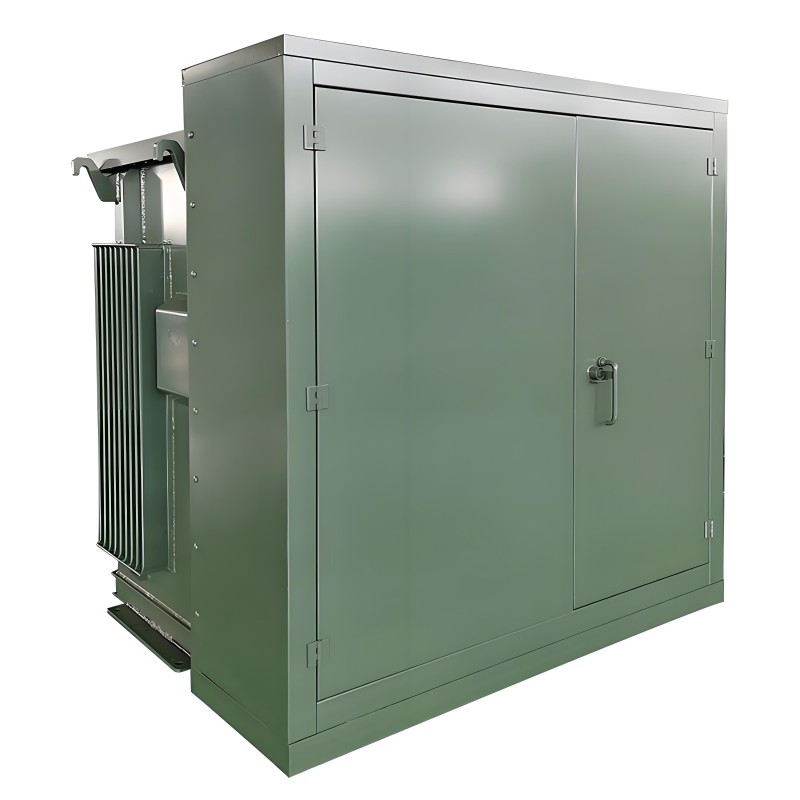
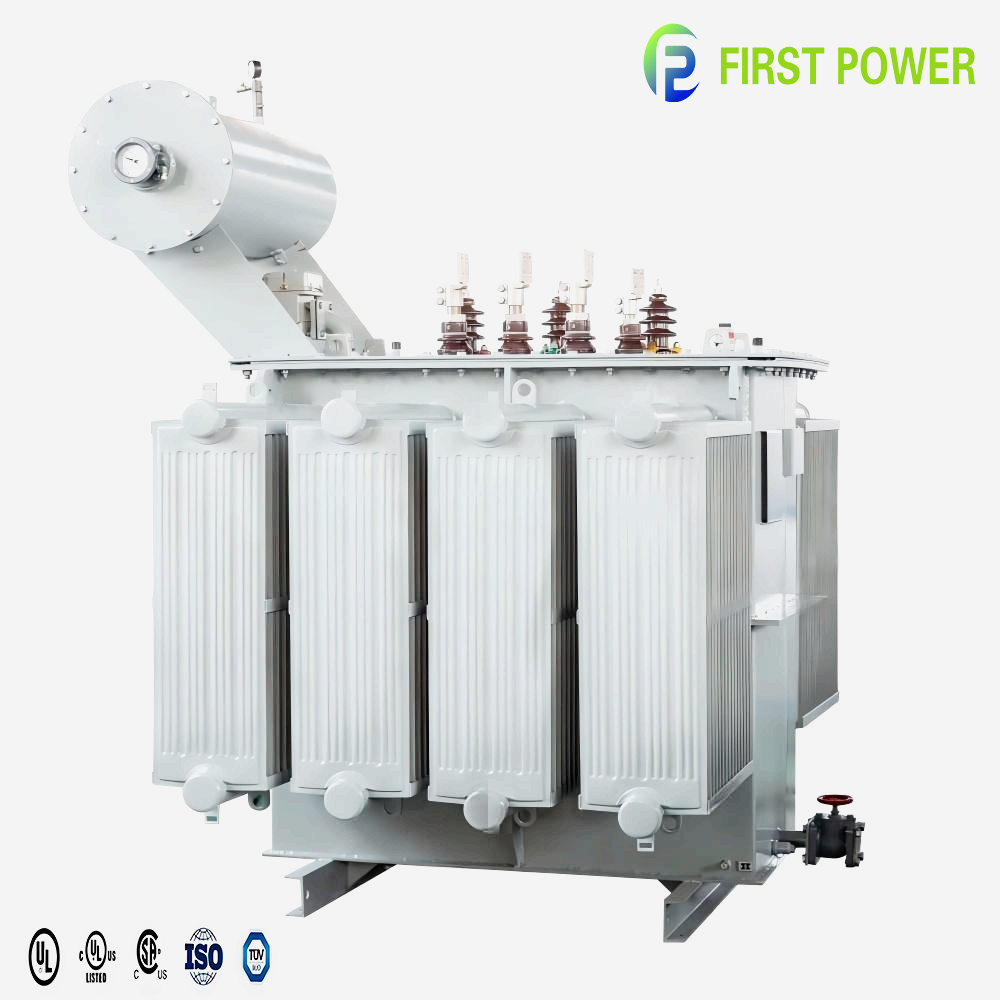
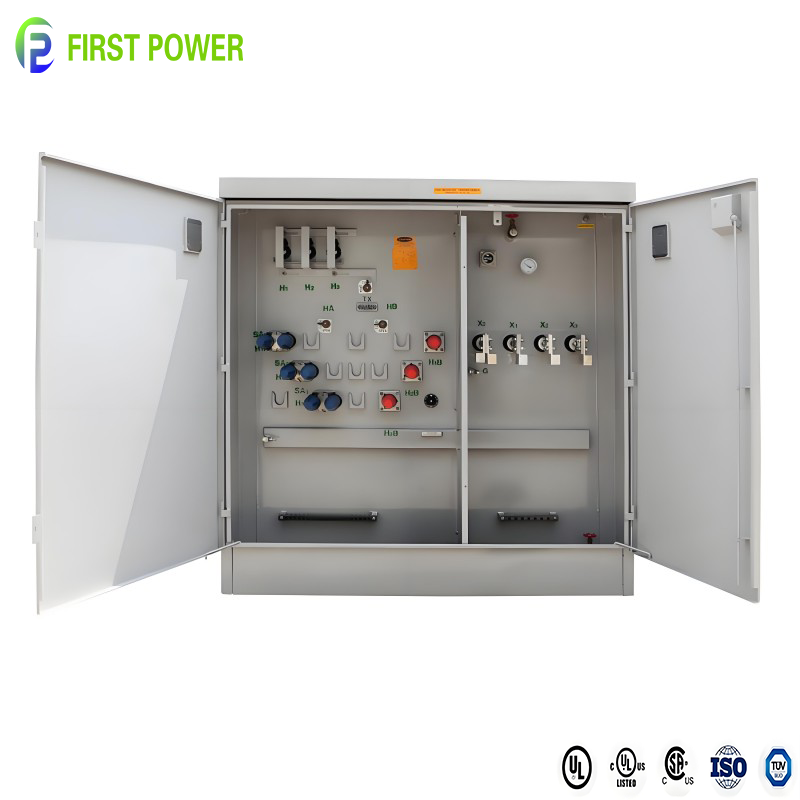
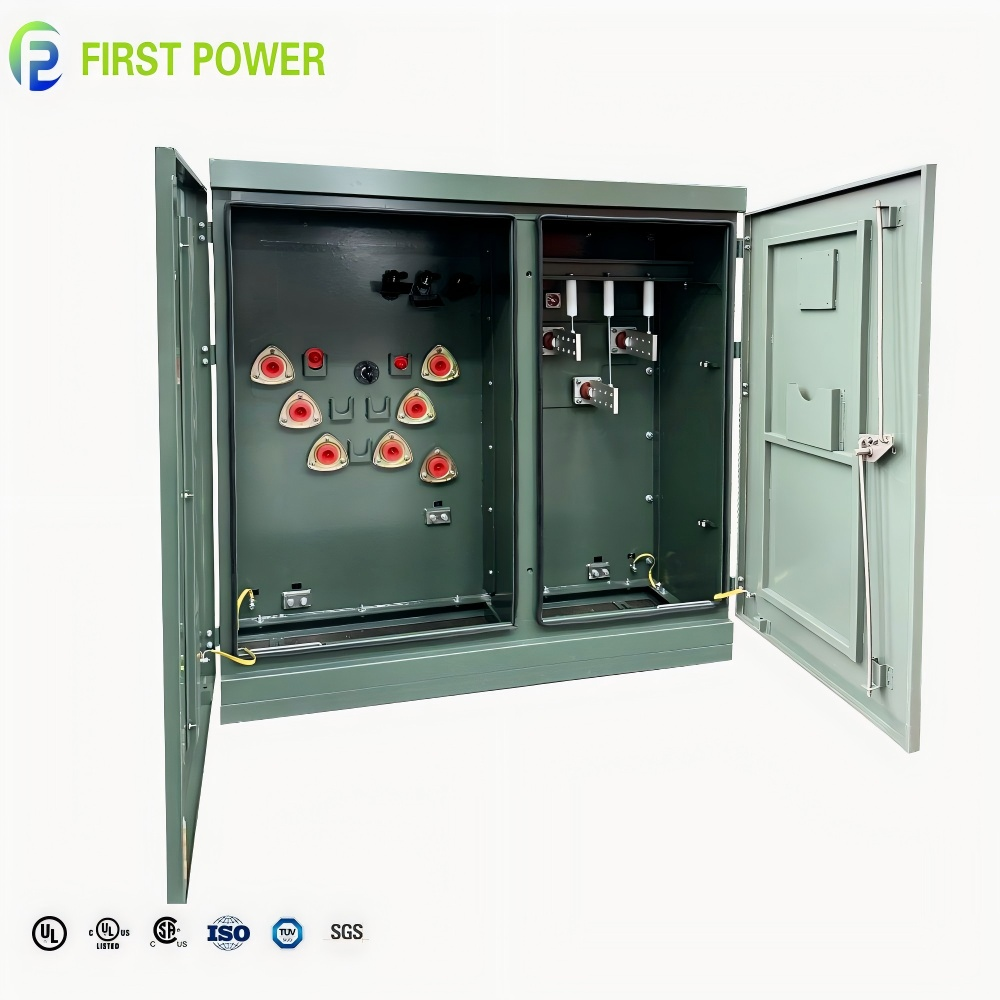
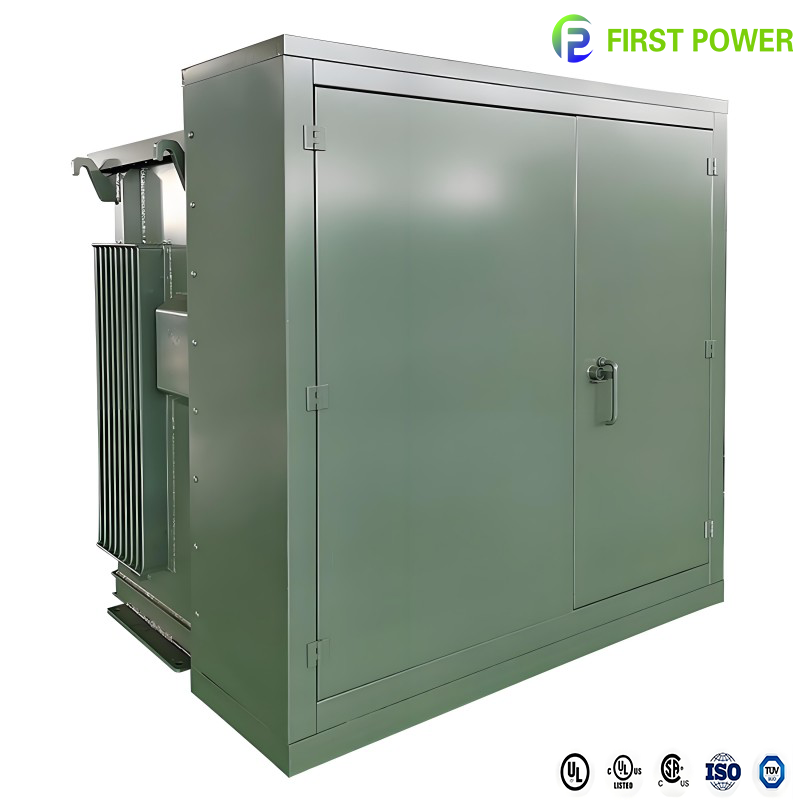
| Technical Parameter | Oil-Immersed Isolation Transformer | Cast Resin Dry-Type Isolation | Pad-Mounted Compartmental Type |
|---|---|---|---|
| Power Rating Range | 50 kVA – 5,000 kVA | 30 kVA – 2,500 kVA | 75 kVA – 2,500 kVA |
| Primary Voltage Class | 6kV, 10kV, 15kV, 20kV, 35kV | 6kV, 10kV, 15kV, 20kV, 35kV | Up to 34.5 kV (Dead / Live Front) |
| Secondary Voltage Class | 220V, 380V, 400V, 415V, 480V | 220V, 380V, 400V, 415V, 480V | 208Y/120V, 480Y/277V, 415V |
| Insulation System Class | Class A (Oil/Paper system) | Class F (155°C) or Class H (180°C) | Class A (Mineral or FR3 Ester Fluid) |
| Cooling Method | ONAN / ONAF | AN / AF (Air Natural / Forced) | ONAN / KNAN (Biodegradable option) |
| Environmental Rating | Outdoor IP54 / IP65 Corrosion-resistant | Indoor IP20 / IP23 (IP54 Enclosure available) | Tamper-proof Outdoor NEMA 3R / IP54 |
| Harmonic K-Factor | K-1 to K-13 customizable | K-13 to K-20 standard option | K-4 to K-13 customizable |
| Primary Standards | IEC 60076, CE, ISO 9001 | IEC 60076-11, CE, ISO 9001 | IEEE C57.12.34, ANSI, CE |
5. Bujumbura Energy Infrastructure Trends & Wholesale Procurement Advantage
Burundi’s Vision 2025 and national energy development initiatives prioritize upgrading power reliability, modernizing transmission corridors, and encouraging regional industrial trade within the East African Community (EAC). As infrastructure projects accelerate, the demand for high-reliability, tropicalized electrical equipment in Bujumbura is at an all-time high.
For electrical wholesalers, hardware distributors, and engineering contractors in Burundi, sourcing directly from a top-tier Chinese manufacturer like Jiangsu Wisegj Power Co., Ltd. provides significant market advantages:
- Uncompromising Quality & Compliance: Our products are certified with ISO 9001, ISO 14001, ISO 45001, and hold comprehensive CE test certificates. Every unit undergoes strict routine factory testing (winding resistance, turn ratio, vector group, impedance, load/no-load loss, applied voltage, and induced voltage withstand).
- Tropicalization & High-Ambient Design: Standard transformers engineered for temperate climates degrade quickly in East Africa. Wisegj customizes winding insulation, oil formulations, thermal radiators, and anti-corrosion exterior coatings to withstand 40°C+ ambient temperatures, intense ultraviolet exposure, and high humidity levels.
- Optimized EAC Logistics: We maintain structured shipping logistics through major East African maritime corridors (Mombasa and Dar es Salaam ports) with multimodal transport direct to Bujumbura customs terminals, complete with seaworthy wood packaging and shock-impact recorders.
- Wholesale Factory-Direct Pricing: By eliminating intermediary agents, we pass direct manufacturing savings to local Burundi wholesalers, allowing competitive retail margins while guaranteeing utility-grade technical execution.
6. FAQ for Engineers & Wholesalers Sourcing in Bujumbura
What is the difference between a standard distribution transformer and an isolation transformer?
Can Wisegj supply isolation transformers tailored to REGIDESO voltage standards in Burundi?
Should I choose an Oil-Type or Dry-Type Isolation Transformer for my project in Bujumbura?
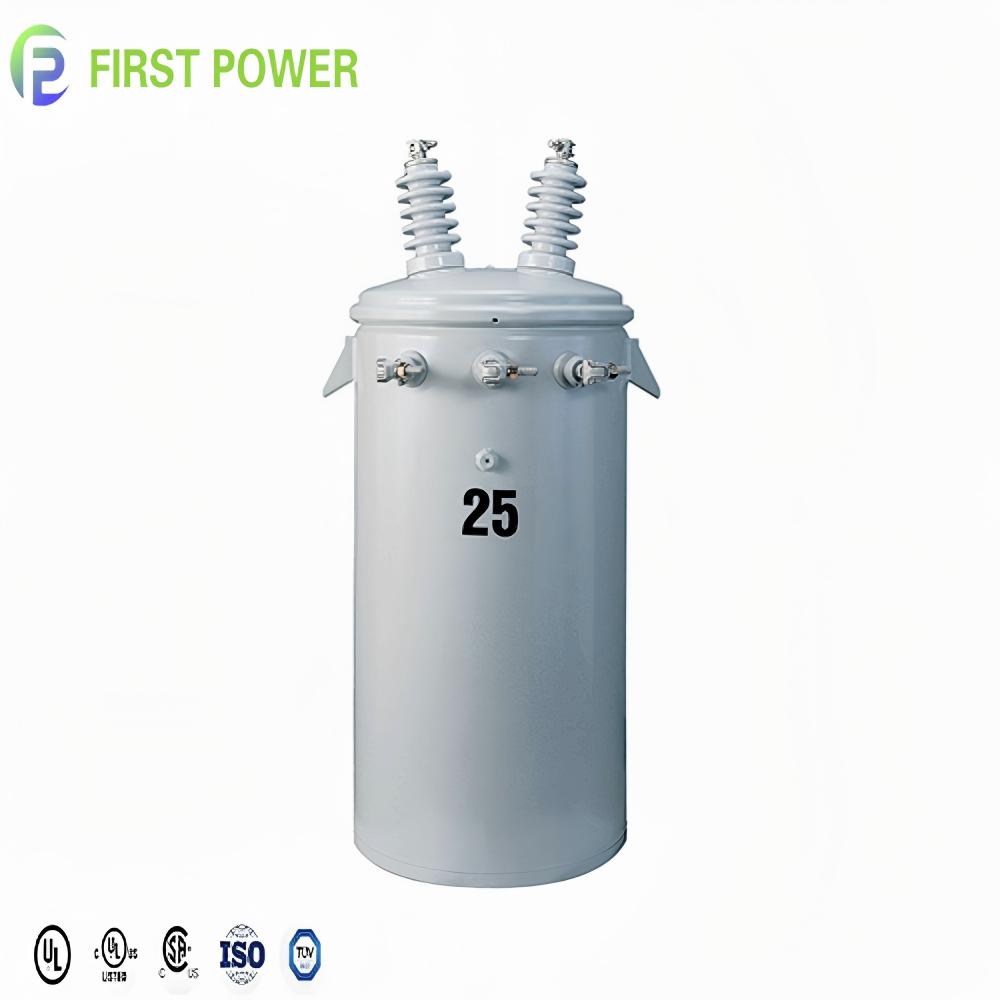
Choose Oil-Type Transformers for outdoor substations, pole-mounted platforms, solar farm interconnections, and heavy industrial yards where maximum cooling efficiency, weatherproofing, and cost-per-kVA economy are required.
Choose Cast Resin Dry-Type Transformers for indoor installations inside commercial towers, hospitals, shopping malls, underground facilities, and textile mills where fire safety, zero liquid-leakage risk, and low maintenance are mandatory.
What routine tests are performed on Wisegj isolation transformers before dispatch to East Africa?
- Measurement of winding resistance
- Voltage ratio measurement and phase displacement (vector group check)
- Short-circuit impedance and load loss measurement
- No-load loss and no-load current measurement
- Applied voltage withstand test & Induced overvoltage withstand test
- Oil dielectric breakdown voltage (BDV) test (for oil-filled units)
- Insulation resistance measurement
How are orders packaged to withstand long-distance ocean and overland transit to Bujumbura?
What trade terms and payment options are available for Burundi procurement orders?
7. Partner with Jiangsu Wisegj Power Co., Ltd. — Your Trusted Manufacturing Partner
Located in Suzhou, Jiangsu Province, Jiangsu Wisegj Power Co., Ltd. is a leading manufacturer of high and low-voltage electrical transmission and distribution equipment. Spanning over 6,847 m² of TÜV Rheinland-verified manufacturing workspace, our engineering facility produces power transformers, distribution transformers, pad-mounted substations, dry-type resin transformers, and specialized isolation units serving power utilities, EPC contractors, and wholesale distributors across 50+ countries.
With an engineering staff of over 50 technical specialists and a commitment to strict quality control, we ensure that every transformer exported to Bujumbura delivers seamless power reliability, maximum efficiency, and long operational service life. Our team works hand-in-hand with local Burundi engineers to review electrical single-line diagrams (SLDs), provide detailed CAD/3D dimensional drawings, and ensure complete compliance with local utility tenders.
Request Technical Specs & Wholesale Pricing for Bujumbura
Planning an electrical power project, grid expansion, or commercial installation in Burundi? Contact our senior engineering team today for custom technical design reviews, CAD drawings, and guaranteed factory-direct pricing.