Localization Is an Engineering Question, Not a Translation Task
Incheon combines a major port, an international airport, the Incheon Free Economic Zone, dense urban districts, logistics warehouses, data-centre demand and a coastal climate. Electrical distribution equipment must therefore match Korean 60 Hz practice, fit local installation clearances and survive Yellow Sea humidity and salt-laden air.
For buyers searching for an electrical distribution equipment supplier for the Incheon market, the useful question is not simply “who exports transformers?” It is “who can read a Korean single-line diagram, re-rate a 50 Hz catalogue design for 60 Hz, document the losses, protect the enclosure against coastal corrosion and deliver to Incheon Port without hiding the final cost?” That is the standard this guide applies. Korea’s low-voltage public supply is commonly 220 V single-phase and 380 V three-phase at 60 Hz, while KEPCO, KESCO and the project’s licensed electrical contractor shape the approval and inspection path. A supplier that understands these interfaces reduces rework before the equipment ever leaves the factory.
Four Localization Points That Most Catalogues Omit
Price per kVA is only one data point. Incheon buyers also need frequency verification, corrosion specification, space planning and a document trail that satisfies the authority having jurisdiction.
60 Hz Re-Rating
A transformer designed around 50 Hz cannot simply be relabelled for Korea. Flux density, no-load loss, sound level and temperature rise must be checked. Ask for a 60 Hz design review and guaranteed losses, not a catalogue copy.
Coastal Corrosion
Salt-laden air and monsoon humidity affect tanks, enclosures, bushings, hardware and nameplates. Specify the corrosion category, paint system, galvanised or stainless fasteners and anti-condensation provisions where relevant.
Compact, Quiet Siting
Songdo, Yeonsu and Bupyeong sites often have tight access and noise-sensitive neighbours. Compact substations, dry-type transformers and low-profile pad-mounted units can reduce civil work and improve acceptance.
Approval & Documents
Korean projects may require KESCO electrical safety inspection, KERI testing evidence, KEPCO interconnection information and local contractor sign-off. Confirm the exact scope with the authority having jurisdiction.
The information gain for an Incheon buyer is a traceable package: single-line diagram, vector group, impedance, tap range, loss guarantees, routine test report, seismic or anchorage drawing where required, corrosion specification and a packing plan that matches the receiving site. This is where a technical exporter creates more value than a forwarding-style trader.
Eight Distribution Equipment Options for Incheon Projects
Each product link below is preserved from the original listing. Use these pages to screen a platform, then confirm the final rating, voltage ratio, frequency, vector group and enclosure details with an engineer before quotation.
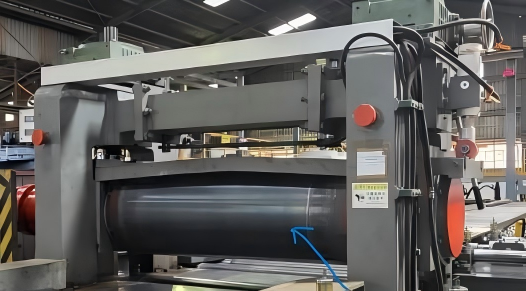
MAIN ROLLER D
Project-specific main roller assembly from the existing product range. For Incheon packages, confirm drawing, material grade, load rating and mating dimensions before quotation.
- Use mechanical assembly
- Review drawing & material
- Supply export packing
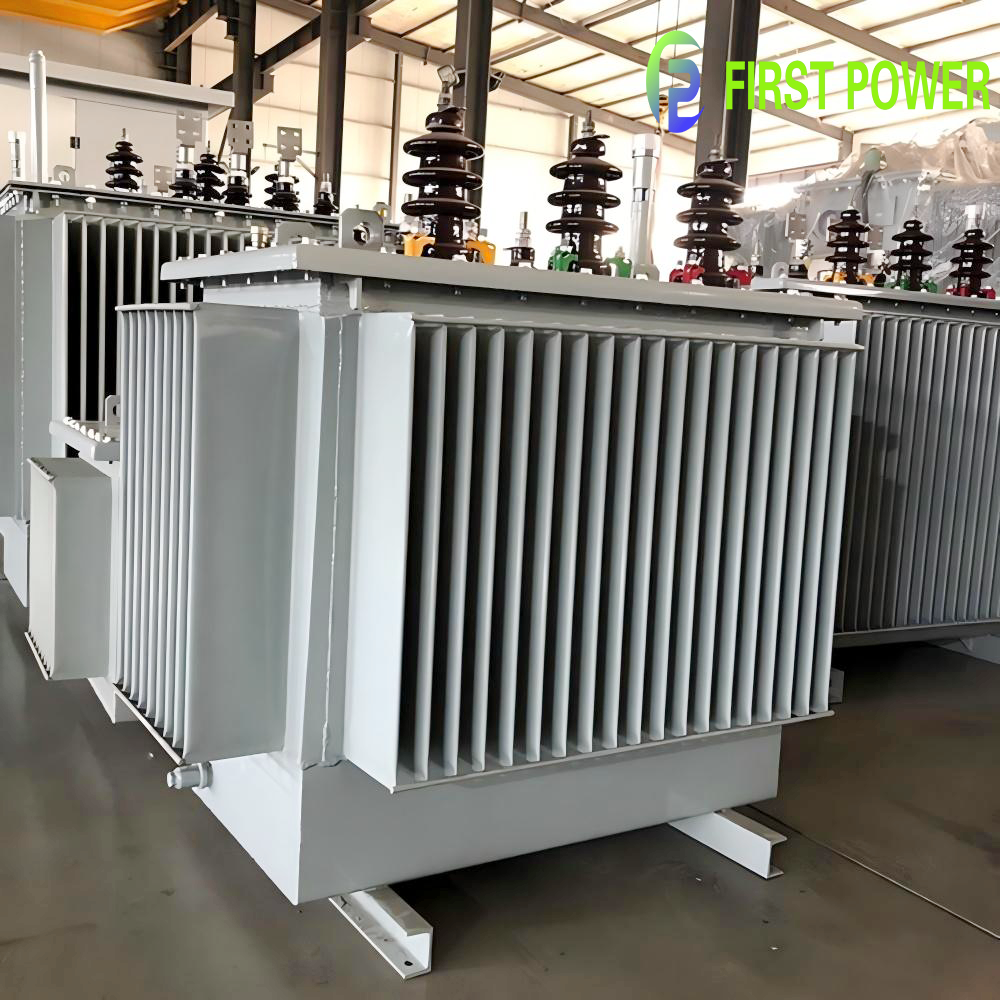
C CE MV&HV S11 10–35 kV 50 kVA Oil-Immersed Distribution Transformer
A compact three-phase transformer for small loads, auxiliary buildings and low-capacity feeders. The 50 kVA class is often specified where a full pad-mounted unit would be oversized.
- Class 50 kVA
- Primary 10–35 kV
- Frequency 50/60 Hz
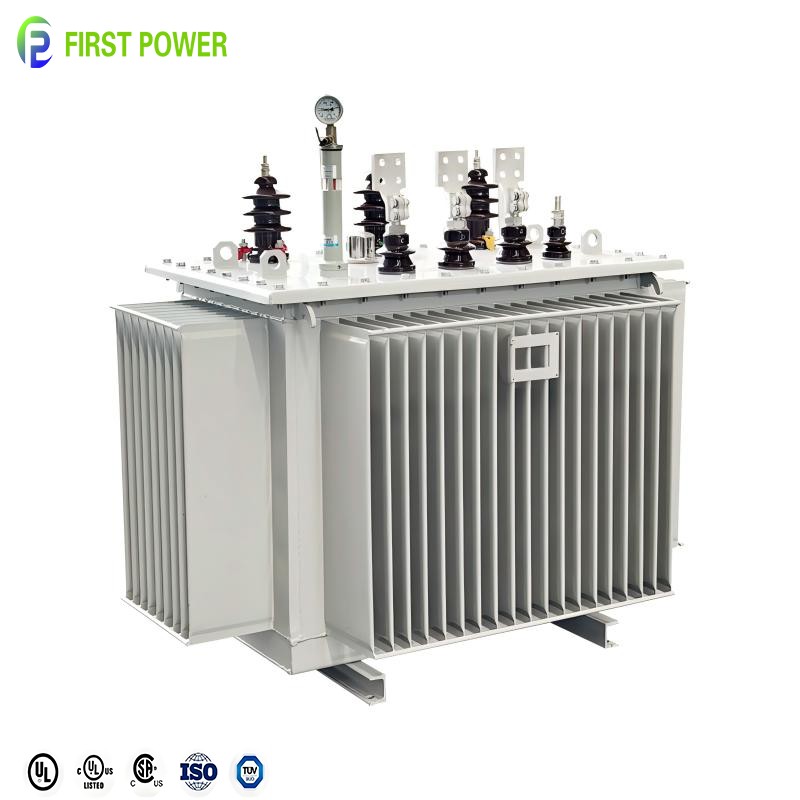
C CE 100–1000 kVA Oil-Immersed Three-Phase Power Transformer
A practical platform for commercial buildings, industrial plants and power supplies. For Korea, the secondary voltage, vector group and 60 Hz loss package should be reviewed against the project single-line diagram.
- Range 100–1000 kVA
- Voltage 10–35 kV class
- Option 60 Hz design review
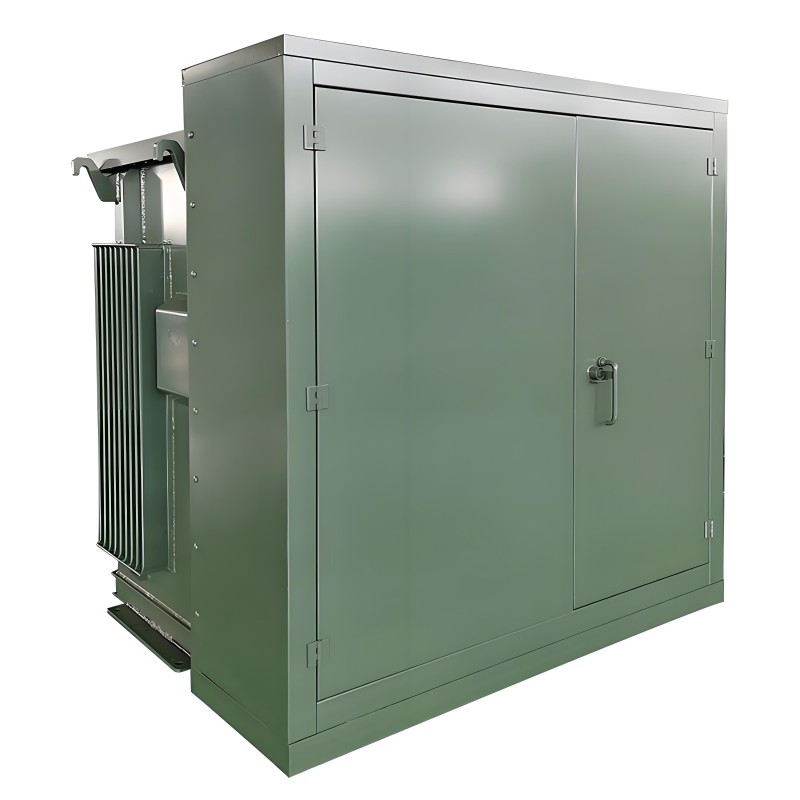
C Certified 75–2500 kVA Oil-Type Three-Phase Pad-Mounted Transformer
Tamper-resistant pad-mounted equipment for underground distribution. The original listing shows 35 kV input and 480 V output; Korean projects would normally confirm the secondary voltage and protection scheme locally.
- Range 75–2500 kVA
- Input 35 kV class
- Use loop / radial feed
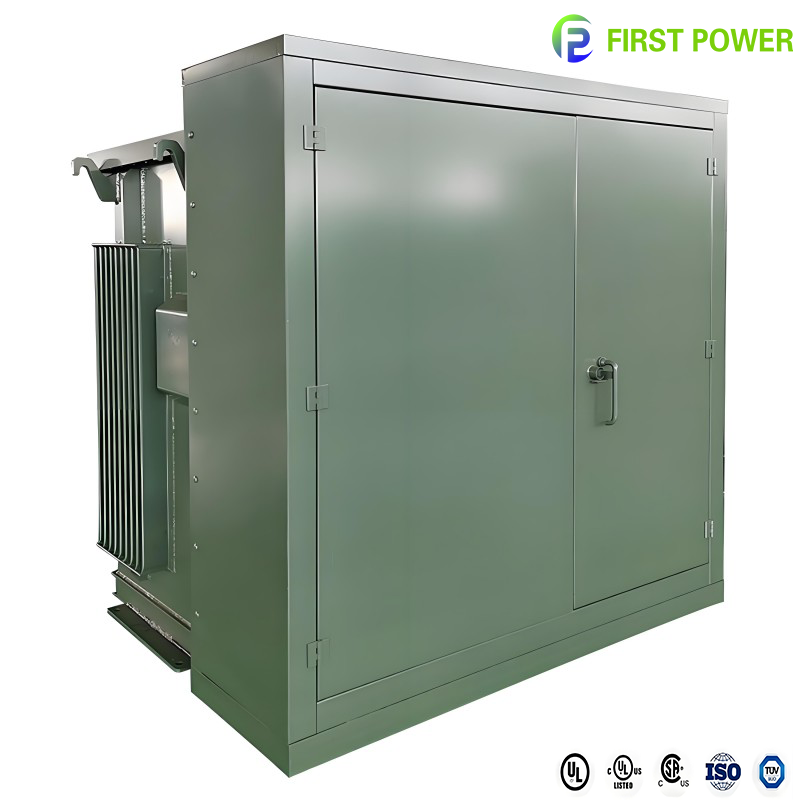
C CE 75–400 kVA Oil-Type Pad-Mounted Transformer for Power Generation
A mid-size pad-mounted option for generators, commercial sites and compact distribution points. Enclosure colour, cable entry, fuse configuration and corrosion protection can be customised for Incheon coastal conditions.
- Range 75–400 kVA
- Voltage 10–35 kV
- Use generation support
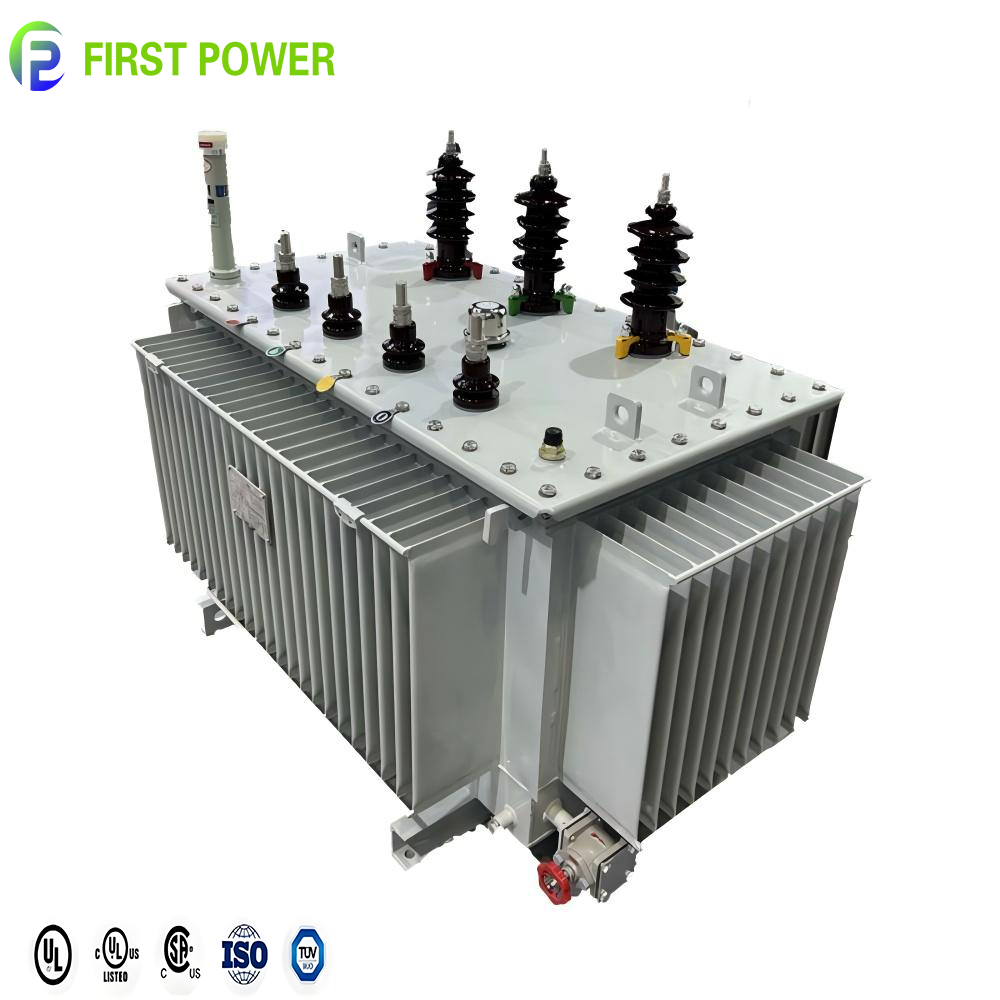
C CE S11 10–35 kV 50–200 kVA Oil-Immersed Distribution Transformer
Three-phase electrical oil-immersed transformer for distribution systems. A practical option for commercial feeders, schools, clinics and light industrial loads where a tested, low-loss distribution platform is required.
- Range 50–200 kVA
- Primary 10–35 kV
- Use distribution feeder
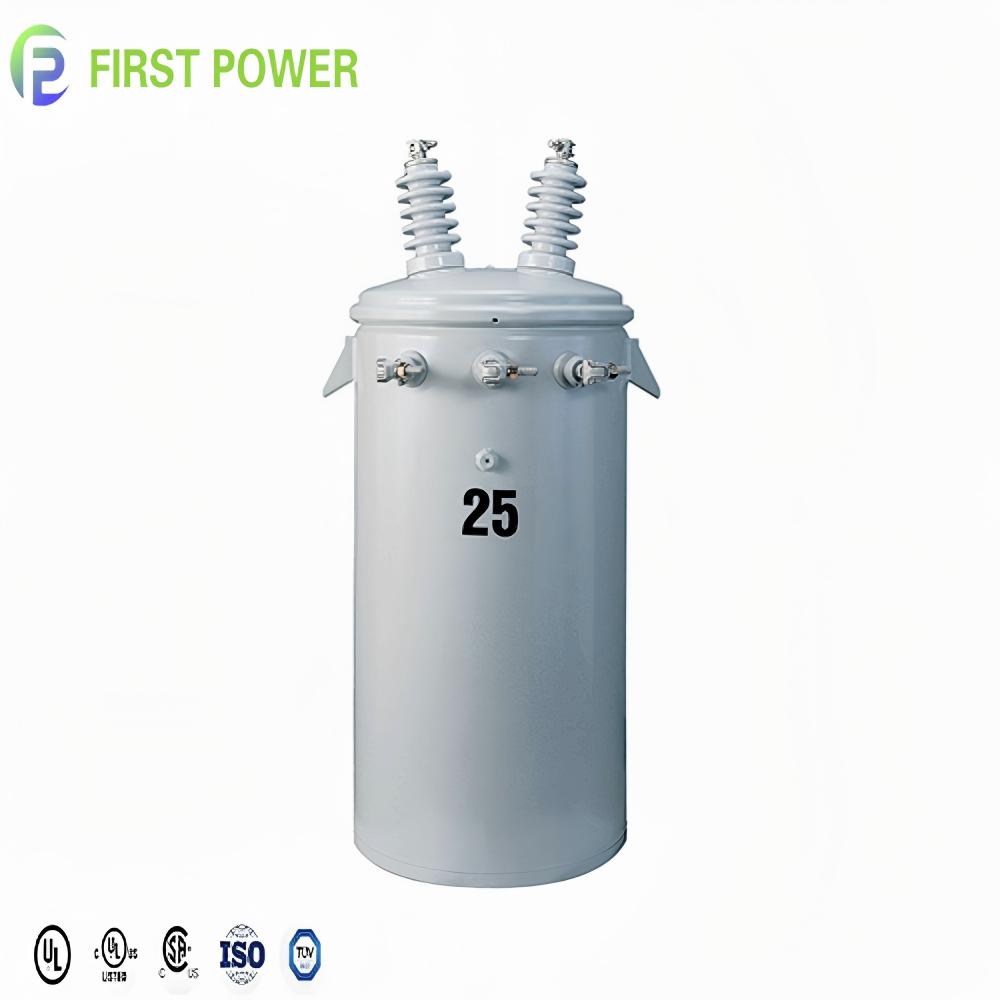
C CE MV&HV 6–35 kV 25 kVA Single-Phase Transformer
Single-phase transformer for dedicated distribution, rural loads, lighting and small equipment. Confirm 60 Hz operation, low-voltage configuration and the protection scheme with the local designer.
- Class 25 kVA
- Primary 6–35 kV
- Use single-phase loads
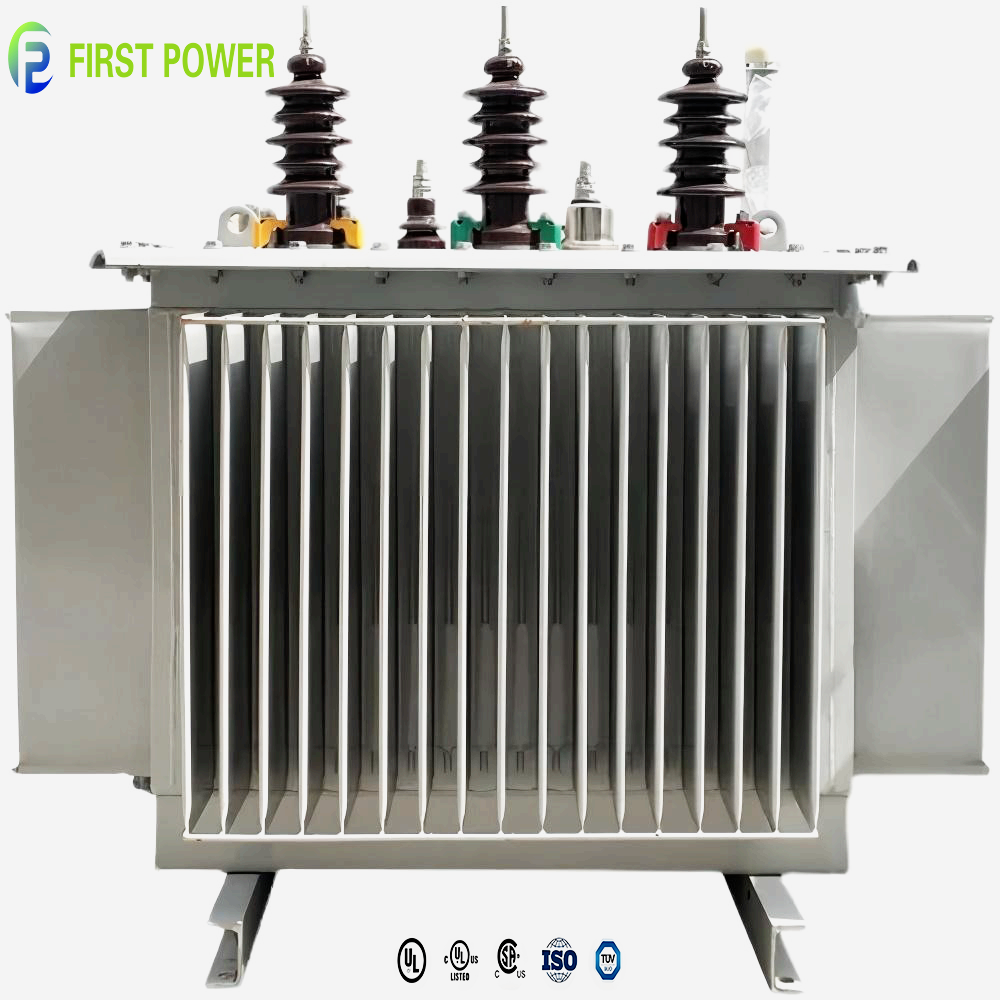
C Certified 60 Hz S11 500 kVA Oil-Immersed Transformer
A 500 kVA S11 three-phase transformer listed for 60 Hz power supplies, with a 22 kV / 0.4 kV example. This class often fits commercial buildings, logistics facilities and utility secondary substations.
- Class 500 kVA
- Example 22 kV / 0.4 kV
- Frequency 60 Hz
Matching Equipment to Incheon Applications
Use application logic before comparing quotations. Two suppliers may offer the same kVA, but only one may have considered the installation environment, local approval path and life-cycle losses.
IFEZ Offices & Data Centres
Favour dry-type transformers or compact substations where indoor fire risk and space are critical. Ask for loss guarantees, temperature-rise data, noise levels and monitoring interfaces.
Incheon Port Logistics
Warehouses, cold-chain facilities and container yards need robust distribution equipment with corrosion protection, clear cable entry and a maintenance plan that avoids long downtime.
Songdo & Yeongjong Urban Networks
Underground distribution and neat streetscapes favour pad-mounted units with dead-front compartments, loop-feed arrangements and low-profile enclosures.
Industrial & Renewable Interconnection
For plant expansion, generator step-up or renewable interconnection, start with the fault level, transformer impedance, tap range and cooling class rather than the enclosure alone.
Incheon Trends That Change the Technical Brief
Demand in and around Incheon is increasingly shaped by logistics, data, urban redevelopment and renewable interconnection. These trends affect losses, footprint, corrosion, documentation and delivery planning.
1. Loss Evaluation Moves Up the Agenda
As energy costs and carbon reporting become more visible, buyers compare no-load and load losses over the life cycle, not only the initial price. A compliant design should state guaranteed losses and test evidence.
2. Coastal Resilience Becomes Standard
Incheon’s marine environment makes enclosure finish, fasteners and sealing details part of the specification. Buyers increasingly ask for corrosion categories, paint DFT and touch-up kits.
3. Prefabrication Reduces Site Risk
Compact substations and factory-assembled packages shorten civil works and commissioning time. They also move more quality control into the factory, where test records can be reviewed before shipment.
4. Documentation Becomes a Selection Criterion
Digital test reports, drawing approval logs, packing lists and multilingual nameplates reduce friction between the importer, contractor and inspection body. Weak documentation can delay energisation.
Qualitative Planning Priorities for Incheon Distribution Equipment
Relative emphasis observed in port, logistics, urban and industrial project discussions. This is a planning aid, not a statistical forecast.
Why Wisegj Is a Practical Export Partner for Incheon Buyers
Jiangsu Wisegj Power Co., Ltd. is a Suzhou-based manufacturer and exporter of transformers, substations and related power distribution equipment. The advantage is not a slogan; it is a set of auditable capabilities.
Verified Production Base
6,847 m² of inspected production floorspace, verified by TÜV Rheinland, supports winding, core assembly, drying, tanking, testing and export packing.
Engineering Depth
The team brings 20+ years of transformer experience, with 50+ R&D and technical engineers supporting specification review, drawings and test documentation.
Certified Systems
ISO 9001 No. 62824Q6052R0S, ISO 14001 No. 62824E6053R0S and ISO 45001 No. 62824S6054R0S are supported by CE certificates for oil-immersed power transformers, dry-type transformers and compact substations.
Routine Testing Culture
Winding resistance, ratio and vector group, impedance and load loss, no-load loss and current, applied and induced voltage tests, plus oil dielectric tests for liquid-filled units are documented by serial number.
Export Logistics to Korea
Seaworthy packing, shock indicators, Incoterms from EXW to DDP and route planning to Incheon Port or Incheon International Airport can be aligned with the project schedule.
Customisation & Response
OEM, ODM, design-based and sample-based customisation cover ratings, vector group, impedance, taps, bushings, cooling, insulating fluid, enclosure colour and nameplate language, with a 24-hour engineer response target.
A Practical Pre-Shipment Checklist for Incheon Procurement
The most useful information gain for an importer is not another generic catalogue. It is a controlled sequence that links the project brief, approved drawing, test report and delivery plan.
Lock the Specification
Confirm kVA, primary and secondary voltage, 60 Hz, vector group, impedance, tap range, cooling, ambient, altitude, corrosion class and installation location.
Approve the Drawing
Review the GA drawing, nameplate draft, terminal arrangement, enclosure details and guaranteed losses before production release.
Witness or Review Testing
Check routine test records, oil test data where applicable and third-party witness inspection options before packing.
Plan the Delivery
Align export packing, lifting points, shipping marks, port handling, Incoterms and the receiving sequence at the Incheon site.
For a coastal city such as Incheon, add three checks to the standard list: the corrosion protection system, the anti-condensation or breathing arrangement, and the spare-parts and touch-up plan. These details are inexpensive before shipment and expensive after energisation.
Questions Buyers Ask Before Ordering
These answers reflect common export and engineering discussions. Final compliance remains subject to the Korean authority having jurisdiction, KEPCO interconnection rules and the licensed local contractor’s review.
Can you supply 60 Hz, 220/380 V equipment for Korea?
Yes. We can review transformer and substation designs for 60 Hz operation and Korean low-voltage configurations. The exact secondary voltage, vector group, impedance and protection scheme should be confirmed from the project single-line diagram.
Do imported transformers need KC, KESCO or KEPCO approval?
The requirement depends on equipment scope and the authority having jurisdiction. Many projects involve KESCO electrical safety inspection, KERI-related test evidence and KEPCO interconnection review, but the importer and local contractor should confirm the exact route before ordering.
How do you protect equipment from Incheon’s salt air and humidity?
Specify the corrosion category, paint system and dry-film thickness, use galvanised or stainless hardware where appropriate, seal enclosures correctly and include anti-condensation provisions where the design requires them.
What is the best shipping route to Incheon?
Most transformers and substations move by sea to Incheon Port, using flat racks, open-top containers or breakbulk depending on size. Incheon International Airport can support urgent components. Packing and lifting points must match the chosen route.
Which documents should be included?
A typical pack includes the approved GA drawing, nameplate details, routine test report, oil test report where applicable, packing list, installation and operation manual, and certificate copies. Translation or additional inspection documents can be discussed.
Can you support spare parts and after-sales in Korea?
Spare bushings, gaskets, fuses, touch-up paint and selected accessories can be included in the initial shipment or quoted separately. Technical support can be coordinated remotely, with third-party service partners discussed according to project needs.
Trade terms can cover FOB, CFR, CIF, EXW, FCA, CIP, CPT and DDP. Payment methods may include T/T, L/C, D/P and D/A, with currencies such as USD, EUR, GBP, CAD, AUD and others subject to contract.
Send Your Incheon Single-Line Diagram for Engineering Review
Share the kVA, primary and secondary voltage, frequency, vector group, impedance, cooling method, ambient conditions, altitude, corrosion class, installation location and target delivery date. Our engineers can return a compliant configuration, preliminary drawing and document list before quotation. If a listed product already fits the project, use its product page; if a new rating is required, start with an inquiry.
Technical review target: one working day. No obligation. Final compliance is confirmed by the Korean authority having jurisdiction and licensed local contractor.