Export-Ready Transformer Product Lines
Designed in compliance with IEC 60076 and ANSI/IEEE C57 specifications, manufactured under ISO 9001 and CE certified standards for severe tropical power environments.
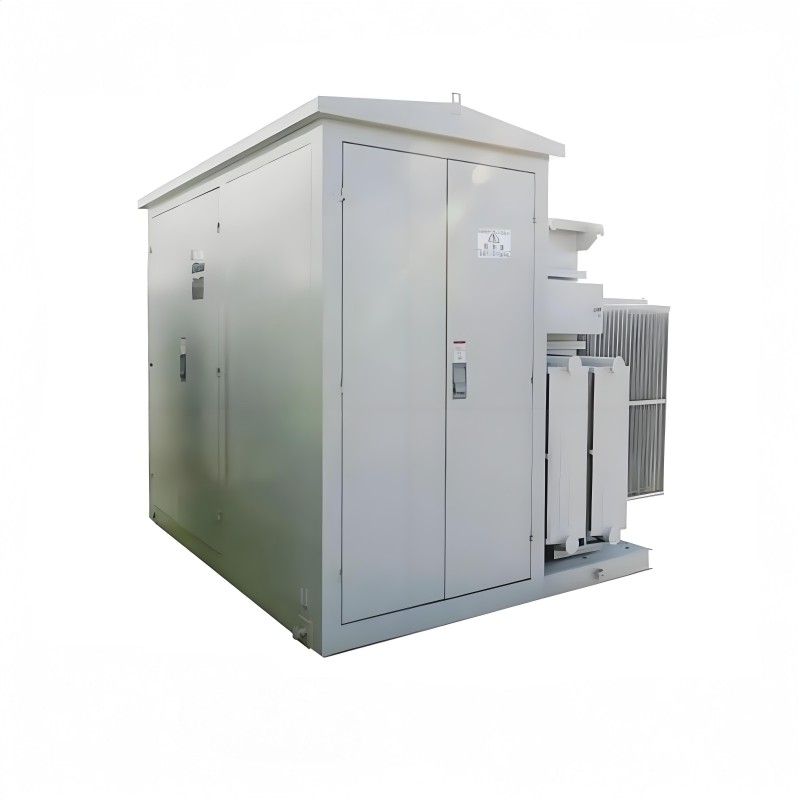
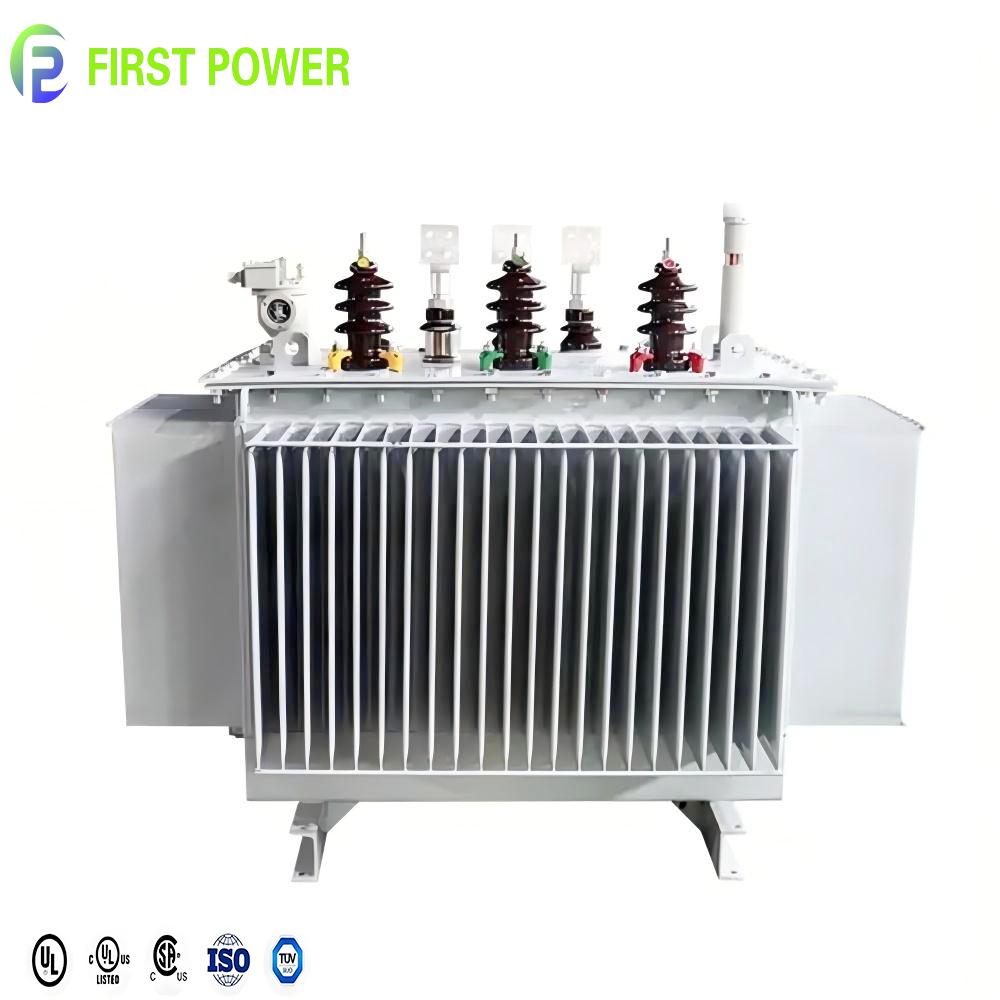
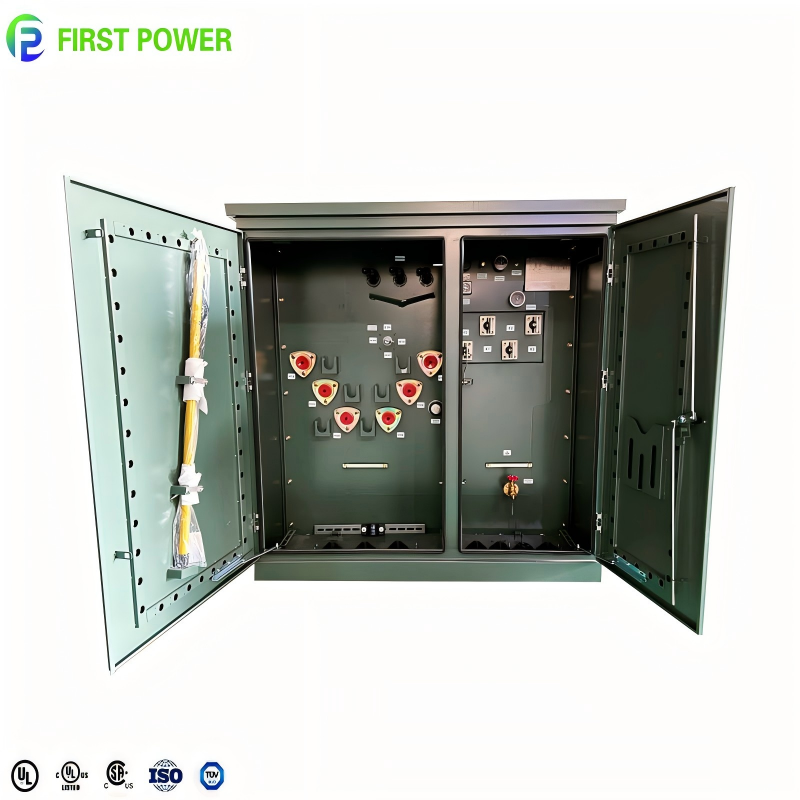
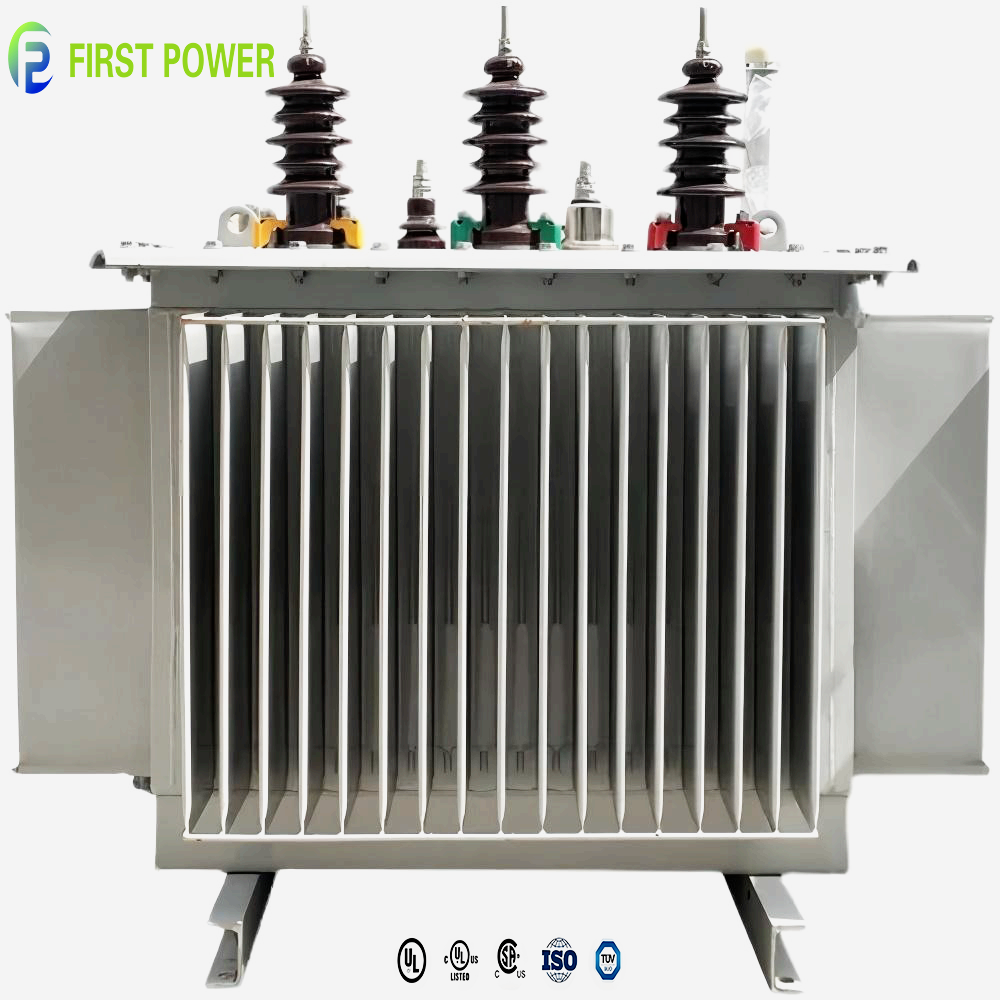
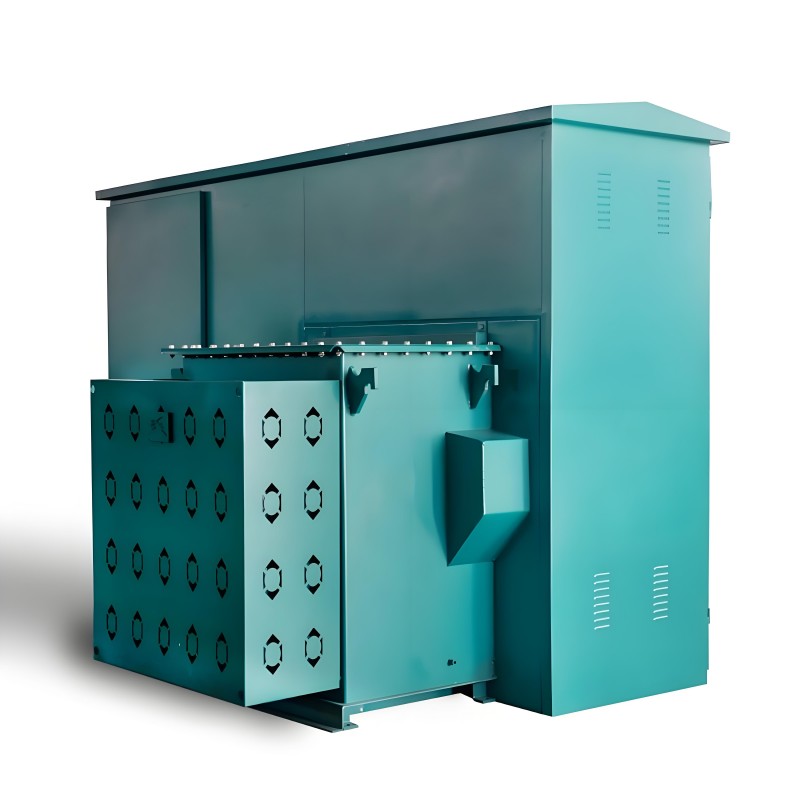
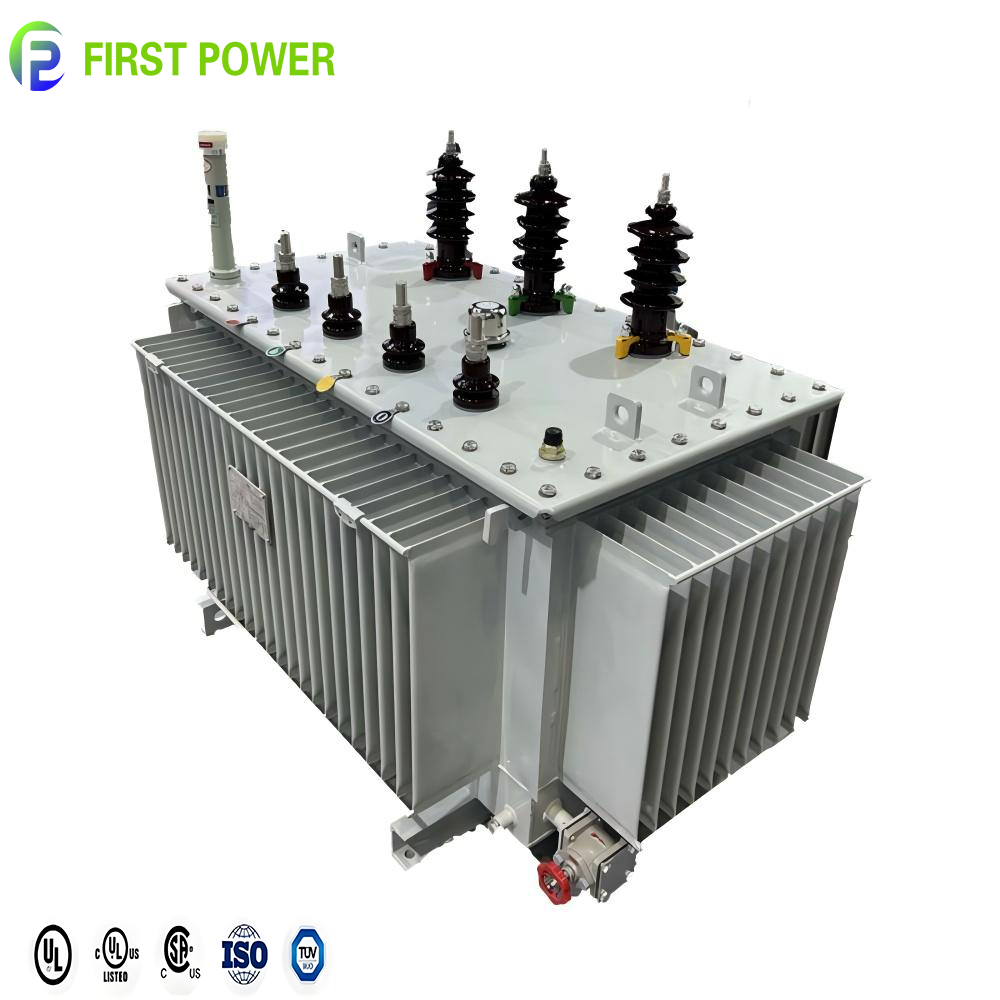
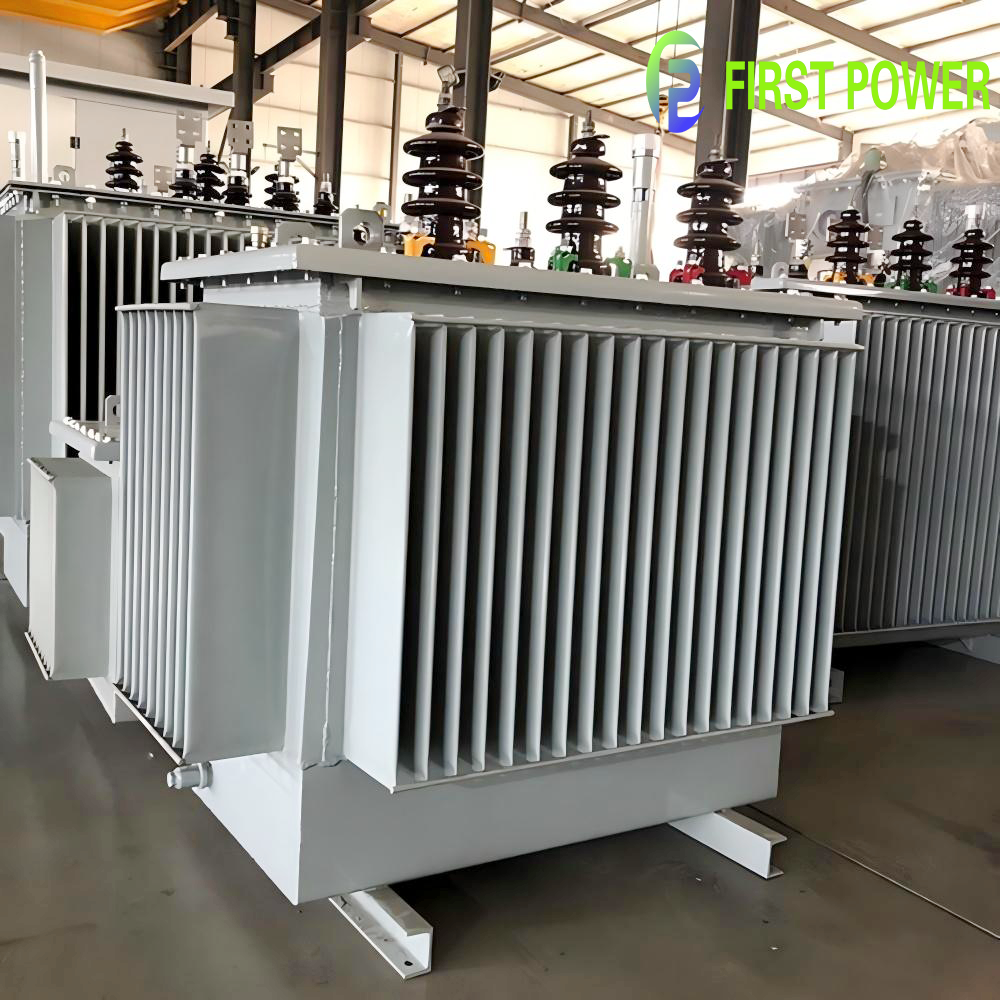
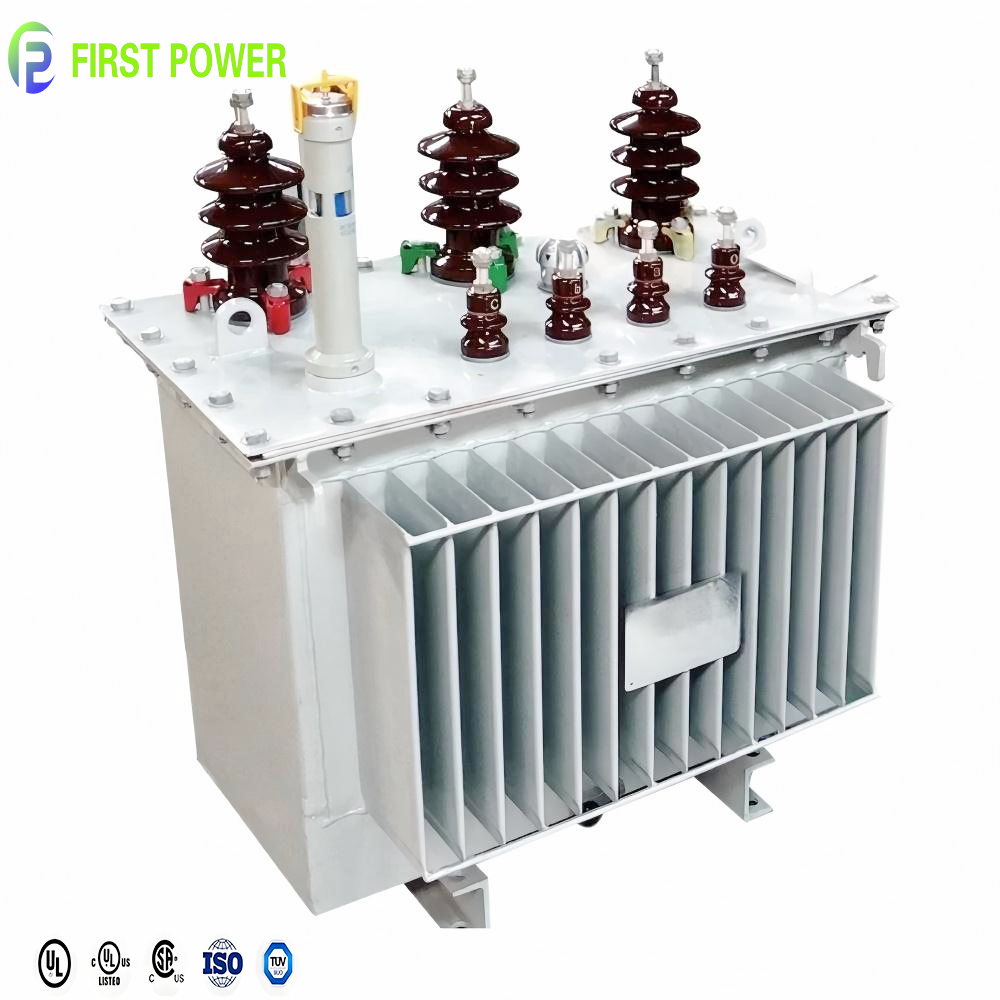
Powering South Sudan’s Modernization with Dry-Type Transformers
An engineering evaluation of dry-type step-down and step-up power transformers under the extreme thermal, environmental, and operational constraints of the South Sudanese energy landscape.
South Sudan Grid Infrastructure Challenges
South Sudan faces one of the most severe electrification deficits globally, with national grid accessibility estimated below 10%. The capital city of Juba, alongside regional economic centers like Wau, Malakal, Bor, and Nimule, relies heavily on localized diesel-generated microgrids, isolated thermal plants, and expanding solar PV hybrid systems managed by the South Sudan Electricity Corporation (SSEC) and private IPPs (Independent Power Producers). Power distribution assets in South Sudan operate under punishing ambient conditions: peak shade temperatures routinely exceeding 45°C, intense ultraviolet radiation, long periods of dust exposure during dry seasons (Harmattan wind patterns), and frequent electrical surges caused by non-linear diesel generator loads.
Why Dry-Type Technology Over Liquid-Filled
In high-density commercial districts, NGO field compounds, oil extraction facilities (such as the Paloch and Melut Basin fields), and essential public buildings, traditional mineral-oil transformers pose unacceptable flammability and environmental contamination risks. Liquid-filled units require periodic dielectric fluid testing, oil filtration, and extensive containment bunds—logistical nightmares across regions with limited maintenance infrastructure. Dry-Type Power Transformers (both Cast Resin Transformer / CRT and Vacuum Pressure Impregnated / VPI) eliminate fire hazards completely (self-extinguishing Class F0/F1 fire behavior), require zero liquid maintenance, and provide exceptional resistance to thermal degradation under heavy continuous load.
Cast Resin (CRT) vs. Vacuum Pressure Impregnated (VPI) Transformers
How Jiangsu Wisegj Power Co., Ltd. designs dry-type core and coil assemblies to prevent partial discharge, handle high harmonic distortion, and endure 50°C local ambient ambient temperature spikes.
Cast Resin Insulation (SCB Series)
High-voltage primary windings are cast under high vacuum using epoxy resin filled with silica flour powder filler. This creates a solid, moisture-proof, and flame-retardant cylinder. SCB cast resin transformers exhibit partial discharge levels of less than 10 pC (picocoulombs), ensuring zero insulation breakdown under high impulse voltages caused by lightning strikes in equatorial storms.
VPI Dry-Type Design (SGB Series)
Built using high-grade DuPont Nomex® insulation materials, VPI windings undergo multiple cycles of vacuum pressure resin impregnation followed by thermal curing. VPI transformers offer exceptional mechanical elasticity and short-circuit strength, making them ideal for heavy industrial plants, mining crushers, and erratic generator-backed microgrid applications in rural South Sudan states.
High-Ambient Thermal Derating
Standard IEC transformers are calibrated for a 30°C daily average ambient temperature. For South Sudan’s climate, Wisegj engineers apply specialized conductor cross-section sizing and Class H (180°C) or Class C (220°C) insulation systems. This prevents thermal tripping during maximum load periods at 45°C–50°C outdoor ambient temperatures without requiring power rating capacity reduction.
Tailored Deployment Across South Sudan Key Sectors
Customized dry-type transformer installations built to handle regional operating conditions from Juba to the northern oil basins.
1. Oil & Gas Facilities (Paloch, Melut & Unity Oil Fields)
Heavy crude extraction and processing sites require strict explosion-proof and zero-flammability power distribution. Wisegj Dry-Type Transformers with IP54 protective enclosures house sensitive MV/LV step-down units safely within motor control centers (MCC) and pump stations. Elimination of transformer oil eliminates the risk of oil-fueled fires near volatile hydrocarbon vapors.
2. Urban Commercial Hubs & Government Complexes in Juba
Space-constrained commercial centers, ministries, banking headquarters, and diplomatic compounds in Juba demand indoor transformer rooms built into basement or rooftop structures. Our cast resin transformers eliminate the expensive fireproof walls, explosion doors, and oil catchment basins required for liquid transformers, significantly reducing civil construction costs.
3. Solar PV & Hybrid Microgrids (Wau, Rumbek, Yei, Malakal)
As off-grid energy projects shift toward solar PV and battery energy storage systems (BESS) coupled with diesel back-up, step-up transformers must withstand high harmonic frequencies (THD) generated by central solar inverters. Wisegj builds K-Factor rated dry-type transformers (K-9, K-13, K-20) with electrostatic shielding between primary and secondary windings to isolate harmonic noise.
4. Humanitarian Logistics Bases & Medical Hubs
United Nations (UNMISS) bases, field hospitals, and humanitarian cold-chain storage facilities mandate continuous power reliability. Our low-loss dry-type units operate silently, feature low temperature rise, and deliver 99.2% operating efficiency, minimizing precious diesel fuel consumption in remote standalone generator powerhouses.
South Sudan Energy Market Trends (2025–2030)
Key drivers behind the accelerating transition toward dry-type power distribution equipment across East African infrastructure projects.
East Africa Power Pool Interconnection
With planned regional high-voltage interconnector lines linking Uganda and South Sudan (e.g., the 400kV Olwiyo-Juba line), regional sub-stations are undergoing massive expansion. Sub-distribution systems require robust, high-BIL dry-type step-down transformers to handle voltage step-downs safely within urban distribution sub-stations.
Decentralized Mini-Grid Proliferation
To overcome vast geographical distances, the Ministry of Energy and Dams is supporting mini-grid power development. Dry-type transformers are the preferred choice for EPC contractors due to ease of transport over rough road corridors (e.g., Juba-Nimule and Juba-Rumbek trunk roads) without risk of fluid leakage or tank rupture.
Total Cost of Ownership (TCO) Shift
Procurement departments in East Africa are evaluating equipment based on lifetime TCO rather than initial purchase price. Eliminating liquid testing, oil purification, gasket replacements, and fire suppression system maintenance makes dry-type transformers 25% cheaper over a 25-year operational lifecycle.
Dry-Type Transformer Specifications for South Sudan
Comparative design matrix across standard Cast Resin, VPI, and Heavy-Duty Outdoor Dry-Type configurations.
| Parameter / Feature | Cast Resin Dry Type (SCB) | VPI Dry Type (SGB) | Heavy-Duty Enclosed Dry Type |
|---|---|---|---|
| Power Capacity Range | 30 kVA – 10,000 kVA | 50 kVA – 5,000 kVA | 100 kVA – 3,150 kVA |
| Voltage Class | Up to 35 kV (6kV, 10kV, 11kV, 33kV) | Up to 22 kV | 10kV / 11kV / 0.4kV |
| Insulation Class | Class F (155°C) / Class H (180°C) | Class H (180°C) / Class C (220°C) | Class H (180°C) |
| Partial Discharge Level | < 10 pC (Ultra Low) | < 20 pC | < 10 pC |
| Short-Circuit Withstand | Very High (Rigid Epoxy Solid) | High (Elastic Nomex Structure) | Very High |
| Enclosure Protection Class | IP00 (Indoor) to IP23 | IP20 / IP21 / IP23 | IP44 / IP54 (Outdoor Ventilated) |
| Cooling Method | AN (Air Natural) / AF (Air Forced) | AN / AF | AN / AF with Thermostatic Fans |
| Harmonic Tolerance | K-Factor up to K-13 | K-Factor up to K-20 | K-Factor up to K-13 |
| Primary South Sudan Use | Commercial High-Rise, Hospitals, Juba Hubs | Mining, Industrial, Diesel Microgrids | Outdoor Substation Pads, Oil Fields |
Why Partner with Jiangsu Wisegj Power Co., Ltd.
As a leading Chinese transformer manufacturer and global exporter, Jiangsu Wisegj Power Co., Ltd. delivers verified quality, fast factory lead times, and comprehensive engineering support.
Verified Factory Facilities
Our modern production facility in Jiangsu covers 6,847 m² of verified shop floor space, equipped with automated CNC vacuum casting chambers, foil winding machinery, laser core cutting systems, and high-voltage testing laboratories verified by TÜV Rheinland inspection audits.
International Certification
Wisegj operates under strict ISO 9001 Quality Management, ISO 14001 Environmental Management, and ISO 45001 Occupational Health and Safety systems. Our power distribution transformers hold full CE Certificates covering medium and high voltage ranges.
R&D Engineering Strength
Backed by over 50 technical engineers, we provide custom OEM/ODM designs, tailored vector groups (e.g., Dyn11, Yyn0, Dyn5), specialized dual-voltage primary windings, and guaranteed low-loss core steel performance (CRGO silicon steel or amorphous alloy).
100% Factory Routine Testing
Every dry-type transformer undergoes routine testing prior to export: winding resistance, voltage ratio, phase displacement, short-circuit impedance, load loss, no-load loss, separate-source AC withstand voltage, induced overvoltage, and partial discharge measurement.
Tropical Export Packaging
We supply heavy-duty seaworthy wooden packaging with vacuum foil moisture wrap, desiccants, and shock-monitoring indicators to ensure equipment arrives undamaged at the Port of Mombasa (Kenya) or Port Sudan before transit to Juba.
24/7 Technical Response
Our dedicated export engineering team provides single-day technical drawing approvals (GA drawings and schematic diagrams), commissioning documentation, and remote post-installation engineering guidance for EPC contractors.
Frequently Asked Questions for South Sudan Projects
Clear answers to technical, logistical, and compliance questions common among local utilities, EPC contractors, and procurement agencies.
Request a Customized Transformer Quotation for South Sudan
Submit your single-line diagram (SLD), voltage ratio, capacity requirements, or project tender specifications. Our technical engineering office will provide a complete technical proposal, guaranteed loss data, dimension drawings, and competitive CIF/DDP pricing within 24 hours.