Engineering Portfolio & Distribution Power Solutions
Explore our certified range of dry-type, pad-mounted, and oil-immersed transformers tailored for industrial substations, cleanrooms, and regional distribution networks serving the Greater Basel area.
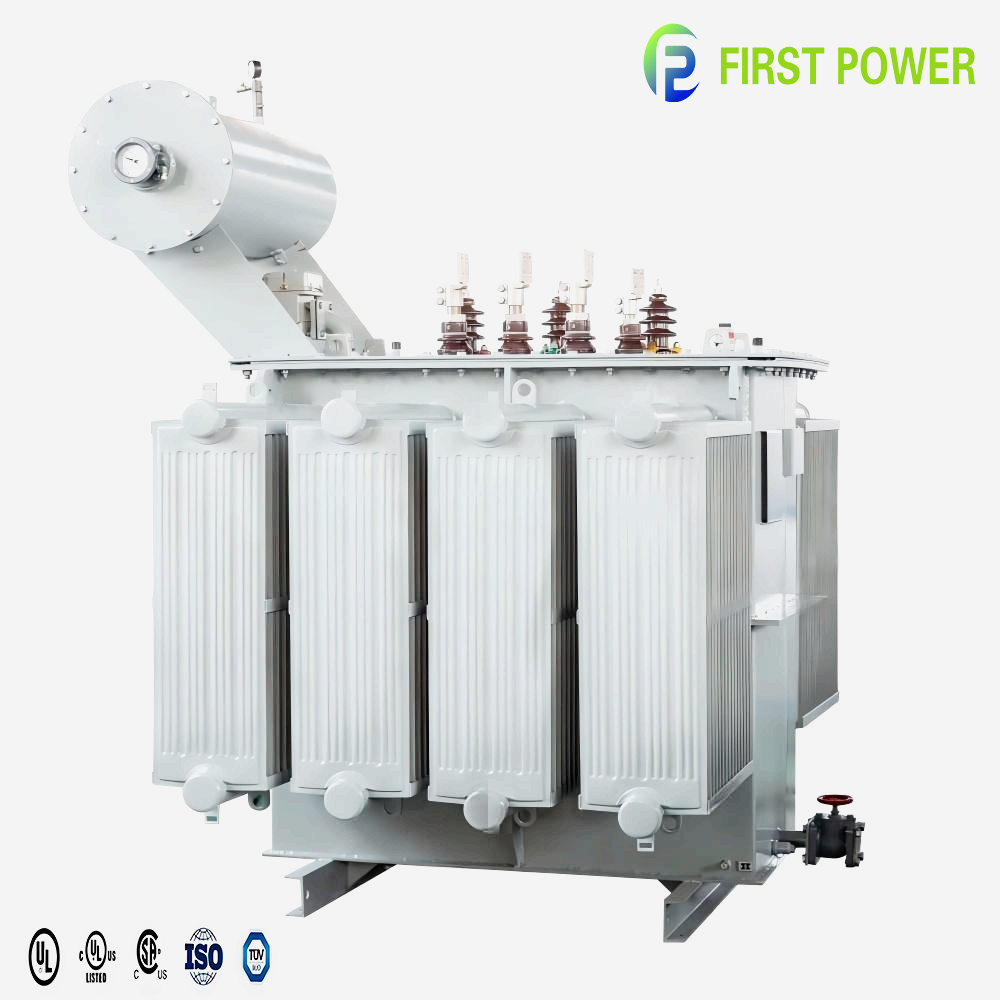
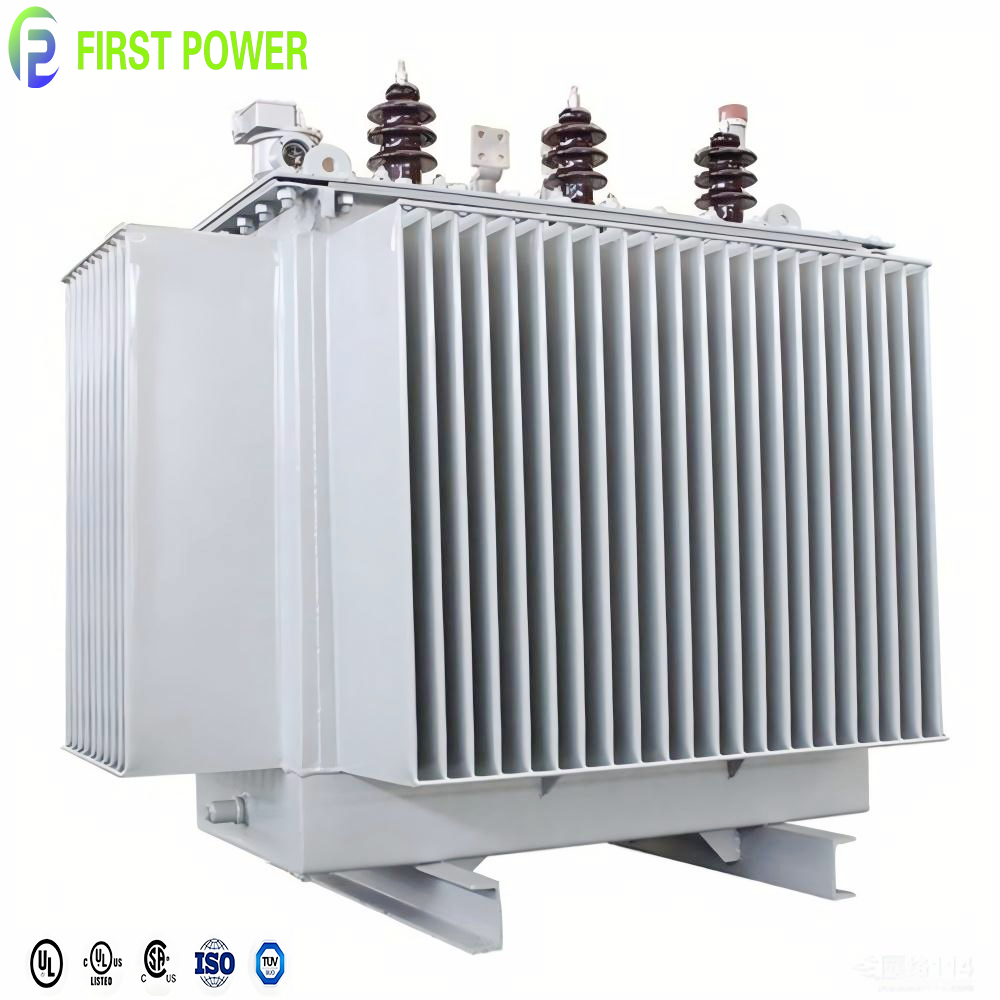
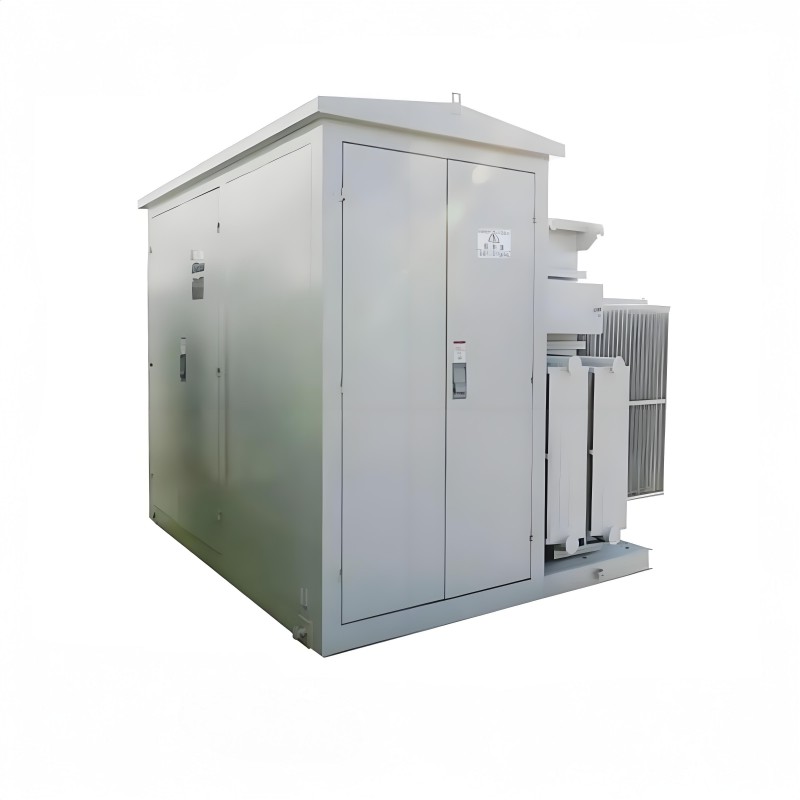
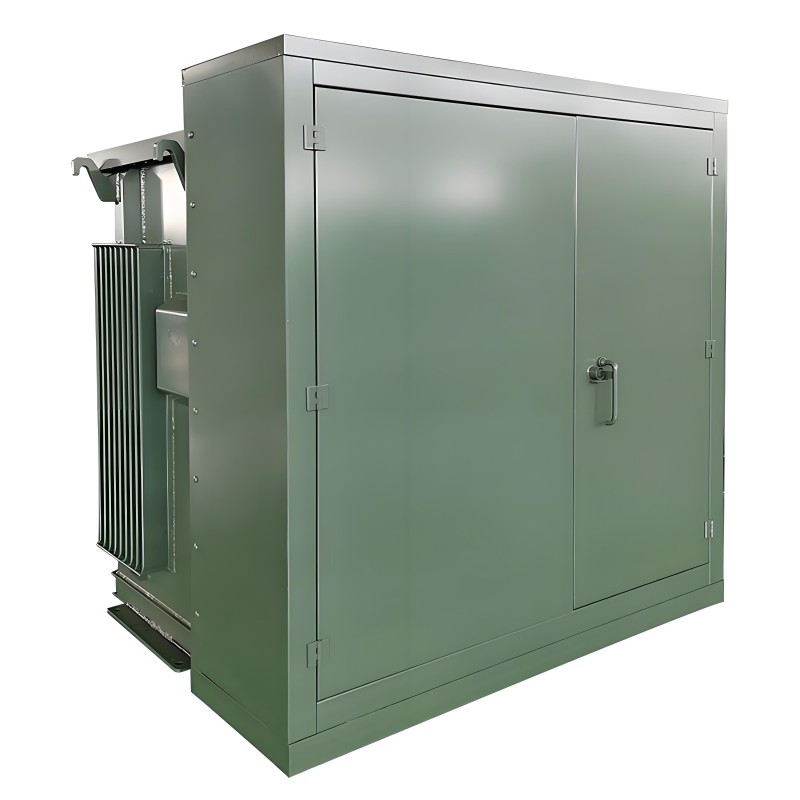
Technical Whitepaper: Dry Type Distribution Transformer Engineering for Basel's High-Tech Ecosystem
As the tri-national economic center of the Upper Rhine and home to Europe's densest pharmaceutical and life science cluster, Basel demands power distribution infrastructure defined by uncompromising reliability, stringent fire safety, and strict acoustic emission controls. The local medium-voltage grid—operated under Swiss Federal Electricity Commission (ElCom) frameworks and managed by local network operators such as IWB (Industrielle Werke Basel)—typically steps down 20 kV distribution voltages to standard 400V/230V commercial and industrial services. Within this demanding urban and industrial landscape, Cast Resin Dry Type (CRT) distribution transformers have established themselves as the benchmark technology for indoor substations, cleanroom facility basements, high-density data centers, and public transport hubs.
Information Gain Insight: Unlike conventional oil-immersed transformers that pose dielectric fluid leakage hazards and require costly explosion-proof sumps, Cast Resin Dry Type transformers utilize epoxy resin encapsulated windings processed under high vacuum. This creates an environmentally inert, self-extinguishing apparatus ideal for installation directly adjacent to sensitive laboratory cleanrooms and densely populated urban centers throughout Basel-Stadt.
1. Cast Resin (CRT) vs. Vacuum Pressure Impregnated (VPI) Engineering Dynamics
When selecting dry-type distribution equipment for projects in Basel, electrical design engineers and EPC contractors frequently weigh Cast Resin (CRT) against Vacuum Pressure Impregnated (VPI) architectures. Understanding their structural and dielectric nuances is vital for long-term operational resilience:
- Cast Resin Transformers (CRT): High-voltage windings are completely cast in solid glass-fiber reinforced epoxy resin inside a vacuum chamber. This process eliminates microscopic air pockets within the insulation system, maintaining partial discharge (PD) levels strictly below 10 pico-Coulombs (pC). CRT units provide maximum structural rigidity, resistance to aggressive chemical vapors (essential in chemical production parks like Schweizerhalle), and total moisture immunity during idle periods.
- Vacuum Pressure Impregnated (VPI): VPI transformers use high-temperature polyester or silicone varnish applied over woven insulation under pressure cycles. While cost-effective and highly flexible for specialized low-voltage marine or industrial duty, VPI units retain exposed coil surfaces, making them more vulnerable to ambient humidity and atmospheric pollutants over multi-decade lifespans compared to solid-cast alternatives.
F1 Fire Safety Rating
Self-extinguishing core/coil insulation with zero halogen emissions and negligible toxic smoke production, meeting EN 60076-11 building safety requirements.
LSV Low-Noise Compliance
Engineered to comply with Switzerland's Noise Abatement Ordinance (Lärmschutzverordnung - LSV), utilizing step-lap CRGO core laminations to reduce sound pressure by 3-8 dB(A).
EcoDesign Tier 2 Efficiency
Optimized core geometries using high-permeability domain-refined silicon steel (or amorphous alloy) achieving Tier 2 no-load (Po) and load loss (Pk) limits per EN 50588-1.
2. Localized Application Scenarios Across Greater Basel
Jiangsu Wisegj Power Co., Ltd. customizes its transformer configurations to align seamlessly with the micro-grid requirements and physical environmental constraints encountered across key Basel districts:
A. Pharmaceutical & Biotechnology Infrastructure (Novartis Campus, Roche Tower, Klybeck, Bachgraben): Continuous-process biomanufacturing suites, bioreactors, and climate-controlled cold storage facilities require power supplies unaffected by voltage dips, harmonics, or dielectric failure. Wisegj Cast Resin transformers feature Class H (180°C) thermal insulation operating at conservative Class F (155°C) temperature rises. This thermal safety margin permits continuous forced-air (AF) overload capacities up to 140% without compromising coil life expectancy. Furthermore, ultra-low electromagnetic radiation emissions protect sensitive mass spectrometers and analytical laboratory instrumentation from interference.
B. High-Density Urban Vaults & Historic Renovations (Basel Altstadt & St. Johann): In dense metropolitan neighborhoods, spatial limitations force transformer substations into tight basement vaults or underground chambers. Wisegj compact dry-type units are supplied with custom IP23, IP31, or IP54 enclosures equipped with forced-ventilation fan control systems, anti-vibration rubber damper pads, and top- or bottom-entry cable boxes tailored to Swiss urban cable duct configurations.
C. Rhine River Logistics & Port Infrastructure (Rheinhäfen Kleinhüningen, Birsfelden): Port logistics hubs along the Rhine operate heavy cranes, container handling equipment, and cold-ironing shore power systems that impose severe cyclic shock loads and high harmonic distortions. Wisegj supplies K-Factor rated dry transformers (K-9, K-13, and K-20) engineered with electrostatic shields between primary and secondary windings to drain high-frequency noise and prevent harmonic thermal runaway.
3. Technical Comparison Matrix: Substation Transformer Options for Basel Facilities
| Performance Parameter | Wisegj Cast Resin (CRT) | Standard VPI Dry Type | Mineral Oil Immersed | Synthetic Ester Transformer |
|---|---|---|---|---|
| Fire Safety Class (EN 60076-11) | F1 (Self-Extinguishing) | F0 / F1 (Variable) | O1 (Combustible) | K3 (High Fire Point Fluid) |
| Environmental Class | E2 / E3 (Heavy Condensation/Pollution) | E0 / E1 (Clean Indoor Only) | E2 (Risk of Oil Spill) | E2 (Biodegradable) |
| Climatic Class | C2 (Lowest Temp -25°C) | C1 (Lowest Temp -5°C) C2 Optional | C2 (-25°C) | C2 (-25°C) |
| Partial Discharge Level | < 10 pC (Guaranteed) | Not Applicable (> 100 pC) | N/A (Liquid Insulated) | N/A (Liquid Insulated) |
| Groundwater Pollution Hazard | Zero Hazard (Water Class 0) | Zero Hazard | High Hazard (Requires Sump) | Low Hazard (Non-Toxic) |
| Maintenance Requirement | Minimal (Visual/Thermal Inspection) | Periodic Dust Vacuuming | Oil Sampling & DGA Analysis | Ester Testing & Filter Checks |
4. EcoDesign Directive Compliance & Total Cost of Ownership (TCO)
Under European Commission Regulation (EU) No 548/2014 and its Tier 2 amendment (effective July 2021), distribution transformers sold into or installed within Switzerland and the European Economic Area must satisfy stringent maximum load and no-load loss thresholds. For power facility managers in Basel, evaluating the Total Cost of Ownership (TCO) over a 30-year operational life requires applying standardized capitalization formulas:
TCO Formula: TCO = Cinitial + (A × P0) + (B × Pk)
Where Cinitial is the capital purchase price, P0 is the guaranteed no-load loss (kW), Pk is the guaranteed load loss at rated load (kW), A represents the capitalized value of no-load loss (€/W or CHF/W, typically 6-10 CHF/W for continuous 24/7 loads), and B represents the capitalized value of load losses (€/W or CHF/W, typically 1.5-3 CHF/W depending on loading factor).
Wisegj Power addresses energy efficiency through advanced magnetic core material selection. By deploying cold-rolled grain-oriented (CRGO) magnetic steel with domain refinement treatment—or ultra-low-loss amorphous alloy cores—our dry-type transformers achieve no-load loss reductions of up to 25% below Tier 2 standard caps. This delivers substantial long-term electricity cost savings for continuous-duty facilities across Basel's industrial parks.
Frequently Asked Questions for Basel Power Procurement
Key technical insights for utility engineers, electrical contractors, and industrial purchasing managers in Switzerland.
Why Global Engineering Teams Trust Jiangsu Wisegj Power Co., Ltd.
Combining world-class manufacturing scale with rigorous European quality assurance standards.
6,847 m² Verified Facility
State-of-the-art production floorspace in Jiangsu equipped with automated foil winding machines, vacuum resin casting chambers, and climate-controlled assembly bays verified onsite by TÜV Rheinland.
ISO 9001, 14001 & 45001 Integrated Management
Operating under triple ISO management systems (Certificates 62824Q6052R0S, 62824E6053R0S, 62824S6054R0S) ensuring full traceability from raw copper rod to final factory witness test.
Global Logistics & Engineering Support
Dedicated export engineering department offering 24-hour response times, English CAD documentation, custom nameplate language options, and comprehensive Incoterm support.
Request a Custom Technical Design & Fast-Track Quotation
Have an upcoming infrastructure project, cleanroom expansion, or substation overhaul in Greater Basel? Contact our engineering team today to review single-line diagrams, loss calculations, and dimension drawings.
Get a Quote