Jiangsu Wisegj Power Co., Ltd. · Jakarta Export Desk
Dry Transformer Factory & Exporter in the Jakarta Market
IEC 60076-11 cast-resin dry-type transformers and distribution equipment for Jakarta high-rises, data centers, hospitals, MRT stations and industrial parks — engineered in China, documented for Indonesian project review, and shipped to Tanjung Priok.
8 Transformer Products for Jakarta Dry-Type and Distribution Projects
Start with the dry-type unit for indoor, oil-free substations, then compare pad-mounted, oil-immersed, industrial and solar PV models for the wider site. Every product URL is preserved from the supplied catalogue so procurement teams can open the exact specification page.
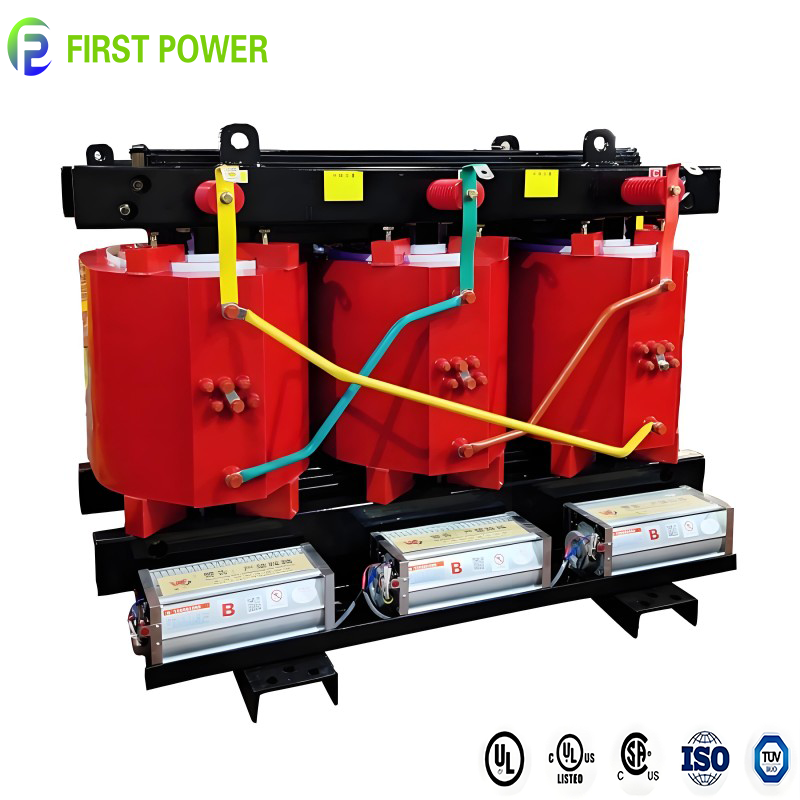
C CE Certification IEEE Standard 50/60HZ 5MVA 6MVA 6KV 35KV 3 Phase Dry Type Transformer for Electric Power Distribution
A high-capacity oil-free transformer for indoor main substations, commercial towers, data centers and fire-sensitive plant rooms in Jakarta.
- 5–6 MVA, 6–35 kV class
- 50/60 Hz, IEEE/IEC review
- Cast-resin / AN-AF options
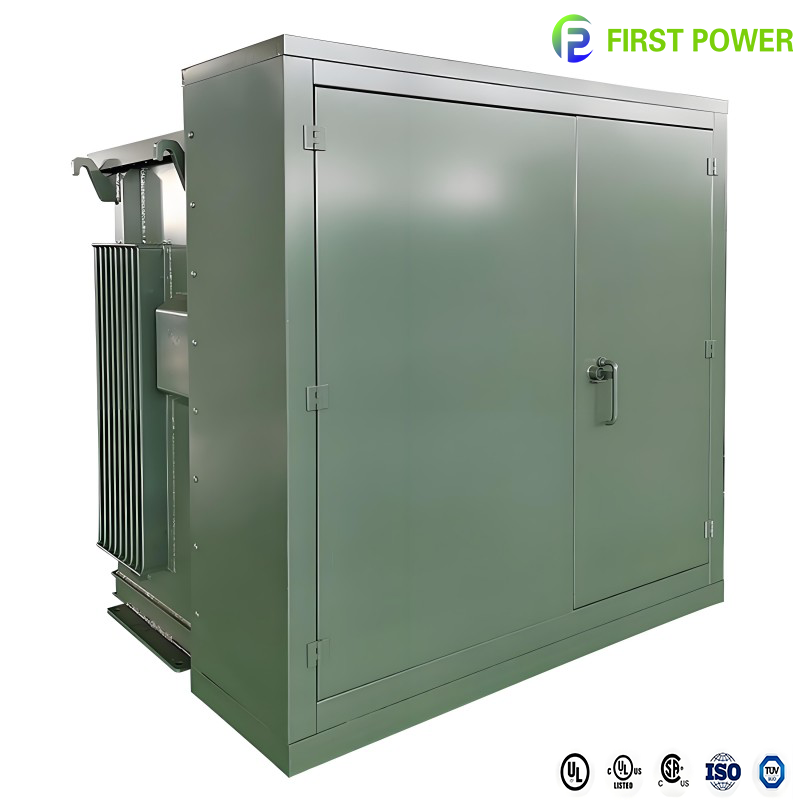
C CE MV&HV ZGS11 75-2500KVA 10KV 20KV 35KV Pad Mounted Three Phase Transformer for Electric Power Distribution
Three-phase pad-mounted distribution for underground cable networks, campus boundaries and utility connections requiring a tamper-resistant outdoor enclosure.
- 75–2,500 kVA
- 10 / 20 / 35 kV class
- Loop or radial feed options
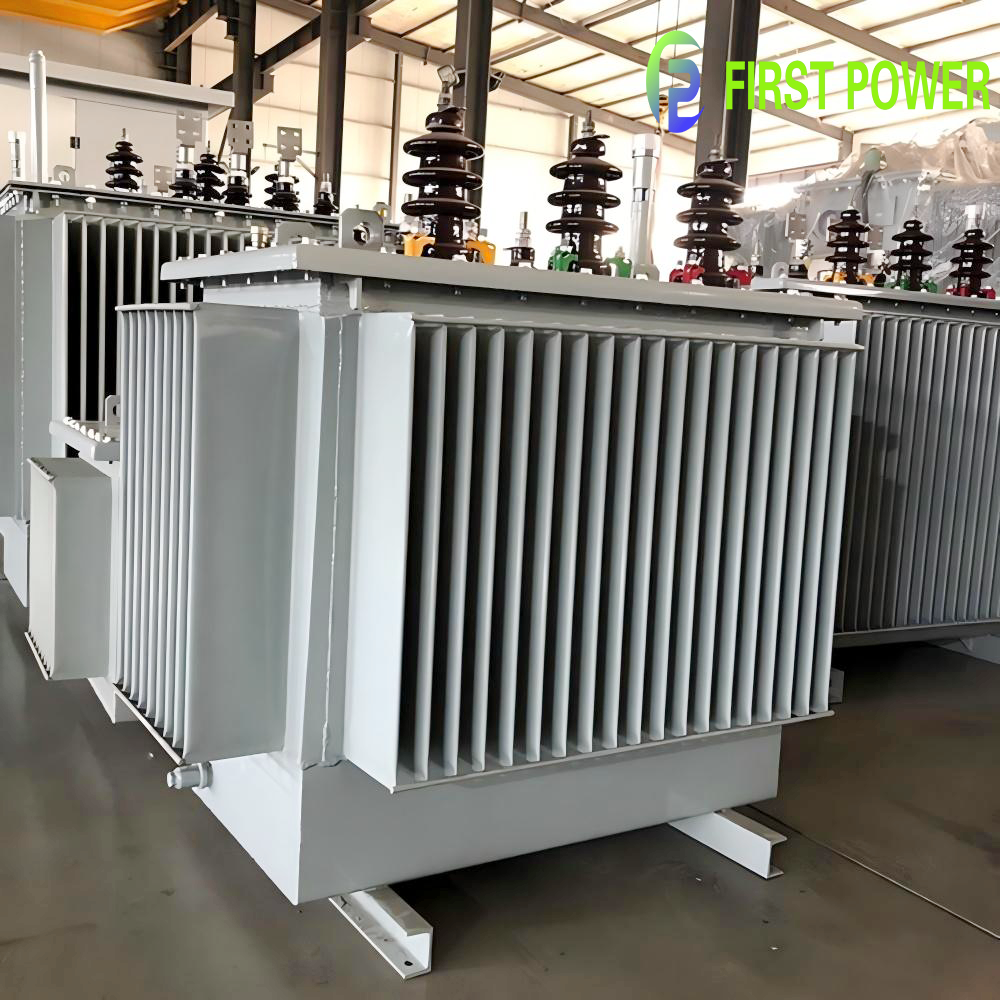
C CE MV&HV S11 50/60HZ 10KV 20KV 35KV Three Phase Oil Immersed 50KVA Transformer for Electric Power Distribution
A compact liquid-filled distribution transformer for outdoor platforms, utility feeders and industrial yards where pad-mounted or pole-mounted installation is preferred.
- 50 kVA class
- 10 / 20 / 35 kV
- Distribution duty
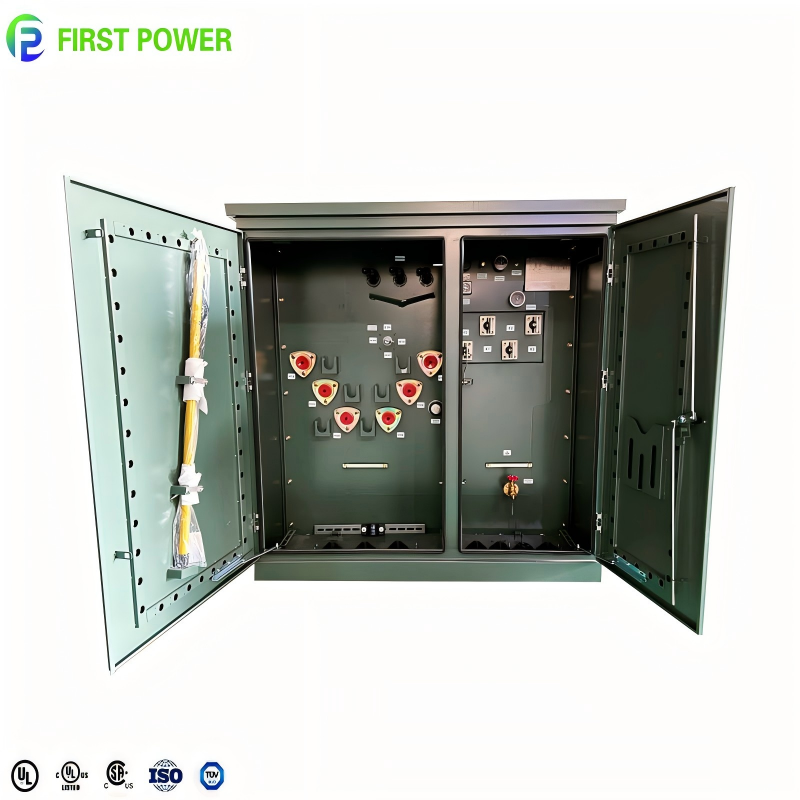
/C ZGS11 50/60HZ 75KVA-50000KVA 6KV 10KV 15KV 20KV 35KV Three Phase Pad Mounted Transformer for Electric Power Distribution
A broad pad-mounted platform for projects that need larger distribution capacity while keeping the transformer inside a secure outdoor enclosure.
- 75 kVA–50 MVA range
- 6–35 kV class
- Dead-front options
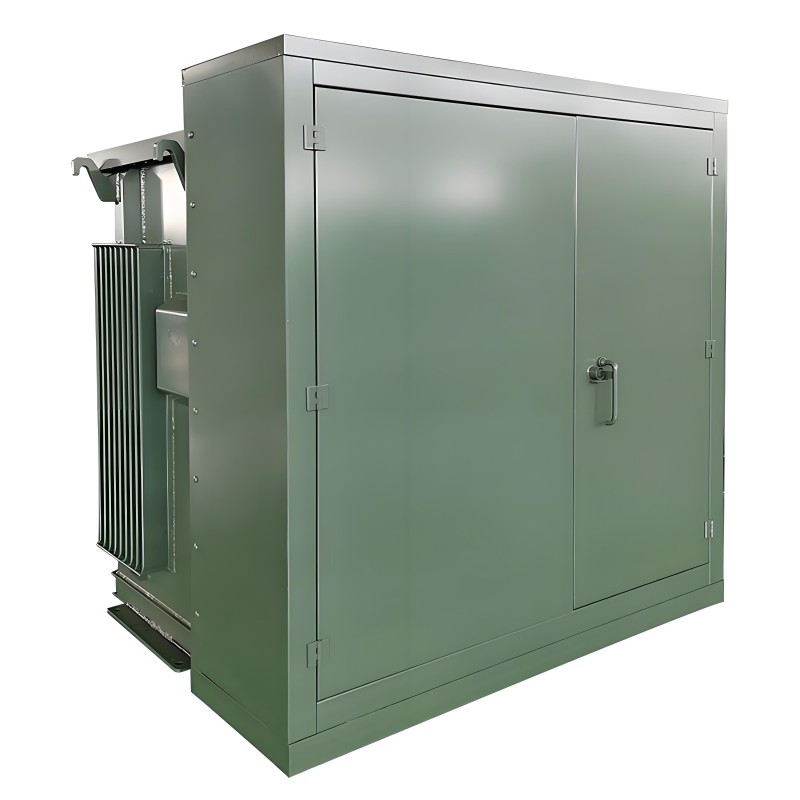
/C Certified 75-2500KVA Oil Type Three-Phase Pad-Mounted Transformer 480V Output Voltage 35KV Input Voltage 50/60HZ
A project-specific pad-mounted transformer for 35 kV input and 480 V output applications, useful where plant distribution or exported equipment requires a defined low-voltage interface.
- 75–2,500 kVA
- 35 kV input / 480 V output
- Oil-type enclosure
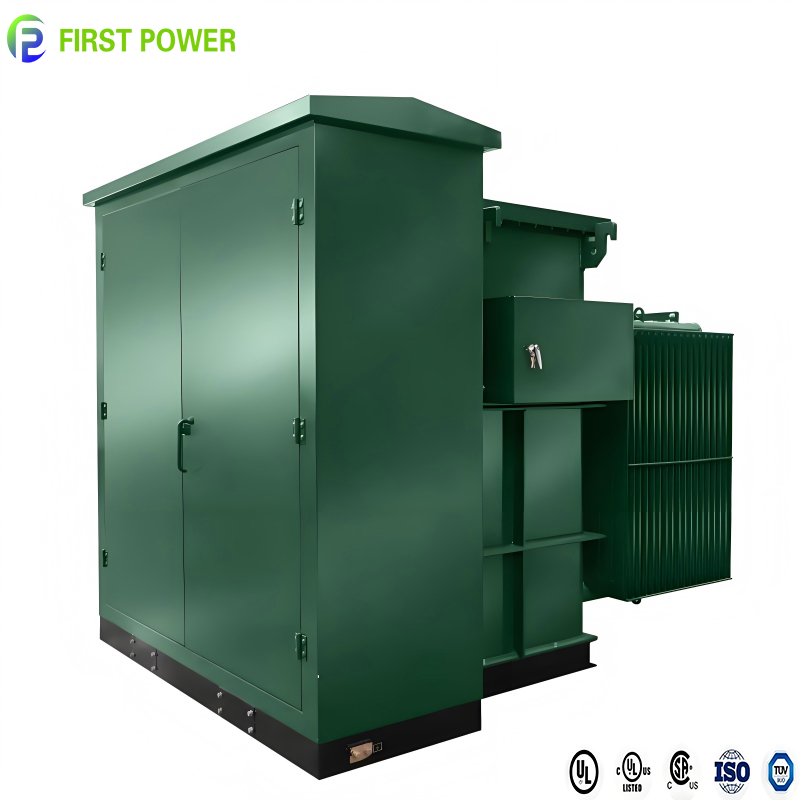
C CE 50/60HZ 6KV 10KV 15KV 20KV 35KV 100KVA 300KVA 500KVA 630KVA 3 Phase Pad Mounted Pedestal Transformer for Industrial
A pad-mounted pedestal transformer for industrial estates, logistics parks and manufacturing sites that need a defined outdoor distribution point close to the load.
- 100–630 kVA
- 6–35 kV class
- Industrial distribution duty
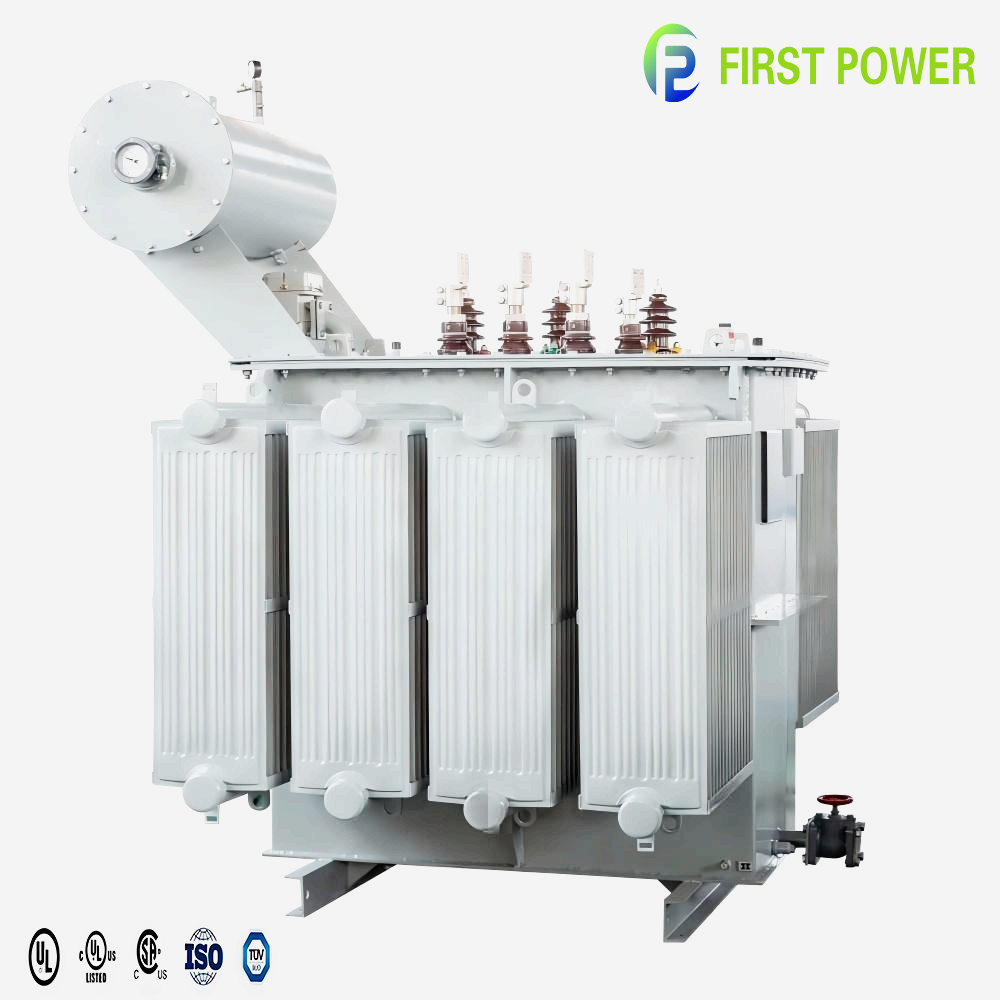
/C Certification 50/60HZ 6KV 10KV 20KV 35KV Three Phase 1000KVA 1MW Solar PV Transformers Oil Immersed for Power Generation
A 1 MW-class oil-immersed solar PV transformer for generation projects, industrial rooftops and renewable interconnection studies in Greater Jakarta.
- 1,000 kVA / 1 MW class
- 6–35 kV
- PV interconnection duty
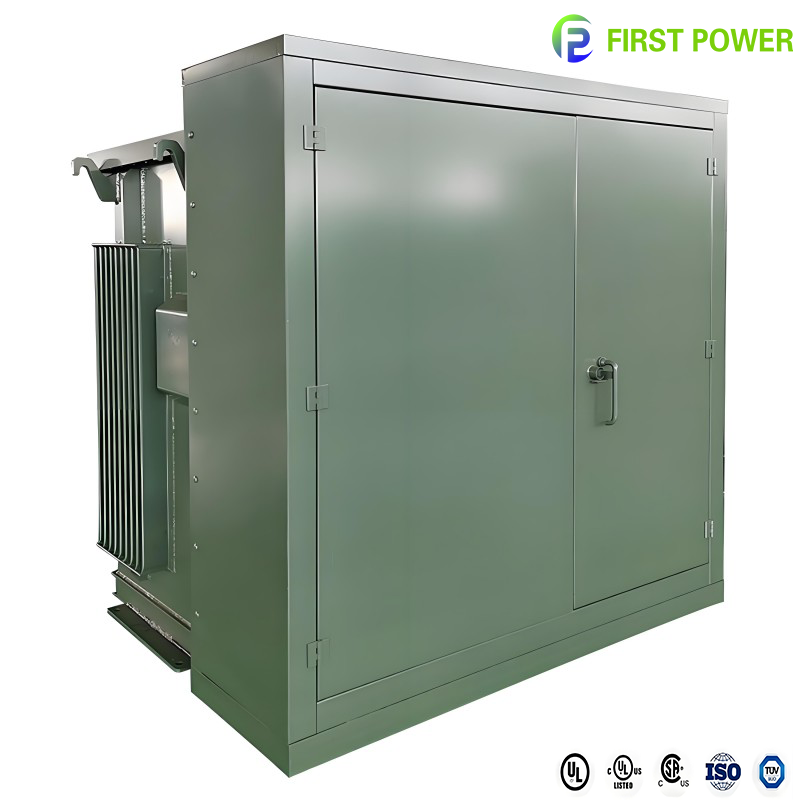
C CE 50/60HZ 10KV 20KV 35KV 75KVA 100KVA 200KVA 300KVA 400KVA 3 Phase Oil Type Pad Mounted Transformer for Power Generation
A pad-mounted oil-type transformer for power generation, distributed energy and industrial backup systems that need a robust outdoor low-to-medium capacity unit.
- 75–400 kVA
- 10 / 20 / 35 kV
- Outdoor generation support
Why Jakarta Projects Specify Dry-Type Transformers
Jakarta is not a single load. Dense commercial districts, high-rise residential towers, hospitals, data centers, government buildings, transit stations and industrial estates across Greater Jakarta each carry a different fire, moisture, space and maintenance risk profile.
In a basement, podium or enclosed transformer room, a liquid-filled unit introduces oil containment, fire separation, ventilation and clean-up requirements. A cast-resin dry-type transformer removes liquid fuel from the room and lowers the fire load where the transformer sits close to occupied space. That is why dry-type equipment is frequently shortlisted for Jakarta high-rises, shopping malls, hospitals, MRT and transit facilities, data centers and other indoor locations where smoke, oil leakage or fire propagation would be unacceptable.
Tropical humidity and intense rainfall also shape the specification. Insulation must be designed and tested for moisture, condensation and polluted air. Buyers should ask for partial discharge test results, temperature-rise evidence, insulation class, enclosure IP protection and anti-condensation provisions for the actual room. A transformer that performs well in a dry, air-conditioned plant room may not be the correct choice for a humid basement in North Jakarta or a coastal facility exposed to salt-laden air.
Electrical fit is equally important. Jakarta projects typically work with 50 Hz systems, 20 kV medium-voltage distribution and low-voltage networks defined by the project consultant. The transformer design must match vector group, impedance, tap range, guaranteed losses, cooling and noise limits. A dry-type transformer with AN/AF cooling can provide additional capacity during peak load, but the fan control scheme, heat rejection and sound pressure level must be reviewed together with the room design. For high-rise buildings, the designer must also check floor loading, doorway dimensions, cable termination space and maintenance access.
Dry-type selection is not automatic. Oil-immersed pad-mounted transformers remain highly effective for outdoor distribution, remote feeders and cost-sensitive capacity. The right answer is often a mixed bill of materials: dry-type equipment inside the building, pad-mounted equipment at the site boundary, and oil-immersed or solar PV transformers for generation and campus distribution. That is why this page includes the dry-type product first and the wider family of pad-mounted, oil-immersed, industrial and solar PV models beside it.
From an information-gain perspective, Jakarta buyers should compare more than kVA and price. Ask for impedance tolerance, partial discharge level, temperature-rise test evidence, sound pressure level, enclosure IP rating, transport bracing, seismic review where required, and the routine test report that will be issued for the serial number. A supplier that can provide these documents before order reduces the risk of a late-stage design change and a delayed energisation date.
Jakarta Dry-Type Fit Indicators
Indicative planning weights for early-stage comparison only. Final design must follow the project specification, local consultant review and utility requirements.
Localized Application Scenarios in Jakarta
Dry-type and distribution transformers are selected by the room, the load and the risk — not by a generic catalogue filter. These are the applications where Jakarta buyers most often request engineering review.
High-Rise Offices & Apartments
Podium and basement transformer rooms sit close to tenants. Cast-resin insulation reduces fire load and simplifies fire separation in space-constrained buildings.
Data Centers
Data halls require predictable heat rejection, low partial discharge and reliable indoor switchrooms. Dry-type units with fan cooling and monitoring sensors support phased expansion.
Hospitals & Clinics
Critical care, imaging and operating theatres cannot tolerate oil leakage or smoke near occupied areas. Oil-free transformers support resilient hospital power systems.
Shopping Malls & Retail
Retail complexes have high daytime peaks and limited plant space. Low-noise dry-type designs fit indoor substations and reduce the need for separate oil containment.
MRT, Tunnels & Transit
Underground stations and tunnels need fire-safe equipment and moisture-resistant insulation. Dry-type transformers suit enclosed spaces with strict ventilation limits.
Industrial Estates
Industrial parks around Jakarta often use a mixed bill: dry-type for indoor process areas and pad-mounted or oil-immersed equipment for outdoor yards and utility interfaces.
Solar Rooftop & EV Charging
Rooftop PV, battery storage and EV charging add harmonics and cycling load. Specify harmonic-tolerant designs, checked losses and clear cooling assumptions.
Water Treatment & Utilities
Humid, corrosive environments need enclosure protection, insulation coordination and anti-condensation heaters. Dry-type units are often used in indoor treatment plant rooms.
Jakarta Market Trends Shaping Transformer Selection
Transformer procurement in Greater Jakarta is being reshaped by grid modernisation, digital infrastructure, fire-safety scrutiny, flood resilience and distributed energy. These trends affect the technical questions buyers should ask before quotation.
PLN Network Modernisation & Loss Reduction
Distribution upgrades continue to focus on loss reduction, reliability and capacity. Buyers should compare guaranteed no-load and load losses, not only initial price, because energy cost over the transformer life can outweigh a small capital difference.
Data Center and Cloud Cluster Growth
Greater Jakarta continues to attract digital infrastructure. Data center projects demand high reliability, low partial discharge, clear heat-rejection assumptions and documentation suitable for commissioning teams.
Fire Safety and Building Code Scrutiny
High-rise and commercial projects face close review of transformer rooms, fire separation and evacuation paths. Oil-free dry-type equipment can simplify the safety narrative where the transformer is inside or adjacent to occupied space.
Flood Resilience and Tropical Humidity
Intense rainfall, high water tables and coastal humidity make moisture management essential. Specify anti-condensation heaters, appropriate IP ratings, corrosion protection and a clear installation height above expected flood levels.
Solar PV, Battery Storage and EV Charging
Rooftop solar, storage and EV charging introduce harmonics, reverse power flow and cycling load. Transformer specifications should address harmonic tolerance, cooling margins and protection coordination with the project consultant.
Space Constraints in Urban Jakarta
Land and plant-room space are expensive. Compact dry-type units, optimised cable boxes and carefully planned access routes can reduce civil works and shorten installation time in dense urban sites.
Dry-Type vs Liquid-Filled: A Jakarta Buyer’s Comparison
Use this comparison to frame the engineering discussion. The final choice depends on location, fire strategy, load profile, outdoor exposure and lifecycle cost.
| Selection Criterion | Dry-Type Cast-Resin Transformer | Oil-Immersed / Pad-Mounted Transformer | Jakarta Project Note |
|---|---|---|---|
| Fire safety | No liquid fuel; suitable for indoor rooms close to occupied areas. | Requires oil containment, fire separation and ventilation review. | Dry-type is often preferred in basements, podiums, hospitals and transit spaces. |
| Installation location | Indoor or sheltered rooms with controlled ventilation. | Outdoor pads, yards, pole platforms and utility easements. | Use dry-type inside the building and pad-mounted equipment at the site boundary. |
| Humidity & corrosion | Requires anti-condensation design, clean air and IP-rated enclosures where needed. | Tank and oil system protect the core, but accessories still need corrosion review. | Jakarta coastal humidity makes enclosure and insulation coordination a key review item. |
| Maintenance | No oil sampling; focus on cleaning, fans, connections and partial discharge checks. | Oil testing, leak inspection, breather and accessory maintenance. | Indoor dry-type rooms can reduce oil-handling logistics in dense buildings. |
| Outdoor use | Possible only with suitable enclosure and project approval. | Designed for outdoor distribution and pad-mounted networks. | Pad-mounted oil units remain practical for outdoor utility and campus distribution. |
| Cost profile | Higher first cost in many ratings, but lower fire-protection complexity indoors. | Often lower first cost for outdoor distribution capacity. | Compare total installed cost, including civil, fire protection and maintenance. |
Technical note: for dry-type transformers, request the applicable IEC 60076-11 or project-specific standard review, partial discharge data, temperature-rise test evidence and routine test report. For liquid-filled units, request oil test data, leak test records and accessory documentation.
Factory Evidence, Certifications and Export Advantages
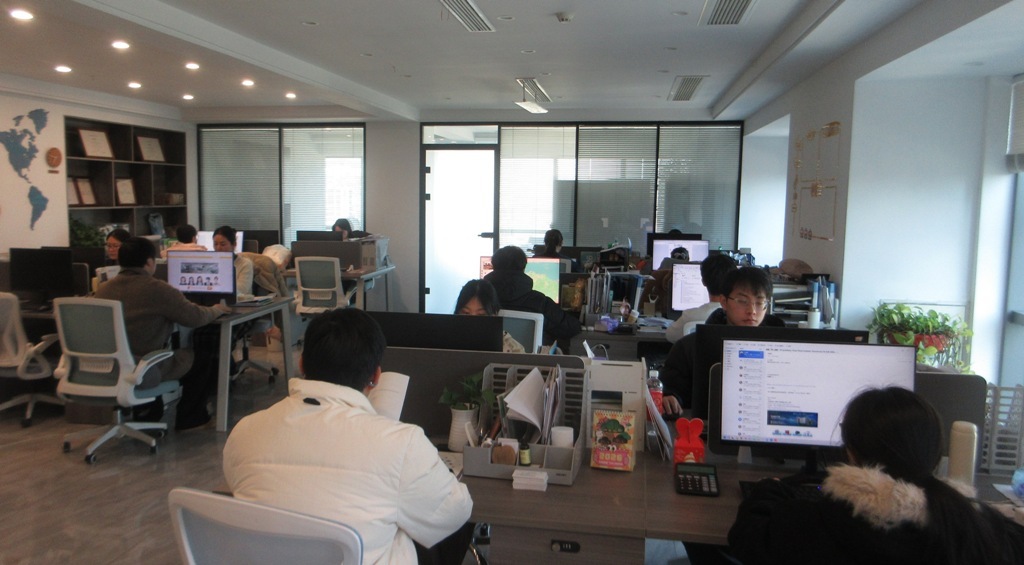
Jakarta buyers need evidence they can audit. Jiangsu Wisegj Power Co., Ltd. supports transformer procurement with a verified production base, in-house testing, export documentation and engineering review before quotation.

Suzhou production base and company overview
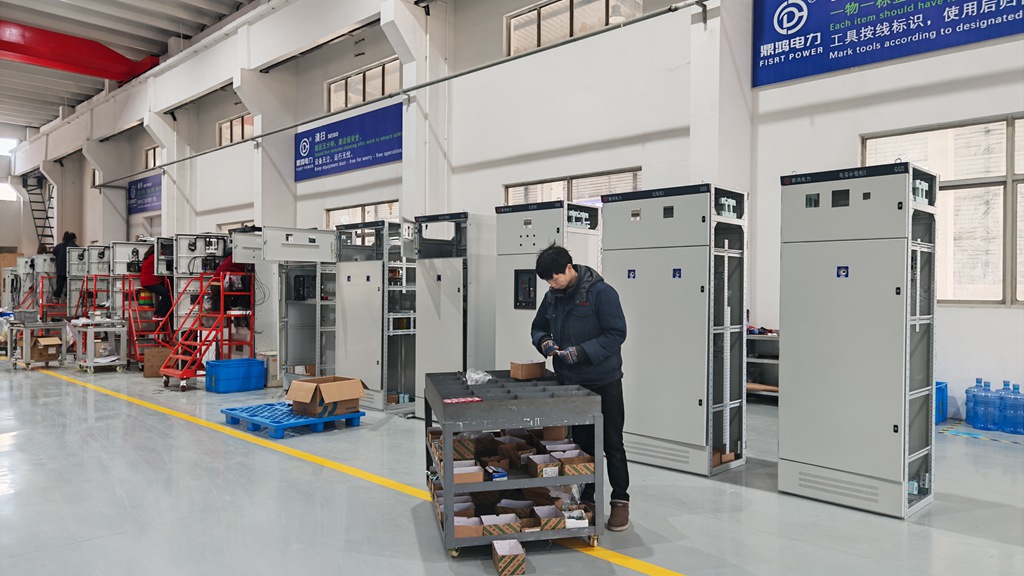
Assembly workshop and production control

Routine testing and inspection laboratory
Export packing and loading for shipment
Verified Factory Capacity
6,847 m² inspected floorspace with dedicated winding, core assembly, drying, tanking and test areas. Production capability is verified by TÜV Rheinland.
In-House Routine Testing
Ratio, winding resistance, loss, impedance, dielectric and oil BDV tests are documented for each serial number. Third-party witness inspection is welcome.
Design Customisation
Ratings, vector group, impedance, taps, bushings, cooling, enclosure colour, insulating fluid and nameplate language can be adapted to project specifications.
Export Logistics to Jakarta
Seaworthy packing, shock indicators and export documentation support delivery to Tanjung Priok and other Indonesian ports, with FOB, CFR, CIF and DDP options.
Certified Systems
ISO 9001 No. 62824Q6052R0S, ISO 14001 No. 62824E6053R0S and ISO 45001 No. 62824S6054R0S. CE certificates include dry-type transformer No. FQC2530404.
Complete Documentation
GA drawings, nameplate drafts, routine test reports and O&M manuals are supplied in English for consultant review and project handover.
Stable Supply Chain
211 qualified supply partners for silicon steel, copper, bushings and accessories help secure lead times for Jakarta projects with fixed energisation schedules.
Engineer Response & OEM/ODM
Technical questions receive a qualified response within one working day. OEM, ODM, design-based and sample-based customisation support utility specifications and EPC preferences.
Quality Assurance Workflow Before Shipment
For Jakarta projects, the most expensive transformer is the one that arrives without an approved drawing or a traceable test record. Our workflow keeps those checkpoints visible.
Specification Review
Engineers check rating, voltage, 50 Hz operation, altitude, ambient, humidity, cooling and installation location.
Drawing Approval
GA drawing, nameplate, vector group, impedance, losses and accessory list are confirmed with the buyer.
Controlled Production
Core, winding, drying, tanking and assembly proceed under in-process QC records and approved documents.
Routine Testing
Each unit receives routine tests and a serial-number report. Witness testing can be arranged for Jakarta buyers.
Packing & Shipping
Export crating, shock recorders, packing list and shipping documents support delivery through Tanjung Priok.
Jakarta Procurement FAQ
These are the questions most often raised by Jakarta developers, EPC contractors, consultants and utility procurement teams when comparing dry-type and distribution transformers.
Can dry-type transformers handle Jakarta’s humidity and ambient temperature?
Yes, provided the design is matched to the room. Jakarta projects should specify temperature-rise limits, insulation class, partial discharge criteria, anti-condensation heaters, appropriate IP enclosure protection and ventilation assumptions. For coastal or flood-prone locations, the installation height and corrosion protection should also be reviewed.
Are dry-type transformers suitable for Jakarta high-rise and commercial buildings?
They are often a strong fit for indoor podiums, basements and enclosed substations because they contain no transformer oil. The final decision should be confirmed with the fire consultant, building code review and utility interconnection requirements. Dry-type units are commonly considered for high-rise, hospital, retail, transit and data-center applications.
What standards and documents should I request for an Indonesian project?
Ask for the design standard review, routine test report, GA drawing, nameplate draft and applicable certificates. Depending on the project, the consultant may ask for SNI/IEC equivalence review, PLN interconnection information, CE certificates such as dry-type No. FQC2530404, ISO 9001/14001/45001 evidence and third-party inspection records. Final compliance must be confirmed by the local project consultant.
Can you customise a 20 kV, 50 Hz dry-type transformer for a Jakarta project?
Yes. OEM, ODM and design-based customisation are available. Typical inputs include rated kVA, primary and secondary voltage, 50 Hz, vector group such as Dyn11, impedance, tap range, cooling method, enclosure IP rating, cable box orientation, noise limit and nameplate language. Sharing the project datasheet shortens the review cycle.
How does export delivery to Jakarta work?
We support EXW, FOB, CFR, CIF, CIP, CPT and DDP terms, with packing suitable for sea freight to Tanjung Priok or other Indonesian ports. Documents normally include commercial invoice, packing list, bill of lading, certificate of origin where applicable, test reports and O&M manuals. Payment terms can be agreed by T/T, L/C or other secure methods.
How can I verify factory quality before shipment?
Request the approved drawing before production, the routine test report for your serial number, and a third-party witness inspection if required. Wisegj supports document review and factory inspection. The production base is TÜV Rheinland verified, and management systems include ISO 9001, ISO 14001 and ISO 45001.
Request a Jakarta-Specific Dry Transformer Quotation
Send your project datasheet, single-line diagram or tender documents. Include the transformer rating, 20 kV or other primary voltage, low-voltage output, 50 Hz, vector group, impedance, cooling, installation location and required delivery date. Our engineering team will review the specification and respond with a compliant design direction, guaranteed losses and export information.
Contact Us