Eight Transformer Products for Manila Buyers and Project Teams
These eight product entries retain their original catalogue links. For a custom ventilated dry-type transformer, send your kVA, voltage, 60 Hz requirement, installation location and delivery port; our engineers will confirm the dry-type or hybrid configuration that fits the project.
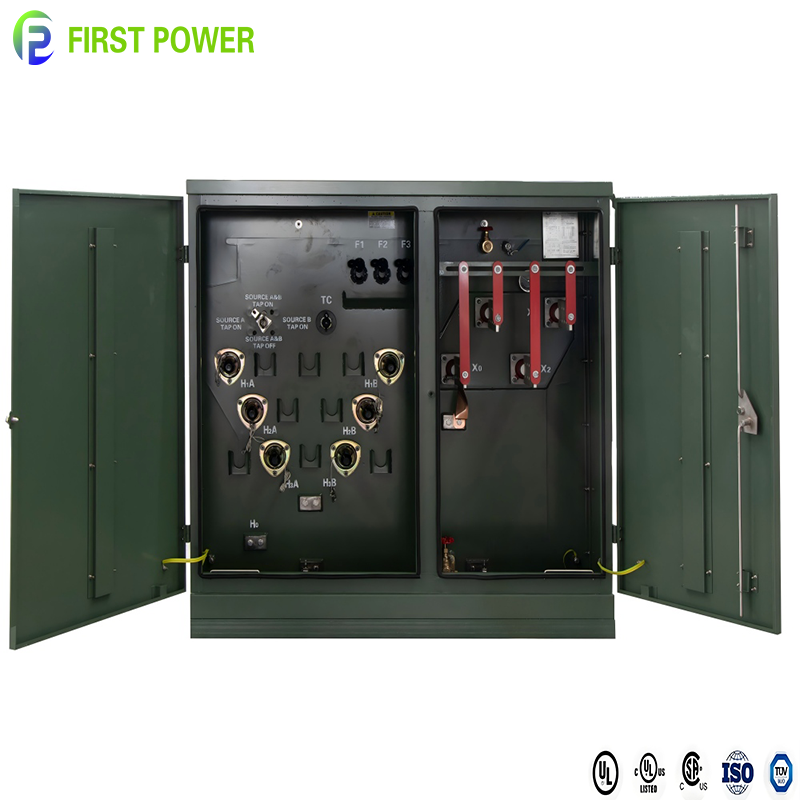
Listed C CE MV&HV 50/60HZ 6KV 10KV 15KV 20KV 35KV 3 Phase Pad Mounted Transformer Electrical for Industrial Power Supply
Three-phase pad-mounted transformer for industrial power supply; OEM ratings and 60 Hz options for Manila plants, campuses and utility projects.
Open product page →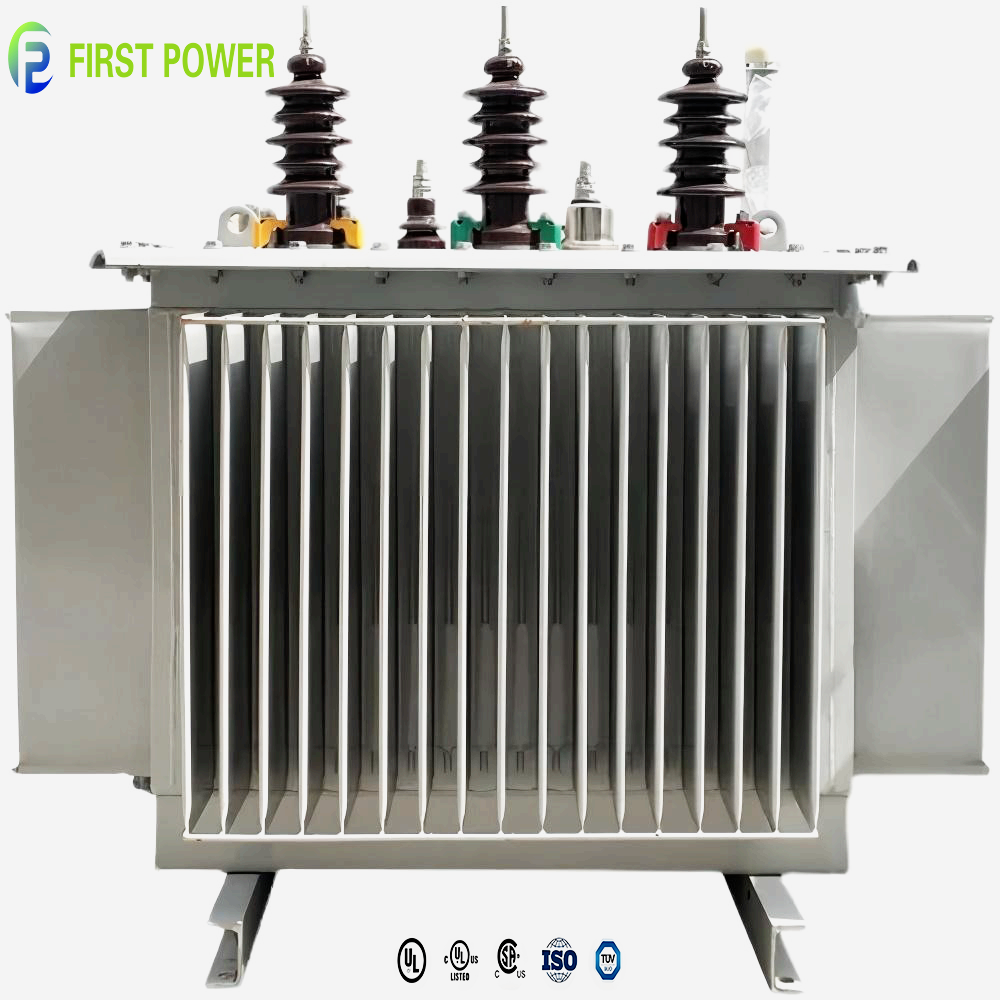
/C Certification 60HZ S11 Three Phase 10KV 35KV 500 KVA 22KV/0.4KV 50HZ Electric Oil Immersed Transformer for Power Supplies
S11 oil-immersed three-phase unit for reliable power supplies; custom 10–35 kV designs and routine test reports for project review.
Open product page →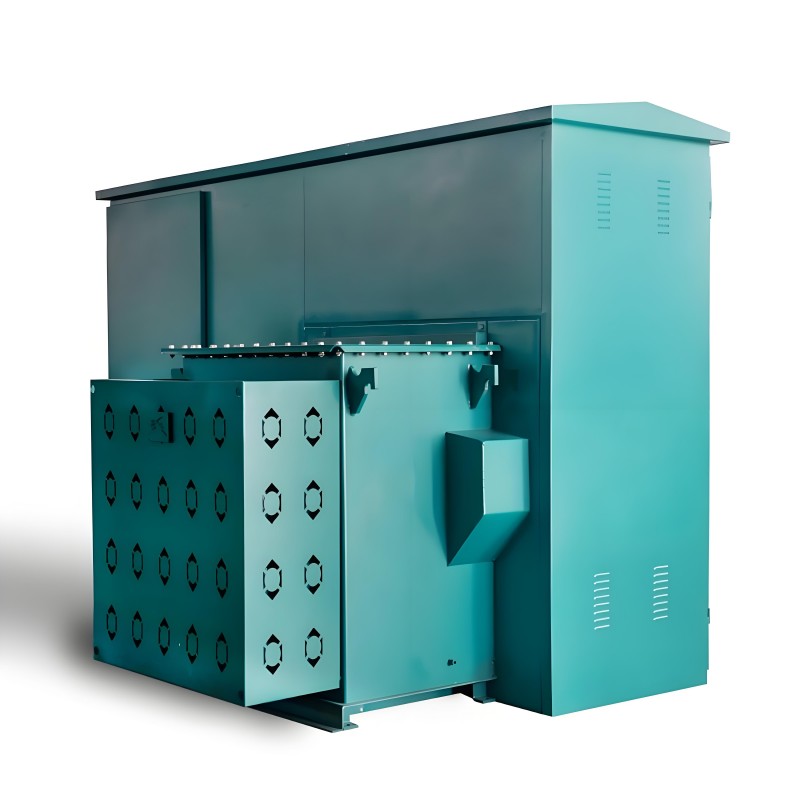
/C Certified Oil-Type Cooper 75-2500kva Pad Mounted Transformer 6kv-34.5kv 50/60hz Dead Front Three Phases
Dead-front pad-mounted transformer, 75–2,500 kVA, 6–34.5 kV, suited to underground distribution and commercial projects.
Open product page →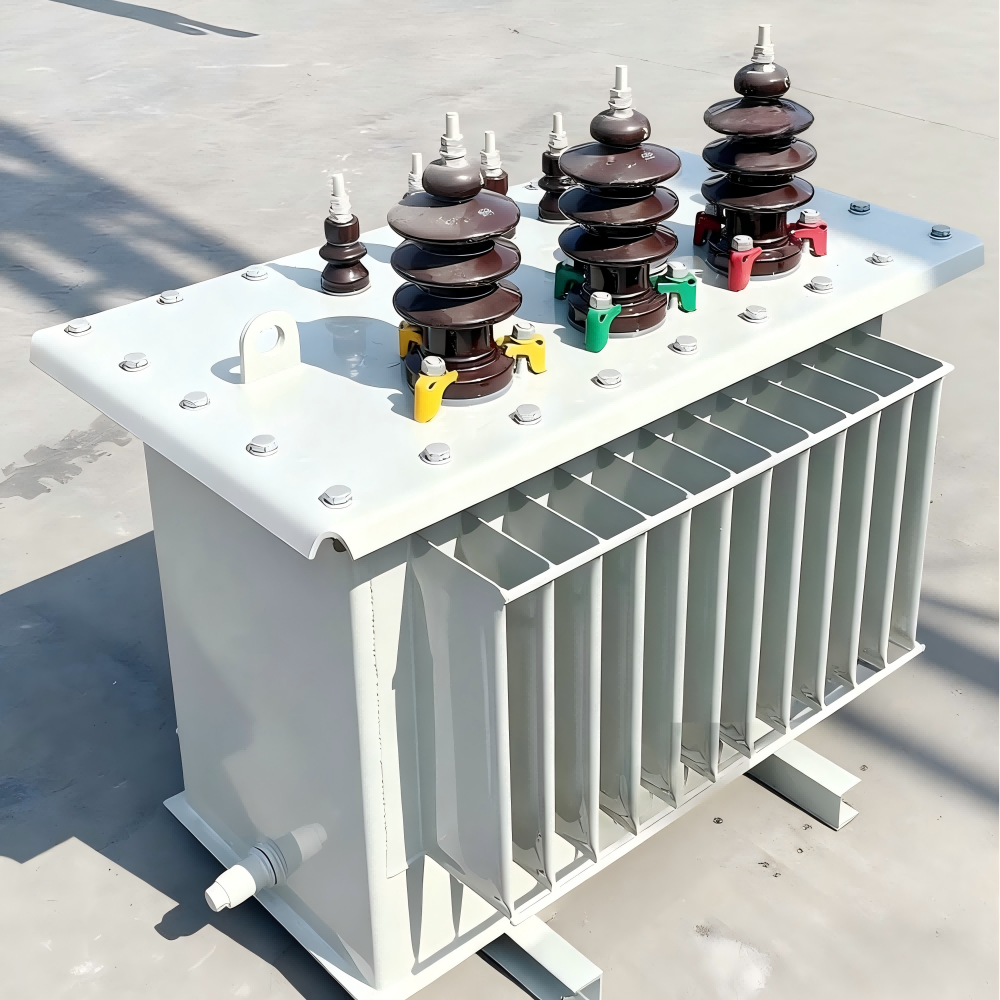
C CE MV&HV 30-31500KVA 6KV 10KV 15KV 20KV 35KV S11 Three Phase Oil Transformer for Electric Power Distribution
S11 oil transformer for distribution from 30 kVA to 31,500 kVA; engineered for MV/HV project requirements.
Open product page →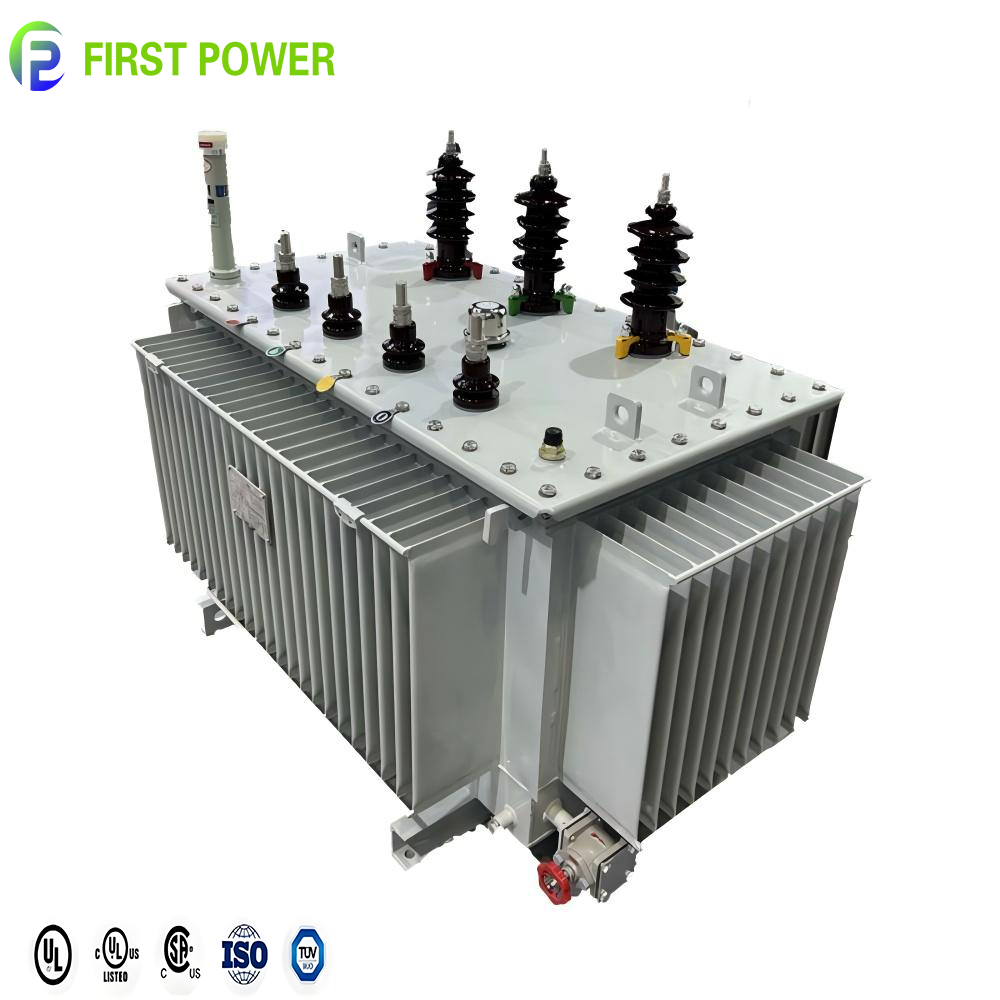
C CE 50/60HZ S11 10KV 20KV 35KV 50KVA 100KVA 200KVA 3 Phase Electrical Oil Immersed Transformer for Distribution System
Three-phase oil-immersed distribution transformer with common 50–200 kVA ratings; 10–35 kV class with CE documentation.
Open product page →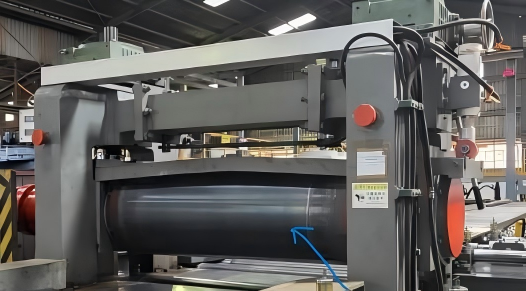
MAIN ROLLER D
Industrial roller component listed in the Wisegj product catalogue; share a drawing or sample reference for matching and availability.
Open product page →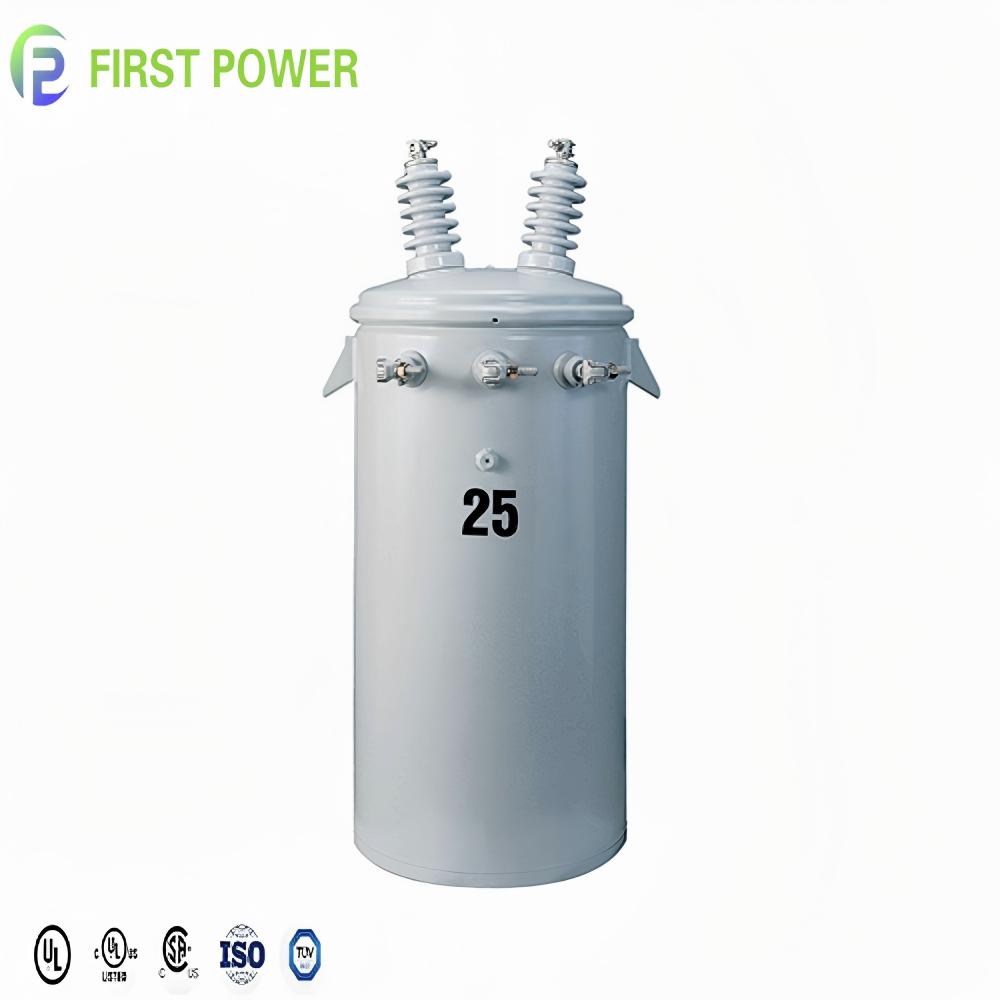
C CE Certification MV&HV 50/60HZ 6KV 10KV 20KV 35KV 25KVA Single Phase Transformer Price for Electric Power Distribution
Single-phase transformer for distribution and small-load applications; 6–35 kV class, with 60 Hz customisation available.
Open product page →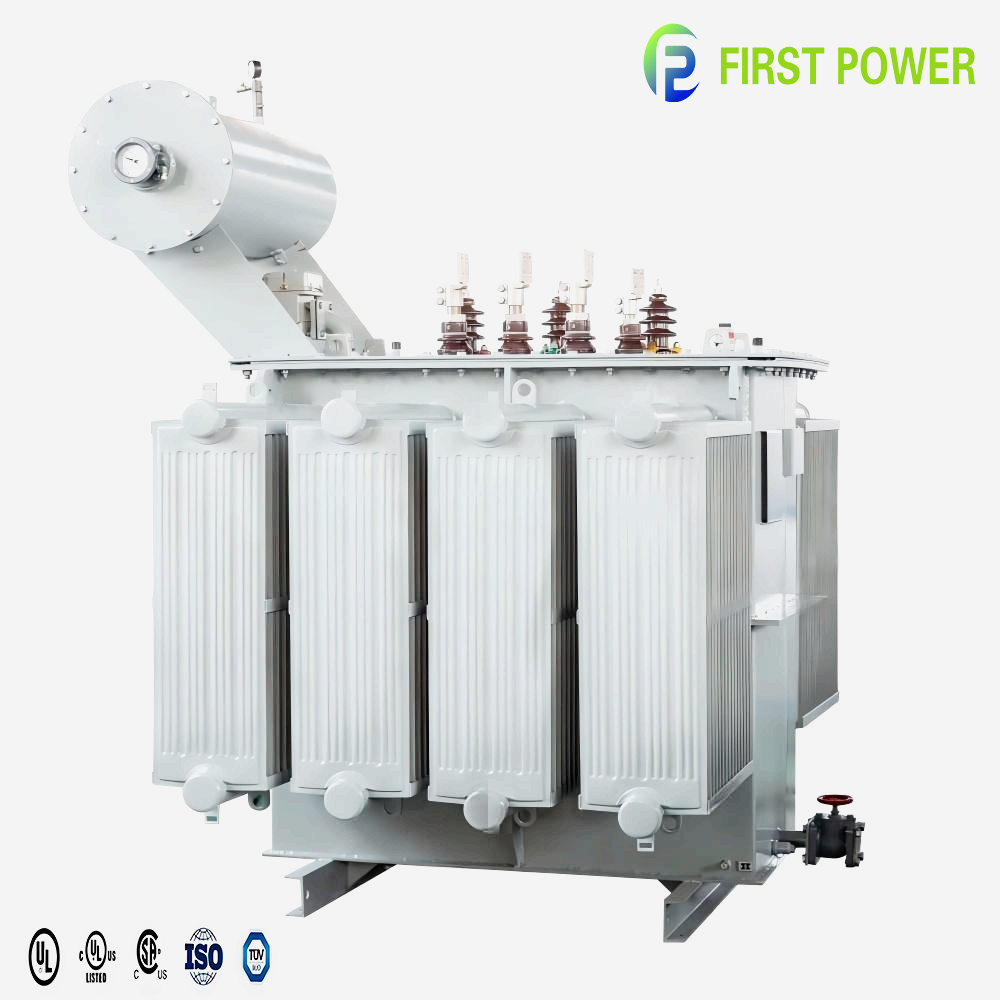
/C Certification 50/60HZ 6KV 10KV 20KV 35KV Three Phase 1000KVA 1MW Solar PV Transformers Oil Immersed for Power Generation
Oil-immersed solar PV transformer, 1,000 kVA / 1 MW class; suitable for generation and renewable interconnection studies.
Open product page →Custom OEM Ventilated Dry Transformer Supply for the Manila Market
Manila procurement teams rarely buy a dry-type transformer as a catalogue item. The unit must fit a 60 Hz electrical system, a basement or podium electrical room with limited ventilation, a humid coastal climate and a delivery schedule tied to energisation, inspection or occupancy.
Our custom OEM ventilated dry transformer programme is built around those constraints: engineered windings, documented thermal performance, corrosion protection and a drawing package that can be reviewed by the project consultant before production begins. For Metro Manila projects, the engineering conversation starts with the installation location, load profile, 60 Hz requirement, short-circuit level and local code review—not simply the lowest kVA price.
Jiangsu Wisegj Power Co., Ltd. is a Suzhou-based transformer manufacturer and exporter serving utilities, EPC contractors, facility owners and wholesalers. Our range runs from 220 V to 500 kV and includes power transformers, oil-immersed distribution transformers, pad-mounted transformers, dry-type transformers, compact substations and switchgear.
Because the final application can sit inside a Makati high-rise, a BGC data centre, a PEZA factory in Laguna or a solar project in Batangas, we do not force one technology into every project. When the fire strategy, indoor location and maintenance access favour a ventilated dry-type design, we customise the thermal margin, insulation system, enclosure and test plan around the site. When oil-immersed or cast-resin equipment is more appropriate, our engineers state that clearly and document the reasoning.
RFQ checklist for a faster engineering review
Send these inputs and our team can return a compliant design direction, preliminary drawings and a documented offer with fewer clarification rounds.
- Rated power, primary voltage, secondary voltage and 60 Hz
- Vector group, impedance, tap range and loss target
- Indoor or outdoor installation, ambient temperature and altitude
- IP rating, enclosure finish, anti-corrosion and seismic requirements
- Applicable standard, witness inspection and document language
- Delivery port, target date, Incoterm and payment method
Engineering intent, not catalogue browsing
The buyer is comparing a compliant 60 Hz design with verifiable losses, drawings and test data. A generic data sheet is not enough for a Manila consultant or facility owner.
Risk intent: humidity, fire, flooding and seismic
Manila projects need more than a transformer that works on paper. Moisture protection, fire strategy, drainage planning and anchoring details belong in the technical review.
Commercial intent: OEM, wholesale and delivery
Wholesalers and project buyers also need nameplate branding, export packing, Manila delivery terms, spare-parts planning and responsive after-sales support.
What Is a Ventilated Dry Transformer and Why Does It Matter in Manila?
In simple terms, a ventilated dry-type transformer is an air-cooled transformer whose windings are cooled by natural or forced air rather than insulating liquid. Many open-wound designs use vacuum pressure impregnation to bind the insulation system and resist moisture and contaminants.
60 Hz magnetic design
A 50 Hz unit cannot simply be relabelled for the Philippines. Core flux, turns, reactance and losses must be engineered for 60 Hz operation and the actual load profile.
Thermal margin
Manila electrical rooms can run above 40°C. Specify Class F or H insulation, verified temperature rise, and AN/AF cooling when future load growth is expected.
Humidity and salt fog
VPI insulation, anti-condensation heaters, fungus-resistant finishes and C5-M enclosure paint support coastal and river-adjacent sites.
Seismic and flood resilience
Anchorage details, raised plinths, cable-entry sealing and drainage planning protect equipment in flood-prone areas and seismic zones.
Ventilated dry-type units are attractive for high-rise buildings, malls, hospitals, hotels and light industrial facilities because they remove oil from the electrical room and reduce fire-load concerns. They also need a clean, adequate air path; thermal management must match the actual ambient and load profile; and the insulation system must be specified for humidity, dust and salt fog.
Ventilated Dry-Type, Cast-Resin or Oil-Immersed: A Practical Manila Comparison
The phrase “ventilated dry transformer” is sometimes used broadly by buyers who mean any dry-type unit. In a Manila RFQ, clarify the construction, installation environment and required IP rating before comparing price.
Ventilated dry-type
No oil, indoor-friendly and lower fire load. Best for electrical rooms with adequate ventilation and a maintenance plan for air paths. Check humidity protection and enclosure rating carefully.
Cast-resin dry-type
Sealed coils are easier to apply in dirty or humid spaces, but weight and cost are usually higher. Suitable for basements and sensitive public buildings where maintenance access is limited.
Oil-immersed
High capacity and proven outdoor performance. Oil containment, fire separation and bunding must be reviewed. Often preferred for yards, utility substations and industrial sites.
Where Custom Ventilated Dry Transformers Fit in Metro Manila
From Makati and BGC to Laguna and Cavite, the correct transformer specification depends on building type, operating hours, load density, fire strategy and access for maintenance.
High-rise, hotel and mixed-use towers
Compact indoor units for basement and podium electrical rooms, with low fire load, seismic anchorage, anti-condensation heaters and quiet operation for Makati, BGC, Ortigas and Pasay developments.
Hospitals, laboratories and clinics
Critical facilities need low downtime, low noise, documented losses and reliable spare-parts support. Dry-type designs help avoid oil handling in public and clinical buildings.
Data centres and IT parks
High load density, harmonics and expansion planning call for loss review, fan cooling, seismic anchorage and coordination with UPS and switchgear. Test reports matter to the customer’s commissioning team.
Malls, retail and commercial buildings
Tenant metering, expansion stages and fire strategy often favour dry-type transformers. Enclosure finish, IP rating and noise levels should be specified for the actual plant room.
Factories and PEZA locators
Motor starting, voltage dips, dust and high ambient temperatures shape the design. For plants in Laguna, Cavite, Batangas and Bulacan, the transformer must match both process loads and utility requirements.
Water utilities, ports and transport
Pump stations and coastal facilities need corrosion protection, sealed cable entries and flood-resilient installation. For outdoor coastal yards, an oil-immersed or compact substation design may be more practical.
Local Trends That Affect Transformer Specifications in 2025–2030
Manila’s transformer demand is being shaped by trends that reward documented engineering and local support rather than price alone.
Grid modernisation and undergrounding
Distribution utilities and private estates are pushing more equipment indoors and underground. Projects in Makati, BGC, Pasay and Ortigas often require compact, low-fire-risk designs that fit tight urban footprints.
Renewables, EV charging and power quality
Rooftop solar, net metering, EV chargers and data-centre UPS systems introduce harmonics and bidirectional power flow. Custom dry-type transformers can be specified with appropriate impedance, K-factor review and temperature-rise margin.
Data centres and high-value facilities
Manila’s digital economy continues to expand. Data centres, banks, hospitals and telecom sites need low downtime, low noise, seismic anchorage and documented test reports for commissioning and insurance review.
Climate resilience and efficiency
Typhoons, flooding, high humidity and high ambient temperatures make moisture protection, corrosion resistance, drainage planning and loss evaluation part of the commercial decision.
Recommended Configuration Matrix for Manila Buyers
Use this matrix as a starting point for discussion, not as a substitute for a single-line diagram, short-circuit study, protection review and site survey.
Ratings above are indicative. Final design requires load flow, short-circuit, protection coordination, site ambient data and local utility review.
What Manila Buyers Can Verify About Wisegj
Wisegj is not a marketplace reseller. We operate as a manufacturer and export supplier from Suzhou, Jiangsu, China, with a product portfolio spanning 220 V to 500 kV and a documented quality system.
Verified production capability. The production base has 6,847 m² of TÜV Rheinland-verified floorspace, more than 50 R&D and technical engineers, 211 qualified supply-chain partners and a 4.9/5 average buyer rating. Our team brings more than 20 years of cumulative transformer experience.
Documented quality and testing. The buying experience is supported by ISO 9001, ISO 14001 and ISO 45001 management systems, CE certificates for transformer and substation lines, and routine test reports per serial number. Third-party witness inspection is welcome.
Custom OEM and export support. We can provide GA drawings, nameplate drafts, guaranteed losses and key material descriptions for consultant approval. OEM and ODM customisation covers ratings, vector group, impedance, tap range, bushings, cooling method, insulating fluid, enclosure colour, nameplate language and document language.
Manila logistics and terms. Commercial terms include FOB, CFR, CIF, EXW, FCA, CIP, CPT and DDP options, with T/T, L/C, D/P and D/A payment methods and major currencies. Seaworthy crates, shock indicators and complete shipping documents can be prepared for Manila, Subic or Batangas routing.

Company & facility overview
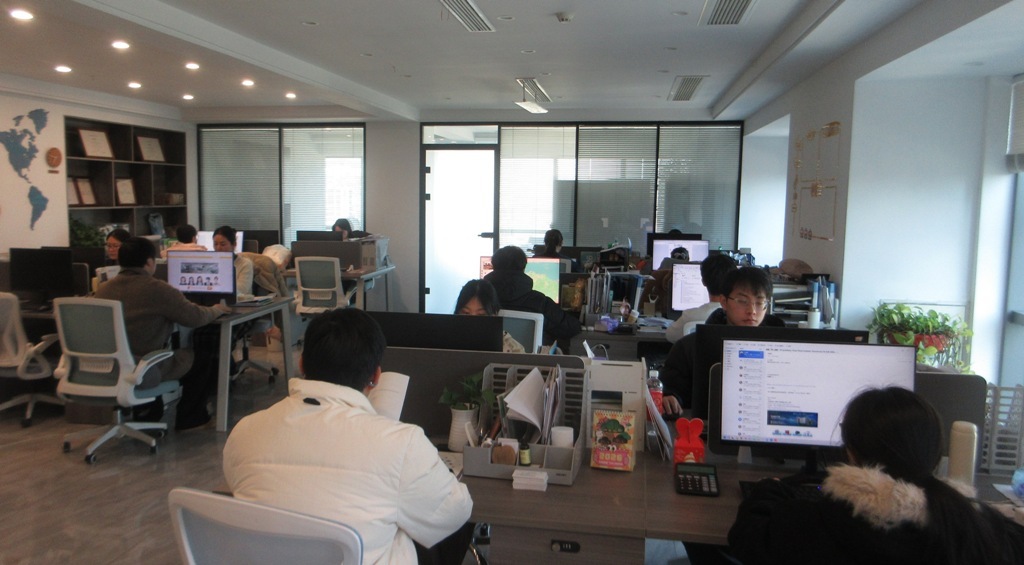
Assembly workshop

Testing laboratory
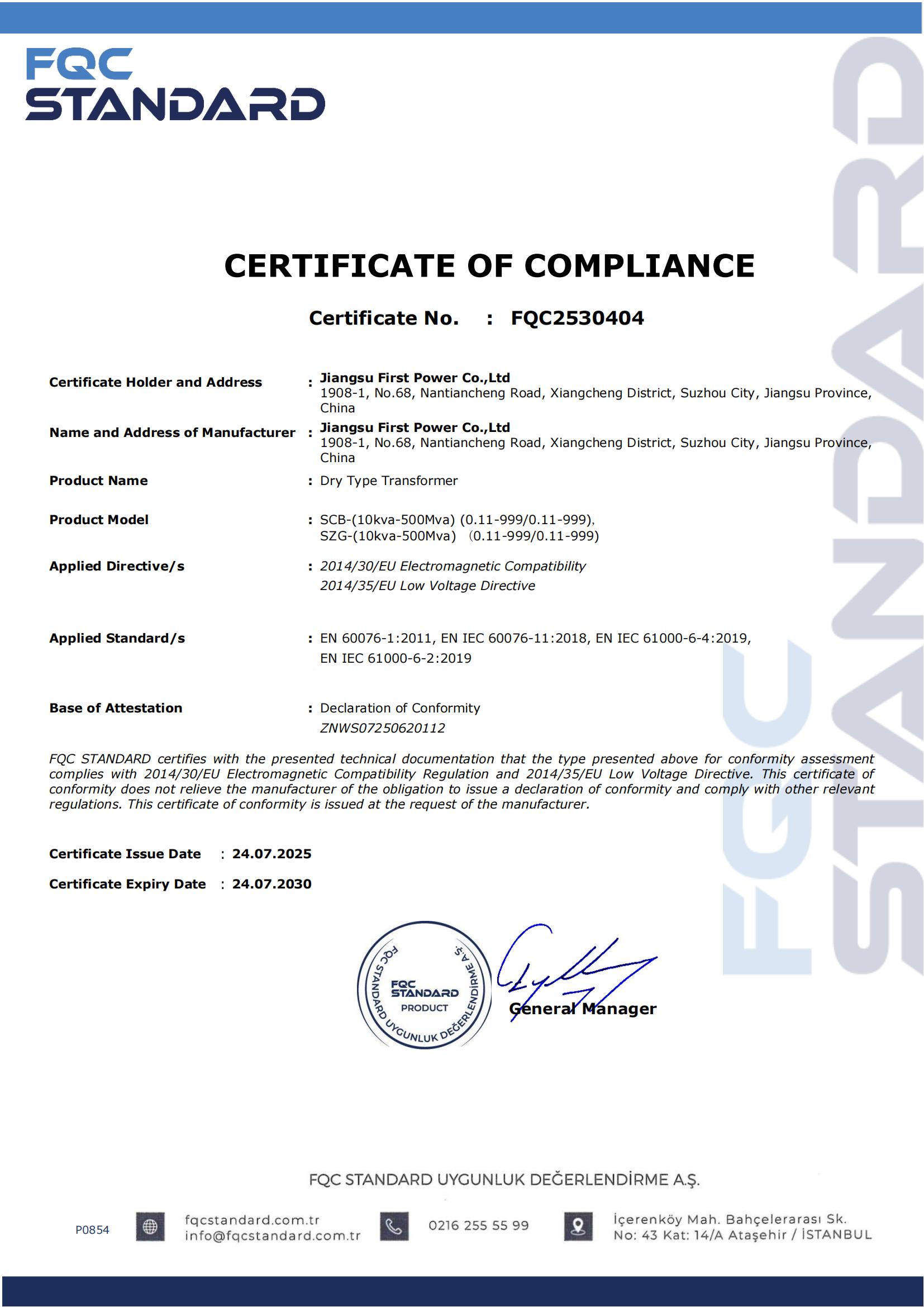
CE dry-type certificate
Verified production floorspace
6,847 m² inspected production area with winding, core assembly, drying, tanking, assembly and testing functions.
Engineer-led customisation
50+ technical engineers support ratings, vector group, impedance, taps, bushings, cooling and enclosure design review.
In-house testing and reports
Routine tests include winding resistance, ratio, impedance, load loss, no-load loss and current, applied and induced voltage tests.
Certificates and management systems
ISO 9001, ISO 14001 and ISO 45001 systems, plus CE certificates for key transformer and substation product lines.
Export packing and Incoterms
Seaworthy packing, shock indicators, document packages and Incoterms from EXW to DDP for Philippines-bound shipments.
24-hour engineer response
Technical questions and after-sales issues receive a qualified reply within one working day, supported by 211 supply partners.
Certificates & Documentation for Procurement Review
Certificate scope and validity should always be confirmed against the specific unit and project requirements. The details below are the kind of evidence a Manila consultant or QA manager can review before releasing a purchase order.
ISO 9001
Quality management system · Certificate No. 62824Q6052R0S · validity 2024–2027.
ISO 14001
Environmental management system · Certificate No. 62824E6053R0S · validity 2024–2027.
ISO 45001
Occupational health and safety system · Certificate No. 62824S6054R0S · validity 2024–2027.
CE · Dry type transformer
CE certificate No. FQC2530404 · validity 2025–2030, subject to final product and scope confirmation.
CE · Power transformer
CE certificate No. 3N230310.JYTU038 · validity 2023–2028, subject to final product and scope confirmation.
TÜV Rheinland verification
Onsite verification of production capability, floorspace and quality inspection by an independent third-party body.
From RFQ to Manila Delivery: Five Controlled Steps
Clear approvals and documented testing reduce the risk of site delays, rework and compliance questions after the transformer arrives.
Specification review
Engineers check kVA, 60 Hz, voltages, load profile, ambient, humidity, altitude, installation location and governing standards.
Drawing and approval
GA drawing, nameplate draft, guaranteed losses, enclosure details and document language are confirmed before production.
Controlled production
Winding, core assembly, VPI or oil processing, drying, tanking or enclosure assembly and in-process QC follow documented checkpoints.
Routine testing
Each serial number receives routine tests with a report package. Third-party witness inspection can be arranged for Manila projects.
Packing and shipping
Export crating, impact indicators, shipping marks and documents are prepared for Manila, Subic or Batangas routing.
Manila Buyer FAQ: Custom Ventilated Dry Transformer Procurement
Straight answers for facility owners, EPC contractors, electrical consultants, wholesalers and maintenance teams comparing suppliers for Metro Manila projects.
Can you supply a 60 Hz ventilated dry-type transformer for Manila?
Yes. We design and manufacture dry-type transformers for 60 Hz systems. The magnetic circuit, winding turns, impedance and loss values must be engineered for 60 Hz; a 50 Hz unit should not simply be relabelled. Typical Manila enquiry values include 13.8 kV or 34.5 kV primary voltage, 400/230 V or 480Y/277 V secondary voltage, 500–2,500 kVA ratings, Class F or H insulation and AN/AF cooling.
What is the difference between a ventilated dry-type transformer and a cast-resin transformer?
A ventilated dry-type transformer is air-cooled and often uses an open-wound, VPI-impregnated insulation system. Cast-resin transformers encapsulate the windings in resin, which can be advantageous in dirty or humid locations but usually adds weight and cost. The right choice depends on the electrical room, fire strategy, maintenance access, ambient conditions and the consultant’s specification.
What technical data do you need for an accurate quotation?
Send rated power, primary and secondary voltage, frequency, vector group, impedance, tap range, cooling method, ambient temperature, altitude, indoor or outdoor location, required standard, loss target, delivery port and target date. A single-line diagram, load schedule or tender document helps our engineers return a compliant design direction with fewer clarification rounds.
How do you protect equipment against Manila humidity, salt fog and flooding?
Options include VPI insulation, anti-condensation heaters, fungus-resistant finishes, C5-M enclosure paint, sealed cable entries, raised plinths and drainage planning. For coastal or river-adjacent sites, the IP rating and enclosure finish should be reviewed together with the installation room, not selected as an afterthought. In flood-prone areas, the plinth height and cable-entry arrangement are as important as the transformer itself.
Which standards and documents can you provide?
Dry-type transformers can be reviewed against IEC 60076-11 and project-specific requirements. Oil-immersed units are referenced to IEC 60076, and IEEE references can be reviewed where specified. Documentation can include GA drawings, nameplate drafts, routine test reports, CE certificates where applicable, ISO certificates, O&M manuals, packing lists and material descriptions. We do not claim automatic approval by Meralco or NGCP; documents are supplied for your consultant’s review and utility submission process.
What is the typical lead time and shipping route to Manila?
For custom ventilated dry-type transformers, production commonly follows drawing approval and material confirmation, with project-specific schedules typically falling in the range of tens of working days rather than an off-the-shelf dispatch. Shipping to Metro Manila can be arranged through the Port of Manila, Subic or Batangas depending on the Incoterm, vessel schedule and project logistics. Final lead time should be confirmed in the quotation.
Do you offer OEM and wholesale supply for Manila distributors?
Yes. OEM and ODM customisation can cover ratings, vector group, impedance, tap range, bushings, cooling method, insulating fluid, enclosure colour, nameplate language and document language. For wholesalers and repeat project buyers, we can discuss mixed-model container loading, spare-parts planning and documentation packages. MOQ depends on the design and order mix.
How is each transformer tested before shipment?
Every unit receives routine tests such as winding resistance, voltage ratio and vector group, impedance and load loss, no-load loss and current, applied voltage and induced voltage tests. Oil-filled units also receive oil dielectric tests. Third-party witness inspection is welcome, and final test reports are included in the shipment documentation package.
What payment and delivery terms are available?
We work with FOB, CFR, CIF, EXW, FCA, CIP, CPT, DDP and other Incoterms as agreed. Payment methods can include T/T, L/C, D/P and D/A, with major currencies such as USD, EUR and others. The final terms depend on the order value, product scope, destination and commercial review.
Can you support installation, commissioning and after-sales questions?
We can provide installation guidance, O&M manuals, commissioning checklists, nameplate data, test reports and spare-parts recommendations. Technical questions and after-sales issues are handled by our engineering and export teams, with a target response within one working day. Warranty and service terms are defined in the final contract.
Request a Manila-Specific Ventilated Dry Transformer Review
Send your single-line diagram, load schedule, target kVA, primary and secondary voltage, installation location and required delivery date. Our engineering team will confirm whether a ventilated dry-type, cast-resin, oil-immersed or compact substation design is the better fit, then return a documented offer for your Manila project.