Custom OEM Power Transformer Manufacturer & Wholesalers serving the Enugu Market
Utility-grade pad mounted, oil immersed and power transformers engineered for Enugu’s 11/33 kV distribution networks, humid climate and industrial growth.
Eight Transformer Families Recommended for Enugu Procurement
Enugu buyers rarely purchase a transformer as a commodity. The equipment must match the local 50 Hz supply, humidity, lightning exposure, road logistics and the maintenance capability of the receiving site. The eight products below cover utility distribution, industrial estates, commercial buildings, healthcare facilities and embedded generation projects across Enugu and the wider South-East Nigeria market.
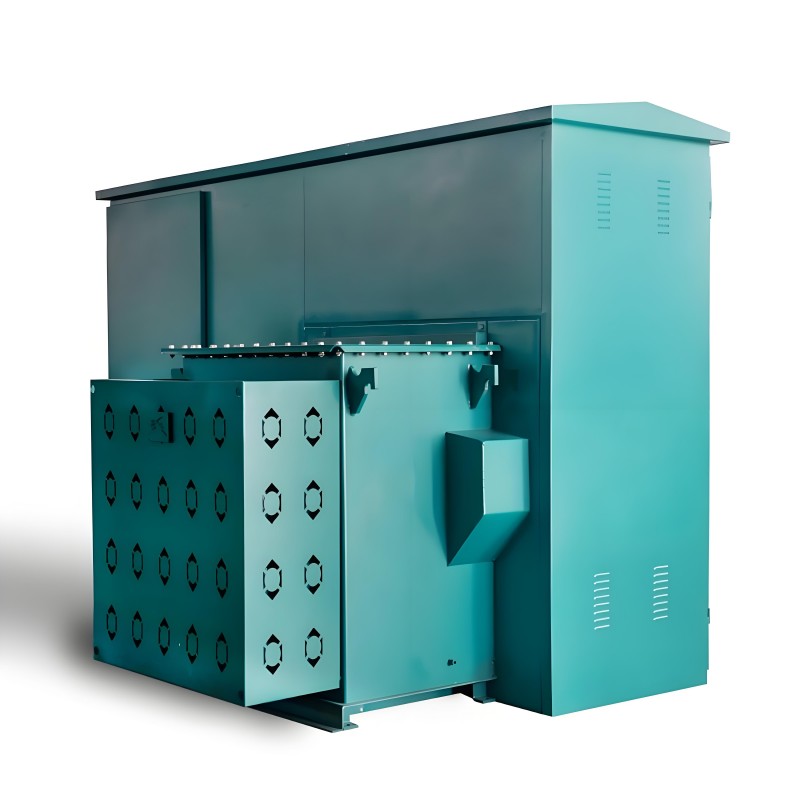
C Certified Oil-Type Cooper 75–2,500 kVA Pad Mounted Transformer
A strong choice for commercial estates, industrial parks and underground distribution in Enugu where tamper resistance and loop-feed flexibility are essential.
- Three-phase dead-front design
- 6 kV to 34.5 kV, 50/60 Hz
- Mineral oil or FR3 options
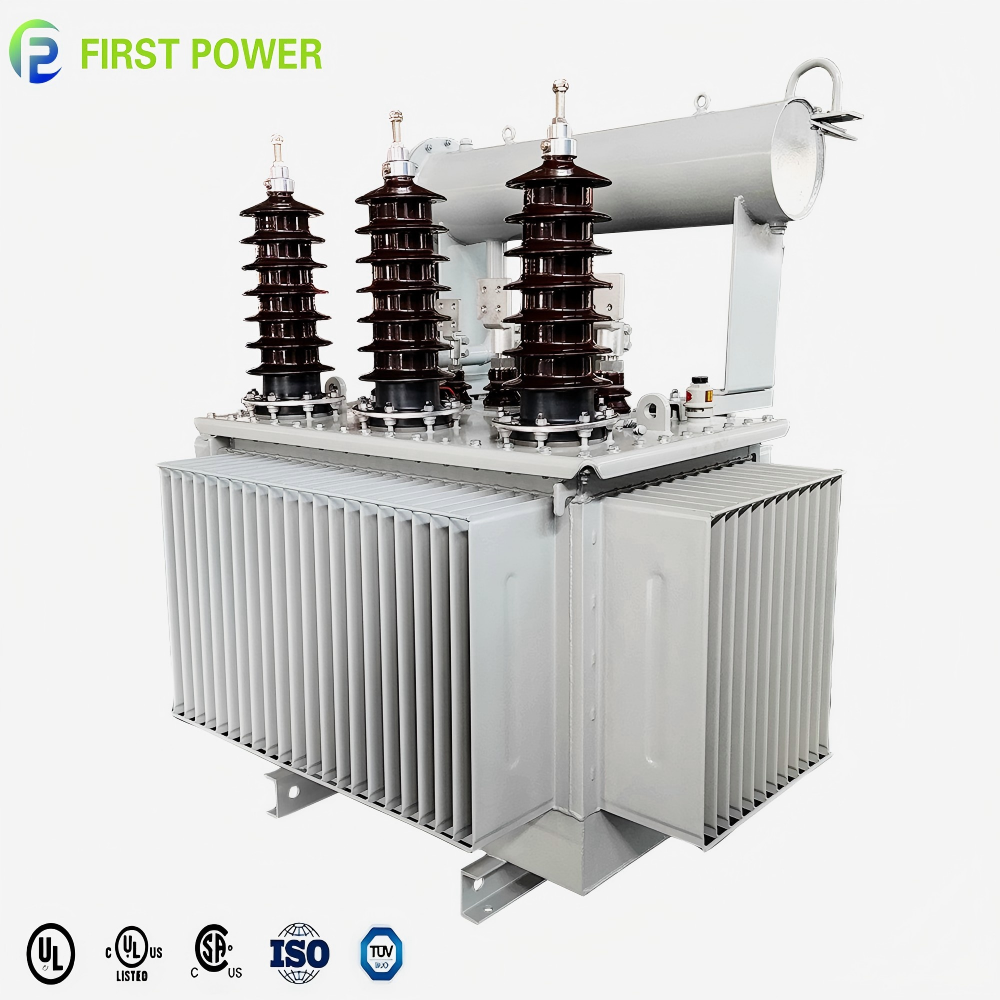
CE / IEEE 33 kV Oil-Immersed Three-Phase Power Transformer
Designed for industrial plants and utility interfaces that need dependable 33 kV transformation, low losses and a clearly documented routine test record.
- IEEE / IEC design options
- ONAN or ONAF cooling
- Dyn11 and custom vector groups
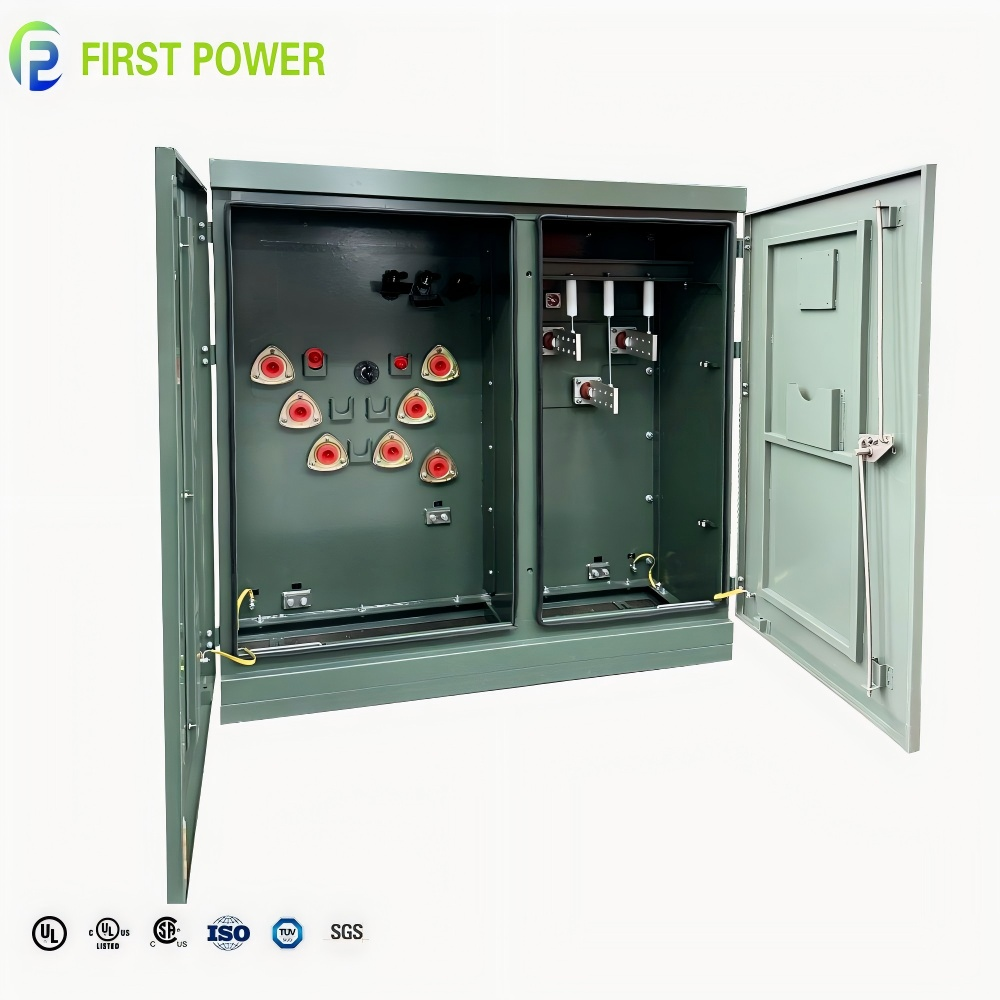
750 kVA 10–35 kV Loop Feed Pad Mounted Distribution Transformer
Well suited to mixed-use developments, housing estates and light industrial clusters where space is limited and reliable loop-feed operation is preferred.
- 10 kV, 20 kV or 35 kV class
- Loop feed pad mounted layout
- Compact footprint for urban sites
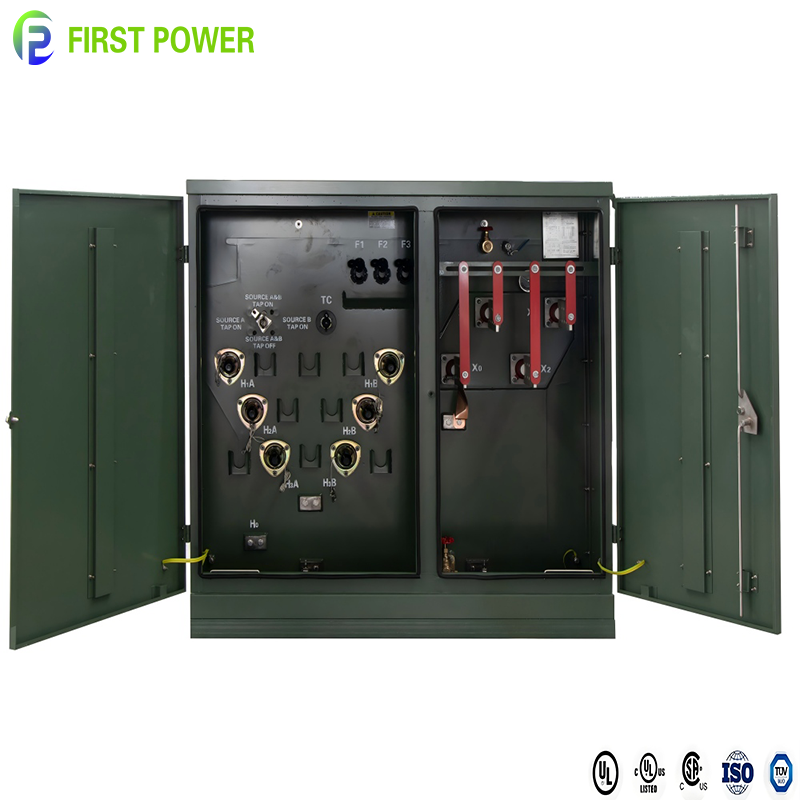
MV&HV 6–35 kV Pad Mounted Transformer for Industrial Power Supply
A practical solution for factories, warehouses, processing plants and commercial facilities that need an outdoor, secure step-down transformer close to load centres.
- 6 kV to 35 kV primary range
- Custom secondary voltage
- Tamper-resistant enclosure
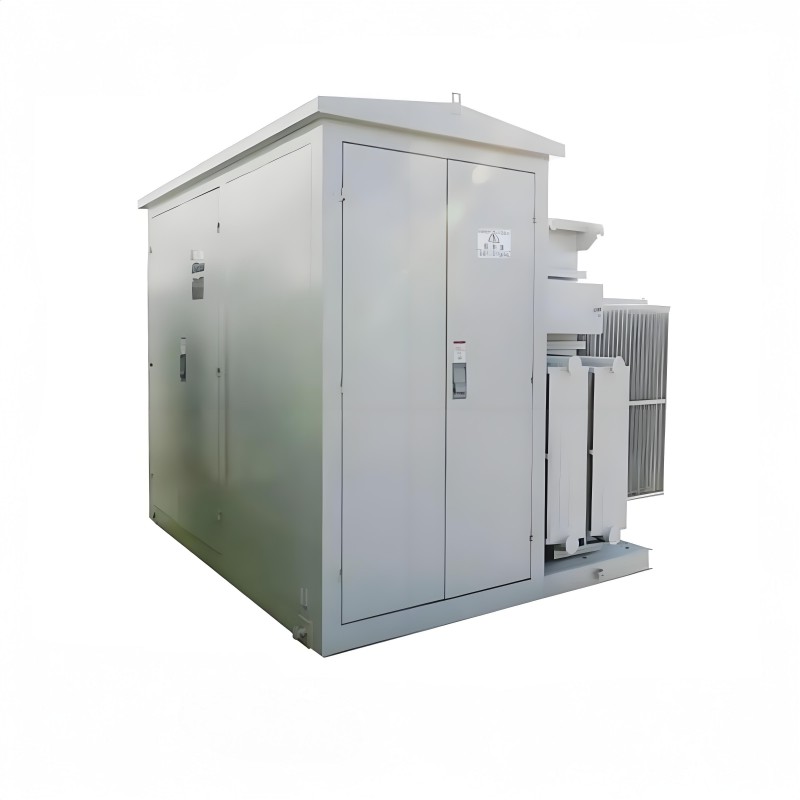
American Standard Oil-Filled Pad Mount Transformer for Power Generation
Suitable for export projects and embedded generation schemes requiring American-style construction, with voltage and frequency confirmed against the Enugu project design.
- 75 kVA to 2,500 kVA
- 13.8 kV class option
- 50 Hz or 60 Hz configurations
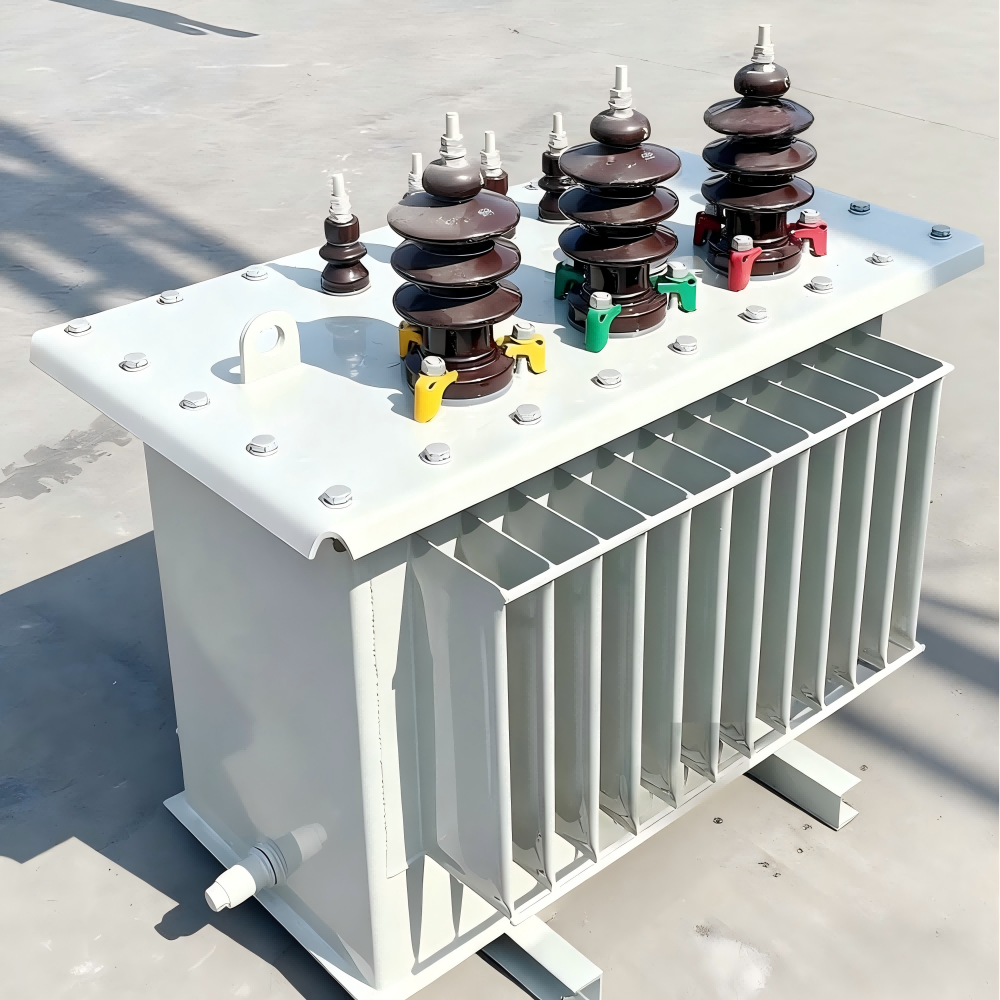
S11 30–31,500 kVA Three-Phase Oil Transformer for Distribution
A broad distribution and power range for utility reinforcement, industrial parks, rural electrification and substations serving Enugu’s growing load centres.
- 30 kVA to 31,500 kVA
- 6 kV to 35 kV class
- Low-loss S11 core design
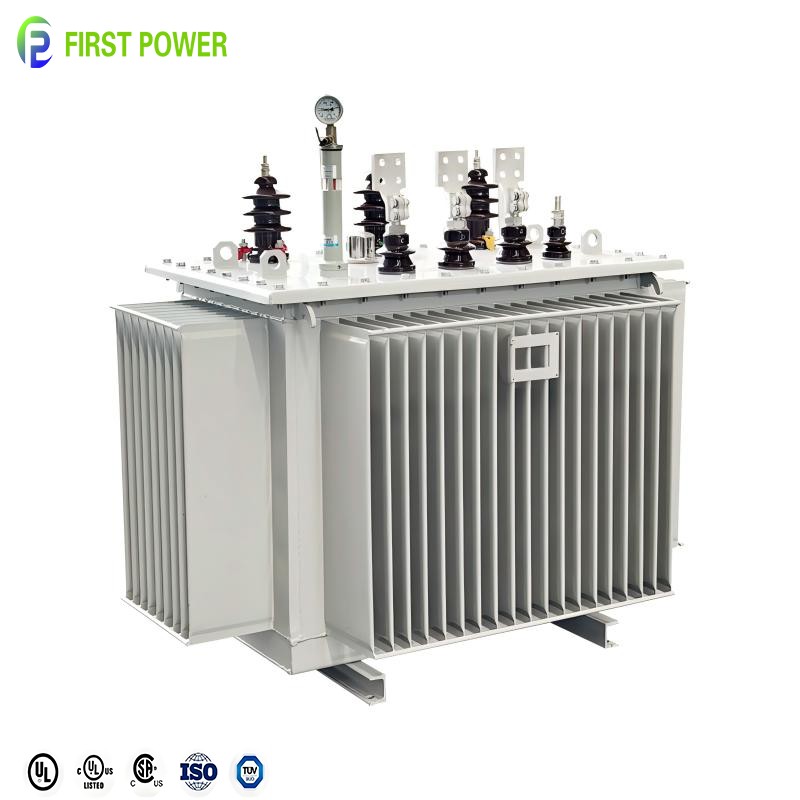
100–1,000 kVA Oil-Immersed Three-Phase Power Transformer
A dependable range for hospitals, schools, hotels, water treatment works and medium commercial buildings that require robust 10–35 kV step-down equipment.
- 100 kVA to 1,000 kVA
- 10 kV, 20 kV or 35 kV
- Sealed tank and low maintenance
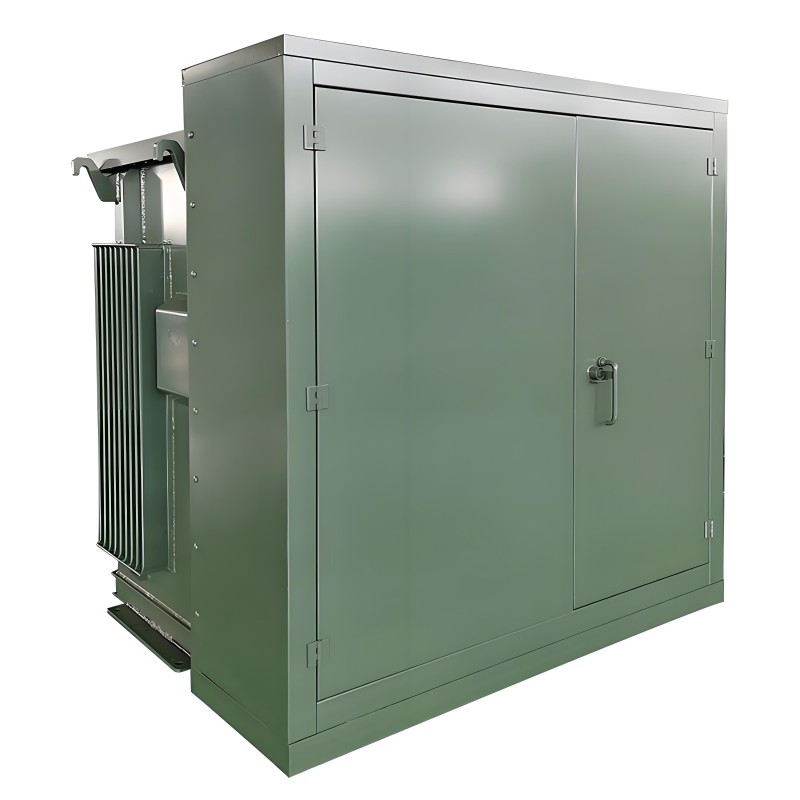
C Certified 75–2,500 kVA Oil-Type Three-Phase Pad-Mounted Transformer
Useful for OEM projects and export specifications that require a 35 kV input and 480 V output; the design can be customised for 50 Hz and regional secondary voltages.
- 35 kV input, 480 V output option
- 75 kVA to 2,500 kVA
- OEM nameplate and drawings
Why Wisegj Is a Credible OEM and Wholesale Partner for Enugu
The Enugu market needs more than a low quotation. It needs a manufacturer that can explain the design, document the tests, protect the equipment for a humid climate and support the project after shipment.
Eight Auditable Advantages Behind the Enugu Supply Proposal
These are the practical checks that matter to procurement teams, EPC contractors and wholesale buyers who cannot afford unplanned downtime.
TÜV Rheinland Verified
Factory capability, floorspace and inspection processes are supported by independent third-party verification and reports available for buyer review.
In-House Routine Testing
Winding resistance, ratio, vector group, impedance, load loss, no-load loss and dielectric tests can be documented for every serial number.
OEM / ODM Customisation
Ratings, vector group, impedance, tap range, bushings, cooling method, oil type, enclosure colour, nameplate language and drawings are adapted to your project.
Export Packing & Logistics
Seaworthy packing, shock indicators, complete shipping documents and Incoterms coverage from EXW to DDP for Enugu-bound projects.
Certified Management Systems
ISO 9001, ISO 14001 and ISO 45001 systems support quality control, environmental responsibility and manufacturing safety.
Complete Technical Documents
GA drawings, nameplate drafts, test reports, packing lists and English O&M manuals help local consultants, utilities and site teams approve the equipment faster.
Qualified Supply Chain
Silicon steel, copper, bushings, tap changers and accessories are sourced through qualified partners to protect lead times and batch consistency.
24-Hour Engineer Response
Pre-sale technical review and after-sales support are handled by engineers who can respond to specification queries with practical answers.
Where Custom Transformers Deliver the Greatest Value in Enugu
Enugu’s economy combines public institutions, commerce, light manufacturing, logistics and a growing services sector. Each environment places different demands on transformer design, enclosure protection and service access.
Industrial Parks & Manufacturing
Factories, processing plants and workshops need stable step-down capacity close to production lines. A 500–2,500 kVA oil immersed or pad mounted unit often fits, with loss evaluation and spare capacity built into the specification.
33/11 kVDyn11ONANCommercial Centres & Hospitality
Shopping complexes, hotels, offices and mixed-use developments value compact footprints, low noise and dependable supply. Pad mounted units reduce civil works while keeping equipment secure and accessible.
500–1,000 kVALoop feedIP54Healthcare, Education & Water
Hospitals, universities, water treatment works and public buildings require well-documented reliability. Dry type transformers are preferred for indoor fire-sensitive areas, while oil immersed units suit outdoor compounds.
Dry typeLow lossSparesSolar, Hybrid & Embedded Generation
Solar PV, diesel-hybrid systems and captive generation increasingly require step-up or isolation transformers, protection coordination and clear interface drawings for the local distribution network.
50 HzBi-directionalProtectionSix Trends Shaping Transformer Demand in Enugu
Understanding these trends helps wholesalers, contractors and project owners specify equipment that remains fit for purpose over a 20–30 year service life.
0133/11 kV Network Reinforcement
Utility upgrades and new distribution substations continue to require well-engineered 33 kV and 11 kV transformers. Buyers should ask for utility-compliant drawings, test reports and a clear loss guarantee, not only a kVA rating.
02Industrial and Commercial Expansion
New factories, warehouses, hotels and mixed-use estates are moving toward compact pad mounted units and low-loss oil immersed transformers that fit within tight site boundaries and reduce civil construction.
03Solar PV and Hybrid Power
Enugu’s commercial and industrial users are increasingly evaluating solar, battery storage and diesel-hybrid systems. Transformer specifications must address reverse power flow, harmonic loading, protection settings and frequency stability.
04Energy Efficiency and Loss Evaluation
Procurement is shifting from lowest purchase price to total owning cost. No-load and load losses should be evaluated over 15–20 years, especially for transformers that will run continuously in commercial or industrial sites.
05Climate-Resilient Specification
Humidity, heavy rainfall, lightning and corrosion are practical Enugu design inputs. C4/C5 paint systems, IP54 enclosures, surge arresters, silica gel breathers, oil containment and wildlife guards should be discussed early.
06Lifecycle Support and Local Skills
Equipment is only as good as the support around it. English O&M manuals, spare-part recommendations, commissioning checklists and practical training help local technicians protect the asset after handover.
A Practical Enugu Transformer Specification Checklist
The following table converts common local requirements into technical questions that should be settled before the quotation is finalised. It is written for procurement teams, consultants and wholesale buyers who need fewer clarification cycles.
| Parameter | Why It Matters in Enugu | Clarify Before Ordering |
|---|---|---|
| Frequency | Nigeria operates on 50 Hz; a 60 Hz-only design must not be assumed compatible. | State 50 Hz, or dual 50/60 Hz if the unit may be resold across markets. |
| Voltage ratio | Distribution schemes commonly involve 33 kV, 11 kV and 415/240 V, but project-specific values vary. | Provide primary, secondary, tap range and any future voltage change. |
| Vector group | Affects protection, harmonic behaviour and parallel operation with existing units. | Confirm Dyn11, Yyn0 or the utility-required vector group. |
| Impedance | Influences fault levels, voltage regulation and upstream breaker coordination. | Specify impedance tolerance and any parallel-operation requirement. |
| Cooling | High ambient temperature can reduce usable capacity if cooling is not considered. | Confirm ONAN, ONAF and expected ambient plus altitude. |
| Losses | Continuous operation makes no-load and load losses a lifecycle cost item. | Set guaranteed no-load and load loss values for tender comparison. |
| Climate protection | Humidity, rainfall, dust and lightning accelerate deterioration if unprotected. | Request C4/C5 corrosion class, IP54 enclosure and surge protection. |
| Insulating fluid | Mineral oil is common; natural ester may suit fire-sensitive or environmentally sensitive sites. | State oil type, oil test requirements and containment expectations. |
| Testing | Routine test reports and third-party witnessing reduce acceptance risk. | Agree test list, witness inspection, report language and dispatch documents. |
| Documentation | Approval, customs and maintenance teams all rely on accurate paperwork. | Request drawings, nameplate draft, test reports, packing list and O&M manual. |
Example Evaluation Weighting for an Enugu Industrial Project
This is an illustrative scorecard, not a universal formula. It shows how technical and service factors can be compared alongside price.
For public tenders or utility projects, replace this example with the scoring rules in the tender document and keep a written record of every clarification.
From Enugu Enquiry to Approved Drawing
Our engineering team reviews the destination grid, site conditions and installation method before quoting. For Enugu projects, that usually means confirming the 50 Hz design, the actual primary and secondary voltage, the utility’s protection philosophy and the inland haulage route from the receiving port.
Buyers receive a documented technical route: specification review, GA drawing, nameplate draft, loss guarantee, routine test plan, export packing method and shipping documents. This reduces the risk of equipment arriving at site without the approvals needed for energisation.
- OEM, ODM and design-based customisation for wholesalers and EPC contractors.
- Third-party witness testing and complete routine test documentation.
- English drawings and manuals that support local approval and maintenance.
From Enugu Specification to Site Delivery: Four Controlled Steps
A clear process protects both the buyer and the project schedule. The steps below reflect how transformer orders are normally progressed for Nigerian and West African destinations.
Technical Review & Drawing Approval
Share kVA, voltage ratio, frequency, vector group, impedance, tap range, cooling, ambient, altitude, loss target, standard and delivery terms. The engineers then issue a GA drawing and nameplate draft for approval.
Controlled Manufacture & In-Process QC
Core stacking, winding, drying, oil filling and tanking follow documented work instructions. In-process inspection records reduce the chance of defects being discovered only at final test.
Routine Testing & Witness Inspection
Every unit is tested before packing. Buyers may appoint a third-party inspection body to witness tests, verify nameplate details and confirm that the equipment matches the approved drawings.
Export Packing & Enugu Delivery
Seaworthy packing, shock indicators and shipping documents are prepared for the selected Incoterm. For Enugu, shipments normally arrive through Onne/Port Harcourt or Lagos before inland haulage; the route should be confirmed at quotation stage.
Enugu Buyer FAQ: Custom Power Transformers, Wholesale and Delivery
These are the questions commonly raised by local buyers, wholesalers, project consultants and EPC contractors when evaluating a transformer supplier for Enugu.
Can you design transformers for Enugu’s 50 Hz, 33/11 kV networks?+
What transformer size is most common for Enugu commercial and industrial projects?+
How do you protect transformers from Enugu’s humidity, rainfall, lightning and corrosion?+
What documents should be supplied for customs, site approval and utility energisation?+
Can you support OEM branding and wholesale orders for Nigerian distributors?+
What lead time should an Enugu buyer expect?+
Which tests are performed before shipment?+
Do you support installation, commissioning and after-sales service?+
Ready to Shortlist a 50 Hz Transformer for the Enugu Market?
Send your kVA, primary and secondary voltage, vector group, impedance, tap range, loss target, site ambient, delivery port and required documentation. A transformer engineer can review the specification and help you avoid mismatches before the order is placed.