Buying Air Insulated Transformers for Nigeria Is a Specification Decision
This guide is written for Nigerian EPC contractors, developers, DisCo engineers, industrial plant owners and procurement teams who need a custom OEM transformer manufacturer that can translate site conditions into a verifiable, export-ready design.
Nigeria’s power sector is not a single market. It combines utility distribution upgrades, estate electrification, industrial captive power, embedded solar and mini-grid projects, data-centre growth and public infrastructure that demands stricter fire safety. A transformer that performs well in a temperate catalogue environment may not deliver the same service life in Lagos, Port Harcourt, Kano or Abuja without deliberate thermal, corrosion, ingress and surge protection design.
The title “air insulated transformer” is often used broadly. In this white paper, it refers mainly to dry-type and air-cooled transformer designs where insulation and cooling do not rely on mineral oil. For Nigeria, the most common air insulated options are cast-resin dry-type transformers and resin-encapsulated units used indoors, close to loads, or where oil containment and fire load must be minimised.
However, transformer procurement should not stop at one technology. Many Nigerian projects compare air insulated dry-type units with oil-immersed distribution transformers, pad-mounted transformers and compact substations. The right choice depends on installation location, fire strategy, load profile, ambient temperature, harmonic content, maintenance capability, grid code requirements and total cost of ownership.
What a Serious Nigerian RFQ Should Prove
Not just kVA and price. The offer should show guaranteed losses, temperature-rise basis, applicable IEC standard, enclosure IP rating, anti-condensation provision, corrosion class, test plan, documentation package and the route to SONCAP / NEMSA review where applicable.
8 Transformer Product Lines Commonly Specified for Nigerian Projects
The first unit below is the air insulated dry-type line. The other seven lines are related oil-immersed, pad-mounted, pole-mounted and power transformer products that Nigerian buyers often compare or combine in the same distribution scheme. All links are preserved from the product source.
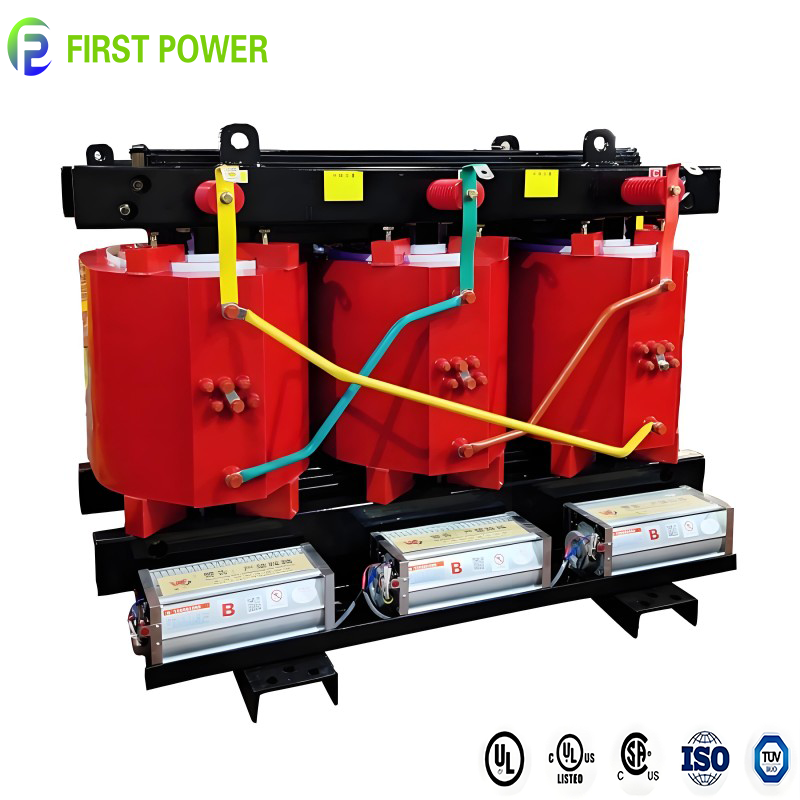 Air insulated
C CE IEEE Standard 5MVA 6MVA 6kV 35kV Three Phase Dry Type Transformer
Air insulated, oil-free cast-resin option for indoor substations, hospitals, high-rise estates and data centres. Custom 50 Hz designs can be matched to 11 kV / 0.415 kV or 33 kV / 11 kV schemes.
View product details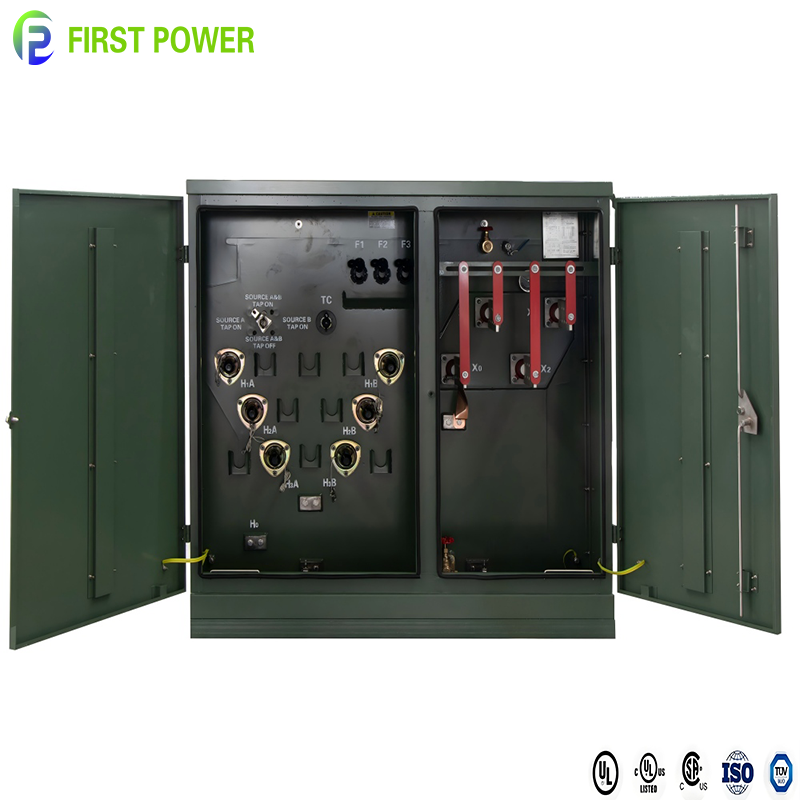 Pad mounted
Listed C CE MV&HV 50/60 Hz Three Phase Pad Mounted Transformer
Tamper-resistant outdoor distribution for commercial parks, estates and industrial feeders. Suitable for underground cable systems and space-constrained sites.
View product details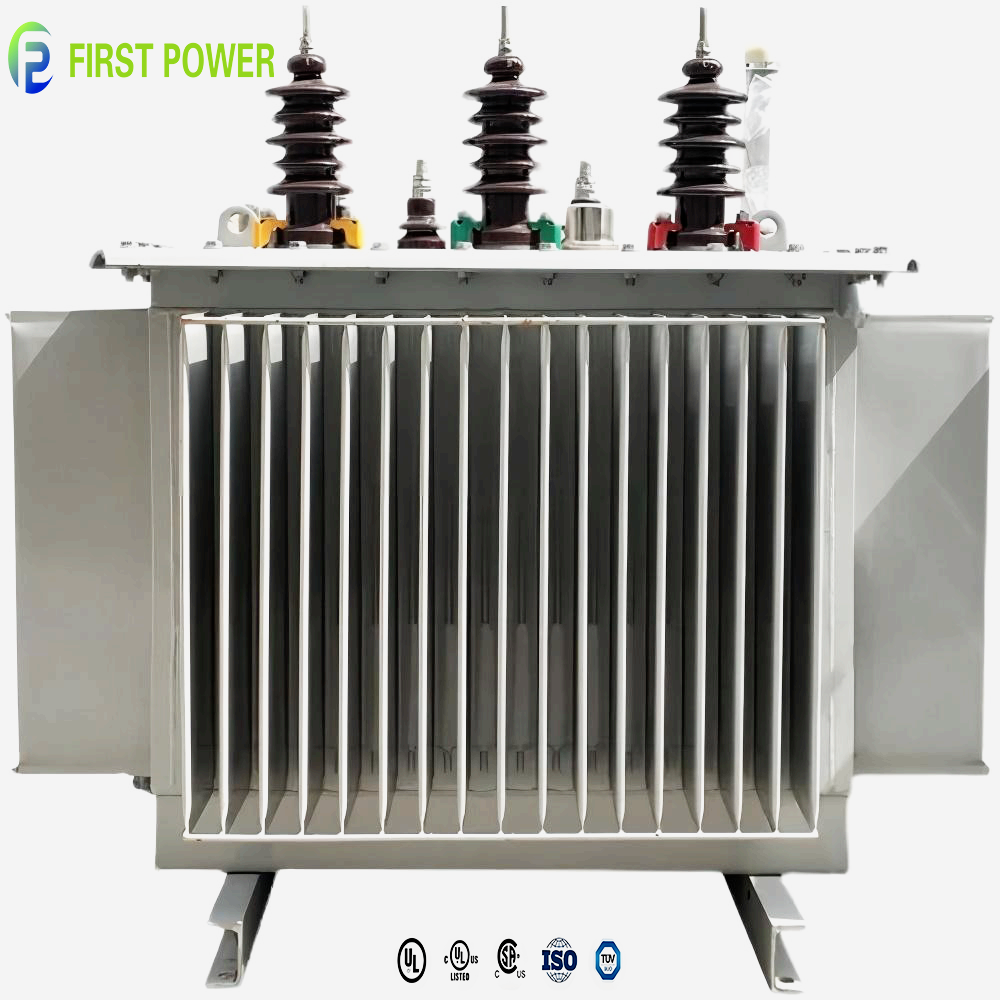 Oil immersed
C Certification 60 Hz S11 Three Phase Oil Immersed Transformer
Utility and industrial distribution transformer for 10 kV, 22 kV and 35 kV networks. Custom 50 Hz variants can be offered for Nigerian grid conditions.
View product details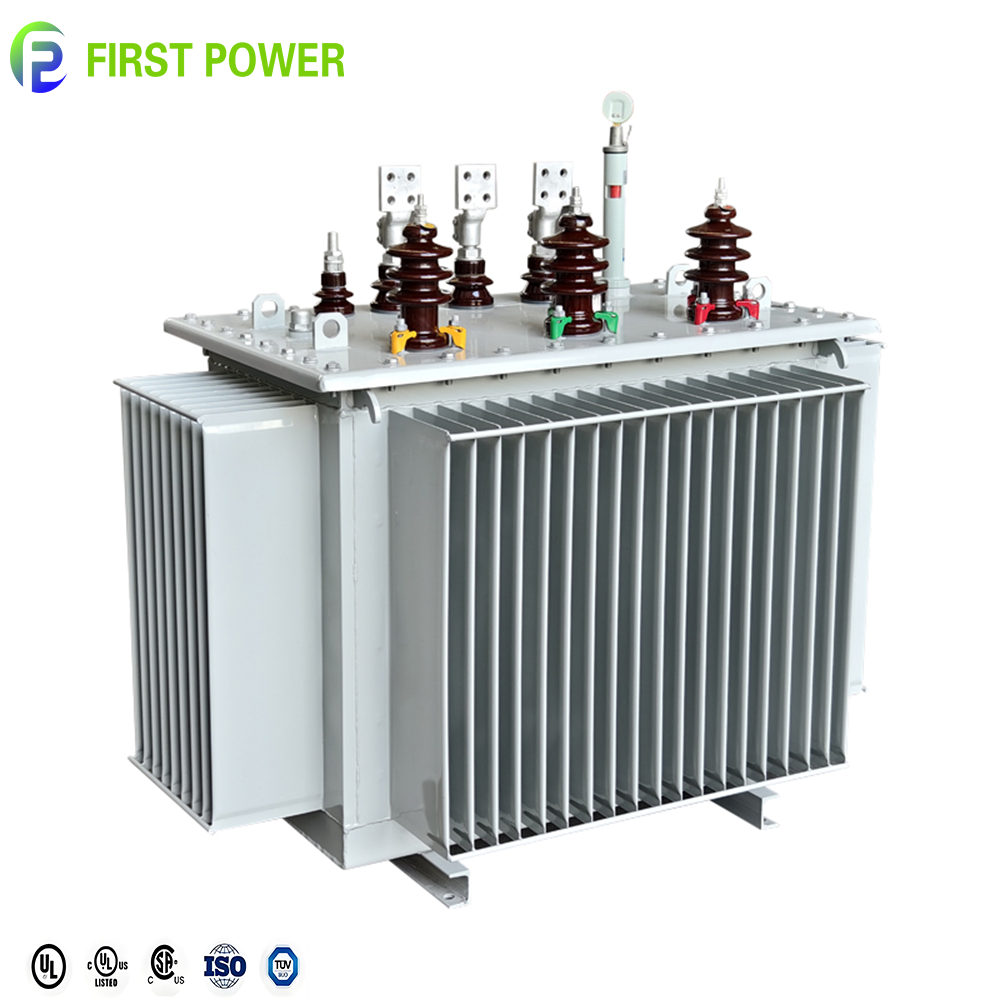 Step-up
C CE 50/60 Hz Industrial Step-Up Oil Immersed Transformer
For generator step-up, embedded generation and industrial power distribution. Ratings from 100 kVA to 500 kVA with 220 V output options.
View product details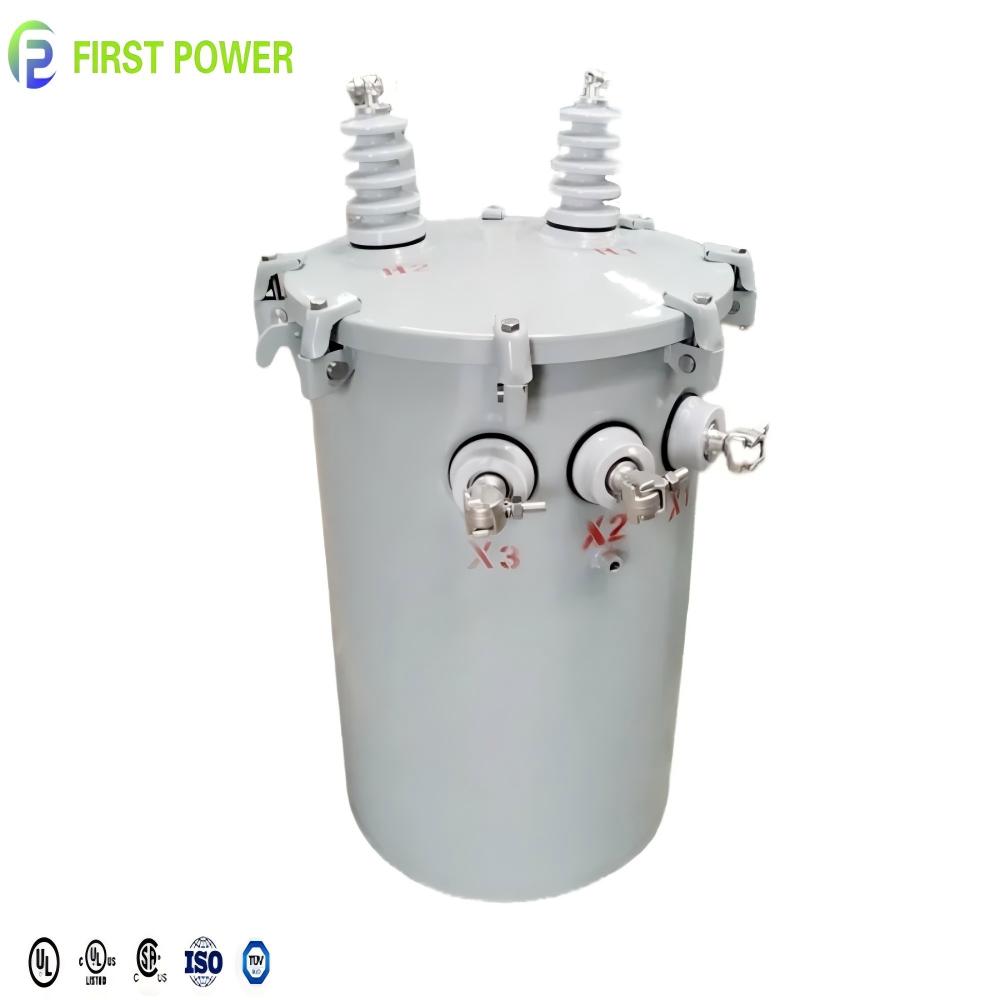 Pole mounted
ANSI 50/60 Hz Single Phase Pole Mounted Transformer
Rural electrification and single-phase distribution solution for 6 kV to 35 kV lines. Available from 15 kVA to 100 kVA with ANSI-style construction.
View product details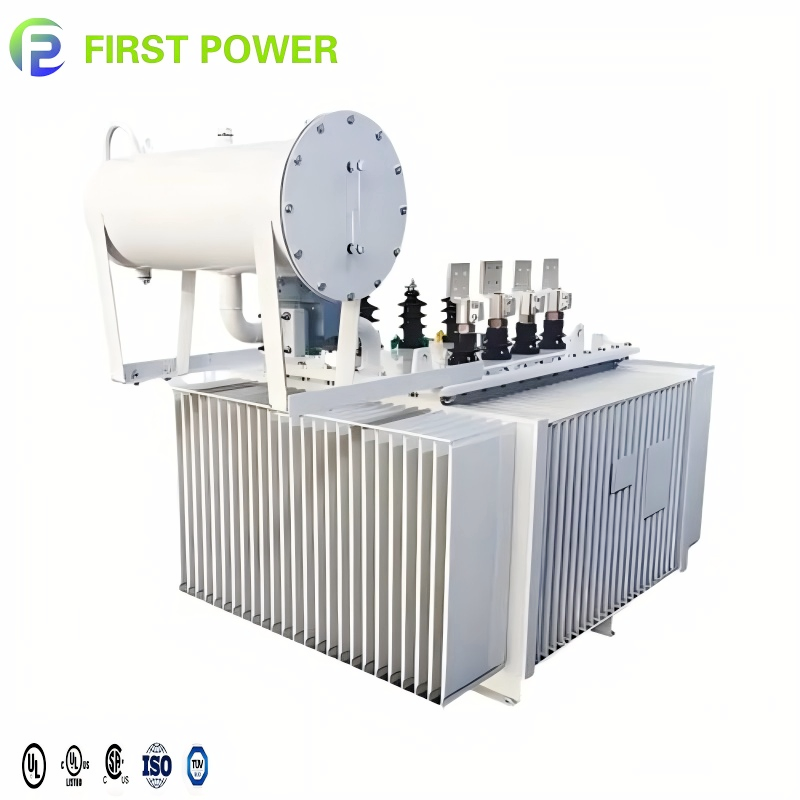 OLTC
C CE 10–35 kV Oil Type On-Load Tap Changer Transformer
For industrial networks with wide voltage variation or critical load continuity. Ratings from 1000 kVA to 2500 kVA for plant and substation applications.
View product details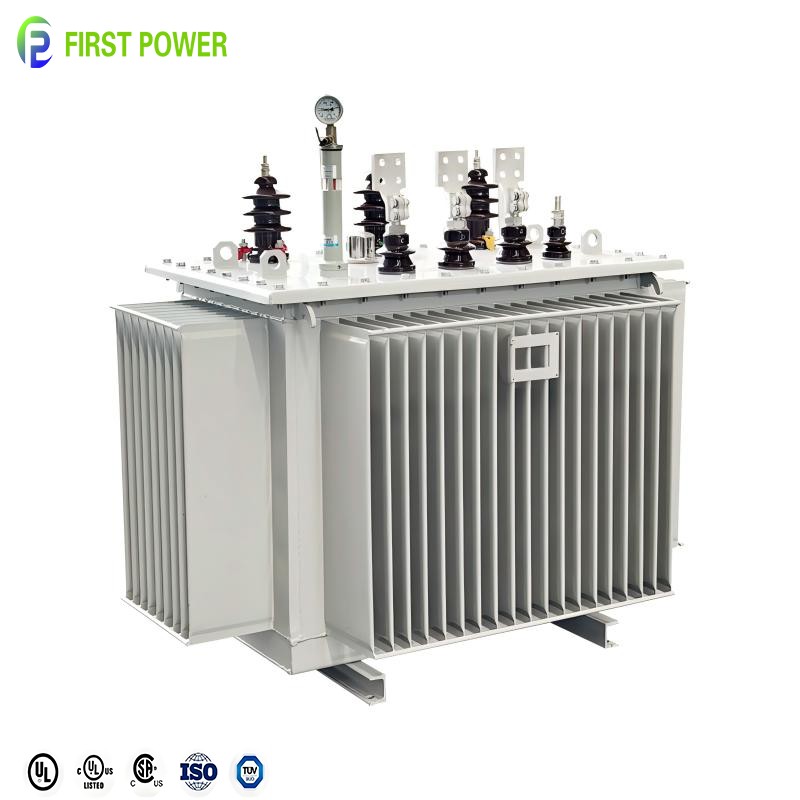 Distribution
C CE 50/60 Hz Three Phase Oil Immersed Power Transformer
Reliable distribution transformer for utility, commercial and industrial loads. 100 kVA to 1000 kVA in 10 kV, 20 kV and 35 kV classes.
View product details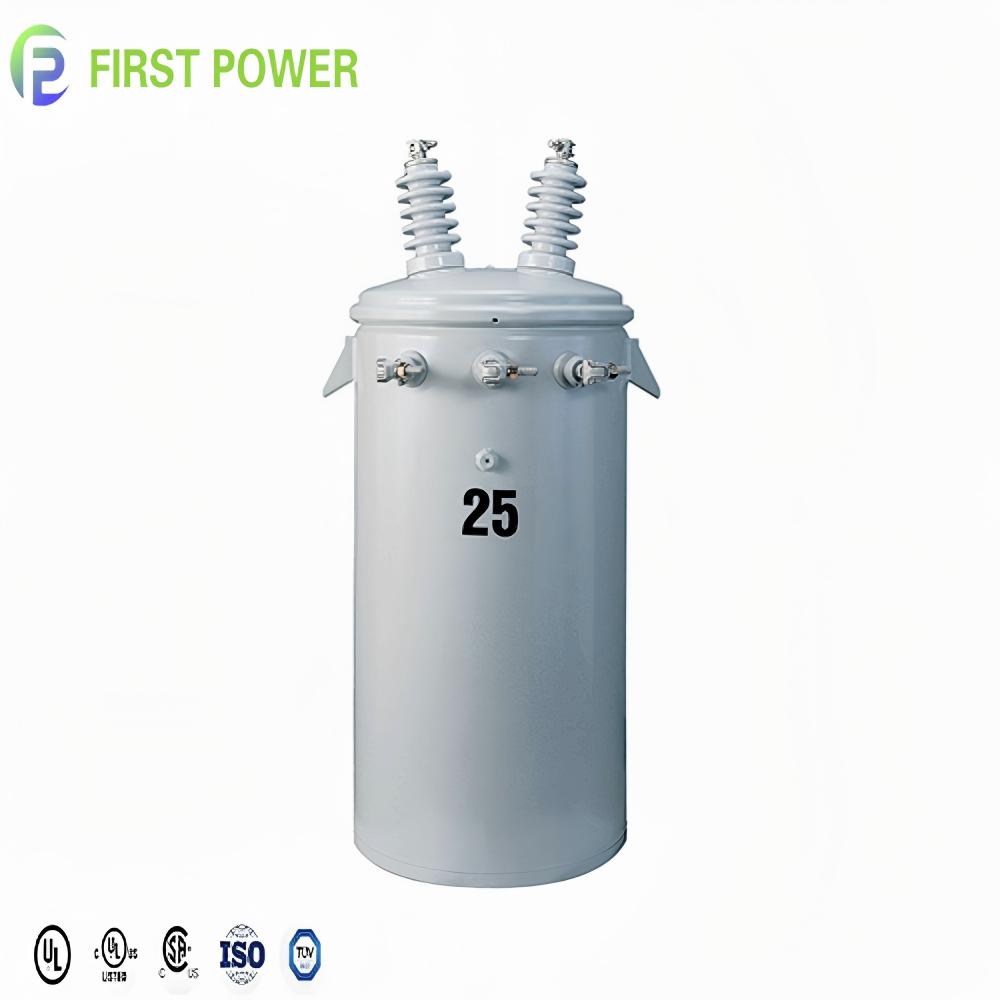 Single phase
C CE Certification MV&HV 50/60 Hz Single Phase Transformer
25 kVA single-phase distribution unit for 6 kV to 35 kV systems. Suitable for rural feeders, small commercial loads and distributed generation.
View product detailsWhat “Air Insulated Transformer” Means for a 50 Hz Nigerian Network
Air insulation is not a marketing label. It changes fire strategy, thermal behaviour, maintenance, enclosure design and the way a transformer is integrated with switchgear and building services.
Dry-Type, Air-Cooled and Oil-Free — But Not Automatically Interchangeable
An air insulated transformer typically uses cast epoxy resin, resin-impregnated insulation or another dry insulation system, with heat dissipated by natural air circulation or forced fans. It avoids mineral oil, oil bunds, oil testing and oil fire load. That makes it attractive for hospitals, shopping malls, high-rise buildings, data centres, tunnels and indoor substations where a fire in an oil-filled unit would create unacceptable risk.
But air insulated units generally have less thermal mass than oil-immersed transformers. In Nigeria, where site ambient may exceed the standard reference temperature and where enclosures may restrict ventilation, the design must include a realistic temperature-rise margin, fan control strategy and derating review. A 1000 kVA nameplate rating is only meaningful when the ambient, altitude, enclosure and load profile are declared.
For a Nigerian 50 Hz project, a practical custom air insulated specification may include 11 kV / 0.415 kV or 33 kV / 11 kV ratios, 500 kVA to 2500 kVA ratings, Dyn11 vector group, ±2 × 2.5% taps, 4–6% impedance for distribution duty, class F or H insulation, AN/AF cooling, IP23 to IP54 enclosure options and anti-condensation heaters.
Core Compliance References
For air insulated dry-type transformers, the technical basis is commonly IEC 60076-11, supported by IEC 60076-1 for general requirements, IEC 60076-3 for insulation levels and dielectric tests, IEC 60076-5 for short-circuit withstand and IEC 60076-10 for sound-level determination. Oil-immersed alternatives may reference IEC 60076-1, -2, -3, -5 and -7.
In Nigeria, project specifications frequently reference NEMSA technical requirements, SON standards and the relevant NERC, TCN or DisCo specifications. Approval routes can vary by importer, project owner and installation location, so the documentation plan should be agreed before production, not after shipment.
- Declare the actual site ambient, altitude and enclosure.
- Ask for guaranteed losses and temperature-rise basis.
- Confirm the test standard and third-party witness option.
Six Nigerian Operating Conditions That Should Change the Design
The most expensive transformer is the one that is technically compliant on paper but thermally or mechanically unsuitable for the site. These six conditions should be explicit in the RFQ.
High Ambient Temperature
Specify the real maximum shade temperature and design margin beyond a generic 40°C assumption. For enclosed dry-type units, fan-assisted cooling and a clear ventilation path may be necessary to preserve useful capacity.
Humidity and Condensation
Coastal installations and rainy-season cycling can create condensation inside enclosures. Anti-condensation heaters, suitable insulation creepage, sealed cable entries and drainage design should be specified.
Harmattan Dust and Ingress
Dust reduces cooling performance and can bridge insulation if maintenance is poor. Choose an IP rating and filter strategy that suit the site, and make filters or heat exchangers accessible for cleaning without dismantling the transformer.
Grid Voltage Variation
Tap range, impedance and surge protection should reflect the reality of voltage fluctuation and switching events. For industrial sites with drives, rectifiers or welding loads, declare harmonic content and consider a K-factor or harmonic study.
Coastal Corrosion and Flood Risk
For Lagos, Port Harcourt and coastal plants, paint systems and hardware should match a defined corrosion category. Raise plinths, review cable-entry height and specify stainless or suitably protected fasteners where flooding or salt spray is credible.
Transport and Installation Reality
Design for the route to Apapa, Tin Can or Onne, including lifting points, shipping dimensions, sea fastening and shock indicators. Check available crane capacity and site access before finalizing the enclosure and tank design.
Which Transformer Type Fits the Nigerian Application?
Use this matrix as a first-pass screening tool. Final selection still requires load-flow, short-circuit, harmonic, ambient and fire-safety review.
| Application | Recommended Type | Typical Rating / Voltage | Why It Fits | Procurement Check |
|---|---|---|---|---|
| Hospital, high-rise, data centre | Air insulated dry-type transformer | 500–2500 kVA, 11/0.415 kV or 33/11 kV | Oil-free indoor installation, reduced fire load and easier integration with building services. | Ambient, IP rating, fan cooling, harmonic study, anti-condensation heaters. |
| Residential estate or commercial park | Compact substation or pad-mounted transformer | 500–1000 kVA, 11/0.415 kV | Fast site deployment and safer public interface with a tamper-resistant enclosure. | Footprint, cable entry, ventilation, earthing, access for maintenance. |
| DisCo distribution feeder | Oil-immersed distribution transformer | 100–1000 kVA, 33/11 kV or 11/0.415 kV | Mature utility practice, good overload capability and lower first cost for outdoor locations. | Loss guarantees, oil containment, pole/platform design, lightning surge protection. |
| Factory with motors and drives | Oil-immersed or air insulated transformer | 1000–2500 kVA, 11/0.415 kV | Must match motor-starting duty, harmonic distortion and future load growth. | Impedance, K-factor or harmonic derating, cooling margin, OLTC if voltage varies. |
| Solar mini-grid or embedded generation | Step-up oil transformer or compact substation | 100–1000 kVA, 0.415/11 kV or 11/33 kV | Connects distributed generation to the local network with appropriate protection and metering. | Reverse power, islanding, protection coordination, utility interconnection requirements. |
| Rural or single-phase extension | Single-phase pole-mounted transformer | 15–100 kVA, 11 kV or 33 kV class | Cost-effective for dispersed loads and single-phase feeders. | Pole loading, fuse coordination, lightning protection, phase balancing. |
Typical values are for planning discussion only. Custom ratings, vector groups, taps, enclosures and loss levels can be engineered against the project specification.
Total Cost of Ownership Matters More Than the First Price
Air insulated transformers can reduce fire-risk expenditure and simplify indoor installation. Oil-immersed transformers often remain the better economic choice for outdoor utility distribution. Nigerian buyers should compare both over the project life, not only at tender stage.
| Decision Factor | Air Insulated / Dry Type | Oil Immersed | Nigeria Procurement Implication |
|---|---|---|---|
| Fire and oil containment | No oil, lower fire load, suitable indoors and in public buildings. | Requires oil containment, fire separation and oil handling procedures. | Dry type can reduce civil and fire-protection costs in dense urban projects. |
| Thermal behaviour | Lower thermal mass; ambient and enclosure design are critical. | Oil provides thermal mass and strong overload behaviour. | For hot, enclosed sites, specify fan cooling and temperature-rise margin. |
| Maintenance | No oil testing; cleaning, fan and insulation checks remain essential. | Oil tests, leak inspection and oil treatment may be required. | Compare local maintenance capability and spare-part availability. |
| First cost | Usually higher for the same kVA in many configurations. | Often lower for outdoor distribution ratings. | Do not compare only kVA price; include civil, fire, cable and maintenance costs. |
| Best location | Indoor, basements, hospitals, high-rise, data centres. | Outdoor platforms, pad mounts, utility substations and industrial yards. | The installation location is often the strongest deciding factor. |
From Nigerian Project Specification to Factory Test and Export
A custom transformer order works best when the buyer and manufacturer exchange engineering data in a controlled sequence. This is the workflow Wisegj uses for OEM, ODM, design-based and sample-based customization.
Specification Review
Engineers review rating, voltage, frequency, vector group, impedance, taps, cooling, ambient, altitude, enclosure and applicable standard.
Design & Drawing Approval
GA drawing, nameplate draft, guaranteed losses, terminal arrangement and test plan are issued for approval before production.
Controlled Production
Core cutting, winding, drying, assembly and tank or enclosure work follow documented process checkpoints and inspection records.
Routine Testing
Each unit receives routine tests. Third-party witness inspection and additional type-test review can be arranged when agreed.
Packing & Export
Seaworthy packing, shock indicators, lifting marks and shipping documents are prepared for the selected Nigerian port and Incoterm.
What Nigerian Buyers Should Verify Before Shipment
E-E-A-T in transformer procurement is not a marketing statement. It is a chain of evidence: design standard, approved drawings, material traceability, test records, certificate numbers and export documentation.
Factory Tests and Technical Documents
For each transformer, request routine test records covering winding resistance, voltage ratio and vector group, impedance and load loss, no-load loss and current, applied voltage withstand and induced voltage withstand. For liquid-filled units, oil dielectric strength and related oil tests should be included. Dry-type units should have a clear insulation-resistance and dielectric test record.
- GA drawing, nameplate drawing and terminal layout.
- Guaranteed losses and impedance tolerance statement.
- Routine test report with serial-number traceability.
- English O&M manual, packing list and lifting instructions.
- CE, ISO and other certificates applicable to the supplied scope.
Auditable Manufacturer Credentials
Jiangsu Wisegj Power Co., Ltd. works under ISO 9001, ISO 14001 and ISO 45001 management systems. The available quality documentation includes ISO 9001 certificate No. 62824Q6052R0S, ISO 14001 certificate No. 62824E6053R0S and ISO 45001 certificate No. 62824S6054R0S. Product-line certificates include CE for oil-immersed power transformers No. 3N230310.JYTU038, CE for dry-type transformers No. FQC2530404 and CE for compact substations No. M.2025.206.C121884.
Production capability, floorspace and quality inspection have been verified by TÜV Rheinland as an independent third-party inspection body. For Nigeria, the final SONCAP and NEMSA route should be confirmed against the importer, project owner and installation category before shipment; Wisegj can provide the technical documents and test reports normally requested for that review.
Why Wisegj Is a Practical OEM Partner for the Nigeria Market
The company combines a broad transformer portfolio with export documentation, customization and factory testing. The advantage is not a single product; it is the ability to align the design, certificate package and shipment with the project.
Verified Production Capacity
6,847 m² of verified production floorspace with dedicated winding, core assembly, drying, tanking, assembly and testing areas.
In-House Routine Testing
Winding resistance, ratio, vector group, impedance, load loss, no-load loss, applied and induced voltage tests are documented per serial number.
OEM / ODM Customization
Ratings, vector group, impedance, taps, bushings, cooling, enclosure, paint, nameplate and manual language can be matched to the project.
Export Logistics Experience
Seaworthy packing, shock indicators and Incoterms from EXW to DDP. Shipments can be planned for Lagos, Tin Can, Apapa or Onne.
Certified Management Systems
ISO 9001, ISO 14001 and ISO 45001 systems, CE certificates for relevant product lines and independent TÜV Rheinland verification.
Engineer Response Within 24 Hours
Technical questions and after-sales issues are handled by qualified engineers, with English drawings, test reports and operation manuals.
Procurement Trends Reshaping Transformer Demand in Nigeria
These trends are visible across utility, industrial and commercial projects. They should influence the technical specification, not only the commercial negotiation.
Distribution Loss Reduction
DisCos and project owners are paying closer attention to no-load and load losses, right-sizing of kVA ratings and lifecycle cost. A low first price can be outweighed by energy losses over 15–20 years.
Solar and Hybrid Mini-Grids
Embedded solar, battery systems and diesel-hybrid plants require step-up or isolation transformers that match inverter output, protection coordination and utility interconnection rules.
Industrial Captive Power
Factories, agro-processing plants, cement facilities and manufacturing clusters need transformers that tolerate motor starting, harmonics, voltage dips and future expansion.
Fire Safety in Public Buildings
Hospitals, high-rise developments, data centres and transport projects increasingly prefer oil-free air insulated transformers to reduce fire load and simplify indoor substation design.
Documentation and Local Content
Procurement teams are asking for traceable test reports, certificate numbers, O&M manuals and clearer import documentation. Suppliers that treat documentation as part of the product win more repeat orders.
Port and Project Staging
Sea freight, port clearance and site access can affect the total schedule. Early coordination on packing dimensions, lifting weight, port of discharge and installation sequence reduces project risk.
Common Procurement Questions About Air Insulated Transformers
These are the questions we receive most often from Nigerian developers, consultants, EPCs and industrial buyers.
Are air insulated transformers suitable for Nigeria’s heat and humidity?
Which standards and approvals matter for a Nigerian project?
What ratings and voltages are most common in Nigeria?
Can you customize for 50 Hz, Dyn11, taps, IP rating and nameplate?
Which tests are performed before shipment?
Can you support SONCAP and NEMSA documentation?
How are transformers shipped to Nigeria?
What lead time should a Nigerian buyer expect?
What payment methods and currencies are accepted?
How should a buyer compare air insulated and oil immersed transformers?
What should be included in the RFQ for a faster quotation?
Have a 50 Hz Nigeria Specification Ready for Review?
Share your transformer rating, voltage ratio, installation environment, single-line diagram and required documentation. A qualified engineer can review the design basis and prepare a custom OEM proposal for the Nigeria market.
Useful details to include: kVA rating, 11 kV or 33 kV primary voltage, 0.415 kV secondary voltage, Dyn11 or other vector group, indoor or outdoor installation, ambient temperature, IP rating, loss target and destination port.