China Wholesale Industrial Oil Transformer Suppliers & Exporters in the United Kingdom Market
A procurement-grade guide for UK utilities, EPC contractors, data-centre developers, renewable investors and industrial buyers sourcing oil-immersed transformers from China.
Eight Wholesale Industrial Oil Transformer Options for UK Buyers
The product set below covers solar PV collection, 33 kV industrial power, 11 kV distribution, pad-mounted commercial supply, pole-mounted rural loads and large 34.5 kV pad-mounted projects. Ratings and voltages are customisable to 50 Hz UK practice; every product link keeps its original destination.
 Solar PV
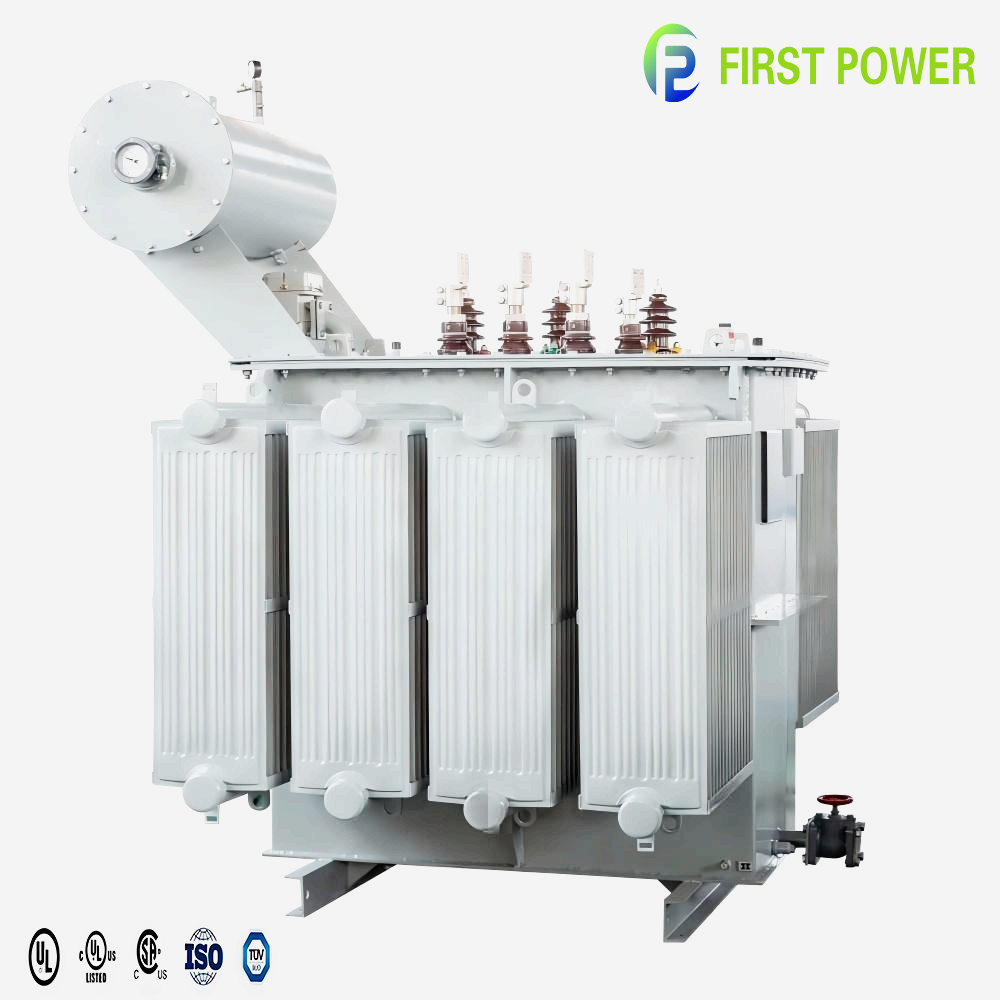
C Certification 6–35kV 1000kVA Solar PV Oil-Immersed Transformer
Oil-immersed three-phase unit for solar PV generation blocks. For the UK, specify 50 Hz, 33 kV-class interface, loss capitalisation and project-specific G99 documentation.
View Product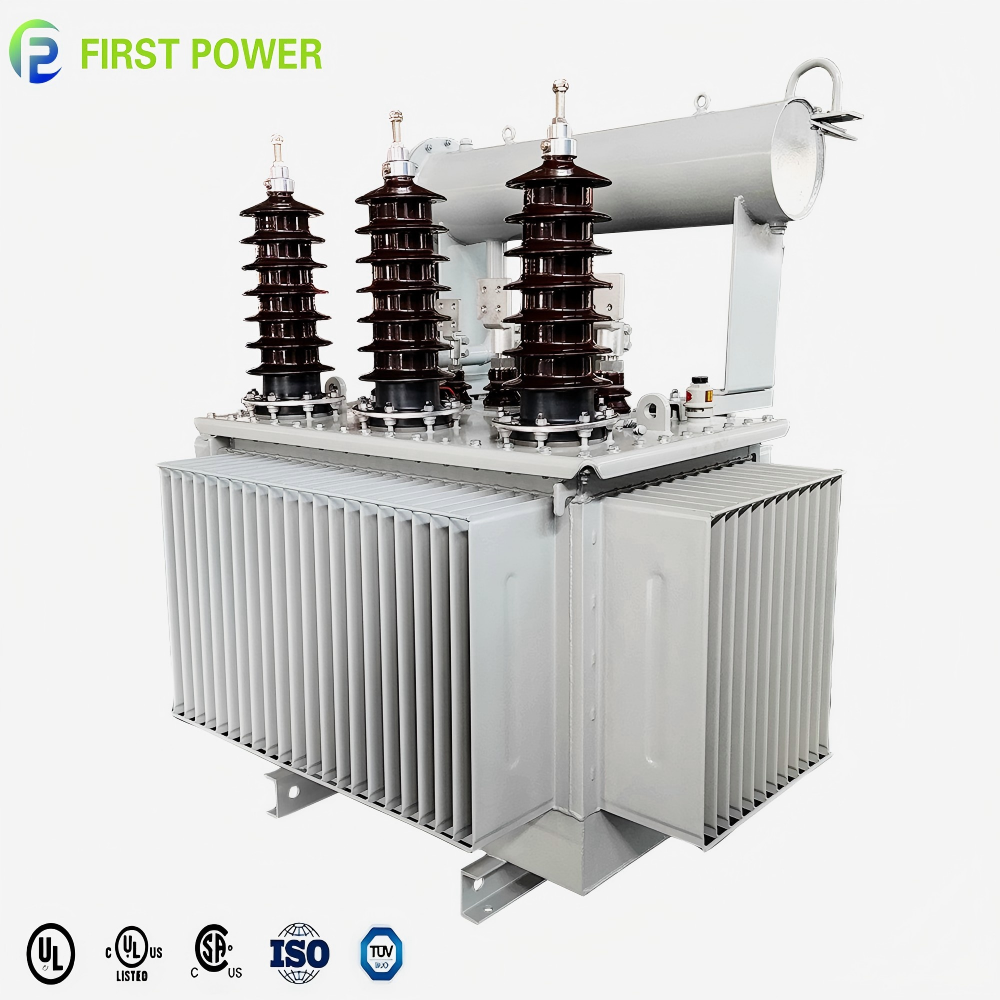 33 kV Power
CE IEEE 33kV Oil-Immersed Three-Phase Power Transformer
33 kV-class oil-immersed power transformer for industrial plants and embedded generation. Confirm vector group, impedance and DNO interface before drawing approval.
View Product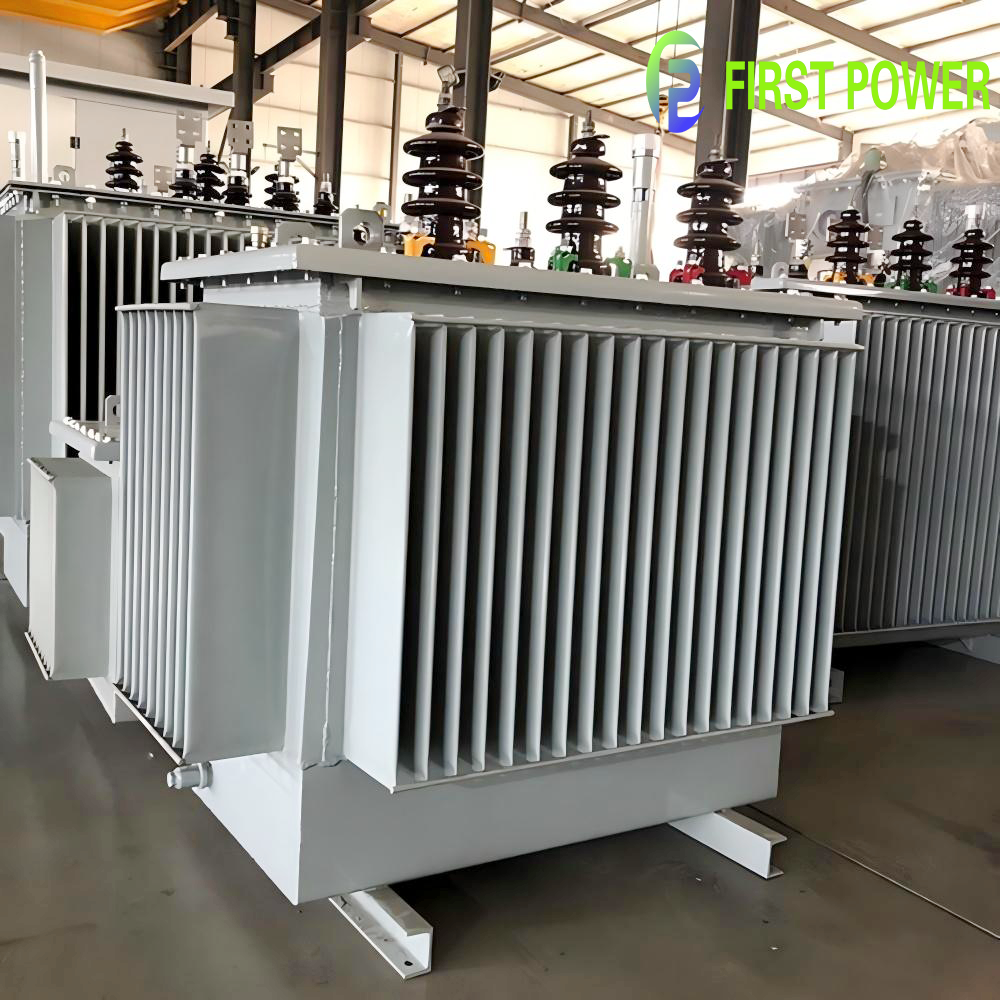 Distribution
CE S11 10–35kV 50kVA Three-Phase Oil-Immersed Distribution Transformer
S11 distribution transformer for 10–35 kV networks. Suited to 11 kV/0.4 kV distribution when configured and tested for UK 50 Hz operation.
View Product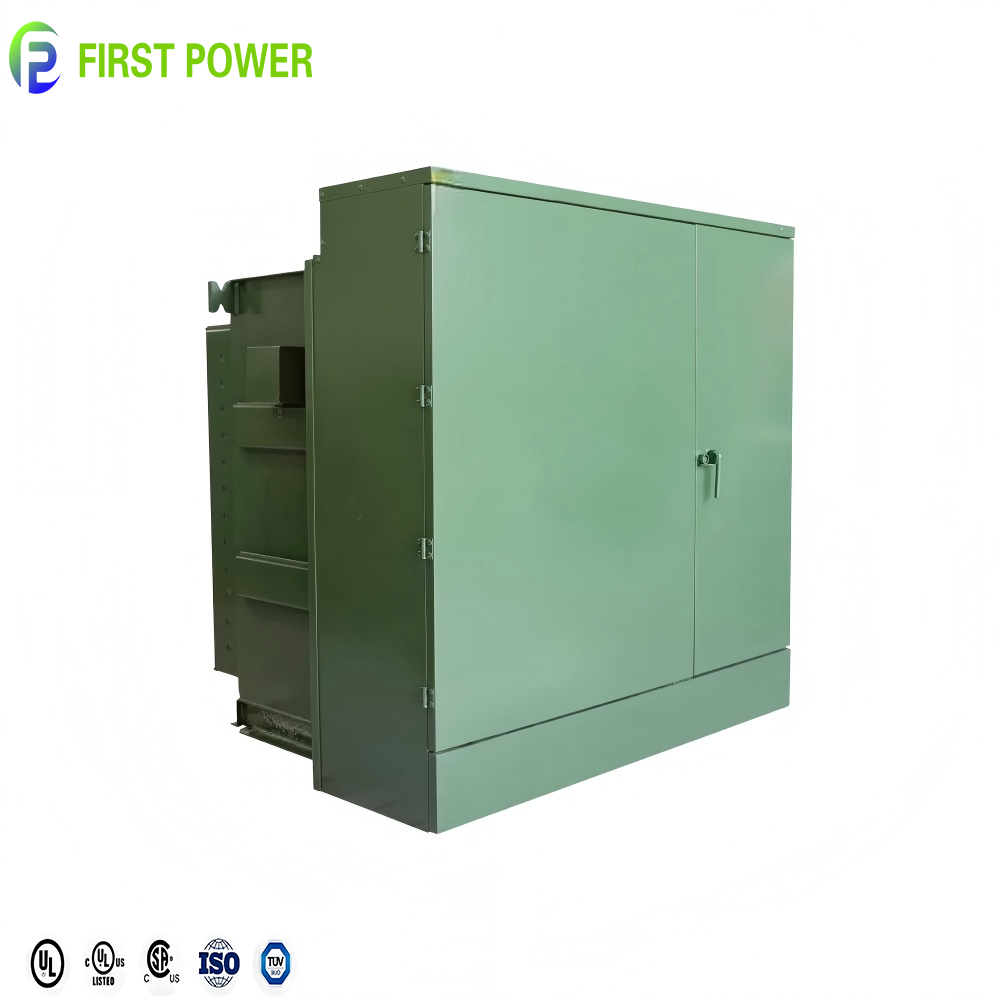 Pad-Mounted
CE 10–35kV 300–750kVA Three-Phase Pad-Mounted Distribution Transformer
Pad-mounted distribution transformer for underground feed, commercial campuses and compact outdoor substations where access and visual impact matter.
View Product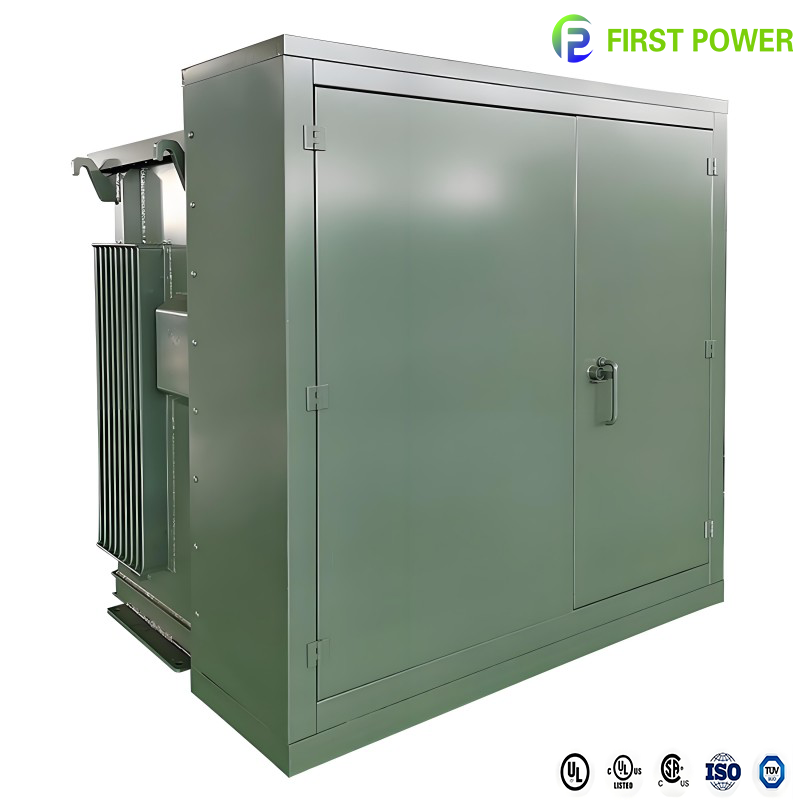 MV/HV
CE ZGS11 75–2500kVA MV/HV Pad-Mounted Three-Phase Transformer
ZGS11 pad-mounted unit for 75–2500 kVA MV/HV distribution. Use where footprint, cable termination, ventilation and planning constraints are tight.
View Product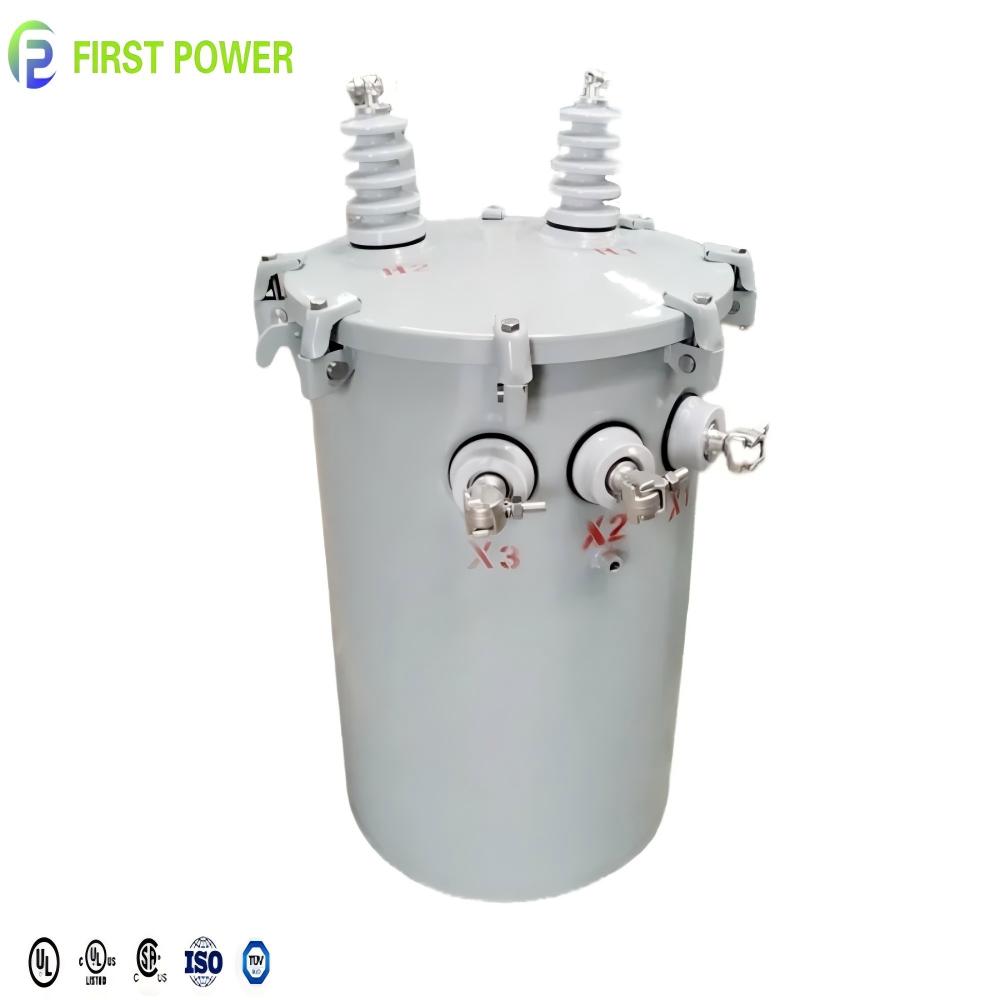 Pole-Mounted
ANSI 6–35kV 15–100kVA Single-Phase Pole-Mounted Industrial Transformer
ANSI single-phase pole-mounted transformer for rural, small industrial and overhead distribution duties. Voltage, frequency and mounting must be confirmed for UK application.
View Product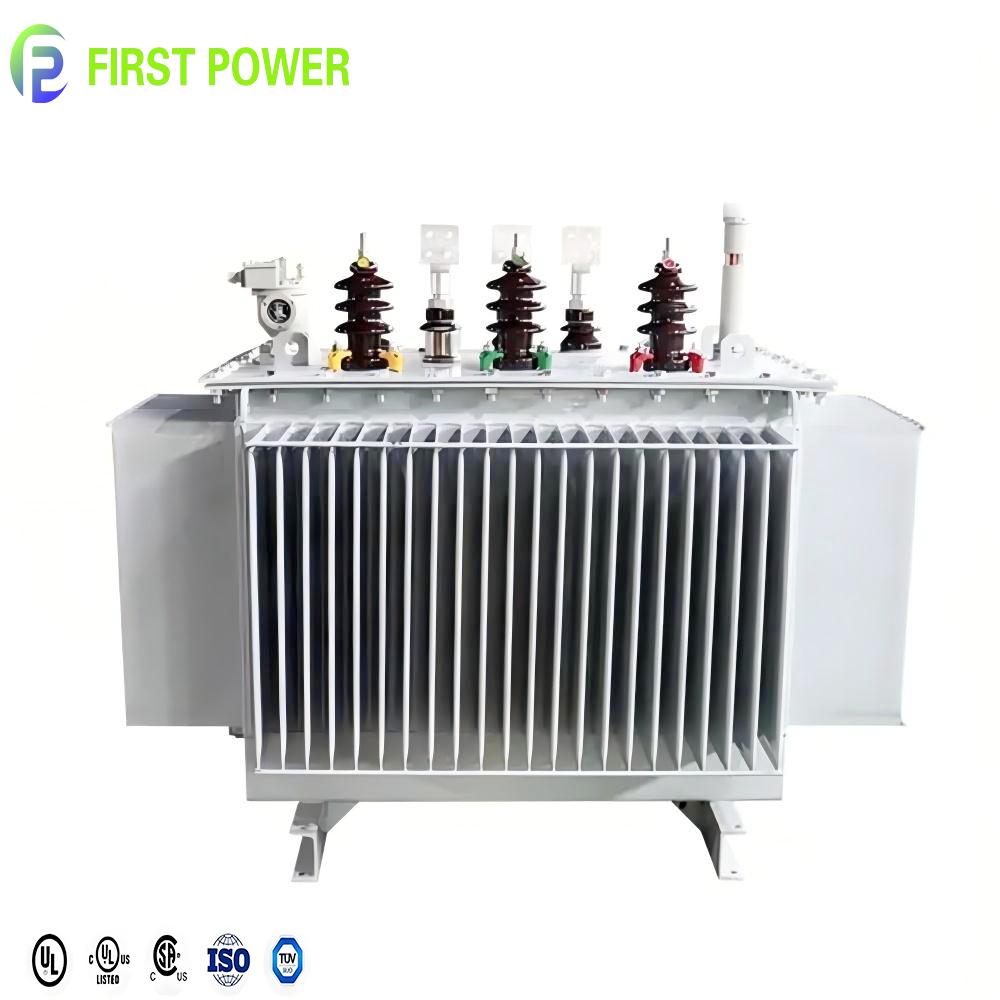 Low Loss
CE S11 10–35kV 50–250kVA Three-Phase Oil-Immersed Distribution Transformer
S11 three-phase oil-immersed transformer for 50–250 kVA distribution duties. A practical platform for utility replacement and industrial distribution upgrades.
View Product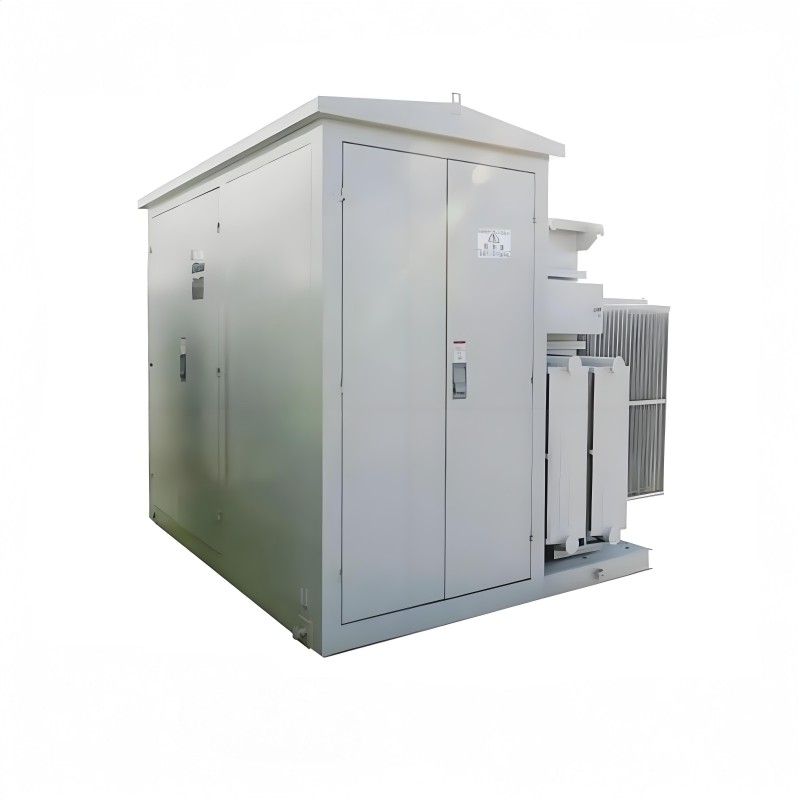 3000 kVA
American Standard CE 3000kVA 34.5kV Oil-Type Pad-Mounted Transformer
Large pad-mounted platform for high-capacity projects. The source listing includes 60 Hz wording, so a formal 50 Hz UK design review is essential before quotation.
View ProductWhat UK Buyers Must Understand Before Sourcing From China
The United Kingdom is not a simple catalogue market. A transformer that looks competitive on a quotation sheet can become expensive if it fails drawing approval, DNO review, factory acceptance testing or site energisation.
The UK power system is being re-engineered around decarbonised generation, electrified heat and transport, digital infrastructure and industrial reshoring. Oil-immersed transformers remain the workhorse of this transition because they combine high efficiency, proven dielectric strength, robust overload capability and lower first cost than dry-type units at many medium and high ratings. However, a UK project is not won by kVA alone. Buyers compare guaranteed losses, 50 Hz design, 11 kV and 33 kV compatibility, DNO connection requirements, noise, fire and oil containment, corrosion class, documentation and lifetime serviceability.
50 Hz is non-negotiable. A transformer intended for the UK must be designed, tested and documented for 50 Hz operation. Dual-frequency nameplate wording is not a substitute for a 50 Hz design review, because core flux, no-load loss, sound power and thermal margins change with frequency. For 11 kV/0.4 kV distribution, the common UK arrangement is a three-phase Dyn11 transformer with 230/400 V secondary, but final vector group, impedance, tapping and protection must follow the project single-line diagram and DNO requirements.
Losses are a commercial variable. Energy costs and net-zero procurement policies have made loss capitalisation more important. UK buyers should ask for guaranteed no-load and load losses, test tolerances, capitalisation factors and a clear remedy if routine tests fall outside the guaranteed values. The lowest purchase price is rarely the lowest total cost of ownership over 20 to 30 years.
Compliance is a dossier, not a logo. A credible China supplier should provide drawings, routine test reports, type-test references, oil test data, nameplate drafts, O&M manuals, packing records and certificate numbers that your compliance team can verify. For Great Britain, UKCA or CE documentation depends on product scope, destination and current rules; the importer remains responsible for placing compliant equipment on the market.
Supplier evidence snapshot from Jiangsu Wisegj Power Co., Ltd.
Where Industrial Oil Transformers Fit in the United Kingdom
UK applications differ by connection voltage, load profile, planning context and environmental exposure. The same oil transformer family may need different losses, cooling, enclosure, cable boxes and protection interfaces for each project.
DNO Distribution Substations
For 11 kV/0.4 kV public distribution and 33 kV/11 kV reinforcement, oil-immersed distribution transformers remain the standard workhorse. UK buyers should confirm 50 Hz design, Dyn11 vector group, tapping range, impedance, loss guarantees, cable box orientation and compliance with the relevant DNO or IDNO specification.
Data Centres and AI Campuses
UK data-centre growth is driving high-capacity, high-availability substations in West London, Slough, Manchester and other clusters. Oil transformers are often used in outdoor package substations or dedicated compounds. Specify low loss at high load factor, cooling margin, remote monitoring, oil containment and a factory test plan that satisfies the operator’s commissioning team.
EV Charging Hubs and Fleet Depots
Rapid charging hubs, bus depots and logistics fleets create dense, cyclic loads that can be less forgiving than traditional building demand. Transformer sizing must consider future charger expansion, harmonic loss, temperature rise and protection coordination. A wholesale buyer should standardise on a UK 50 Hz platform and keep spares common across sites.
Solar, Onshore Wind and BESS
Renewable and storage projects use 33 kV-class collector systems, package substations and pad-mounted transformers. G99 connection studies are project-level, but the transformer design must support fault level, reactive capability, losses and protection settings. Coastal or exposed sites also require a corrosion and ingress protection review.
Industrial Plants, Logistics and Ports
Manufacturing lines, cold stores, logistics parks and port electrification often require 11 kV or 33 kV supply with harsh environmental exposure. Oil-immersed transformers can be cost-effective where outdoor installation, high overload capability and proven service life are valued. For coastal sites, specify paint system, enclosure grade and terminal protection.
Urban Regeneration and District Energy
City-centre regeneration, universities, hospitals and district-energy schemes face tight plant rooms, planning constraints and fire strategy review. Where oil-filled equipment is used outdoors, bunded enclosures and oil containment are often required. Compact substations and low-noise transformers help satisfy planning and environmental conditions.
Market Trends Shaping UK Oil Transformer Specifications
The direction of UK procurement is clear: lower lifetime losses, stronger compliance evidence, tighter space envelopes and more transparent factory testing.
Loss Capitalisation and TCO
UK buyers increasingly evaluate transformers on total cost of ownership, not purchase price alone. Guaranteed no-load and load losses should be contractual, test-verified and linked to capitalisation factors that reflect the project’s energy strategy.
50 Hz and DNO-Specific Designs
UK projects require 50 Hz designs, UK voltage ratios, project-specific vector groups and DNO-compatible protection interfaces. A supplier that can read a UK single-line diagram and comment sheet reduces engineering friction.
Compliance Traceability
UKCA or CE documentation, IEC/BS EN 60076 test evidence, certificate numbers and factory acceptance records are becoming standard tender requirements. A logo alone is not enough; the dossier must be verifiable.
Compact and Pad-Mounted Solutions
Urban land values, planning visibility and underground cable practice favour compact pad-mounted and package substation designs. Footprint, ventilation, lifting, cable entry and noise data should be fixed early.
Environmental Risk and Insulating Fluid
Natural ester fluids, oil containment, leakage protection and end-of-life recycling are increasingly discussed in UK tenders. The correct choice depends on fire strategy, environmental sensitivity, temperature and cost.
Supply-Chain Resilience
UK buyers are diversifying suppliers while tightening factory audit and witness testing. Early specification, drawing approval and material planning are more valuable than ever for projects with fixed energisation dates.
Matching Product Families to UK Project Needs
Use this matrix as an early-stage screening tool. Final selection must follow the single-line diagram, fault study, protection study and DNO or IDNO comment resolution.
| Product Family | Best UK Use | Verify Before Order |
|---|---|---|
| 35 kV 1000 kVA Solar PV Oil Transformer | Solar farms, renewable collector blocks and embedded generation where a 33 kV-class interface is specified. | 50 Hz design, 33 kV adaptation, vector group, loss capitalisation, G99 project documents and corrosion class. |
| CE IEEE 33 kV Oil-Immersed Power Transformer | Industrial plants, large campuses and embedded generation requiring a robust 33 kV-class power transformer. | Impedance, tapping, cooling, noise, cable boxes, protection interface and DNO comment resolution. |
| S11 50 kVA Distribution Transformer | Small distribution loads, rural reinforcement and compact industrial supplies. | 11 kV/0.4 kV ratio, Dyn11 vector group, loss values, mounting arrangement and oil containment. |
| 300–750 kVA Pad-Mounted Transformer | Commercial developments, data-centre compounds and underground distribution where footprint is constrained. | Enclosure rating, cable entry, fuse and switch configuration, ventilation, lifting and planning appearance. |
| ZGS11 75–2500 kVA Pad-Mounted Transformer | Compact MV/HV distribution for urban, industrial and renewable projects with restricted space. | Footprint, weight, heat dissipation, noise, access, secondary cabling and site lifting plan. |
| ANSI Single-Phase Pole-Mounted Transformer | Rural, overhead and small industrial supplies where single-phase distribution is appropriate. | UK frequency, voltage ratio, mounting standard, protection and whether the project actually uses pole-mounted practice. |
| S11 50–250 kVA Three-Phase Transformer | Standard utility and industrial distribution replacements where a proven oil-immersed platform is required. | Loss guarantees, temperature rise, tapping range, test reports and compatibility with existing switchgear. |
| American Standard 3000 kVA Pad-Mounted Transformer | Large pad-mounted projects and high-capacity sites where an export-style platform is technically suitable. | 50 Hz redesign, 33 kV compatibility, transport weight, oil volume, cooling and UK statutory documentation. |
Product ratings shown are based on the published product family descriptions. Project-specific ratings, losses, impedance and accessories must be confirmed by a transformer engineer.
A UK Procurement Checklist That Prevents Costly Revisions
A well-prepared RFQ shortens drawing approval, reduces commercial risk and gives the factory a clear basis for design. These are the data points UK buyers should issue with the enquiry.
Illustrative UK tender scorecard: beyond purchase price
The scorecard is illustrative, not a universal standard. A practical total cost of ownership model should combine purchase price, capitalised no-load loss, capitalised load loss, installation, maintenance, outage risk and end-of-life cost.
Frequently Asked Questions From UK Procurement Teams
These answers reflect the practical questions raised by utilities, EPCs, industrial buyers and renewable developers when sourcing oil transformers from China.
Can Chinese oil-immersed transformers be used in the United Kingdom?
Yes, provided the transformer is designed and tested for the UK project’s 50 Hz system, voltage ratio, fault level, protection scheme and environmental conditions. The importer must ensure that the equipment meets the applicable UK regulatory requirements and that the correct conformity documentation is available. The final decision should always be based on the project specification, DNO or IDNO requirements and a documented technical review.
What is the correct transformer arrangement for a UK 11 kV distribution project?
A common UK distribution arrangement is 11 kV/400 V three-phase with a Dyn11 vector group, but projects vary by DNO, fault level, neutral policy, protection and existing network practice. The RFQ should state the primary and secondary voltages, vector group, impedance, tapping range, losses, temperature rise, cable box arrangement and whether an off-circuit or on-load tap changer is required.
Which certificates, tests and documents should a UK buyer request?
Ask for ISO 9001, ISO 14001 and ISO 45001 certificates where applicable, CE or UKCA documentation according to product scope and destination, type-test references, routine test reports, oil dielectric test data, pressure test records, paint and enclosure inspection records, GA drawings, nameplate drafts, packing lists and O&M manuals. Factory acceptance testing and third-party witness inspection should be agreed before production.
How do DNO approval and G99 affect transformer procurement?
The transformer is one component of a wider grid connection. DNO or IDNO approval usually depends on the single-line diagram, fault level, protection settings, earthing, loss performance and the connection application. G99 applies to certain generation connections and is a project-level process, not a transformer-only certificate. Early engagement with the network operator and a transformer supplier that understands the interface documents reduces rework.
What shipping terms and import issues should UK buyers consider?
FOB, CFR, CIF, DAP and DDP terms can all be discussed, but the buyer should clarify who handles UK import VAT, customs duty, port charges and final delivery. Wood packaging must meet UK plant-health requirements, and the equipment should be packed for sea freight with shock and moisture protection. DDP does not remove the importer’s responsibility for product compliance and technical acceptance.
What lead time and after-sales support should be expected?
Lead time depends on rating, drawings, material availability, testing and shipping schedule. Engineered transformers require drawing approval before production, and witness testing can add time. A supplier should provide a documented production schedule, test plan, packing plan and after-sales contact. Jiangsu Wisegj Power offers 24-hour pre-sale and after-sale response, OEM/ODM customisation and export documentation support.
Why Choose Jiangsu Wisegj Power as a China Wholesale Partner?
For UK buyers, supplier selection is a risk-management decision. The factory must demonstrate engineering depth, traceable quality control and export discipline, not just a low quotation.
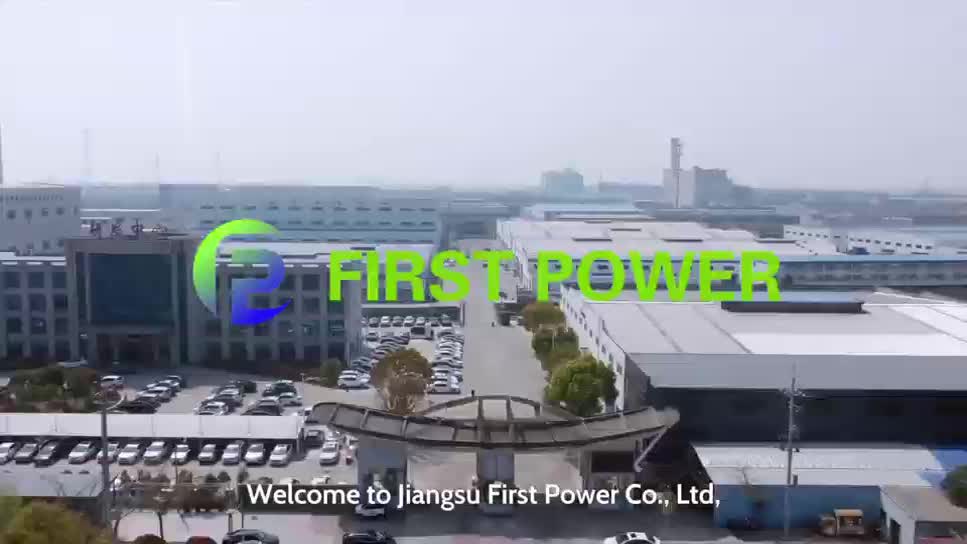
A specialist transformer supplier based in Suzhou, China
Jiangsu Wisegj Power Co., Ltd. designs, assembles and exports medium and high voltage equipment from 220 V up to 500 kV, including power transformers, distribution transformers, pad-mounted transformers, oil-immersed transformers, dry-type transformers, compact substations, switchgear, distribution boxes and voltage stabilisers.
The team brings more than 20 years of hands-on transformer experience. Projects are reviewed by engineers before quotation, produced under ISO management systems and shipped with routine test reports, drawings and documentation so procurement teams can compare technical compliance before commercial terms.
20+ Years of Team Experience
Engineering and export experience across distribution, power, pad-mounted and renewable transformer applications.
6,847 m² Verified Floorspace
Production capability, floorspace and quality inspection verified onsite by TÜV Rheinland, an independent third-party body.
50+ R&D Engineers
Technical review, drawings, loss optimisation, customisation and test documentation supported by an in-house engineering team.
ISO and CE Management Systems
ISO 9001 No. 62824Q6052R0S, ISO 14001 No. 62824E6053R0S and ISO 45001 No. 62824S6054R0S, with CE certificates for relevant transformer lines.
Routine Testing and Witness Inspection
Ratio, resistance, loss, impedance, dielectric and oil tests can be documented per serial number. Third-party witness testing is welcome.
OEM, ODM and Design Customisation
Ratings, vector group, impedance, tap range, bushings, cooling, insulating fluid, enclosure colour and nameplate language can be adapted.
Export Logistics and Incoterms
Seaworthy packing, shock and moisture protection, export documents and trade terms from EXW to DDP, with multiple currency options.
24-Hour Engineer Response
Technical questions, drawing comments and after-sales issues receive a qualified response within one working day.
Send Your UK Transformer Specification for Engineering Review
Include the single-line diagram, voltage ratio, 50 Hz confirmation, vector group, impedance, guaranteed losses, site conditions, delivery port and any DNO or G99 interface requirements. A transformer engineer will review the data and respond within one working day.
This guide is written for specification planning. Final transformer design, certification and network connection approval must be confirmed against the project documents, UK regulatory requirements and the relevant DNO or IDNO process.