8 Transformer Products for Dar es Salaam Buyers
Below are eight export-ready transformer products from our manufacturing range. Every product URL has been retained for direct review. For single-phase pad-mounted enquiries in Dar es Salaam, the C CE Certification MV&HV 50/60HZ 6KV 10KV 20KV 35KV 25KVA Single Phase Transformer is the key reference; three-phase pad-mounted and oil-immersed units support larger mixed-use, commercial and light-industrial developments.
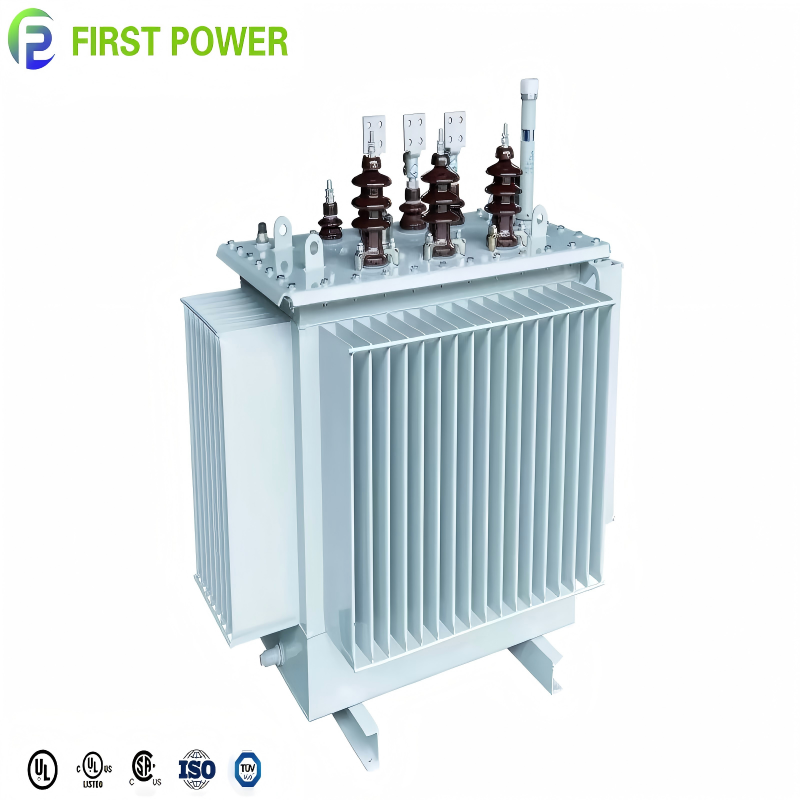
C CE S11 50/60HZ 6KV 10KV 15KV 20KV 35KV 100KVA 300KVA 3 Phase Oil Immersed Transformer 50KVA 33KV for Distribution System
- Rating 50–300 kVA
- Voltage 6–35 kV
- Frequency 50/60 Hz
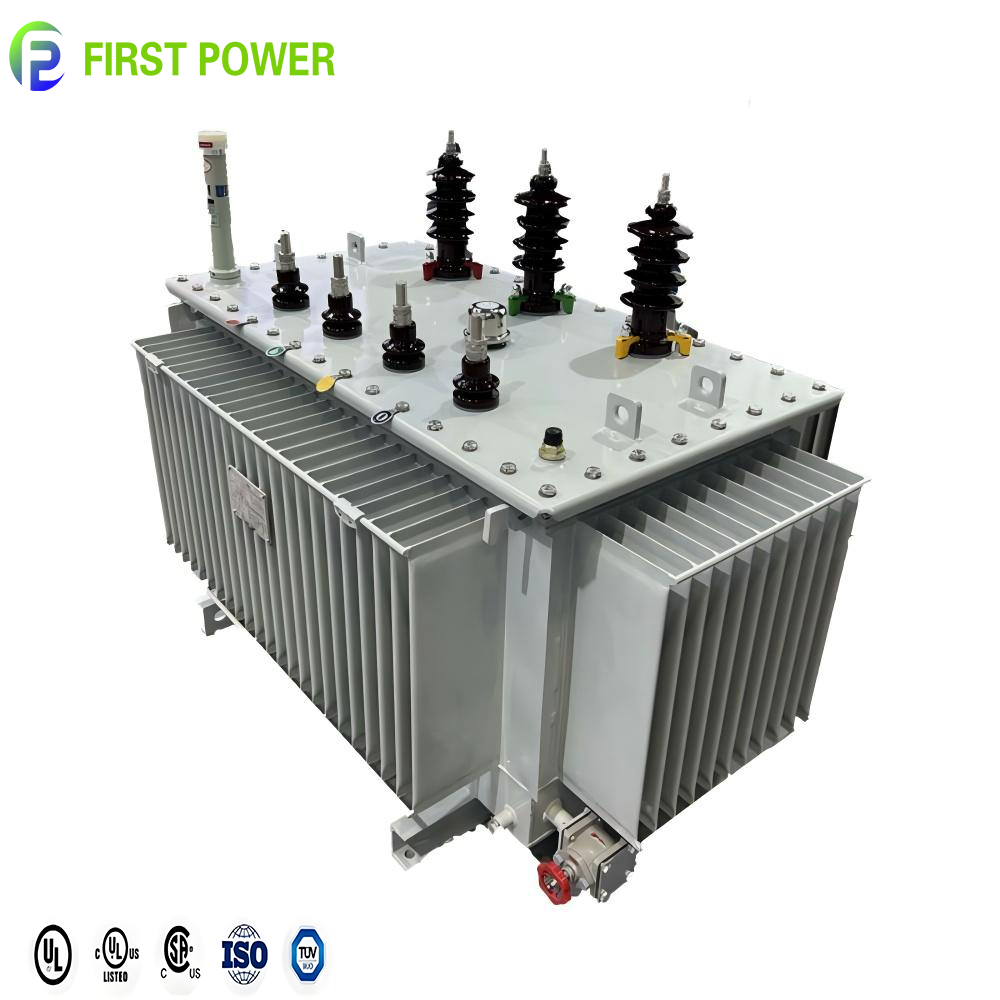
C CE 50/60HZ S11 10KV 20KV 35KV 50KVA 100KVA 200KVA 3 Phase Electrical Oil Immersed Transformer for Distribution System
- Rating 50–200 kVA
- Voltage 10–35 kV
- Type Oil-immersed
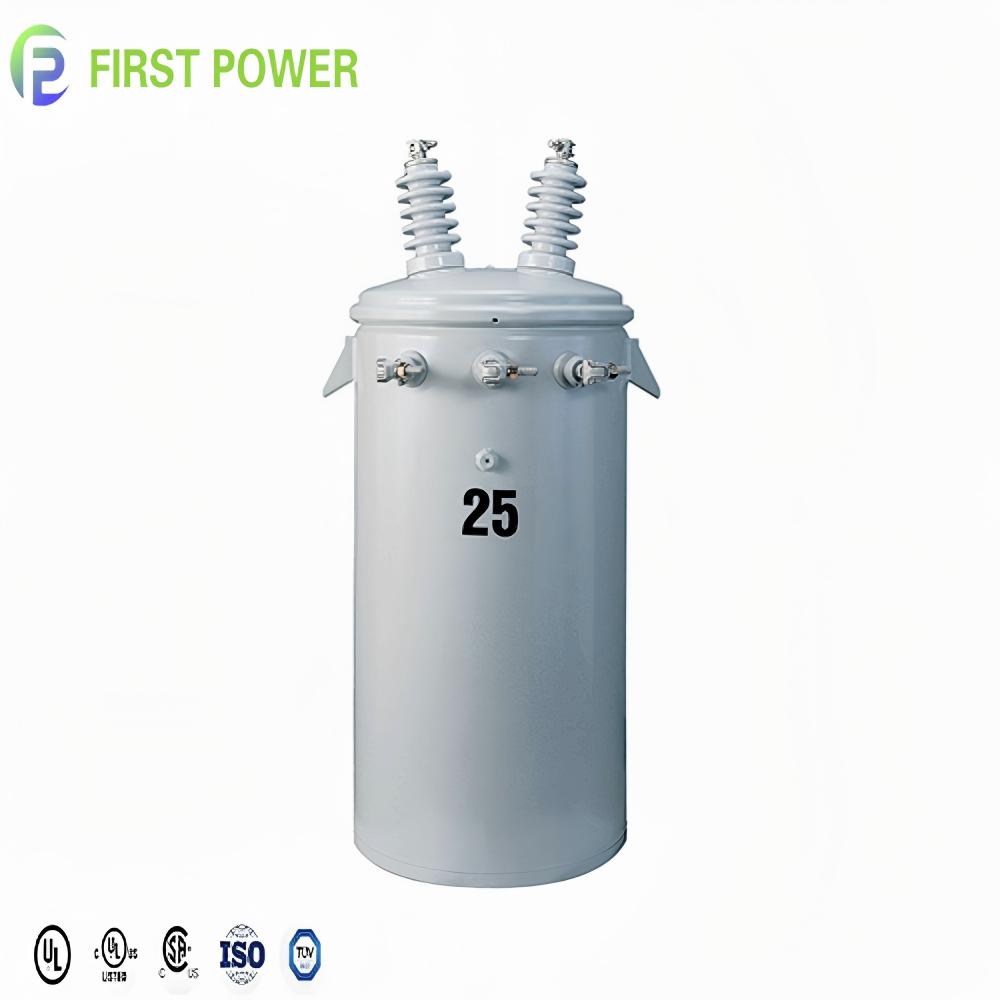
C CE Certification MV&HV 50/60HZ 6KV 10KV 20KV 35KV 25KVA Single Phase Transformer Price for Electric Power Distribution
- Rating 25 kVA class
- Voltage 6–35 kV
- Phase Single-phase
For Dar es Salaam, request a 50 Hz build, 11 kV or 33 kV primary and 230 V secondary where required by the project utility.
View product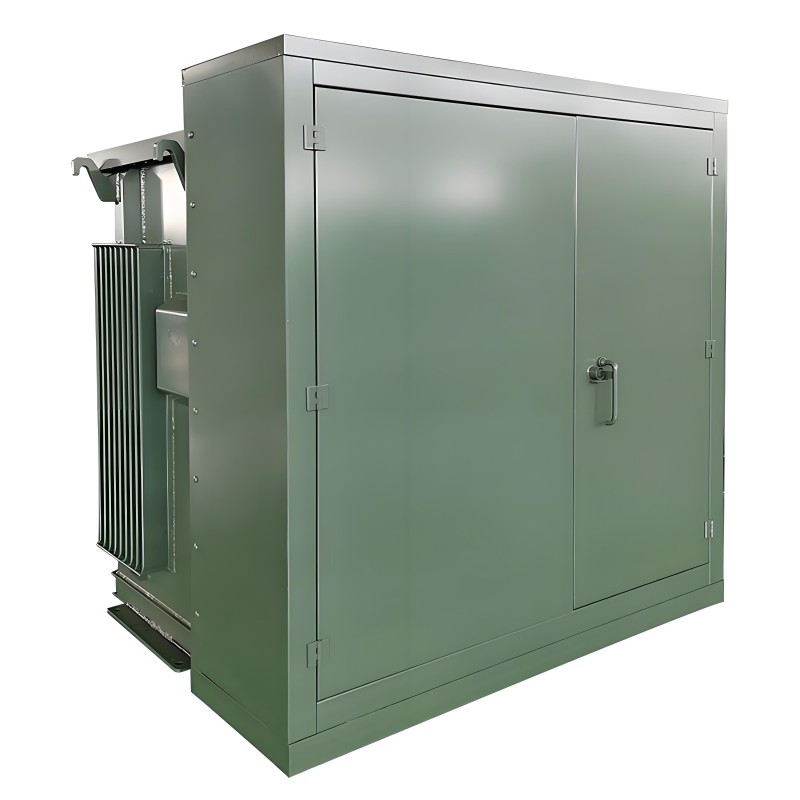
/C Certified 75-2500KVA Oil Type Three-Phase Pad-Mounted Transformer 480V Output Voltage 35KV Input Voltage 50/60HZ
- Rating 75–2500 kVA
- Voltage 35 kV / 480 V
- Type Pad-mounted
Ask for a Tanzania-specific 50 Hz, 230/400 V version rather than assuming the 480 V nameplate shown.
View product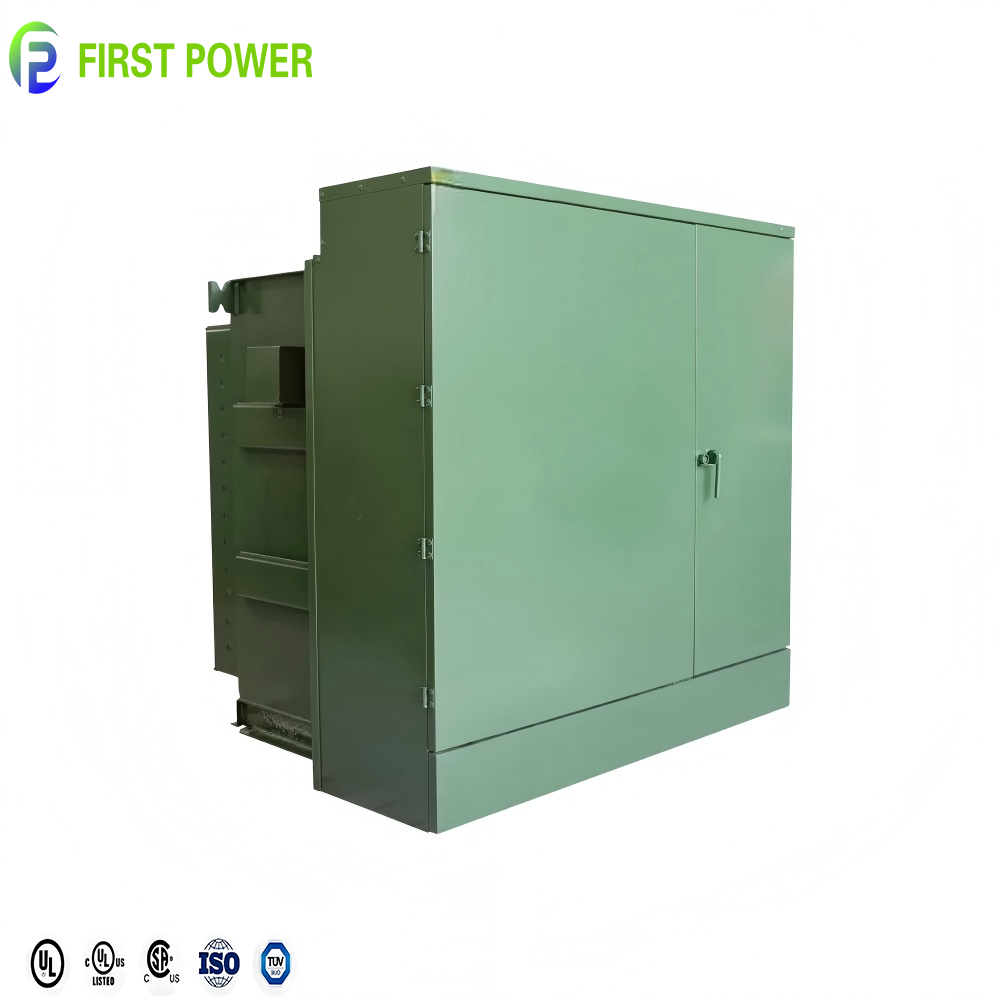
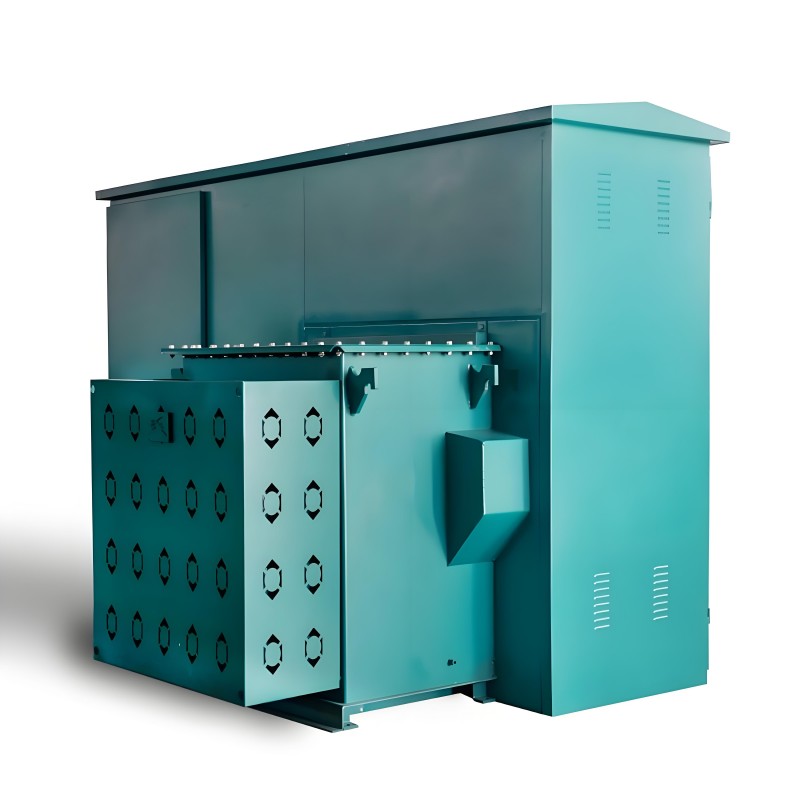
C CE 50/60HZ 10KV 20KV 35KV 300KVA 500KVA 630KVA 750KVA Three Phase Pad Mounted Transformer for Electric Power Distribution
- Rating 300–750 kVA
- Voltage 10–35 kV
- Use Distribution
/C Certified Oil-Type Cooper 75-2500kva Pad Mounted Transformer 6kv-34.5kv 50/60hz Dead Front Three Phases
- Rating 75–2500 kVA
- Voltage 6–34.5 kV
- Style Dead-front
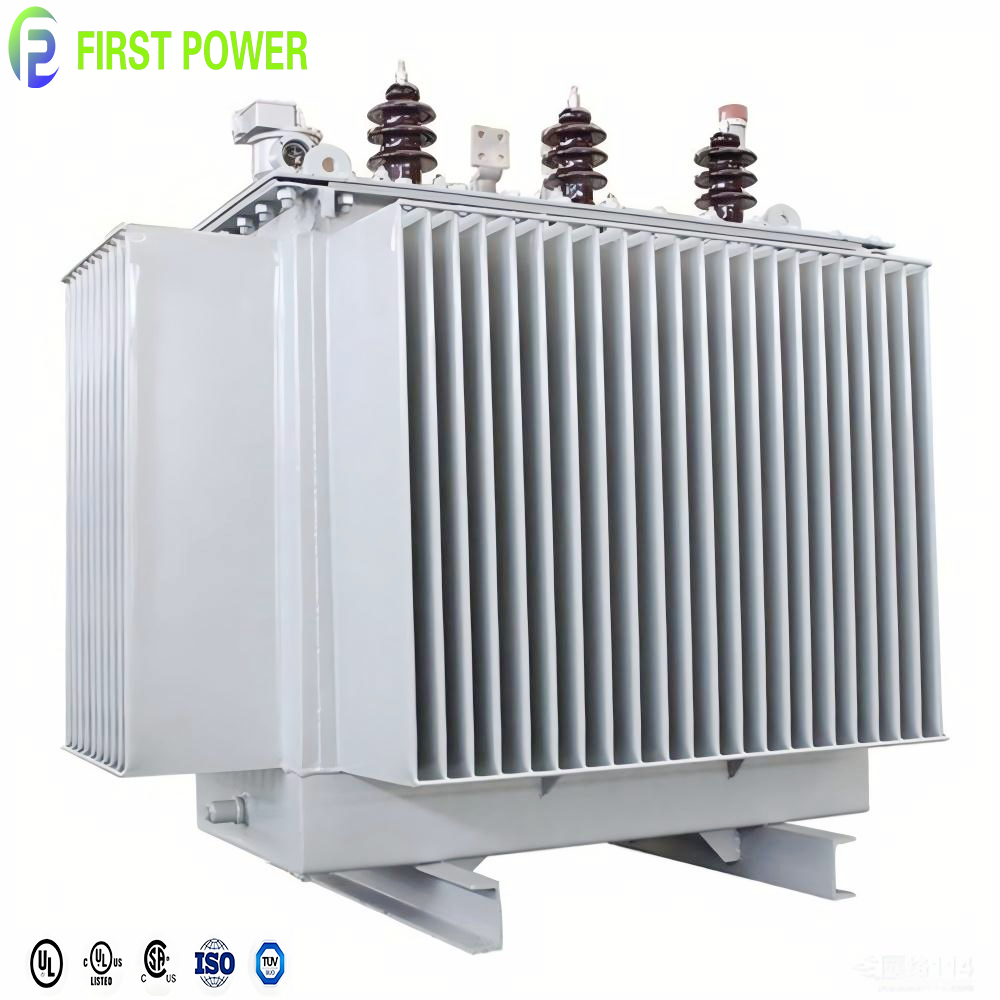
C CE MH&HV 50/60HZ 10KVA-50000KVA 10KV 15KV 20KV 35KV Three Phase S11 Oil Transformer for Electric Power Distribution
- Rating 10 kVA–50 MVA
- Voltage 10–35 kV
- Core S11 low-loss
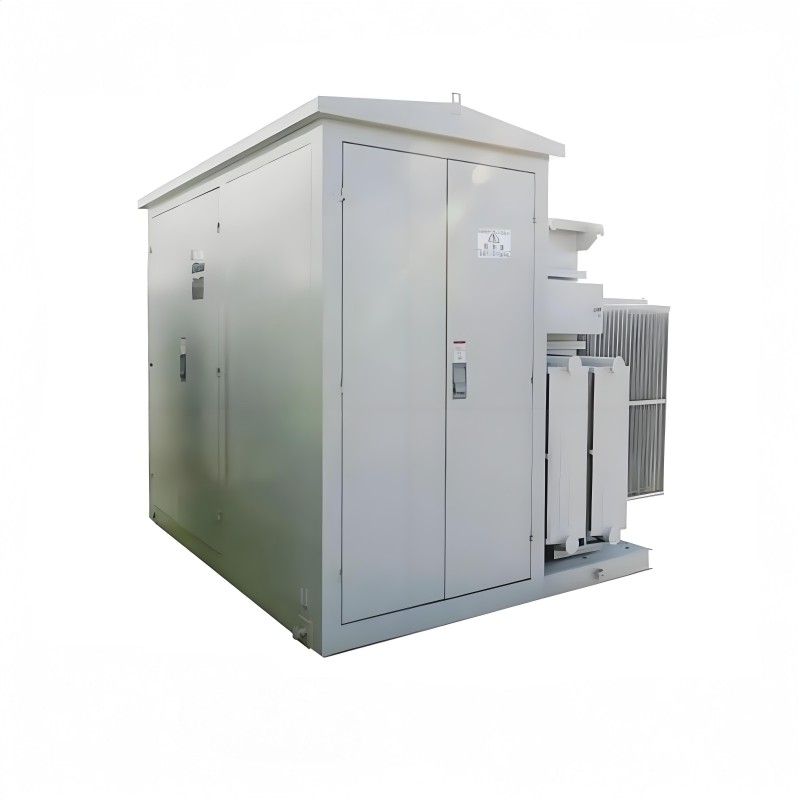
American Standard /C Certified 3000kva 34.5kv/480v Oil Type Pad Mounted Transformer 60 Hz 10kv Input 380v 440v Output
- Rating 3000 kVA
- Voltage 34.5 kV / 480 V class
- Frequency 60 Hz shown
For Dar es Salaam, this platform can be re-engineered for 50 Hz and local LV requirements; confirm the utility data sheet before order.
View productFactory Figures Buyers Can Check Before Ordering
The figures below come from the manufacturer profile and third-party inspection information provided by Jiangsu Wisegj Power Co., Ltd. They are useful when comparing a China top single phase pad mounted transformer supplier and wholesaler for Dar es Salaam projects.
What Procurement Teams Need to Know Before Buying a Single-Phase Pad-Mounted Transformer for Dar es Salaam
Dar es Salaam is Tanzania’s largest commercial city and one of East Africa’s busiest project markets. New gated residential compounds, apartment clusters, retail arcades, hotels, clinics, workshops, warehouses and port-linked facilities are creating steady demand for compact distribution equipment. A single-phase pad-mounted transformer is attractive where service cables are placed underground, where public safety and vandal resistance matter, and where the project architect wants a cleaner street scene than an overhead pole-mounted installation.
However, pad-mounted construction should be matched to the actual distribution environment. In areas where the local utility still uses overhead MV lines, a pole-mounted transformer may be more practical and less expensive. Pad-mounted units make most sense where the project has underground MV/LV cabling, a concrete pad, cable termination space and a written utility approval. For Dar es Salaam, the correct approach is therefore not simply to copy a North American single-phase pad-mounted datasheet, but to specify a 50 Hz unit with the primary voltage, secondary voltage, protection and enclosure finish accepted by the project utility.
Tanzania uses 50 Hz and low-voltage distribution commonly associated with 230 V single-phase and 400 V three-phase service. A single-phase pad-mounted transformer for a Dar es Salaam project will often be specified with an 11 kV or 33 kV primary, subject to the utility’s network design. A 60 Hz transformer with a 120/240 V secondary nameplate is not a direct substitute. When a 60 Hz unit is operated at 50 Hz, core flux density, no-load loss, temperature rise and sound levels can change, and the design may no longer meet the tender’s loss or safety requirements. Order the frequency correctly at the design stage.
Load sizing is equally important. Oversizing a transformer increases no-load loss and may lock capital into unnecessary capacity, while undersizing causes overheating, nuisance protection trips and premature insulation ageing. For a single residential compound, a 10–25 kVA unit may be sufficient after a proper load calculation; for a cluster of homes, shops or small workshops, 25–75 kVA is often evaluated; for larger mixed-use buildings, the project should compare single-phase cluster solutions with a three-phase pad-mounted transformer. The final kVA should be based on connected load, diversity factor, future expansion, motor starting, ambient temperature, altitude and the utility’s loss evaluation method.
Dar es Salaam’s coastal climate also changes the specification. Salt-laden air, high humidity, heavy rain and lightning activity require more than a standard painted tank. For a coastal project, consider hot-dip galvanised steel, a C5-M corrosion-resistant coating system, stainless-steel hardware, high-creepage bushings, sealed tank construction, pressure relief, surge arresters, intact gaskets, IP54 enclosure protection and a nameplate that matches the approved drawings. These details are not cosmetic; they affect maintenance intervals and long-term reliability.
Finally, ask for documents, not only a price. A credible supplier should provide general arrangement drawings, nameplate drafts, routine test reports, oil test data for liquid-filled units, installation and maintenance instructions, packing lists and compliance certificates. For a Dar es Salaam purchase, the documents should clearly state the frequency, voltage ratio, vector group, impedance, tap range, cooling method, insulating fluid and applicable standard so that the consultant, contractor and utility can review the same design intent.
Single-Phase Specification Checklist for Dar es Salaam
Send these details with your enquiry to receive a faster, more accurate 50 Hz design review.
- Rated power in kVA and expected future load
- Primary voltage: 11 kV, 33 kV or utility requirement
- Secondary voltage: 230 V single-phase or project value
- Frequency: 50 Hz for Tanzania
- Loss limits, impedance and tap range
- Mineral oil or natural ester fluid
- Coastal corrosion class and enclosure colour
- Protection: fuse, arrester, earthing and cable termination
- Standards: IEC 60076, utility specification or IEEE reference
- Test reports, drawings and nameplate language
Where Single-Phase Pad-Mounted Transformers Fit in Dar es Salaam
The strongest projects for pad-mounted single-phase equipment are those with underground cabling, controlled access and a clear utility approval path. The examples below are typical planning scenarios, not a substitute for a project-specific load study.
Gated Residential Compounds
Single-phase pad-mounted units suit apartment clusters and gated compounds where the developer has planned underground LV service, controlled access and a defined concrete pad. Typical review points include 230 V service voltage, 25–75 kVA capacity, low noise, tamper-resistant enclosure and corrosion protection for coastal air.
Retail Arcades and Hotels
Commercial properties in areas such as Mikocheni, Masaki and the city centre often prefer pad-mounted equipment for a cleaner frontage and safer public interface. For mixed retail and hotel loads, compare a single-phase solution with a three-phase pad-mounted transformer so that lifts, chillers and kitchen equipment are not forced onto an unsuitable single-phase supply.
Light Industry and Workshops
Small workshops, packaging units and light manufacturing cells may use single-phase equipment for segregated office and auxiliary loads, but motor-heavy operations usually require three-phase distribution. A pad-mounted enclosure can centralise protection and cable termination when the site layout supports underground service.
Water Pumping and Community Facilities
Boreholes, water treatment points, clinics and community buildings may need a dedicated single-phase supply. For pump loads, the starting method, voltage dip, protection coordination and standby power arrangement must be reviewed with the transformer sizing so that nuisance tripping is avoided.
Solar, Hybrid and Resilience Projects
Solar-hybrid systems and resilient commercial facilities often combine transformer capacity with generator or battery support. The transformer design should account for harmonic content, reverse power flow, voltage regulation and protection settings, especially when the inverter and utility source operate in parallel.
Port, Logistics and Cold Storage
Warehouse, logistics and cold-storage projects around the port corridor need reliable supply and clear maintenance access. Single-phase pad-mounted equipment may serve auxiliary and office loads, while larger three-phase pad-mounted or oil-immersed transformers support refrigeration, handling equipment and chargers.
What Wholesale Buyers Are Watching in 2025
Procurement is shifting from “lowest initial price” toward total owning cost, documented compliance and faster site installation. These trends are especially visible in urban Tanzanian projects where grid reliability, safety and lifecycle cost matter.
50 Hz and IEC Alignment
Buyers are increasingly rejecting “one-size-fits-all” export nameplates. A 50 Hz design with utility-approved voltage ratios, clear tap range and documented losses is becoming a basic tender requirement, not an optional upgrade.
Undergrounding and Aesthetic Siting
Developers of gated communities, hotels and commercial campuses are choosing underground service for safety, aesthetics and reduced outage exposure. This creates demand for pad-mounted enclosures with dead-front options, cable compartments and corrosion-resistant finishes.
Loss Evaluation and Whole-Life Cost
Consultants are comparing guaranteed no-load loss and load loss rather than price alone. A low-loss transformer may cost more at the factory gate but reduce operating cost over years, especially where utility tariffs and load growth are rising.
Coastal Corrosion Engineering
Dar es Salaam’s salt-laden air is pushing buyers to specify more than standard paint. Hot-dip galvanising, C5-M coating, stainless hardware, sealed tanks and high-creepage bushings are being written into specifications for longer service life.
Prefabricated and Modular Packages
Larger developments are combining transformers, MV switchgear and LV distribution into factory-assembled packages. For single-phase residential clusters, a compact pad-mounted package can still shorten site work and simplify cable termination.
Digital Documentation and Remote Inspection
International buyers now expect drawing approvals, test reports, photo updates and packing records before shipment. Suppliers that can provide clear English documentation and support third-party witness inspection reduce procurement risk.
Illustrative Wholesale Buyer Scorecard
The bars below show the kind of criteria Dar es Salaam buyers commonly weigh when comparing a China top single phase pad mounted transformer supplier and wholesaler. They are illustrative, not a statistical survey.
How to Specify a 50 Hz Single-Phase Pad-Mounted Transformer for Dar es Salaam
Use this comparison as a starting point for the technical schedule. Project-specific utility requirements always take priority.
| Parameter | Recommended Direction for Dar es Salaam | Why It Matters |
|---|---|---|
| Frequency | 50 Hz, explicitly stated on the data sheet and nameplate | Tanzania operates at 50 Hz; a 60 Hz design may not meet loss, temperature-rise or compliance requirements when operated at 50 Hz. |
| Primary voltage | 11 kV or 33 kV, subject to the utility’s written requirement | Using the wrong primary voltage may make the unit unusable or require rework at the project site. |
| Secondary voltage | 230 V single-phase or the approved project value | Do not assume North American 120/240 V. The local LV service and protection design must match. |
| Rated power | Based on load study, diversity factor, future growth and utility loss rules | Undersizing causes overheating; oversizing increases no-load loss and unnecessary cost. |
| Construction | Pad-mounted enclosure with cable compartment and pad-mounted cable termination | Pad-mounted design is most useful where underground MV/LV service and controlled access are part of the project. |
| Protection | Bayonet fuse, surge arresters, earthing terminals and pressure relief as required | Coastal lightning and fault conditions require coordinated protection and clear earthing. |
| Corrosion finish | Hot-dip galvanised tank, C5-M coating system, stainless hardware and sealed gaskets | Dar es Salaam’s humidity, salt and rain demand better protection than a basic indoor paint finish. |
| Standards | IEC 60076 series, utility specification, or IEEE C57.12 reference where requested | The standards basis should be stated before quotation so that drawings, tests and nameplate data align. |
| Testing | Routine tests on every unit, oil dielectric test for liquid-filled units and witness inspection option | Test reports provide evidence that the delivered unit matches the approved design. |
| Documentation | GA drawing, nameplate draft, test report, packing list and English O&M manual | These documents support utility approval, customs clearance, site installation and future maintenance. |
Why Wisegj Is a Practical China Supplier and Wholesale Partner
Jiangsu Wisegj Power Co., Ltd. is a Suzhou-based manufacturer and exporter of power transformers, distribution transformers, pad-mounted transformers, dry type transformers, compact substations and switchgear. Our engineering team supports specification review, custom design, factory testing and export documentation for projects in Dar es Salaam and across East Africa.
Verified Factory Capacity
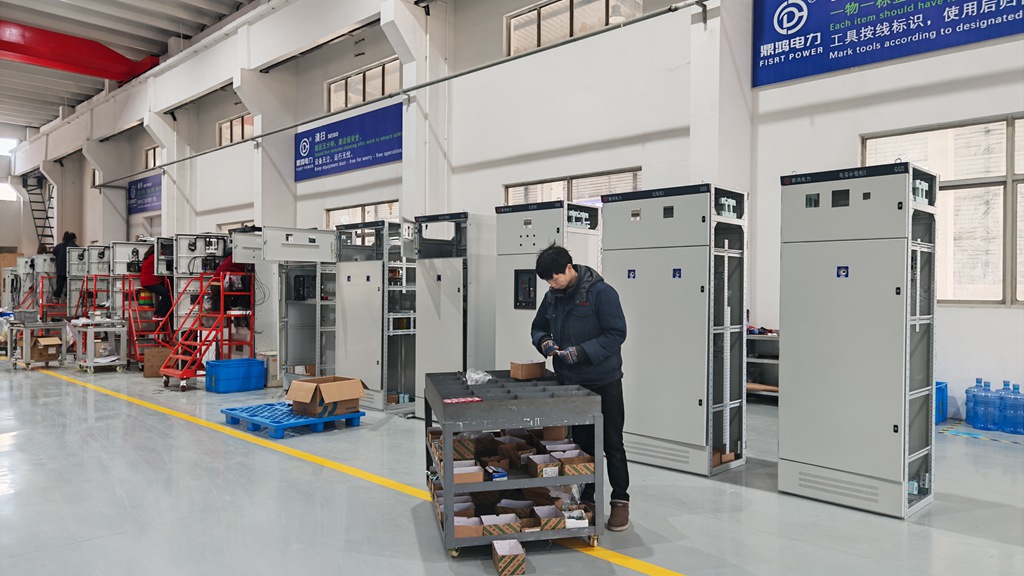
6,847 m² of inspected production floorspace covers core assembly, winding, drying, tanking, testing and packing. Capacity and floorspace have been verified through third-party inspection, giving buyers a clearer view of the manufacturing base.
In-House Routine Testing
Every unit receives routine tests such as winding resistance, ratio and vector group, impedance and load loss, no-load loss and current, applied and induced voltage tests, plus oil dielectric strength for oil-immersed units. Reports can be shared for tender review.
Design Customization
OEM, ODM, design-based and sample-based customization covers rating, voltage ratio, frequency, vector group, impedance, tap range, bushing configuration, cooling method, insulating fluid, enclosure finish and nameplate language for Dar es Salaam specifications.
Export Logistics to Dar es Salaam
Seaworthy packing, shock indicators where required, complete shipping documents and Incoterms coverage from EXW to DDP help simplify delivery. For wholesale buyers, mixed orders of single-phase and three-phase transformers can be planned to reduce total logistics cost.
Certified Management Systems
The company operates under ISO 9001, ISO 14001 and ISO 45001 management systems and holds CE certificates for relevant product lines. Certificate numbers can be supplied for compliance files, and the factory has been verified by TÜV Rheinland.
24-Hour Engineer Response
Technical questions, drawing clarifications and after-sales issues are routed to engineers, not a script. For urgent Dar es Salaam tenders, send the data sheet, single-line diagram and required delivery date so the reply can address the real constraints.
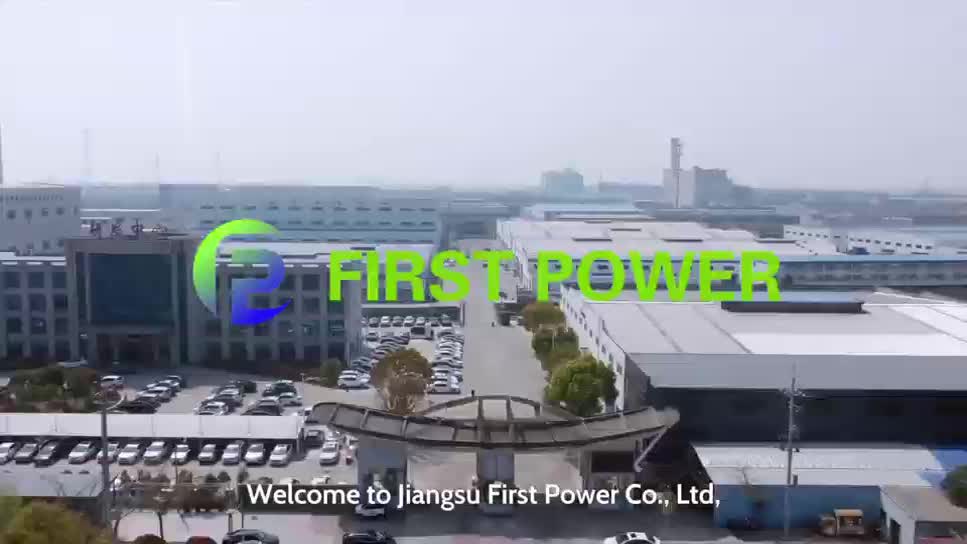
Factory and engineering team support

Testing laboratory and routine test records
Export packing and shipment preparation
Questions Dar es Salaam Buyers Ask About Single-Phase Pad-Mounted Transformers
These answers address common technical and commercial questions from contractors, distributors, developers and EPC buyers comparing China suppliers and wholesalers.
What kVA rating is suitable for a single-phase pad-mounted transformer in Dar es Salaam?
There is no universal kVA without a load calculation. For a single residential compound or small shop, 10–25 kVA may be evaluated; for a cluster of homes or a small commercial block, 25–75 kVA is commonly reviewed; larger mixed-use projects often compare multiple single-phase units against a three-phase pad-mounted transformer. The designer should consider connected load, diversity, future expansion, motor starting, ambient temperature, voltage drop and the utility’s loss evaluation rules.
Should I specify 11 kV or 33 kV primary voltage?
Use the voltage required by the project utility and confirmed in the single-line diagram. Both 11 kV and 33 kV classes can be engineered, but the correct choice depends on the local distribution network, available cable, switchgear and utility approval. Do not order from a generic catalogue page without confirming the primary voltage in writing.
Can a 60 Hz transformer be used in Tanzania?
Tanzania operates at 50 Hz, so it is safer to order a 50 Hz design from the start. A 60 Hz transformer operated at 50 Hz may have higher flux density, different no-load loss, increased temperature rise and altered sound levels. It may also fail to meet the tender’s efficiency or safety requirements. Specify 50 Hz on the data sheet, nameplate and test report.
What corrosion protection is recommended for Dar es Salaam’s coastal climate?
For coastal installations, consider hot-dip galvanised steel, a C5-M corrosion-resistant coating system, stainless-steel hardware, sealed gaskets, high-creepage bushings and a robust enclosure finish. Where lightning is a concern, surge arresters and correct earthing should be part of the protection design. The enclosure colour and coating specification should be stated on the approved drawing.
Which tests and documents should be supplied before shipment?
A typical package includes routine test reports, general arrangement drawing, nameplate draft, oil dielectric test data for liquid-filled units, packing list, installation and maintenance instructions, and applicable compliance certificates. Third-party witness inspection can be arranged for larger orders. Ask for the document list in the quotation so there is no ambiguity before production.
What is the typical lead time and shipping route to Dar es Salaam?
Lead time depends on the rating, customization, quantity and factory schedule. A reasonable planning approach is to allow time for drawing approval, production, routine testing, export packing and sea freight to Dar es Salaam port. For urgent projects, share the required delivery date early so the factory can propose a realistic production slot and shipping plan.
Can you customize for a consultant’s specification or a wholesale programme?
Yes. OEM, ODM, design-based and sample-based customization can cover rating, frequency, voltage ratio, vector group, impedance, taps, bushings, cooling, insulating fluid, enclosure colour and nameplate language. For wholesale buyers, we can support repeat orders, mixed product shipments and documentation packages for distributors servicing Dar es Salaam and other Tanzanian markets.
What payment terms and after-sales support are available?
Trade terms can include FOB, CFR, CIF, EXW, FCA, CIP, CPT and DDP, with payment options such as T/T and L/C subject to order review. After-sales support includes technical clarification, document follow-up, installation guidance and response to service questions. For project-critical orders, agree the inspection plan, document list and warranty terms in the contract before production begins.
Send Your Dar es Salaam Single-Phase Transformer Specification for Review
Share the kVA, primary voltage, secondary voltage, frequency, loss target, corrosion class, protection requirements and required delivery date. Our transformer engineers will review the data and respond with a practical 50 Hz design direction, drawing requirements and export quotation.
Email: [email protected]