Transformer & LV Interface Products for Cologne Projects
Low voltage switchgear is only as dependable as the upstream transformer, protection coordination and documentation package. These eight equipment lines are frequently quoted with Wisegj low voltage assemblies for Cologne-area commercial, industrial, renewable and utility projects.
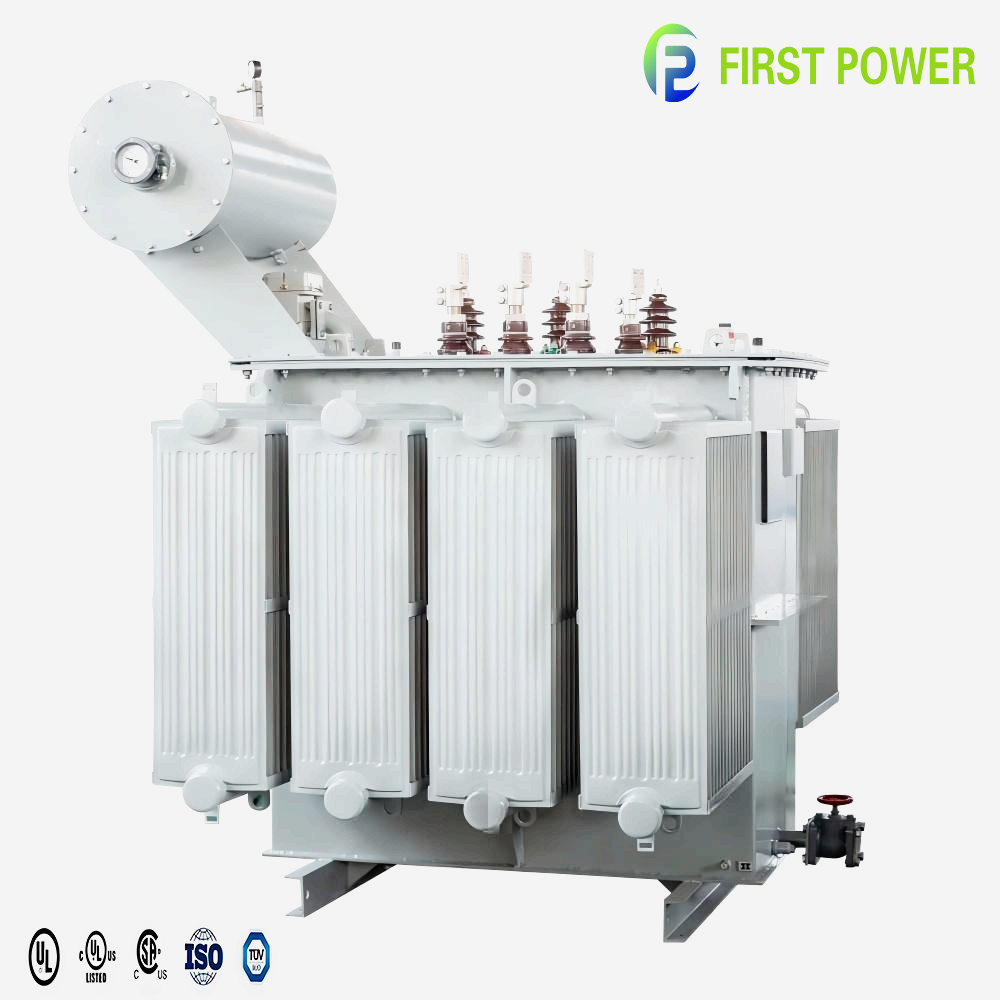
50/60 Hz 6–35 kV Solar PV Oil-Immersed Transformer
1000 kVA / 1 MW class for solar farms, rooftop generation and commercial interconnection. Configured for 50 Hz Cologne projects with LV terminals coordinated to main switchboards.
View Specification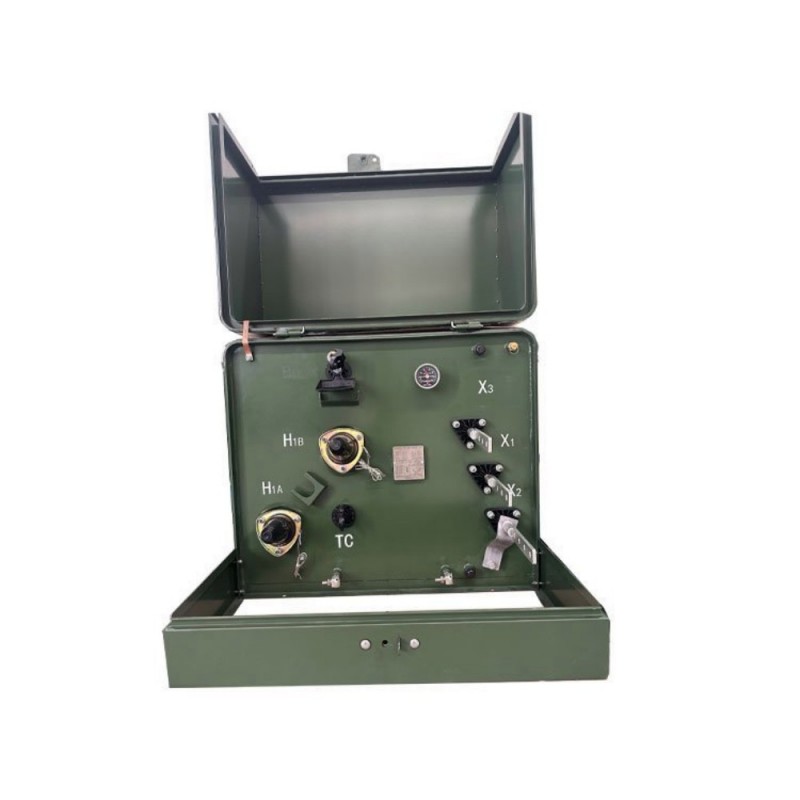
Certified 6–34.5 kV Single-Phase Pad-Mounted Transformer
75 kVA class oil-type unit for residential loops, light commercial supplies and compact underground distribution where pad space in Cologne districts is limited.
View Specification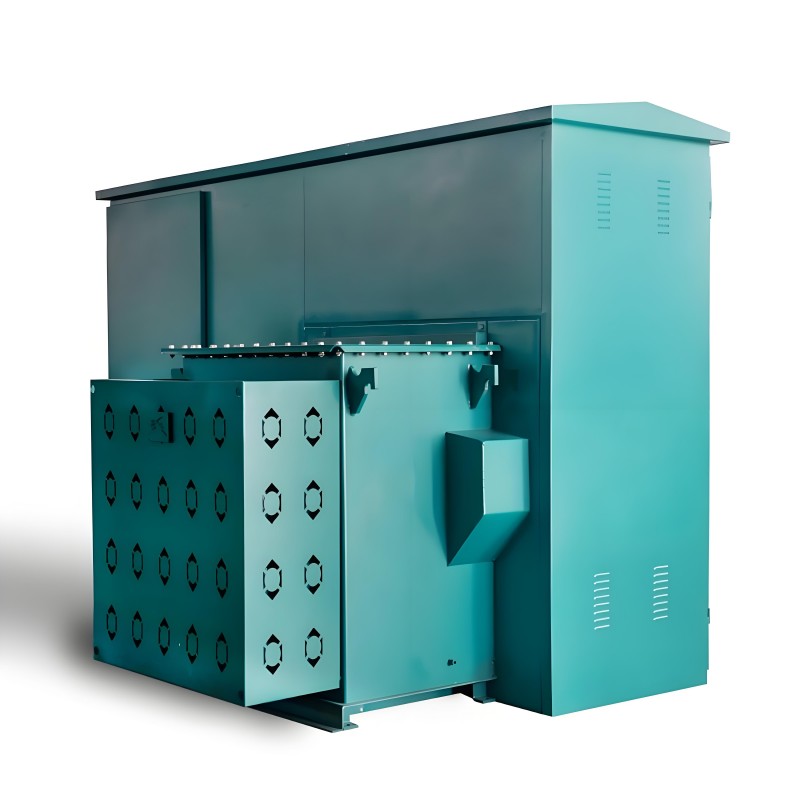
C-Certified 75–2500 kVA Dead-Front Pad-Mounted Transformer
Three-phase Cooper-type design for campus, logistics, EV charging and data-center sites. A 400/230 V secondary can feed EN 61439 LV distribution and motor control panels.
View Specification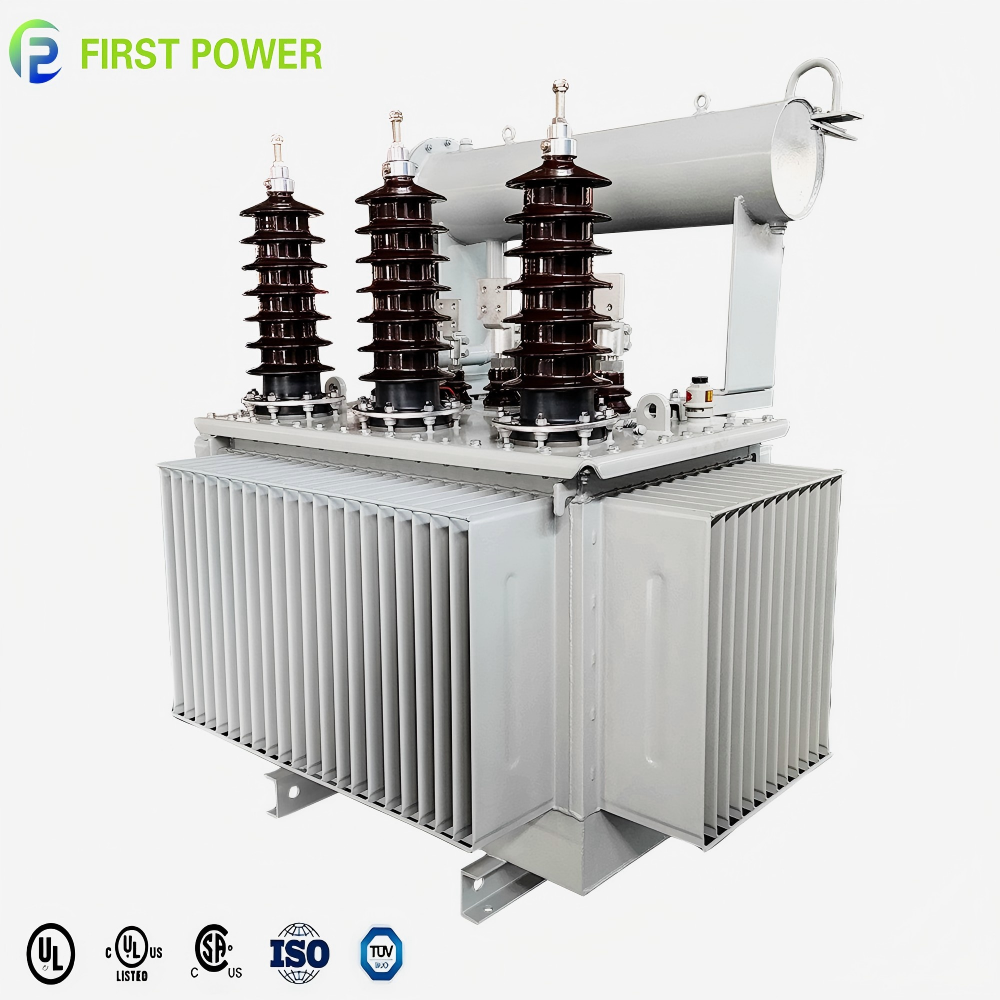
CE / IEEE 33 kV S11 Oil-Immersed Power Transformer
Industrial three-phase power transformer for factories, utility interconnection and process plants. CE documentation and routine test reports support German technical review.
View Specification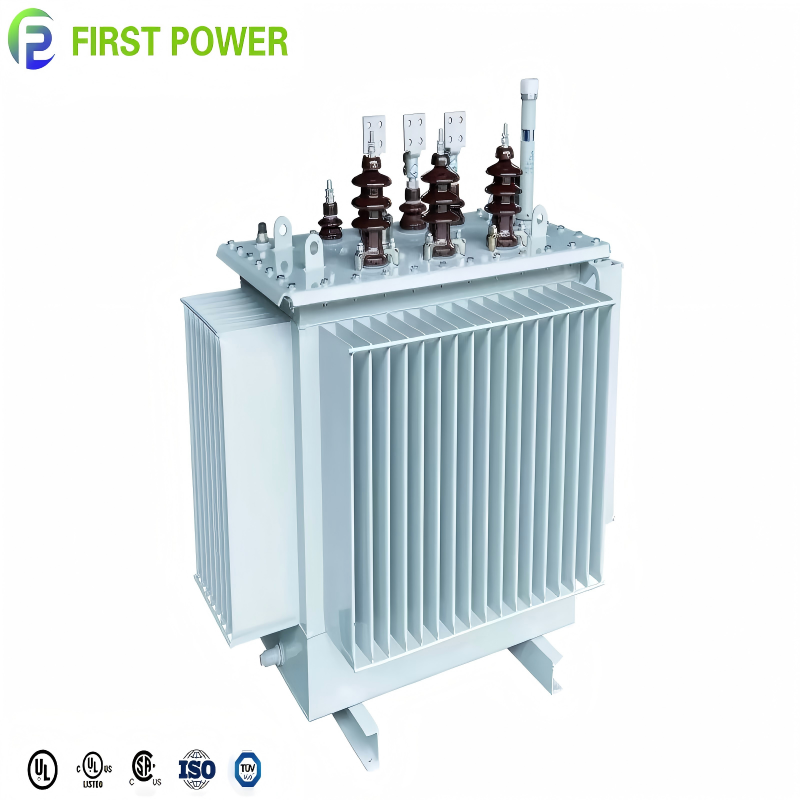
S11 6–35 kV, 50–300 kVA Oil-Immersed Distribution Transformer
Low-loss distribution class for municipal networks, commercial buildings and small industrial feeders. Suitable for 50 Hz systems and 400/230 V LV switchgear.
View Specification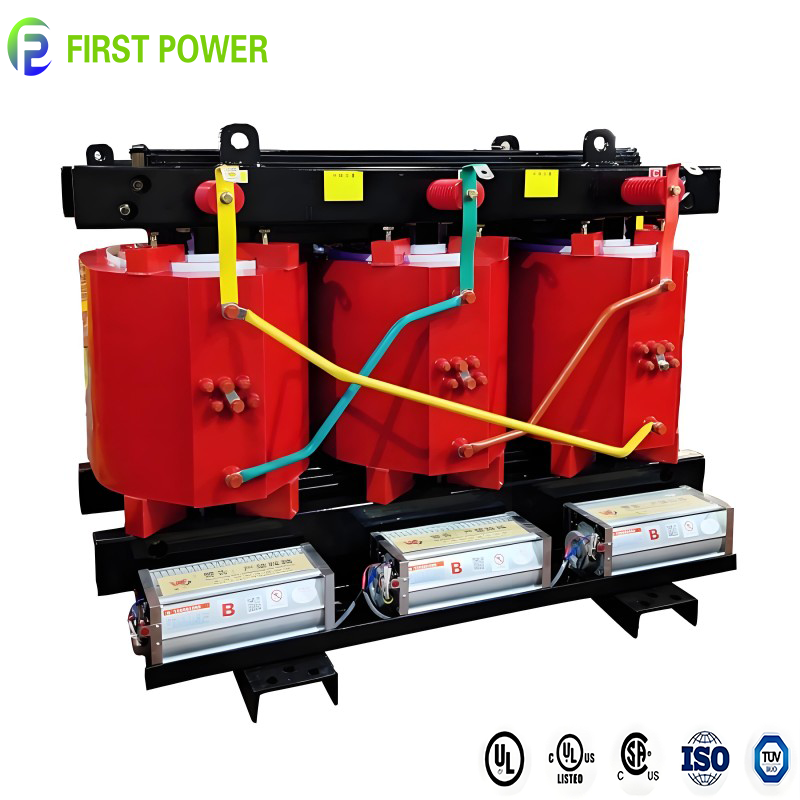
CE / IEEE 5–6 MVA Dry-Type Distribution Transformer
Indoor dry-type solution for hospitals, data rooms, rail facilities and urban buildings where oil-free operation and fire safety are preferred by Cologne planners.
View Specification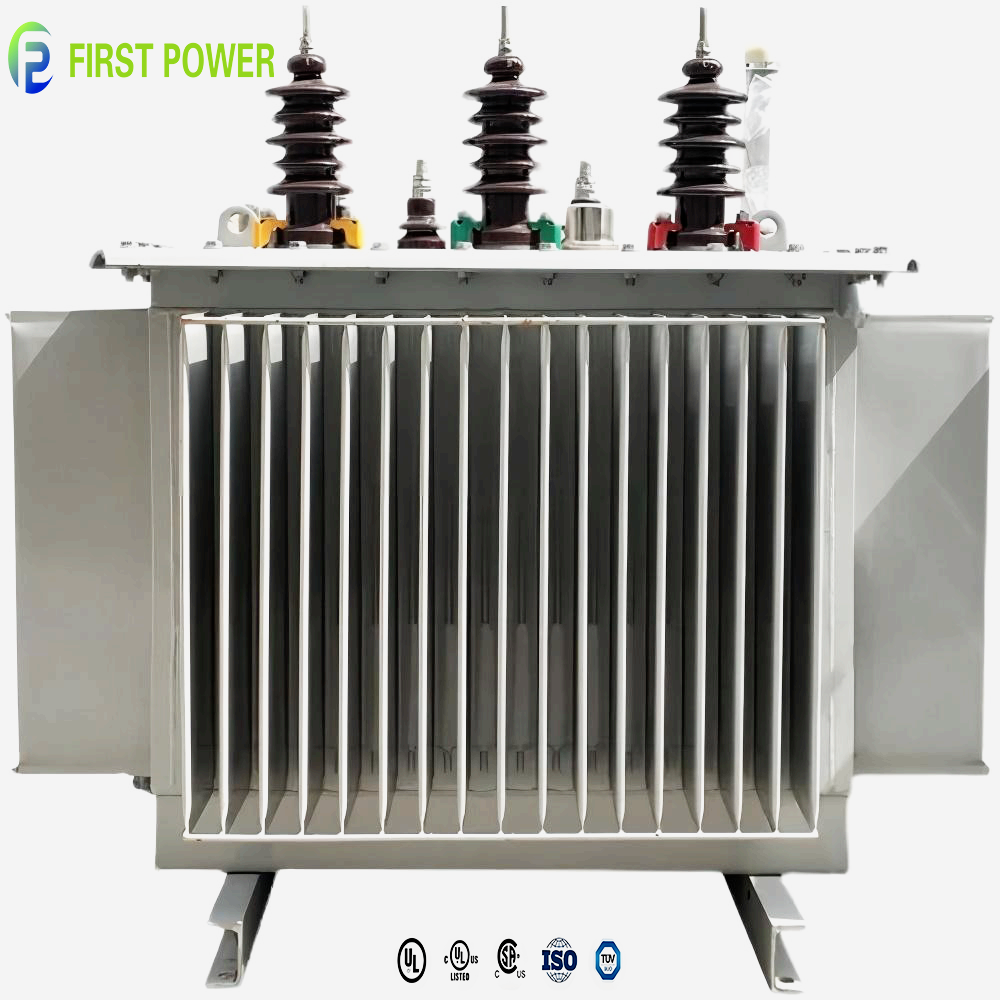
50/60 Hz S11 Three-Phase Transformer for Power Supplies
10–35 kV, 500 kVA class unit for export projects and power supplies. Can be engineered as 50 Hz for Germany with the correct vector group, impedance and LV busbar interface.
View Specification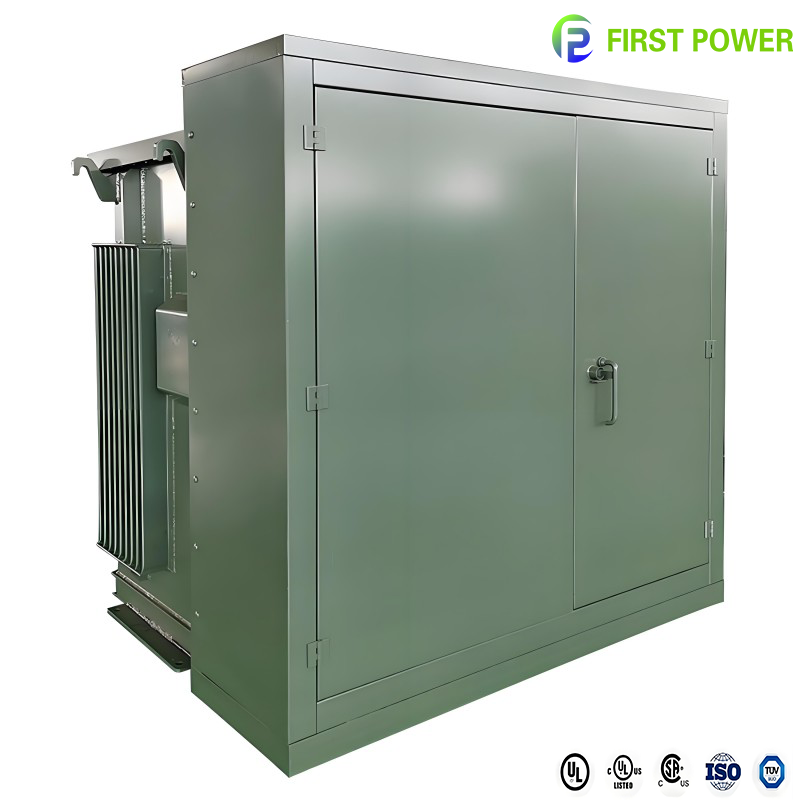
CE 10–35 kV Three-Phase Oil-Type Pad-Mounted Transformer
75–400 kVA range for power generation, renewable interconnection and commercial distribution. Compact pad design helps Cologne site planners reduce civil works.
View SpecificationWhy Cologne Buyers Search for China Low Voltage Switchgear Factories
Cologne is not a market that rewards vague supplier claims. The city sits inside one of Europe’s most technically demanding industrial regions, where a low voltage switchgear package is judged by its short-circuit study, form of separation, temperature-rise verification, protection coordination, CE documentation and service response. A buyer in Cologne may be a panel builder adding a second source, an EPC contractor comparing package suppliers, a facility manager retrofitting an existing distribution room, or a private industrial group building a new production hall near the Rhine logistics corridor. Each has a different reason to look at Chinese factories, but they share one requirement: the assembly must be technically defensible before it reaches site.
The local network context is clear: 50 Hz, typically 230/400 V for final distribution, with 690 V equipment used in heavy industrial settings. Low voltage switchgear for this market should be aligned with EN 61439-1 and EN 61439-2, IEC 60947 component standards, CE marking requirements, and the documentation culture that German consultants, insurers, TÜV inspectors and facility teams expect. This is why a serious China low voltage switchgear exporter does not simply ship panels. It reverses the buying process: starting with the single-line diagram, load list and short-circuit study, then designing the assembly around the actual German project conditions.
Wisegj operates from Suzhou, Jiangsu, with an export program covering transformers, compact substations, high and low voltage switchgear, distribution boxes and voltage stabilizers. The company’s relevance to Cologne is not that it replaces local engineering judgment. It is that it can combine factory-level customisation, audited production and English-language documentation with a product scope broad enough to coordinate the transformer, LV switchboard, motor control centre and package substation in one technical conversation.
Information-gain principle for Cologne procurement: the lowest quotation is rarely the lowest total cost. A €20,000 saving on hardware can disappear quickly through drawing rework, missing type-test evidence, delayed spare parts, extra site modification or a protection study that fails because the transformer and LV panel were quoted by suppliers who never spoke to each other.
Where Low Voltage Switchgear Is Used in Cologne and North Rhine-Westphalia
Cologne’s economy mixes logistics, media, insurance, automotive suppliers, chemicals, research, healthcare, retail and urban infrastructure. The switchgear requirement changes with each environment.
Data Centres and Colocation
High-current main switchboards, metering, surge protection, redundant bus sections and thermal monitoring are specified for continuous operation. Transformer impedance, LV busbar rating and protection discrimination must be reviewed together.
Automotive and Machine Building
Motor control centres, variable-frequency drive bays, 690 V distribution and EMC-conscious layouts support production lines across the Rhine-Ruhr industrial belt. Withdrawable or plug-in modules improve maintenance access.
EV Charging and Logistics Hubs
Fast-charging sites and logistics warehouses need expandable LV boards, spare breaker ways, DC leakage protection and coordinated cable schedules. A pad-mounted transformer plus EN 61439 assembly can reduce civil works and commissioning time.
Hospitals, Labs and Urban Buildings
Dry-type transformers and oil-free LV rooms are often preferred in fire-sensitive buildings. Segregated distribution boards, emergency supply interfaces, surge protection and clear labelling matter more than decorative panel design.
Solar, Storage and District Energy
Renewable interconnection requires transformer, AC combiner, LV switchgear and protection to work as one system. Cologne’s energy transition projects increasingly ask for 50 Hz coordination, flexible CT/VT ratios and future-ready spare capacity.
Retail, Offices and Mixed-Use
Sub-distribution boards, tenant metering, RCBO protection and compact footprints are common. For retrofits, the ability to match existing cable entries, wall openings and floor space in Cologne buildings is a genuine engineering advantage.
Localised Trends Shaping the Cologne Low Voltage Switchgear Market
Procurement priorities are shifting from one-off panel price to lifecycle risk, documentation quality and the ability to integrate low voltage assemblies with transformers and renewable assets.
Grid Reinforcement and Distributed Generation
Rooftop PV, heat pumps, battery storage and charging loads are changing the duty cycle of local distribution. Switchgear specified for 2030 is often more modular, better monitored and easier to extend than the panel it replaces.
EN 61439 Compliance and Retrofit Audits
Facility teams increasingly ask for design verification, partial type-test evidence and clear forms of separation before approving a replacement panel. “It works today” is no longer enough for an insurance or technical due-diligence review.
Dual Sourcing Without Losing Control
European panel builders and EPCs keep local engineering close to the client while adding a China-based manufacturing source for cost, capacity or standard enclosure lines. The winning model is transparent drawings, shared approvals and documented factory tests.
Digital Documentation and Serviceability
BIM-friendly drawings, component lists, QR-ready asset tags, spare-part schedules and German-English O&M manuals are becoming part of the scope. A panel that arrives without a clean document package creates avoidable cost at commissioning.
What Cologne Buyers Commonly Ask a China Low Voltage Switchgear Exporter
These are the questions our engineering and export teams handle most often when European buyers compare a Chinese factory with a local panel builder.
Can a Chinese factory supply low voltage switchgear compliant with EN 61439 for Germany?
Yes, provided the assembly is designed and verified under a clear standard route. For Cologne projects we normally work to EN 61439-1 and EN 61439-2, with design verification and routine verification documented according to the assembly type. The important point is not the country of manufacture; it is whether the manufacturer can show the calculation, type-test evidence or verified design, component certificates, CE declaration, drawings and routine test records for the exact configuration being supplied.
What documents should a German buyer request with the offer?
Ask for the single-line diagram, general arrangement drawing, bill of materials, component datasheets, short-circuit rating, IP and IK rating, form of separation, temperature-rise basis, internal arc consideration where applicable, protective-earth continuity details, CE declaration of conformity, routine test plan and the proposed O&M manual language. For a serious Cologne project, request the nameplate drawing and cable-entry layout before releasing production.
Can the switchgear be designed for 230/400 V, 50 Hz and Cologne site conditions?
Yes. The assembly should be configured for the German 50 Hz network, the required operational voltage, short-circuit level, ambient temperature, altitude, cable entry direction, floor loading and available switch-room dimensions. If the panel is part of a transformer package, the transformer vector group, impedance and secondary voltage must be confirmed before the LV busbar and protective device ratings are finalised.
What form of separation is commonly requested in Cologne?
Form 2b, 3b or 4b is often discussed depending on the client’s maintenance philosophy, redundancy target and fault containment requirements. Form 4b is common where busbars and functional units require a high degree of segregation, but it is not automatically the right answer for every project. A good technical offer explains the chosen form, the busbar arrangement and the implications for footprint, heat loss and future extension.
Which low voltage components do buyers usually specify?
Common references include IEC 60947 series breakers, contactors, overload relays, surge protective devices, metering and busbar systems from established international brands. For cost-sensitive projects, a mixed bill of materials may be proposed, but only when the component choice is transparent and the short-circuit coordination, selectivity and spare-part strategy remain acceptable to the client’s engineering team.
Can you support third-party inspection and factory acceptance testing?
Yes. Wisegj welcomes third-party witness inspection, client FAT and independent verification. The production route includes routine checks, and project-specific FAT requirements can be added to the technical agreement. For Cologne buyers, it is useful to define the FAT checklist, the documents to be signed, the photographs required and the shipping-release conditions before manufacturing starts.
How are delivery, customs and packaging handled for Cologne?
Depending on the contract, the shipment can be arranged under EXW, FOB, CFR, CIF, DAP or DDP terms. Export packing should protect enclosures, busbars, instruments and loose accessories against condensation, shock and multiple handling points. Cologne-bound shipments should include a packing list that matches the switchgear sections, a clear marking plan for site unloading and documentation for EU customs and the receiving contractor.
What is the practical lead time and warranty position?
Lead time depends on the assembly complexity, component availability, drawing approval speed and whether the order includes transformers or a compact substation. A realistic schedule is built after the single-line diagram, BOM and drawings are frozen. Warranty, spare parts, commissioning support and response times should be written into the contract rather than left as an informal promise. Wisegj’s target is a qualified engineering response within one working day for technical and after-sales questions.
Inside Wisegj: Capability That Supports Cologne Procurement Reviews
Buyers do not need another directory listing. They need evidence they can audit. These capabilities come from the manufacturer’s existing company profile, production base and quality system.
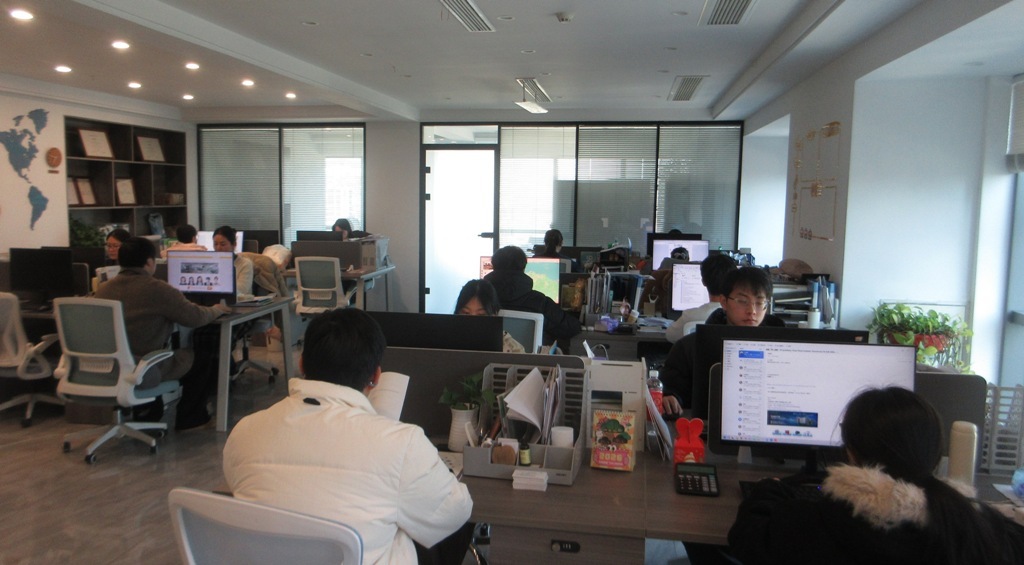 Assembly Workshop
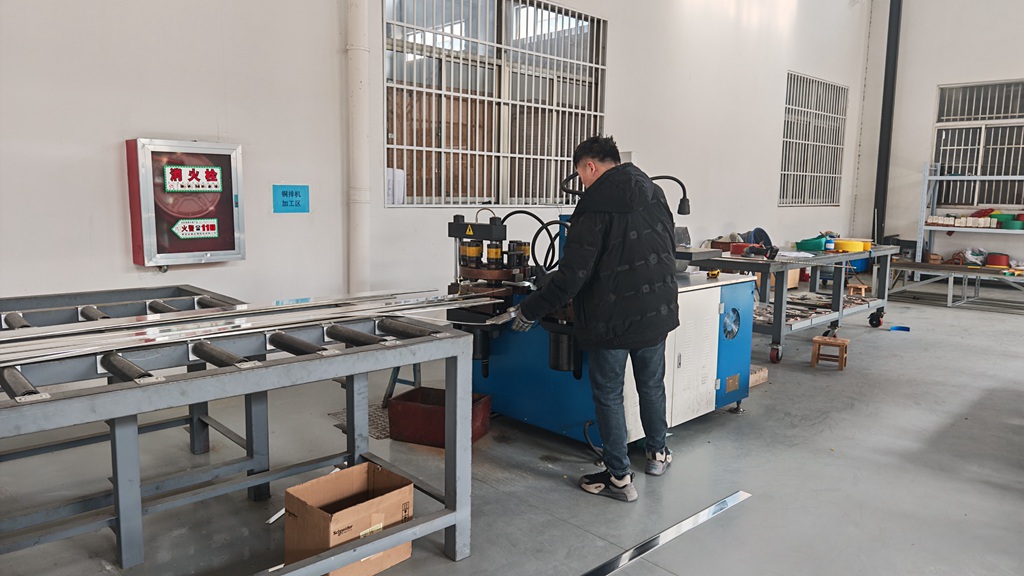 Testing Laboratory
Two Decades of Power-System Experience
The team brings more than 20 years of hands-on transformer and power equipment experience, with engineering review before quotation rather than a catalogue-only sales process.
CE, ISO and Third-Party Verification
Production runs under ISO 9001, ISO 14001 and ISO 45001 systems. CE certificates cover key transformer and substation lines, while TÜV Rheinland has verified production capability and inspection data.
6,847 m² Verified Production Base
A dedicated manufacturing footprint supports winding, core assembly, drying, tanking, assembly and testing. For buyers, the value is traceability: inspection points can be tied to real production stages.
50+ Engineers in R&D and Technical Support
Technical questions on ratings, vector groups, impedance, protection, enclosures, cooling and site conditions can be handled by engineers rather than a generic customer-service desk.
OEM, ODM and Design-Based Customisation
Ratings, busbar arrangements, enclosure dimensions, paint colour, nameplate language, cable entries and document packages can be adapted to the project specification and the client’s approval workflow.
Routine Testing and Complete Documentation
Every unit can be supported with drawings, routine test reports, nameplate drafts, packing lists and O&M manuals. Third-party witness testing is welcome for buyers who need independent assurance.
Fast Engineering Response
The stated service target is a 24-hour response for pre-sale and after-sale technical questions. For a Cologne project, that matters when a consultant raises a drawing query or a site team needs a missing document.
Supply-Chain Depth
A qualified partner network supports access to silicon steel, copper, bushings, breakers, instruments, enclosures and accessories. The aim is not simply lower cost, but more predictable lead times and fewer last-minute substitutions.
A Cologne Technical Checklist for Low Voltage Switchgear Enquiries
Use this table to compare suppliers on the same basis. A complete data pack shortens the route from enquiry to an accurate, auditable offer.
| Information to Provide | Why Cologne Buyers Ask | Supplier Evidence to Request |
|---|---|---|
| Single-line diagram and load list | Defines incomer, busbar, outgoing ways, metering and protection logic. | Marked-up SLD, BOM and protection coordination comments. |
| System voltage and frequency | Germany uses 50 Hz; final distribution is commonly 230/400 V, with 690 V in industrial areas. | Nameplate draft and component voltage confirmation. |
| Short-circuit rating and duration | Confirms busbar, breaker and cable compartment withstand capability. | Calculation basis, component certificates and assembly rating. |
| Form of separation and IP rating | Determines maintenance safety, dust and water protection, and footprint. | GA drawing, segregation description and IP test basis. |
| Ambient temperature and switch-room conditions | Affects derating, ventilation, enclosure size and temperature-rise margin. | Design verification or temperature-rise calculation. |
| Transformer interface data | The LV board must match transformer secondary voltage, impedance and vector group. | Coordinated transformer and switchgear datasheets. |
| Documentation and language scope | German and English documentation supports approvals, site teams and facility records. | Sample O&M manual, test report and nameplate format. |
| Inspection, packing and Incoterms | Defines responsibility at FAT, shipment, customs and site handover. | FAT checklist, packing plan, shipping marks and contract terms. |
How to Compare a China Low Voltage Switchgear Exporter with a Local Panel Builder
The strongest procurement strategy is rarely “local versus China”. It is local engineering accountability combined with a factory source that can document every step. A Cologne panel builder may offer faster site familiarity and German-language service. A Chinese factory can offer custom fabrication, competitive component sourcing, transformer integration and a broader export package. Wisegj’s role is to make that second option auditable: clear drawings, defined standards, routine tests, documented components, export packing and a named technical contact.
For projects involving low voltage switchgear, ask whether the supplier can coordinate the transformer, LV main switchboard, sub-distribution, control panel and compact substation as one interface. Mismatches often occur at the boundary: a transformer with an unexpected vector group, a busbar rating that does not match the incomer, a neutral arrangement that conflicts with the site earthing design, or a cable entry that cannot fit the Cologne switch-room. A supplier with both transformer and switchgear capability can close those gaps before fabrication, not after delivery.
Finally, treat the factory audit as a technical exercise. Check the production floor, witness routine testing, review the document control process and ask how non-conformities are closed. Wisegj’s production base, engineering team, quality certificates and export experience are offered for that review. The objective is not to ask a buyer to accept “top” as a claim. The objective is to provide enough engineering detail and evidence for a Cologne procurement team to make a confident decision.
Request an EN 61439 Review and Export Quote
Send your single-line diagram, load list, short-circuit data, transformer interface details and delivery requirements. A qualified engineer can review the scope, identify gaps and prepare a technical offer for Cologne projects.