Eight Transformer Platforms Surrounding Single-Phase Isolation Projects in Ho Chi Minh City
A single-phase isolation transformer is rarely a standalone purchase. It sits inside a power chain that may include medium-voltage distribution, pad-mounted equipment, oil-immersed step-down units and industrial supply transformers. The eight platforms below show the adjacent transformer families Wisegj supplies to HCMC projects. Product URLs are preserved so your procurement team can review the exact source specification before requesting a single-phase isolation transformer configuration.
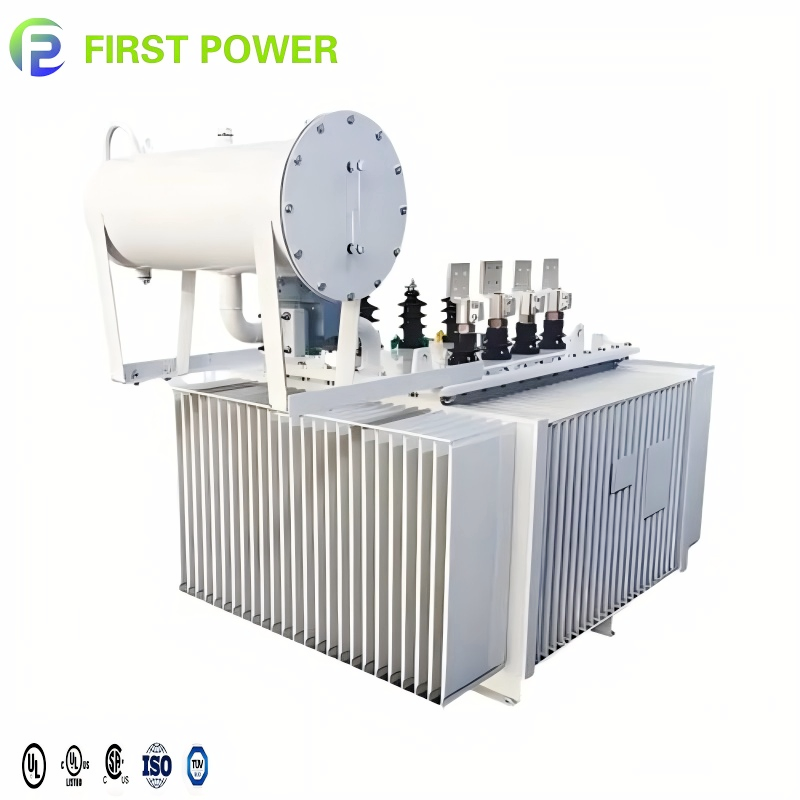
C CE 10KV 20KV 35KV 1000KVA 2000KVA 2500KVA 3 Phase Oil Type on Load Tap Changer Transformer for Industrial Power Supply
For factories, industrial parks and utility interfaces that need stable secondary voltage under changing load. For HCMC enquiries, specify 50 Hz, 22 kV class interfaces, humidity-rated bushings and a corrosion finish before quotation.
Review product →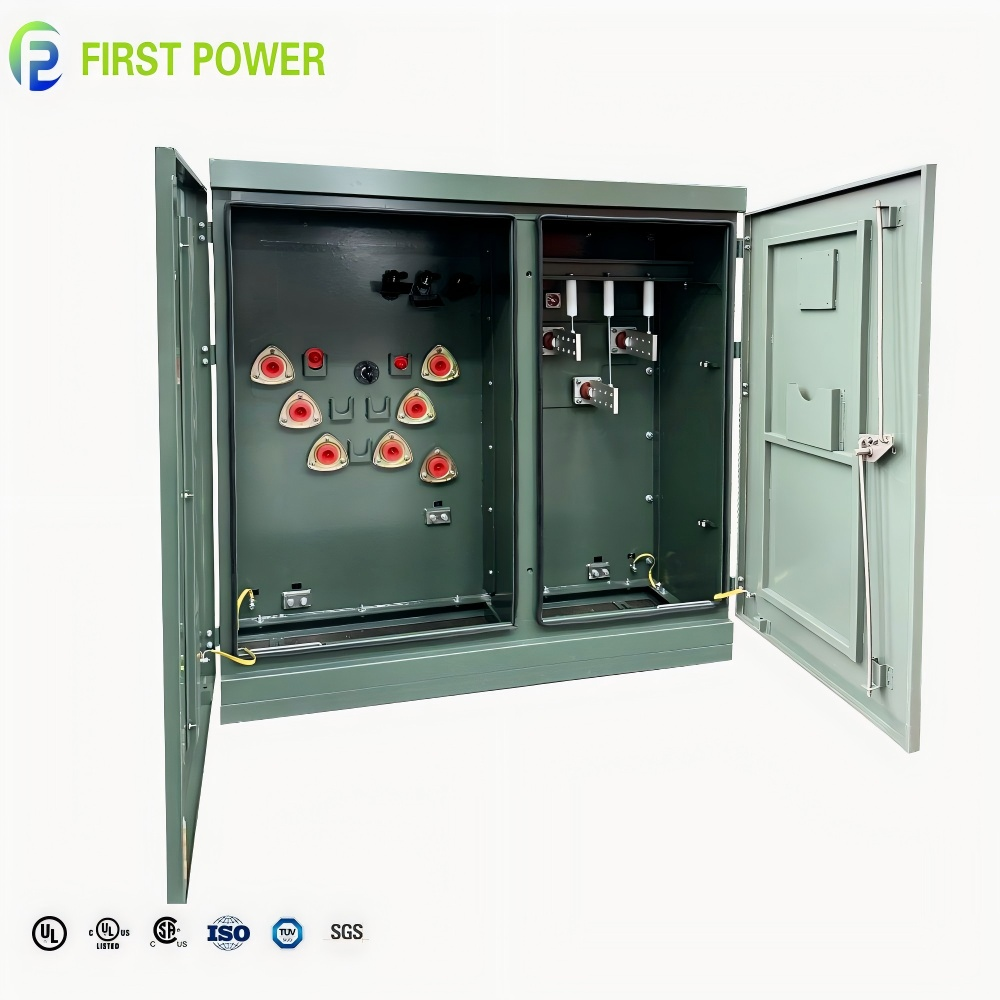
C CE Certification 50/60HZ 10KV 20KV 35KV 3 Phase Loop Feed Pad Mounted 750KVA Transformer for Electric Power Distribution
A practical platform for commercial campuses, utility vaults and underground distribution. In flood-prone HCMC districts, the pad, cable entry and enclosure breathing arrangement should be raised above the recorded flood mark.
Review product →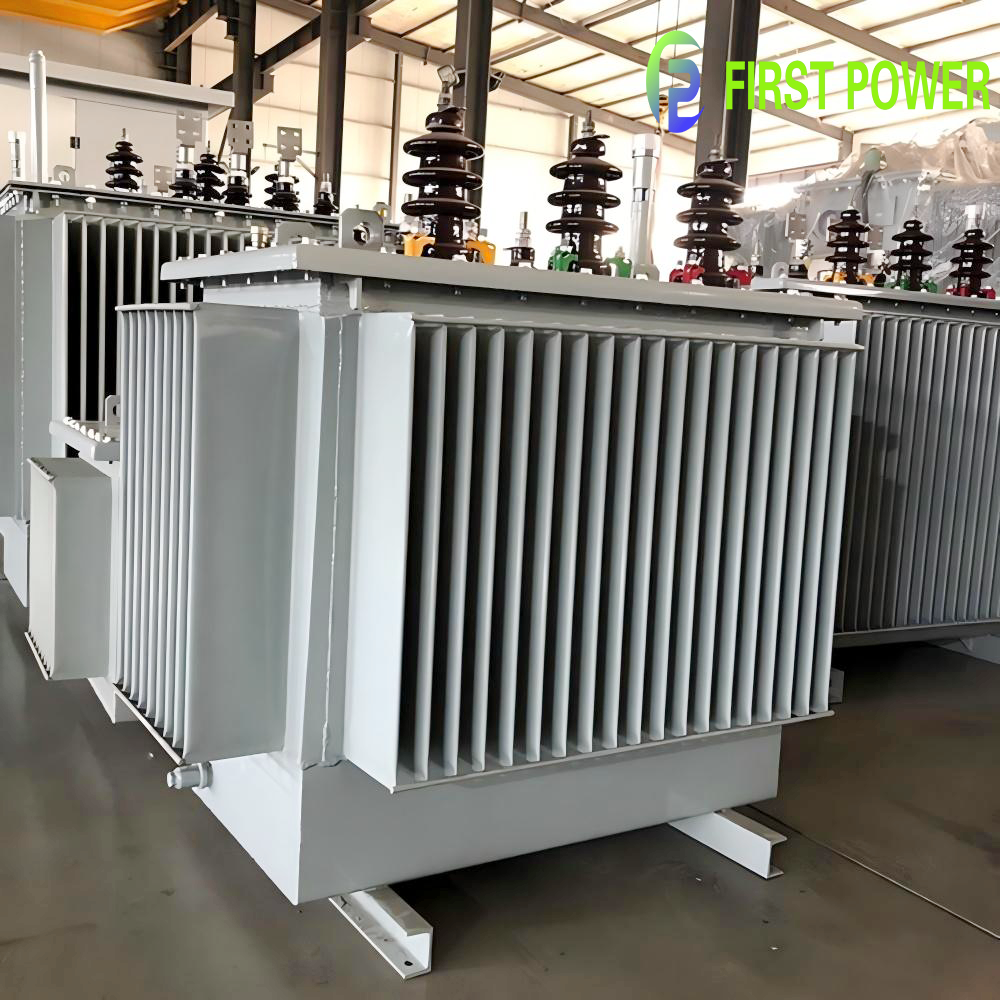
C CE MV&HV S11 50/60HZ 10KV 20KV 35KV Three Phase Oil Immersed 50KVA Transformer for Electric Power Distribution
A compact oil-immersed distribution platform for small industrial loads and feeder reinforcement. Ask for loss data at 50 Hz and a sealed-tank design with anti-corrosion paint for monsoon exposure.
Review product →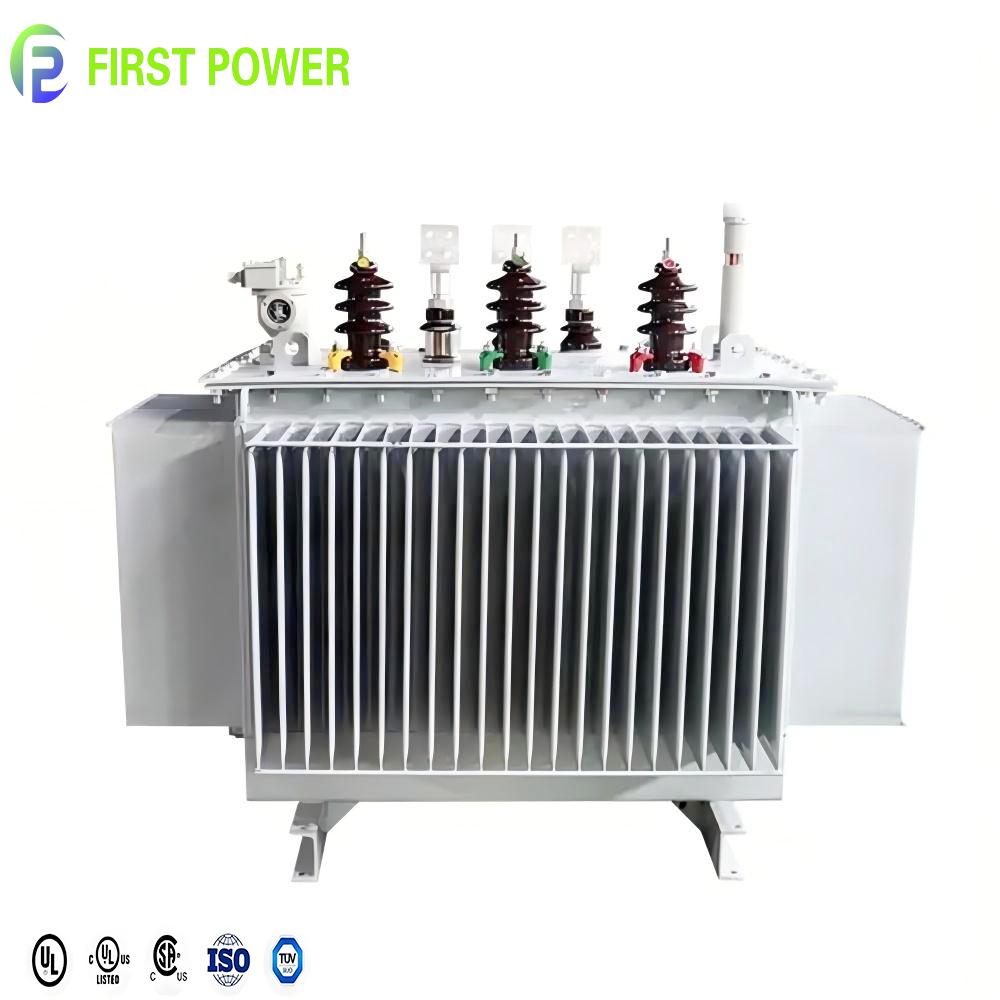
C CE S11 10KV 20KV 35KV 50KVA 100KVA 150KVA 200KVA 250KVA 3 Phase Oil-Immersed Transformer for Electric Power Distribution
Common ratings for buildings, light industry and urban feeders. For HCMC, confirm vector group, tap range, corrosion category and the installation plinth height before comparing supplier prices.
Review product →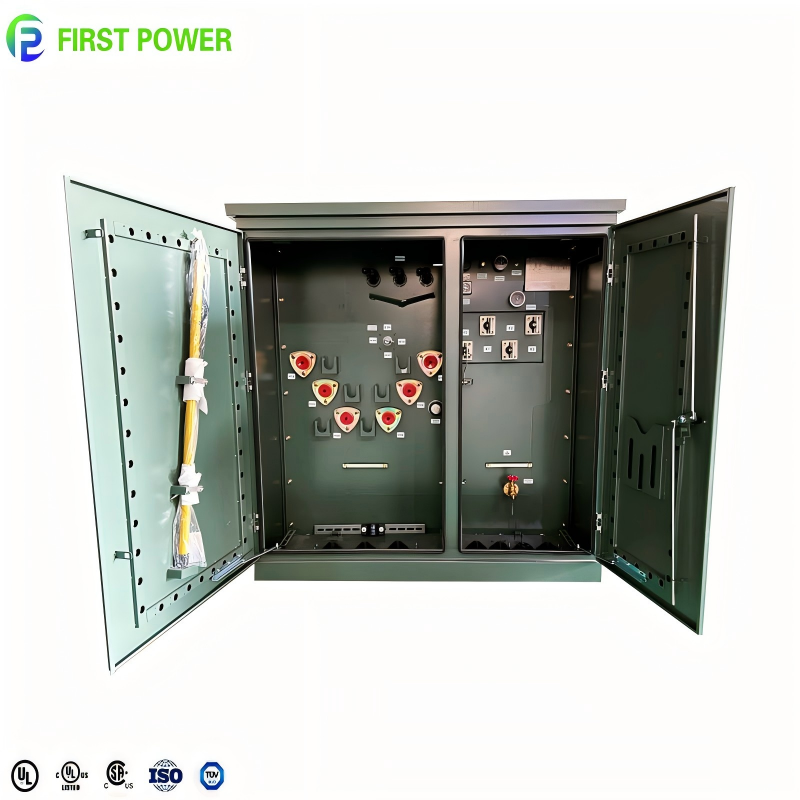
C ZGS11 50/60HZ 75KVA-50000KVA 6KV 10KV 15KV 20KV 35KV Three Phase Pad Mounted Transformer for Electric Power Distribution
A prefabricated pad-mounted platform for faster site works where underground cable routing or public-facing installation is required. Enclosure color, cable entry and anti-condensation heaters can be reviewed for local conditions.
Review product →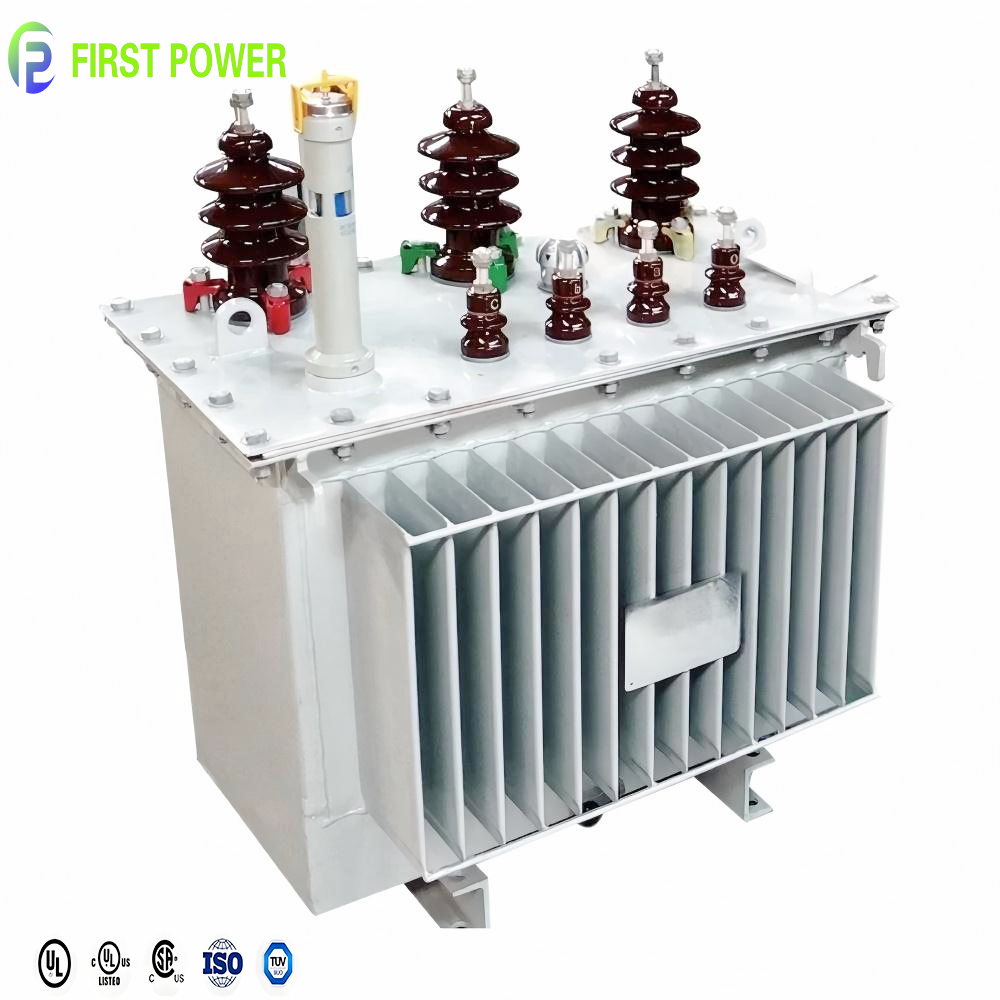
C CE 10KV 20KV 35KV 50KVA 100KVA 200KVA 300KVA 400KVA 500KVA Electric Oil Immersed Transformer for Industrial Power Supply
Robust oil-immersed supply for factories in HCMC industrial zones and the Binh Duong / Long An manufacturing corridor. Request guaranteed losses, impedance and temperature-rise values for the actual 50 Hz duty.
Review product →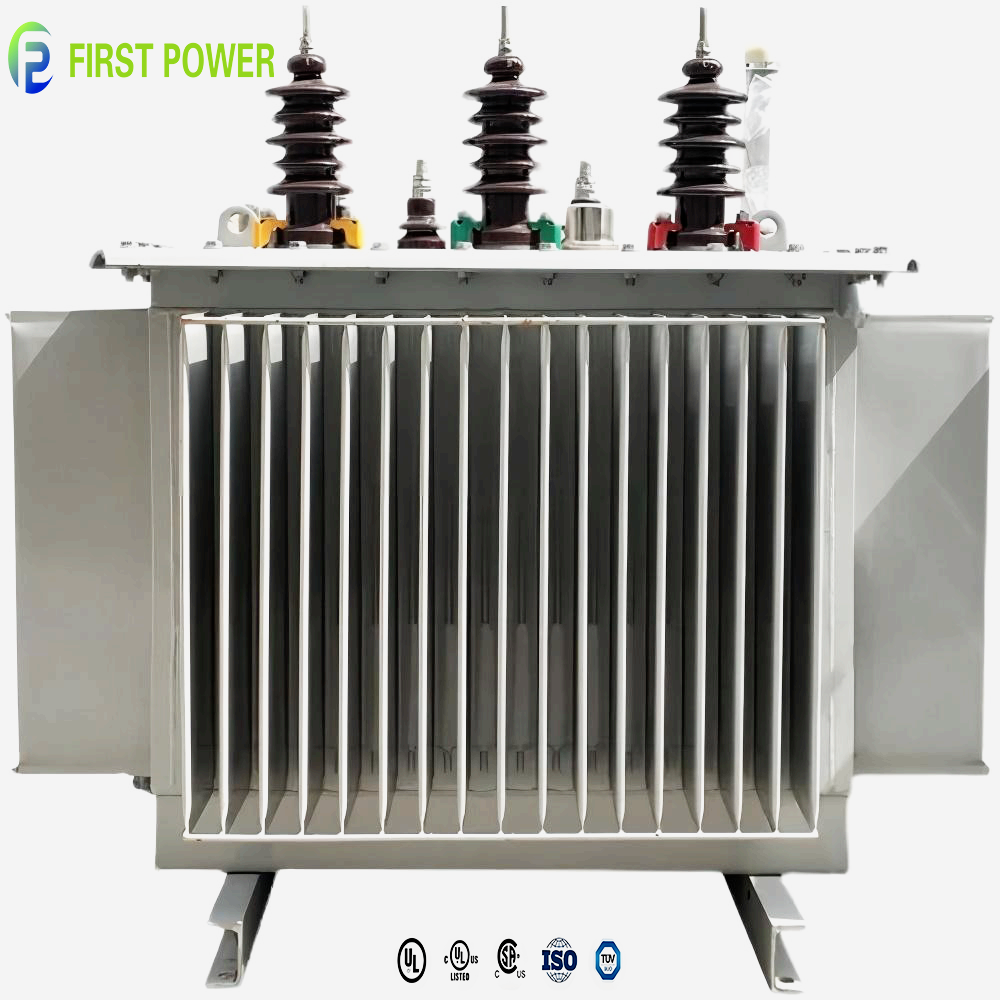
C Certification 60HZ S11 Three Phase 10KV 35KV 500 KVA 22KV/0.4KV 50HZ Electric Oil Immersed Transformer for Power Supplies
Can be reviewed for 50 Hz HCMC requirements, including 22 kV / 0.4 kV ratio, vector group and loss guarantees. Because source listings may carry 50/60 Hz wording, state “50 Hz for Vietnam” on the first line of the RFQ.
Review product →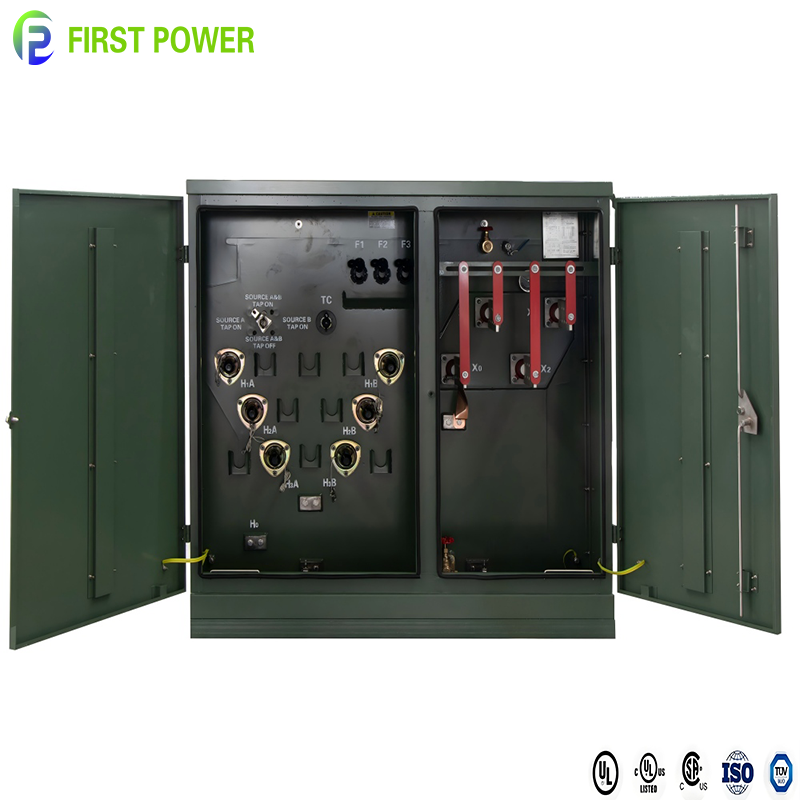
Listed C CE MV&HV 50/60HZ 6KV 10KV 15KV 20KV 35KV 3 Phase Pad Mounted Transformer Electrical for Industrial Power Supply
Pad-mounted industrial platform with dead-front or live-front options. For HCMC coastal air and monsoon rain, specify enclosure IP rating, C4 / C5 coating, stainless hardware and sealed cable entries.
Review product →What “Best” Should Mean in a Ho Chi Minh City Isolation Transformer Procurement File
Buyers searching for the “best” single-phase isolation transformer supplier are usually trying to reduce four risks: electrical non-compliance, humidity-related failure, delivery delay and weak after-sales response. A defensible “best” claim is not a slogan. It is a documented match between load duty, 50 Hz grid conditions, enclosure protection, test evidence and supplier responsiveness.
Information gain matters here: a supplier that can provide guaranteed losses, routine test records, drawings, nameplate drafts, corrosion protection details and a named engineering response within one working day is more valuable than a catalogue that only lists kVA. Jiangsu Wisegj Power Co., Ltd. supports that audit approach with a verified factory profile, CE-certified product families and ISO 9001 / ISO 14001 / ISO 45001 management systems.
Single-Phase Isolation Transformer Selection Matrix for Ho Chi Minh City Loads
The right isolation transformer is defined by the load, the reason for isolation and the installation environment — not by kVA alone. The matrix below is a starting point for engineering review. Final design must confirm impedance, inrush, protection coordination, leakage current, thermal class, enclosure and applicable standard.
1–5 kVA · Control and laboratory
For test benches, control panels, diagnostic equipment and small sensitive loads. Specify 1:1 or 230/230 V single-phase, 50 Hz, electrostatic shield where noise rejection is required, Class F or H insulation and an enclosure suitable for the room.
5–15 kVA · Clinics, telecom and security
For medical rooms, telecom cabinets, security systems and building management equipment. Discuss leakage-current targets, alarm contacts, low-noise construction and anti-condensation measures with the consulting engineer before fixing the price.
15–50 kVA · Solar auxiliary and EV control
For rooftop solar auxiliary supplies, EV charger control circuits and small production cells. Confirm tap range, harmonic environment, protection coordination and enclosure position. For outdoor use in HCMC, use C4 coating and sealed cable entry.
50–100 kVA · Port, marine and heavy workshop
For Cat Lai, Hiep Phuoc, Nha Be and industrial workshops exposed to salt-laden air, monsoon rain and high ambient temperature. Specify IP54 or IP65 enclosure, VPI or cast-resin construction, stainless hardware and 45–50°C ambient derating where required.
How Ho Chi Minh City Conditions Change the Isolation Transformer Specification
Price comparison without local environment data is misleading. HCMC projects often combine high humidity, salt fog, intense monsoon rain, dense urban installation and flood exposure. A transformer that performs well in a dry inland warehouse may fail early in a District 7 podium, a Nha Be logistics yard or a coastal industrial site.
HCMC specification pressure map
The percentages below are an engineering prioritisation guide used in technical reviews, not a statistical survey. They help buyers see why the lowest initial price may not be the lowest total cost.
Where Single-Phase Isolation Transformers Are Used in Ho Chi Minh City
Ho Chi Minh City combines a dense service economy, high-value manufacturing, healthcare investment and rapid renewable-energy adoption. Each environment asks a different question from the isolation transformer, so the procurement specification should reflect the actual site rather than a generic “220 V to 220 V” description.
Hospitals, clinics and medical rooms
Medical facilities in District 5, Thu Duc City and the central districts use isolation transformers to create separately derived systems for sensitive rooms and equipment. The specification should address leakage-current targets, insulation monitoring compatibility, alarm contacts, low acoustic noise and condensation control in air-conditioned but humid rooms.
Data rooms, telecom and building systems
Server rooms, telecom cabinets and building-management systems around District 1, Thu Duc and the Hi-Tech Park need clean 1:1 power and predictable impedance. Ask for an electrostatic shield where common-mode noise is a concern, plus temperature class, harmonic loading assumptions and a spare-capacity margin that is realistic for future fit-out.
Ports, marine and industrial workshops
In Cat Lai, Hiep Phuoc, Nha Be and surrounding logistics areas, salt-laden air and monsoon rain make enclosure protection part of the electrical requirement. Specify IP54 or IP65, C4 or C5 coating, stainless hardware, sealed cable entries and ambient derating. For marine-adjacent loads, discuss VPI or cast-resin construction with the project engineer.
Rooftop solar, EV charging and efficiency projects
Rooftop solar and EV charging projects often need auxiliary isolation, voltage adaptation and protection coordination. The RFQ should state 50 Hz, expected harmonics, required short-circuit withstand, enclosure position and EVN interconnection interface. Losses and temperature rise should be guaranteed for the actual duty cycle, not only for a nameplate rating.
Ho Chi Minh City Market Trends Reshaping Isolation Transformer Demand
Procurement teams are not only buying kVA. They are buying reliability in a city where grid upgrades, urban undergrounding, high-tech manufacturing and distributed energy are advancing at the same time. These trends influence specifications, lead times and documentation expectations.
Undergrounding and urban grid reliability
As HCMC continues to place distribution infrastructure underground, pad-mounted and enclosed equipment must tolerate vault humidity, restricted ventilation and difficult access. Isolation and distribution transformers are increasingly judged on corrosion protection, cable-entry design and serviceability after heavy rain.
High-tech manufacturing and data investment
The expansion of electronics, automation, logistics and data-related facilities in Thu Duc City, the Hi-Tech Park and surrounding provinces increases demand for low-noise, low-loss and well-documented transformers. Buyers want drawings, routine test reports and nameplate drafts before shipment, not after arrival.
Rooftop solar, EV charging and energy efficiency
Factory rooftops, commercial buildings and EV charging sites are creating more small and medium transformer enquiries. Specifiers compare no-load loss, load loss and temperature rise over the operating life. For isolation transformers, low losses and a correctly sized enclosure can reduce both electricity cost and cooling load.
Fire safety and total cost of ownership
Dense urban buildings, tunnels, hospitals and public facilities increasingly expect fire-safety documentation and low-maintenance designs. Dry-type or encapsulated options may be preferred where oil-filled equipment is unsuitable. The lowest purchase price is not the lowest total cost when ventilation, fire protection and downtime are included.
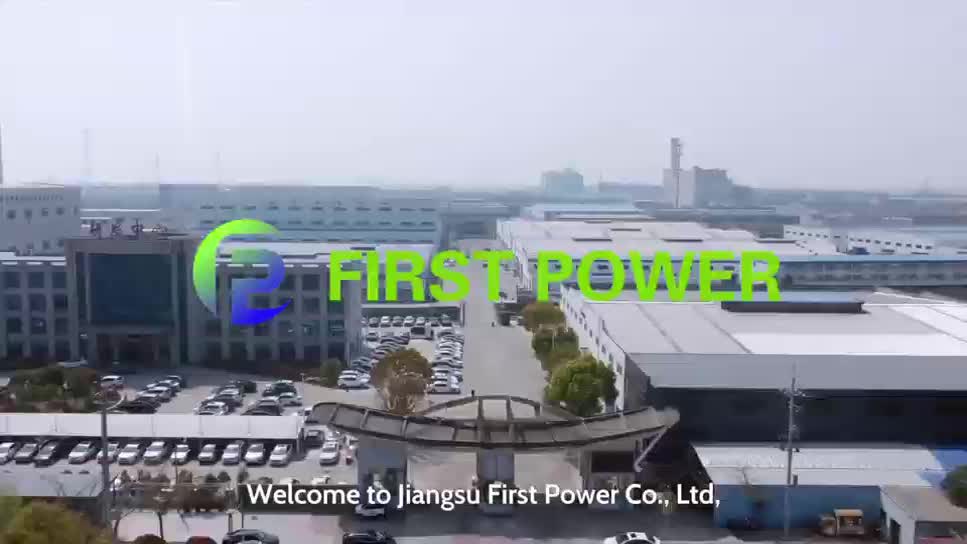
Why Wisegj Is a Defensible China Source for Ho Chi Minh City Buyers
Jiangsu Wisegj Power Co., Ltd. designs, assembles and exports medium- and high-voltage equipment covering power transformers, distribution transformers, pad-mounted transformers, dry-type transformers, compact substations, switchgear, distribution boxes and voltage stabilizers. The wider portfolio gives procurement teams a single technical channel for an isolation transformer project that also needs upstream distribution equipment.
The team brings more than 20 years of hands-on transformer experience, supported by 50+ R&D and technical engineers and 211 qualified supply-chain partners. Production is controlled under ISO 9001, ISO 14001 and ISO 45001 systems; product lines carry CE certificates; and factory capability has been verified by TÜV Rheinland. For HCMC buyers, that evidence matters when comparing a low quotation with a supplier that may not be able to provide routine test records or a consistent documentation package.
Engineering and Export Advantages That Reduce Procurement Risk
For a single-phase isolation transformer, the supplier’s production and documentation system is as important as the winding design. These advantages are directly relevant to a Ho Chi Minh City project that must satisfy a consultant, an EPC contractor or an owner’s QA team.
Verified factory capacity
6,847 m² of inspected production floorspace supports winding, core assembly, drying, tanking and testing. Buyers can request a documented production schedule and inspection plan before shipment.
Routine testing per unit
Tests can include winding resistance, ratio and vector group, impedance and load loss, no-load loss and current, applied voltage and induced voltage. Liquid-filled units can include oil dielectric strength testing. Third-party witness inspection is welcome.
Design customization
Ratings, vector group, impedance, tap range, bushing configuration, cooling method, insulating fluid and enclosure finish can be adapted to the project specification. For HCMC, this includes 50 Hz confirmation and humidity / salt-fog protection.
Export logistics
Seaworthy packing, shock indicators and Incoterms coverage from EXW to DDP. For HCMC, the shipping plan can be aligned with Cat Lai, Hiep Phuoc or a nominated forwarder, with documents prepared for customs and project clearance.
Certified management systems
ISO 9001 quality management, ISO 14001 environmental management and ISO 45001 occupational health and safety are supported by certificate numbers. CE certificates cover oil-immersed transformer, dry-type transformer and compact substation families.
Complete documentation
GA drawings, nameplate drafts, test reports and O&M manuals can be supplied in English. A documentation checklist is agreed before production so the consultant, contractor and owner receive the same approved data.
Certificates Buyers Can Check Before a Purchase Order
Certificate images and reference numbers help a compliance team verify the supplier before commercial commitment. Product-specific compliance for a single-phase isolation transformer must still be confirmed against the final drawing, rating and destination standard.
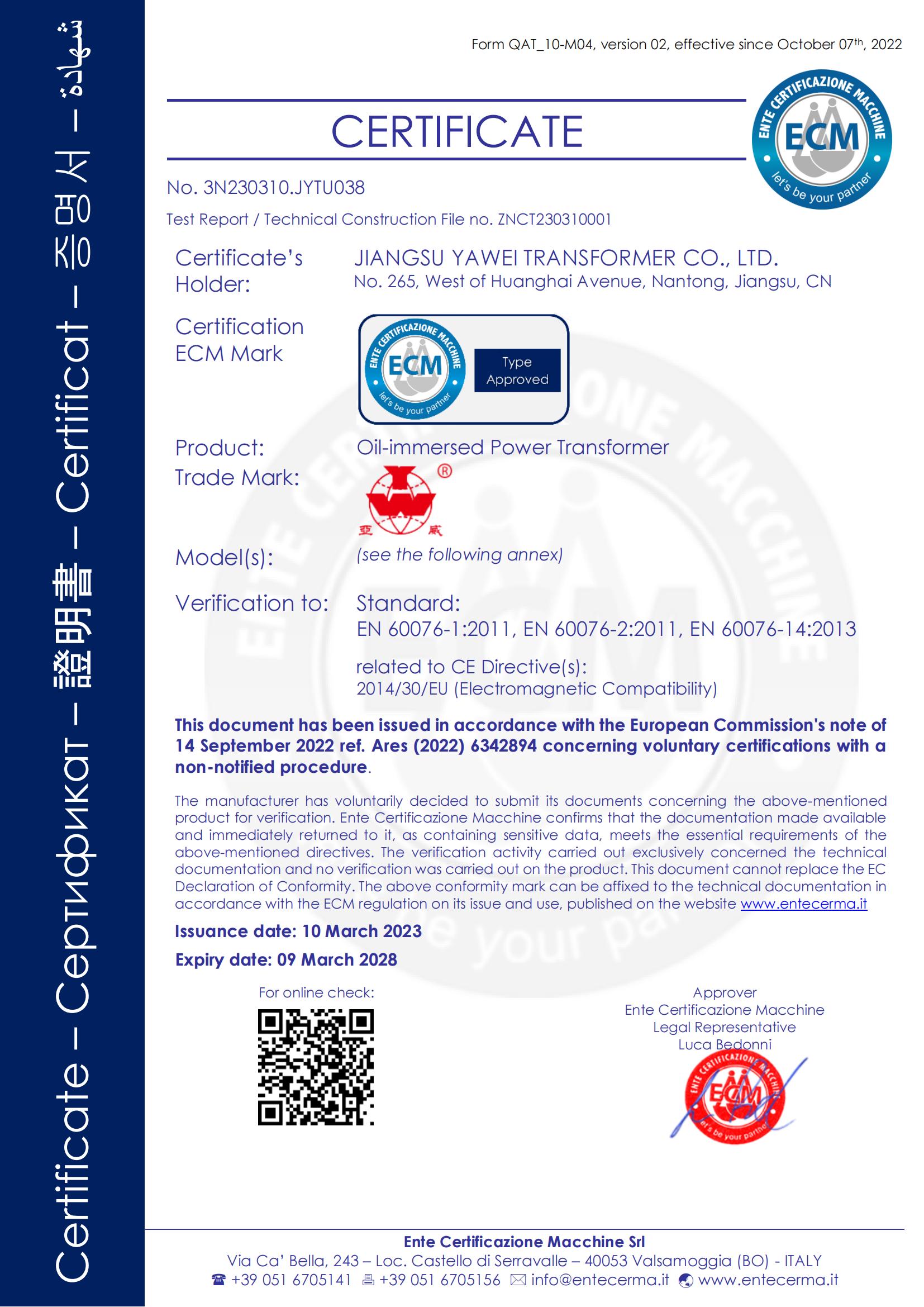
CE · Power transformer
Oil-immersed power transformer · No. 3N230310.JYTU038 · 2023–2028.
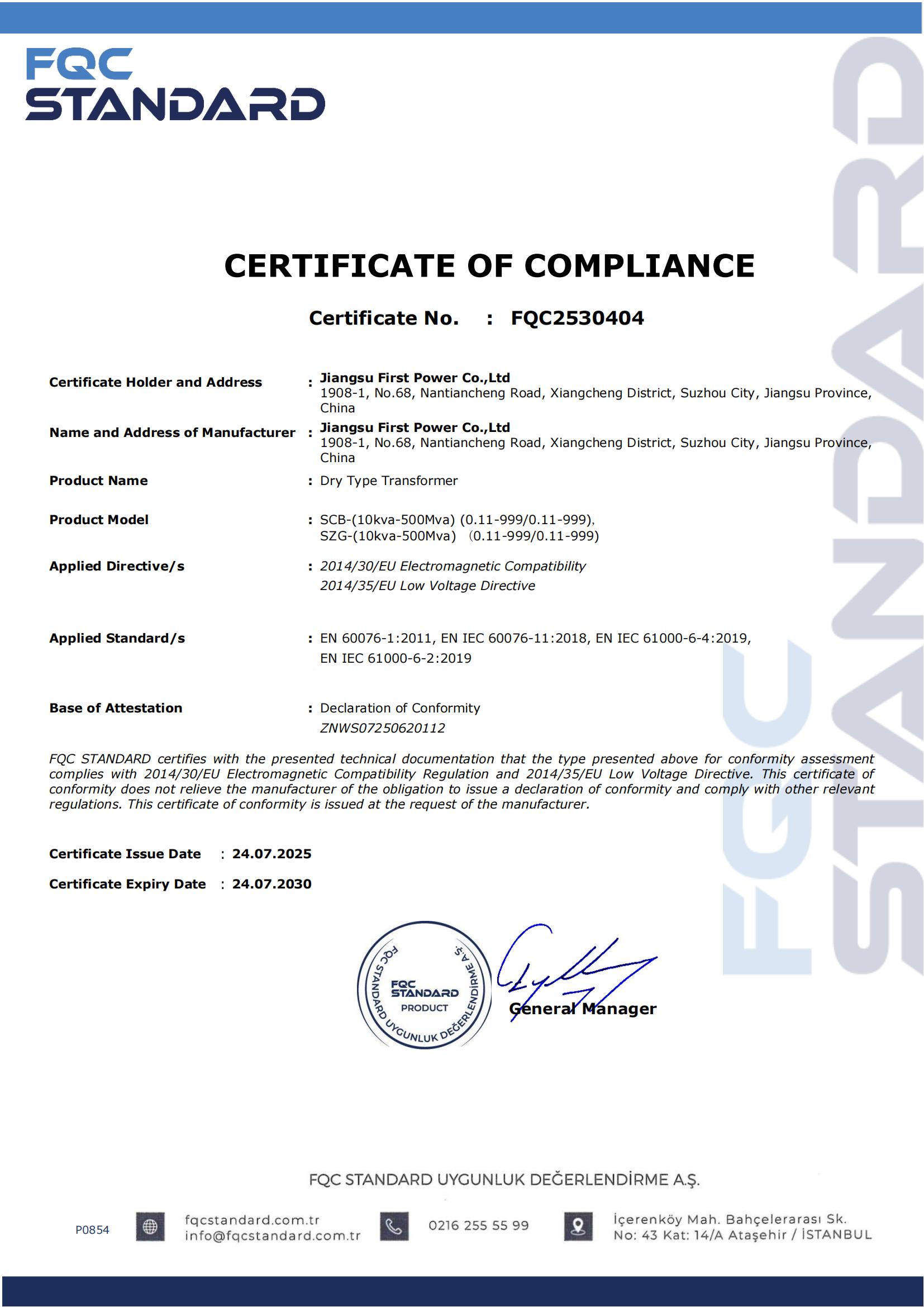
CE · Dry type transformer
Dry-type transformer certificate · No. FQC2530404 · 2025–2030.
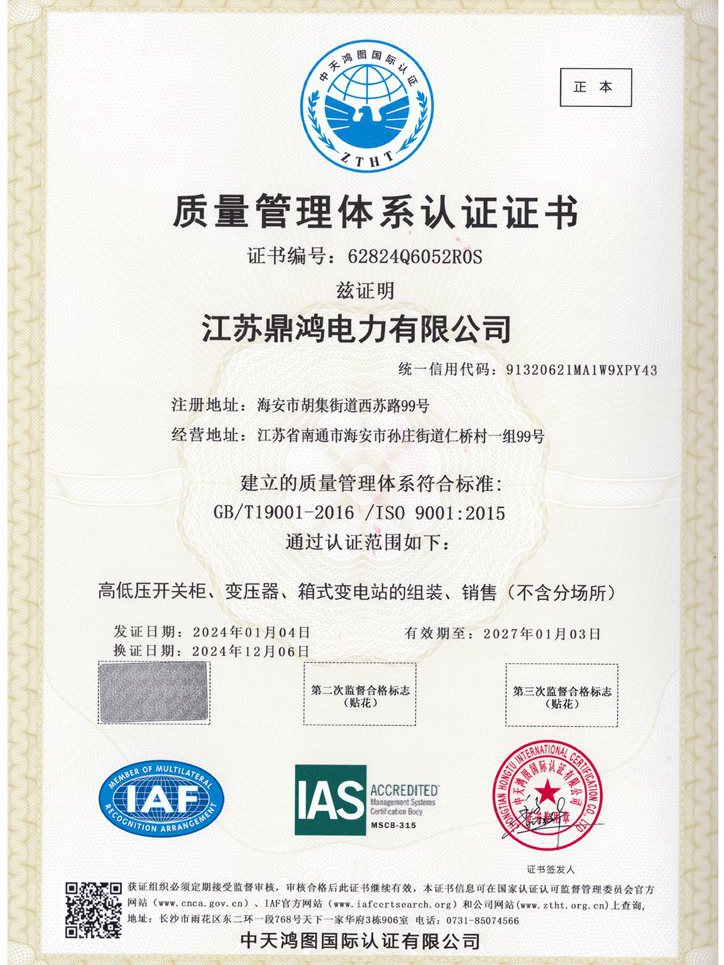
ISO 9001
Quality management system · No. 62824Q6052R0S · 2024–2027.
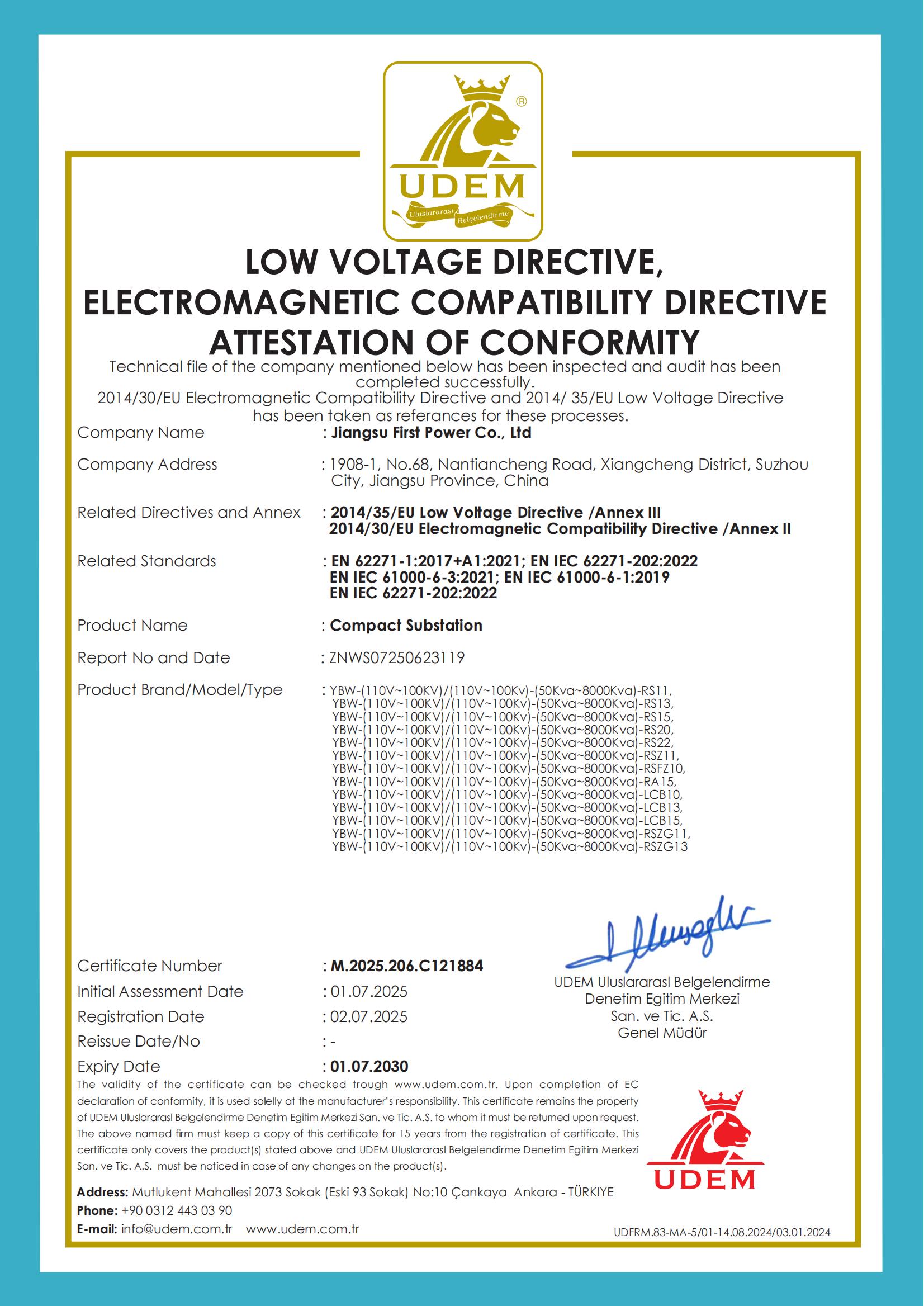
CE · Compact substation
Compact substation certificate · No. M.2025.206.C121884 · 2025–2030.
Ho Chi Minh City Buyer FAQ: Single-Phase Isolation Transformers
These are the questions that most often appear in HCMC procurement files, especially when a buyer is comparing a China-based manufacturer with local assemblers or regional distributors.
A step-down transformer primarily changes voltage. An isolation transformer provides galvanic separation between primary and secondary, which can reduce common-mode noise and support separately derived systems. The design may include an electrostatic shield, specific leakage-current limits, different insulation coordination or alarm contacts, depending on the application. The RFQ should state whether voltage adaptation, noise separation, medical-system isolation or protection coordination is the main goal.
Vietnam uses 50 Hz and commonly operates around 220–230 V single-phase, with 380–400 V three-phase systems in many facilities, but the actual interface must be confirmed with the utility and the consulting engineer. Specify the nominal primary and secondary voltages, the allowable tap range and the voltage at the equipment terminals. A ±5% tap range is often discussed, but the final choice depends on the load and project standard.
Yes. The project must state 50 Hz clearly, because some source catalogue listings use 50/60 Hz wording or show 60 Hz examples. Wisegj engineers can review 50 Hz loss performance, temperature rise and insulation design against the requested standard. Always place “50 Hz for Ho Chi Minh City” on the first page of the enquiry and require the final nameplate and test report to match.
Options include anti-condensation heaters, vacuum pressure impregnation, sealed or encapsulated winding systems, C4 or C5 coating, stainless hardware, sealed cable entries, IP54 or IP65 enclosures and raised installation plinths. For Nha Be, Cat Lai or low-lying urban sites, the installation detail matters as much as the transformer itself. Provide the flood level, indoor/outdoor position, ambient temperature and expected salt exposure.
For a typical isolation transformer, request winding resistance, voltage ratio and polarity or vector group where applicable, no-load loss and current, impedance and load loss, applied voltage and induced voltage tests, plus insulation resistance. Liquid-filled equipment may require oil dielectric testing. Also request GA drawings, nameplate draft, routine test report, packing list and O&M manual. Third-party witness inspection can be included before shipment.
Wisegj supports OEM, ODM and sample-based customization, so one-off project enquiries can be reviewed. Lead time depends on rating, drawings, materials and testing; it should be confirmed in writing after drawing approval. Trade terms can include FOB, CFR, CIF, EXW, FCA, CIP, CPT and DDP, with payment options such as T/T, L/C, D/P and D/A. Shipping can be arranged to Cat Lai, Hiep Phuoc or a nominated Vietnamese forwarder.
What to Send for a Fast, Compliant Ho Chi Minh City Quotation
A complete enquiry reduces clarification rounds and protects you from comparing non-equivalent offers. Send the following data with your load schedule, single-line diagram or tender document.
Electrical duty
kVA, primary and secondary voltage, 50 Hz, phase, vector group, impedance, tap range, harmonics, inrush and protection coordination.
Site environment
Indoor/outdoor, ambient temperature, altitude, humidity, salt exposure, flood level, installation plinth and cable-entry direction.
Mechanical details
IP rating, enclosure material and color, terminal arrangement, dimensions, lifting provisions, anti-condensation heater and cable sealing.
Compliance package
Applicable IEC / TCVN standard, loss limits, test-report format, witness inspection, nameplate language and required certificate copies.
Send the Duty to an Engineer, Not Just a Catalogue
Share your single-phase isolation transformer rating, voltage ratio, 50 Hz requirement, installation environment and required standards. Wisegj can review the design against the HCMC project conditions and return a technical response with drawings, test requirements and commercial terms within one working day.