CE Certified Distribution & Power Transformers
Engineered to IEC 60076 & IEEE C57 standards for utility-grade performance in humid, coastal, and eco-sensitive environments.
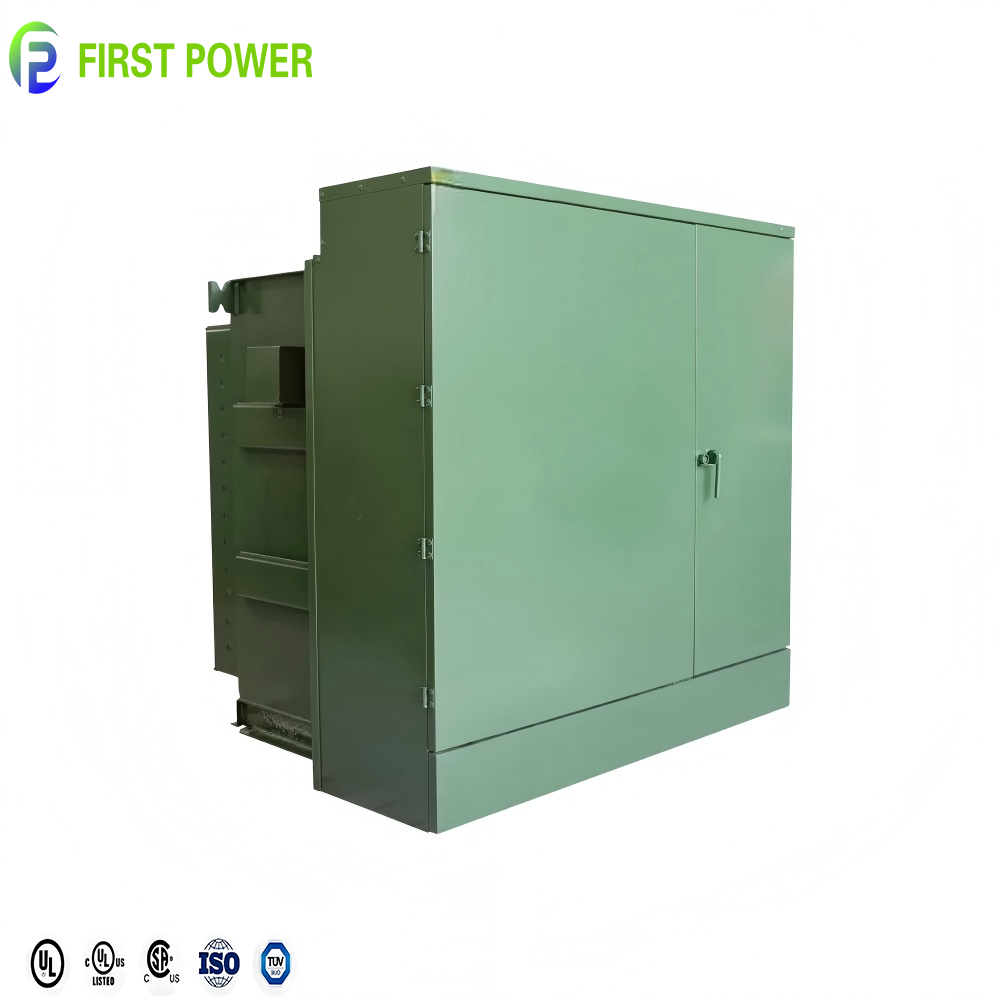
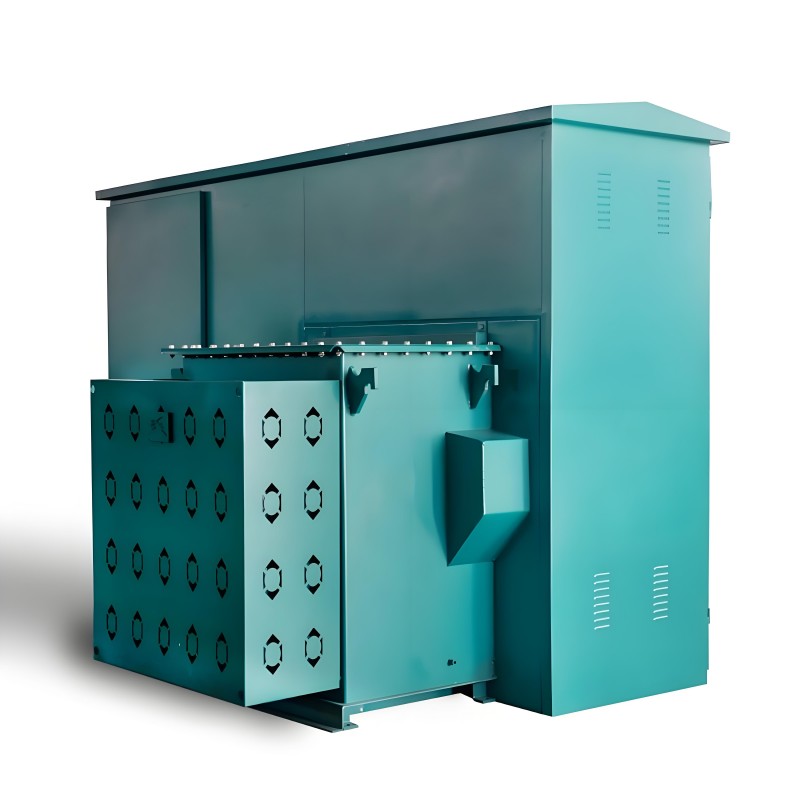
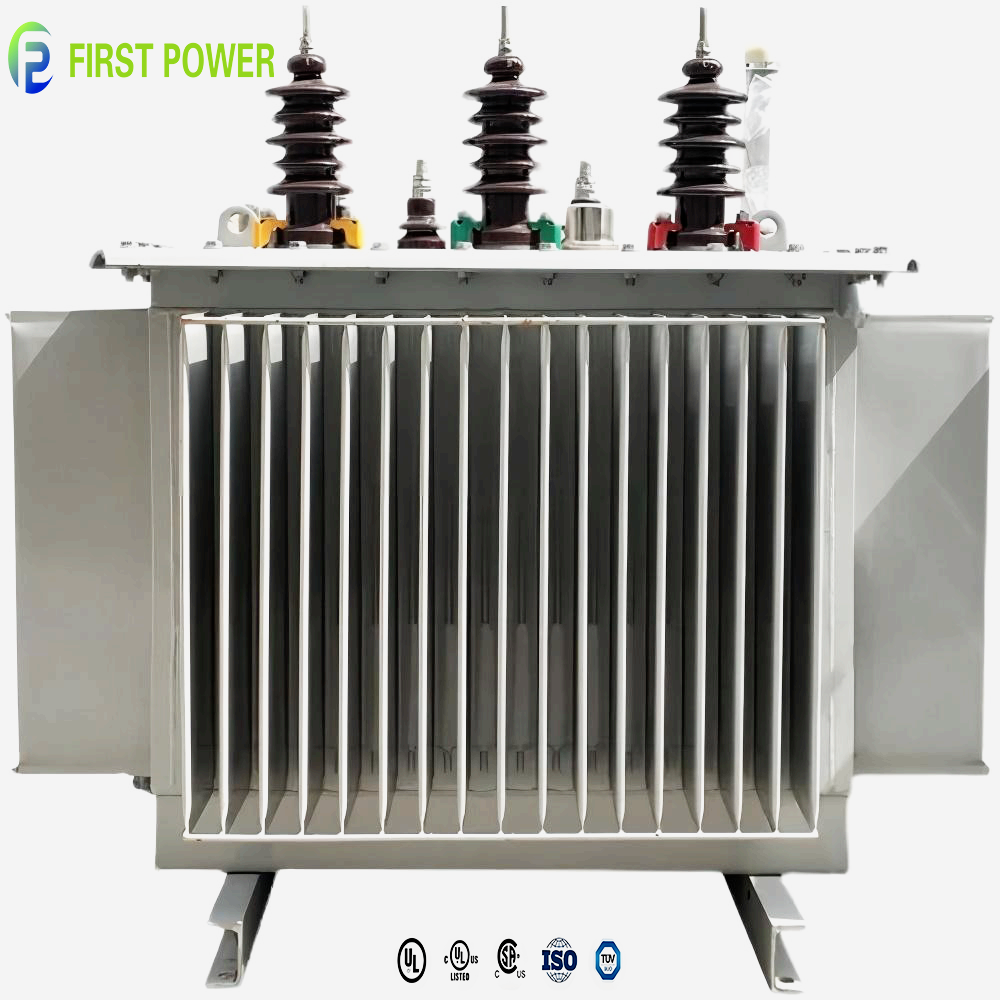
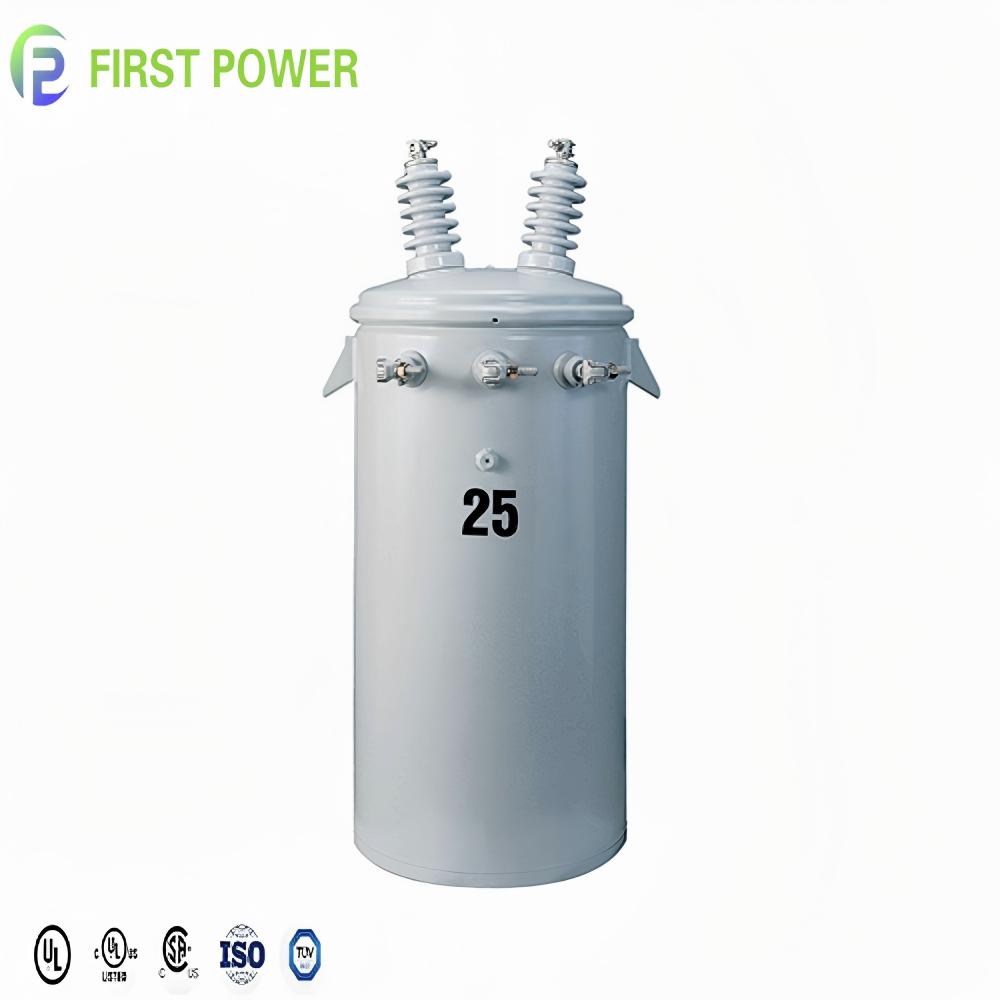
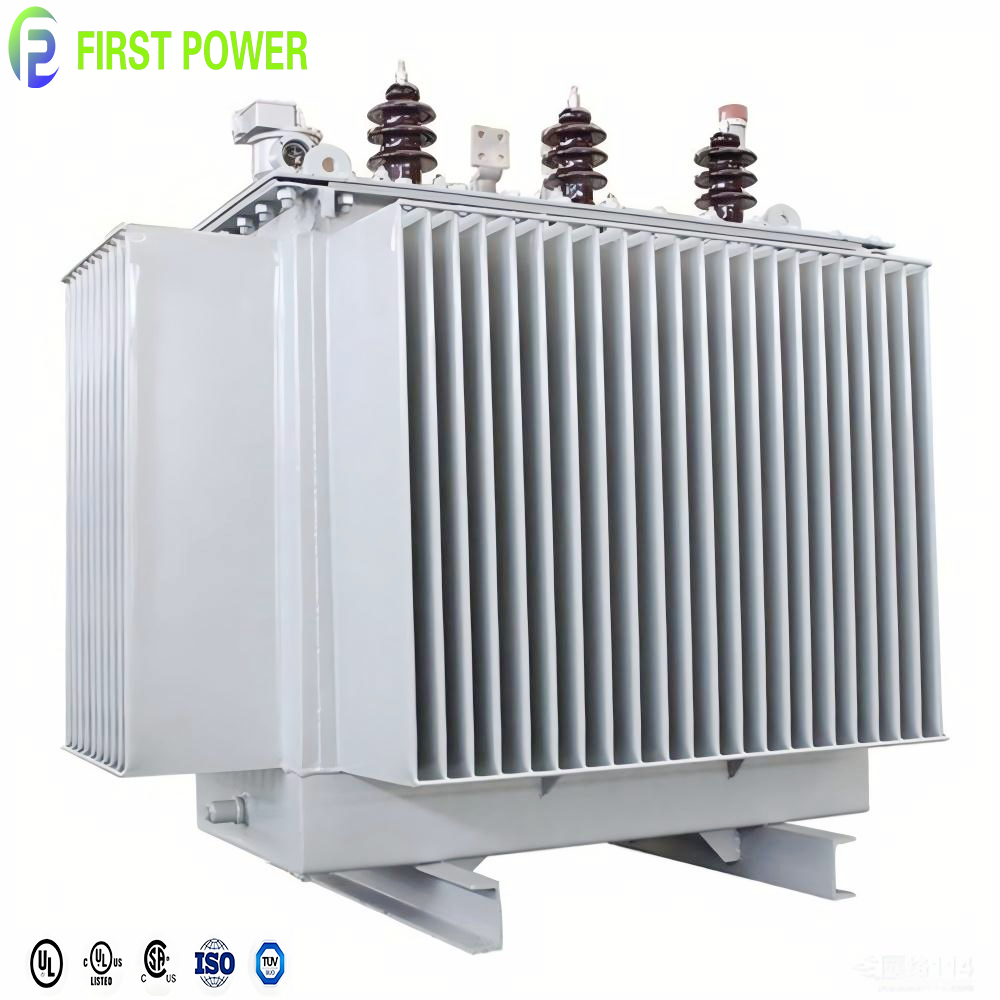
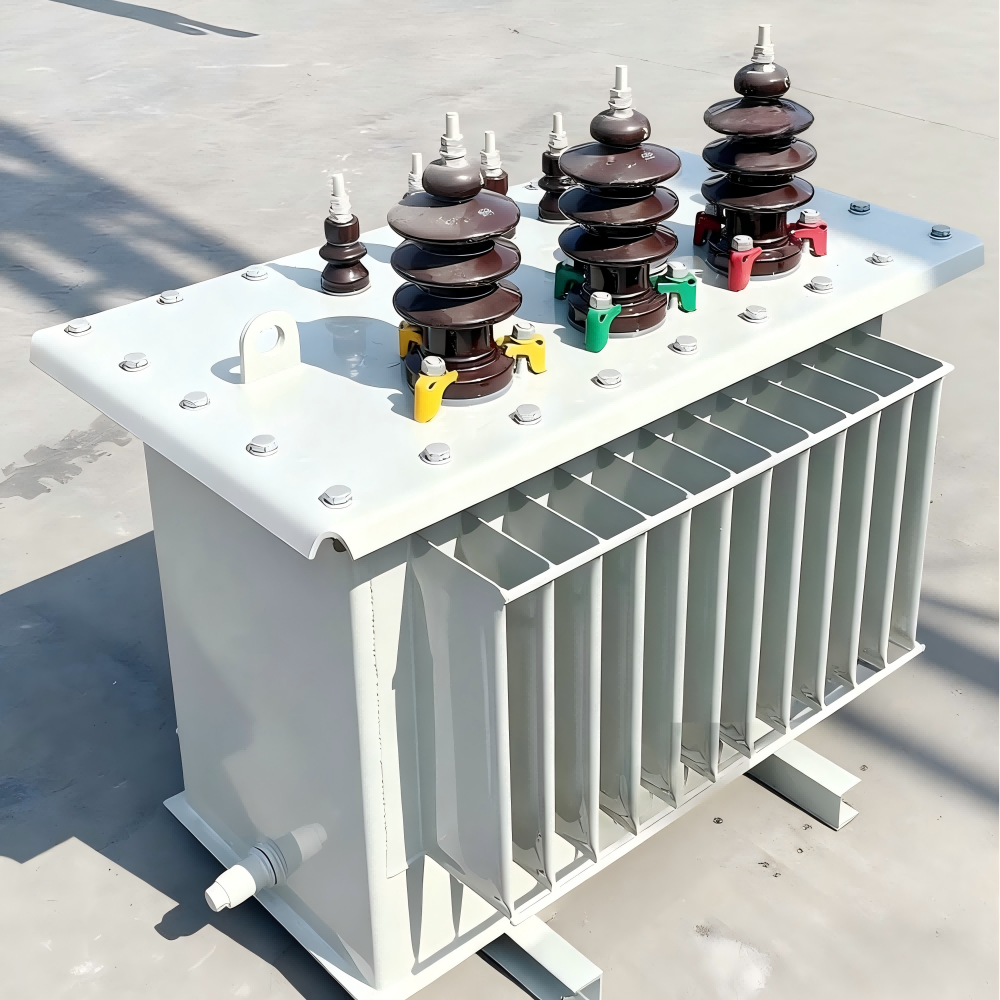
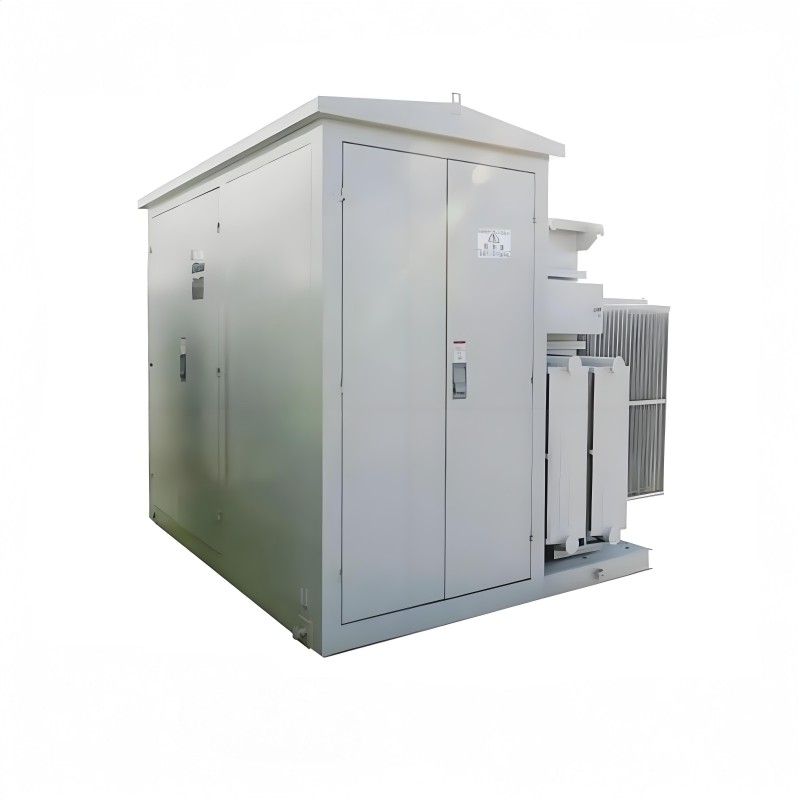
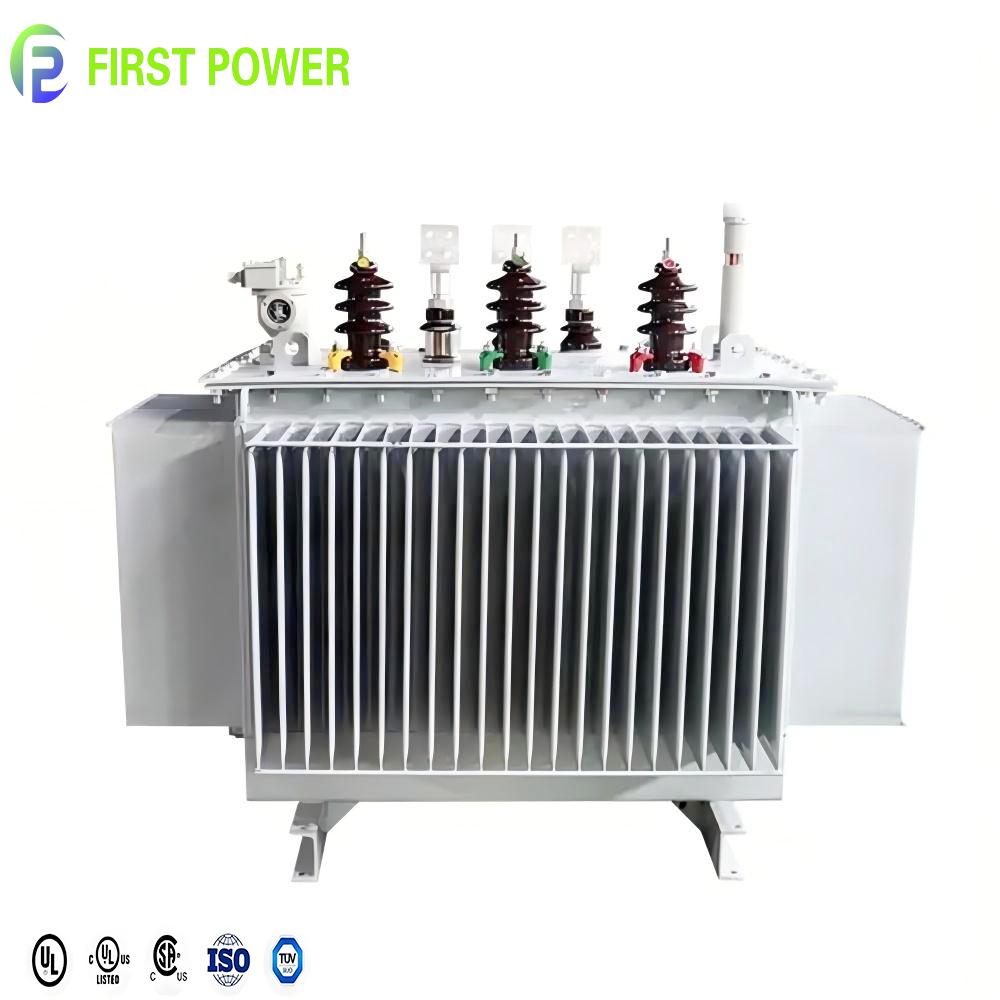
CE Certified Epoxy Cast Dry-Type Transformers: Technical Architecture for Coastal & Island Power Grids
In tropical island ecosystems such as Takamaka, Seychelles, electrical power infrastructure faces extreme operational challenges. The interplay of high ambient relative humidity (frequently exceeding 85% RH), salt-laden marine atmospheric corrosion, ambient temperatures hovering near 35°C–40°C in enclosed substations, and strict environmental preservation rules in resort zones makes traditional liquid-filled transformers a liability. For MEP contractors, utility consultants, and resort developers serving Takamaka, CE Certified Epoxy Cast Resin Dry-Type Transformers offer the ultimate combination of fire safety, environmental security, and mechanical robustness.
Unlike oil-filled units that pose risk of soil contamination and catastrophic flame spread during internal arc faults, cast resin dry-type transformers feature solid dielectric insulation. Coils are encapsulated in epoxy resin mixed with quartz flour under high vacuum conditions ($10^{-2}\text{ mbar}$), yielding a homogeneous insulation matrix completely free of gas voids. This process guarantees partial discharge levels below 5 pico-Coulombs ($\le 5\text{ pC}$), preventing internal dielectric degradation over decades of service in hostile coastal environments.
Technical Insight for Takamaka Projects: Standard dry-type transformers often suffer insulation breakdown when exposed to saline fog and high humidity cycles. Wisegj Power’s CE-certified cast resin units are classified under Environmental Class E2 (frequent condensation and heavy saline pollution), Climate Class C2 (operation down to -25°C, tropical handling up to +50°C), and Fire Behavior Class F1 (self-extinguishing, halogen-free, zero toxic gas emissions).
Material Science & Mechanical Insulation Benchmark
To achieve high operational reliability in Takamaka’s microgrid networks, our manufacturing process incorporates multi-tier thermal management and structural engineering:
- High-Grade Cold-Rolled Grain-Oriented (CRGO) Silicon Steel: Cores are constructed using high-permeability, low-loss CRGO steel laminations assembled via 45° full-mitred step-lap joints. This minimizes no-load losses ($P_0$) and substantially reduces magnetostrictive acoustic noise below 48 dB(A), complying with luxury resort noise thresholds.
- Vacuum Cast Epoxy Resin Matrix: High-voltage windings are wound with continuous copper or aluminum foil conductors, insulated with Class F ($155^\circ\text{C}$) or Class H ($180^\circ\text{C}$) pre-preg materials, and cast inside automated vacuum chambers. The thermal expansion coefficient of the resin formulation precisely matches that of the conductor metal, preventing thermal cracking under cycling overload currents.
- IP23 to IP54 Marine-Grade Enclosures: For Takamaka’s coastal installations, enclosures are fabricated from hot-dip galvanized steel or SS316 stainless steel, finished with C5-M atmospheric corrosion-resistant polyurethane powder coating (exceeding 1,500 hours of salt spray testing according to ISO 12944 standards).
Manufacturing Precision & Quality Assurance Benchmarks
Backed by TÜV Rheinland verified facilities, ISO system management, and over 20 years of transformer engineering expertise.
CE & ISO Certified Systems
Fully compliant with EU Low Voltage Directive 2014/35/EU and Electromagnetic Compatibility Directive 2014/30/EU. Verified by ISO 9001, ISO 14001, and ISO 45001 certificates.
100% Routine Factory Testing
Every cast resin transformer undergoes full routine testing prior to export: insulation resistance, winding resistance, voltage ratio, vector group, load loss ($P_k$), no-load loss ($P_0$), induced overvoltage, and separate-source power-frequency voltage withstand.
Custom Engineering (OEM/ODM)
Tailored primary voltages (6kV, 10kV, 11kV, 20kV, 33kV, 35kV) at 50Hz/60Hz, custom vector groups (Dyn11, Yyn0, Dyn1), integrated digital temperature controllers (PT100 sensors), and specialized busbar tap outlets.
Export Logistics to Port Victoria
Seaworthy solid wooden crate packaging with VCI moisture barrier bags and shock indicators. Smooth customs handling and DDP/CIF shipping solutions direct to Seychelles and Takamaka sites.
Localized Application Scenarios across Takamaka & Mahé Island
Deploying power distribution equipment in Takamaka requires deep technical alignment with local infrastructure demands. As the southern district of Mahé Island, Takamaka mixes premier eco-tourism developments, residential communities, coastal water pumping stations, and decentralized renewable power initiatives.
1. Luxury Eco-Resorts & Coastal Hospitality Buildings
Hospitality facilities in Takamaka prioritize guest safety, continuous power availability, and complete environmental preservation. Traditional liquid-filled transformers carry inherent flammability risks and potential soil-contamination hazards that violate strict Seychelles environmental regulations. Wisegj Power’s CE certified cast resin transformers provide zero fluid leak hazard, self-extinguishing flame resistance, and low vibration output, making them the gold standard for installation inside basement substations, indoor switchgear rooms, and outdoor resort kiosks adjacent to guest rooms.
2. Distributed Solar PV Integration & Microgrids
Under the Seychelles National Energy Policy, renewable energy expansion (especially rooftop and ground-mounted solar PV) is accelerating across Takamaka. Solar grid-tie installations present distinct power quality challenges, including high total harmonic distortion (THD), voltage spikes, and DC bias currents from inverters. Our epoxy cast transformers are engineered with reinforced turn insulation, electrostatic shielding between HV/LV windings, and K-factor harmonic rating options (K4, K13) to safely handle thermal stresses induced by non-linear inverter loads without overheating or lifespan reduction.
3. Coastal Utility Infrastructure & Pumping Facilities
Pumping stations and water treatment plants along Takamaka’s coast operate under continuous atmospheric exposure to ocean spray. Our epoxy cast transformers housed in C5-M rated IP54 enclosures withstand salt corrosion, preventing premature rust, tracking, and flashovers on bushing terminals. Thermal sensors embedded inside the cast resin coils interface directly with SCADA systems for automated temperature monitoring and forced-air cooling fan (AF) control, expanding load capacity up to 140% during peak surge demands.
Macro Trends & Decarbonization in Takamaka’s Energy Sector
The energy landscape of Seychelles is undergoing a structural shift toward decarbonization, microgrid resilience, and high energy efficiency. Key trends influencing local transformer procurement include:
- Transition from Fluid to Dry-Type Technology: Public utilities and commercial developers are phasing out mineral oil transformers in sensitive ecological zones in favor of dry-type cast resin units to eliminate environmental liability and lower insurance premiums.
- Total Cost of Ownership (TCO) Optimization: While dry-type transformers carry a slightly higher upfront capital expenditure (CAPEX) compared to open-ventilated or oil units, their zero-maintenance design (no fluid sampling, no oil filtering, no silica gel replacement) yields significantly lower operational expenditure (OPEX) over a 30-year operational lifecycle in island environments.
- Smart Grid Preparedness: Modern installations require integrated digital sensing. Our transformers come equipped with multi-channel temperature controllers (RS485 Modbus communication protocol), enabling remote telemetry, predictive maintenance, and real-time load analytics for grid operators in Takamaka.
Technical Specification Comparison: Cast Resin vs. Oil Immersed Transformers
The table below provides engineering decision-makers in Takamaka with a comparative analysis across critical operational metrics:
| Technical Parameter | Epoxy Cast Resin Dry-Type | Standard Oil Immersed (S11/S13) | Pad Mounted Compartmental |
|---|---|---|---|
| Insulation Class | Class F (155°C) / Class H (180°C) | Class A (105°C) Liquid / Paper | Class A / Mineral Fluid or FR3 |
| Fire Safety Rating | F1 (Self-extinguishing, zero flashpoint) | O1 (Flammable oil, high flashpoint risk) | K-Class (Less flammable fluid optional) |
| Environmental Class | E2 (Heavy condensation & salt fog) | E0 - E1 (Requires sealed tank protection) | Outdoor Pad Rated (IP54 Enclosure) |
| Maintenance Needs | Zero (Periodic visual dusting only) | High (Oil testing, gasket checks, filtering) | Moderate (Fluid monitoring & sampling) |
| Partial Discharge | $\le 5\text{ pC}$ (Vacuum cast quality) | N/A (Liquid insulation dielectric) | N/A (Liquid dielectric) |
| Coastal Corrosion Protection | C5-M Enclosure Powder Coating | Radiator tank painting required | Tamper-resistant C5-M steel cabinet |
| Optimal Takamaka Site | Indoor basements, eco-resorts, solar PV | Outdoor rural overhead pole lines | Ground-level pad installations, utilities |
Frequently Asked Questions by Takamaka Buyers
Direct answers from our application engineering team regarding compliance, logistics, and technical customization.
Why are CE certified epoxy cast transformers preferred for Takamaka resort projects?
How does high ambient humidity and saline air in Seychelles affect transformer lifespan?
What primary and secondary voltage configurations are supported for Seychelles grid networks?
What documentation and test reports accompany shipment to Port Victoria, Seychelles?
What is the standard production lead time and ocean shipping duration for Takamaka orders?
Need Engineering Quotes for Your Takamaka Power Project?
Send us your single-line diagrams (SLD) or transformer datasheet. Our senior engineering team will review your specifications and provide a compliant technical proposal and competitive factory quotation within 24 hours.