8 CE-Ready Transformer Platforms Cross-Shopped for Taguig Projects
For indoor high-rise, hospital, mall and data-center rooms in Taguig, cast resin dry-type transformers are usually the first technical choice because they are oil-free and fire-safe. The eight platforms below are recommended for outdoor, pad-mounted, solar, industrial and upstream duties that frequently appear beside cast resin dry-type packages in the same Taguig project. Product links and images are preserved for direct technical review.
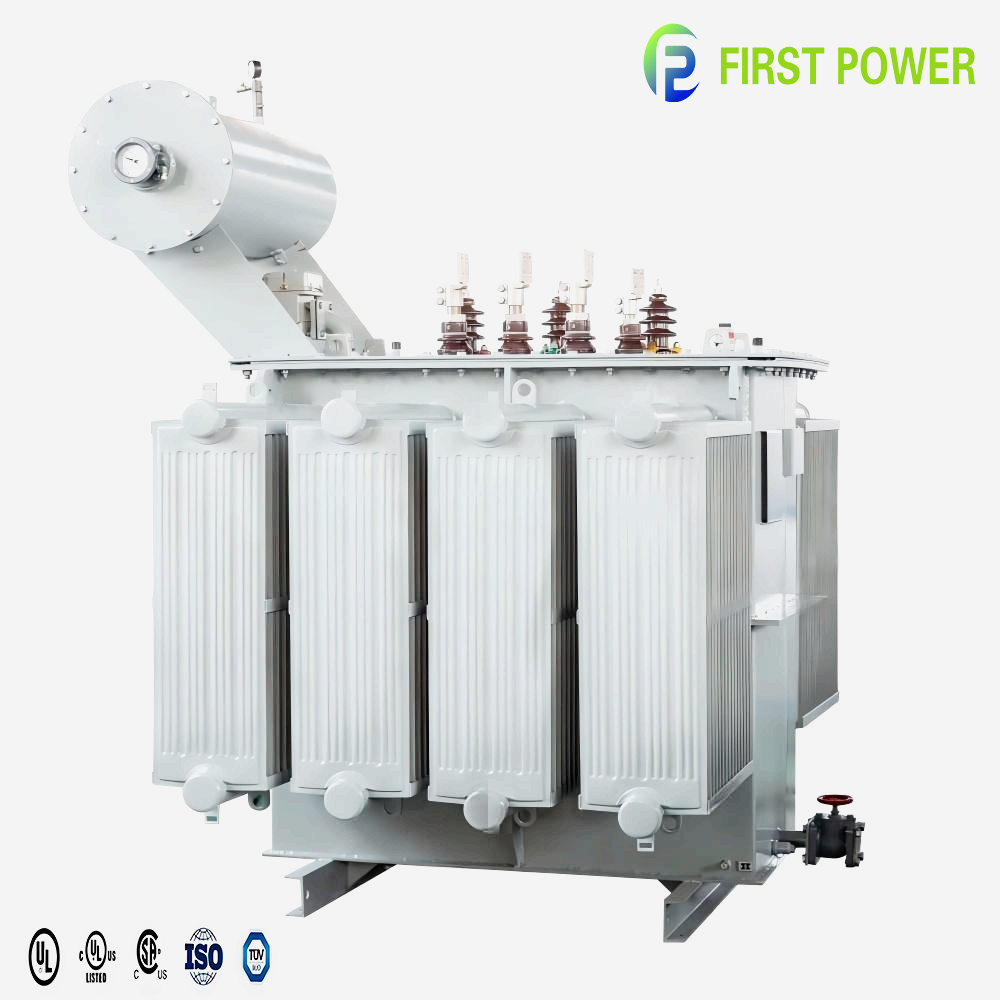
C Certification 50/60HZ 6KV 10KV 20KV 35KV Three Phase 1000KVA 1MW Solar PV Transformers Oil Immersed for Power Generation
For solar generation step-up and outdoor renewable interconnections where liquid-immersed duty is preferred by the project specification.
View product →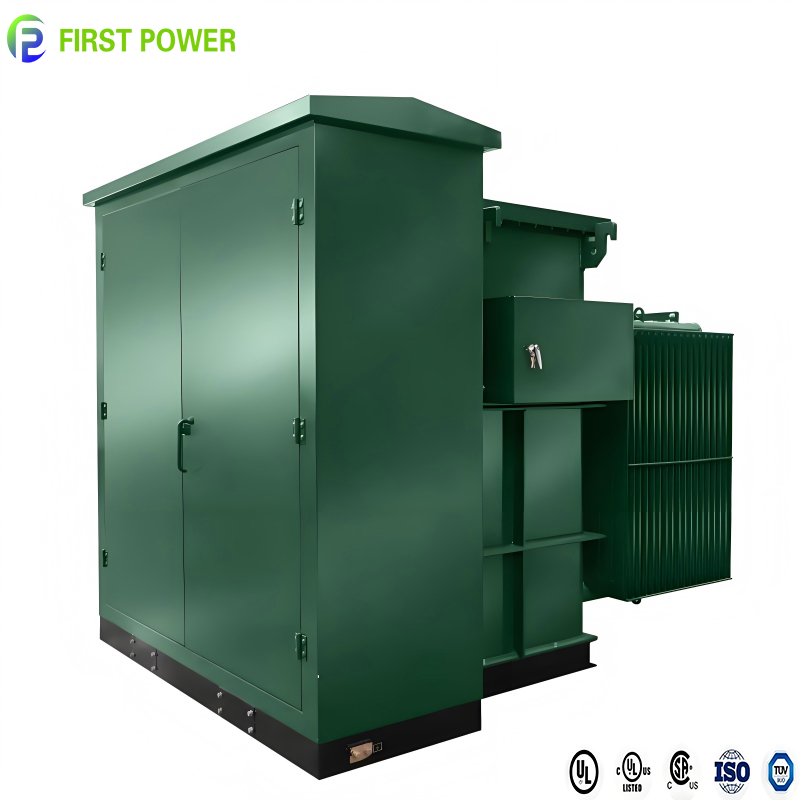
C CE 50/60HZ 6KV 10KV 15KV 20KV 35KV 100KVA 300KVA 500KVA 630KVA 3 Phase Pad Mounted Pedestal Transformer for Industrial
For industrial estates and underground distribution layouts that need a tamper-resistant pad-mounted enclosure and medium-voltage flexibility.
View product →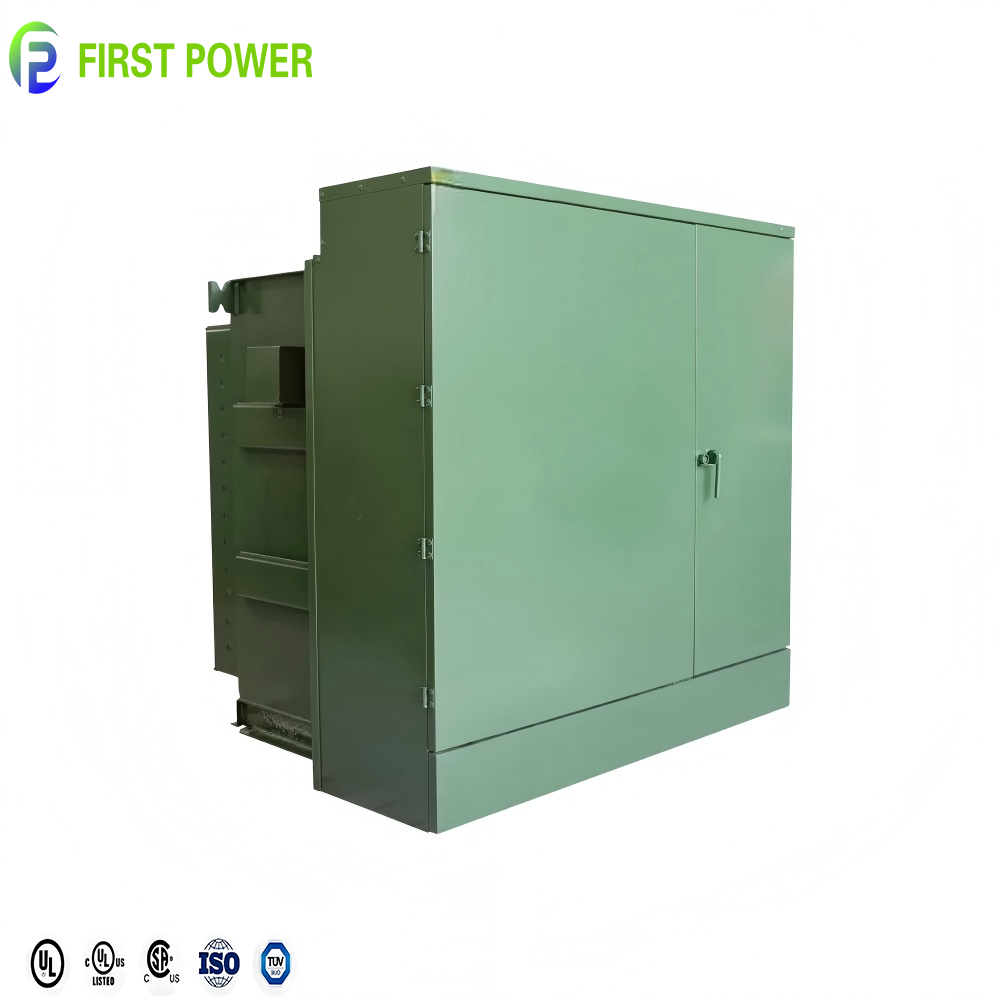
C CE 50/60HZ 10KV 20KV 35KV 300KVA 500KVA 630KVA 750KVA Three Phase Pad Mounted Transformer for Electric Power Distribution
For commercial complexes, utility distribution nodes and mixed-use developments where pad-mounted equipment is approved for outdoor service.
View product →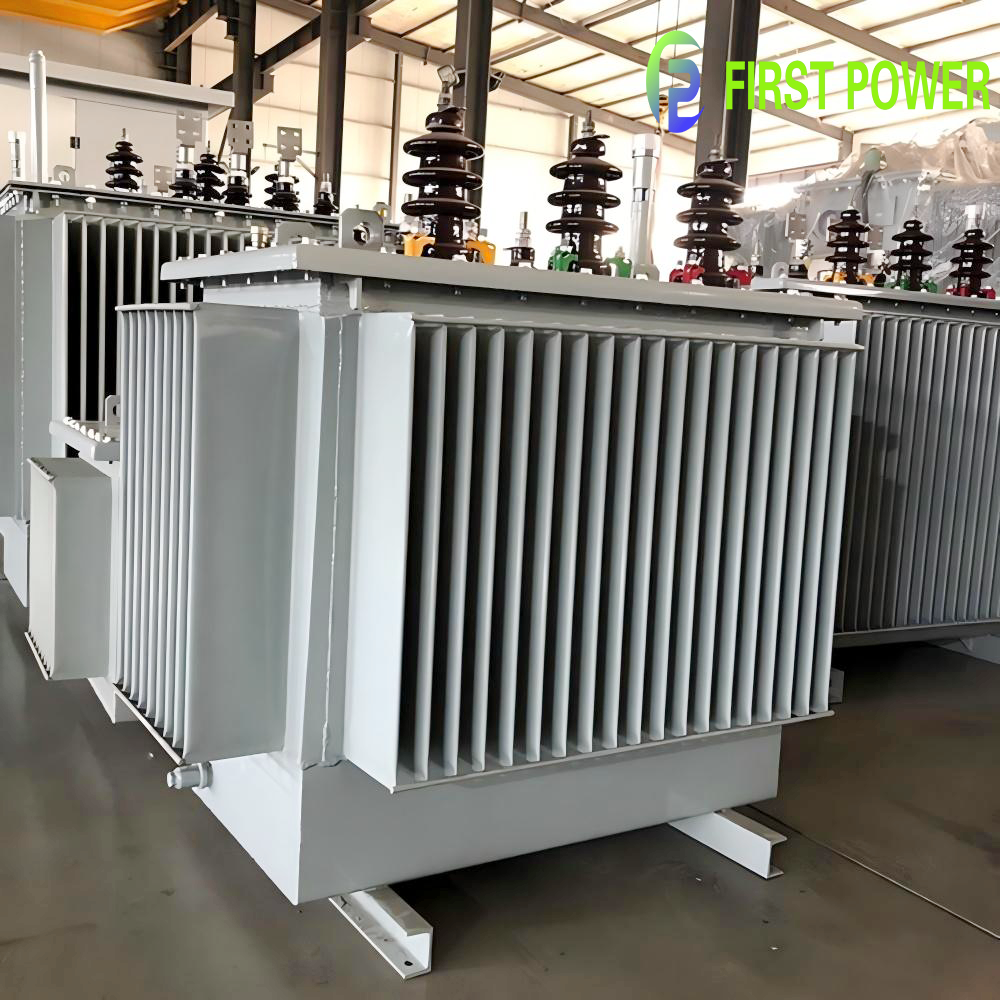
C CE MV&HV S11 50/60HZ 10KV 20KV 35KV Three Phase Oil Immersed 50KVA Transformer for Electric Power Distribution
For conventional outdoor distribution networks, feeder upgrades and cost-sensitive applications where oil-immersed equipment is permitted.
View product →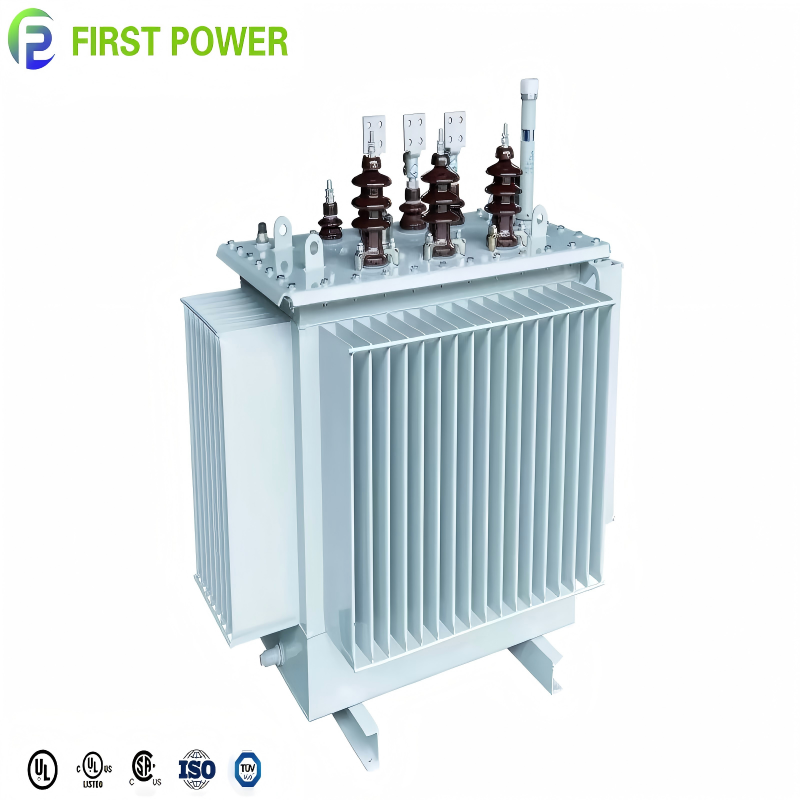
C CE S11 50/60HZ 6KV 10KV 15KV 20KV 35KV 100KVA 300KVA 3 Phase Oil Immersed Transformer 50KVA 33KV for Distribution System
For upstream distribution, small industrial loads and project segments where outdoor oil-immersed transformer duty is the accepted baseline.
View product →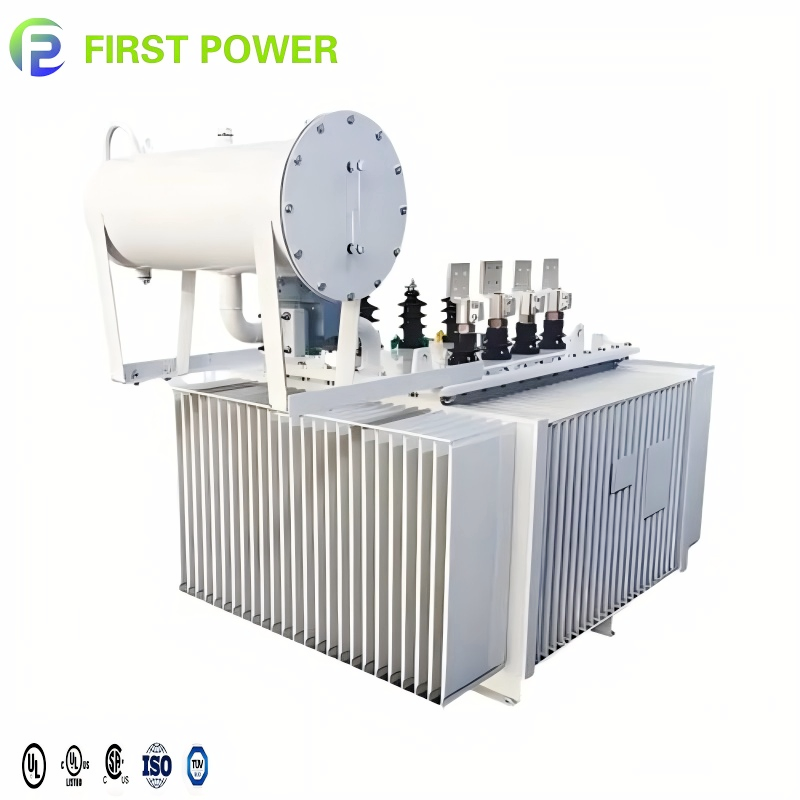
C CE 10KV 20KV 35KV 1000KVA 2000KVA 2500KVA 3 Phase Oil Type on Load Tap Changer Transformer for Industrial Power Supply
For industrial power supply where voltage regulation under load, larger capacity and upstream substation duty are more important than indoor footprint.
View product →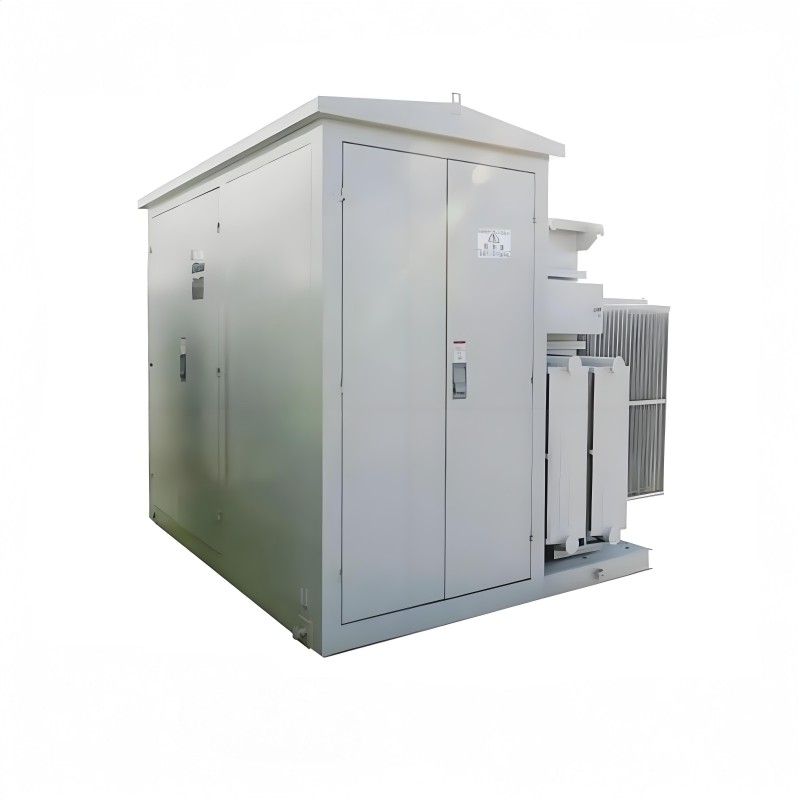
American Standard /C Certified 3000kva 34.5kv/480v Oil Type Pad Mounted Transformer 60 Hz 10kv Input 380v 440v Output
For North American-style pad-mounted projects, industrial interconnections and 60 Hz applications that require a specific voltage combination.
View product →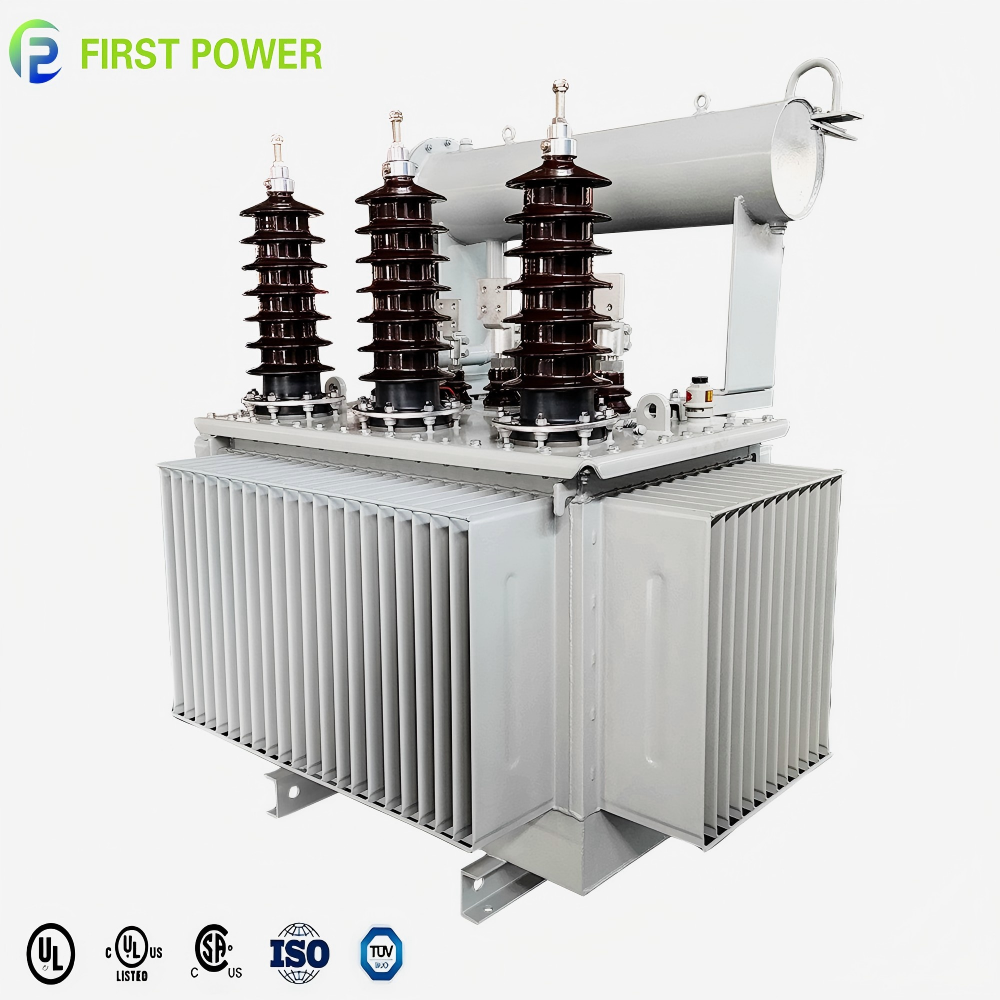
C CE Certification IEEE Standard 50/60HZ S11 Three Phase 33KV Oil Immersed Power High Voltage Transformer for Industrial
For high-voltage industrial distribution and utility interconnection packages where IEEE documentation and 33 kV class insulation coordination are requested.
View product →Taguig note: indoor public buildings, basements, hospitals, towers and data halls typically require cast resin dry-type equipment and project-specific fire approval. Outdoor pad-mounted and oil-immersed options are listed for the appropriate upstream or utility duty.
Why Taguig Buyers Need a Different Cast Resin Transformer Selection Process
Taguig is not a generic transformer market. It combines some of Metro Manila's highest land values with dense mixed-use towers, data halls, hospitals, retail, transport nodes and premium residential addresses.
Taguig City includes Bonifacio Global City, McKinley Hill, Arca South, the FTI estate and surrounding business districts. These locations place transformers closer to people, indoor occupancies, basements, water tables, traffic and high-value equipment. That makes the transformer decision more than a kVA calculation. A transformer that is technically acceptable on a remote outdoor pad may be the wrong choice for a basement electrical room, a hospital podium, a data-center white space or a mixed-use tower where fire load, oil containment, noise and maintenance access are scrutinised.
Cast resin dry-type transformers are often preferred in Taguig indoor applications because they contain no transformer oil, are self-extinguishing and can be installed closer to the load. That can reduce long low-voltage cable runs, vault space and some fire-separation complications. But “CE certified” is not a complete Philippine procurement strategy. CE marking is valuable third-party evidence, yet the final design still needs to align with the Philippine Electrical Code, 60 Hz utility practice, local fire requirements, utility interconnection reviews and the project's energy-loss evaluation.
For serious Taguig procurement, compare suppliers on IEC 60076-11 design evidence, partial discharge performance, harmonic duty, temperature rise, IP protection, seismic restraint, sound level and factory acceptance test documentation — not only the lowest price per kVA. A transformer that saves initial cost but increases lifecycle losses, delays electrical clearance or requires extra fire mitigation is rarely the lowest total cost option in BGC, McKinley or Arca South.
Where Cast Resin Power Transformers Fit in Taguig Developments
Application-specific selection is the fastest way to avoid over-specification, under-specification and expensive post-tender redesign.
BGC High-Rise & Mixed-Use
Use cast resin dry-type units for basement, podium or rooftop electrical rooms where oil-free construction, low smoke, low noise and compact footprint are critical. Specify 60 Hz, IP20 or IP31 enclosures, anti-condensation heaters and seismic anchorage.
Data Centers & ICT Loads
Data halls, colocation and network facilities in BGC and McKinley drive harmonic-rich loads from UPS systems, servers and cooling plant. Ask for K-factor design, electrostatic shielding, low partial discharge and documented loss figures for lifecycle evaluation.
Hospitals & Laboratories
Hospitals, diagnostic centres and laboratories need continuity, fire safety and maintainability. Cast resin dry-type transformers support oil-free indoor installation, while temperature monitoring and dual-feed coordination protect critical care and imaging loads.
Transit & Urban Infrastructure
Transit-oriented projects, tunnels, stations and public facilities require seismic restraint, humidity resistance, maintainable access and coordination with flood design. Compact substations and dry-type units can reduce civil works where space is constrained.
Taguig Market Trends Shaping Transformer Procurement
Local buying behaviour is moving toward documented performance, fire-safe indoor equipment and lifecycle cost rather than headline kVA price.
Space Premium & Undergrounding
Premium land in BGC and McKinley Hill makes electrical rooms expensive. Compact, oil-free and maintainable transformer packages help reduce fire separation, cable length and spatial conflict.
Digital Load Growth
Hyperscale, colocation and enterprise ICT demand is pushing buyers to request K-factor transformers, harmonic studies, low loss and thermal monitoring as part of the base scope.
Green Building & Efficiency
BERDE, LEED and corporate ESG targets make no-load and load-loss values visible in procurement scoring. Buyers increasingly ask for calculated lifecycle energy cost, not just a nameplate efficiency claim.
Climate & Resilience
Humidity, intense rainfall, flood exposure and seismic risk favour specifications with anti-condensation control, IP-rated enclosures, corrosion protection and verified anchorage details.
Cast Resin vs. Oil-Immersed: Taguig Selection Matrix
Use this matrix during concept design and RFQ preparation. Ratings shown are typical; final design must follow the project single-line diagram and local authority requirements.
| Transformer Platform | Best Taguig Use | Typical Rating | Key Procurement Evidence | Supplier Question |
|---|---|---|---|---|
| Cast Resin Dry-Type | Indoor high-rise, hospital, data hall, mall, basement electrical rooms | 30–2,500 kVA, up to 35 kV class | IEC 60076-11, PD test, temperature-rise type test, IP enclosure, CE dry-type certificate | Can you provide loss values, K-factor design and seismic anchorage drawings? |
| Oil-Immersed Distribution | Outdoor distribution, utility pads, industrial yards and renewable collectors | 30–2,500 kVA, 6–35 kV class | IEC 60076 routine tests, oil BDV, vector group, impedance and loss report | Is the unit acceptable to the local utility and fire authority for the proposed location? |
| Pad-Mounted Transformer | Underground commercial networks, solar farms, industrial estates and utility loops | 45–5,000 kVA, up to 34.5 kV class | IEEE or IEC design, tamper-resistant enclosure, loop/radial feed, cable compartment details | Are bushings, fusing and enclosure details matched to the receiving utility standard? |
| Power Transformer | Transmission interconnection, large industrial plants and generation step-up | 35–500 kV class | IEC 60076 or IEEE C57, OLTC/NLTC, cooling class, impulse and temperature-rise evidence | Can you support a witnessed FAT and third-party inspection before shipment? |
Taguig operates at 60 Hz. The product list includes 50/60 Hz platforms, but the purchased unit must have a 60 Hz nameplate, 60 Hz test report and utility-compatible voltage ratio.
Specification Checklist for a Taguig Cast Resin Transformer RFQ
Use these six checkpoints to compare suppliers on equivalent technical grounds and reduce clarification cycles.
Factory Testing, CE Documentation & Compliance for Taguig Buyers
A CE certificate is useful evidence, but the technical file and factory tests are what allow your electrical engineer, insurer and utility coordinator to verify the equipment.
Jiangsu Wisegj Power Co., Ltd. reports ISO 9001, ISO 14001 and ISO 45001 certification, plus CE certification for oil-immersed power transformers, dry-type transformers, compact substations and switchgear. For the cast resin dry-type route, ask for the CE certificate number FQC2530404, the applicable IEC 60076-11 test reports and a signed declaration of conformity. For oil-immersed platforms, reference certificate numbers such as 3N230310.JYTU038 and M.2025.206.C121882 where applicable.
A responsible Taguig supplier should clearly separate CE evidence from Philippine local approval. CE marking supports the technical file; it does not replace the Philippine Electrical Code review, local fire evaluation, distribution utility interconnection approval or licensed engineer sign-off. Buyers should request a document matrix showing exactly which standard, certificate and test report applies to the ordered serial number.
Why Wisegj Is a Practical Supplier for Taguig Transformer Buyers
For overseas projects, the manufacturer must be more than a catalogue. It must provide engineering response, verifiable documentation and export discipline.
Jiangsu Wisegj Power Co., Ltd. designs, assembles and exports medium- and high-voltage equipment from 220 V up to 500 kV, including power transformers, distribution transformers, pad-mounted transformers, dry-type transformers, compact substations, switchgear and related products. The company states that its engineering team brings more than 20 years of hands-on transformer experience, with a 6,847 m² production base, 50+ R&D and technical engineers, 211 qualified supply-chain partners and an average buyer rating of 4.9/5. Production capability and floorspace have been verified onsite by TÜV Rheinland.
The practical value for a Taguig buyer is engineering review before quotation: ratings, vector group, impedance, taps, enclosures, cooling, losses and documentation are reviewed together rather than priced from a generic stock list. Wisegj also reports OEM, ODM, design-based and sample-based customization, 24-hour pre-sale and after-sale response, finished-product inspection and complete English documentation including GA drawings, nameplate drafts, routine test reports and O&M manuals.
CE & ISO Documentation
CE certificates for dry type, oil immersed, compact substation and switchgear platforms, supported by ISO 9001, ISO 14001 and ISO 45001 management-system certificates.
Verified Factory Capability
Dedicated winding, core assembly, drying, tanking and test areas within a third-party verified production environment.
50+ Engineers
Technical review for losses, impedance, harmonics, enclosures, seismic details and utility coordination questions before the PO is issued.
Routine Test Culture
Winding resistance, ratio, impedance, loss, dielectric and partial discharge evidence can be packaged for the project's QA/QC team.
Export Logistics
Seaworthy packing, shock indicators and Incoterms coverage from EXW to DDP. Shipping documents can be aligned with Philippine import and project delivery requirements.
24-Hour Response
Technical questions and after-sales issues are targeted for a qualified reply within one working day, supported by English O&M and test documentation.
Taguig Procurement FAQ for CE Certified Cast Resin Power Transformers
Straight answers for developers, EPC contractors, electrical consultants, facility managers and procurement teams comparing manufacturers and suppliers.
Do Taguig projects need a CE-certified cast resin transformer?
CE certification is not a substitute for Philippine local approval, but it is strong third-party evidence of conformity to applicable European directives and standards. For Taguig, specify IEC 60076-11 design, 60 Hz operation, Philippine Electrical Code compliance and any local utility or fire-authority requirements. CE documentation should sit alongside those approvals, not replace them.
What transformer rating is common for BGC high-rise and mixed-use projects?
Cast resin dry-type units in the 500–2,500 kVA range are common for high-rise, retail and mixed-use electrical rooms, but the correct rating depends on connected load, diversity, spare capacity, harmonic content and future expansion. The final primary voltage must follow the utility service, commonly 13.8 kV or 34.5 kV class in Metro Manila, with secondary voltage matched to the building distribution system.
Where should Taguig projects use cast resin instead of oil-immersed transformers?
Use cast resin dry-type equipment for indoor rooms close to occupants or critical loads, including basements, hospitals, malls, data halls, high-rise towers and fire-sensitive spaces. Use oil-immersed or pad-mounted equipment for outdoor utility, industrial, renewable and upstream distribution duty where the fire code and utility allow it.
How do you handle 60 Hz and voltage coordination for Taguig?
The purchase order and nameplate must state 60 Hz, not just “50/60 Hz.” Provide the primary voltage, secondary voltage, vector group, tap range, impedance, neutral arrangement and utility interface. For Taguig, 230/400 V secondary systems and 13.8/34.5 kV class utility services are common project parameters, but the engineer's single-line diagram governs the final design.
Can the transformer be designed for humidity, flooding and seismic risk?
Yes. Specify tropical-rated insulation, anti-condensation heaters, IP-rated enclosures, corrosion protection, drainage and elevated cable entry where needed. Provide the project seismic parameters so the supplier can confirm anchorage, base details and clearances. For flood-prone areas, the equipment room design is just as important as the transformer enclosure.
Which tests should be requested before shipment?
Request routine tests for every unit: winding resistance, ratio and vector group, no-load loss and current, load loss and impedance, applied and induced voltage, and partial discharge for cast resin transformers. Ask for temperature-rise type-test reports, sound-level data and material certificates. For critical Taguig projects, request a witnessed factory acceptance test and third-party inspection.
What is the typical lead time for a Taguig order?
Lead time depends on rating, enclosure, harmonic design, test witnessing and factory slot. Medium-voltage cast resin transformers typically require engineering drawing approval before production, followed by routine testing and export packing. Confirm the schedule in writing with the quotation, and allow time for ocean freight, port handling, customs clearance and site delivery to Taguig.
How can I verify a supplier's CE and quality claims?
Ask for the certificate number, issuing body, product scope and validity date; match them to the exact transformer type being ordered. Request ISO certificates, routine test reports, partial discharge records, material traceability, nameplate drawings and the declaration of conformity. For Wisegj dry-type equipment, the CE certificate reference is FQC2530404; ISO 9001, ISO 14001 and ISO 45001 certificate numbers are available for verification.
Can the manufacturer support customized Taguig project documentation?
Yes. Customization can include ratings, vector group, impedance, taps, bushings, cooling, IP enclosure, paint colour, nameplate language, cable box orientation and documentation format. For Taguig, request English drawings, test reports, O&M manuals, packing lists and shipping documents that match the project's technical submission requirements.
Request a Taguig-Specific Transformer Quotation
Send your single-line diagram, transformer rating, primary and secondary voltage, 60 Hz confirmation, vector group, impedance, loss target, enclosure requirement and required documentation. A transformer engineer can review the specification and recommend whether cast resin dry-type, compact substation, pad-mounted or oil-immersed equipment best fits the Taguig project.
For faster comparison, include the site location, ambient conditions, installation floor, seismic requirements, fire constraints, expected delivery date and any utility or consultant specification.
Jiangsu Wisegj Power Co., Ltd. · ISO 9001 · ISO 14001 · ISO 45001 · CE-certified platforms · TÜV Rheinland verified production capability · 24-hour technical response target