Market Intelligence
Why Port Sudan Buyers Are Specifying Cast Resin Instead of Oil-Filled Transformers
Port Sudan is the operational heart of Sudan's import economy — a Red Sea container terminal, a pipeline hub, a growing free-zone industrial cluster, and the lifeline for Khartoum-bound goods. That combination places humid, salt-laden coastal air, 45 °C summer ambient temperatures and a dusty inland corridor directly onto the transformer specification sheet. Cast resin dry type transformers are engineered for exactly those conditions: no insulating oil to leak, no bunding to build, no fire suppression to install.
Up to 35 kVRated MV class for cast resin units on the Port Sudan distribution network
Class F / HInsulation systems engineered for ambient above 40 °C
F1 / E2 / C2Fire, environmental and climatic class per IEC 60076-11
Zero OilNo bunding walls, no oil pit, no fire suppression loop required
Recommended Product Lines
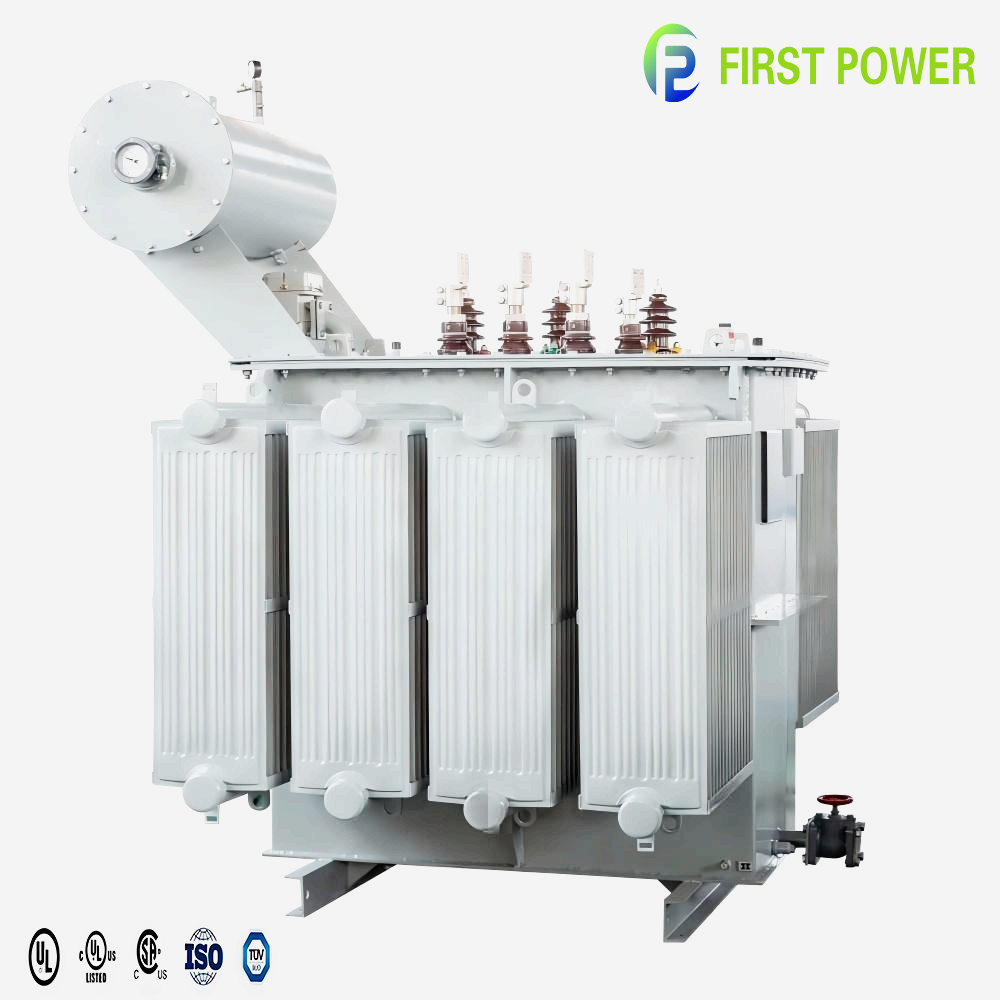
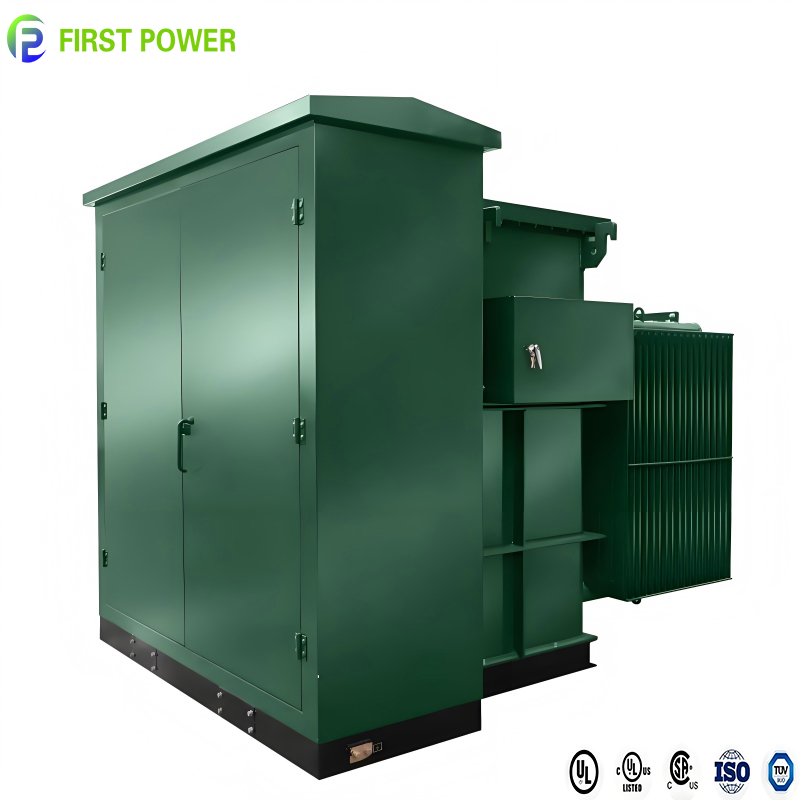
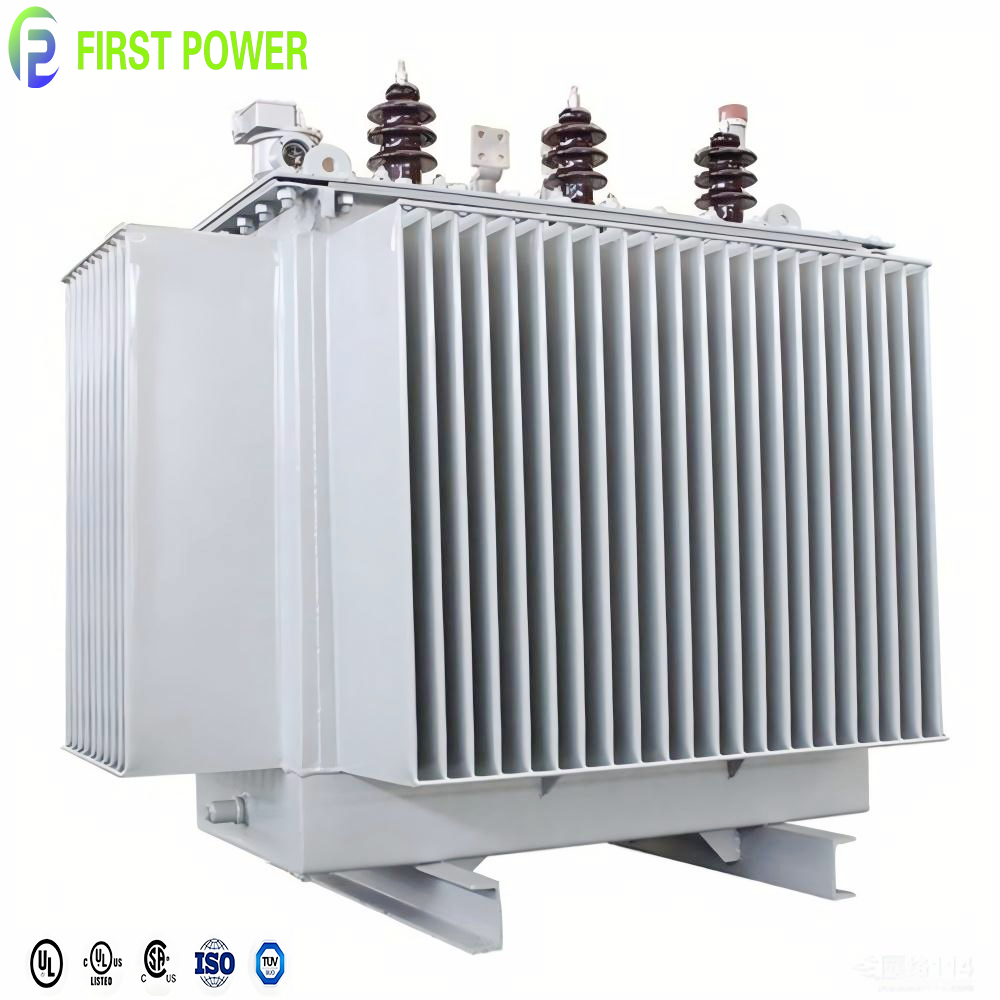
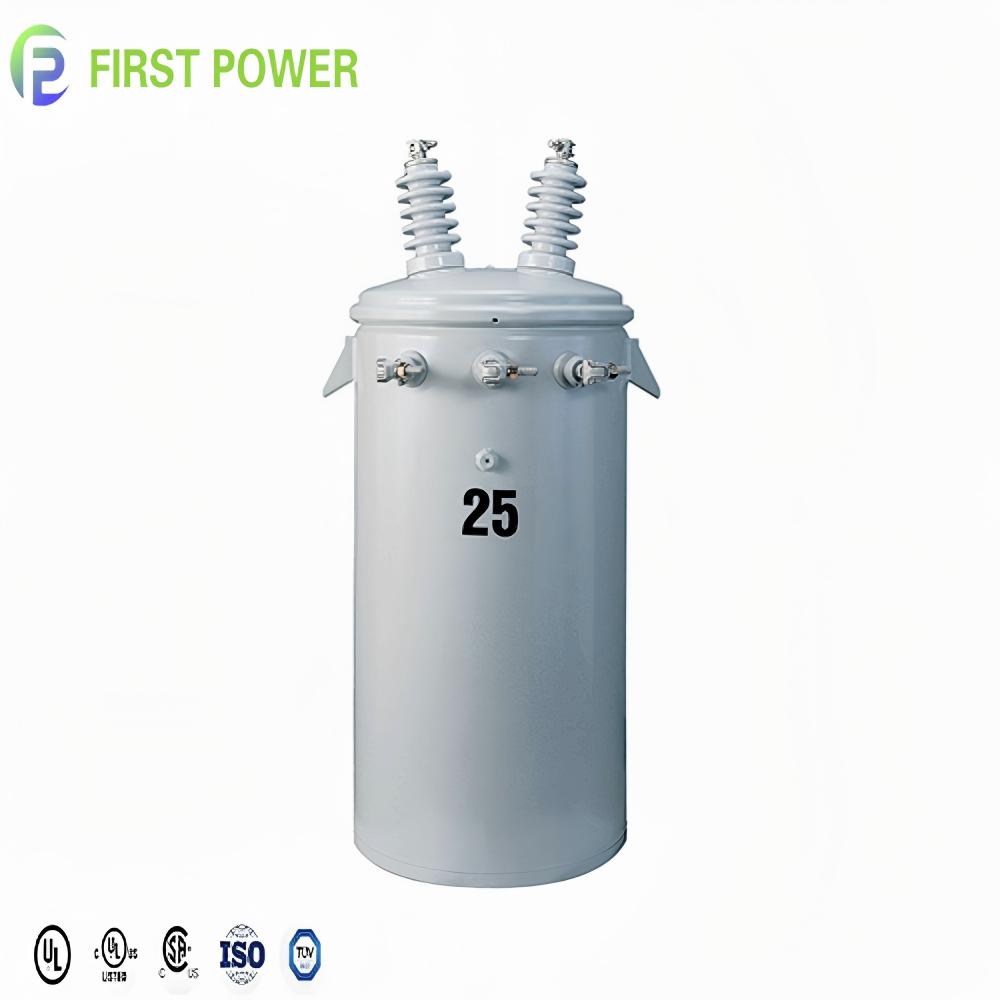
Eight Transformer & Substation Families We Ship to Port Sudan
Each family below is available in an IEC-oriented configuration for the Sudanese grid (50 Hz, 11 kV / 33 kV distribution) or an ANSI/IEEE configuration for projects financed with US-standard equipment. Share your single-line diagram and our engineers will confirm the correct family before quotation.
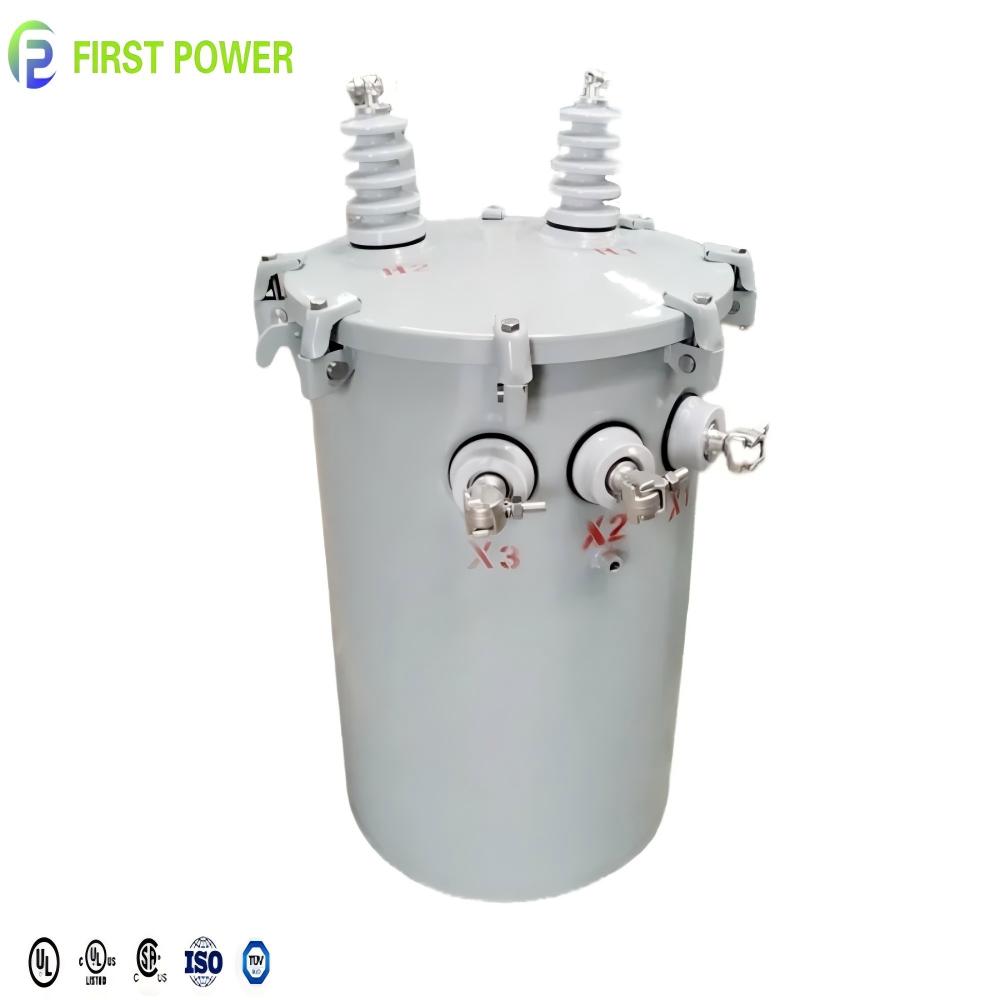
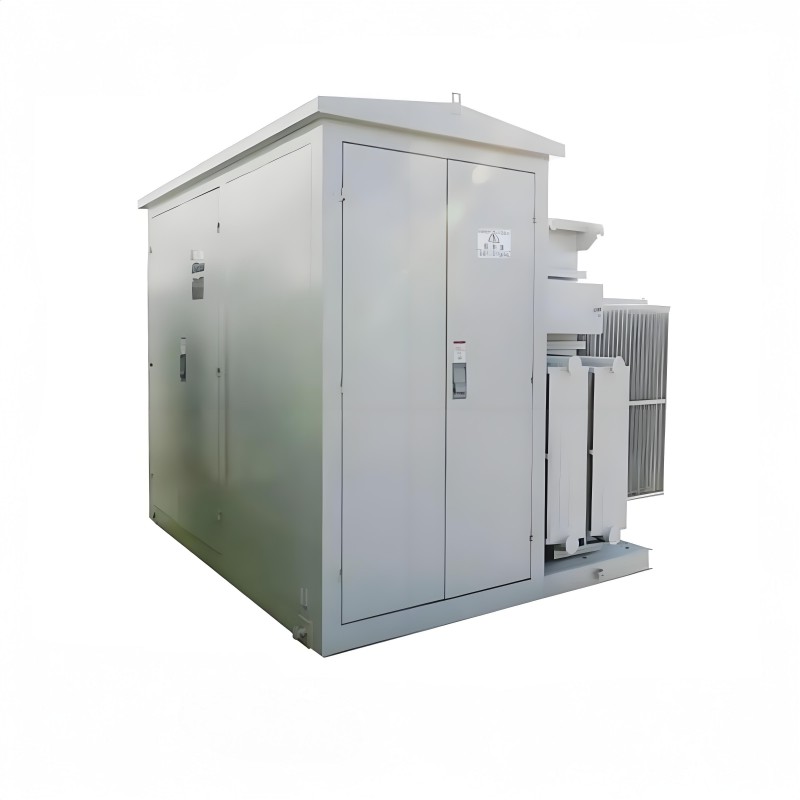
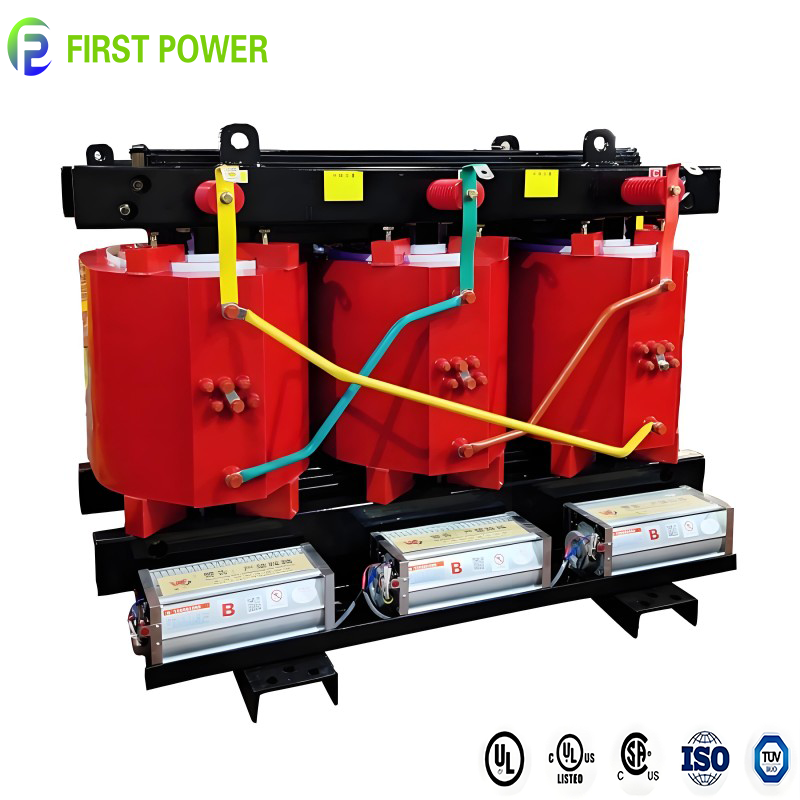
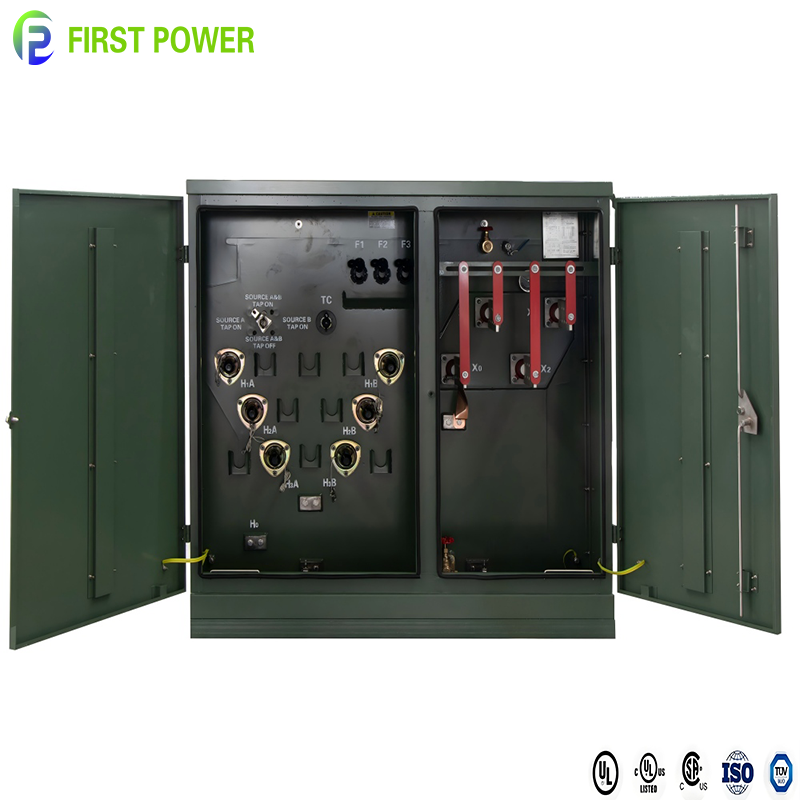
Localised Application Scenarios
Where Cast Resin Dry Type Transformers Fit in Port Sudan
Port Sudan is not a generic African city grid — it is a port, a pipeline terminal, an industrial free zone and a humanitarian staging hub at once. Each of those functions generates a different transformer duty cycle, and each has a reason to prefer oil-free, cast resin insulation.
Port & Container Terminal Power
Ship-to-shore cranes, reefer racks and terminal operating systems cannot tolerate a transformer fire in an enclosed crane substation. Cast resin units operate oil-free inside the crane room, in the container-yard substation, and directly adjacent to cold-chain reefer banks.
Hospitals & Medical Facilities
Port Sudan's referral hospitals and humanitarian medical facilities run MRI, CT and operating theatres off LV feeders. Dry type transformers place safely inside the building with no oil-bunding fire compartment, and are quieter in patient-adjacent plant rooms.
Data Rooms & Telecom Sites
Red Sea submarine cables land along the Sudanese coast. Cable landing stations, ISP data rooms and telecom exchange buildings require E2/C2-class transformers that tolerate high humidity and dust without oil oxidation or periodic oil BDV testing.
Free-Zone & Industrial Plants
Port Sudan's free zone and industrial estates house food processing, packaging and light assembly. Cast resin units mount inside the factory, close to the process load, avoiding the outdoor oil transformer yard and its fire walls.
Solar & Hybrid Mini-Grids
Sudan's high-irradiance inland sites pair PV arrays with dry type step-up transformers in the inverter station, where oil is undesirable and ventilation is simpler than oil cooling. Pair with our solar PV transformer lines for the collector substation.
Water Desalination & Pumping
Red Sea desalination plants and urban pumping stations need reliable LV/MV transformation with low maintenance. Dry type units eliminate oil testing cycles and simplify the plant's environmental permit.

Localised Development Trends
Four Structural Shifts Driving Dry Type Demand in Sudan
The Sudanese transformer market is not evolving in isolation — it is responding to four forces that influence how specification engineers, EPCs and port authorities buy.
1. Fire-safety regulation tightening in port and urban zones. Port operators and municipal building authorities increasingly reject oil-filled transformers in enclosed or high-occupancy buildings. Where a fire brigade cannot reach an oil pit within minutes, cast resin becomes the default specification.
2. Shift toward modular, pre-engineered substations. With construction lead times under pressure, buyers are moving toward factory-assembled cast resin + switchgear packages that arrive ready to commission. That shortens site work and removes oil-handling from the construction schedule.
3. Renewables and grid-edge generation. Solar and hybrid PV installations along the Red Sea corridor require step-up transformers that sit inside inverter stations. Cast resin suits the lower-voltage stage of that chain and pairs cleanly with our solar PV transformer line at the collector level.
4. Maintenance-capability constraints. Oil transformers need periodic oil sampling, BDV testing and gasket inspection. Cast resin transformers need neither oil testing nor oil replacement — a decisive advantage where skilled oil-lab technicians are in short supply.
- No oil bunding or fire suppression loop
- F1 fire class per IEC 60076-11
- Ambient engineered for 45 °C coastal sites
- Reduced preventive maintenance scope
Engineering Buyer's Guide
Oil-Filled vs Cast Resin: Which Transformer Fits Your Port Sudan Project?
The two families serve different jobs. Use this comparison our application engineers give to EPC contractors and port authorities when they shortlist equipment for a Sudanese site.
| Decision Factor | Cast Resin Dry Type | Oil Immersed | Where It Matters in Port Sudan |
|---|---|---|---|
| Fire behaviour | F1 class, self-extinguishing, no oil pool | Requires oil pit, bunding, fire walls | Terminal buildings, hospitals, data rooms |
| Installation location | Indoor, close to load, no bunding | Outdoor yard with fire clearance | Free-zone plants, urban buildings |
| Typical rating | 30 – 2,500 kVA, up to 35 kV | 30 kVA – 50 MVA | Distribution-level duties |
| Maintenance | No oil testing or oil replacement | Annual oil BDV + physico-chemical tests | Constrained maintenance capability |
| Coastal humidity tolerance | E2 environmental class | Sensitive to moisture ingress at gaskets | Red Sea salt-air zone |
| Cost profile | Higher unit cost, lower total lifecycle | Lower unit cost, higher site + maintenance cost | Fire protection and oil-handling capex |
Ratings shown are typical production ranges. Ratings outside these values can be engineered on request — share your specification and our engineers will confirm feasibility.
Experience · Expertise · Authority · Trust
A Chinese Transformer Manufacturer Who Understands Port Sourcing
Jiangsu Wisegj Power Co., Ltd. designs, assembles and exports transformers and substations from 220 V up to 500 kV. Every order is reviewed by engineers before quotation, built under ISO 9001 quality control, and shipped with full routine test reports. For Port Sudan buyers, that means one reliable supplier instead of a chain of traders.
20+ Years Engineering
Our team has more than two decades of transformer design, manufacturing and testing experience across 50 Hz and 60 Hz markets.
Certified Systems
ISO 9001, ISO 14001 and ISO 45001 management systems valid through 2027, plus CE certificates for oil-immersed, dry type and compact substation product lines.
Full Documentation Pack
GA drawings, nameplate drafts, routine test reports and O&M manuals supplied in English with every shipment.
Third-Party Verified
Production capability, floorspace and inspection process verified onsite by TÜV Rheinland, an independent inspection body.
Beyond the certificate pack, the practical advantage for a Port Sudan buyer is coordination. A single engineering team handles pad mounted, oil-immersed, dry type and compact substation lines, so a port master plan requiring all four types arrives as one shipment, one documentation set and one customs entry — not four separate supplier negotiations routed through four different freight forwarders. Trade terms cover FOB, CFR, CIF, EXW, FCA, CIP, CPT and DDP, with T/T, L/C, D/P and D/A payment options in USD, EUR, GBP and other major currencies.
Port Sudan Buyer FAQ
Questions Procurement Teams in Port Sudan Ask Us
Straight answers from our engineering and export departments, focused on the realities of importing transformers into Sudan through the Red Sea corridor.
Can you ship cast resin dry type transformers directly to Port Sudan?
Yes. Port Sudan is a regular destination for us via major Red Sea container lines. We provide seaworthy packing with impact recorders, full export documentation, and can quote on FOB, CFR, CIF or DDP terms so your team can plan landed cost accurately. Our export team prepares the commercial invoice, packing list, bill of lading and certificate of origin according to the destination customs requirement.
Which transformer configuration fits the Sudanese 50 Hz distribution grid?
Sudan operates a 50 Hz system with 11 kV and 33 kV medium-voltage distribution and 415 V / 240 V low-voltage supply in urban networks. Our cast resin dry type transformers are available in IEC-oriented configurations tuned to those voltages, in vector groups such as Dyn11 and Yyn0, with tapping ranges that suit the network's voltage variation. Share your single-line diagram and our engineers will confirm the correct configuration before quotation.
How do cast resin transformers handle Port Sudan's heat, humidity and salt air?
Cast resin units are specified with temperature-rise and insulation-class margins that accommodate continuous operation at high ambient temperatures. For coastal sites we specify the E2 environmental class and, where required, an anti-corrosion treatment on the enclosure and terminal hardware. The absence of oil also eliminates the moisture-absorption and oxidation issues that cause periodic oil BDV tests to fail in oil-filled units exposed to coastal humidity.
What is the typical lead time from order to Port Sudan delivery?
Production time depends on rating, insulation class and any customisation. Standard cast resin units are typically built in the range of several weeks from drawing approval, with shipping through to Port Sudan adding transit time based on sailing schedule. For project tenders we issue a firm production schedule with the offer, and share factory progress milestones so your site programme can be planned against confirmed dates.
Do you offer witness testing and third-party inspection?
Yes. Routine tests — winding resistance, voltage ratio and vector group, impedance and load loss, no-load loss and current, applied and induced voltage withstand — are performed on every serial number, with the report supplied in the documentation pack. Third-party witness inspection and additional type-test verification can be arranged on request, which many port authorities and humanitarian procurement programmes require.
What payment and trade terms are available for Sudanese buyers?
We accept FOB, CFR, CIF, EXW, FCA, CIP, CPT and DDP, and work with T/T, L/C, D/P and D/A among the payment methods. Given the current banking situation in Sudan, we recommend discussing the specific payment route with our export team at the quotation stage — we will propose the structure most likely to clear successfully for your organisation.
Can you customise ratings, losses or enclosure for a specific tender?
Yes. OEM, ODM, design-based and sample-based customisation are all available, covering ratings, vector group, impedance, tap range, cooling class, enclosure colour and rating, IP protection, nameplate language and documentation. Tenders with a defined loss or efficiency target are quoted against that target, not a generic catalogue unit.
Ready to Specify Your Port Sudan Transformer Package?
Send your single-line diagram, tender document or datasheet. A transformer engineer — not a sales script — will review it and reply within one working day with a compliant design, guaranteed losses and a landed-cost quotation for Port Sudan.