Hokkaido Procurement Guide · 50 Hz Distribution · Cold-Climate Ready
Box Transformer Substation Supplier & Wholesalers in Sapporo
Cold-climate pad-mounted, oil-immersed, and compact substation solutions for Sapporo utilities, EPC contractors, developers, and wholesale buyers that require documented tests, CE/ISO compliance, and responsive engineering support.
8 Transformer & Substation Units for Sapporo Wholesale Projects
These eight listings are the fastest starting points for a Sapporo inquiry. They cover oil-immersed distribution transformers, pad-mounted units, industrial supply designs, and dead-front configurations. Final rating, impedance, tap range, enclosure color, corrosion class, and cold-climate accessories are confirmed during engineering review. All product links below are preserved from the original catalog.
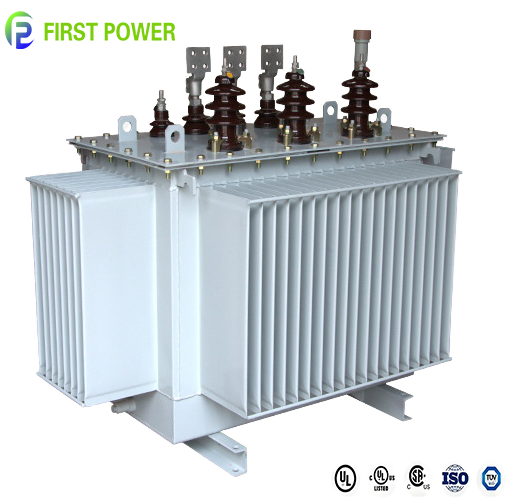 Oil Immersed
S11 Three-Phase Oil Transformer for Distribution
A cost-controlled oil-immersed distribution transformer for 10–35 kV networks, commercial buildings, and secondary substations. The S11 platform is often shortlisted when buyers need a proven loss profile, flexible tap range, and straightforward maintenance in a snowy urban environment.
C CE 50/60HZ S11 10KV 15KV 20KV 35KV 100KVA 300KVA 500KVA 630KVA Three Phase Oil Transformer Price for Distribution System
View product details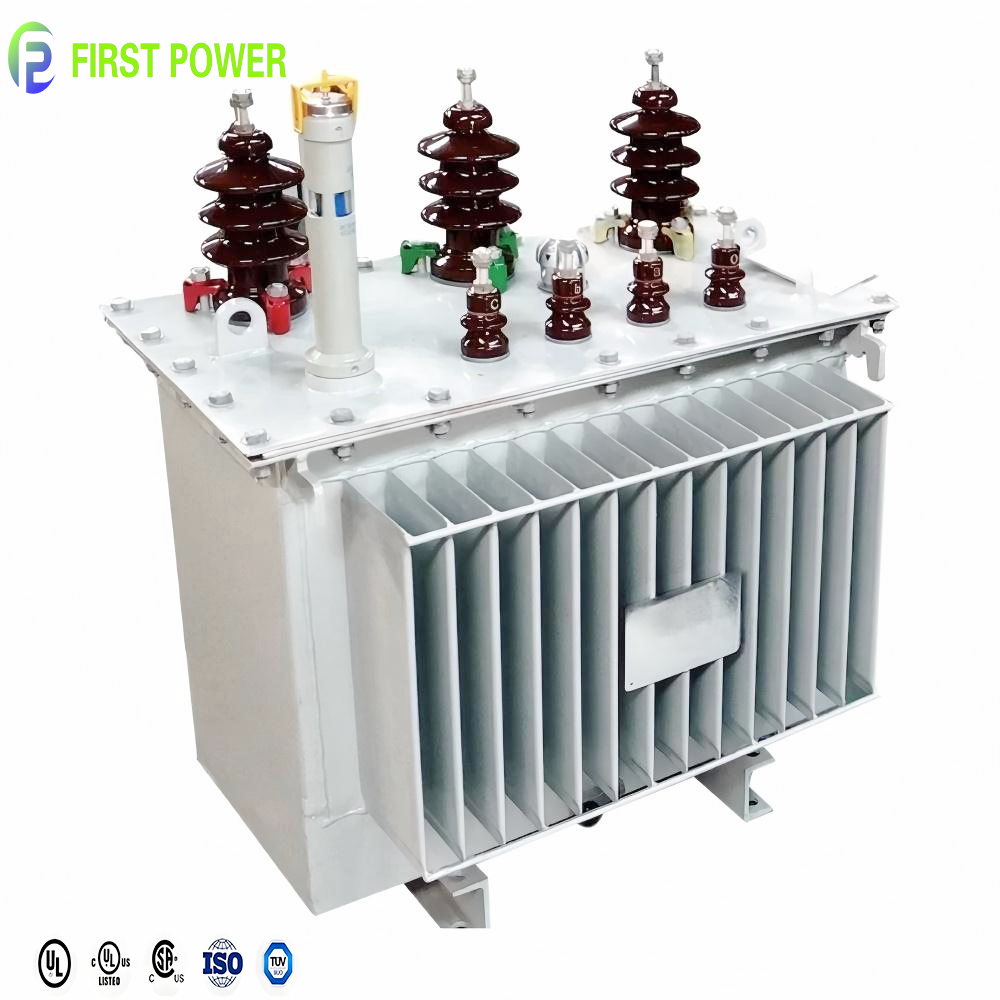 Industrial
Oil-Immersed Transformer for Industrial Power Supply
A robust oil-immersed transformer for factories, workshops, and industrial parks that face motor starting, harmonic loads, and winter peak demand. Customized impedance and cooling options help align the unit with upstream protection and fault-current limits.
C CE 10KV 20KV 35KV 50KVA 100KVA 200KVA 300KVA 400KVA 500KVA Electric Oil Immersed Transformer for Industrial Power Supply
View product details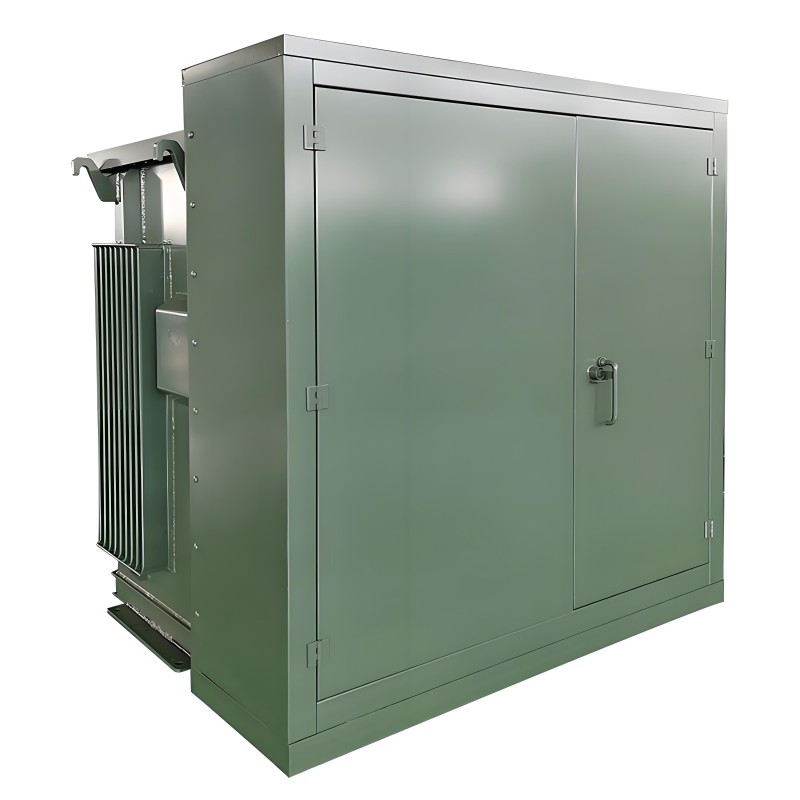 480 V Output
Pad-Mounted Transformer with 480 V Output
A three-phase pad-mounted platform for projects requiring a 35 kV input and 480 V output. The tamper-resistant enclosure and compact footprint suit commercial redevelopment, logistics facilities, and private distribution networks where overhead lines are undesirable.
/C Certified 75-2500KVA Oil Type Three-Phase Pad-Mounted Transformer 480V Output Voltage 35KV Input Voltage 50/60HZ
View product details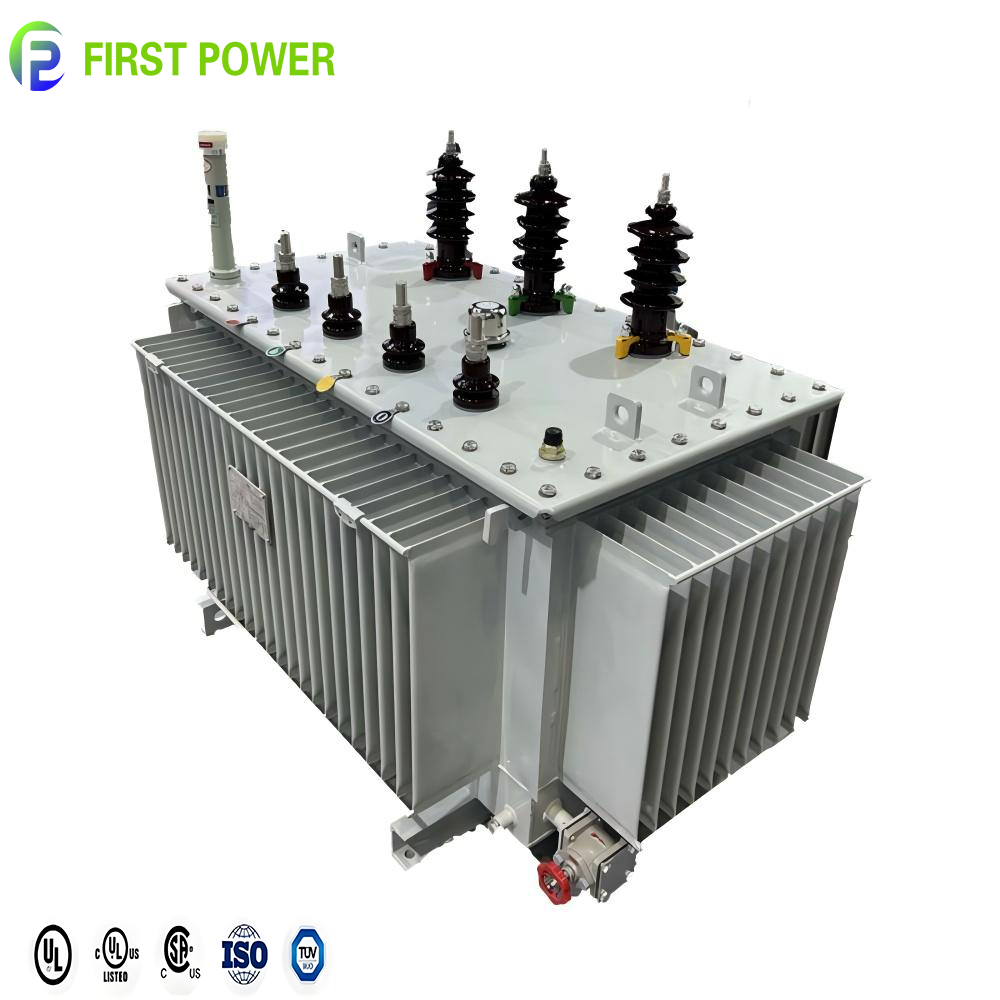 Distribution
S11 Electrical Oil-Immersed Distribution Transformer
A flexible distribution transformer for 10–35 kV systems with ratings from 50 kVA to 200 kVA. It is frequently used in secondary substations, small commercial buildings, and public infrastructure where low noise and predictable thermal behavior matter.
C CE 50/60HZ S11 10KV 20KV 35KV 50KVA 100KVA 200KVA 3 Phase Electrical Oil Immersed Transformer for Distribution System
View product details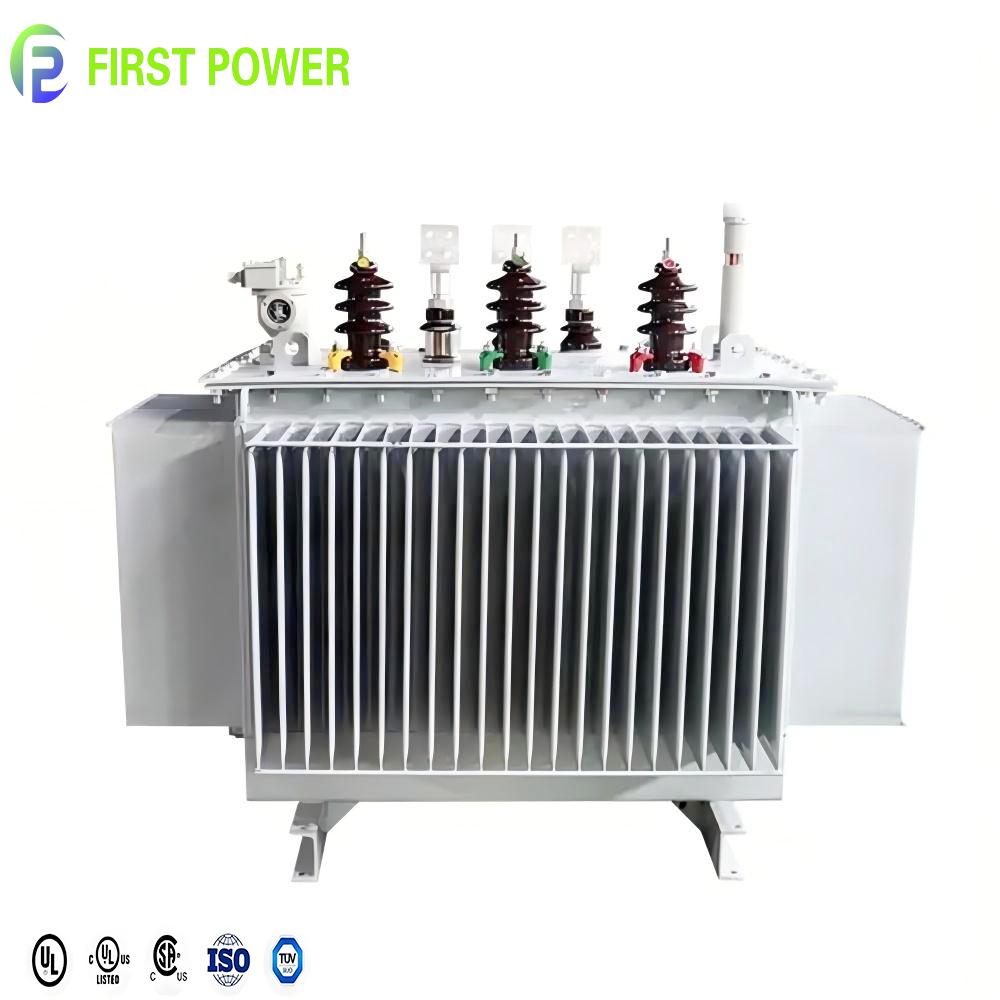 50–250 kVA
S11 50–250 kVA Oil-Immersed Transformer
A compact oil-immersed unit for electric power distribution and localized load centers. It is well suited to phased developments, snow-melting load additions, and retrofit projects where the transformer room or pad area is constrained.
C CE S11 10KV 20KV 35KV 50KVA 100KVA 150KVA 200KVA 250KVA 3 Phase Oil-Immersed Transformer for Electric Power Distribution
View product details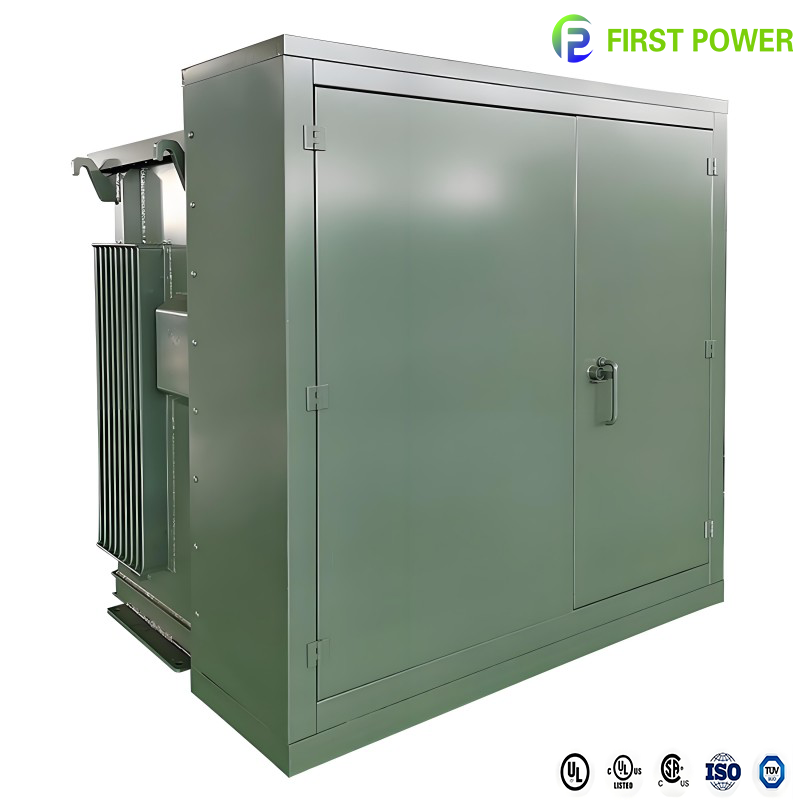 Pad Mounted
ZGS11 Pad-Mounted Three-Phase Transformer
A pad-mounted three-phase transformer for 10–35 kV electric power distribution. The design supports loop or radial configurations and is suitable for underground service in dense districts, campuses, and mixed-use developments.
C CE MV&HV ZGS11 75-2500KVA 10KV 20KV 35KV Pad Mounted Three Phase Transformer for Electric Power Distribution
View product details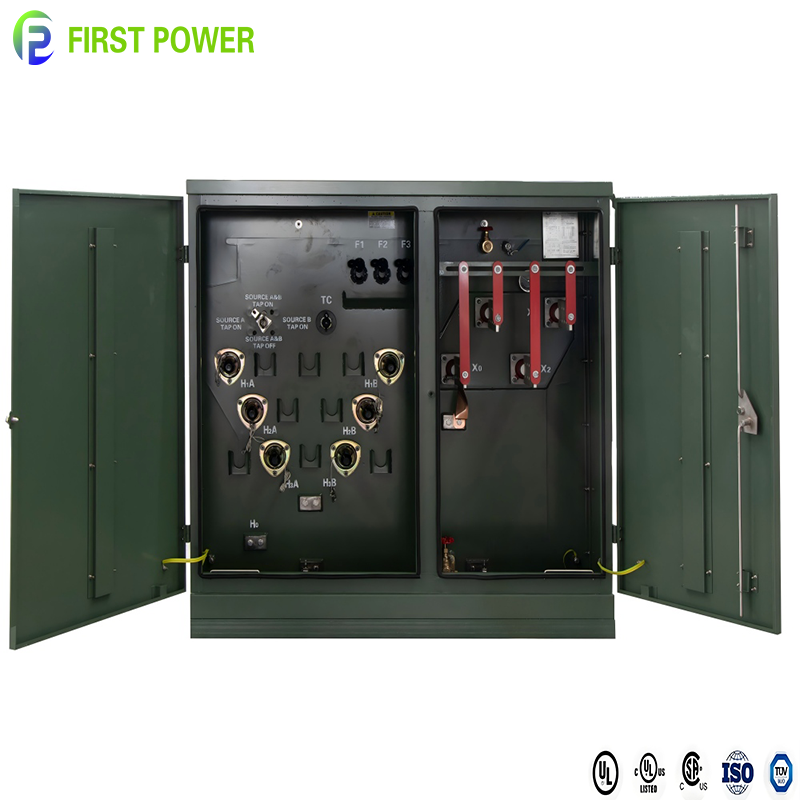 MV/HV
MV/HV Pad-Mounted Transformer for Industrial Supply
A medium- and high-voltage pad-mounted transformer for industrial power supply and project-specific distribution. Buyers can specify 6–35 kV primary voltage, 50/60 Hz operation, enclosure options, and testing documentation for utility or consultant review.
Listed C CE MV&HV 50/60HZ 6KV 10KV 15KV 20KV 35KV 3 Phase Pad Mounted Transformer Electrical for Industrial Power Supply
View product details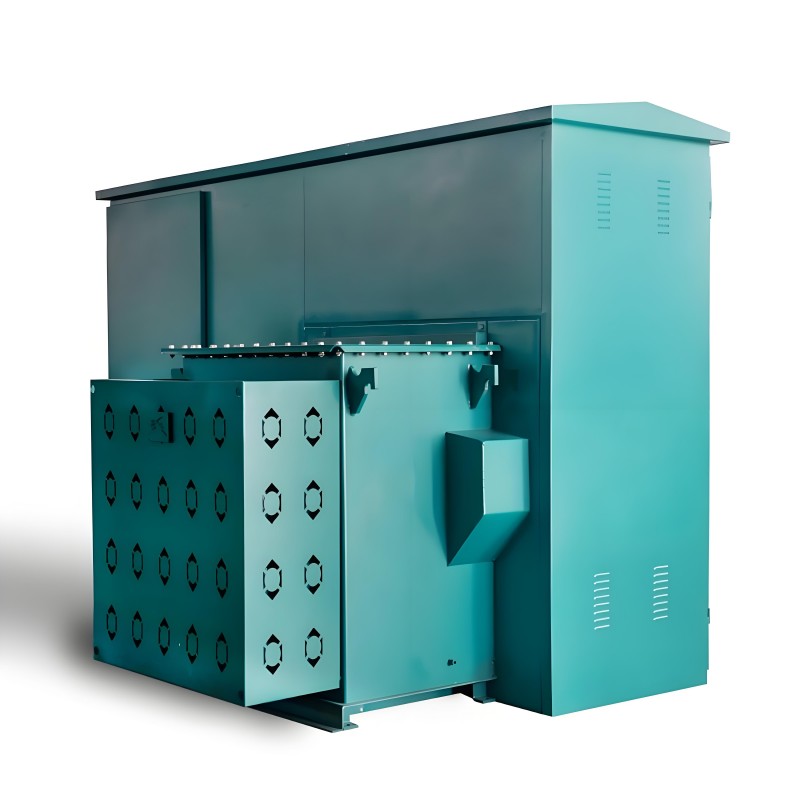 Dead Front
Dead-Front Cooper Pad-Mounted Transformer
A dead-front pad-mounted transformer for 6–34.5 kV distribution and 75–2500 kVA loads. The dead-front configuration reduces exposed live parts and supports safer operation in public-facing or restricted-access locations.
/C Certified Oil-Type Cooper 75-2500kva Pad Mounted Transformer 6kv-34.5kv 50/60hz Dead Front Three Phases
View product detailsWhat Sapporo Buyers Mean by “Box Transformer Substation”
Search demand for “box transformer substation supplier” and “box transformer wholesalers in Sapporo” often mixes several product families. A utility engineer may mean a pad-mounted distribution transformer; an EPC contractor may mean a prefabricated compact substation that combines MV switchgear, transformer, and LV distribution; a facility owner may simply mean an enclosure-based unit substation installed near the load. Clarifying this early prevents quotation errors, wrong enclosure assumptions, and costly redesign after the order.
For procurement teams, the practical starting point is the single-line diagram and site constraints, not the label. For an underground distribution project in Sapporo, a dead-front pad-mounted transformer may be the best match. For a hospital, data center, or indoor electrical room, a cast-resin dry-type transformer may be preferable. For a fast-track commercial site with limited labor, a factory-assembled compact substation can reduce site work and weather exposure during construction.
What experienced buyers check before price comparison
Sapporo projects commonly require a 50 Hz solution because Hokkaido operates on Japan’s eastern 50 Hz grid. Buyers should confirm voltage class, vector group, impedance, tap range, loss target, ambient temperature, altitude, enclosure protection, anti-condensation provisions, and the test documentation package. When a Japanese utility, consultant, or facility owner applies project-specific requirements, those requirements should be written into the data sheet before quotation. For 6 kV oil-immersed distribution transformers, JIS C 4304 may be referenced in some Japanese projects, but the final compliance route must always be confirmed with the responsible utility or engineering consultant.
- Destination: Sapporo, Hokkaido, Japan.
- Frequency: 50 Hz is standard in Hokkaido; dual 50/60 Hz units can be engineered.
- Cold design: −25°C ambient options are a common starting point, subject to site data.
- Enclosure risks: snow accumulation, ice, coastal salt, freeze-thaw cycles, and seismic movement.
- Documentation: GA drawings, routine test report, nameplate, O&M manual, packing list, and certificate references.
- Quality review: buyer witness testing and third-party inspection can be arranged.
Sapporo and Hokkaido Installation Contexts That Change the Specification
Sapporo’s climate and urban form create a different specification conversation from Tokyo or Osaka. Heavy snow, freeze-thaw cycles, coastal exposure, seismic design, and seasonal load peaks influence enclosure design, corrosion protection, installation method, and maintenance planning.
Snowy commercial and mixed-use districts
Equipment pads must be raised, snow-shedding, and accessible after plowing. Door swing, ventilation, cable entry, and padlock height should be considered before delivery. A low-profile pad-mounted transformer can reduce visual impact, but it must still allow safe snow clearance and maintenance access.
Underground distribution and redevelopment
Dense commercial areas and redevelopment sites often prefer underground cable feeds and dead-front pad-mounted units. Loop-feed arrangements improve restoration options and reduce customer outage duration. Cable termination space, enclosure clearances, and utility access requirements should be reviewed early.
Cold-climate heating and snow-melting loads
Winter peaks from heating, snow-melting, and indoor comfort systems can stress transformer loading. Specify load profiles and future electrification plans, then review thermal reserves and oil viscosity at low ambient. For critical sites, monitoring and spare capacity planning are more valuable than a catalog-only kVA rating.
Hospitals, data rooms, and public facilities
Fire safety and indoor installation often point to dry-type or compact substation solutions. Noise, vibration, harmonic loading, and emergency power interfaces should be discussed at the design stage. In public buildings, access control, ventilation, and acoustic treatment can affect the preferred enclosure type.
Ports, logistics parks, and coastal industry
Salt-laden air accelerates corrosion. Specify coating systems, stainless hardware, anti-condensation heaters, and inspection intervals. For high-humidity areas, enclosure ventilation and drainage details matter as much as transformer capacity, because water ingress and condensation can shorten insulation life.
Renewables, EV charging, and grid resilience
Solar, onshore wind, battery storage, and fast-charging hubs require transformers that match inverter or charger behavior. Project-specific impedance, harmonic mitigation, and monitoring options help avoid commissioning surprises and support future capacity expansion.
Sapporo Specification Lens: Where Generic Catalogs Fall Short
The following visual is a practical screening tool, not a substitute for engineering. Use it to frame questions with a supplier before issuing an RFQ. A transformer that performs well in a temperate, inland warehouse may still need different coatings, heaters, sealing, and access details for a snowy Sapporo site.
For Hokkaido projects, confirm the local frequency and voltage with the utility or consultant, then document the environmental assumptions that drive enclosure and accessory selection. This is especially important when the transformer will be installed outdoors, near the coast, beside a snow storage area, or on a site with restricted maintenance access.
Trends Shaping Sapporo Transformer and Substation Procurement
The procurement conversation in Hokkaido is moving from “lowest first price” toward total owning cost, schedule certainty, and documented resilience. These trends affect wholesalers, developers, and EPC teams preparing projects in and around Sapporo.
Resilience-first grid investment
Utilities and large facilities continue replacing aging distribution equipment and adding redundancy. Buyers increasingly ask for test reports, traceable components, and documented quality checks rather than catalog-only claims. In snow country, restoration speed and access planning are part of resilience.
Renewable and distributed energy integration
Hokkaido’s wind and solar potential, plus corporate decarbonization targets, are pushing more projects toward distributed generation. Transformers must handle bi-directional power flow, harmonic distortion, and grid-code review. Early coordination with the utility reduces the risk of late specification changes.
Prefabricated and compact substations
Labor shortages and short construction windows favor factory-assembled substations. Off-site integration reduces site welding, wiring, and weather-dependent work, which is especially useful during Hokkaido’s winter construction season. Shipping dimensions and foundation interfaces should be fixed early.
High-efficiency, low-loss designs
Buyers compare total owning cost, not just purchase price. Low-loss cores, optimized impedance, and natural ester fluids can support efficiency targets and environmental reporting. For continuously loaded commercial sites, the loss difference can outweigh a small initial price gap.
Digital monitoring and condition data
Temperature sensors, partial discharge monitoring, and remote alarms are moving from premium options to expected features in critical facilities. The data help maintenance teams plan snow-season inspections and detect trends before an outage occurs.
Documentation and supply-chain transparency
Procurement teams increasingly request material declarations, test records, certificate numbers, packing plans, and spare-parts lists. A supplier that can deliver these documents early reduces schedule risk and makes utility or consultant review smoother.
Choosing Between Pad-Mounted, Compact Substation, and Oil-Immersed Distribution
Use this matrix to align the product family with the project’s site constraints and review process. Final selection should be confirmed against the single-line diagram, fault level, protection study, and local utility requirements.
Pad-Mounted Transformer
Best for underground service, public-facing sites, commercial redevelopment, and distributed assets where an enclosure-mounted transformer is required at grade.
- Watch-outs: snow clearance, dead-front safety, enclosure corrosion, cable termination space.
- Useful options: loop feed, bayonet fusing, anti-condensation heaters, stainless hardware.
- Typical project fit: retail, campus, logistics, residential subdivisions, private networks.
Compact Substation
Best for fast-track projects, renewable interconnections, industrial parks, and space-constrained sites that benefit from factory integration.
- Watch-outs: shipping dimensions, foundation design, MV/LV interface, ventilation, access doors.
- Useful options: MV switchgear, protection relays, LV distribution, remote monitoring.
- Typical project fit: solar, wind, EV hubs, temporary power, urban upgrades.
Oil-Immersed Distribution Transformer
Best for utility distribution, industrial loads, and cost-sensitive projects where proven thermal performance and maintainability are priorities.
- Watch-outs: oil containment, fire separation, maintenance access, cold-start oil behavior.
- Useful options: hermetic sealing, corrugated tank, low-loss core, flexible tap range.
- Typical project fit: factories, public infrastructure, secondary substations, retrofit projects.
Why Wisegj Is a Practical Partner for Sapporo Buyers
Jiangsu Wisegj Power Co., Ltd. is a China-based manufacturer and exporter of pad-mounted transformers, oil-immersed transformers, dry-type transformers, power transformers, compact substations, and high/low voltage switchgear. The product range spans 220 V to 500 kV. The company reports more than 20 years of team experience, a verified 6,847 m² production floor, 50+ R&D and technical engineers, 211 qualified supply-chain partners, and a 4.9/5 average buyer rating.
Production runs under ISO 9001, ISO 14001, and ISO 45001 management systems. Product lines hold CE certificates for relevant categories, and production capability has been verified onsite by TÜV Rheinland. These facts matter to Sapporo buyers because cross-border procurement is not only about the transformer. It is about drawing approval, cold-climate accessories, test documentation, export packing, shipping schedules, and after-sales response.
A supplier that controls these steps reduces the risk of site delays during a short Hokkaido construction season. For wholesalers and distributors, consistent documentation and model-level repeatability are often as important as the initial unit price. Wisegj supports OEM, ODM, design-based, and sample-based customization, including ratings, vector group, impedance, tap range, bushing configuration, cooling method, insulating fluid, enclosure color, and nameplate language.
- Routine factory testing on each unit with test reports per serial number.
- Third-party witness inspection and buyer pre-shipment review welcome.
- Export packing, shock indicators, and complete shipping documents.
- 24-hour pre-sale and after-sale technical response target.
- Incoterms coverage from EXW to DDP, with major currencies accepted.
- Experienced support for utility, EPC, industrial, and wholesale inquiries.
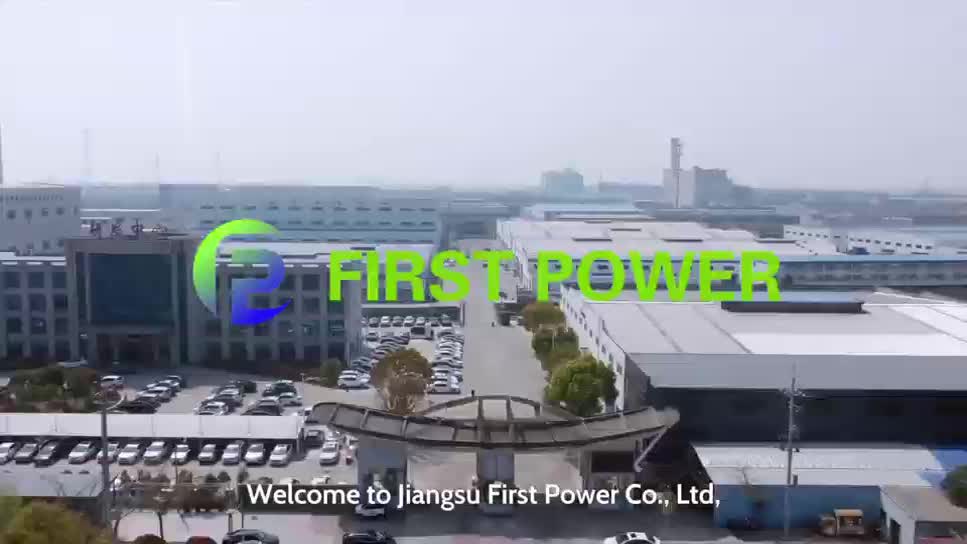
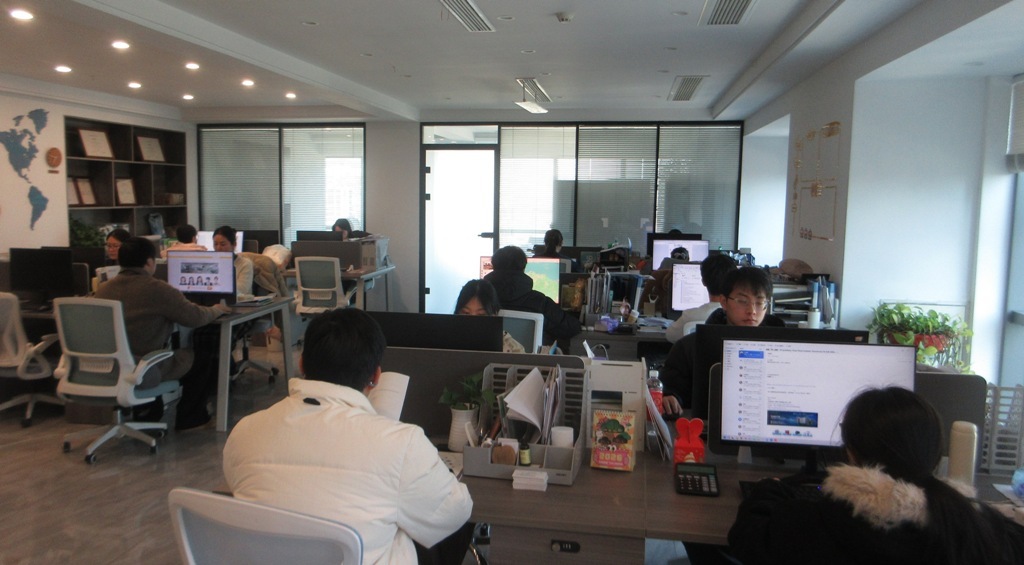
Factory and engineering team support for transformer and substation projects.
Assembly workshop.

Testing laboratory.
Verified production capacity
6,847 m² of inspected floorspace with dedicated winding, core assembly, drying, tanking, enclosure, and test areas. Capacity claims can be reviewed before order.
Engineering depth
50+ R&D and technical engineers plus more than 20 years of team experience in transformers and substations. Specification review happens before quotation, not after deposit.
Certified systems
ISO 9001, ISO 14001, and ISO 45001 management systems, CE certificates for relevant product lines, and TÜV Rheinland onsite verification references.
Test discipline
Routine tests include winding resistance, ratio and vector group, impedance and load loss, no-load loss and current, applied and induced voltage, plus oil dielectric strength for liquid-filled units.
Customization
OEM and ODM support for ratings, impedance, taps, cooling, insulating fluid, enclosure color, bushings, and nameplate language. Cold-climate accessories can be quoted with the unit.
Export and response
Seaworthy packing, Incoterms options, major currencies, and a 24-hour technical response target help keep Sapporo projects moving through documentation and shipment.
From Inquiry to Delivery: A Clear Six-Step Process
A repeatable process reduces the back-and-forth that often delays transformer procurement. Each step is documented so the buyer, consultant, and factory team work from the same assumptions.
Specification review
Confirm rating, voltage, frequency, vector group, impedance, altitude, ambient, snow/seismic conditions, and applicable standards.
Drawing and data sheet approval
Review GA drawing, nameplate draft, guaranteed losses, enclosure details, accessories, and documentation requirements before production.
Production planning
Release materials, core and coil work, tank or enclosure fabrication, cold-weather options, and inspection checkpoints.
In-process quality control
Monitor winding, core stacking, drying, oil filling, finishing, and enclosure assembly with documented QC records.
Routine testing
Perform electrical and oil tests per unit. Third-party witness inspection and buyer review can be arranged before packing.
Packing and dispatch
Use export packing, shock indicators, complete shipping documents, and a delivery plan aligned with the Sapporo project schedule.
Common Local Procurement Questions
These answers are written for procurement teams comparing suppliers for Sapporo and Hokkaido projects. Project-specific requirements always take precedence over general guidance.
What is included in a “box transformer substation” quotation?
The scope depends on whether you need a pad-mounted transformer, a compact substation, or a full unit substation. A clear quotation should define the transformer, MV switchgear, LV distribution, enclosure, protection, cables or interfaces, testing, documentation, and shipping scope. Send the single-line diagram and layout so the supplier can quote the correct boundary.
Can you supply 50 Hz equipment for Hokkaido?
Yes. Hokkaido operates on 50 Hz, and equipment can be engineered for 50 Hz operation. We can also discuss 60 Hz and dual 50/60 Hz designs for export or special projects. Always confirm the final voltage, vector group, impedance, and utility requirements before order.
What cold-climate options are available for Sapporo?
Options can include low-temperature oil review, anti-condensation heaters, cold-start considerations, snow-shedding enclosure details, raised plinths, protected door hardware, enhanced coating systems, and stainless-steel fasteners. Final selection should follow the site ambient, snow exposure, corrosion class, and maintenance plan.
How are snow load and seismic requirements handled?
The buyer or local structural engineer should provide snow load, seismic acceleration, and foundation requirements. The supplier can then design the enclosure, base frame, anchorage points, and bracing to match those inputs. Foundation design and site installation are normally confirmed by the local engineering team.
Which certifications and documents can be provided?
Documentation can include ISO 9001, ISO 14001, and ISO 45001 references; CE certificates for relevant product lines; TÜV Rheinland verification references; GA drawings; routine test reports; nameplates; O&M manuals; and packing lists. JIS compliance is project-specific and should be confirmed against the actual utility or consultant requirement.
What is the MOQ for wholesale buyers?
For project-specific engineered equipment, one unit can often be reviewed, while wholesale pricing usually depends on repeat models, annual volume, and container loading efficiency. Mixed models can be consolidated where shipping and documentation allow. Share your forecast so the commercial team can structure a practical offer.
What lead time and shipping options are available to Sapporo?
Lead time starts after drawing approval and deposit, and depends on rating, accessories, test requirements, and factory schedule. Shipping can be arranged to Japanese ports with onward local delivery. Common trade terms include FOB, CFR, CIF, EXW, FCA, CIP, CPT, and DDP, subject to the final agreement.
Can you customize for Japanese voltage and frequency?
Yes. Customization can cover ratings, voltage ratio, taps, vector group, impedance, bushings, cooling method, enclosure style, insulating fluid, paint color, and nameplate language. Provide the single-line diagram, site conditions, and any utility-specific clauses so the design can be reviewed accurately.
Which factory tests are performed before shipment?
Routine tests typically include winding resistance, voltage ratio and vector group, impedance and load loss, no-load loss and current, applied voltage, induced voltage, and oil dielectric strength for liquid-filled units. Type test reports can be discussed, and third-party witness inspection is welcome.
What payment terms and after-sales support are available?
Payment terms can include T/T, L/C, D/P, and D/A among other agreed methods, in major currencies such as USD, EUR, GBP, CAD, and AUD. After-sales support includes technical response, documentation, spare-parts discussion, and remote assistance. A 24-hour response target helps keep site and commissioning teams supported.
Request a Sapporo-Ready Transformer Review
Send your single-line diagram, rated power, primary and secondary voltage, frequency, vector group, impedance, loss target, site ambient, snow and seismic conditions, and required documents. An engineer will review the specification and respond within one working day.
[email protected]