Product Shortlist
Eight Production-Ready Transformer Lines for Global Buyers
Power supply transformer procurement is no longer a simple price comparison. For utilities, EPC contractors, data-centre developers and renewable IPPs, the decision now turns on verifiable factory capability, standards alignment, loss performance, test documentation and lifecycle support. The eight lines below represent the production families most often shortlisted by buyers working with Jiangsu Wisegj Power Co., Ltd. Each unit can be engineered to IEC 60076 or ANSI/IEEE C57.12 requirements, configured for 50 Hz or 60 Hz, and released with serial-number routine test records.
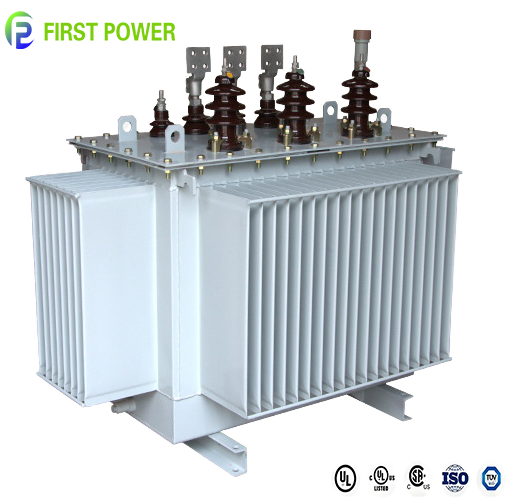 S11 distribution
C CE 50/60HZ S11 10KV 15KV 20KV 35KV 100KVA 300KVA 500KVA 630KVA Three Phase Oil Transformer Price for Distribution System
Low-loss oil-immersed distribution transformer for 10–35 kV networks, 100–630 kVA, 50/60 Hz; suitable for utility feeders, commercial sites and renewable collection systems.
View specification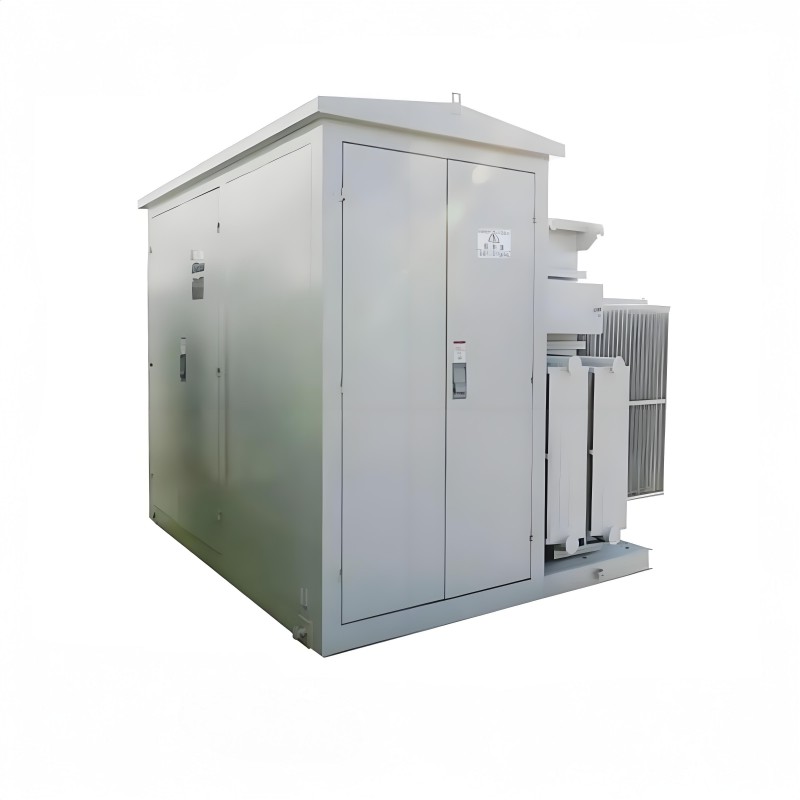 ANSI pad mounted
American Standard /C Certification 75-2500KVA Oil Type Three Phase 13.8KV Pad Mount Transformers for Power Generation
Three-phase pad-mounted units for 13.8 kV class underground distribution, with 75–2,500 kVA ratings and enclosure options suited to generation, campus and commercial projects.
View specification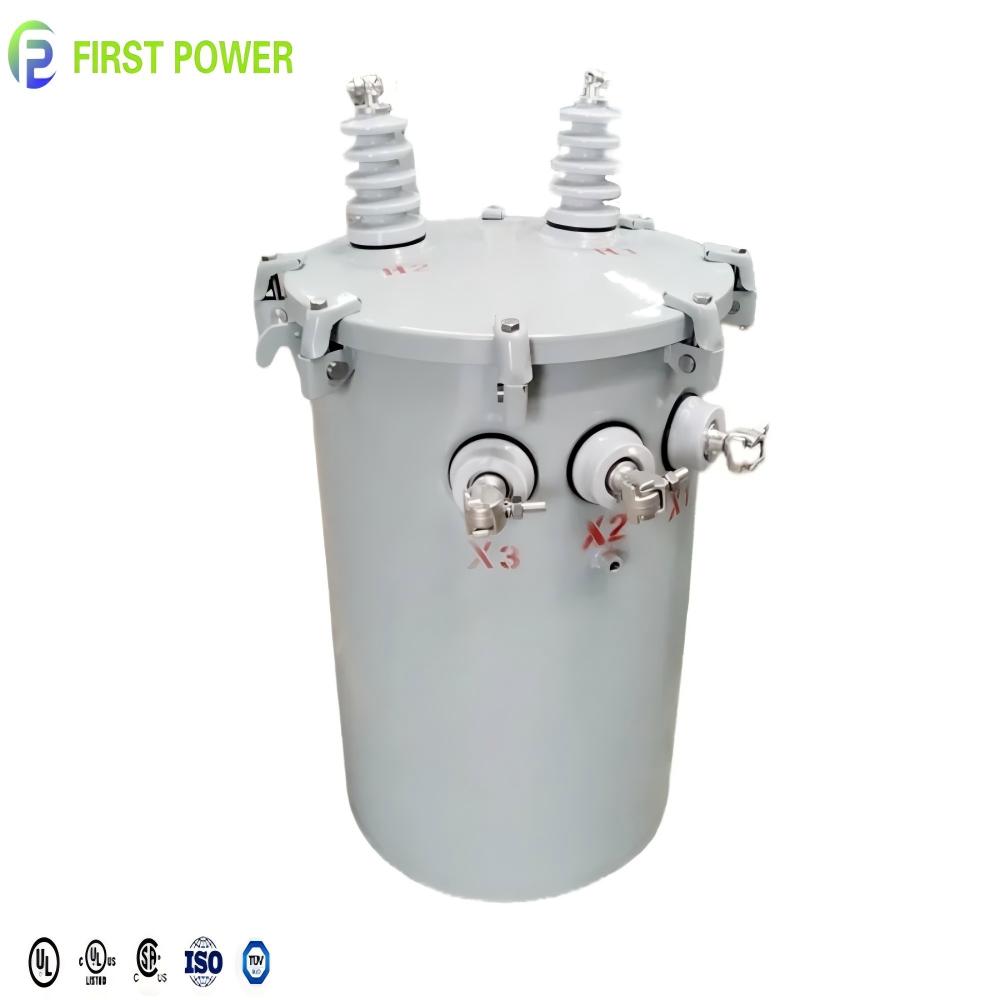 Pole mounted
ANSI 50/60HZ 6KV 10KV 15KV 20KV 35KV 15KVA 25KVA 50KVA 100KVA Single Phase Pole Mounted Transformers for Industrial Power Supply
Single-phase pole-mounted transformers for overhead distribution, 15–100 kVA, with ANSI configurations for residential feeders, rural electrification and light industrial loads.
View specification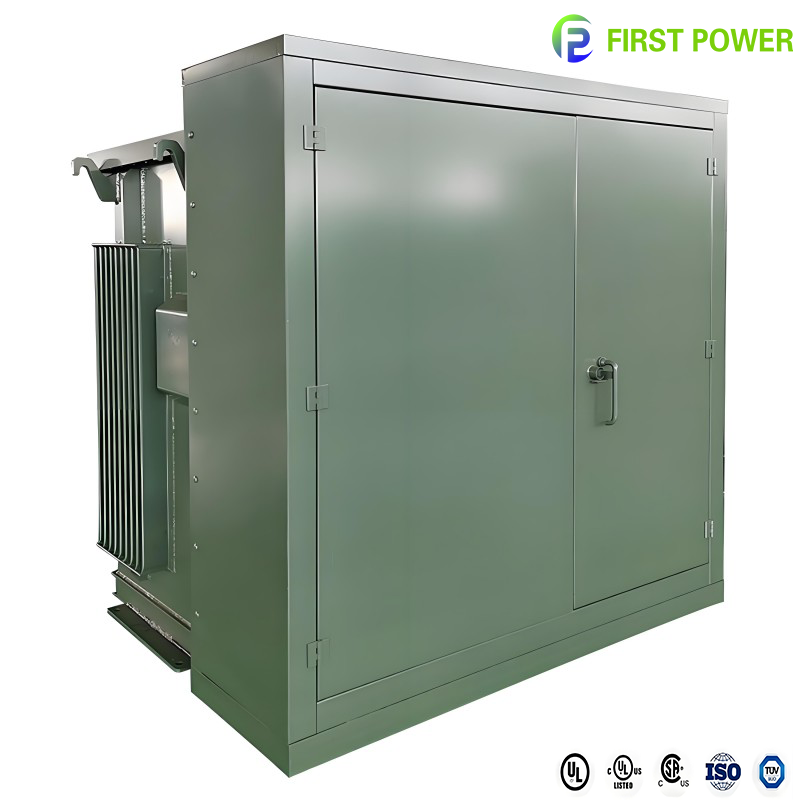 Oil pad mounted
C CE 50/60HZ 10KV 20KV 35KV 75KVA 100KVA 200KVA 300KVA 400KVA 3 Phase Oil Type Pad Mounted Transformer for Power Generation
Compact oil-filled pad-mounted transformer family for 10–35 kV distribution, 75–400 kVA, designed for commercial sites, power generation auxiliaries and underground networks.
View specification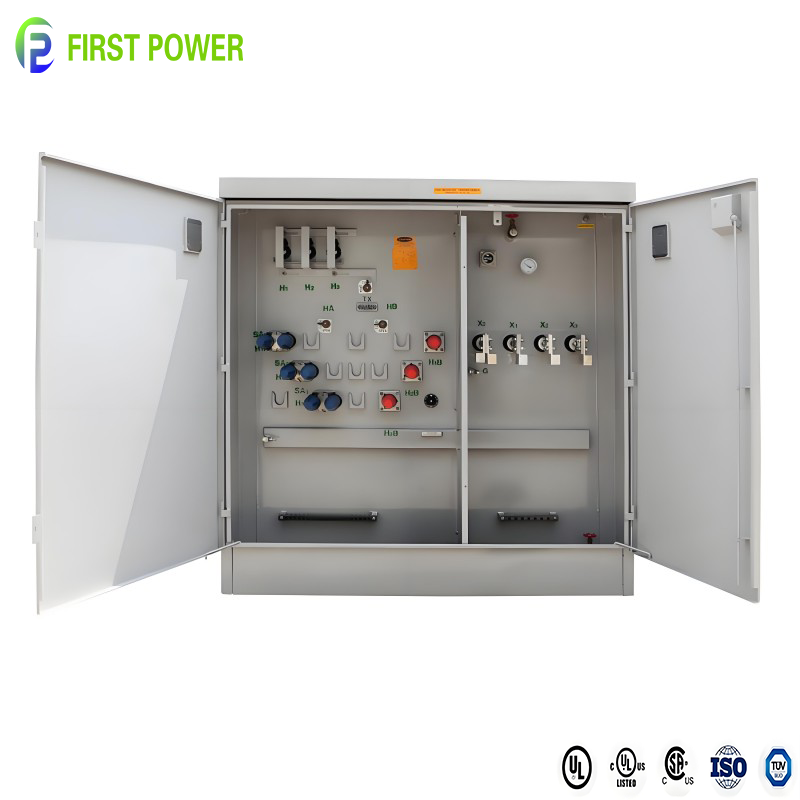 Loop feed
C CE MV&HV 50/60HZ 300KVA 500KVA 630KVA 700KVA 10KV 15KV 20KV 35KV 3 Phase Loop Feed Pad Mounted Transformer for Industrial
Medium- and high-voltage loop-feed pad-mounted transformers for 300–700 kVA industrial loads, offering feeder flexibility and tamper-resistant outdoor installation.
View specification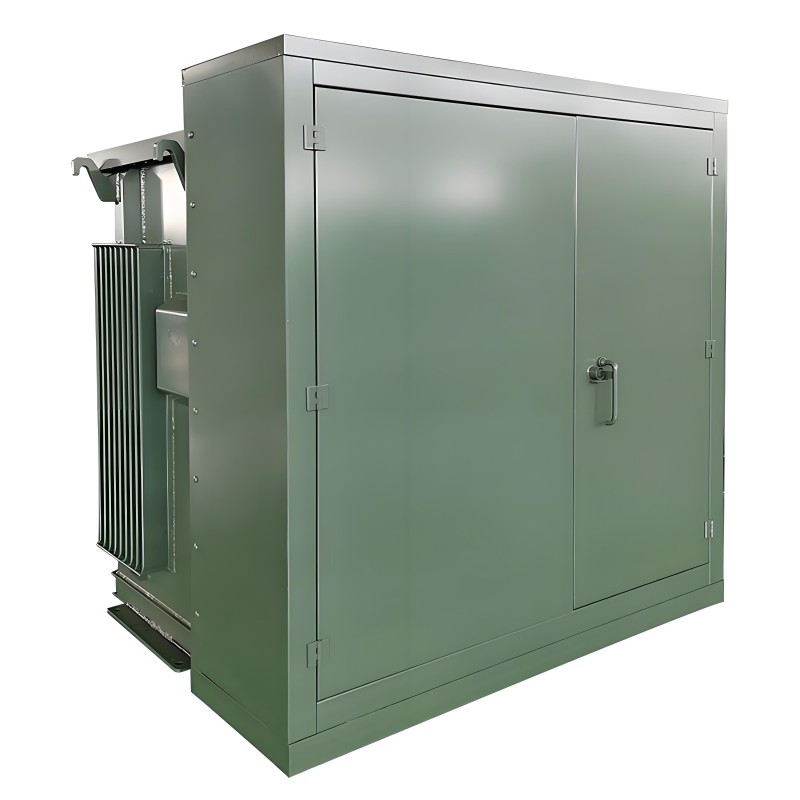 480 V output
/C Certified 75-2500KVA Oil Type Three-Phase Pad-Mounted Transformer 480V Output Voltage 35KV Input Voltage 50/60HZ
Pad-mounted oil transformer with 35 kV input and 480 V output for commercial, industrial and generation projects requiring North American secondary voltage.
View specification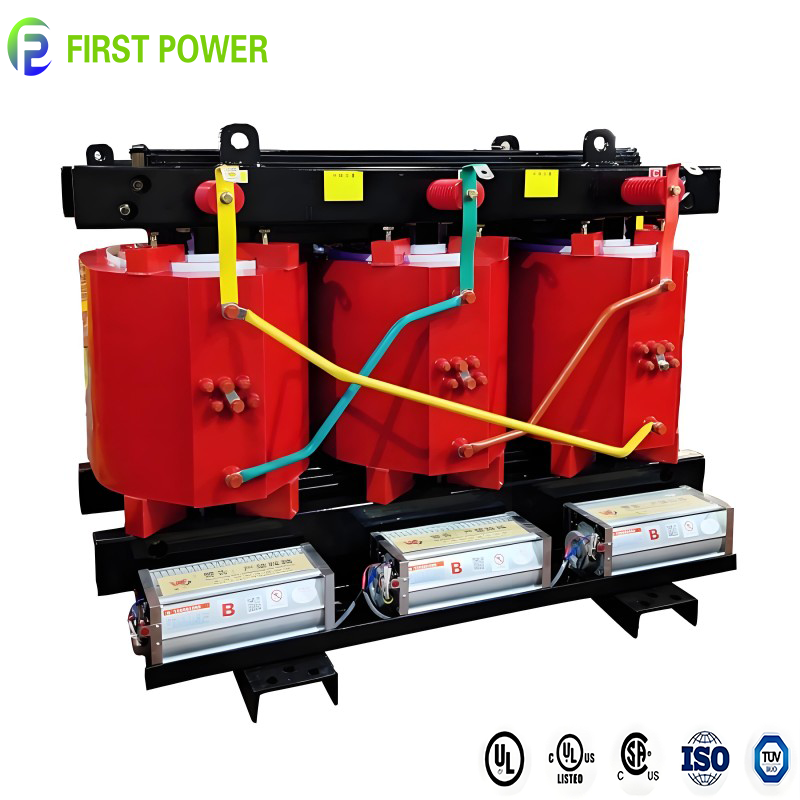 Dry type
C CE Certification IEEE Standard 50/60HZ 5MVA 6MVA 6KV 35KV 3 Phase Dry Type Transformer for Electric Power Distribution
Dry-type distribution transformer for 5–6 MVA and 6–35 kV applications where oil-free operation, fire safety and indoor installation are decisive.
View specification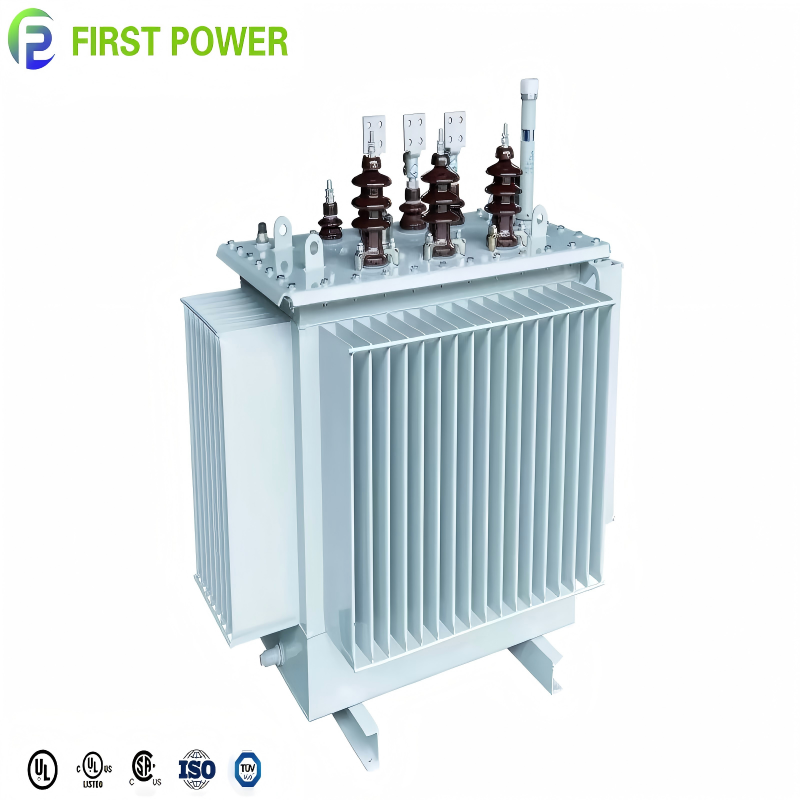 Oil immersed
C CE S11 50/60HZ 6KV 10KV 15KV 20KV 35KV 100KVA 300KVA 3 Phase Oil Immersed Transformer 50KVA 33KV for Distribution System
Oil-immersed S11 distribution transformer for 6–35 kV networks, 50–300 kVA, with corrugated tank options and low-loss core configurations for utility distribution.
View specificationApplication Recommendation
Recommended Transformer Selection by Project Type
Product recommendations should begin with the installation environment, grid code and lifecycle cost target — not with a generic kVA rating. The following selection logic is used in early-stage technical reviews for utilities, EPCs and private developers.
Underground utility distribution
For residential subdivisions, commercial campuses and municipal networks, start with single-phase pole-mounted units where overhead service is permitted, and three-phase pad-mounted units where cable-fed infrastructure and tamper resistance are required. Specify IEEE C57.12.34 or C57.12.38 for ANSI markets; confirm loop or radial feed, bayonet fusing, dead-front construction and a corrosion class suited to coastal or high-humidity sites.
Renewables and data centres
Solar, wind and data-centre projects rarely buy on price alone. They need low no-load and load losses, tight impedance tolerance, high ambient capability and documentation that satisfies lenders and insurers. A pad-mounted transformer or compact substation package reduces civil works, while dry-type or ester-fluid designs lower fire risk near occupied buildings.
Industrial plants and mining
For motors, rectifiers, furnaces and variable-frequency loads, verify harmonic duty, overloading profile, altitude, ambient and seismic requirements before quoting. S11 oil-immersed distribution transformers and cast-resin dry-type units are common starting points; where dust or corrosive gases are present, enclosures, paint systems and creepage distances need project-specific review.
Transmission and generation
For generator step-up, grid interconnection and high-voltage substation duties, the correct purchase is not a catalogue item. It requires loss capitalization, short-circuit withstand, thermal upgrade, OLTC strategy, transport study and a factory acceptance test plan. Wisegj’s power transformer portfolio extends to 500 kV class with ONAN/ONAF cooling and project-specific testing.
Procurement Outlook
Power Transformer Procurement Trends Through 2030
Buyer behaviour in the transformer category is changing because delivery risk, loss performance and verifiable quality now carry as much weight as the initial quotation. These four procurement trends are especially relevant to utilities, EPCs and renewable developers.
Total cost of ownership moves first
Procurement teams are increasingly capitalizing no-load and load losses, then adding freight, civil works, maintenance and outage risk. A transformer with a slightly higher first price can be the cheaper asset over 20–30 years when the loss evaluation and reliability record are stronger.
Factory verification over directory listings
Buyers want the physical production address, winding and core lines, oil processing equipment and calibrated test bay. Certificates are necessary but not sufficient; the audit trail must connect the certificate scope to the exact product family being ordered.
Dual-standard and grid-code flexibility
Global supply chains require suppliers to handle IEC, ANSI/IEEE and local grid-code requirements without redesign delays. Frequency, vector group, impedance, tap range, bushing configuration and nameplate language must be confirmed before the purchase order is released.
Documentation becomes a delivery item
Routine test reports, GA drawings, nameplate drafts, oil test certificates, packing lists and O&M manuals are now part of the technical acceptance package. Missing documents can delay energization even when the transformer itself is ready.
Product Development
Transformer Product Development Trends Reshaping Specifications
Transformer design is evolving along four practical axes: loss reduction, fire and environmental safety, digital readiness, and faster substation deployment. These trends directly affect how buyers should write technical specifications today.
Low-loss cores and efficiency
CRGO and amorphous core options, improved winding geometry and tighter loss guarantees are becoming standard discussion points. Buyers should ask for guaranteed no-load and load losses, tolerance basis and the calculation method used for loss capitalization.
Ester fluids and fire-safe dry type
Natural ester fluids and cast-resin dry-type transformers are increasingly specified for urban, indoor, tunnel, hospital and renewable applications. The specification should state fire class, environmental classification, installation clearance and any local code restriction.
Digital-ready condition monitoring
Temperature, partial discharge, dissolved gas and bushing monitoring are moving from special projects into mainstream specifications. Even when sensors are not purchased initially, buyers should reserve space, wiring and communication protocols for future monitoring.
Prefabricated and modular delivery
Compact substations combine MV switchgear, transformer and LV distribution in a factory-assembled enclosure. This reduces site labour, shortens commissioning and improves quality control, especially for renewable plants, temporary power and fast-track urban projects.
Routine test report required
92% indicative weighting in technical questionnaires reviewed by the Wisegj export team.
Lifecycle loss comparison requested
78% of larger project reviews ask for loss capitalisation or efficiency assumptions.
CE / IEC or ANSI evidence needed
84% of export enquiries reference at least one international standard in the first message.
Third-party witness testing
67% of high-value enquiries ask whether FAT witness inspection can be arranged.
Enterprise Advantage
Why Wisegj Is a Trusted Power Transformer Factory and Wholesaler
Jiangsu Wisegj Power Co., Ltd. is a Suzhou-based manufacturer and exporter of pad-mounted transformers, oil-immersed transformers, dry-type transformers, power transformers, compact substations, switchgear and distribution equipment. The company combines a verified production footprint with engineering review, export coordination and serial-number test documentation so that procurement teams can compare evidence, not just claims.
Verified production capacity
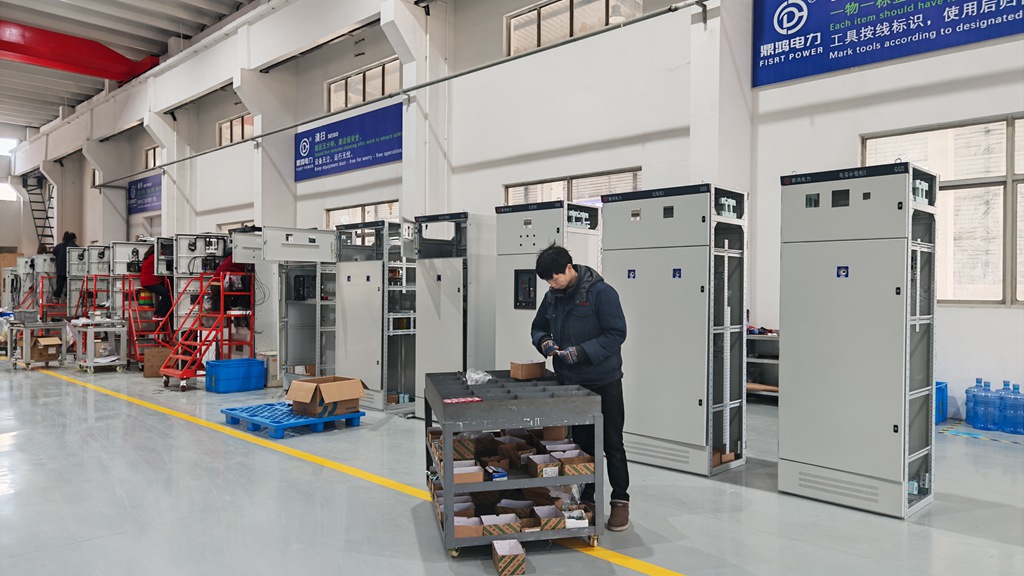
6,847 m² of inspected floorspace covers winding, core assembly, drying, tanking, finishing and testing. Production capability and quality inspection have been verified onsite by TÜV Rheinland.
50+ engineering specialists
The technical team brings more than 20 years of hands-on transformer experience, with engineers reviewing ratings, standards, losses, drawings and application conditions before quotation.
In-house testing and traceability
Routine tests include winding resistance, ratio and vector group, impedance and load loss, no-load loss and current, applied and induced voltage withstand, plus oil dielectric testing for liquid-filled units.
Certified management systems
ISO 9001 (62824Q6052R0S), ISO 14001 (62824E6053R0S) and ISO 45001 (62824S6054R0S) systems support quality, environmental and occupational safety control. CE certification includes oil-immersed power transformer 3N230310.JYTU038, dry-type transformer FQC2530404 and compact substation M.2025.206.C121884.
OEM, ODM and project customization
Customization covers rating, vector group, impedance, tap range, bushing configuration, cooling method, insulating fluid, enclosure colour, nameplate language and test plan. Design-based and sample-based options are available.
Export logistics and terms
FOB, CFR, CIF, EXW, FCA, CIP, CPT, DDP and other Incoterms are supported, with T/T, L/C, D/P and D/A payment options in USD, EUR, GBP, CAD, AUD and other major currencies.
Complete technical documentation
GA drawings, nameplate drafts, routine test reports, oil test certificates where applicable, packing lists and O&M manuals can be supplied in English, with third-party witness inspection welcomed for high-value projects.
Supply-chain depth and response
211 qualified supply-chain partners support stable access to silicon steel, copper, bushings and accessories. Technical and after-sales questions are targeted for a qualified response within one working day.

Company and facility overview

Assembly workshop

Testing laboratory
Export packing and loading
ISO 9001, ISO 14001 and ISO 45001 management systems with traceable certificate numbers.
CE certification for oil-immersed power transformers, dry-type transformers and compact substations.
TÜV Rheinland onsite verification of production capability, floorspace and quality inspection.
Design and testing aligned to IEC 60076, IEEE C57.12 series and project-specific grid codes.
Due Diligence
A Buyer’s Framework for Comparing Transformer Factories and Wholesalers
The phrase “trusted transformer factory” is frequently used but rarely defined. A practical due-diligence review separates manufacturing capability from trading presentation, and it connects every certificate, drawing and test report to the exact product being purchased.
Commercial and qualification evidence
- Legal entity name, factory address, export licence and banking details verified against the quotation.
- Certificate scope and validity dates checked with issuing bodies, not only as PDF images.
- Similar project references, warranty terms, spare-parts commitment and after-sales response path.
- Trade terms, currency, inspection rights, packing standard and document release conditions stated in the contract.
Technical and production evidence
- Winding, core stacking, drying, oil processing, tank fabrication and test bay available for review.
- Calibrated instruments, routine test procedure, loss measurement method and oil dielectric test records.
- GA drawing, nameplate drawing, guaranteed losses, temperature-rise basis and tap-range confirmation before production.
- Serial-number test report, packing plan, shock indicator arrangement and complete shipping document list.
| Evidence to request | What it proves | Procurement action |
|---|---|---|
| Certificate number and scope | The certificate applies to the product family and standard being purchased. | Verify with the issuing body and match the model, voltage class and manufacturing site. |
| Serial-number routine test report | The actual unit, not a generic sample, was tested before shipment. | Make shipment release conditional on review of the final report package. |
| Loss calculation and guarantees | Efficiency and lifecycle cost assumptions are technically supported. | Insert guaranteed losses, tolerance and test method into the purchase order. |
| Third-party FAT witness | Independent confirmation of assembly, testing and nameplate data. | Schedule witness inspection for high-value, high-voltage or first-article orders. |
| Nameplate and GA drawing | Ratings, vector group, impedance, taps and terminal arrangement match the design intent. | Approve drawings before core cutting or winding begins. |
| Export packing plan | The unit is protected against moisture, shock and long sea transit. | Confirm crating, desiccant, shock indicators and loading supervision. |
A factory that can supply a transformer is not the same as a transformer factory. A wholesaler can be a valid partner when it adds engineering coordination, inventory and export documentation, but it should be transparent about the production source. Ask which site will wind the coils, which test bay will perform the routine tests, and whether the nameplate will show the manufacturing address. If those answers change between quotation and purchase order, treat it as a risk. For high-value projects, compare total cost of ownership — purchase price, capitalized losses, freight, civil works, maintenance, spare parts and outage risk — rather than the first invoice alone.
Procurement FAQ
Common Questions About Power Supply Transformer Sourcing
These answers reflect the technical and commercial questions most often raised by utility buyers, EPC contractors, distributors and project developers.
What makes a transformer factory “trusted” rather than merely inexpensive?+
Which standards should a buyer specify?+
How do I choose between pad-mounted, oil-immersed, dry-type and pole-mounted transformers?+
Can transformers be customized for 50/60 Hz, vector group, altitude and ambient temperature?+
What tests and documents should be supplied with each unit?+
What lead time and trade terms are realistic?+
How should a buyer evaluate total cost of ownership?+
What is the safest way to move from inquiry to purchase order?+
Send Your Transformer Datasheet for an Engineer-Led Review
Share the rating, primary and secondary voltage, frequency, vector group, impedance, cooling method, site altitude, ambient conditions and applicable standards. A qualified transformer engineer will review the specification and respond with a compliant design direction, document checklist and quotation route.
[email protected]