Eight Power Distribution Transformer Configurations Buyers Shortlist Most Often
This is not a generic catalogue wall. Each configuration below addresses a specific procurement problem: feeder loss, industrial voltage regulation, underground distribution, dead-front safety, generator step-up or American-standard pad-mounted deployment. Ratings shown are typical; final design is confirmed against your grid code, load profile and loss target.
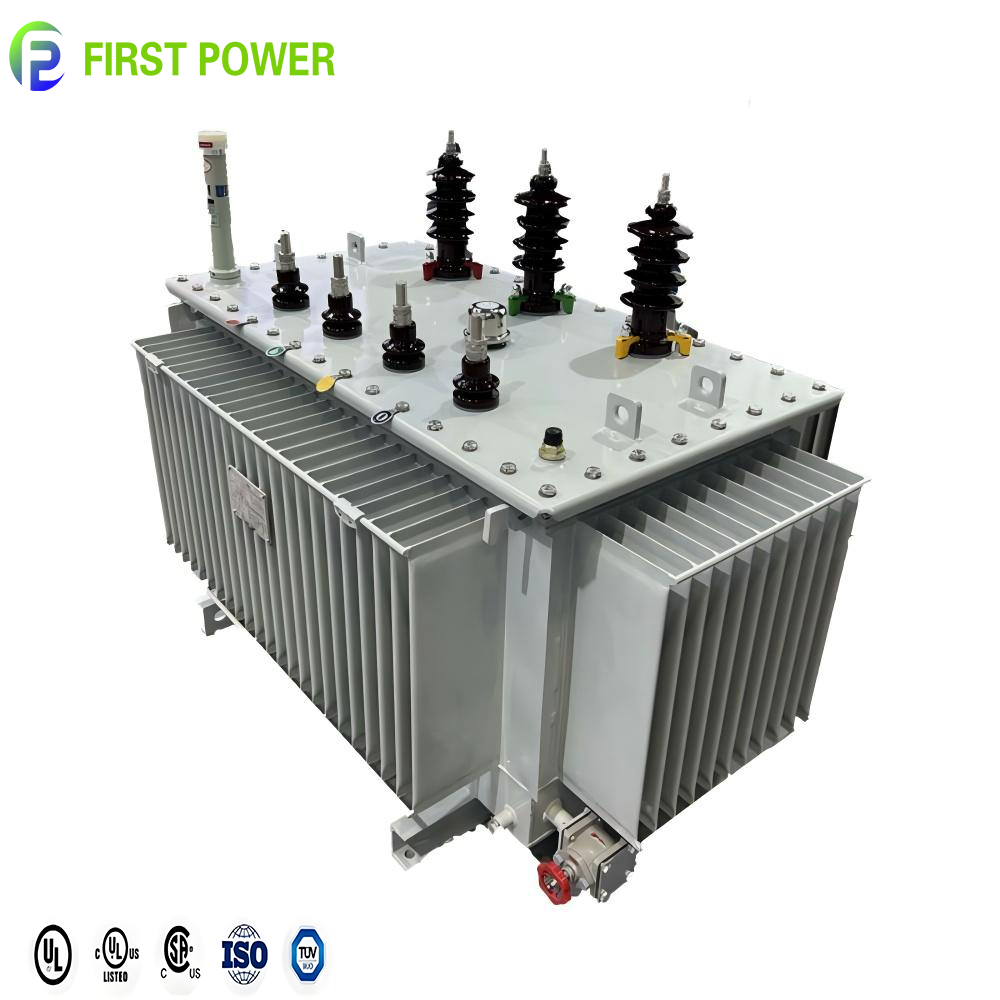 Low Loss
S11 10–35 kV Oil-Immersed Three-Phase Distribution Transformer
For utility feeders, industrial parks and commercial distribution where no-load loss and proven IEC performance drive lifecycle cost.
- Typical rating50–200 kVA
- Voltage class10–35 kV
- CoolingONAN
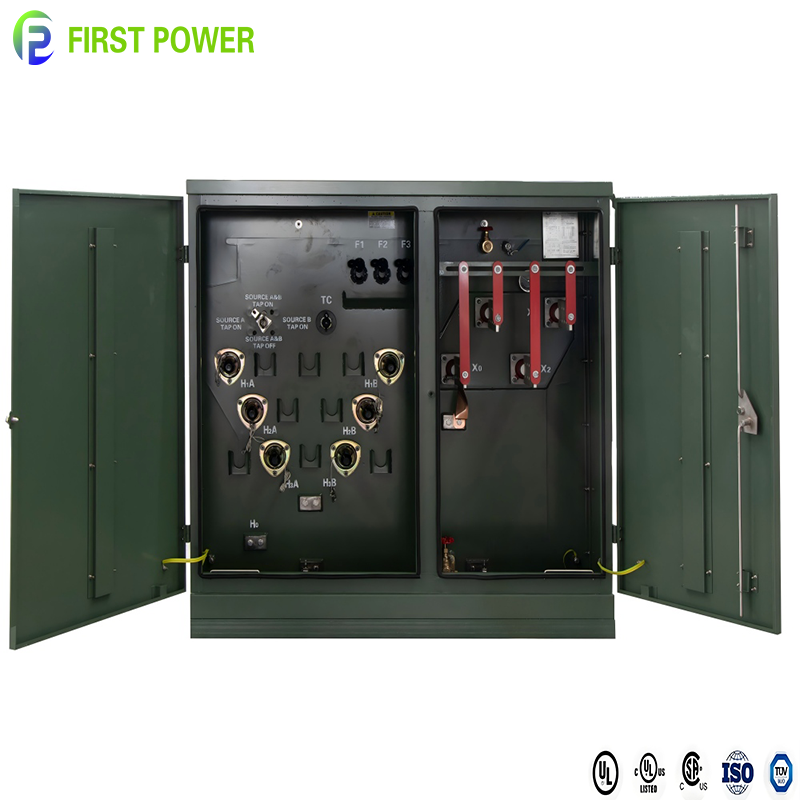 Industrial
MV/HV Three-Phase Pad-Mounted Transformer for Industrial Power Supply
Loop or radial feed in a tamper-resistant enclosure for factories, campuses, mining loads and renewable interconnections.
- Voltage class6–35 kV
- ApplicationIndustrial
- FeedLoop / radial
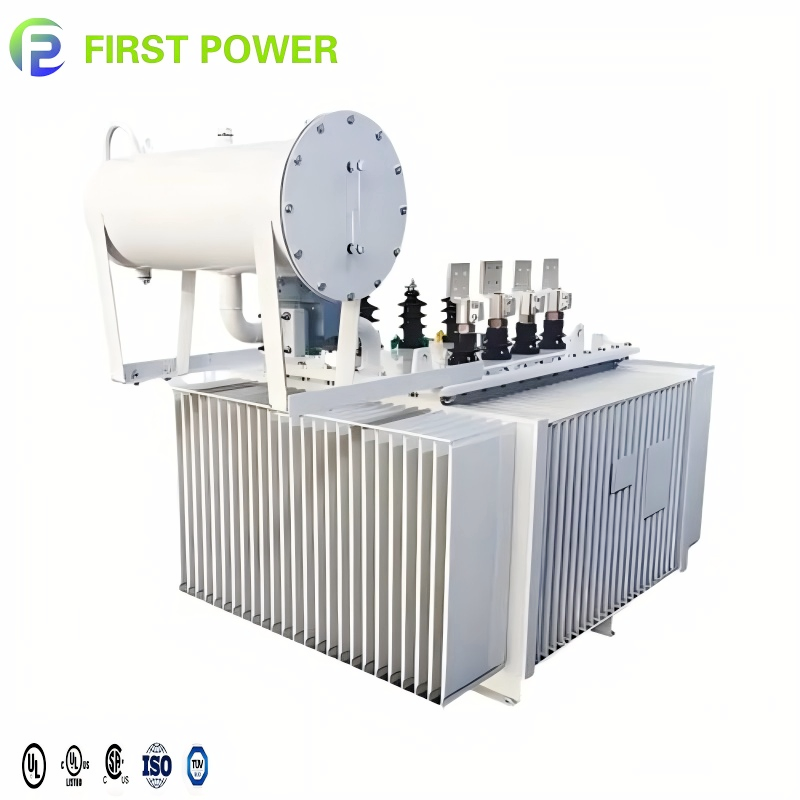 OLTC
Oil-Type On-Load Tap Changer Transformer, 1,000–2,500 kVA
For industrial processes and substations where voltage must be regulated under changing load without interrupting supply.
- Typical rating1,000–2,500 kVA
- Voltage class10–35 kV
- Tap controlOn-load
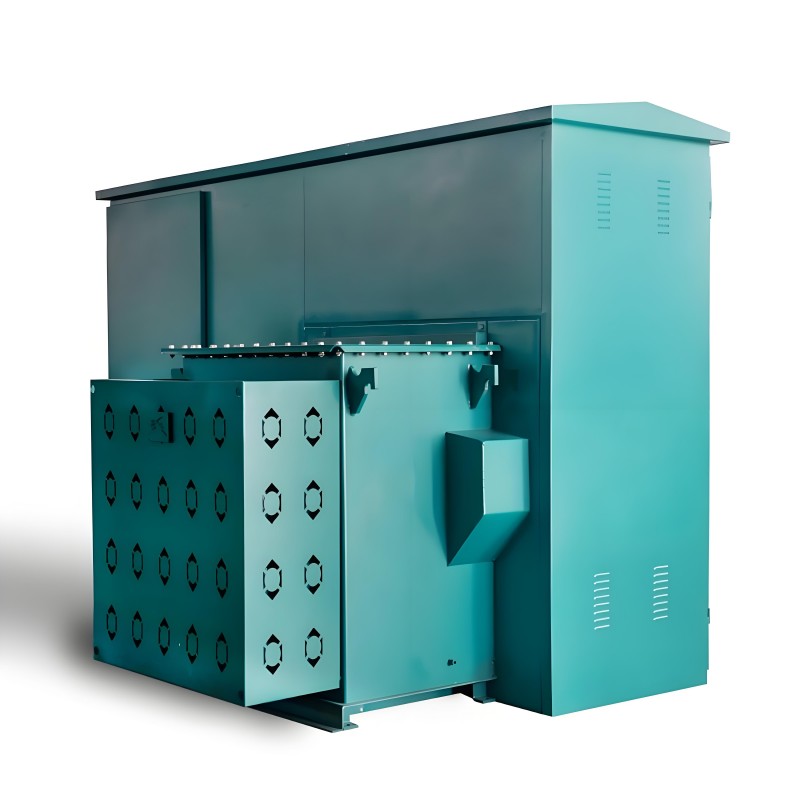 Dead Front
Certified Oil-Type Dead-Front Pad-Mounted Transformer, 75–2,500 kVA
Dead-front compartment design for safer operation in commercial, utility and distributed-generation pad-mounted systems.
- Typical rating75–2,500 kVA
- Voltage class6–34.5 kV
- DesignDead front
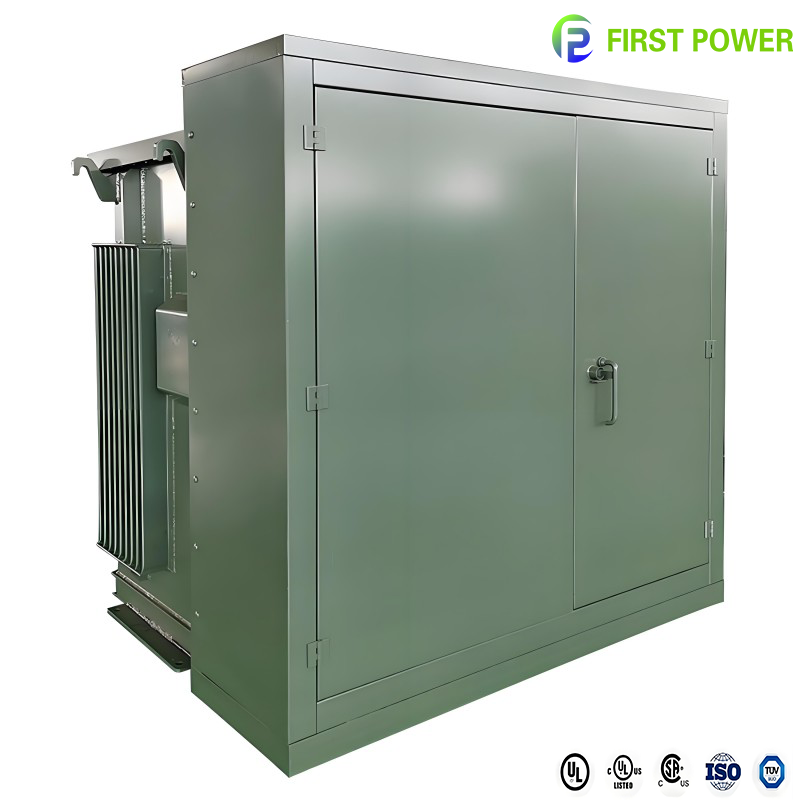 Generation
Oil-Type Pad-Mounted Transformer for Power Generation, 75–400 kVA
Compact pad-mounted units for distributed generation, small power plants and commercial backup systems.
- Typical rating75–400 kVA
- Voltage class10–35 kV
- ApplicationGeneration
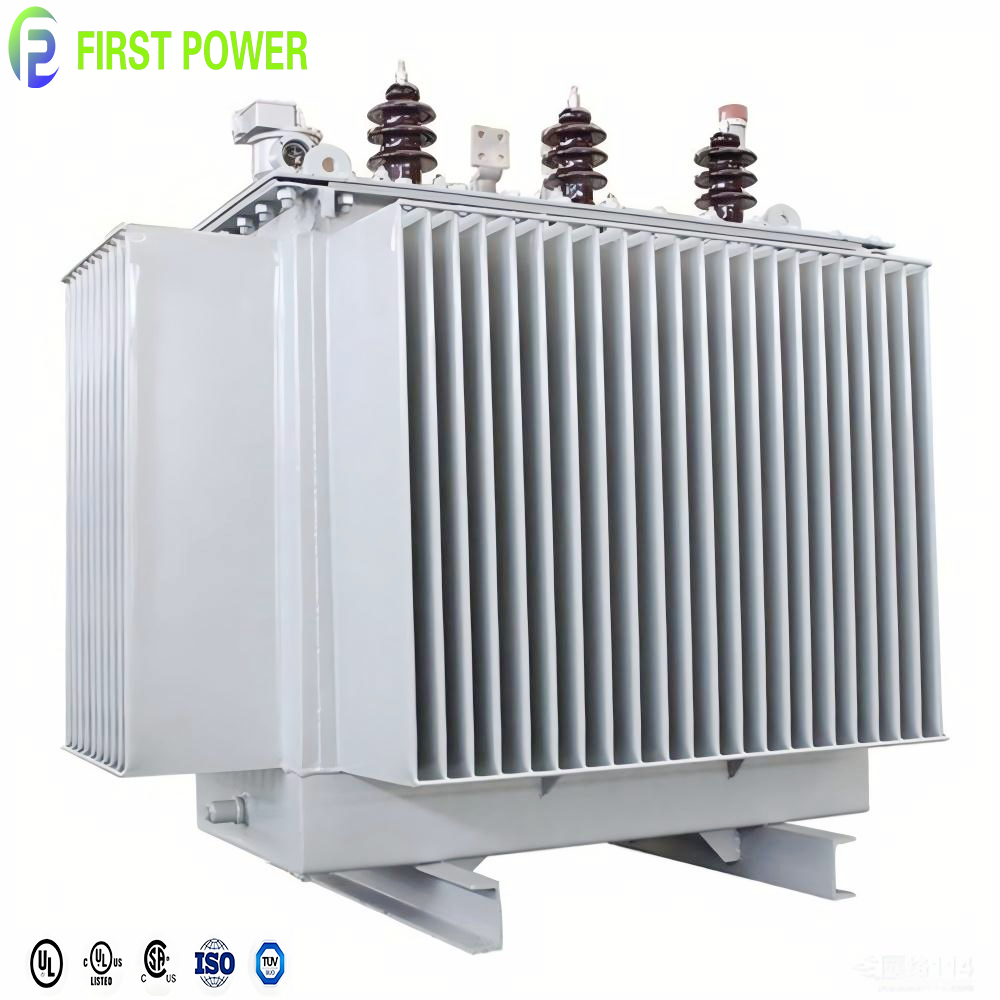 S11
S11 Three-Phase Oil Transformer for Electric Power Distribution, 10–50,000 kVA Class
Wide-range S11 platform for utilities and EPCs that need a familiar, maintainable oil transformer for distribution networks.
- Capacity classUp to 50,000 kVA
- Voltage class10–35 kV
- PlatformS11
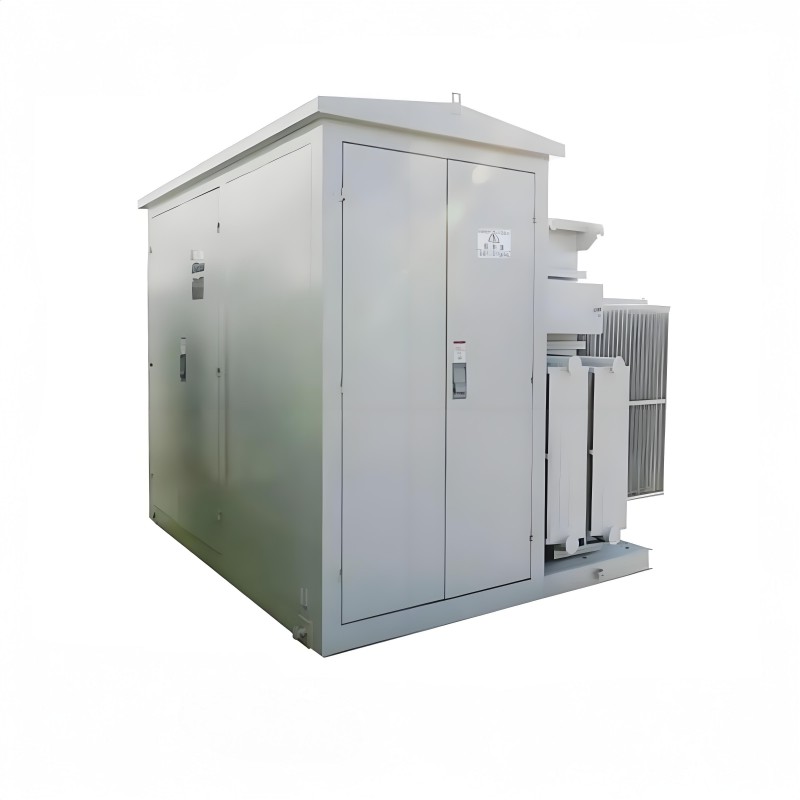 ANSI
American-Standard 13.8 kV Oil-Filled Pad-Mounted Transformer, 75–2,500 kVA
For North American style distribution systems requiring pad-mounted construction, familiar clearances and utility-grade documentation.
- Typical rating75–2,500 kVA
- Voltage class13.8 kV
- MarketANSI
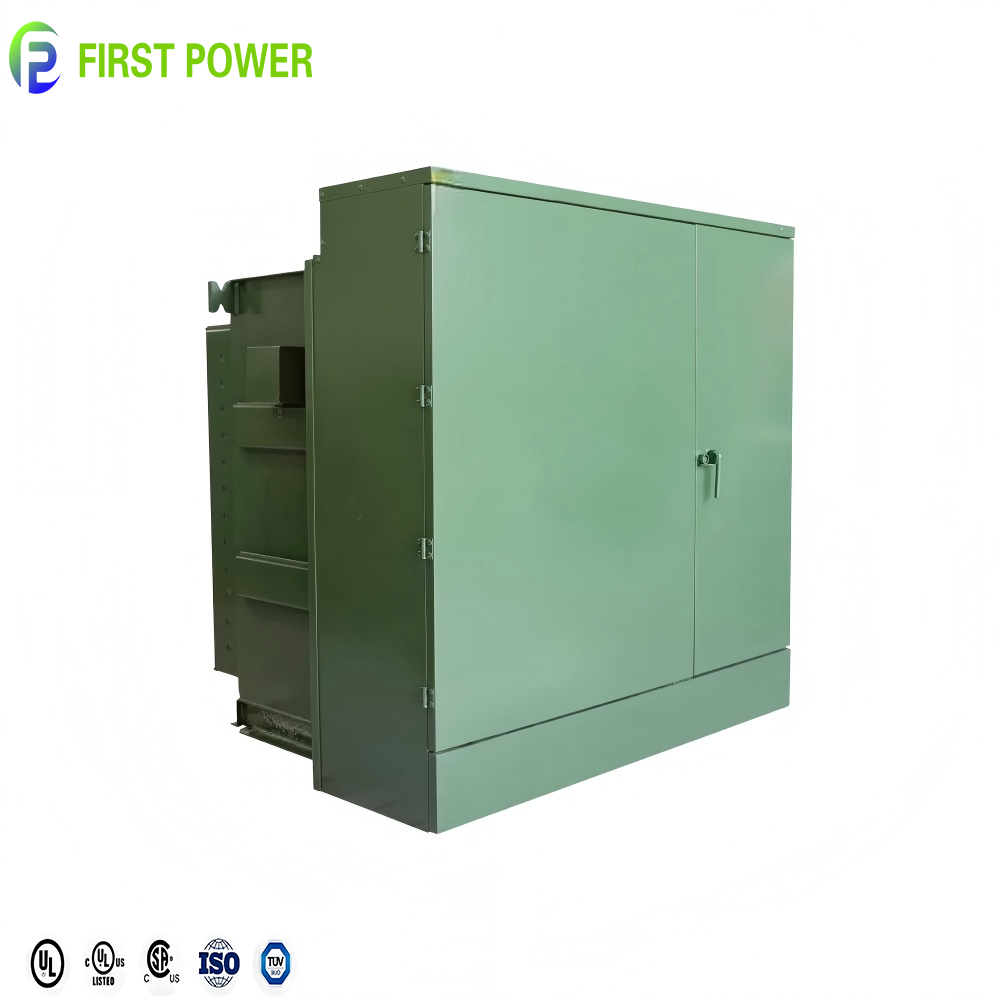 Distribution
Three-Phase Pad-Mounted Distribution Transformer, 300–750 kVA
Mid-size pad-mounted distribution class for commercial developments, public infrastructure and urban underground networks.
- Typical rating300–750 kVA
- Voltage class10–35 kV
- MountingPad mounted
A Power Distribution Transformer Factory Buyers Can Actually Verify
Trust is not created by a slogan. It is created by floorspace, engineers, test records, supply-chain depth and third-party inspection evidence that a buyer can audit before placing a purchase order.
Jiangsu Wisegj Power Co., Ltd. is based in Suzhou, Jiangsu, China. Production capability, floorspace and quality inspection have been verified onsite by TÜV Rheinland, an independent third-party inspection body.
Why the Best Power Distribution Transformer Supplier Is Chosen on Evidence, Not Price Alone
A distribution transformer is a twenty-year asset. The lowest quotation can become the most expensive decision when losses, outage risk, documentation gaps, lead-time slippage and non-compliance are capitalized over the life of the network.
The global procurement conversation around power distribution transformers has changed. Utilities, EPC contractors, data-center developers, renewable IPPs and industrial buyers are no longer comparing only kVA ratings and unit price. They are comparing total cost of ownership, efficiency at part load, grid-code compatibility, factory audit evidence, test-report completeness and the supplier’s ability to respond when a project schedule moves.
That is why the phrase “top trusted power distribution transformer factory and supplier” should be treated as a due-diligence question, not a marketing claim. A trusted factory can show you how the core is stacked, how windings are dried, how oil is filtered, how losses are measured, how routine tests are documented and how the unit is packed for export. A trusted supplier can also explain which standard applies to your destination market, which parameters are fixed by the grid code and which parameters can be optimized for your load profile.
Jiangsu Wisegj Power Co., Ltd. approaches transformer supply from that evidence-first perspective. The company designs, assembles and exports medium and high voltage equipment from 220 V up to 500 kV, including power transformers, distribution transformers, pad mounted transformers, oil immersed transformers, dry type transformers, compact substations, switchgear, distribution boxes and voltage stabilizers. Its stated advantages are practical rather than abstract: an own production base with full industry certificates, 50+ R&D and technical engineers, supplier experience with Fortune 500 companies, 24-hour pre-sale and after-sale response, OEM/ODM and design-based customization, and finished-product inspection on every unit.
For buyers, the most useful information gain is a repeatable evaluation model. Use three lenses together: technical compliance, commercial lifecycle cost and factory evidence. If a quotation cannot be mapped to those three lenses, it is not yet a decision-grade offer.
What buyers should verify before shortlisting a factory
A serious factory should welcome questions that a trading intermediary may struggle to answer. Ask for the general arrangement drawing, nameplate draft, guaranteed losses, impedance, vector group, tap range, applicable standard, routine test report template, oil test procedure, packing drawing and warranty response process. Then compare these documents across suppliers. The quality of the documents often predicts the quality of the unit.
It is equally important to check whether the supplier has experience with the destination market. A transformer that is technically sound in one market may be non-compliant in another because of voltage class, frequency, clearances, enclosure style, earthing practice, language, labeling or utility interconnection rules. In North America, ANSI/IEEE C57.12 series standards and pad-mounted design conventions often drive the specification. In Europe, Asia, Africa and the Middle East, IEC 60076 and local grid codes may govern. A trusted power distribution transformer supplier should be able to discuss those differences before quoting.
Buyer’s Evidence Pack — Ask for These Five Items
- Factory profile with verifiable floorspace, production equipment and third-party inspection report
- Certificate numbers for ISO 9001, ISO 14001, ISO 45001 and applicable CE product certificates
- GA drawing, nameplate draft and guaranteed no-load/load loss values for the offered rating
- Routine test report sample covering ratio, resistance, losses, impedance and dielectric tests
- Export packing method, shipping terms and after-sales response commitment
The Future Procurement Trends Reshaping Power Distribution Transformer Buying
Transformer procurement is becoming more analytical. The winning supplier will be the one that can support a buyer’s loss model, compliance file and delivery schedule with transparent evidence.
Loss Capitalization and 20-Year TCO
Buyers are moving from first-cost comparisons to capitalized-loss models. No-load loss, load loss at reference temperature, expected loading and energy cost are now part of the commercial evaluation, not only the engineering review.
Efficiency, Carbon and Grid Reporting
Utilities and developers need loss data that can be used in carbon reporting and network planning. A transformer supplier that provides clear loss figures and test evidence reduces reporting risk for the buyer.
Lead-Time Resilience and Supplier Depth
Long lead times for critical electrical equipment have taught buyers to audit production capacity, raw-material sourcing and schedule-control maturity. A factory with qualified supply partners can protect delivery better than an intermediary with no visibility.
Digital Quality Records and Smart-Grid Readiness
Routine test reports, oil test data, packing photos and serial-number traceability are increasingly requested in digital form. Buyers also ask whether transformers can accept monitoring sensors and condition-based maintenance interfaces.
Illustrative Procurement Weighting Model for 2030
This model is a specification workshop tool, not a statistical forecast. It shows how technical and commercial criteria are converging in buyer scorecards.
A practical RFQ should ask suppliers to submit loss values, standard references, test report samples and factory audit evidence in the same response package.
What Will Define the Next Generation of Power Distribution Transformers
The transformer is a mature product, but the surrounding requirements are changing quickly. Efficiency, fluid selection, monitoring, modularity and documentation are becoming differentiators.
Low-Loss Cores and Material Discipline
Amorphous cores and high-grade CRGO remain central to no-load loss reduction. The real differentiator is not the material name alone, but the factory’s ability to control cutting, stacking, clamping and drying so the guaranteed loss is repeatable in production.
Natural Ester and Circular Insulating Fluids
Buyers in fire-sensitive, environmentally regulated or high-ambient locations increasingly evaluate natural ester fluids. The transformer design must be matched to fluid characteristics, sealing, gasket compatibility and testing, not simply filled with a different oil.
Monitoring, Sensors and Condition Data
Temperature, dissolved gas, oil level and partial-discharge monitoring are moving from special projects into mainstream procurement discussions. Suppliers should design sensor interfaces without compromising dielectric clearances or maintenance access.
Compact Substations and Modular Deployment
Factory-assembled substations reduce site labor, commissioning time and interface risk. For renewable projects and urban networks, the ability to integrate MV switchgear, transformer and LV distribution in one enclosure is becoming a procurement advantage.
How to Match Application, Rating and Standard Before You Issue the RFQ
Use this matrix to align the project need with the transformer family, then ask each supplier to confirm the exact standard, losses, impedance and testing regime in writing.
| Transformer Family | Best-Fit Application | Typical Rating / Voltage | Evidence to Request |
|---|---|---|---|
| S11 oil-immersed distribution transformer | Utility feeders, commercial distribution, industrial parks | 50–200 kVA typical; 10–35 kV | IEC 60076 routine test report, no-load and load-loss guarantees |
| MV/HV pad-mounted transformer | Industrial power supply, campus distribution, renewable interconnection | 6–35 kV; project-specific kVA | Enclosure drawing, clearances, loop/radial feed details, CE where applicable |
| On-load tap changer transformer | Industrial processes where voltage regulation must continue under load | 1,000–2,500 kVA typical; 10–35 kV | OLTC model, tap range, control interface and test records |
| Dead-front pad-mounted transformer | Commercial and utility underground distribution with enhanced safety | 75–2,500 kVA; 6–34.5 kV | Dead-front compartment design, termination details, ANSI/IEEE compliance evidence |
| American-standard pad-mounted transformer | North American distribution, generation and commercial projects | 75–2,500 kVA; 13.8 kV class | ANSI/IEEE C57.12 reference, nameplate draft, UL-style marking requirements where required |
| Three-phase pad-mounted distribution transformer | Urban networks, public infrastructure and mid-size commercial loads | 300–750 kVA; 10–35 kV | GA drawing, pad details, cable-box configuration and export packing plan |
Note: ratings and standards shown are typical procurement ranges. Final design must be confirmed against the destination grid code, project load profile, ambient conditions and utility interconnection requirements.
A Practical Supplier Audit Framework for EPCs, Utilities and Industrial Buyers
Google’s Search Quality Rater Guidelines have made experience, expertise, authoritativeness and trust central to helpful content. Industrial procurement applies the same logic: claims must be supported by evidence, not beautiful brochures.
Experience
Ask how long the team has worked on similar ratings, markets and applications. Request references, export records or project categories — not simply a year of company registration.
Expertise
Review the supplier’s ability to explain loss capitalization, vector group, impedance, tap range, cooling class and grid-code differences. Good engineers ask questions before quoting.
Authoritativeness
Check ISO certificates, CE certificates, third-party inspection, testing capability and whether the factory is the actual manufacturer. Certificate numbers should be verifiable with issuing bodies.
Trustworthiness
Test the response process. Does the supplier answer technical questions within 24 hours? Are drawings, test reports and packing requirements handled transparently? Trust is visible in small commitments.
Factory Advantages That Reduce Risk From Inquiry to Commissioning
Wisegj’s advantage is not a single machine or a single certificate. It is the combination of production control, engineering customization, export experience and responsive documentation that keeps a transformer project moving.

Built Around the Real Work of Transformer Procurement
Jiangsu Wisegj Power Co., Ltd. supplies power distribution transformers and related equipment from Suzhou, China, with a portfolio covering 220 V to 500 kV and applications in utilities, industry, renewables, infrastructure and commercial construction. The company’s operating model is designed for buyers who need both product customization and documentary discipline.
Its stated enterprise advantages include an own production base with full industry certificates, 50+ R&D and technical engineers, supplier experience with Fortune 500 companies, 24-hour pre-sale and after-sale response, OEM/ODM and design-based customization, finished product inspection on every unit, and an average buyer rating of 4.9/5. These advantages matter most when a project has a fixed commissioning date and a utility specification that cannot be treated loosely.
- Own production base with ISO 9001, ISO 14001 and ISO 45001 management systems
- CE certificates for oil-immersed power transformers, oil-immersed transformers, dry type transformers and compact substations
- OEM, ODM, design-based and sample-based customization for ratings, vector group, impedance, taps, bushings, cooling and enclosure details
- Export terms from EXW to DDP, with T/T, L/C, D/P and D/A payment options and multiple settlement currencies
- Routine test reports, GA drawings, nameplate drafts, O&M documentation and export packing records
Verified Factory Capacity
6,847 m² of inspected production floorspace supports winding, core assembly, drying, tanking, testing and export packing.
In-House Testing Discipline
Ratio, winding resistance, losses, impedance, applied voltage, induced voltage and oil dielectric tests can be documented per serial number.
Specification Customization
Ratings, vector group, impedance, tap range, cooling method, insulating fluid, bushing configuration and enclosure color can be adapted to project requirements.
Export Logistics and Terms
Seaworthy packing, shipping marks, shock indicators and Incoterms from EXW to DDP help reduce transit and handover risk.
Complete Documentation
GA drawings, nameplate drafts, routine test reports, packing lists and English O&M manuals support smooth customs clearance and site acceptance.
24-Hour Response Commitment
Pre-sale and after-sale questions receive a qualified response target within one working day, supported by engineering review when needed.
Manufacturing, Testing and Documentation: The Evidence Behind the Nameplate
A transformer nameplate is only credible when the factory can trace the unit through design review, material control, production checkpoints, routine testing, packing and shipment.
Specification Review
Engineers check rating, voltage, frequency, altitude, ambient temperature, standard, losses and site constraints.
Drawing Approval
GA drawing, nameplate draft and guaranteed losses are confirmed before production is released.
Controlled Production
Core stacking, winding, drying and tanking follow documented work instructions and in-process inspections.
Routine Testing
Each unit receives defined routine tests; witness inspection and third-party testing can be arranged.
Packing and Shipping
Export packing, shock indicators and shipping documents are prepared to protect the unit through transit.

Routine Tests Buyers Should See Before Dispatch
For liquid-filled distribution transformers, routine tests typically include winding resistance, voltage ratio and vector group, impedance and load loss, no-load loss and current, applied voltage withstand, induced voltage withstand and oil dielectric strength. The exact routine test list depends on the applicable standard and product type, so the purchase order should define the test plan rather than assume it.
Wisegj’s quality approach includes finished-product inspection on every unit and documentation that can be shared with the buyer’s QA team. Third-party witness inspection is welcome, which is particularly valuable for utilities, EPC contractors and projects financed by international lenders. If a supplier resists witness testing or cannot produce a sample report, that is a procurement warning sign.
Certificates, Standards and Third-Party Evidence
For international buyers, compliance is not a decorative logo. It is a set of certificate numbers, standards and test documents that must match the destination market and the product family being purchased.
ISO 9001
Quality management system, certificate no. 62824Q6052R0S, valid 2024–2027. Supports documented production and inspection control.
ISO 14001
Environmental management system, certificate no. 62824E6053R0S, valid 2024–2027. Relevant to buyers with environmental and ESG requirements.
ISO 45001
Occupational health and safety management system, certificate no. 62824S6054R0S, valid 2024–2027. Supports safe production and site-related accountability.
CE Product Certificates
Includes CE evidence for power transformers, oil-immersed transformers, dry type transformers, compact substations and switchgear. Certificate numbers should be verified for the exact product and scope.
Wisegj transformers are designed and tested to IEC 60076 or ANSI/IEEE C57.12 series standards depending on destination market. Production capability, floorspace and quality inspection have been verified onsite by TÜV Rheinland.
Frequently Asked Questions From Procurement and Engineering Teams
These are the questions that most often determine whether a transformer quotation becomes an order, a project delay or a compliance dispute.
Which standards do Wisegj power distribution transformers comply with?
What voltage and capacity range can you supply?
Which factory tests are performed before shipment?
Can transformers be customized for my project?
What trade and payment terms are accepted?
How do you control delivery lead time and export packing?
How should buyers compare quotations on total cost of ownership?
What documents are supplied with each shipment?
Send Your Distribution Transformer Specification for Engineering Review
Share your rated power, primary and secondary voltage, frequency, vector group, impedance, tap range, cooling method, applicable standard and site conditions. A transformer engineer can review the requirement and return a compliant direction with drawings, guaranteed losses and a document checklist.
Email: [email protected] · Jiangsu Wisegj Power Co., Ltd. · Suzhou, Jiangsu, China