Top Trusted Outdoor Oil Transformer Factory & Wholesaler
Jiangsu Wisegj Power Co., Ltd. engineers oil-immersed distribution and power transformers from 10 kVA to 500 kV class for utilities, EPC contractors, renewable developers, and industrial buyers worldwide.
Eight Factory-Direct Transformer Lines for Global Procurement
Buyers comparing an outdoor oil transformer factory and wholesaler need more than a catalogue. They need evidence of routine testing, standards traceability, loss guarantees, and a supplier that can document every unit. The eight product lines below are the starting point our engineers use for utility distribution, solar PV, industrial power, and pad-mounted underground networks.
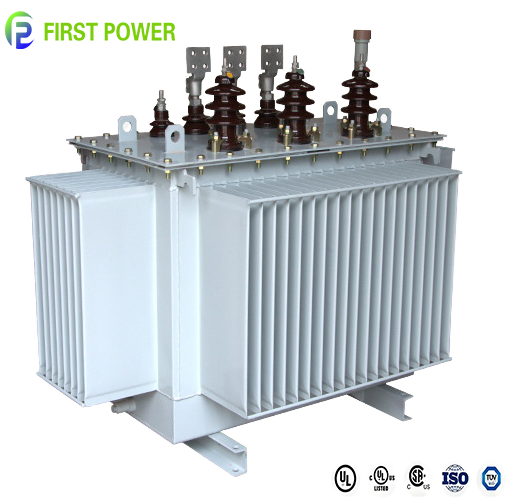 S11 Distribution
C CE 50/60HZ S11 10KV 15KV 20KV 35KV 100KVA 300KVA 500KVA 630KVA Three Phase Oil Transformer Price for Distribution System
S11-class three-phase distribution transformer for 10–35 kV networks, with 50/60 Hz options and ratings from 100 kVA to 630 kVA for public distribution, commercial buildings, and mixed-load feeders.
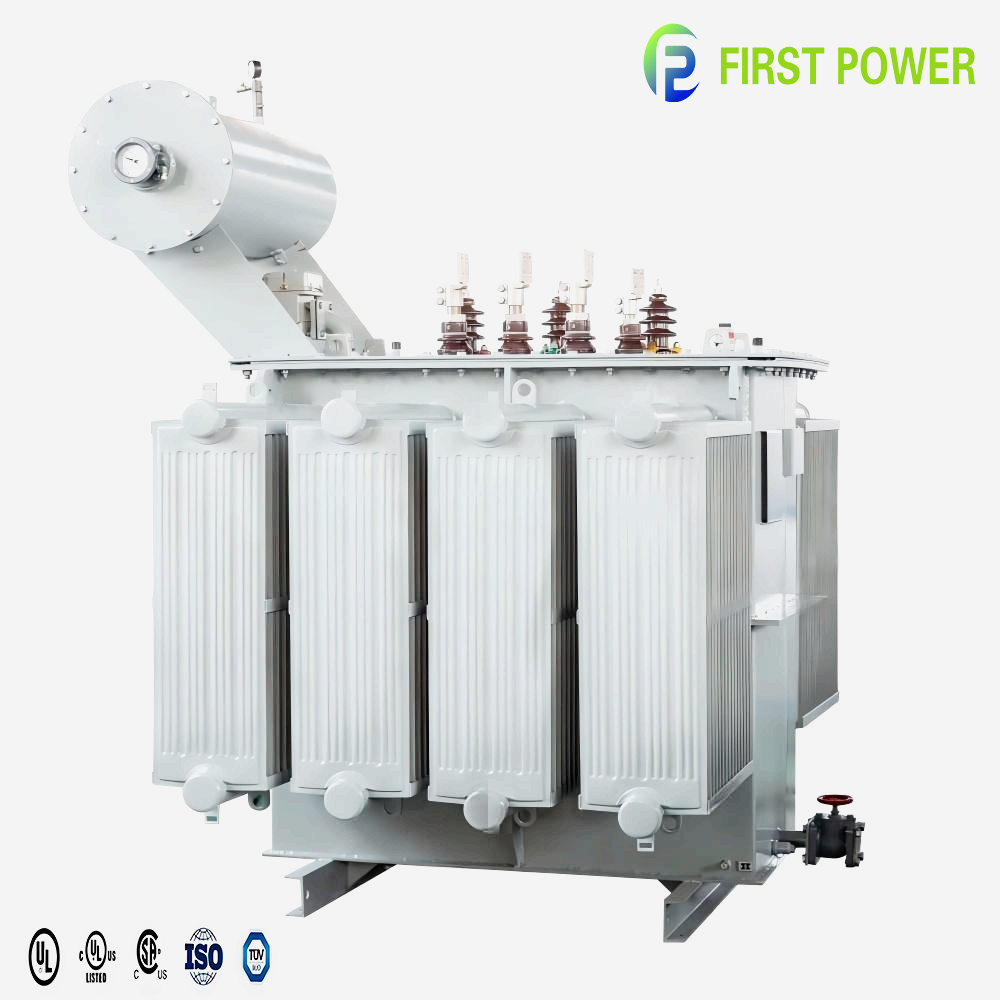 Solar PV
C Certification 50/60HZ 6KV 10KV 20KV 35KV Three Phase 1000KVA 1MW Solar PV Transformers Oil Immersed for Power Generation
A 1000 kVA / 1 MW-class oil-immersed solar PV transformer engineered for 6–35 kV collection systems, inverter step-up duty, cyclic loading, and outdoor renewable sites where thermal headroom matters.
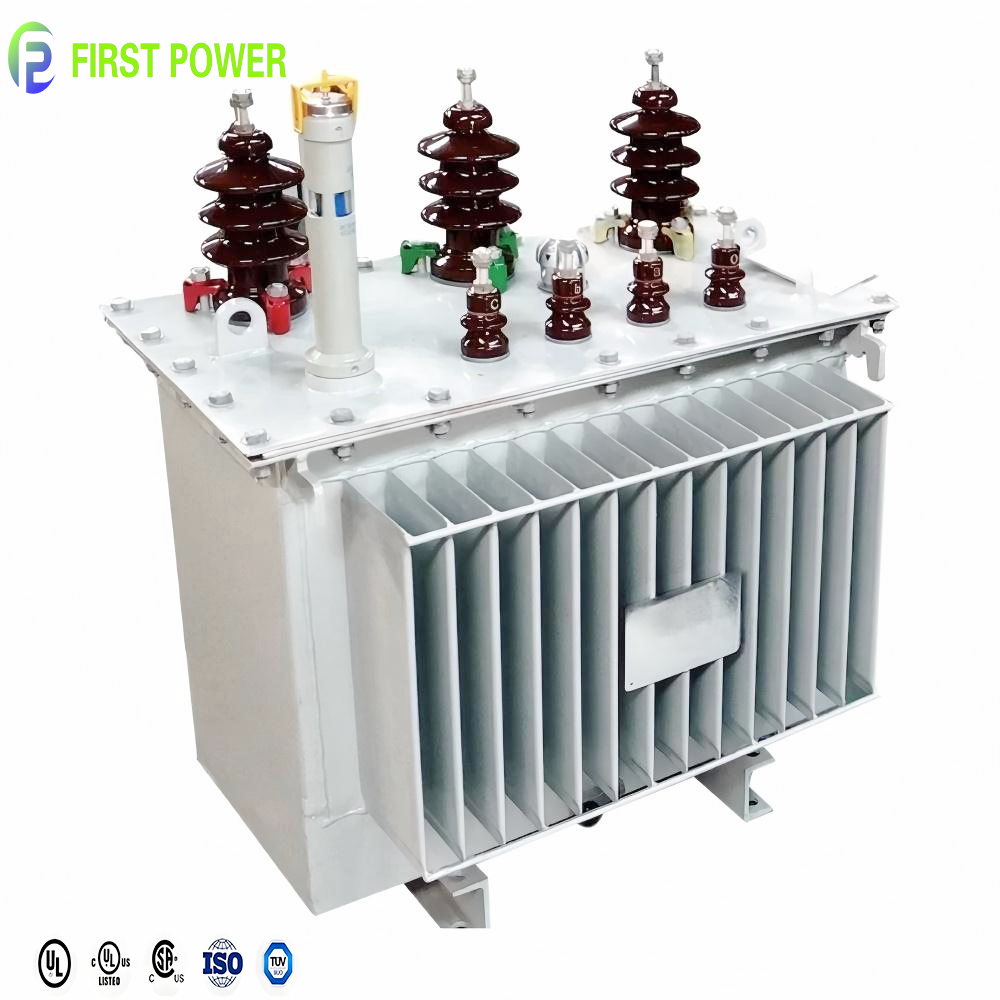 Industrial
C CE 10KV 20KV 35KV 50KVA 100KVA 200KVA 300KVA 400KVA 500KVA Electric Oil Immersed Transformer for Industrial Power Supply
Oil-immersed industrial transformer from 50 kVA to 500 kVA for 10–35 kV supply, ideal for factories, water treatment, mining support, and infrastructure projects requiring robust protection and customized vector group.
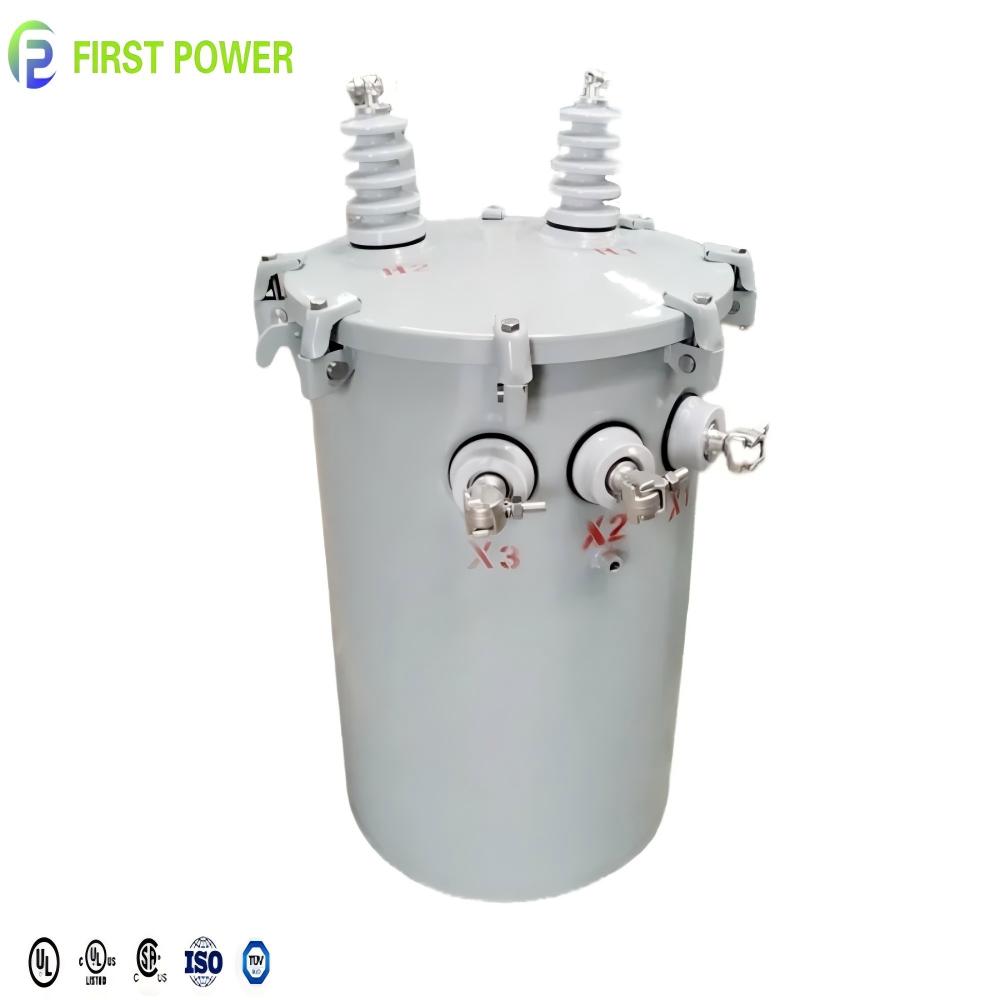 ANSI Pole Mounted
ANSI 50/60HZ 6KV 10KV 15KV 20KV 35KV 15KVA 25KVA 50KVA 100KVA Single Phase Pole Mounted Transformers for Industrial Power Supply
ANSI single-phase pole-mounted transformer for 6–35 kV distribution and 15–100 kVA loads, popular in North American-style overhead networks, rural electrification, and industrial single-phase supplies.
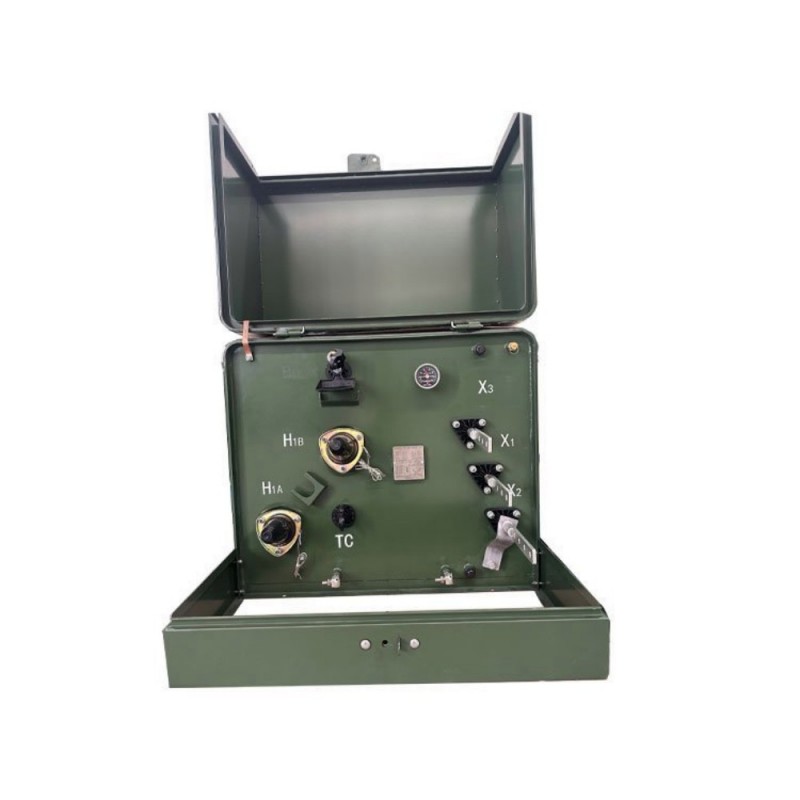 Pad Mounted
C Certification 6KV 10KV 13KV 20KV 34.5KV 50/60HZ Oil Type Single Phase 75KVA Pad Mounted Transformers
Single-phase pad-mounted transformer for 6–34.5 kV underground distribution, including 75 kVA and other ratings, designed for residential and commercial developments requiring tamper resistance and low visual impact.
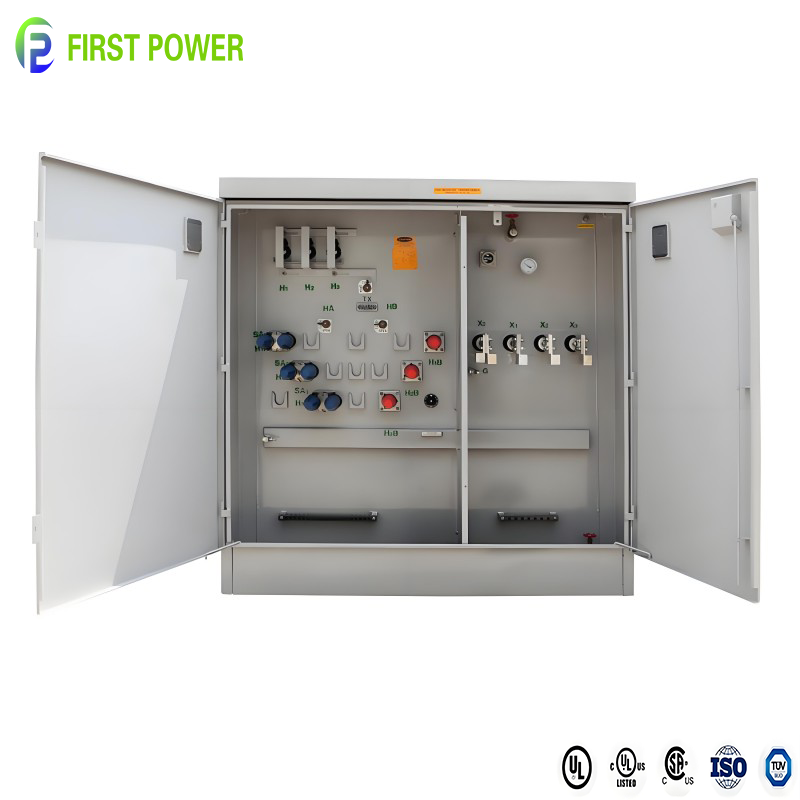 Loop Feed
C CE MV&HV 50/60HZ 300KVA 500KVA 630KVA 700KVA 10KV 15KV 20KV 35KV 3 Phase Loop Feed Pad Mounted Transformer for Industrial
Three-phase loop-feed pad-mounted transformer for 10–35 kV and 300–700 kVA industrial distribution, supporting loop-feed switching, MV/HV cable termination, and compact enclosure design.
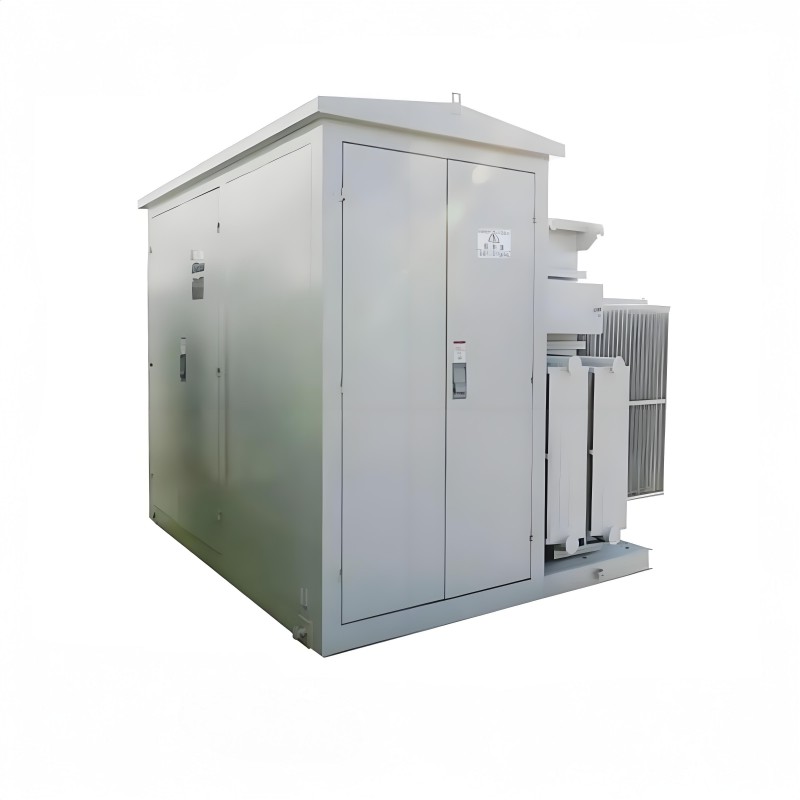 American Standard
 C Certification 75-2500KVA Oil Type Three Phase 13.8KV Pad Mount Transformers for Power Generation
American-standard three-phase pad-mounted transformer for 75–2500 kVA and 13.8 kV class generation and distribution projects, engineered for outdoor power generation, utility interconnection, and heavy commercial loads.
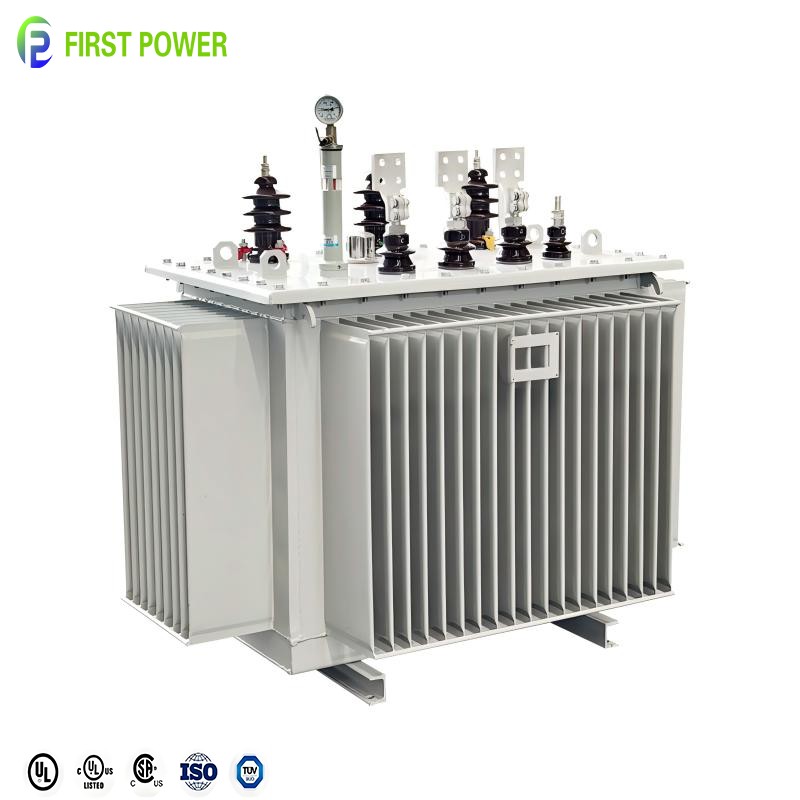 Power Transformer
C CE 50/60HZ 100KVA 300KVA 500KVA 630KVA 1000KVA 10KV 20KV 35KV 3 Phase Oil Immersed Power Transformer for Power Supplies
Three-phase oil-immersed power transformer from 100 kVA to 1000 kVA for 10–35 kV supplies, a general-purpose platform for industrial power supplies, distribution substations, and CE-documented projects.
Years of team experience in transformers
Maximum voltage class supplied
Verified production floorspace
R&D and technical engineers
Qualified supply-chain partners
Average buyer rating
Outdoor Oil Transformers Are No Longer a Simple Price Comparison
Search intent around outdoor oil transformer factory and wholesaler terms has shifted. A utility engineer may begin with a pad-mounted transformer query; a procurement manager may search for price, 50/60 Hz compatibility, or wholesale supply; a renewable EPC may need a solar PV step-up unit that matches inverter loading. The winning supplier must answer all three journeys with auditable information: nameplate data, guaranteed losses, routine test reports, drawings, certificates, packing method, and an after-sales escalation path.
Price remains important, but mature buyers now evaluate it inside a total cost of ownership model. Purchase price sits beside no-load and load loss capitalization, maintenance access, expected service life, outage risk, and the cost of rework if documentation or impedance values do not match the project. A factory that can provide loss guarantees and serial-number-linked test evidence reduces uncertainty before the transformer reaches site.
Jiangsu Wisegj Power Co., Ltd. operates as both a manufacturer and export wholesaler, covering oil-immersed distribution transformers, pad-mounted transformers, power transformers, compact substations, switchgear, distribution boxes, and voltage stabilizers. The product range spans 220 V to 500 kV, with engineering support for IEC 60076 and ANSI/IEEE C57.12 series requirements. This matters because the best wholesale relationship is not the one that simply quotes fastest; it is the one that returns a compliant design with the correct bushings, taps, losses, vector group, and enclosure for the installation.
For project teams, the practical question is not “Who has the lowest list price?” but “Which supplier can shorten technical review while preserving design margins?” A factory-direct wholesaler shortens that path when the quotation includes a datasheet, single-line interface, estimated losses, test plan, and document list. That is the information gain serious buyers look for, and it is the standard we recommend applying to every offer.
Buyer questions this guide answers
- Which oil transformer type matches my voltage, kVA, and installation?
- How can I verify factory capability before order?
- What procurement trends will affect CAPEX and OPEX?
- What evidence supports the Wisegj advantage?
- Which tests, standards, and trade terms should be confirmed?
- How do I request a fast specification review?
What Defines a Trusted Outdoor Oil Transformer Factory?
Trust is not a certificate alone. A factory may hold ISO 9001 and still fail to control moisture during core assembly; it may offer CE marking but not provide the test report behind the declaration. Our evaluation model uses eight evidence pillars that procurement teams can request directly.
Verified production footprint
6,847 m² of inspected floorspace with dedicated winding, core assembly, drying, tanking, and test areas. Ask for the factory address and match it to third-party reports.
In-house routine testing
Winding resistance, ratio and vector group, impedance and load loss, no-load loss and current, applied and induced voltage, plus oil dielectric strength for liquid-filled units.
Standards traceability
IEC 60076 and ANSI/IEEE C57.12 engineering, with ISO 9001, ISO 14001, ISO 45001, and CE certificate numbers available for compliance review.
Engineering customization
Ratings, vector group, impedance, taps, bushings, cooling, insulating fluid, enclosure color, protection scheme, and nameplate language can be adapted to project specifications.
Supply-chain depth
211 qualified supply-chain partners help stabilize lead times for silicon steel, copper, bushings, tap changers, and accessories during volatile material cycles.
Export packaging and terms
Seaworthy packing, moisture protection, shock indicators, and Incoterms from EXW to DDP. Large units can be reviewed for lifting points, transport limits, and route planning.
Complete documentation
GA drawings, nameplate drafts, test reports, and O&M manuals in English. Digital records linked to serial numbers make future maintenance and audit checks easier.
24-hour engineer response
Technical questions and after-sales issues receive a qualified reply within one working day, supported by more than 20 years of team experience and Fortune 500 supply experience.
Outdoor Oil Transformer Recommendations by Application
The right transformer is defined by load profile, installation environment, protection scheme, and standards—not by kVA alone. Use this application map to shortlist the correct factory-direct product line before requesting a quotation.
Utility distribution and public feeders
For 10–35 kV overhead or platform distribution, the S11 three-phase oil transformer is a practical starting point when ratings fall between 100 kVA and 630 kVA.
- Specify guaranteed no-load and load losses
- Confirm vector group and tap range
- Review corrosion class and wildlife protection
Solar PV and renewable collection
Solar projects need transformers that tolerate cyclic loading, inverter harmonics, and outdoor heat. The 1000 kVA solar PV oil-immersed transformer supports 6–35 kV collection systems.
- Share inverter block size and load profile
- Define ambient, altitude, and cooling margin
- Agree protection, RTD, and monitoring interfaces
Industrial and infrastructure power
Factories, water treatment, mining support, and infrastructure projects often use 50–500 kVA industrial oil-immersed transformers or 300–700 kVA loop-feed pad-mounted units.
- Confirm motor starting and overload duty
- Specify cable termination and enclosure access
- Review seismic, ambient, and pollution data
Commercial and underground networks
Residential subdivisions and commercial campuses benefit from single-phase pad-mounted, ANSI pole-mounted, or American-standard three-phase pad-mounted transformers.
- Match utility standards and enclosure style
- Define loop or radial feed configuration
- Confirm tamper resistance and padlock details
Outdoor Oil Transformer Procurement Trends, 2025–2030
Procurement teams are turning transformer purchasing into a lifecycle decision. The next five years will reward suppliers who can document losses, control lead-time risk, and support evolving renewable and grid-resilience requirements.
Total cost of ownership enters the bid formula
Buyers increasingly ask for guaranteed no-load and load losses, capitalization formulas, tolerances, and test methods. For high-utilization distribution transformers, a lower-loss design can outweigh a lower purchase price within a few years. Specify loss values in kW, evaluation currency, and reference temperature.
Renewable interconnection drives demand
Solar, wind, and battery storage projects require transformers that handle cyclic loading, harmonics, and inverter duty. Outdoor oil units with enhanced cooling and corrosion protection remain competitive for collection substations, pad-mounted interconnections, and industrial renewable sites.
Factory-direct wholesaling gains priority
Procurement teams are consolidating suppliers to reduce technical handoffs. A wholesaler that owns factory processes can maintain certificate continuity, control lead times, and answer design questions faster. Look for evidence of in-house winding, drying, tanking, and testing—not trading history alone.
Fire safety and ester fluids gain attention
Natural ester and synthetic ester fluids are specified where fire risk, environmental sensitivity, or high ambient temperature matters. They can improve fire point and biodegradability, but buyers must verify thermal rating, fluid compatibility, sealing, and maintenance plans before switching from mineral oil.
Digital records and condition monitoring
QR-coded nameplates, digital routine test reports, and optional DGA or temperature sensors are becoming differentiators. For critical outdoor units, specify sensor interfaces, alarm contacts, data ownership, and cybersecurity expectations before purchase—not after commissioning.
Climate resilience becomes a specification
Coastal, desert, and high-altitude sites demand customized creepage, corrosion class, paint system, and ambient ratings. A standard catalogue transformer may need redesign, not just a different color. Specify altitude, ambient range, pollution class, seismic zone, and enclosure protection.
Illustrative bid-evaluation weighting for outdoor oil transformers
What to Specify Now for the Next Transformer Generation
Oil-immersed transformer development is moving toward lower losses, better climate resilience, and richer digital documentation. The table below translates those trends into procurement questions and clear specification language.
| Development direction | Why it matters | What to specify |
|---|---|---|
| Low-loss magnetic cores | Energy cost over the service life can exceed the purchase price difference between standard and high-efficiency designs. | Guaranteed no-load and load losses, tolerances, test method, and loss capitalization formula. |
| Thermal design and cooling | Renewables, industrial loads, and high ambient sites may need more thermal margin than a standard catalogue unit. | ONAN/ONAF configuration, ambient temperature, altitude, load profile, fan control, and alarm/trip settings. |
| Corrosion-resistant enclosures | Coastal, desert, and polluted environments accelerate paint and hardware degradation. | ISO 12944 corrosion class, paint system, stainless hardware, padlockable doors, and touch-up procedure. |
| Fire safety and insulating fluids | Mineral oil is widely used, but ester fluids can be relevant where fire risk or environmental sensitivity is high. | Fluid type, fire point, biodegradability, thermal rating, sealing compatibility, and oil test requirements. |
| Digital nameplates and test records | Digital records reduce commissioning delays and simplify future maintenance audits. | QR-coded nameplate, PDF test report, drawing revision, language, and data retention expectations. |
| Integrated protection and monitoring | Critical outdoor transformers benefit from temperature, pressure, and DGA interfaces. | RTD, pressure relief, surge arresters, current transformers, alarm contacts, and communication protocol. |
| Modular and compact delivery | Fast-track projects need fewer site interfaces and shorter commissioning windows. | Skid or compact substation scope, transport dimensions, lifting points, cable termination, and commissioning support. |
The Wisegj Advantage: Factory, Wholesaler, and Engineering Partner
Jiangsu Wisegj Power Co., Ltd. is a Suzhou-based manufacturer and exporter of oil-immersed transformers, pad-mounted transformers, dry-type transformers, power transformers, compact substations, switchgear, distribution boxes, and voltage stabilizers. The company supplies equipment from 220 V to 500 kV, with a team that brings more than 20 years of transformer experience. For buyers, this means one technical contact can cover distribution, transmission, and substation interfaces rather than fragmenting procurement across multiple traders.
Factory capability verified by TÜV Rheinland includes 6,847 m² of production floorspace, dedicated winding, core assembly, drying, tanking, and testing areas, plus 50+ R&D and technical engineers. The supplier network includes 211 qualified partners, helping stabilize lead times for silicon steel, copper, bushings, and accessories. Production runs under ISO 9001, ISO 14001, and ISO 45001, with CE certificates for oil-immersed power transformers, dry-type transformers, compact substations, and switchgear. Certificate numbers are available for compliance review, so your QA team can verify scope and validity.
Every unit receives finished-product inspection before dispatch. Routine tests include winding resistance, voltage ratio and vector group, impedance and load loss, no-load loss and current, applied and induced voltage withstand, and oil dielectric strength for liquid-filled units. Third-party witness inspection is welcome. Documentation includes GA drawings, nameplate drafts, test reports, and O&M manuals in English. Export packing can include shock indicators, and trade terms cover FOB, CFR, CIF, EXW, FCA, CIP, CPT, and DDP, with T/T, L/C, D/P, and D/A payment options in major currencies.
Buyers also value responsiveness: 24-hour pre-sale and after-sales response, OEM/ODM and design-based customization, and experience supplying Fortune 500 companies. The current average buyer rating shown on the source profile is 4.9/5. Those facts matter because an outdoor oil transformer is a long-life asset; the supplier’s ability to answer a technical question in year eight is part of the purchase price.
- 20+ years team experience
- 6,847 m² verified production floor
- 50+ R&D and technical engineers
- 211 qualified supply partners
- ISO 9001 / 14001 / 45001
- CE certificates and TÜV verification
- 24-hour engineer response
- OEM/ODM and full routine testing
Factory evidence buyers can review
Verified production floorspace, independent TÜV Rheinland inspection, ISO management systems, CE certificates, routine test reports, and English documentation support a transparent technical review.
Use the inquiry button to request the certificate list, test report template, drawing package, or a specification review for your project.
Inquire Now
Assembly workshop

Testing laboratory
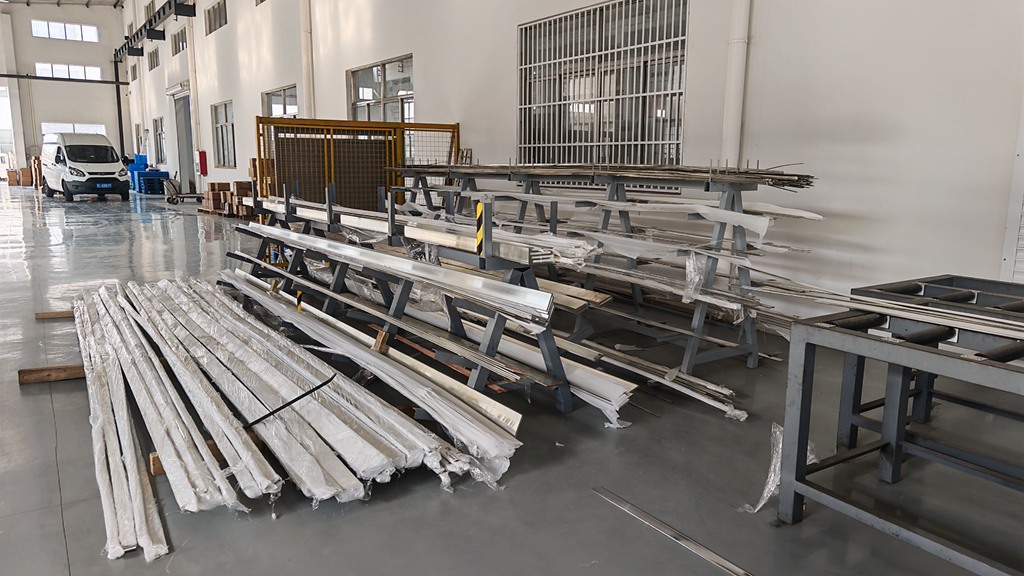
Tank fabrication
10-Point Audit for an Outdoor Oil Transformer Wholesaler
Use this audit checklist to separate a capable factory-direct supplier from a broker with a catalogue. Each point can be documented before the purchase order is released.
- Confirm the legal manufacturer and factory address against third-party inspection reports.
- Request IEC 60076 or ANSI/IEEE C57.12 test evidence for the exact transformer family.
- Ask for guaranteed no-load and load losses, tolerances, and the measurement standard.
- Review the routine test report template before order, not after shipment.
- Verify ISO 9001, ISO 14001, and ISO 45001 scope and validity dates.
- Check CE declaration and certificate numbers for the product family.
- Require GA drawing, nameplate draft, cable termination details, and protection scheme.
- Confirm corrosion class, paint system, ambient, altitude, and seismic design.
- Agree packing, shock indicators, Incoterms, insurance, and document list.
- Define warranty, after-sales response, spare parts, and remote support.
Frequently Asked Questions for Outdoor Oil Transformer Buyers
These are the questions procurement teams ask most often during technical and commercial review. Clear answers shorten the path from RFQ to a compliant design.
What is an outdoor oil transformer and where is it used?
An outdoor oil transformer is a liquid-filled transformer designed for outdoor installation, using insulating oil for dielectric strength and heat dissipation. It is used in utility distribution, pad-mounted underground networks, pole-mounted systems, industrial plants, renewable projects, and power generation interconnections. Outdoor design must address enclosure protection, corrosion, UV exposure, wildlife protection, ambient temperature, and site access.
How do I choose between oil-immersed and dry-type transformers?
Oil-immersed transformers are generally preferred for outdoor installations, larger ratings, and applications where high efficiency and overload capability matter. Dry-type transformers are often chosen indoors where fire safety and oil containment are concerns, such as hospitals, high-rise buildings, or tunnels. For an outdoor pad or substation, oil-immersed units usually offer a strong total cost of ownership, but local fire codes and project specifications must be checked.
Which standards should I specify for an outdoor oil transformer?
IEC 60076 is common for many international markets, while ANSI/IEEE C57.12 series standards apply to many North American utility and pad-mounted projects. You should also confirm local grid-code requirements, frequency, voltage class, vector group, impedance, tap range, loss limits, ambient temperature, altitude, and testing requirements. For Europe, CE documentation and applicable harmonized standards should be included in the technical file.
Which factory tests are performed before shipment?
Routine tests typically include winding resistance, voltage ratio and vector group, impedance and load loss, no-load loss and current, applied voltage withstand, induced voltage withstand, and oil dielectric strength for liquid-filled units. Type test reports may be available for the product family. Third-party witness inspection can be arranged, and each test report should be linked to the transformer serial number.
Can transformers be customized for my project?
Yes. OEM, ODM, design-based, and sample-based customization can cover ratings, primary and secondary voltage, frequency, vector group, impedance, tap changer type, bushings, cooling method, insulating fluid, enclosure color, protection scheme, and nameplate language. Provide a datasheet or tender specification so the engineering team can confirm the exact configuration and guaranteed losses.
What MOQ and lead time should I expect for wholesale orders?
MOQ and lead time depend on transformer type, rating, materials, testing scope, and shipping schedule. Wholesale programs can be discussed for repeat distribution transformer orders, while large power transformers require a project schedule after drawing approval. To obtain a reliable lead time, share the required ratings, destination port, applicable standards, and desired delivery date with the inquiry team.
How are outdoor oil transformers packed and shipped?
Export packing generally includes seaworthy crating, moisture protection, lifting and anchoring points, and shock indicators where appropriate. Large units require transport planning, route review, and lifting coordination. Shipping documents can include packing list, invoice, bill of lading, certificate of origin, test reports, drawings, and O&M manuals. Trade terms can be quoted from EXW to DDP depending on the project.
What trade terms and payment methods are accepted?
Typical trade terms include FOB, CFR, CIF, EXW, FCA, CIP, CPT, and DDP. Payment methods can include T/T, L/C, D/P, and D/A, subject to contract terms and credit review. Quotations can be issued in USD, EUR, GBP, CAD, AUD, and other major currencies. Final terms should always be confirmed in the proforma invoice or sales contract.
How can I verify factory quality and after-sales support?
Request the factory address, ISO certificates, CE certificate numbers, product test report template, and recent third-party inspection evidence. A factory video tour, sample witness test, or pre-shipment inspection can reduce risk. After-sales support should define response time, warranty terms, spare parts availability, and remote technical assistance. Wisegj provides 24-hour pre-sale and after-sales response, English documentation, and routine test reports for each unit.
Send Your Outdoor Oil Transformer Specification for an Engineering Review
Share kVA, primary and secondary voltage, frequency, vector group, impedance, tap range, cooling method, ambient temperature, altitude, applicable standard, and delivery port. Our engineers will review the design direction, documentation requirements, and quotation path for your project.
[email protected]