Top Trusted Oil Filled Electrical Transformer Factory & Supplier
Oil-immersed distribution and power transformers from 10 kVA to 500 kV class, engineered for utilities, EPCs, solar developers, industrial plants and data centers, routine-tested unit by unit and exported with complete documentation.
Eight Factory-Tested Oil-Filled Transformer Lines for Utility, Solar and Industrial Buyers
These product lines cover the procurement scenarios we see most often: solar generation, industrial pad-mounted distribution, utility S11 networks, 50/60 Hz power supplies and ZGS11 underground distribution. Each can be customized for vector group, impedance, tap range, guaranteed losses, insulating fluid, bushings, enclosure and nameplate language.
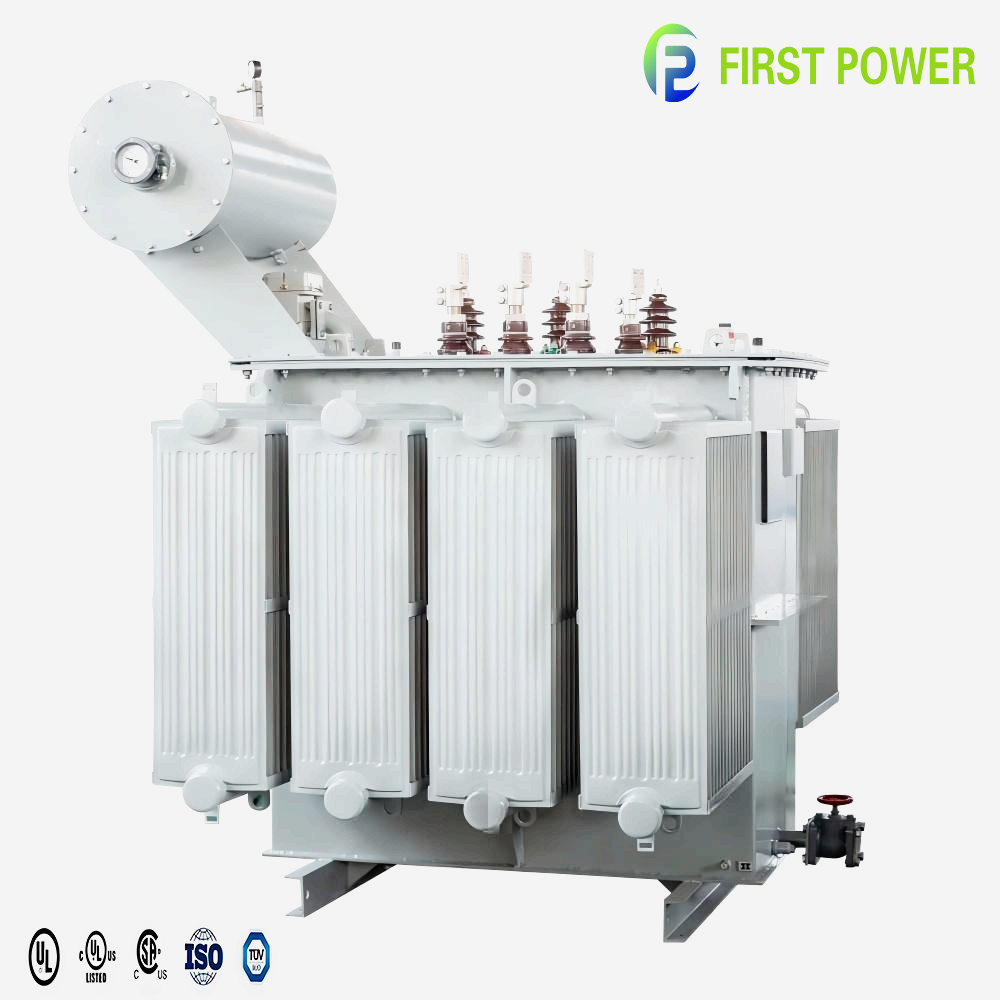
C Certification 50/60Hz 6kV 10kV 20kV 35kV Three Phase 1000kVA 1MW Solar PV Transformer Oil Immersed for Power Generation
Recommended for solar PV generation and inverter step-up applications where high efficiency, cyclic load tolerance and outdoor reliability matter.
- Rating: 1,000 kVA / 1 MW class
- Voltage: 6–35 kV options
- Best fit: solar PV, renewable interconnection, auxiliary power
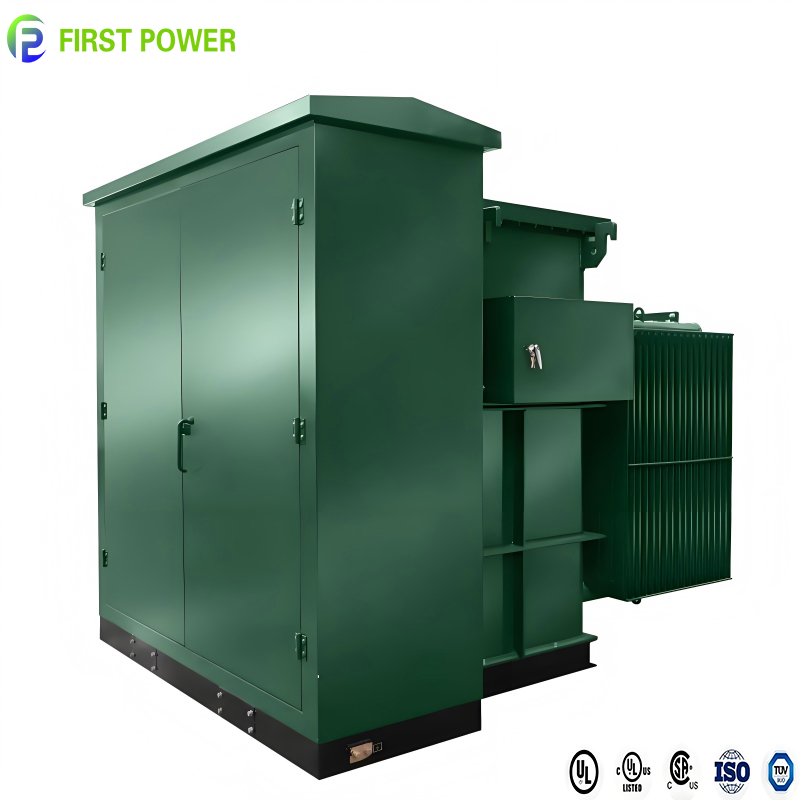
C CE 50/60Hz 6kV 10kV 15kV 20kV 35kV 100kVA 300kVA 500kVA 630kVA 3 Phase Pad Mounted Pedestal Transformer for Industrial
A compact, tamper-resistant solution for industrial campuses, commercial buildings and underground distribution where floor space is limited.
- Rating: 100–630 kVA
- Voltage: 6–35 kV class
- Best fit: industrial plants, commercial sites, loop or radial feed
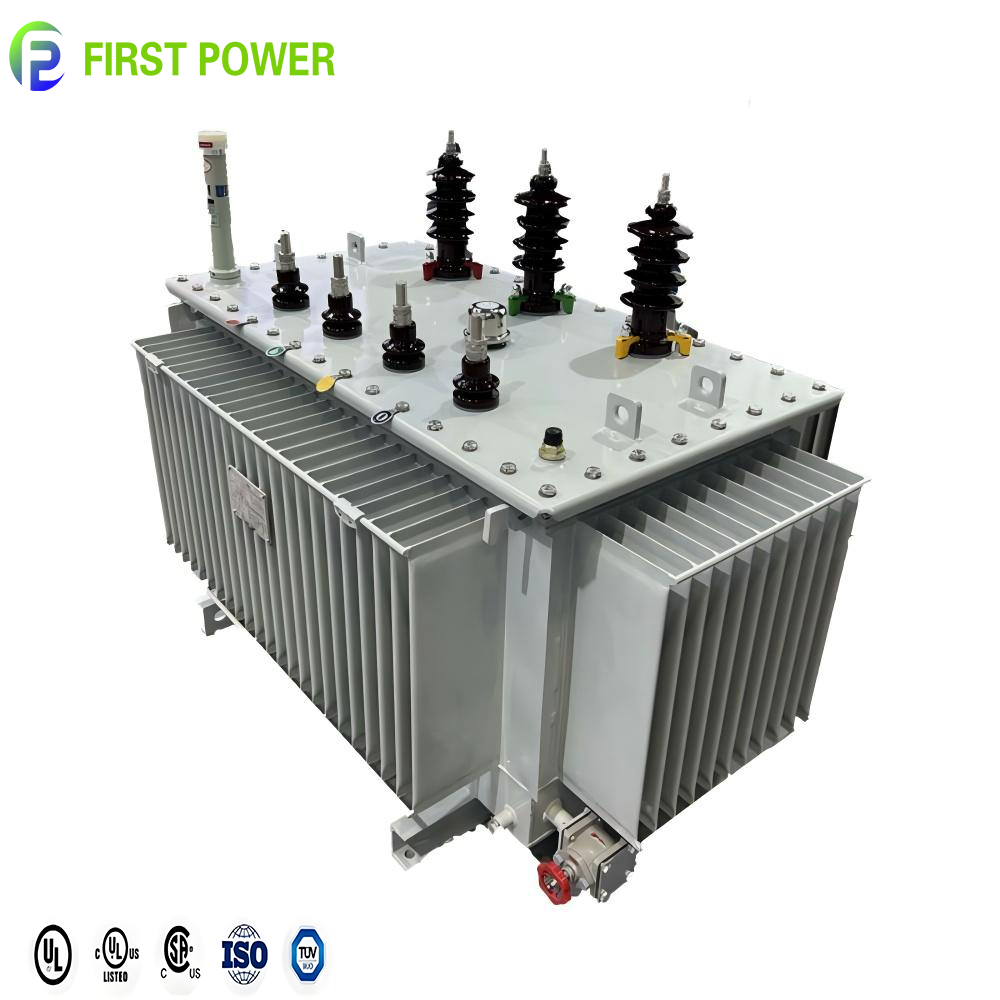
C CE 50/60Hz S11 10kV 20kV 35kV 50kVA 100kVA 200kVA 3 Phase Electrical Oil Immersed Transformer for Distribution System
A proven utility distribution transformer for public networks, industrial facilities and rural electrification projects with predictable load profiles.
- Rating: 50–200 kVA
- Voltage: 10–35 kV class
- Best fit: utility distribution, public networks, industrial feeders
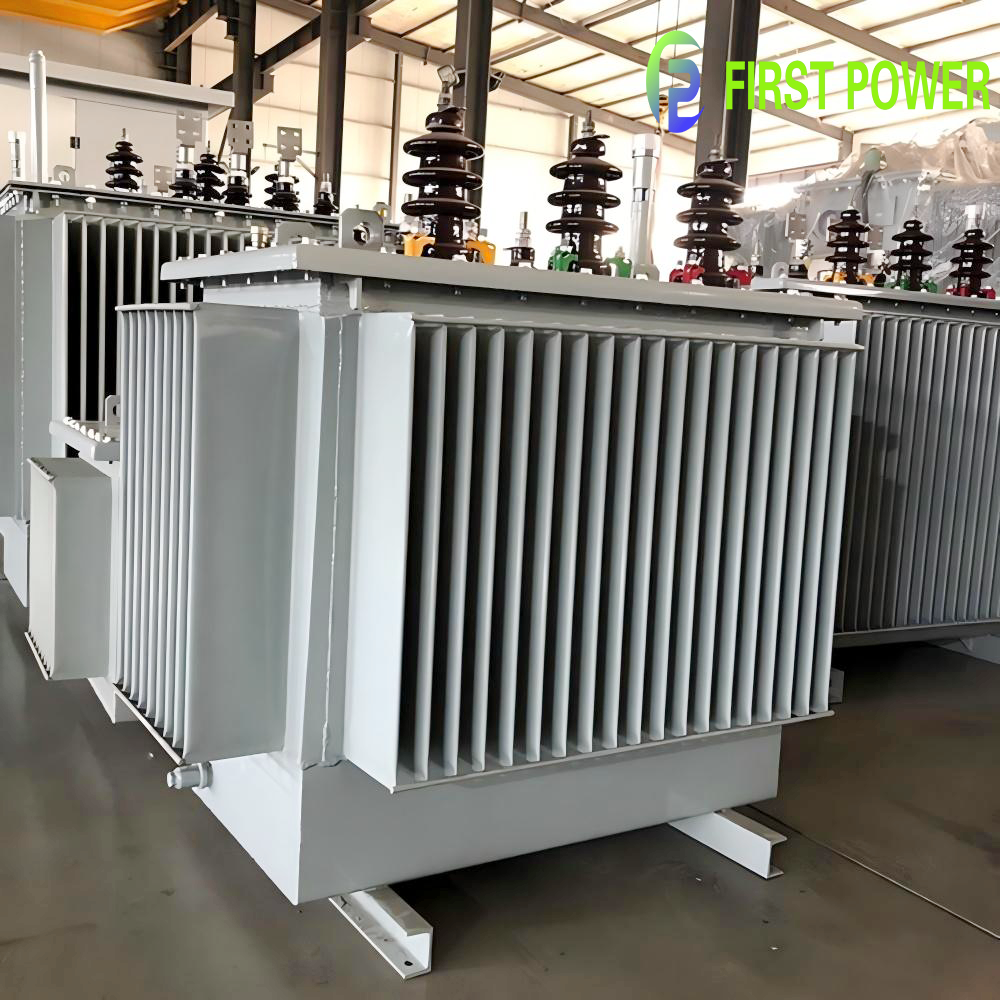
C CE MV&HV S11 50/60Hz 10kV 20kV 35kV Three Phase Oil Immersed 50kVA Transformer for Electric Power Distribution
Designed for smaller distribution loads, remote communities and dedicated feeders where a robust oil-immersed transformer is preferred.
- Rating: 50 kVA
- Voltage: 10/20/35 kV options
- Best fit: rural electrification, small industrial loads, utility feeders
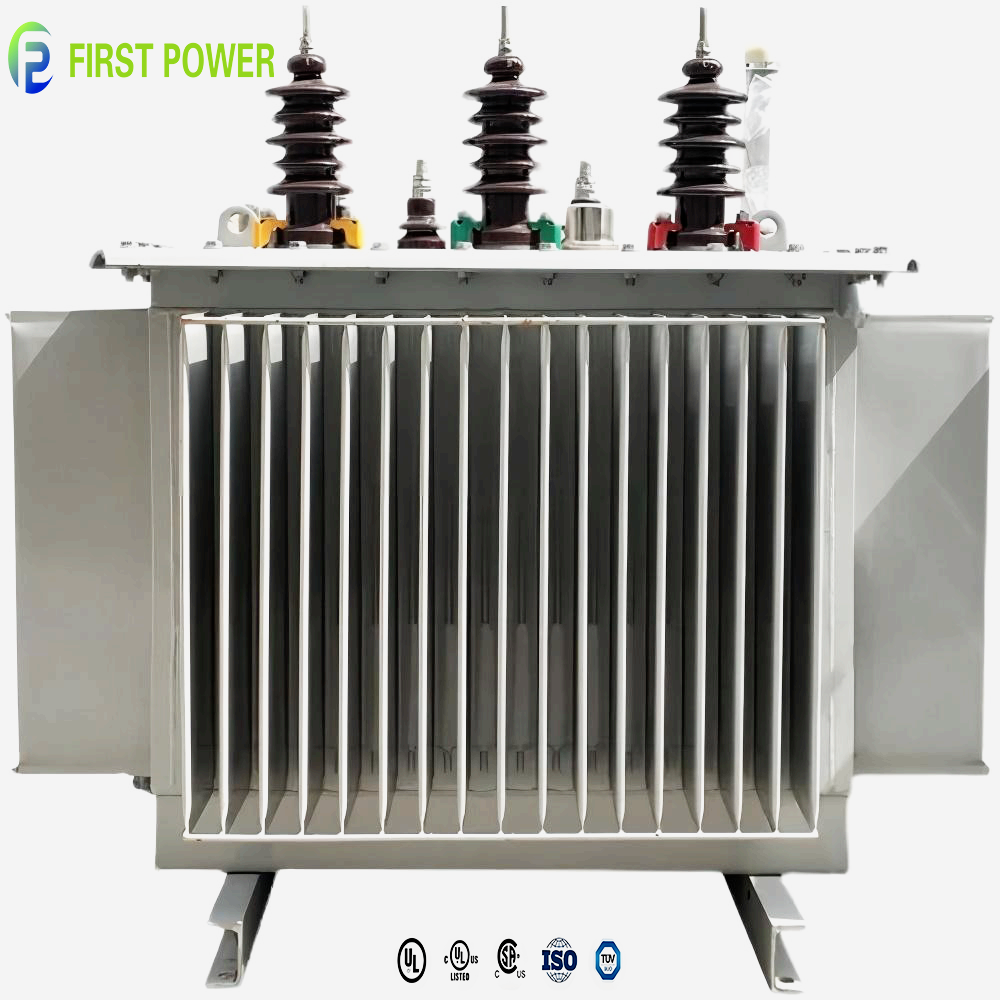
C Certification 60Hz S11 Three Phase 10kV 35kV 500 kVA 22kV/0.4kV 50Hz Electric Oil Immersed Transformer for Power Supplies
Suited to 50 Hz and 60 Hz power supplies, industrial auxiliary systems and projects that require a defined low-voltage distribution interface.
- Rating: 500 kVA class
- Voltage: 22 kV / 0.4 kV configuration shown
- Best fit: power supplies, industrial auxiliaries, export projects
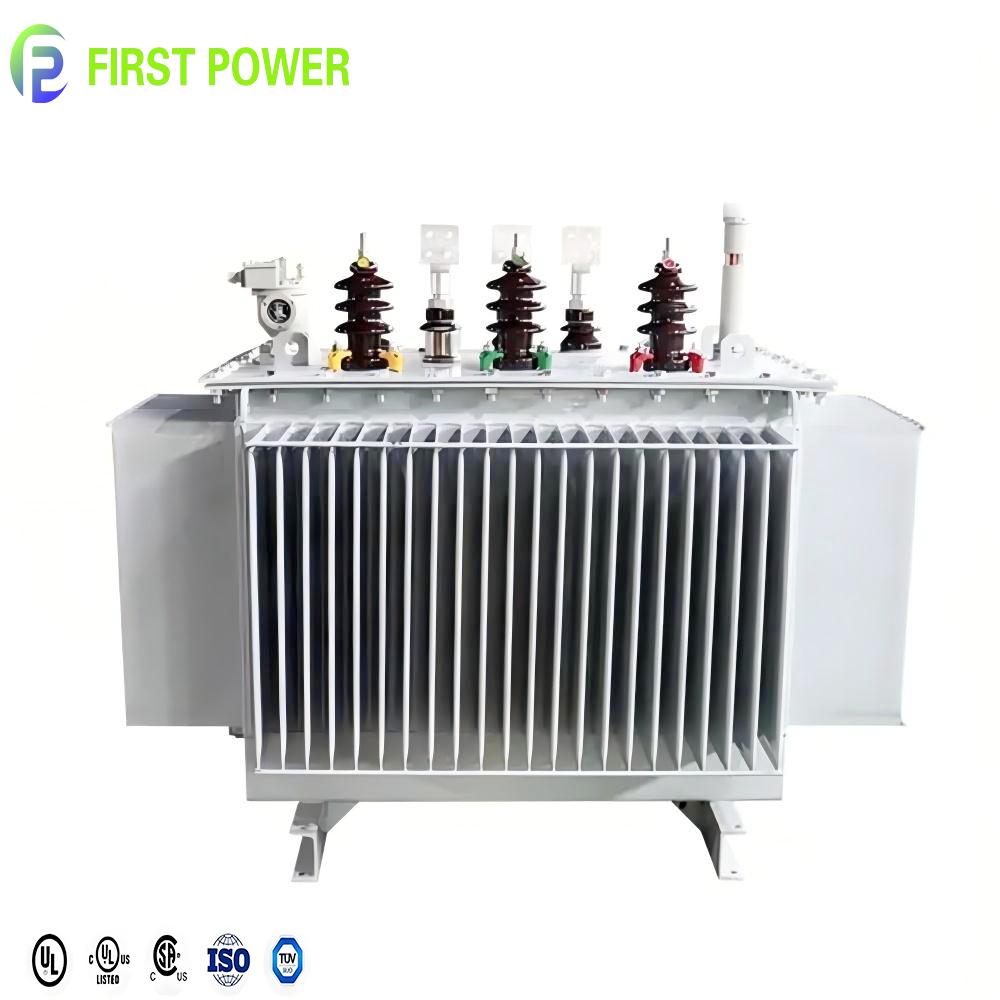
C CE S11 10kV 20kV 35kV 50kVA 100kVA 150kVA 200kVA 250kVA 3 Phase Oil-Immersed Transformer for Electric Power Distribution
A flexible S11 range for distributors that need one qualified platform across multiple small and medium distribution ratings.
- Rating: 50–250 kVA
- Voltage: 10/20/35 kV
- Best fit: multi-site distribution programs, OEM projects
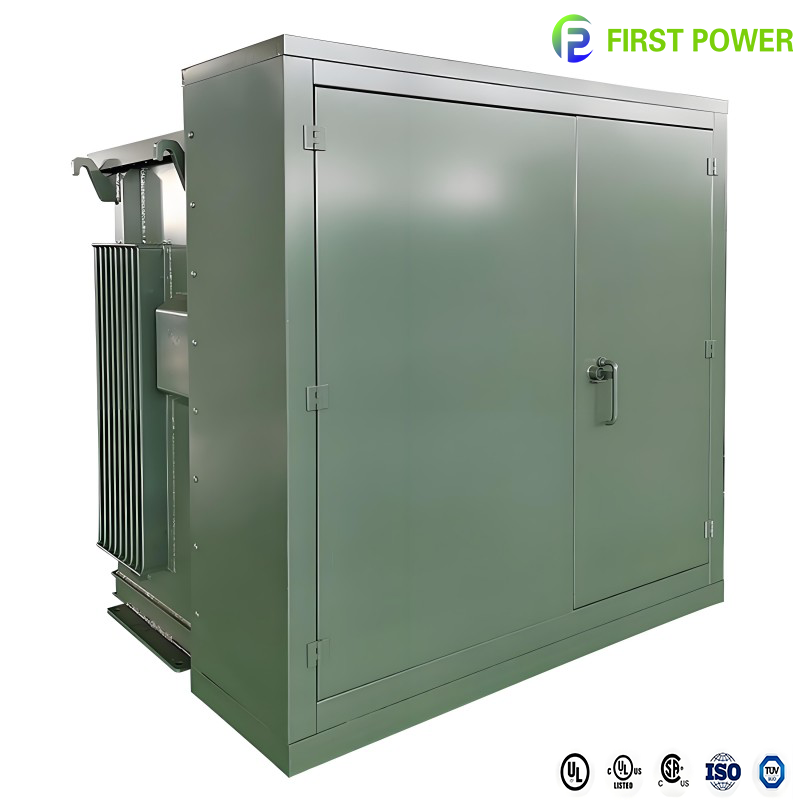
C CE MV&HV ZGS11 75-2500kVA 10kV 20kV 35kV Pad Mounted Three Phase Transformer for Electric Power Distribution
A pad-mounted transformer for space-constrained distribution, commercial developments and underground networks that require accessible equipment.
- Rating: 75–2,500 kVA
- Voltage: 10/20/35 kV
- Best fit: underground distribution, campuses, urban networks
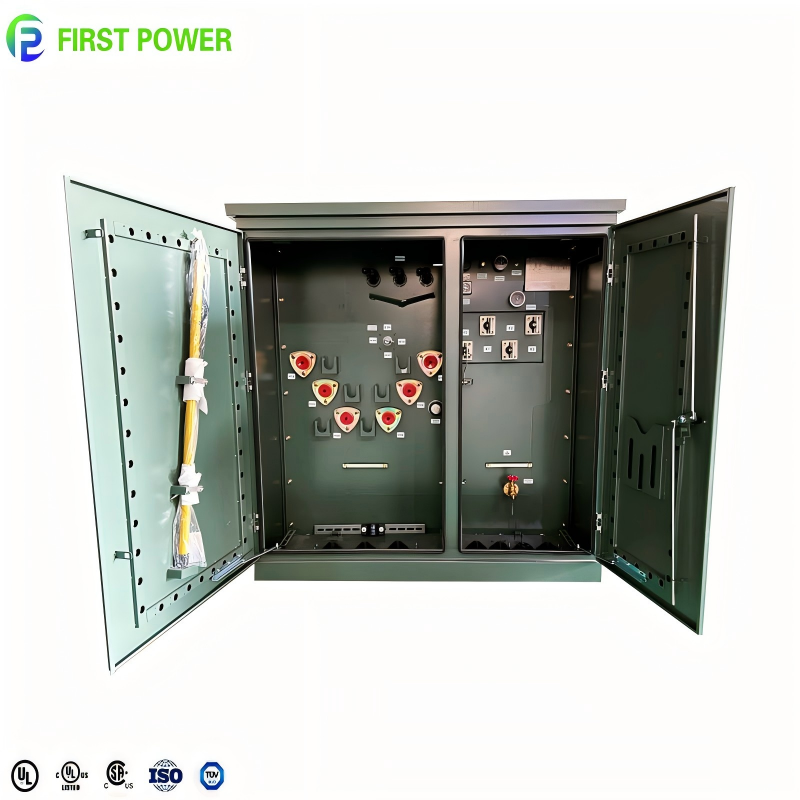
C ZGS11 50/60Hz 75kVA-50000kVA 6kV 10kV 15kV 20kV 35kV Three Phase Pad Mounted Transformer for Electric Power Distribution
A wide-range ZGS11 platform for larger pad-mounted distribution projects, renewable plants and industrial infrastructure.
- Rating: 75 kVA–50,000 kVA
- Voltage: 6–35 kV
- Best fit: large distribution projects, renewables, industrial parks
Why a Trusted Oil Filled Electrical Transformer Factory Outperforms a Low-Cost Quote
Oil-filled transformers are long-life assets. The lowest initial quotation can become the most expensive decision when losses, outage risk, delayed energization and unverified test evidence are included in the total cost of ownership.
Auditable Capability, Not Just Catalogue Claims
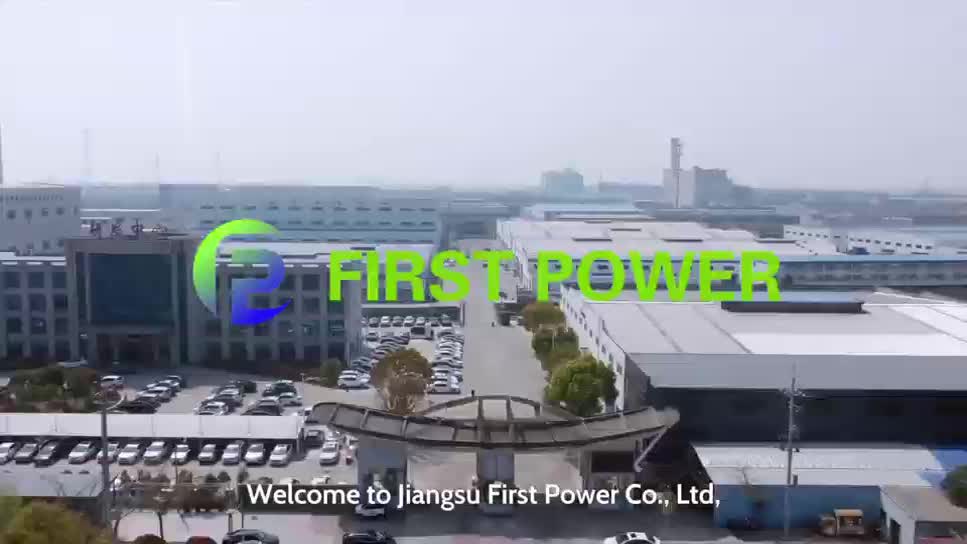
Jiangsu Wisegj Power Co., Ltd. is a Suzhou-based manufacturer and exporter of oil-immersed distribution transformers, pad-mounted transformers, power transformers, dry type transformers, compact substations and switchgear. Our portfolio covers 220 V to 500 kV, with single-phase and three-phase designs, 50 Hz and 60 Hz systems, mineral oil or natural ester fluids, and application-specific accessories.
Every project is reviewed by engineers before quotation. That review covers load profile, fault level, altitude, ambient temperature, vector group, tap range, impedance, loss limits, applicable standards, enclosure requirements and site access. Production runs under ISO 9001, ISO 14001 and ISO 45001 management systems, and product lines hold CE certification. Factory capacity and inspection capability have been verified onsite by TÜV Rheinland, an independent third-party inspection body.
Trust is created by documentation: guaranteed no-load and load losses, approved GA drawings, nameplate drafts, material traceability, routine test reports for each serial number and oil dielectric records for liquid-filled units. Buyers can witness routine testing or appoint a third-party inspector before dispatch.
Match the Oil-Filled Transformer to the Load, Not Just the kVA
The right recommendation starts with the load profile, grid code, fault level, site conditions and maintenance model. Use the application matrix below as a practical shortlisting tool before requesting a formal design.
| Application | Recommended oil-filled transformer | Why it fits | Procurement check |
|---|---|---|---|
| Utility distribution | S11 10/20/35 kV, 50–250 kVA distribution transformer | Proven design, simple operation, predictable efficiency and widely accepted protection interfaces. | Vector group, tap range, guaranteed losses, creepage distance, oil containment and test report. |
| Solar PV generation | 1,000 kVA / 1 MW class solar PV oil-immersed transformer | Handles cyclic generation profiles and inverter step-up interfaces for renewable plants. | Harmonic loading, temperature rise, cooling method, enclosure, monitoring and site ambient. |
| Industrial campus | ZGS11 pad-mounted 75–2,500 kVA transformer | Space-saving, tamper-resistant equipment for underground or fenced distribution networks. | Radial or loop feed, bayonet fusing, overtemperature protection, access and cable termination. |
| Power supplies and auxiliaries | S11 500 kVA 22 kV/0.4 kV 50/60 Hz transformer | Provides a defined distribution interface for industrial auxiliaries and export projects. | Frequency confirmation, impedance, neutral arrangement, loss limits and nameplate language. |
| Large campus or substation | Power transformer up to 500 kV class | Grid interconnection, generation step-up or transmission substation duty with higher voltage insulation. | OLTC or NLTC, cooling, partial discharge, impedance, short-circuit withstand and FAT witness. |
| Fast-track projects | Compact substation with oil-immersed transformer | Factory-assembled MV switchgear, transformer and LV distribution reduce site work and commissioning time. | IEC 62271-202, enclosure rating, ventilation, protection coordination and transport limits. |
Oil-Filled Transformer Procurement Trends Buyers Should Plan for Now
Procurement teams are shifting from “lowest price per kVA” to evaluated lifetime cost, documented compliance and supply-chain resilience. The six trends below are already visible in utility, EPC and renewable tenders.
Total Cost of Ownership Becomes Contractual
Buyers increasingly request guaranteed no-load and load losses, then apply a utility capitalization formula: capitalized loss = A × no-load loss + B × load loss. The A and B factors vary by market and load profile. A higher-efficiency design can justify a higher initial price when evaluated across 25–30 years of operation.
Efficiency Compliance and Digital Evidence
IEC 60076, IEEE C57.12, CE marking and local efficiency rules require more than a certificate image. Buyers want serial-numbered test reports, digital FAT records, nameplate drafts, loss measurements and traceability. Remote inspection and document review are becoming standard in international procurement.
Natural Ester and Fire-Safety Design
For urban substations, tunnels, renewables and fire-sensitive sites, buyers compare mineral oil with natural ester fluids. The decision should be based on fire point, biodegradability, oxidation stability, thermal performance, cost and local code acceptance, not marketing language alone.
Factory Verification Replaces Trader Claims
Procurement due diligence now checks verified floorspace, engineering headcount, in-house test capability, certificate validity and supply-chain depth. A trading company can quote, but it cannot always control winding, drying, tanking, oil filling and routine testing. Factory evidence reduces delivery and quality risk.
Modular and Prefabricated Substations
Compact substations combine MV switchgear, oil-immersed transformer and LV distribution in a factory-built enclosure. They reduce civil work, site labor and commissioning time, which matters for solar farms, data centers, mining and fast-track urban projects.
Condition Monitoring and Data Readiness
Temperature, oil level, DGA sensors, pressure relief and digital nameplates are moving from premium options to planned features. Buyers should specify the communication protocol, data ownership and spare-part strategy early, because retrofit is more expensive after energization.
A Practical Buyer Weighting Model for 2025–2030
This is an evaluation model, not a market statistic. It helps procurement teams compare bids in a transparent way: energy losses and compliance should carry more weight than a small price difference, while delivery and service protect the project schedule.
What the Next Generation of Oil-Filled Transformers Will Include
The transformer itself is mature, but the specification around it is changing. Efficiency, sealing reliability, eco-friendly fluids, monitoring and compact integration are becoming part of the commercial decision.
Low-Loss Cores and Loss Guarantees
High-grade CRGO, step-lap mitered cores and optimized winding design reduce no-load and load losses. Amorphous cores may be evaluated where lifetime energy cost and load profile justify the higher initial cost. The key procurement point is a guaranteed loss value that can be verified in routine tests.
Better Sealing and Leak Reliability
Corrugated tank design, controlled welding, pressure testing and careful gasket selection extend service life. For buyers, leak history is a useful qualification question: ask how the factory performs pressure tests, what acceptance criteria are used and how oil filling is controlled before shipment.
Ester Fluids and Circular Economy
Natural ester fluids can improve fire safety and biodegradability, especially in sensitive locations. However, buyers must confirm compatibility with the thermal design, sealing materials, oil testing regime and local standards. A credible factory will document the fluid choice rather than simply call the transformer “green”.
Smart Sensors and Digital Twins
Temperature, pressure, oil level and DGA monitoring can support condition-based maintenance. A digital twin linked to test reports and drawings improves asset management, but it requires a clear data model. Buyers should specify sensor accuracy, alarm thresholds, communications and spare-part availability in the original order.
Compact and Pad-Mounted Integration
Pad-mounted and compact substation designs reduce footprint and simplify site work. Future designs will integrate protection, metering, monitoring and cable management more tightly, so procurement should define access, ventilation, arc-fault protection and service clearances before the enclosure is finalized.
Low Noise and High-Ambient Design
Urban substations, hospitals and renewable sites often impose strict noise and ambient requirements. Core flux density, tank stiffening, cooling arrangement and fan control all influence acoustic performance. High-ambient sites need upgraded temperature rise and cooling verification, not just a derating note.
Factory and team overview Assembly workshop
 Routine test laboratory
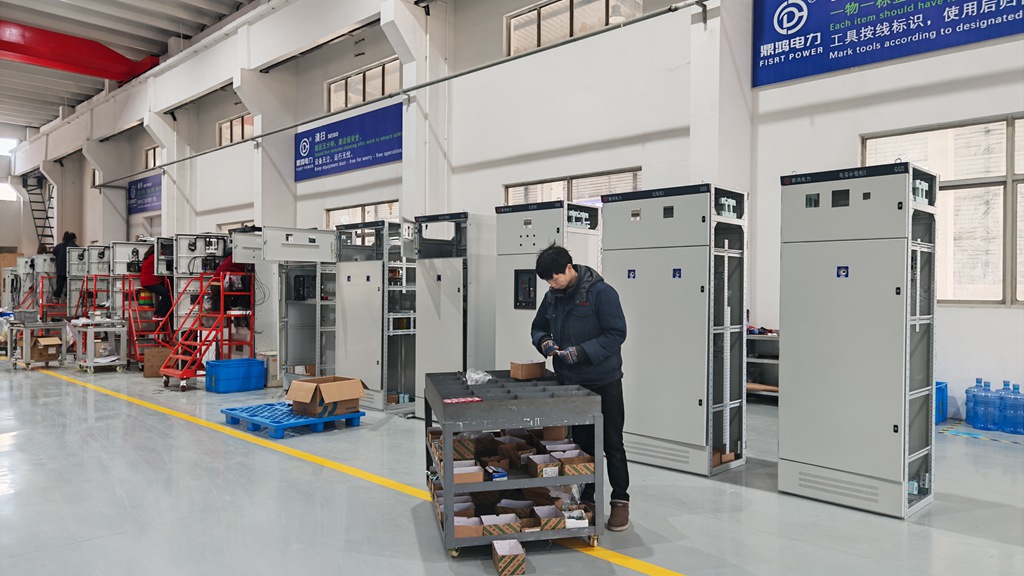 Export packing and loading
How to Specify an Oil Filled Electrical Transformer Before RFQ
A complete datasheet reduces clarification rounds and protects both buyer and factory. Use the checklist below to create a quotation-ready technical package.
Information Needed for an Accurate Design
- Rated power, continuous overload requirement and load profile
- Primary and secondary voltages, frequency and neutral arrangement
- Vector group, impedance range and tap changer type or range
- Cooling method: ONAN, ONAF or project-specific arrangement
- Site altitude, ambient temperature range and seismic or wind load
- Applicable standard: IEC 60076, IEEE C57.12 or utility specification
- Guaranteed no-load and load losses, or efficiency target
- Insulating fluid: mineral oil or natural ester, with testing requirements
- Bushings, cable boxes, surge arresters and protection accessories
- Enclosure type, paint system, nameplate language and document language
- Factory acceptance test requirements and third-party witness scope
- Packing, shipping method, Incoterms and required delivery milestone
Acceptance Evidence to Request
For oil-immersed units, a credible factory should provide more than a data sheet. Ask for the approved GA drawing, nameplate draft, guaranteed loss values and test plan before production. Routine testing normally includes winding resistance, voltage ratio, vector group, impedance and load loss, no-load loss and current, applied voltage and induced voltage tests, insulation resistance, oil dielectric strength, pressure or leak testing and a visual inspection.
For higher-voltage power transformers, discuss partial discharge measurement, temperature-rise type test evidence, short-circuit withstand evidence and OLTC test records. Buyers should also request the final inspection report, packing list, shock or tilt indicators where applicable, O&M manual and serial-numbered routine test report. If a bid cannot provide these documents, the price is not comparable.
Standards Most International Buyers Reference
Distribution and power transformers are commonly specified to IEC 60076 or IEEE C57.12 series standards. Pad-mounted equipment may reference IEEE C57.12.34 or C57.12.38 in North America. Compact substations frequently reference IEC 62271-202. The destination market, local grid code and utility practice determine the final compliance matrix. Where both IEC and IEEE documents are acceptable, the buyer should state which standard controls design, testing and nameplate data.
Inside the Wisegj Factory Advantage
Wisegj is organized around engineered-to-order transformers, not generic stock. That means the factory controls specification review, drawings, production records, routine tests and export documentation under one quality system.
Verified Production Base
6,847 m² of inspected production floorspace with winding, core assembly, drying, tanking, finishing and test areas. Production capability and inspection capability were verified onsite by TÜV Rheinland.
Experienced Engineering Team
20+ years of team experience in transformers, supported by 50+ R&D and technical engineers. Supplier to Fortune 500 companies and experienced with utility, EPC and OEM requirements.
In-House Routine Testing
Winding resistance, ratio, vector group, impedance, load loss, no-load loss and current, applied and induced voltage, oil dielectric strength and leak testing are documented for each serial number.
Certified Management Systems
ISO 9001 quality management, ISO 14001 environmental management and ISO 45001 occupational health and safety management systems. Product lines hold CE certification for relevant transformer categories.
Stable Supply Chain
211 qualified supply-chain partners support stable access to CRGO steel, copper, bushings, tap changers, insulating fluids and accessories. Material and component traceability can be documented for the project.
OEM and ODM Customization
Ratings, vector group, impedance, tap range, cooling, bushings, enclosure color and nameplate language can be customized. OEM, ODM, design-based and sample-based development are available.
Export Logistical Support
Export-grade packing, shock indicators where required, complete shipping documentation and Incoterms from EXW to DDP. Experienced with USD, EUR, GBP, CAD and AUD transactions.
Fast Technical Response
24-hour pre-sale and after-sale response target, with qualified engineers handling technical questions, drawing comments, test reports and installation support instead of a scripted sales reply.

Third-party verification: production capability, production floorspace and quality inspection capability have been verified onsite by TÜV Rheinland. Buyers can request the relevant assessment report and certificates during supplier qualification.
From Specification Review to Routine Test: A Process That Can Be Audited
Quality is controlled before the transformer is filled with oil. Each stage creates a record that can be reviewed by the buyer, consultant or third-party inspector.
Specification Review
Engineers confirm rating, voltages, frequency, vector group, impedance, taps, cooling, altitude, ambient, standards and loss targets.
Drawing Approval
GA drawing, nameplate draft, guaranteed losses and test plan are submitted for buyer approval before production release.
Controlled Production
Core cutting, stacking, winding, insulation, drying, tanking and oil filling follow documented work instructions and in-process checks.
Routine Testing
Electrical tests, oil dielectric strength, leak or pressure tests and visual inspection are recorded against the serial number.
Packing and Dispatch
Export packing, protection accessories, document set, shipping marks and loading supervision are completed before dispatch.
Certificate and Traceability Data Available for Review
CE certificate references include oil-immersed power transformer No. 3N230310.JYTU038, oil-immersed transformer No. M.2025.206.C121882, dry type transformer No. FQC2530404, compact substation No. M.2025.206.C121884 and switchgear No. ICR/VC/HM2506248. Management system references include ISO 9001 No. 62824Q6052R0S, ISO 14001 No. 62824E6053R0S and ISO 45001 No. 62824S6054R0S.
These references allow compliance teams to verify documents with the issuing bodies. For project-specific procurement, Wisegj can prepare a document index covering drawings, test reports, certificates, packing list, O&M manual and material declarations.
Frequently Asked Questions About Oil-Filled Transformer Sourcing
These are the questions most often raised by utility buyers, EPC contractors, distributors and industrial procurement teams during technical clarification.
What is an oil-filled electrical transformer, and when should it be selected instead of a dry type transformer?
An oil-filled transformer uses insulating oil for dielectric strength and heat transfer. It is usually the preferred choice for outdoor distribution, utility networks, renewable plants and larger power ratings because it offers proven reliability and efficient heat dissipation. Dry type transformers are often selected for indoor, fire-sensitive or oil-free locations. The final decision should consider fire code, installation environment, maintenance capability, noise, efficiency and lifecycle cost.
Which voltage and capacity range can Wisegj supply?
The portfolio covers 220 V to 500 kV, including single-phase and three-phase oil-immersed distribution transformers, pad-mounted transformers, power transformers, dry type transformers, compact substations and switchgear. Ratings outside standard ranges can be engineered after technical review. Provide the load profile, primary and secondary voltages and applicable standard for an accurate recommendation.
Which standards do Wisegj transformers comply with?
Units are designed and tested to IEC 60076 or ANSI/IEEE C57.12 series standards depending on the destination market. Pad-mounted products may reference IEEE C57.12.34 or C57.12.38, and compact substations may reference IEC 62271-202. Product lines hold CE certificates, and production runs under ISO 9001, ISO 14001 and ISO 45001 management systems. The buyer should state the controlling standard in the RFQ.
Which factory tests are performed before shipment?
Every unit receives routine tests including winding resistance, voltage ratio, vector group, impedance and load loss, no-load loss and current, applied voltage and induced voltage tests, insulation resistance, oil dielectric strength for liquid-filled units, leak or pressure testing and visual inspection. Higher-voltage power transformers can include partial discharge measurement and other project-specific tests. Third-party witness inspection is welcome, and test reports are issued against the serial number.
Can the transformer be customized for my project?
Yes. Customization covers ratings, vector group, impedance, tap range, cooling method, bushings, cable boxes, enclosure design, paint color, insulating fluid and nameplate language. OEM, ODM, design-based and sample-based development are available. For best results, provide the datasheet, single-line diagram, site conditions and any utility standard that controls design and testing.
How is lead time determined for an oil-filled transformer order?
Lead time is confirmed after technical clarification and drawing approval. It depends on the rating, voltage class, materials, accessories, test scope, third-party inspection and production schedule. A clear specification and timely drawing approval protect the delivery date. The confirmed schedule is stated in the commercial documents with milestones for drawing approval, production, routine testing and shipment.
What trade and payment terms are accepted?
Wisegj works with FOB, CFR, CIF, EXW, FAS, FCA, CPT, CIP, DDP, DDU and other agreed Incoterms. Payment methods include T/T, L/C, D/P and D/A among other secure options agreed per contract. Major currencies such as USD, EUR, GBP, CAD, AUD, JPY, HKD, CHF and CNY can be discussed during quotation.
How can I receive the most suitable transformer catalogue and quotation?
Send the rated power, primary and secondary voltage, frequency, vector group, impedance, tap range, cooling, altitude, ambient temperature, applicable standard and loss target. If you are still shortlisting, request the catalogue and our engineers will recommend the closest product line before formal quotation.
Request a Factory-Tested Oil-Filled Transformer Quotation
Share your datasheet, tender documents or single-line diagram. A transformer engineer will review the specification, confirm the recommended design and prepare a quotation with guaranteed losses, test scope, documentation and delivery schedule.