Specification-ready product pathways
Oil-Filled Distribution Transformers and Related Export Products
Evaluate an oil filled distribution transformer supplier by the questions it can answer before the order: losses, impedance, vector group, tap range, enclosure, insulating fluid, test reports and export documentation. The eight product pathways below connect directly to detailed configurations so procurement teams can compare like-for-like designs instead of relying on catalogue generalisations.
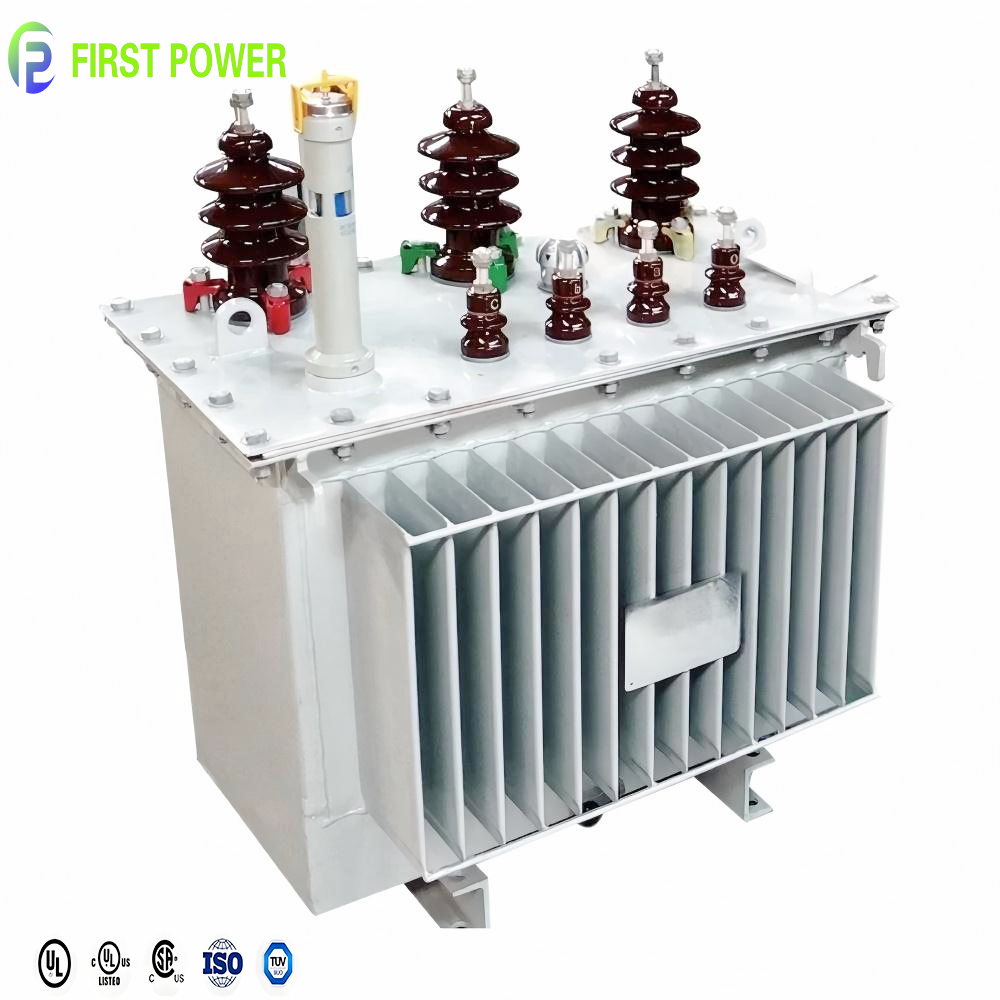 Industrial Oil-Filled
C CE 10KV 20KV 35KV 50KVA 100KVA 200KVA 300KVA 400KVA 500KVA Electric Oil Immersed Transformer for Industrial Power Supply
Industrial-grade oil-immersed unit for 10–35 kV systems, available in 50–500 kVA ratings with CE marking, low-loss core options and routine test documentation for factory acceptance.
View specification path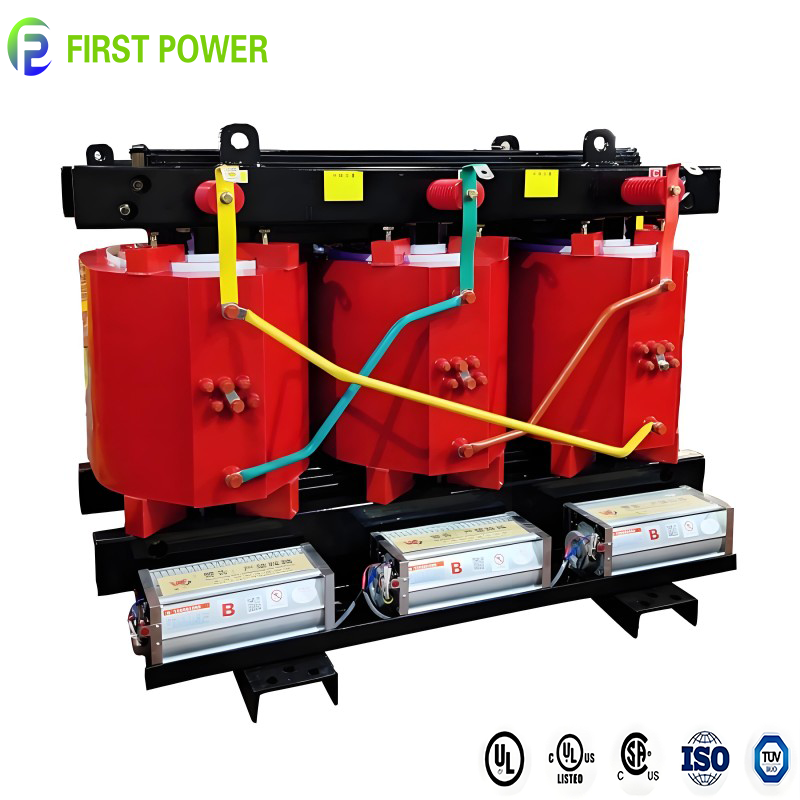 Dry-Type Alternative
C CE Certification IEEE Standard 50/60HZ 5MVA 6MVA 6KV 35KV 3 Phase Dry Type Transformer for Electric Power Distribution
Dry-type alternative for indoor, fire-sensitive or oil-restricted distribution rooms; IEEE-standard design with 50/60 Hz configuration and 6–35 kV class options.
View specification path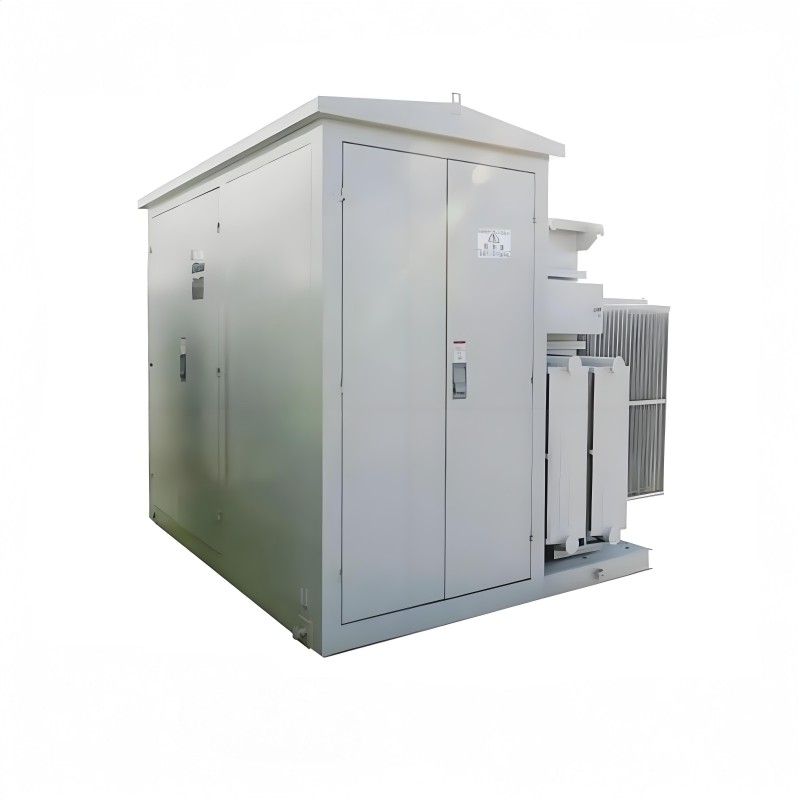 ANSI Pad-Mounted
American Standard /C Certified 3000kva 34.5kv/480v Oil Type Pad Mounted Transformer 60 Hz 10kv Input 380v 440v Output
ANSI-style pad-mounted oil transformer with 34.5 kV primary and 480 V secondary options, 60 Hz configuration and export documentation suited to North American utility practice.
View specification path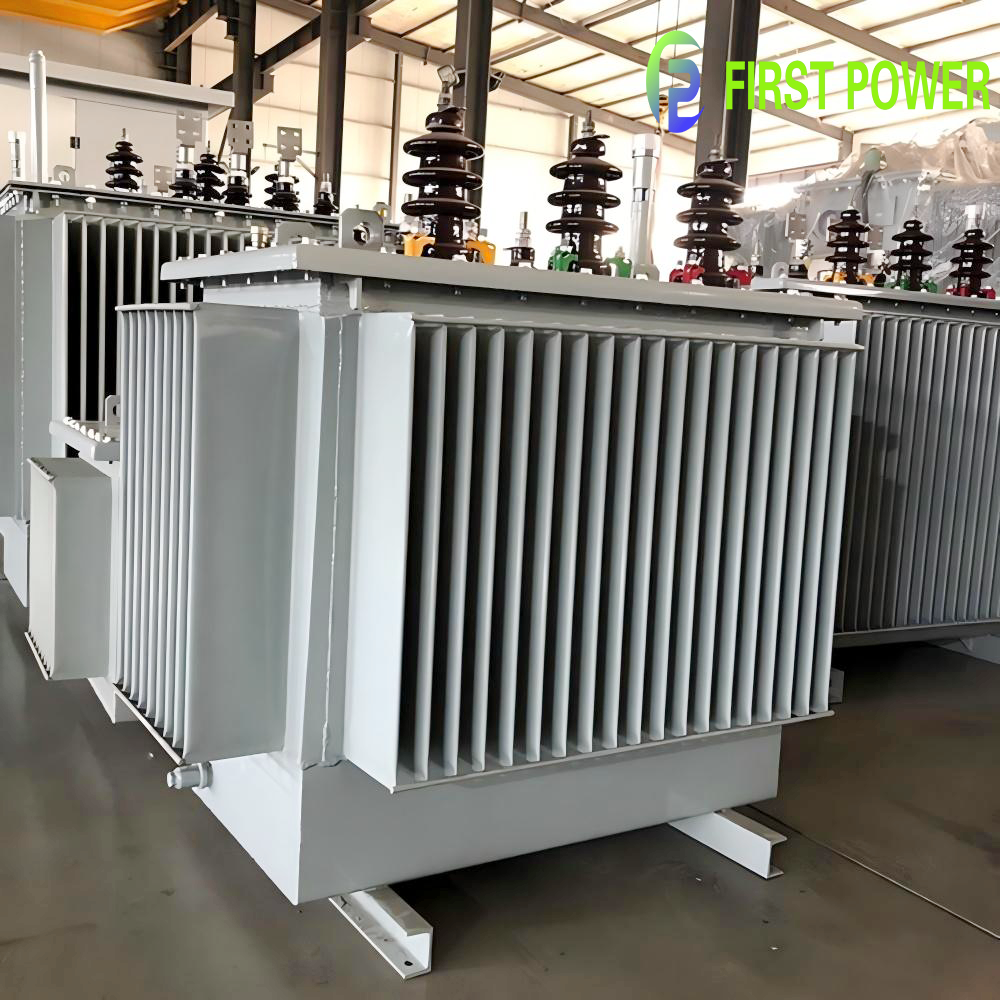 S11 Low Loss
C CE MV&HV S11 50/60HZ 10KV 20KV 35KV Three Phase Oil Immersed 50KVA Transformer for Electric Power Distribution
S11 three-phase oil-immersed distribution transformer for 10–35 kV networks, 50 kVA class and low-loss core construction for utility and commercial distribution feeders.
View specification path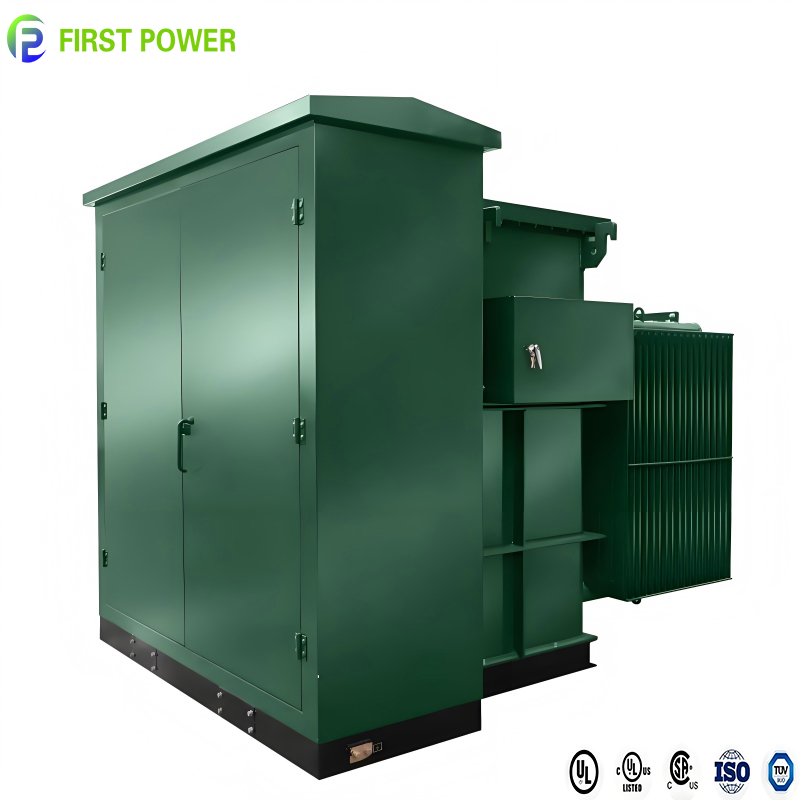 Industrial Pedestal
C CE 50/60HZ 6KV 10KV 15KV 20KV 35KV 100KVA 300KVA 500KVA 630KVA 3 Phase Pad Mounted Pedestal Transformer for Industrial
Pad-mounted pedestal transformer for industrial sites, 6–35 kV and 100–630 kVA, with accessible termination, robust enclosure and configuration flexibility for site layouts.
View specification path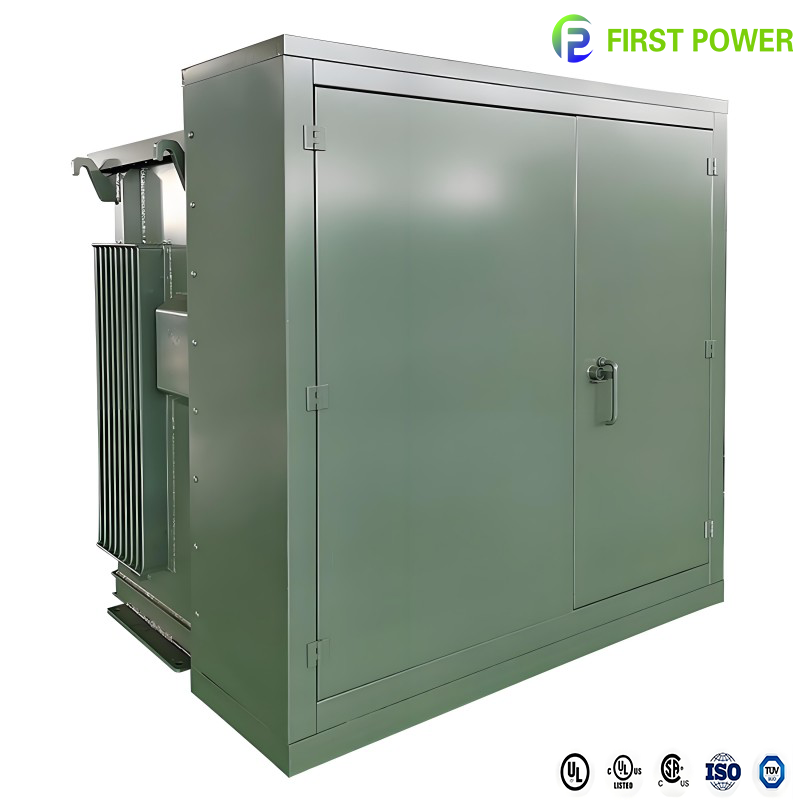 ZGS11 Compact
C CE MV&HV ZGS11 75-2500KVA 10KV 20KV 35KV Pad Mounted Three Phase Transformer for Electric Power Distribution
ZGS11 pad-mounted three-phase transformer from 75 to 2,500 kVA for compact distribution, renewable interconnection and space-constrained commercial projects.
View specification path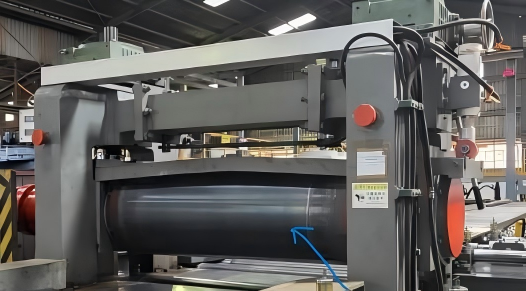 Industrial Component
MAIN ROLLER D
Industrial roller assembly from our broader power-equipment range. Confirm drawings, material grade, load rating and dimensional tolerances with our team before ordering.
View product details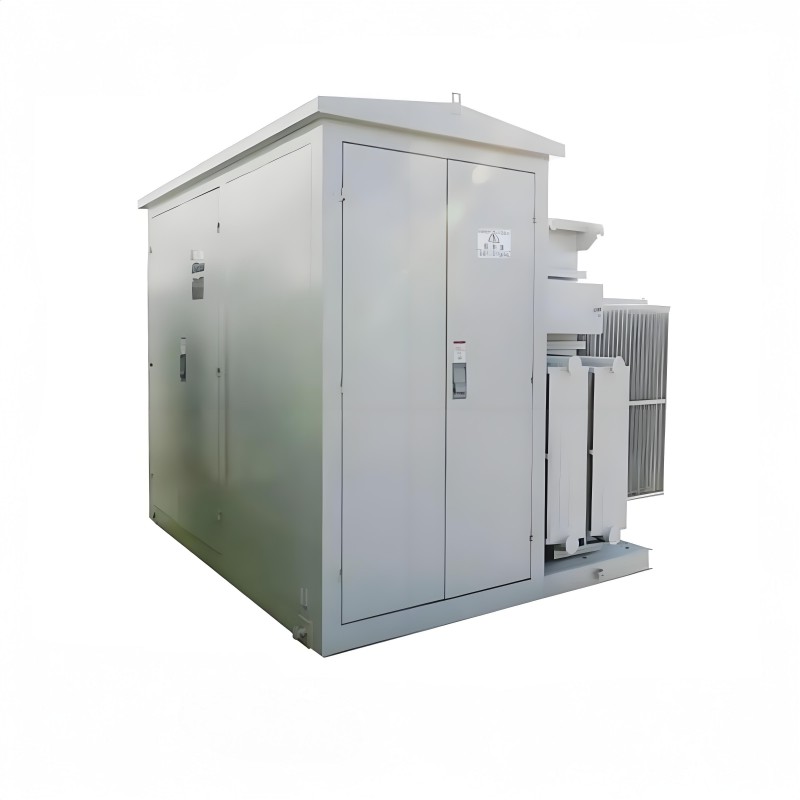 Power Generation
American Standard /C Certification 75-2500KVA Oil Type Three Phase 13.8KV Pad Mount Transformers for Power Generation
Oil-filled three-phase pad-mounted transformer for generation and utility projects, 75–2,500 kVA and 13.8 kV class, configured to American standard practice.
View specification pathLifecycle value, not lowest price
Why Oil-Filled Distribution Transformers Still Win on Total Cost of Ownership
Oil-filled distribution transformers remain the workhorse of medium-voltage distribution because liquid insulation and cooling manage thermal load efficiently at a practical first cost. The better procurement question is not simply “oil or dry?” but which design delivers the lowest evaluated cost over 25–30 years while satisfying local grid code, fire strategy, maintenance capability and delivery schedule.
A transformer with lower no-load loss reduces energy spend every hour of its service life. A design with adequate impedance and thermal margin reduces future rework and nuisance tripping. A supplier with traceable test records reduces commissioning risk. In a well-run tender, loss evaluation, delivery reliability, documentation quality and after-sales response all belong in the same commercial comparison as the purchase price.
For utilities, the most common configuration is a three-phase oil-immersed distribution transformer in the 30–2,500 kVA range with 6–35 kV primary voltage, ONAN cooling and Dyn11 or Yyn0 vector group. For underground commercial networks, pad-mounted oil transformers add tamper-resistant enclosures, dead-front terminations and loop-feed switching. For industrial plants, S11-type units with CRGO cores, low loss and robust short-circuit withstand are often preferred because spare parts and maintenance skills are widely available.
Oil-filled equipment is not automatically the correct answer for every room. Hospitals, tunnels, high-rise basements and oil-restricted indoor spaces may require cast-resin dry-type transformers. A credible supplier should explain that boundary clearly rather than forcing one technology into every project. Wisegj supplies both oil-immersed and dry-type families, so the recommendation can follow the application rather than the catalogue.
- Compare guaranteed no-load and load losses, not only kVA rating.
- Confirm impedance, tap range, vector group and cooling class early.
- Ask for routine test reports, nameplate drafts and GA drawings.
- Check enclosure, fluid and termination compatibility with site practice.
Illustrative TCO weighting for a distribution transformer tender
The percentages below are an illustrative procurement model, not a universal rule. Actual weighting should follow utility loss-evaluation formulas and project finance assumptions.
Capability data buyers can verify
A Transformer Supplier Built Around Engineering Evidence
Wisegj’s advantage is not a slogan repeated on every page. It is a combination of engineering experience, verified production space, qualified supply partners, product certifications and documentation discipline that procurement teams can audit before placing a purchase order.
Years of team experience in transformer design and export projects
Maximum voltage class supplied across the broader product portfolio
Production floorspace verified by independent third-party inspection
R&D and technical engineers supporting specification review and testing
Application-based recommendations
Recommended Oil-Filled Distribution Transformer Configurations
The most efficient path to a reliable quotation is to match the transformer type to the installation environment, load profile, grid code and maintenance model. These four configurations cover the majority of utility, EPC and industrial enquiries we receive.
Utility underground distribution
Choose three-phase pad-mounted oil-filled units, typically 45–5,000 kVA and up to 34.5 kV. Prioritise loop-feed, dead-front termination, tamper resistance, low no-load loss and either ANSI or IEC compliance depending on the destination market.
Industrial power supply
For factories, mines and process plants, specify S11-type three-phase oil-immersed transformers with Dyn11 vector group, ONAN cooling, suitable impedance and optional OLTC or NLTC. This gives robust short-circuit withstand and practical maintenance access.
Renewables and data centres
Use compact pad-mounted or ZGS11 designs with low-loss cores, flexible taps and factory-assembled protection where site space and commissioning speed are tight. Confirm harmonics, loading profile and ambient temperature before finalising the design.
American standard export
For North America and similar grids, specify 60 Hz, ANSI/IEEE C57.12 dimensions, 13.8 kV or 34.5 kV primary, 480 V or 240 V secondary, and verified documentation for utility acceptance. FR3 or mineral oil can be reviewed against project policy.
Future procurement trends
What Utility and EPC Buyers Will Demand Next
Procurement has shifted from a simple price comparison to a risk-weighted evaluation. The following trends are already visible in tender documents, factory audit questionnaires and supplier scorecards.
TCO-first tenders
Buyers are scoring guaranteed losses, delivery reliability and service response alongside price. A transformer that saves energy every hour can outperform a cheaper unit despite a higher initial quotation.
Verified capacity over claims
Factory audits, TÜV-style verification and traceable test records increasingly matter more than catalogue descriptions. Procurement teams want evidence that production space, inspection and testing are real.
Renewables and electrification
Solar, wind, battery storage, EV charging and data centres are reshaping load profiles. Transformers must be specified for harmonics, cyclic loading, ambient extremes and future capacity expansion.
Digital documentation
Drawings, routine test reports, nameplate data, packing lists and compliance certificates are now part of the product. Fast, accurate documentation reduces customs delays and utility approval friction.
Product development trends
Where the Next Generation of Distribution Transformers Is Heading
Transformer design is evolving in response to grid decarbonisation, tighter loss regulations and the need for faster deployment. These developments are relevant to specification discussions today, even when the final purchase is a conventional oil-filled unit.
Lower loss with advanced cores
CRGO and amorphous core designs continue to reduce no-load loss. The engineering trade-off is between capital cost, efficiency target, noise and footprint, so loss evaluation should always be project-specific.
Ester fluids and circular design
Natural ester fluids and recyclable materials are gaining attention where fire safety, environmental policy or water-sensitive installations matter. Buyers increasingly ask for fluid options rather than accepting one default.
Digital monitoring interfaces
Temperature, oil level, pressure and partial-discharge data can support condition-based maintenance. Not every project needs sensors, but future-ready designs make it easier to add monitoring without replacing the transformer.
Compact, modular deployment
Pad-mounted and compact substation formats reduce civil work and commissioning time. Standardised interfaces, pre-engineered protection and factory assembly are becoming important for fast-track projects.


Production floorspace, capability and quality inspection verified onsite by TÜV Rheinland, an independent third-party inspection body.
Company advantage
Why Wisegj Is a Trusted Oil Filled Distribution Transformer Exporter
Jiangsu Wisegj Power Co., Ltd. designs, assembles and exports medium- and high-voltage equipment from 220 V up to 500 kV, covering oil-immersed distribution transformers, pad-mounted transformers, dry-type transformers, power transformers, compact substations, switchgear and related distribution products.
The engineering team brings more than 20 years of hands-on transformer experience. Every enquiry is reviewed for rating, voltage, vector group, impedance, cooling, altitude, ambient temperature and applicable standard before quotation. Production runs under ISO 9001 quality management, with ISO 14001 and ISO 45001 systems supporting environmental and occupational safety controls. Oil-immersed, dry-type and compact substation lines carry CE certification, and certificates are available for compliance review.
Wisegj also brings practical export advantages: 211 qualified supply-chain partners, 50+ R&D and technical engineers, a 4.9/5 average buyer rating, OEM/ODM support, 24-hour pre-sale and after-sale response, and experience supplying Fortune 500 companies. These are the operational details that determine whether a transformer arrives on schedule, passes inspection and enters service without avoidable friction.
Audited production footprint
A verified 6,847 m² production floor with dedicated winding, core assembly, drying, tanking, testing and packing areas.
Engineering depth
More than 50 R&D and technical engineers review loss targets, impedance, thermal margin and site conditions before design release.
Certified quality systems
ISO 9001, ISO 14001 and ISO 45001 management systems, plus CE certificates for transformer and substation product lines.
Supply-chain stability
211 qualified supply-chain partners support stable availability of silicon steel, copper, bushings, accessories and export packing.
Export documentation
GA drawings, nameplate drafts, routine test reports and operation manuals supplied in English for tender and customs review.
Responsive service
24-hour pre-sale and after-sale response, OEM/ODM customisation and technical clarification supported by transformer engineers.
Quality control from quotation to shipment
How Every Oil-Filled Distribution Transformer Is Verified
A transformer is not a commodity that can be judged from a photograph. Reliability comes from documented design review, in-process inspection, electrical routine testing, oil quality control and export packing discipline. Third-party witness inspection is welcome.
1. Specification review
Engineers verify kVA, primary and secondary voltage, frequency, vector group, impedance, tap range, cooling method, altitude, ambient temperature and applicable IEC or ANSI/IEEE standard.
2. Drawing and loss approval
GA drawings, nameplate data and guaranteed losses are confirmed before production. This avoids expensive misunderstandings around bushings, cable boxes, enclosure colour or termination layout.
3. In-process inspection
Core stacking, winding, insulation, drying, oil processing, tank sealing and paint finish are checked against documented work instructions and inspection checkpoints.
4. Routine electrical tests
Tests include winding resistance, voltage ratio and vector group, impedance and load loss, no-load loss and current, applied voltage and induced voltage withstand, plus oil dielectric strength for liquid-filled units.
5. Documentation package
Each unit can receive a test report traceable to its serial number, together with nameplate confirmation, packing list, compliance certificates and operation and maintenance guidance.
6. Export packing and support
Seaworthy packing, shock indicators where required, complete shipping documents and Incoterms coverage from EXW to DDP help reduce transport and customs risk.
Selection matrix
Oil-Filled vs Dry-Type vs Pad-Mounted: A Procurement Comparison
Use this table as an early screening tool. Final selection should be confirmed against local grid code, fire strategy, loss evaluation, fault level, site altitude and maintenance capability.
| Transformer type | Typical range | Best application | Procurement note |
|---|---|---|---|
| Three-phase oil-immersed distribution transformer | 30–2,500 kVA; 6–35 kV | Utility distribution, industrial plants, mines and commercial feeders | Compare guaranteed losses, impedance, Dyn11/Yyn0 vector group and oil type. Require routine test reports. |
| Three-phase pad-mounted oil transformer | 45–5,000 kVA; up to 34.5 kV | Underground distribution, campuses, solar farms and data centres | Confirm loop or radial feed, dead-front termination, enclosure finish, tamper resistance and ANSI/IEC footprint. |
| Single-phase pad-mounted transformer | 10–250 kVA | Residential subdivisions and rural underground loops | Verify secondary voltage, bayonet fuse arrangement, loop-feed configuration and utility acceptance criteria. |
| Cast-resin dry-type transformer | 30–2,500 kVA; up to 35 kV | Hospitals, high-rise buildings, tunnels and fire-sensitive indoor rooms | Check insulation class, temperature rise, IP rating, fan cooling and acoustic requirements. |
| Compact substation | 100–2,500 kVA; 10–35 kV | Renewables, urban networks and fast-track projects | Review MV switchgear, transformer, LV distribution, protection and enclosure integration as one system. |
| Power transformer | 35–500 kV class | Transmission, generation step-up and grid interconnection | Require detailed loss evaluation, thermal design review, OLTC specification and factory acceptance testing. |
Ranges shown are typical production ranges. Ratings outside these values can be engineered on request. For oil filled distribution transformer projects, send the single-line diagram, load profile and loss target together with the destination country so the quotation reflects the correct standard and documentation package.
Frequently asked questions
Oil-Filled Distribution Transformer Procurement FAQ
Clear answers to the questions engineers, buyers and compliance teams ask most often when comparing a transformer manufacturer or exporter.
What is an oil-filled distribution transformer?
It is a medium-voltage transformer whose core and windings are immersed in insulating oil inside a sealed or conservator tank. The oil provides insulation and transfers heat to the tank surface or radiators. It is widely used in utility distribution, industrial plants, commercial buildings and renewable projects because it offers reliable thermal performance and favourable lifecycle cost.
Which standards should I specify for export?
For Europe, the Middle East, Africa and many Asian markets, specify IEC 60076 series requirements. For North America, specify ANSI/IEEE C57.12 series dimensions and performance. State the destination country, frequency and utility approval requirements in the enquiry. Wisegj can configure CE-certified oil-immersed, dry-type and compact substation products where applicable.
How should I compare transformer losses?
Evaluate guaranteed no-load loss and load loss using the utility’s capitalization formula or your own lifecycle model. Do not compare kVA rating alone. A lower-loss transformer may justify a higher purchase price through energy savings over 25–30 years, but the correct answer depends on loading profile, electricity cost and project finance assumptions.
What tests are performed before shipment?
Routine testing typically includes winding resistance, voltage ratio and vector group, impedance and load loss, no-load loss and current, applied voltage and induced voltage withstand, and oil dielectric strength for liquid-filled units. Test reports are traceable to the serial number. Third-party witness inspection and additional type-test documentation can be arranged when specified.
Can the transformer be customised for my project?
Yes. OEM, ODM and design-based customisation are available, covering rating, vector group, impedance, tap range, bushing configuration, cooling method, insulating fluid, enclosure colour, cable box arrangement, nameplate language and documentation format. Provide the single-line diagram and site conditions to shorten the review process.
What documents are supplied for customs and approval?
Typical documents include the commercial invoice, packing list, bill of lading, certificate of origin where required, GA drawings, nameplate data, routine test report, operation and maintenance manual, and product certificates such as CE or ISO documents where applicable. The exact package should be confirmed against destination-country and utility requirements.
What Incoterms and payment terms are accepted?
Trade terms can include FOB, CFR, CIF, EXW, FCA, CIP, CPT and DDP, subject to project logistics. Payment methods can include T/T, L/C, D/P and D/A, with currencies such as USD, EUR, GBP, CAD and AUD considered. Final terms are confirmed in the contract and should reflect the buyer’s documentary and cash-flow requirements.
How is after-sales support handled?
Technical questions and after-sales issues receive a qualified response within one working day. Support can include drawing clarification, installation guidance, test-report interpretation and spare-part coordination. For remote sites, clear nameplate data, drawings and commissioning records help the factory team resolve issues faster and reduce downtime.
Engineering review before quotation
Request a Compliant Oil Filled Distribution Transformer Quotation
Send your transformer datasheet, single-line diagram, loss target, destination country and required delivery schedule. A transformer engineer will review the specification, confirm the correct oil-filled or pad-mounted configuration, and respond within one working day with the technical questions that matter before pricing.