Eight Distribution Transformer Products for Modern Power Projects
These eight families address the procurement patterns we see most often in utility tenders, EPC packages, industrial plants, renewable interconnections and underground distribution networks. Each unit can be reviewed against your voltage, loss, impedance, vector group and installation requirements before quotation.
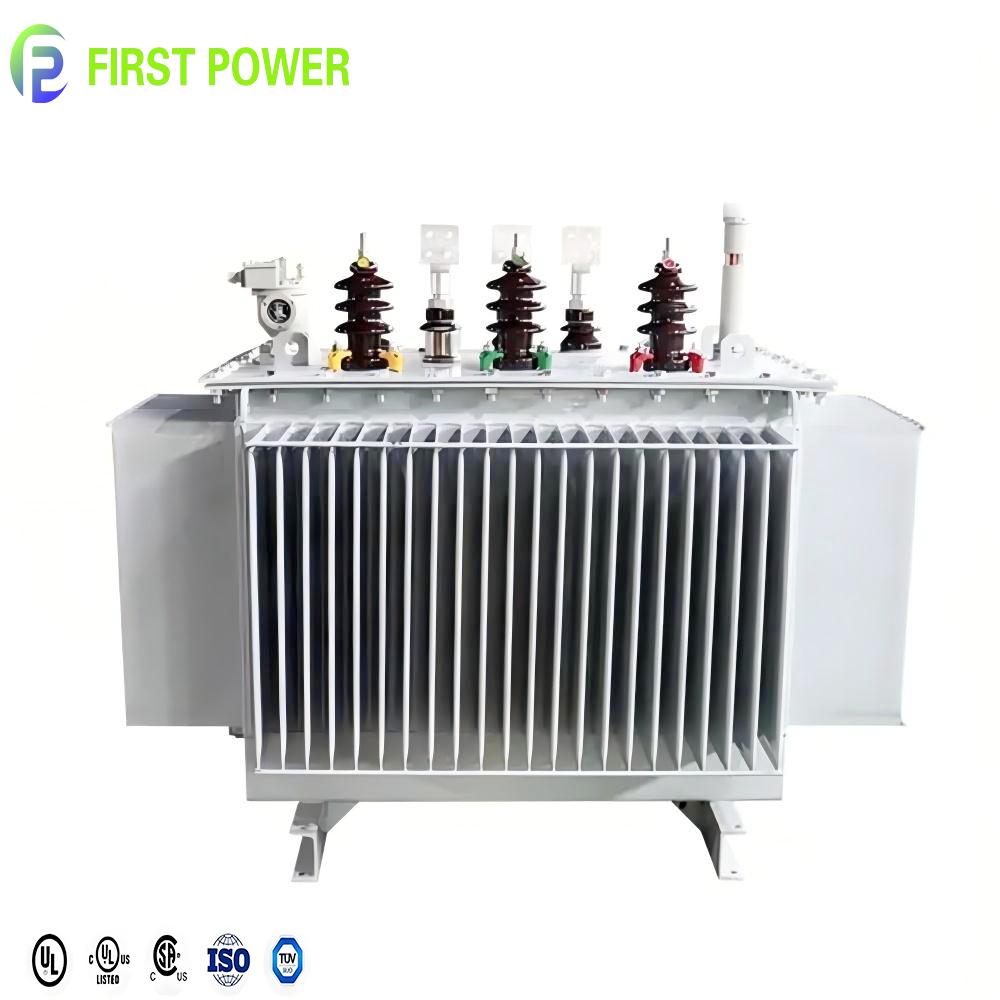
C CE S11 10KV 20KV 35KV 50KVA 100KVA 150KVA 200KVA 250KVA 3 Phase Oil-Immersed Transformer for Electric Power Distribution
A proven S11 oil-immersed distribution transformer for 10 kV, 20 kV and 35 kV networks from 50 to 250 kVA. Recommended for utility feeders, commercial buildings and rural electrification where low loss, sealed-tank reliability and straightforward maintenance matter.
View product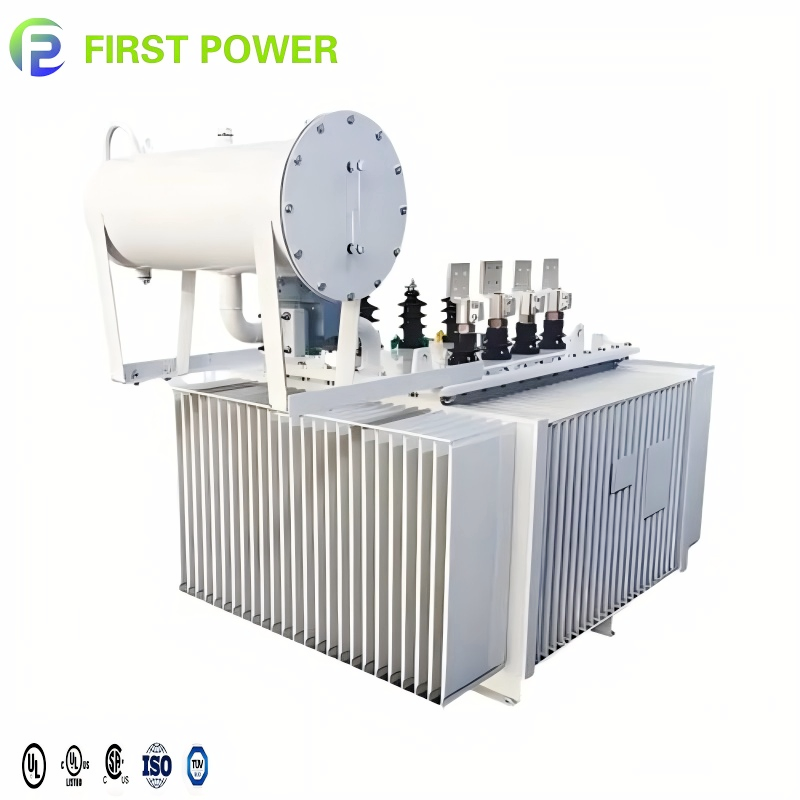
C CE 10KV 20KV 35KV 1000KVA 2000KVA 2500KVA 3 Phase Oil Type on Load Tap Changer Transformer for Industrial Power Supply
An on-load tap changer transformer for 1,000 to 2,500 kVA industrial power supply. It supports voltage regulation under fluctuating load and suits plants, mining operations and process industries where production continuity is critical.
View product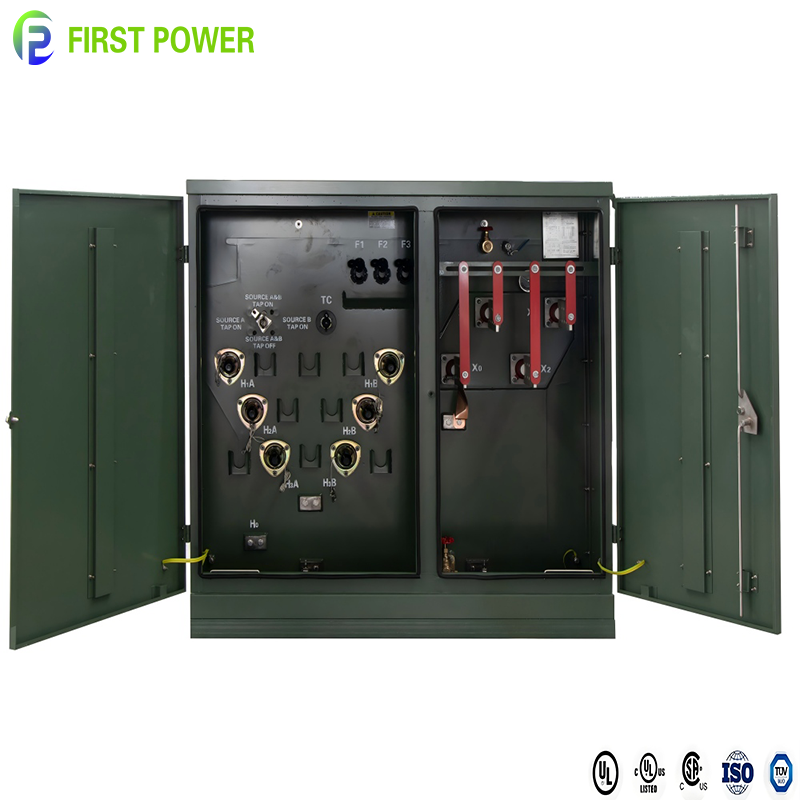
Listed C CE MV&HV 50/60HZ 6KV 10KV 15KV 20KV 35KV 3 Phase Pad Mounted Transformer Electrical for Industrial Power Supply
A pad-mounted transformer for industrial power supply with 6 kV to 35 kV primary options and 50/60 Hz configurations. The tamper-resistant enclosure supports underground distribution, campuses, EV charging hubs and renewable interconnections.
View product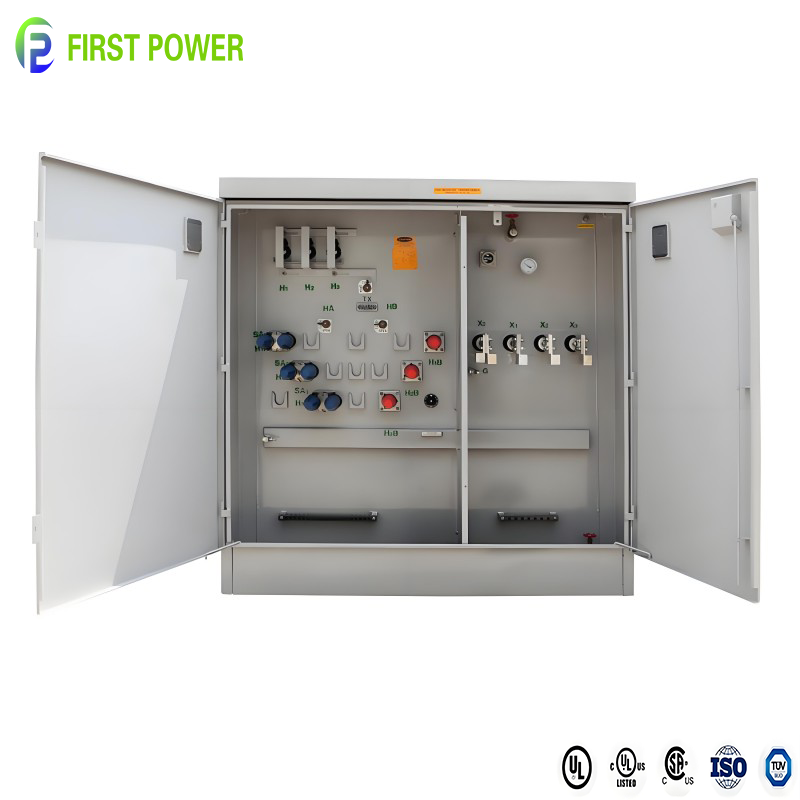
C CE MV&HV 50/60HZ 300KVA 500KVA 630KVA 700KVA 10KV 15KV 20KV 35KV 3 Phase Loop Feed Pad Mounted Transformer for Industrial
A loop-feed pad-mounted unit from 300 to 700 kVA for industrial and commercial networks that require back-up feed paths. Choose it when outage tolerance is low and service continuity must be designed into the distribution topology.
View product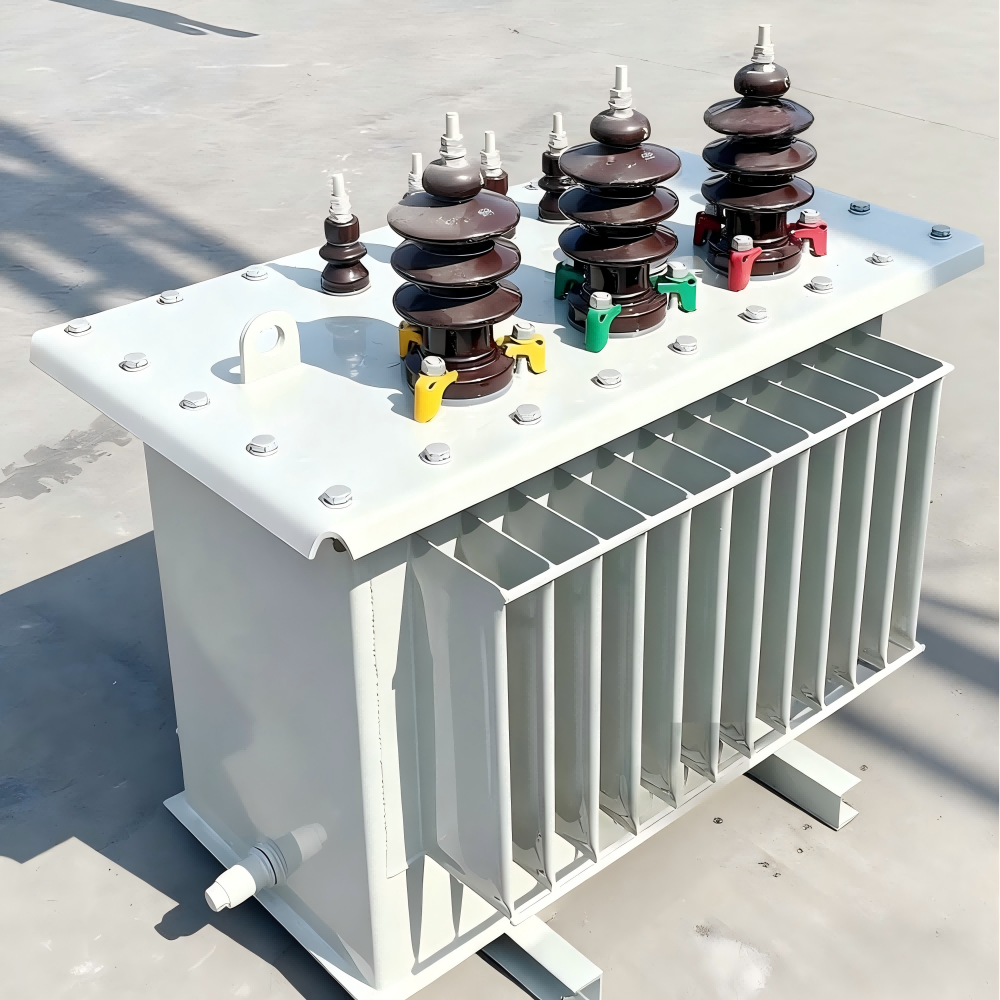
C CE MV&HV 30-31500KVA 6KV 10KV 15KV 20KV 35KV S11 Three Phase Oil Transformer for Electric Power Distribution
A wide-range S11 three-phase oil transformer from 30 to 31,500 kVA. A practical recommendation for power distribution projects that need a qualified factory partner across multiple ratings, voltage classes and delivery schedules.
View product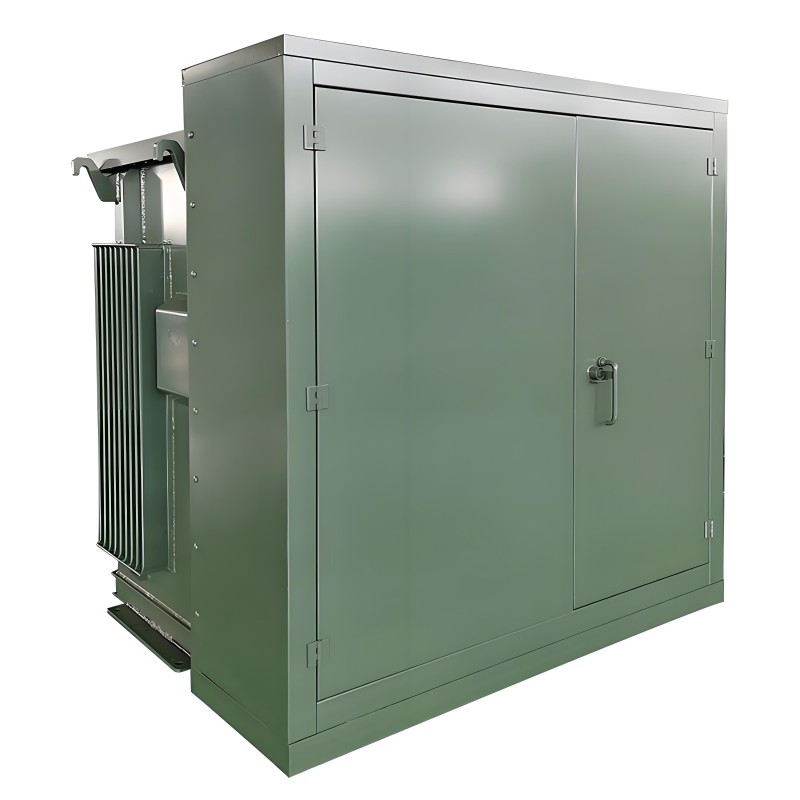
C Certified 75-2500KVA Oil Type Three-Phase Pad-Mounted Transformer 480V Output Voltage 35KV Input Voltage 50/60HZ
A C-certified oil-type pad-mounted transformer with 35 kV input, 480 V output and 75 to 2,500 kVA ratings. Well matched to North American industrial, commercial and data-center projects requiring documentable certification.
View product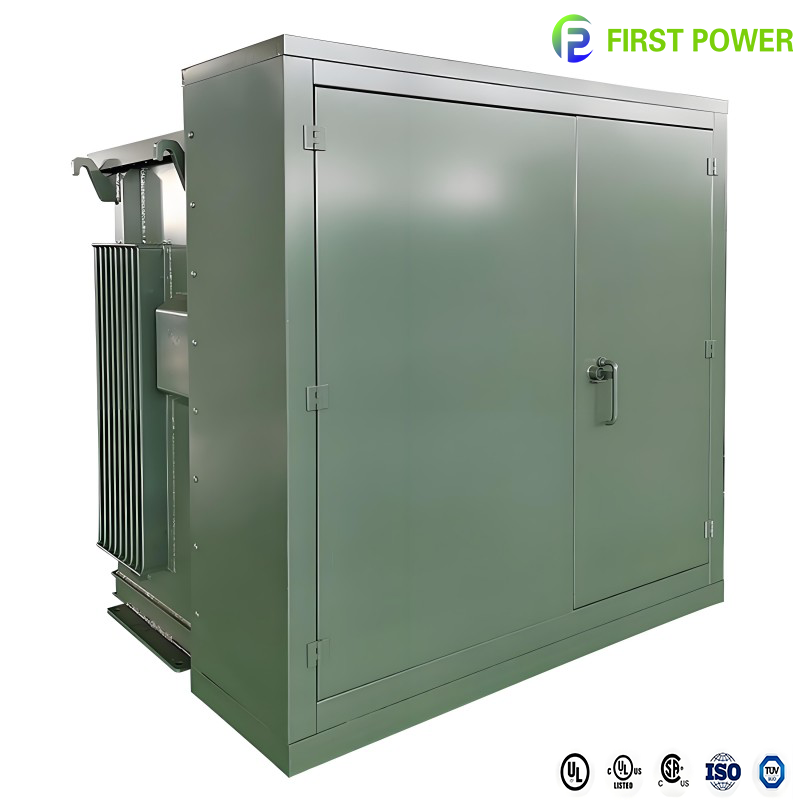
C CE MV&HV ZGS11 75-2500KVA 10KV 20KV 35KV Pad Mounted Three Phase Transformer for Electric Power Distribution
A ZGS11 pad-mounted three-phase transformer from 75 to 2,500 kVA at 10 kV to 35 kV. Recommended for compact sites where enclosure footprint, cable access and utility-grade protection are key decision drivers.
View product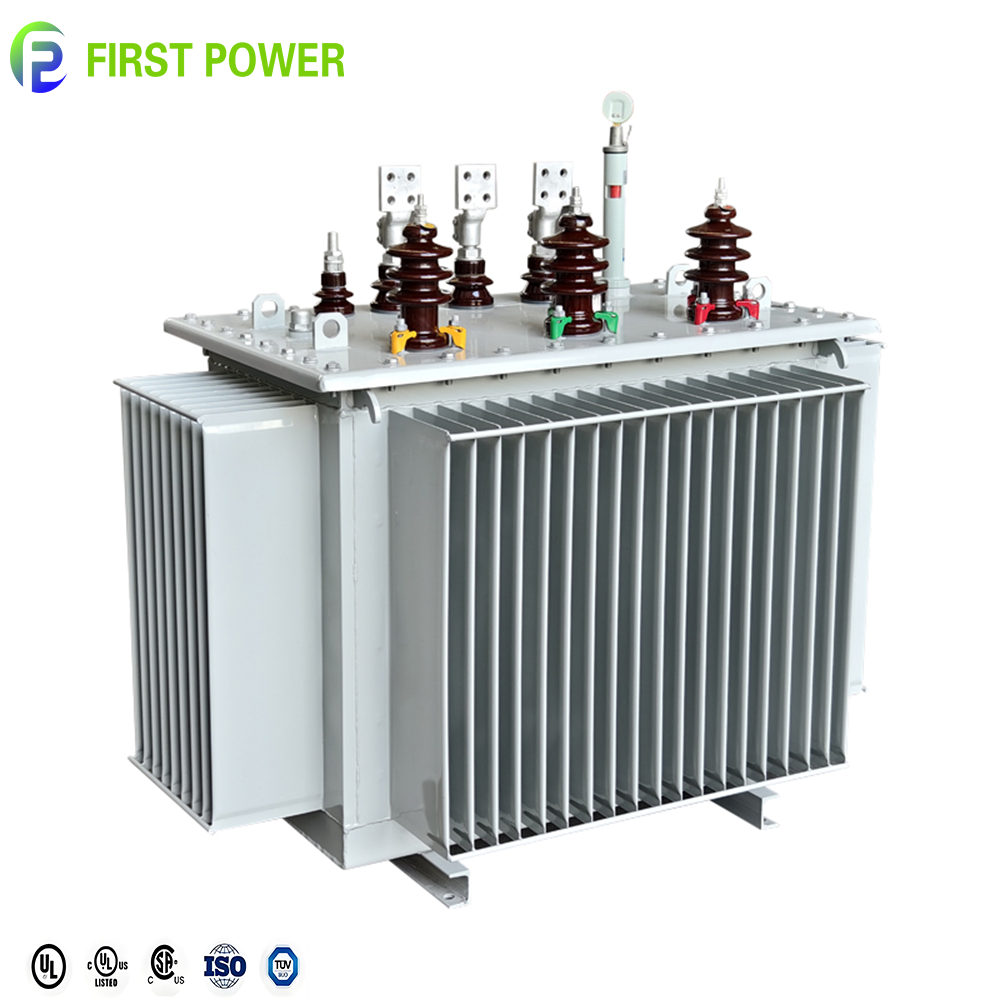
C CE 50/60HZ 6KV 10KV 15KV 20KV 35KV 100KVA 200KVA 300KVA 500KVA 220V Output Voltage Step up Oil Transformer for Industrial
A step-up oil transformer from 100 to 500 kVA with 6 kV to 35 kV input options and 220 V output configurations. Useful for distributed generation, industrial voltage adaptation and export projects with non-standard grid interfaces.
View productWhy a Distribution Transformer Wholesaler Must Be Measured by Evidence, Not Adjectives
Procurement teams need more than a product catalogue. They need a supplier whose floorspace, engineering depth, testing process, certifications and export record can be checked before purchase. The data below summarises the operating base behind Jiangsu Wisegj Power Co., Ltd.
A Distribution Transformer Factory Built Around Procurement Confidence
Jiangsu Wisegj Power Co., Ltd. is based in Suzhou, Jiangsu, China, and supplies oil-immersed transformers, pad-mounted transformers, dry-type transformers, power transformers, compact substations and related equipment from 220 V to 500 kV. The advantages below are the ones that matter most when a buyer is comparing a factory wholesaler with a trading intermediary.
Experienced Engineering Team
More than 20 years of hands-on transformer experience supports specification review, loss evaluation, vector group confirmation and installation planning before production starts.
Verified Production Footprint
A 6,847 m² production base supports winding, core assembly, drying, tank fabrication, finishing and factory testing, with TÜV Rheinland verification of production capability.
In-House Routine Testing
Each unit can receive winding resistance, ratio and vector group, impedance and load loss, no-load loss and current, applied voltage and induced voltage tests, plus oil dielectric testing for liquid-filled units.
Certification and Standards Support
ISO 9001, ISO 14001, ISO 45001 and CE certificate numbers are available for compliance review. Designs can be aligned with IEC 60076 or ANSI/IEEE C57.12 series standards depending on the destination market.
OEM, ODM and Design Customization
Ratings, impedance, tap range, cooling method, insulating fluid, bushing arrangement, enclosure colour, nameplate language and packaging can be adapted to project specifications.
Supply-Chain Depth
A network of 211 qualified supply-chain partners helps secure silicon steel, copper, bushings, accessories and packing materials, reducing the risk of avoidable delays.
Export Logistics Discipline
Seaworthy packing, impact indicators, shipping documents and Incoterms from EXW to DDP can be coordinated for projects in the Americas, Europe, Africa, the Middle East and Asia.
24-Hour Engineer Response
Pre-sale technical questions and after-sale issues can be routed to qualified engineers for response within one working day, with English documentation and O&M support.
An Auditable Factory, Not Just a Trading Office
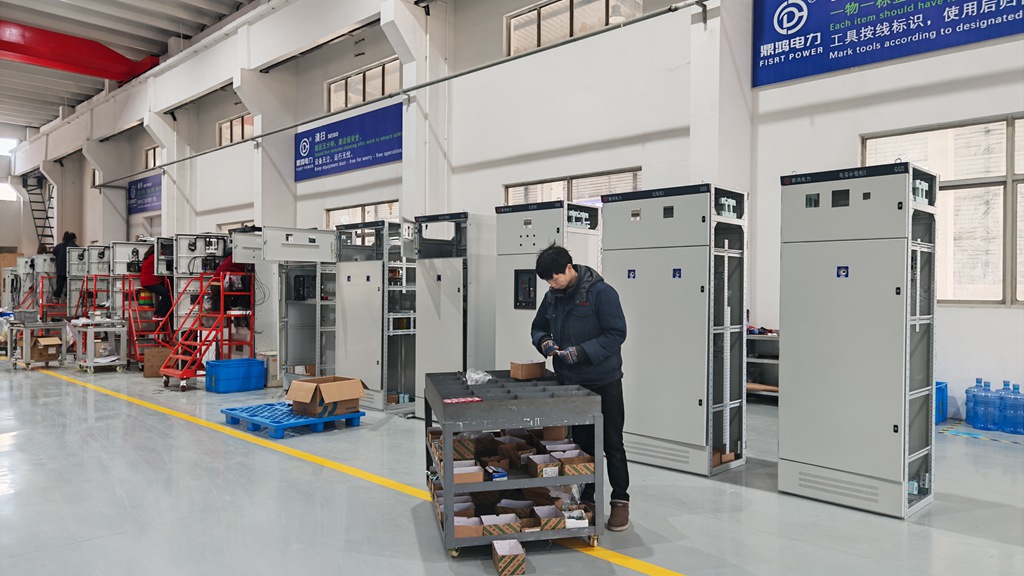
For distribution transformer buyers, supplier verification should include the production floor, work instructions, test equipment and export packing process. The images below are taken from the original company and factory content and illustrate the capability areas a buyer can request to review during an audit or video inspection.

Company & Facility Overview

Assembly Workshop

Testing Laboratory
Export Packing & Loading
Distribution Transformer Procurement Trends Buyers Should Plan For
The lowest purchase price is no longer a sufficient basis for comparing distribution transformer offers. Grid operators, EPC contractors, data-centre developers and industrial buyers are increasingly evaluating total owning cost, supply resilience, traceability and long-term serviceability. These are the procurement shifts most likely to affect purchasing decisions through 2030.
Total Cost of Ownership Overtakes Lowest Price
Buyers are asking for guaranteed no-load and load losses, impedance values and calculated energy cost over 20 to 30 years. A transformer with a slightly higher first cost can be the better decision when evaluated losses, maintenance and outage risk are included.
Supply Resilience and Dual Sourcing
Utilities and EPCs are shortening approval lists but broadening risk controls. They want evidence of production capacity, material sourcing, lead-time discipline and the ability to provide repeat units with the same design and test records.
Sustainability and Loss Reduction
Efficiency regulations, renewable-energy procurement rules and corporate carbon targets are pushing buyers toward low-loss cores, optimised winding design, ester fluids where appropriate and better end-of-life recyclability.
Digital Test Records and Traceability
Procurement teams increasingly expect serial-number-linked test reports, nameplate data, drawings and inspection evidence. QR-coded documentation and digital archives reduce commissioning disputes and simplify asset registration.
Standards Convergence and Witness Testing
International projects often combine IEC, ANSI/IEEE and local utility requirements. Buyers are therefore requesting pre-agreed test plans, third-party witness inspection and clear documentation of any deviation before shipment.
DER, EV Charging and Data-Centre Loads
Distributed generation, battery storage, fast charging and data centres are changing distribution planning. Compact substations, pad-mounted units and dry-type transformers are increasingly specified for faster deployment and safer indoor installation.
How Distribution Transformer Technology Is Developing
The most bankable information gain for buyers is not a lower headline price; it is a verified loss figure, a documented test plan and a serviceability commitment. Product development is moving in six practical directions that directly affect specification, installation and lifecycle cost.
Low-Loss CRGO and Amorphous Cores
High-grade grain-oriented silicon steel and amorphous core options continue to reduce no-load loss. Buyers should compare guaranteed losses, tolerance and test method rather than relying on generic efficiency claims.
Sealed Tanks and Higher-Temperature Insulation
Hermetically sealed tanks reduce oil oxidation and maintenance exposure. Combined with improved insulation systems, they support longer service intervals and better performance in humid, coastal or high-ambient environments.
On-Load and Smart Tap Control
Industrial and renewable projects increasingly need voltage regulation under variable load. OLTC designs and sensor-ready control interfaces help maintain output quality as generation and demand profiles change.
Fire-Safe Dry-Type and Ester Fluids
Hospitals, tunnels, high-rise buildings and indoor substations are specifying dry-type or less-flammable liquid-filled transformers to reduce fire risk and simplify permitting.
Pad-Mounted Platforms with Sensor-Ready Interfaces
Pad-mounted transformers are becoming easier to monitor and inspect. Buyers can request temperature indicators, pressure-relief devices, drain valves, cable access planning and documentation prepared for future digital asset records.
Prefabricated Compact Substations
Factory-assembled substations combine MV switchgear, transformer and LV distribution in one enclosure. They reduce site labour, improve configuration control and support fast-track renewable, urban and industrial projects.
How to Shortlist the Right Distribution Transformer for Your Project
A compliant offer depends on more than kVA. Before requesting a quotation, define the electrical envelope, installation environment, standards basis and verification requirements so that the factory can provide an accurate design and test plan.
1. Define the Load and Electrical Envelope
Confirm rated power, primary and secondary voltage, frequency, vector group, impedance, tap range, cooling method and neutral arrangement. For future expansion, allow a clear margin rather than selecting by today’s peak load alone.
2. Match the Installation Environment
Specify indoor or outdoor installation, altitude, ambient temperature, humidity, seismic requirement, enclosure protection and cable entry. Pad-mounted units suit underground networks; dry-type units are often preferred near occupied buildings.
3. Verify Standards, Losses and Certificates
State the applicable IEC or ANSI/IEEE standard, efficiency target and loss evaluation method. Ask for certificate numbers, type test evidence and a guaranteed loss table that will be written into the purchase order.
4. Plan Testing, Delivery and Service
Agree routine tests, third-party witness inspection, packing standard, Incoterms, spare parts and after-sales response. This step prevents commissioning surprises and gives the project team a clear documentation trail.
Technical Data Checklist for a Faster, More Accurate Offer
Sharing these parameters allows the engineering team to return a compliant design, drawing and guaranteed loss schedule with fewer clarification rounds.
Distribution Transformer Factory & Wholesaler FAQ
These are the questions most frequently raised by procurement teams, EPC contractors and utility engineers when comparing distribution transformer suppliers.
Which standards do Wisegj distribution transformers comply with?
What voltage and capacity range can you supply?
Which factory tests are performed before shipment?
Can distribution transformers be customized for my project?
What trade and payment terms are accepted?
How should buyers compare transformer losses and total cost of ownership?
What information is needed for a fast, accurate quotation?
How are export packing, lead time and after-sales support handled?
Turn a Transformer Specification into a Verifiable Offer
Send your rated power, primary and secondary voltage, frequency, vector group, impedance, cooling method, applicable standard and loss target. The engineering team will review the requirement and return a compliant configuration with drawing, test plan and quotation basis.
Get a Quote