What Buyers Must Examine Before Choosing a Pole Mount Transformer Supplier
For utilities, EPC contractors and distributors, a transformer is not a commodity purchase. It is a long-life grid asset with measurable loss, reliability, safety and documentation consequences.
China remains one of the world’s most important manufacturing bases for distribution transformers, pole-mounted transformers, pad-mounted units, oil-immersed transformers and compact substations. The challenge for international buyers is not finding a catalogue. It is separating direct manufacturers from resellers, verifying the actual test regime, and confirming that the proposed design will satisfy the local grid code at the point of installation.
A pole-mounted transformer is usually selected for overhead distribution networks, rural electrification, residential feeders and light commercial loads where ground space is limited and overhead access is practical. Ratings, primary voltage, tap range, fuse coordination, bushings, corrosion protection and mounting hardware must all be reviewed together. The lowest quoted kVA price can be poor value if no-load loss, load loss, impedance, temperature rise or test documentation does not match the tender requirement.
Why the semantic intent behind “pole mount transformer supplier” is broader than a product search
Procurement search behavior usually falls into several intent groups: sourcing an OEM manufacturer, comparing wholesalers for bulk distribution, verifying CE or ISO documentation, replacing a failed utility transformer, or finding a lower-loss design for a renewable-energy interconnection. This is why a serious supplier page should answer questions about standards, testing, loss capitalization, custom builds, packing, Incoterms and warranty — not simply list ratings.
For distributors, the stronger commercial model is usually a repeatable factory relationship rather than a one-off spot purchase. Stable drawings, nameplate language, accessory compatibility, spare bushings, test-report formats and packaging standards reduce friction across future orders. For utilities and EPCs, the priority shifts toward third-party inspection, type-test reports, approved drawing procedures and traceability by serial number.
Pole-Mounted, Pad-Mounted or Oil-Immersed: Match the Transformer to the Network
The correct equipment type depends less on marketing language and more on installation environment, grid voltage, load profile, access restrictions and applicable standards.
| Equipment Type | Typical Application | Procurement Checks | Standards Focus |
|---|---|---|---|
| Single-phase pole-mounted transformer | Rural overhead lines, residential feeders, dispersed loads and light commercial service. | Weight and mounting height, fuse coordination, no-load loss, corrosion protection, bushing compatibility. | ANSI/IEEE C57 series or IEC 60076 depending on market. |
| Three-phase pole-mounted transformer | Small commercial areas, mixed residential loads and overhead distribution where pad space is unavailable. | Vector group, tap range, balanced loading, short-circuit strength, sound level and clearances. | Utility-specific standards, IEC 60076 and local grid codes. |
| Pad-mounted transformer | Underground commercial distribution, subdivisions, data centers, solar farms and campus networks. | Tamper resistance, dead-front design, loop/radial feed, enclosure finish, access and cable termination space. | IEEE C57.12.34 / C57.12.28 or IEC equivalents. |
| Oil-immersed distribution transformer | Industrial plants, utility distribution, mining, infrastructure and high-efficiency networks. | Loss guarantees, sealing method, oil dielectric strength, temperature rise, tank finish and recyclability. | IEC 60076-1/-2/-3 and regional efficiency rules. |
| Dry-type transformer | Hospitals, high-rise buildings, tunnels, indoor substations and fire-sensitive locations. | Insulation class, temperature rise, fire performance, acoustic level and ventilation requirements. | IEC 60076-11 and local building safety codes. |
| Compact substation | Renewable projects, urban distribution, temporary power and fast-track EPC sites. | Factory assembly, MV switchgear, protection coordination, enclosure rating and transport dimensions. | IEC 62271-202 and project-specific utility requirements. |
How Pole Mount Transformer Procurement Is Changing Through 2030
Buyers are shifting from first-cost comparisons to total ownership cost, supply resilience and documentation quality.
Loss Capitalization Becomes Standard
Utilities increasingly convert no-load and load losses into a monetary present value. A slightly higher-priced low-loss transformer can win on 20–30 year total cost, especially where grids run near peak loading for long periods.
Renewable and Bidirectional Flows
Solar, storage and distributed generation are increasing reverse power flow, harmonic content and cyclic loading. Procurement specifications are adding more detailed impedance, thermal and short-circuit requirements.
Standards Localization
A China pole mount transformer supplier must be able to map a design to IEC, ANSI/IEEE, local utility practice, 50 Hz or 60 Hz, altitude, ambient temperature and seismic or coastal exposure.
Digital Documentation and Traceability
Buyers now expect drawing approval, nameplate drafts, routine test reports, oil test data and packing records to be traceable by serial number. Digital files reduce commissioning disputes and simplify audits.
Sustainability and Fluid Choice
Natural ester fluids, recyclable materials, low-loss cores and longer service life are moving from niche options to tender differentiators, particularly in environmentally sensitive or fire-risk locations.
Lead-Time Resilience
Qualified wholesalers and manufacturers with stable component sources can smooth delivery risk. Buyers are pre-qualifying suppliers, reserving production slots and keeping repeatable designs available for urgent replacement.
Transformer Design Trends That Affect Future Purchasing Decisions
Design choices made today determine losses, maintenance cost, site safety and replacement lead time for decades.
Low-Loss Cores
CRGO and amorphous core designs continue to improve no-load efficiency, but buyers should request guaranteed loss values and test verification, not catalogue estimates alone.
Compact Modular Substations
Prefabricated enclosures combine MV switchgear, transformer and LV distribution, reducing site labor, commissioning time and civil works for fast-track projects.
Fire-Safe and Ester-Filled Options
Dry-type and ester-fluid designs reduce fire and environmental risk, making them more attractive for urban, indoor, coastal and sensitive public infrastructure projects.
Corrosion and Climate Engineering
Hot-humid, coastal, desert and high-altitude sites require adapted insulation, tank coating, cooling margin and sealing. Generic tropicalization claims should be supported by a clear specification.
Eight Transformer Families for Utility, Commercial and Industrial Buyers
These product families cover the practical requirements most often requested by buyers comparing China pole mount transformer suppliers and wholesalers. Ratings, losses, taps, vector group, cooling and finish can be customized against project drawings.
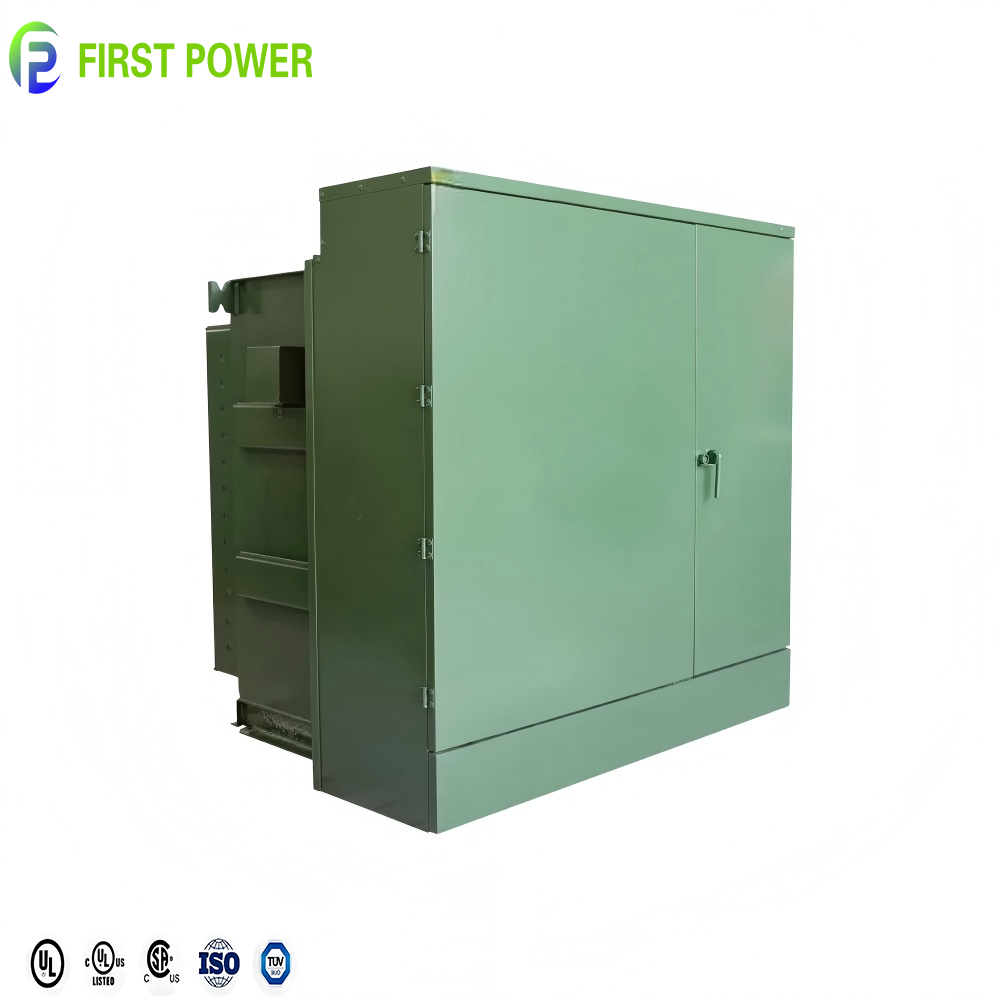
C CE 50/60HZ 10KV 20KV 35KV 300KVA 500KVA 630KVA 750KVA Three Phase Pad Mounted Transformer for Electric Power Distribution
For commercial and utility underground distribution where tamper-resistant construction, access control and reliable cable termination are important.
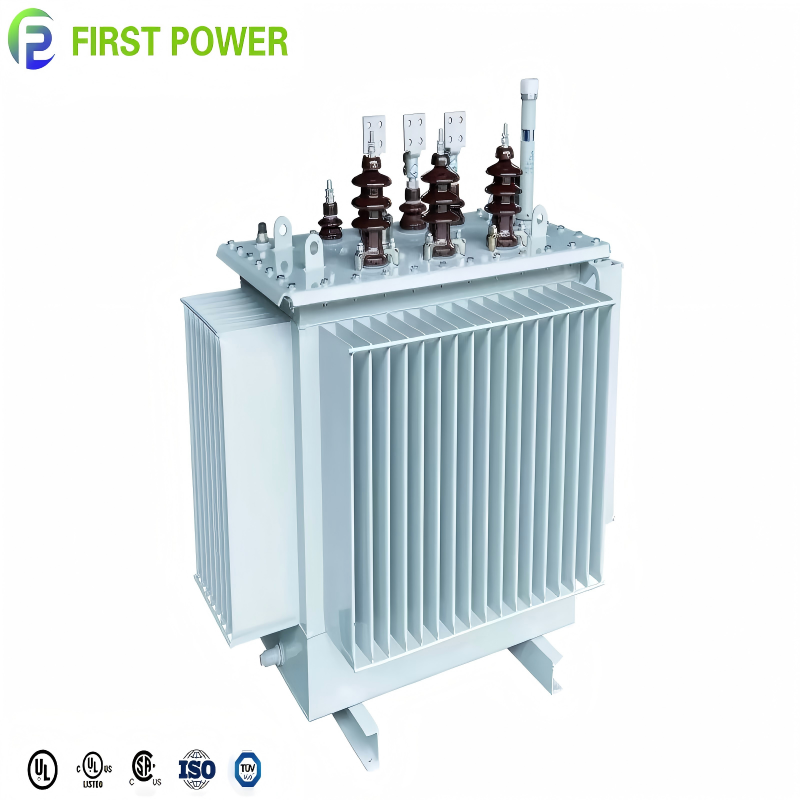
C CE S11 50/60HZ 6KV 10KV 15KV 20KV 35KV 100KVA 300KVA 3 Phase Oil Immersed Transformer 50KVA 33KV for Distribution System
A practical distribution transformer family for industrial plants, utility networks and projects requiring proven oil-immersed reliability.
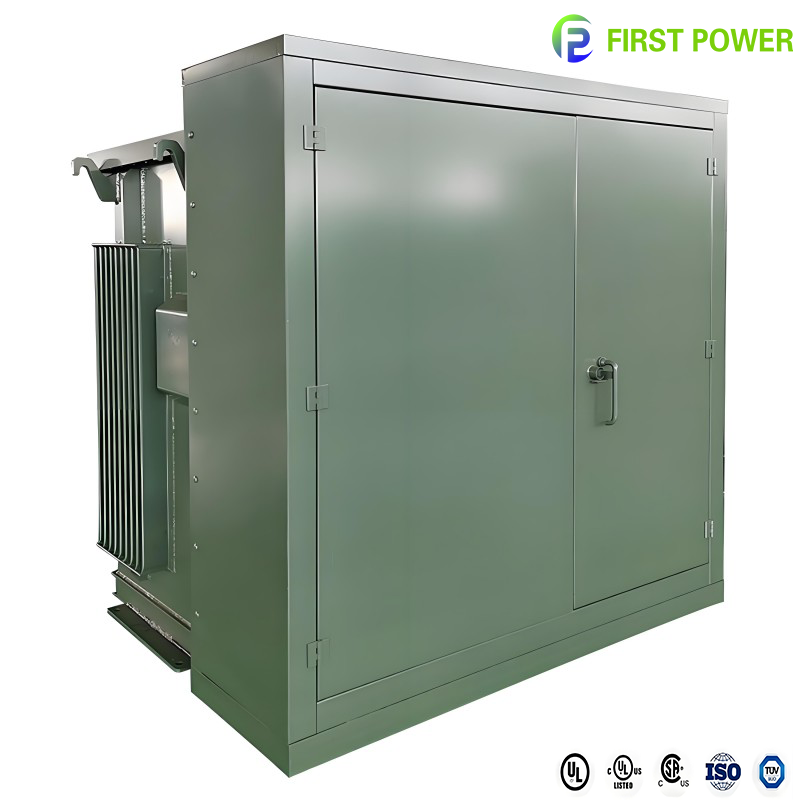
C CE 50/60HZ 10KV 20KV 35KV 75KVA 100KVA 200KVA 300KVA 400KVA 3 Phase Oil Type Pad Mounted Transformer for Power Generation
Combines oil-immersed performance with pad-mounted installation for power generation, commercial sites and utility distribution.
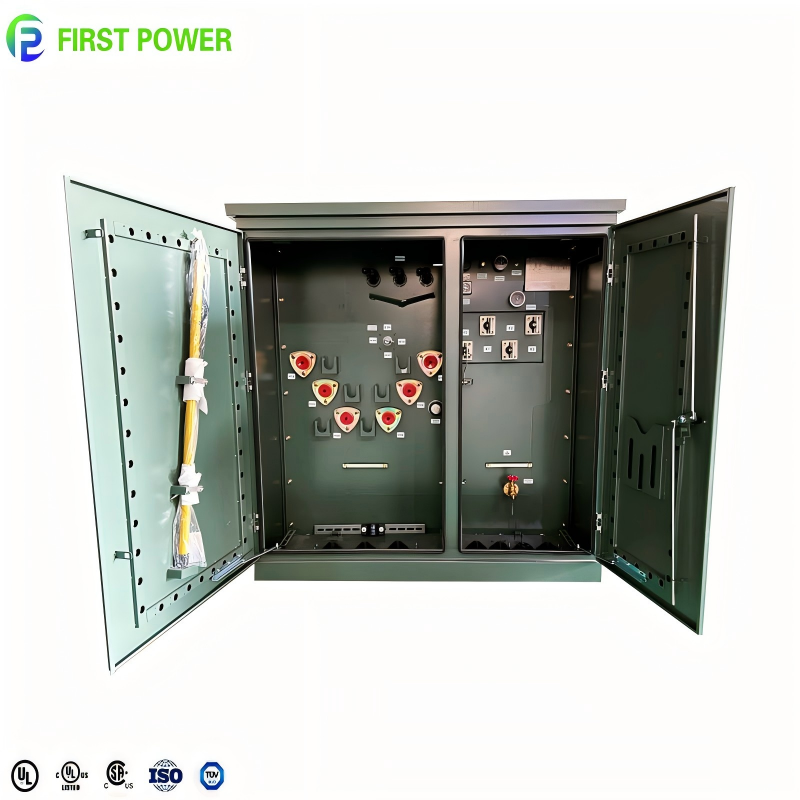
C ZGS11 50/60HZ 75KVA-50000KVA 6KV 10KV 15KV 20KV 35KV Three Phase Pad Mounted Transformer for Electric Power Distribution
A broad pad-mounted range for distribution projects that need high capacity coverage and customized enclosure arrangements.
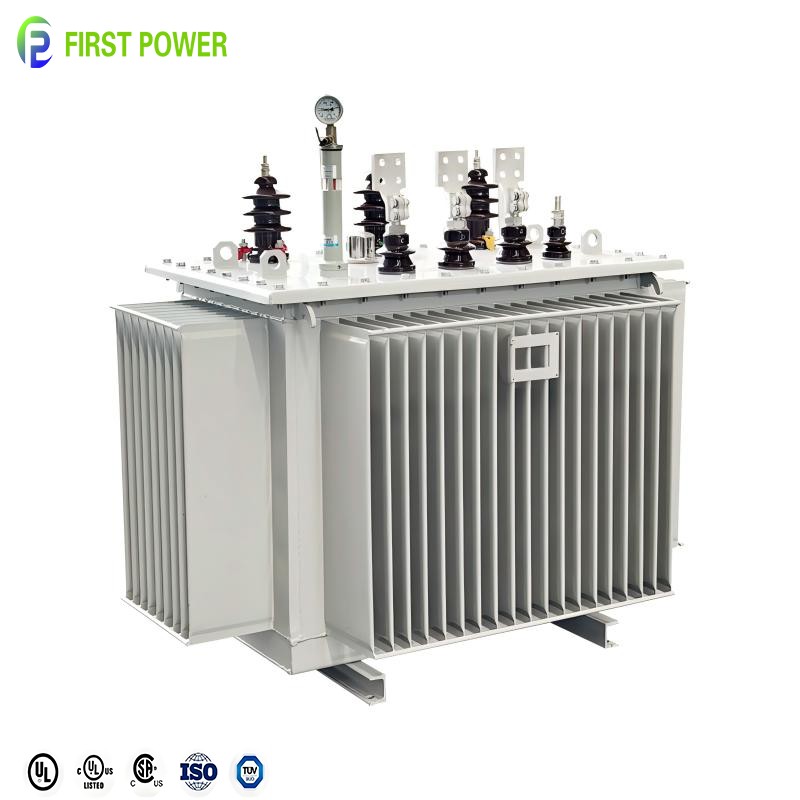
C CE 50/60HZ 100KVA 300KVA 500KVA 630KVA 1000KVA 10KV 20KV 35KV 3 Phase Oil Immersed Power Transformer for Power Supplies
For industrial power supplies and distribution systems requiring higher capacity, controlled losses and robust oil-immersed construction.
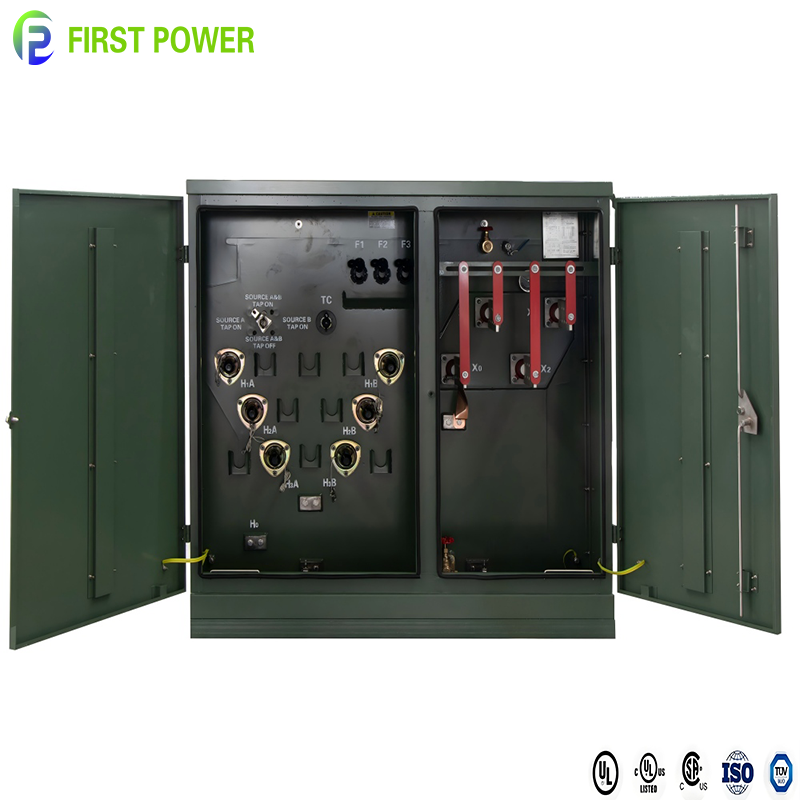
Listed C CE MV&HV 50/60HZ 6KV 10KV 15KV 20KV 35KV 3 Phase Pad Mounted Transformer Electrical for Industrial Power Supply
Suited to industrial power supply projects that need medium- or high-voltage pad-mounted equipment with tested, export-ready documentation.
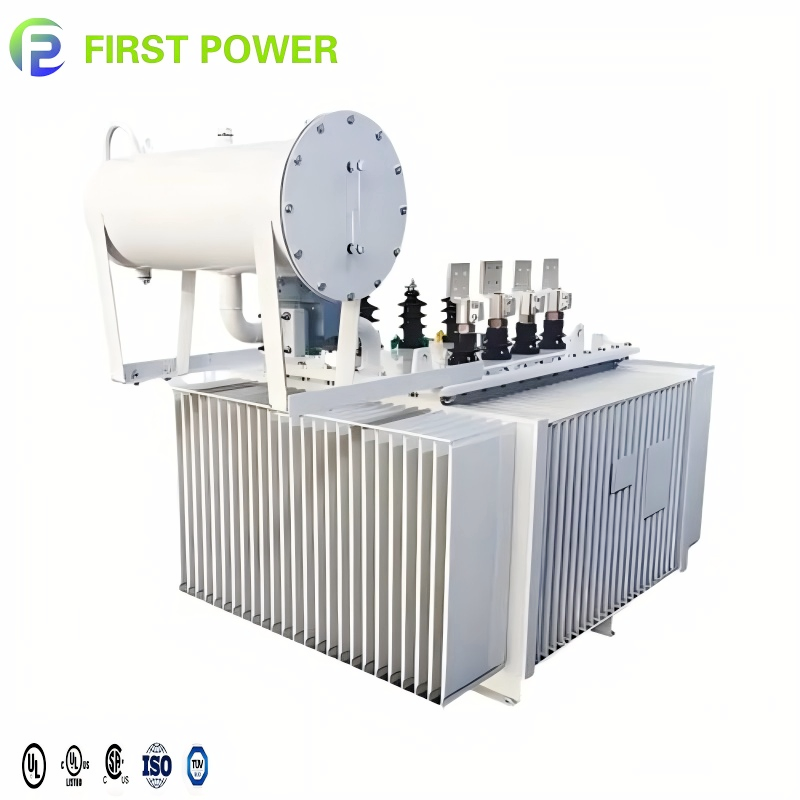
C CE 10KV 20KV 35KV 1000KVA 2000KVA 2500KVA 3 Phase Oil Type on Load Tap Changer Transformer for Industrial Power Supply
For industrial networks where voltage regulation under changing load is important and on-load tap changing is specified.
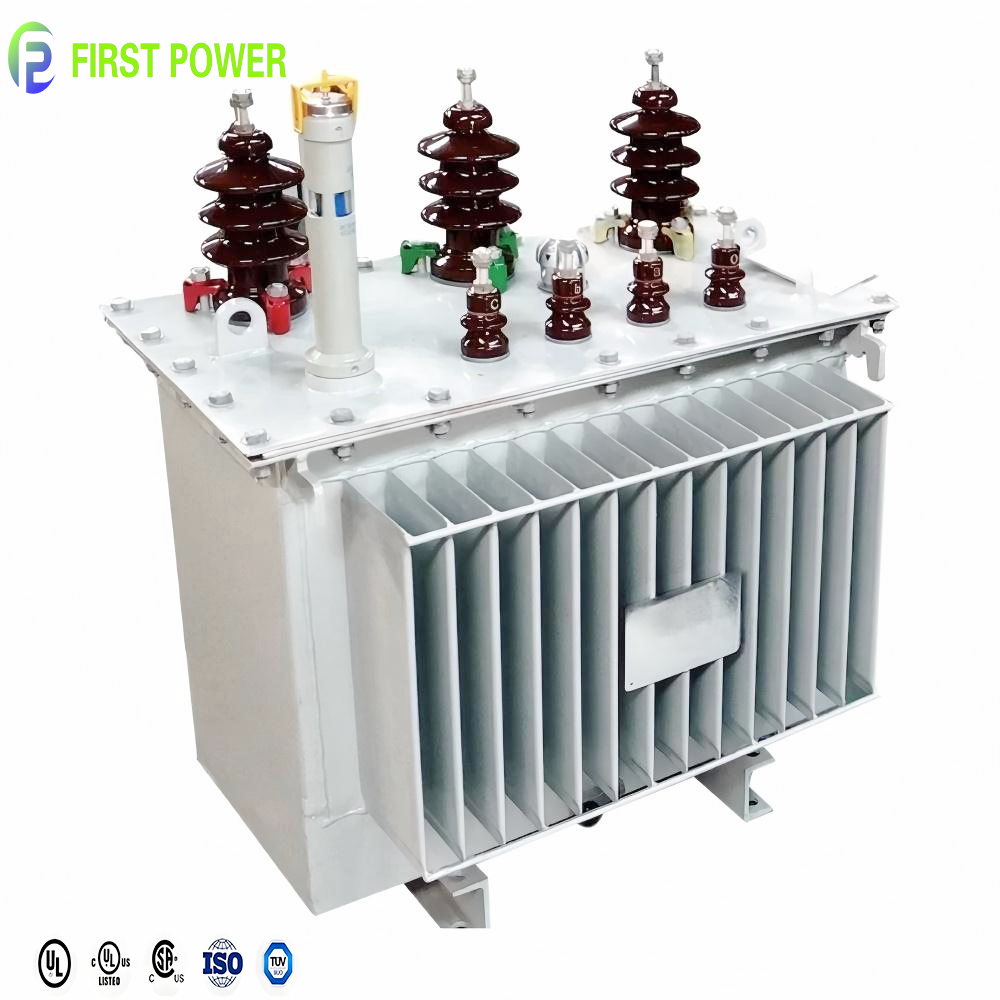
C CE 10KV 20KV 35KV 50KVA 100KVA 200KVA 300KVA 400KVA 500KVA Electric Oil Immersed Transformer for Industrial Power Supply
A compact oil-immersed range for industrial power supply, commercial buildings and distribution networks with moderate capacity needs.
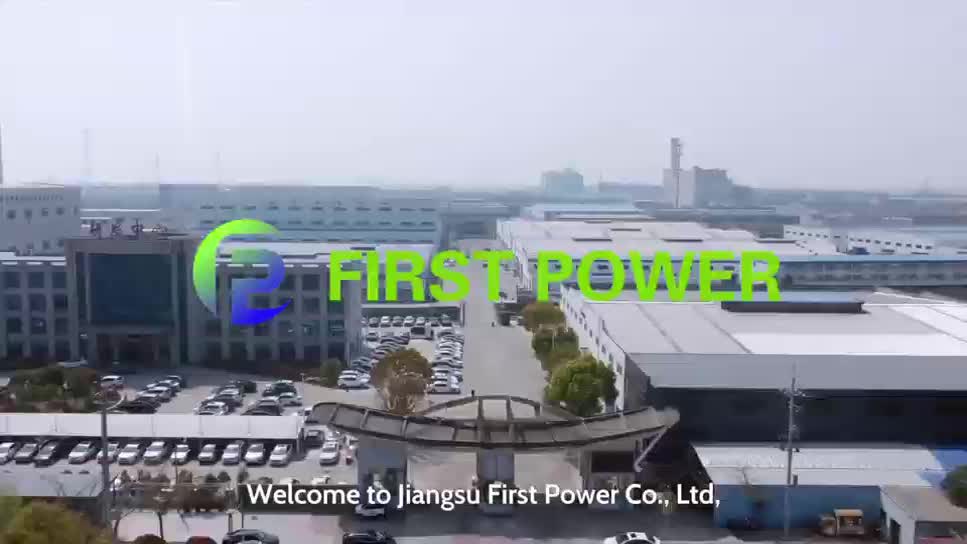
Why Wisegj Is Positioned as a Lower-Risk China Transformer Partner
Jiangsu Wisegj Power Co., Ltd. is a Suzhou-based manufacturer and exporter of power transformers, distribution transformers, pad-mounted transformers, dry-type transformers, compact substations, switchgear, distribution boxes and voltage stabilizers. The broader portfolio covers equipment from 220 V up to 500 kV, with designs aligned to IEC and ANSI/IEEE requirements depending on the destination market.
The commercial value for a buyer is not simply product breadth. It is the combination of engineering review before quotation, documented production control, routine testing before shipment and export experience across multiple grid codes. For wholesale buyers, this repeatability matters because every future order should match the approved drawing, nameplate and test record.
- More than 20 years of team experience in transformer engineering and supply.
- 6,847 m² production floorspace verified by TÜV Rheinland third-party inspection.
- 50+ R&D and technical engineers supporting specification review and customization.
- ISO 9001, ISO 14001 and ISO 45001 management systems, plus CE-certified product lines.
- OEM, ODM, design-based and sample-based customization for wholesale and project supply.
- 24-hour pre-sale and after-sale response for technical and export questions.
- Routine test reports, GA drawings, nameplate drafts and O&M documentation in English.
- Export support covering FOB, CFR, CIF, EXW, FCA, CIP, CPT and DDP terms.
An Eight-Point Checklist for Vetting China Pole Mount Transformer Wholesalers
Use this checklist during supplier pre-qualification, tender clarification or factory audit preparation.
Common Questions About Sourcing Transformers From China
Answers written for procurement teams evaluating pole-mounted, pad-mounted, oil-immersed and compact substation equipment.
What is a pole mount transformer and where is it normally used?
How do I choose between pole-mounted, pad-mounted and oil-immersed transformers?
Which standards should a China pole mount transformer supplier follow?
What should be included in the routine test report?
Can the transformer be customized for my project or wholesale program?
What trade terms and payment methods are common for export orders?
How can I reduce quality risk when buying from a Chinese wholesaler?
Are low-loss and environmentally preferred transformer options available?
Request a Compliant Transformer Quotation for Your Project
Send your rated power, primary and secondary voltage, frequency, vector group, impedance, tap range, cooling method, applicable standard and site conditions. The engineering team can review the specification and recommend a practical transformer or compact substation configuration.
Get a Quote