8 Engineered Transformer Options for Indoor, Distribution and Renewable Projects
Buyers searching for a top China indoor power transformer factory are not simply comparing kVA and price. They are comparing factory evidence, loss performance, fire safety, test documentation and project support. The eight configurations below cover the most common medium-voltage distribution, dry-type indoor, pad-mounted and renewable applications requested by utilities, EPC contractors, data center teams and industrial buyers.
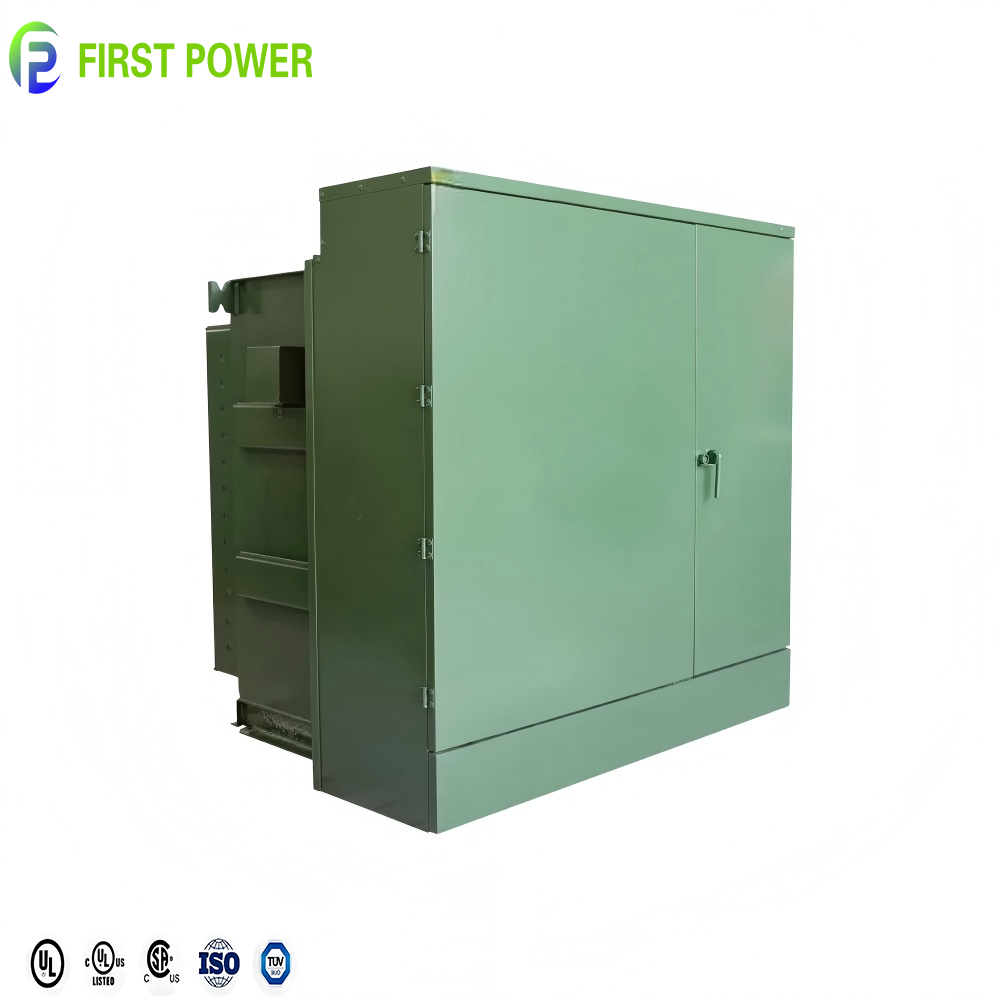
C CE 50/60HZ 10KV 20KV 35KV 300KVA 500KVA 630KVA 750KVA Three Phase Pad Mounted Transformer for Electric Power Distribution
For commercial, campus and utility distribution nodes that need underground cable feed, tamper-resistant enclosure design and predictable loss performance. Ratings, vector group, impedance and finish can be configured to project specifications.
View product details →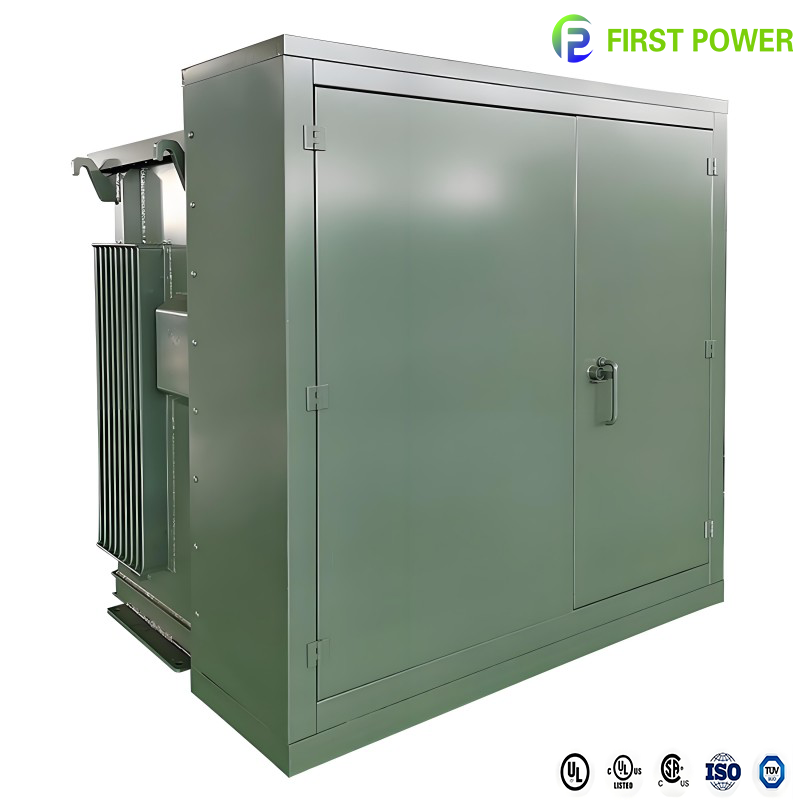
C CE MV&HV ZGS11 75-2500KVA 10KV 20KV 35KV Pad Mounted Three Phase Transformer for Electric Power Distribution
A high-capacity ZGS11 platform for municipal distribution, industrial parks and underground loop networks where compact footprint and service accessibility matter. Suitable for projects requiring coordinated MV termination and enclosure engineering.
View product details →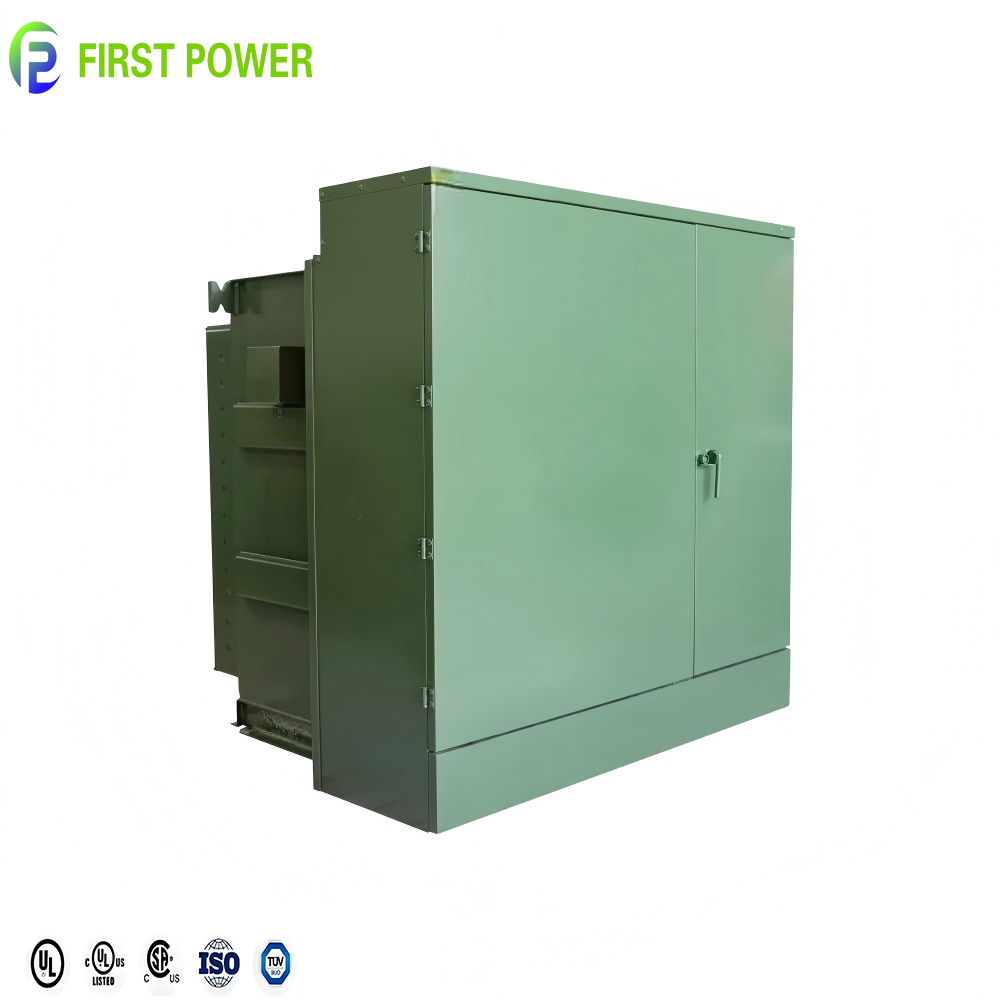
C CE MV&HV 50/60HZ 750KVA 1250KVA 1500KVA 2000KVA 2500KVA 3 Phase Pad Mounted Transformer for Industrial Power Supply
Built for manufacturing plants, logistics hubs and data-center infrastructure where short-circuit strength, cooling margin and maintainability are critical. The design can be adapted for high ambient temperature, harmonic loads and future capacity expansion.
View product details →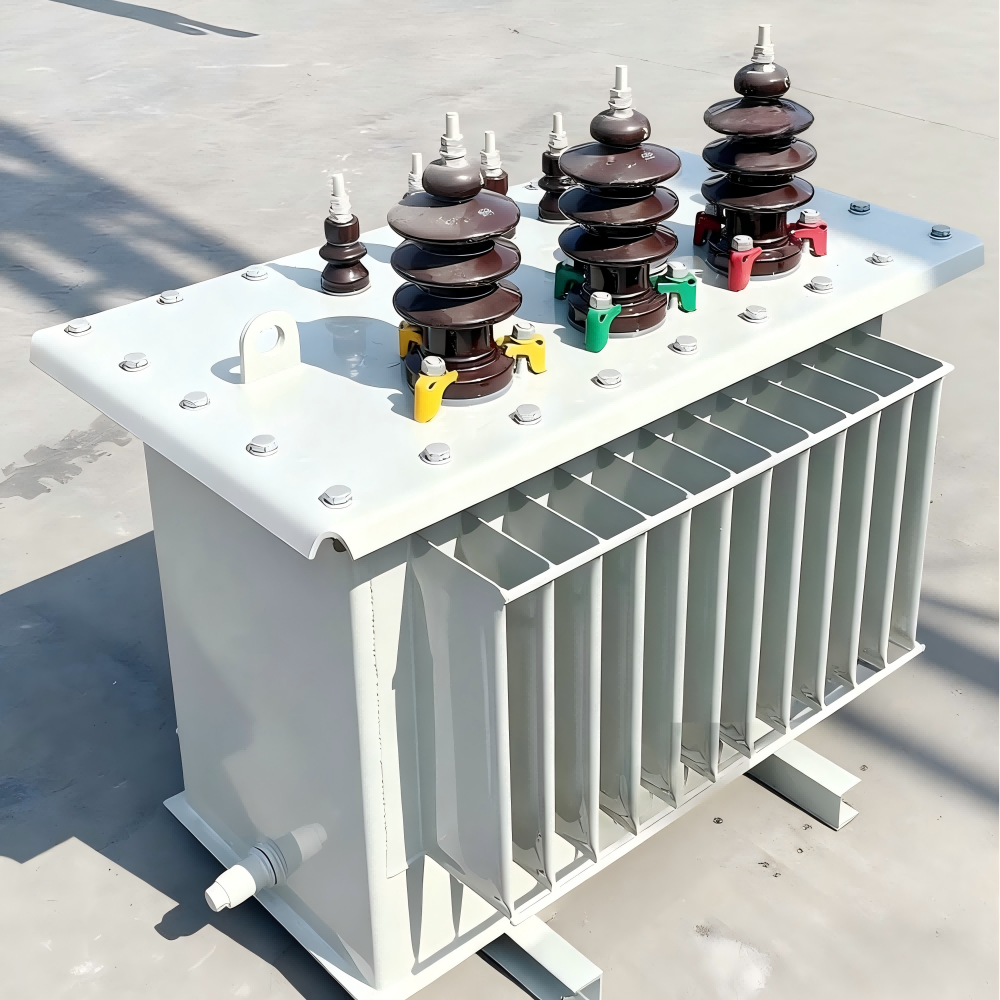
C CE MV&HV 30-31500KVA 6KV 10KV 15KV 20KV 35KV S11 Three Phase Oil Transformer for Electric Power Distribution
A broad oil-immersed distribution platform for utility networks, industrial plants and regional substations. CRGO core options, low-loss design, Dyn11 or project-specific vector groups, and routine test reports support specification compliance.
View product details →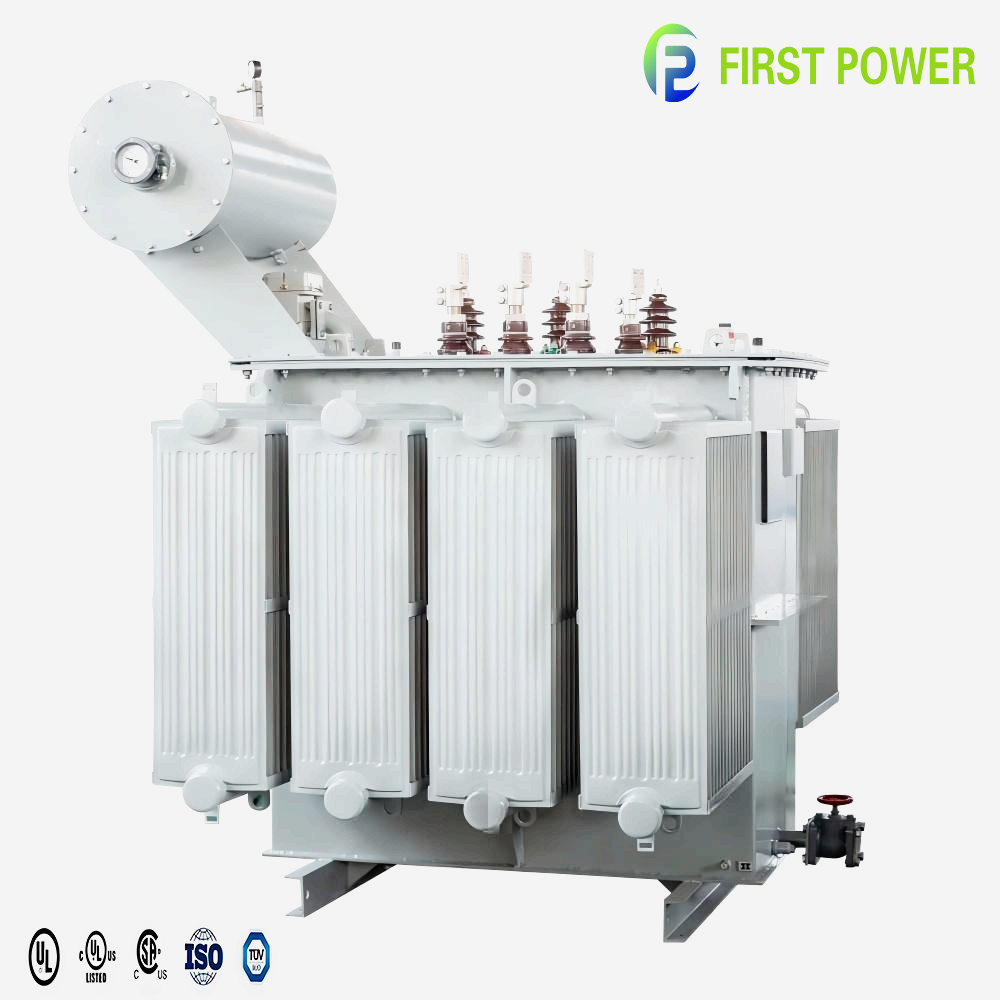
/C Certification 50/60HZ 6KV 10KV 20KV 35KV Three Phase 1000KVA 1MW Solar PV Transformers Oil Immersed for Power Generation
Designed for inverter step-up stations and renewable generation collection systems. Engineering review can address cyclic loading, harmonics, high ambient conditions and coordination with MV switchgear for smoother grid interconnection.
View product details →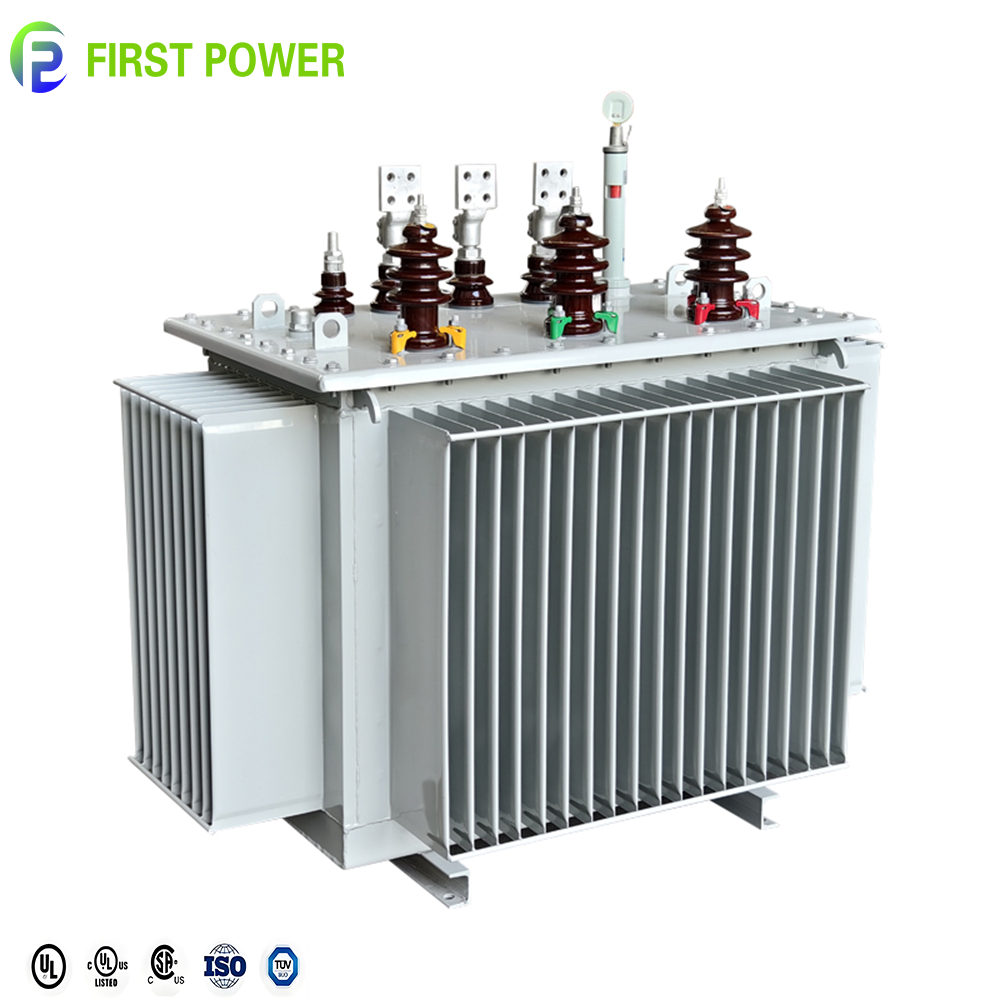
C CE 50/60HZ 6KV 10KV 15KV 20KV 35KV 100KVA 200KVA 300KVA 500KVA 220V Output Voltage Step up Oil Transformer for Industrial
An industrial step-up solution for generators, production lines and auxiliary power systems. Tap range, bushings, impedance, cooling method and enclosure details can be aligned with site conditions and local installation practice.
View product details →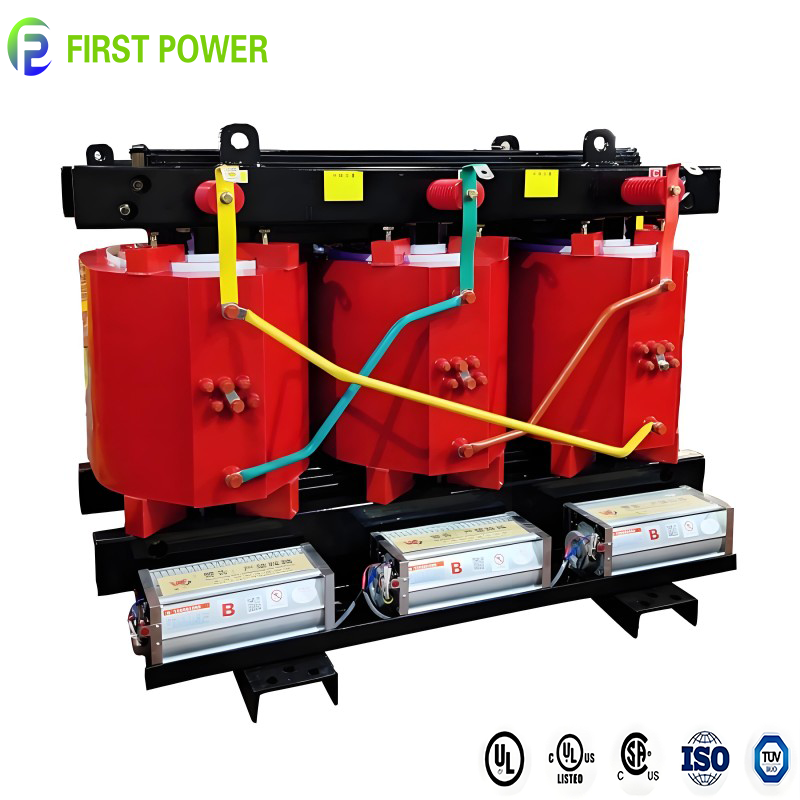
C CE Certification IEEE Standard 50/60HZ 5MVA 6MVA 6KV 35KV 3 Phase Dry Type Transformer for Electric Power Distribution
A cast-resin dry-type option for indoor electrical rooms, hospitals, high-rise buildings, tunnels and fire-sensitive facilities. Oil-free construction, low smoke contribution and clean installation make it a strong fit for urban and commercial projects.
View product details →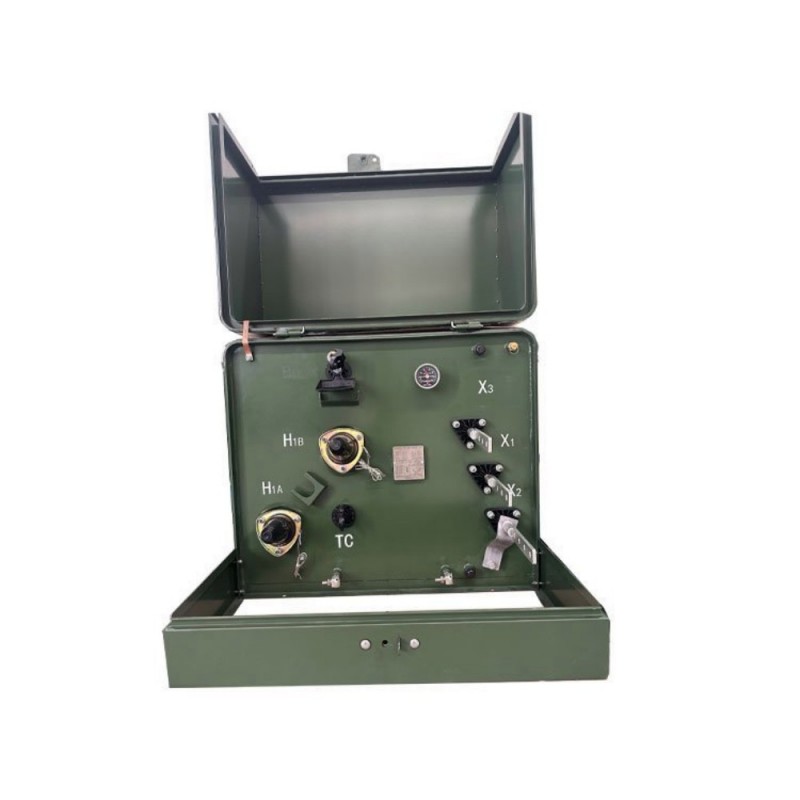
/C Certification 6KV 10KV 13KV 20KV 34.5KV 50/60HZ Oil Type Single Phase 75KVA Pad Mounted Transformers
For residential subdivisions, rural underground loops and light commercial loads where single-phase service is preferred. Multi-voltage primary options help utilities and distributors standardize inventory across regional networks.
View product details →Why Indoor Power Transformer Procurement Has Become a Board-Level Decision
The transformer is no longer treated as a commodity item purchased late in a construction schedule. It now sits at the intersection of grid reliability, fire safety, energy efficiency, carbon reporting and project finance.
For commercial buildings, data centers, hospitals, metro systems, manufacturing plants and renewable energy projects, the choice of an indoor power transformer affects much more than the electrical room layout. It influences insurance review, thermal comfort in the building, short-circuit coordination, spare-parts strategy, maintenance access and the total cost of ownership across a 20- to 30-year service life. A buyer who selects a China indoor power transformer supplier purely on the lowest quotation may later discover that documentation, loss performance and test evidence are not comparable to a more carefully qualified factory.
A practical lifecycle cost model should include the purchase price, transportation, installation, no-load loss cost, load-loss cost, cooling energy, maintenance, downtime risk, spare parts and end-of-life disposal. In markets with high electricity prices or high utilization rates, even a small efficiency difference can outweigh a visible price gap over the life of the unit. That is why experienced procurement teams ask for guaranteed losses, test reports and a clear loss-capitalization method before they compare offers.
The same logic applies to indoor safety. An oil-immersed transformer can be an excellent solution for many outdoor or well-separated installations, but an indoor electrical room may require a dry-type or cast-resin transformer depending on local fire codes, ventilation, occupancy and insurance conditions. A reliable China transformer factory should not simply quote a product; it should help the buyer match the transformer type, insulation system, IP rating, cooling method and enclosure design to the actual installation environment.
Check production floorspace, test equipment, certificate numbers, third-party inspection records and serial-number test reports before treating a supplier as a factory.
Transformer type, insulation class, ventilation, fire separation, cable termination and protection coordination must be reviewed together, not purchased as isolated items.
Use the buyer’s energy cost, load profile and discount rate to capitalize no-load and load losses. A generic efficiency claim is not a substitute for calculated lifecycle cost.
GA drawings, nameplate drafts, routine test reports, oil test records, packing lists and O&M manuals should be confirmed before shipment, not after site delivery.
Enterprise Advantages Backed by Auditable Data
Jiangsu Wisegj Power Co., Ltd. combines a specialist transformer production base in Suzhou with export documentation, engineering support and third-party verification. These figures help procurement teams evaluate fit before an inquiry is issued.
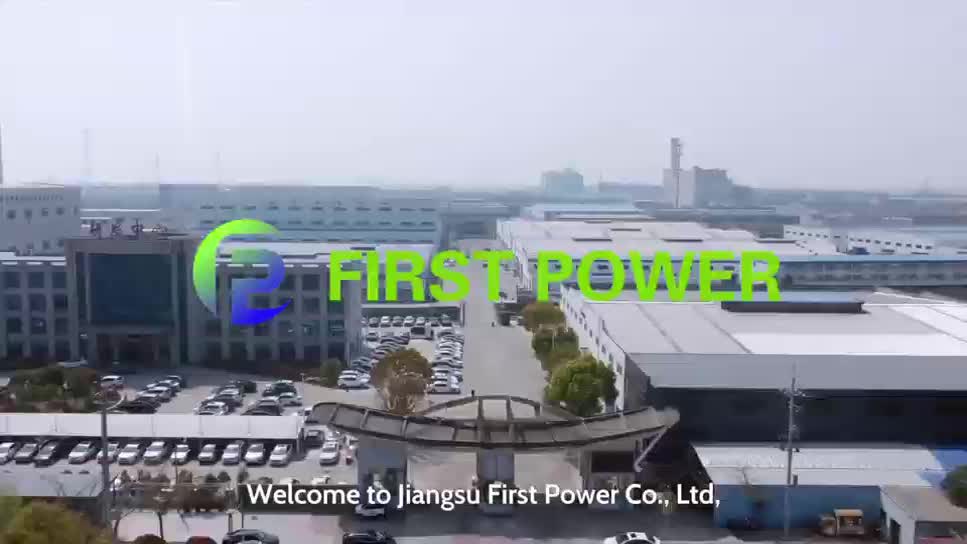
A Specialist Transformer Factory in Suzhou, China — Auditable, Not Just Advertised
Jiangsu Wisegj Power Co., Ltd. designs, assembles and exports medium- and high-voltage equipment from 220 V up to 500 kV, including power transformers, distribution transformers, pad-mounted transformers, dry-type transformers, compact substations, switchgear, distribution boxes and voltage stabilizers. The company serves utilities, EPC contractors, industrial buyers and renewable energy developers across the Americas, Europe, Africa, the Middle East and Asia.
For buyers sourcing an indoor power transformer from China, the difference between a trading intermediary and an engineering-led factory becomes visible during drawing review, material traceability, routine testing and after-sales response. Wisegj’s team brings more than 20 years of hands-on transformer experience, supported by more than 50 R&D and technical engineers, documented quality control and export project support. Production capability, floorspace and inspection processes have been verified onsite by TÜV Rheinland, an independent third-party inspection body.
- Own production base with industry certificates
- ISO 9001, ISO 14001 and ISO 45001 systems
- CE certificates for multiple transformer families
- OEM, ODM, design-based and sample-based customization
- Finished-product inspection on every unit
- 24-hour pre-sale and after-sale engineering response
Verified Factory Capacity
6,847 m² inspected floorspace with winding, core assembly, drying, tanking, testing and packing areas for medium- and high-voltage transformer production.
In-House Routine Testing
Winding resistance, ratio and vector group, impedance and load loss, no-load loss and current, applied and induced voltage tests, plus oil dielectric testing for liquid-filled units.
Engineering Customization
Ratings, vector group, impedance, tap range, bushings, cooling method, insulating fluid, enclosure color and nameplate language can be adapted to utility or EPC specifications.
Certified Systems
ISO 9001, ISO 14001 and ISO 45001 management systems with certificate numbers available for compliance verification. CE certification covers multiple transformer and substation product lines.
Export Logistics
Seaworthy packing, shock and tilt indicators where required, and Incoterms coverage from EXW and FCA to CIF, CIP and DDP depending on project needs.
Complete Documentation
GA drawings, nameplate drafts, routine test reports, oil test records, packing lists and English O&M manuals help buyers clear customs and commission with fewer clarification loops.
211 Supply Partners
A qualified supply chain for silicon steel, copper, bushings, tap changers and accessories supports stable lead times and consistent material selection.
24-Hour Engineer Response
Technical questions, drawing clarifications and after-sales issues receive a qualified response within one working day, helping projects avoid avoidable schedule slippage.
Inside a Transformer Factory That Can Be Audited
Quality is created before the final test. From incoming material inspection to core stacking, winding, drying, oil filling and routine testing, each stage should leave a traceable record that the buyer’s QA team can review.
 Factory Overview
 Assembly Workshop
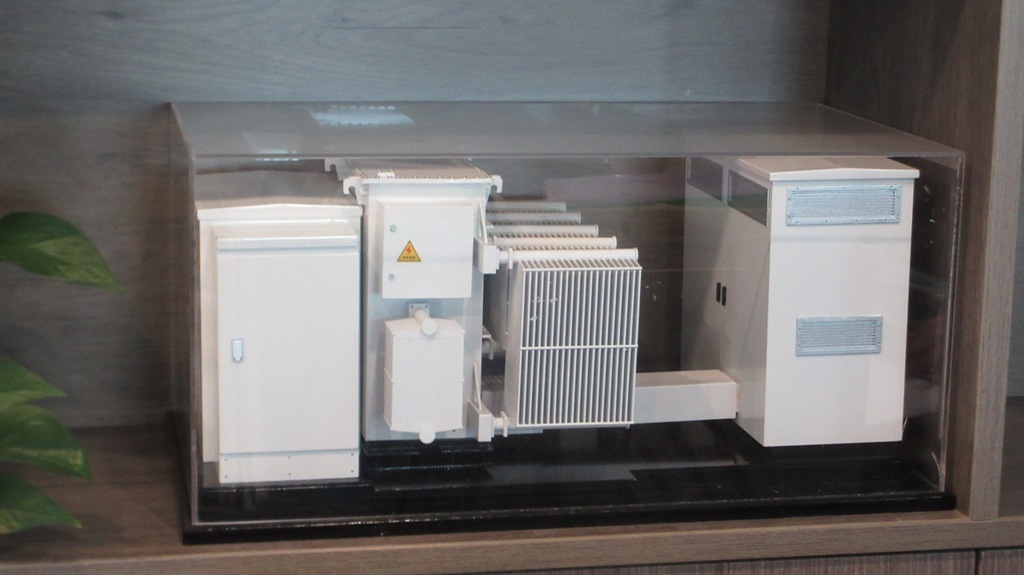 Core & Coil Assembly
 Precision Winding
Specification Review
Engineers check ratings, standards, altitude, ambient temperature, harmonic profile and site installation conditions before quotation.
Drawing Approval
GA drawing, nameplate draft and guaranteed losses are confirmed with the buyer to reduce scope gaps before production.
Controlled Production
Core, winding, drying, oil filling and tanking are completed under documented work instructions and in-process QC checkpoints.
Routine Testing
Each unit receives a test report. Third-party witness inspection can be arranged for utilities and EPC quality teams.
Packing & Shipping
Export crating, protection, markings and shipping documents are prepared according to the agreed Incoterms and destination requirements.
After-Sales Support
Commissioning documentation, spare-parts guidance and technical response help the buyer move from delivery to energization smoothly.
Certification Evidence for Compliance and Procurement Review
For cross-border transformer procurement, certificates and test records should be traceable. The documents below reflect the quality, environmental, safety and product-compliance framework behind the factory.
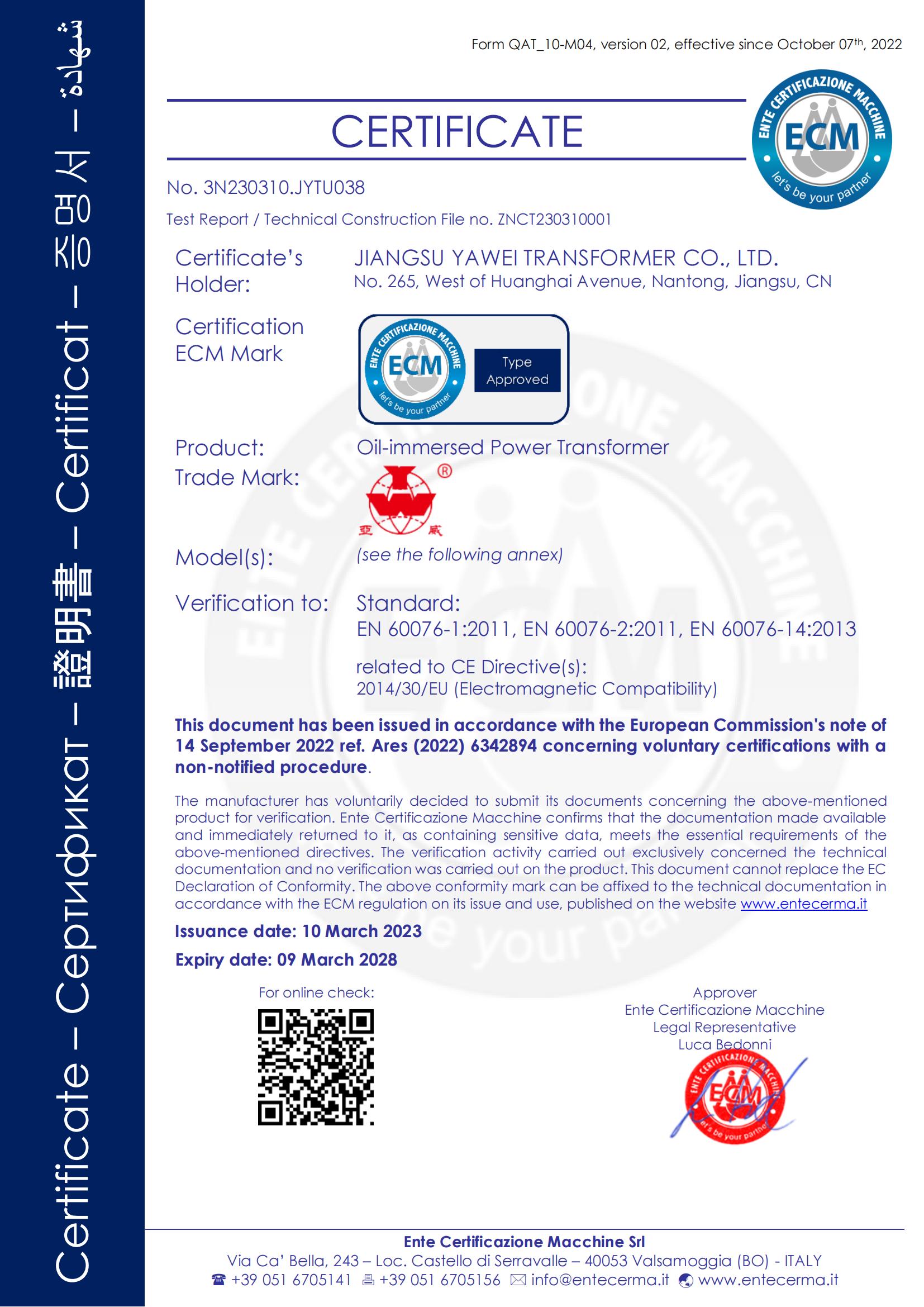
CE · Power Transformer
Oil-immersed power transformer · No. 3N230310.JYTU038 · 2023–2028
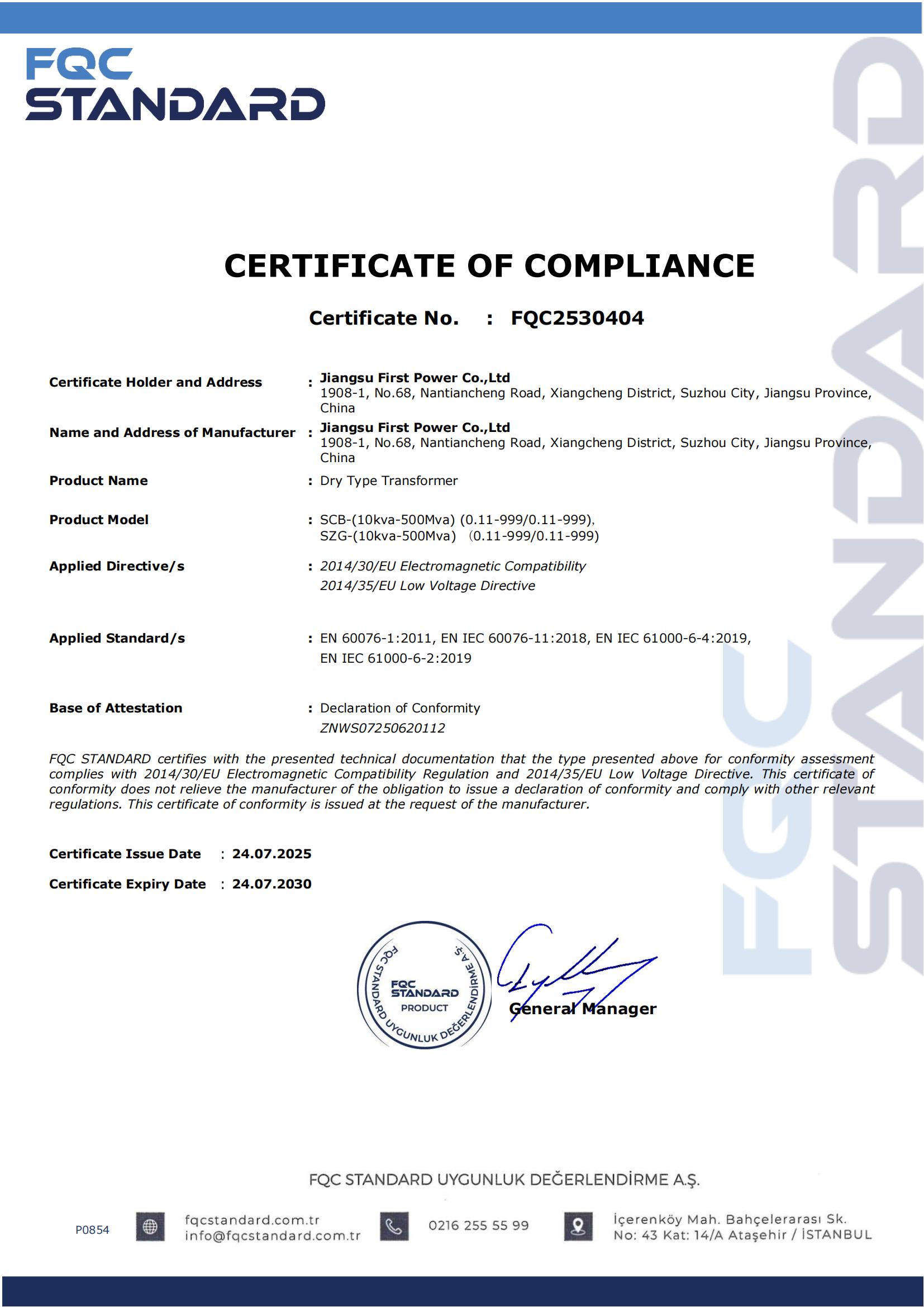
CE · Dry Type
Dry-type transformer · No. FQC2530404 · 2025–2030
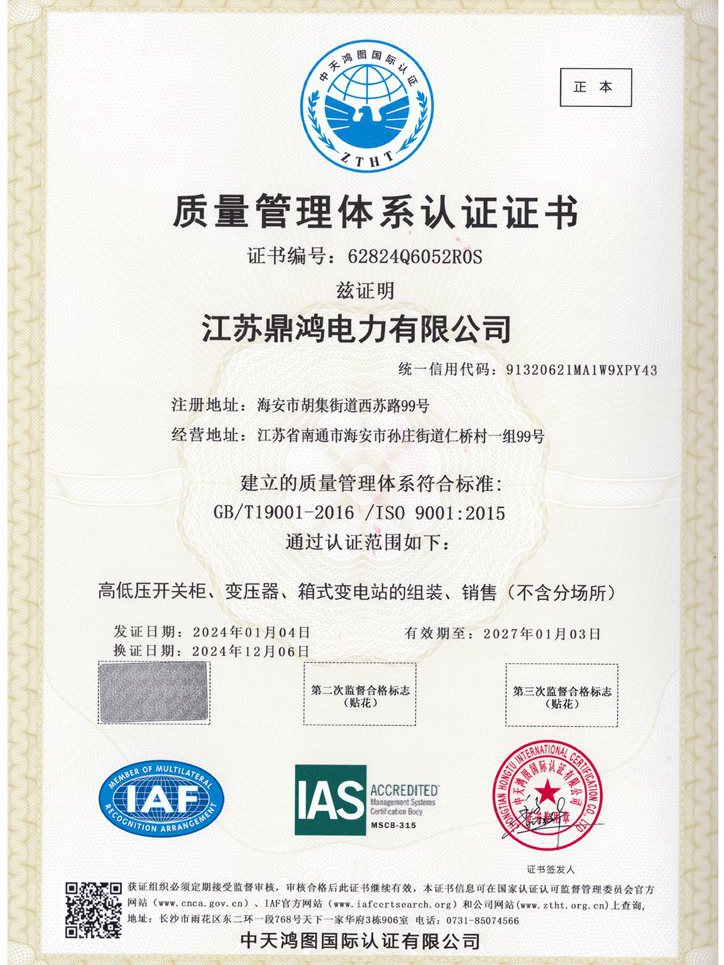
ISO 9001
Quality management system · No. 62824Q6052R0S · 2024–2027
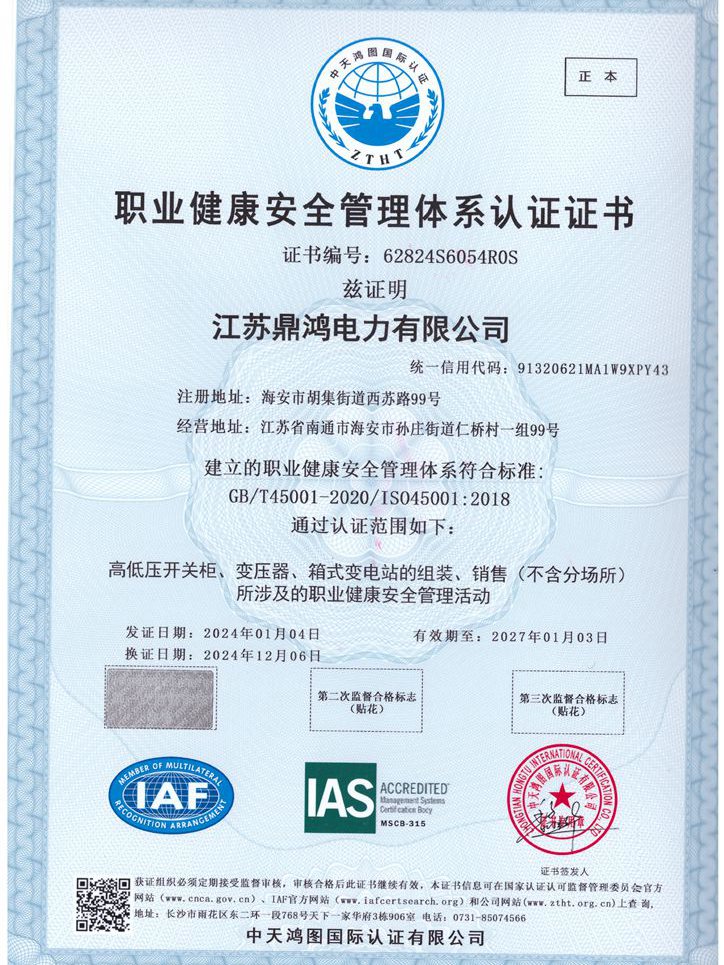
ISO 45001
Occupational health and safety management · No. 62824S6054R0S · 2024–2027
Transformer Technology Trends Shaping the Next Procurement Cycle
Indoor power transformer design is moving toward lower losses, higher fire safety, better digital visibility and faster integration with prefabricated substations. Buyers who understand these trends can specify future-ready equipment instead of repeating legacy assumptions.
Low-Loss Cores and Higher Efficiency
CRGO and amorphous-core options continue to gain attention where electricity costs are high and efficiency standards are tightening. The buying decision increasingly includes calculated no-load and load-loss capitalization, not just nameplate efficiency. Buyers should request guaranteed losses and test evidence for each design.
Fire-Safe Insulation and Ester Fluids
Indoor and urban installations are pushing demand for dry-type cast-resin units and, where oil is acceptable, natural ester fluids with higher fire points. Specification teams are reviewing insulation class, smoke behavior, ventilation and local fire code compliance as one package.
Digital Condition Monitoring
Temperature sensors, dissolved-gas monitoring, partial-discharge indicators and remote terminal blocks are increasingly requested for critical facilities. The goal is not to add complexity, but to provide maintenance teams with early warning of thermal or insulation stress before downtime occurs.
Compact Substations and Prefabrication
Factory-assembled compact substations reduce site labor, cable interfaces and commissioning risk. For urban networks, renewables and temporary power, a fully tested enclosure containing MV switchgear, transformer and LV distribution can shorten the project schedule significantly.
Modular Dry-Type Solutions for Urban Loads
Data centers, EV charging hubs, hospitals and high-rise buildings need compact, oil-free transformer rooms with predictable heat rejection. Modular dry-type designs with improved airflow and enclosure planning are becoming easier to integrate into space-constrained buildings.
Lifecycle Data and Circularity
Procurement teams increasingly ask for material composition, recyclability, loss data and maintenance intervals to support ESG reporting. A factory that can supply structured documentation and consistent spare-parts guidance becomes easier to qualify for long-term framework agreements.
How Transformer Buyers Will Compare China Suppliers in the Next Buying Cycle
Price remains important, but it is being evaluated alongside lifecycle energy cost, compliance evidence, delivery resilience and engineering responsiveness. The following procurement shifts are already visible in utility, data-center and renewable project tenders.
Total Cost of Ownership Over Lowest Price
Buyers are using loss capitalization, maintenance cost and downtime risk to compare offers. A transformer with a modestly higher purchase price can be the lower-cost choice when its guaranteed losses and thermal margin are stronger.
Localized Compliance and Dual Standards
Projects increasingly require IEC, ANSI/IEEE, CE or local grid-code alignment in the same qualification package. Suppliers must show they can translate standards into drawings, testing and nameplate data without ambiguity.
Factory Audit and Digital Documentation
Procurement teams are requesting video audits, certificate numbers, serial-number test reports and drawing approval workflows before releasing purchase orders. Transparent documentation reduces the risk of receiving equipment that is difficult to commission.
Lead-Time Resilience and Prefabrication
Fast-track projects favor suppliers that can coordinate transformer production with switchgear, enclosure and shipping schedules. Prefabricated compact substations and early drawing approval help reduce site delay and rework.
How to Shortlist the Right Transformer Type Before You Request a Quote
Use this comparison as an early-stage filter. Final selection still depends on local code, fire strategy, load profile, harmonic study, short-circuit level, altitude, ambient temperature and maintenance access.
| Transformer Type | Typical Rating | Installation Fit | Best Application | Key Procurement Checks |
|---|---|---|---|---|
| Dry-Type / Cast-Resin | 30 – 2,500 kVA, up to 35 kV | Indoor electrical rooms, basements, high-rise buildings | Hospitals, data centers, commercial buildings, tunnels, fire-sensitive areas | Insulation class, IP rating, ventilation, temperature rise, noise, fire code compliance |
| Oil-Immersed Distribution | 30 – 2,500 kVA, 6 – 35 kV | Outdoor platform, pole or substation | Utility distribution, industrial plants, mines, regional networks | Loss guarantees, oil type, sealing, vector group, tap range, oil test report |
| Three-Phase Pad Mounted | 45 – 5,000 kVA, up to 34.5 kV | Outdoor ground pad with underground cable feed | Commercial sites, solar farms, campuses, data centers, municipal networks | Loop or radial feed, enclosure security, dead-front design, finish, cable termination |
| Single-Phase Pad Mounted | 10 – 250 kVA | Residential easements and underground loops | Housing developments, rural distribution, light commercial loads | Primary voltage options, bayonet fuse, enclosure height, inventory standardization |
| Power Transformer | 35 – 500 kV class | Outdoor substation | Transmission, generation step-up, grid interconnection | Impedance, cooling, OLTC/NLTC, short-circuit strength, transport and erection planning |
| Compact Substation | 100 – 2,500 kVA, 10 – 35 kV | Prefabricated outdoor enclosure | Renewables, urban networks, temporary power, fast-track projects | MV switchgear, transformer integration, LV distribution, enclosure IP, factory testing |
Ranges shown are typical production ranges. Ratings outside these values can be engineered on request. For an indoor project, always confirm transformer type with the fire strategy, ventilation design and local authority before fixing the electrical room layout.
Frequently Asked Questions Before Ordering From a China Transformer Factory
These are the practical questions procurement teams, EPC contractors and utility engineers ask during supplier qualification. Clear answers early in the process reduce later drawing revisions and shipment delays.
What is an indoor power transformer, and which type should I choose?
An indoor power transformer is a transformer installed inside a building, basement, electrical room or enclosure where fire safety, ventilation and maintenance access must be coordinated with the building design. Dry-type or cast-resin transformers are commonly selected for indoor use because they are oil-free and reduce fire-load concerns. Oil-immersed units may still be permitted in some indoor or separated rooms when local codes, fire separation and ventilation allow it. The correct choice depends on local regulations, load, voltage, ambient conditions and insurance requirements.
Can you manufacture transformers to IEC and ANSI/IEEE standards?
Yes. Product designs can be aligned to IEC 60076 series standards or ANSI/IEEE C57.12 series standards depending on the destination market and buyer specification. CE certification, ISO management systems and routine test documentation support compliance review. For projects requiring dual-standard comparison, our engineers can clarify which test, loss, temperature-rise and nameplate requirements apply before quotation.
Which routine tests are performed before shipment?
Every unit receives routine tests that typically include winding resistance, voltage ratio and vector group, impedance and load loss, no-load loss and current, applied voltage withstand and induced voltage withstand. Liquid-filled transformers also require oil dielectric strength testing. Test reports are documented by serial number, and third-party witness inspection can be arranged when the buyer’s QA team requires it.
What technical data is needed for a fast and accurate quotation?
Provide rated power in kVA or MVA, primary and secondary voltage, frequency, vector group, impedance, tap changer type and range, cooling method, insulating fluid preference, applicable standard, site altitude, ambient temperature range, loss limits or efficiency target, and any enclosure or cable termination requirements. A single-line diagram, tender specification or existing nameplate photo can also speed up review.
How long is production lead time for an indoor or distribution transformer?
Lead time depends on rating, customization, material availability, test requirements and factory loading. Standard distribution units commonly move through drawing approval, production and routine testing within a few weeks, while larger or highly customized projects require a project-specific schedule. The most reliable approach is to confirm the technical specification, drawing approval date and shipping plan before fixing site works around the delivery date.
Can you customize vector group, impedance, taps, fluid and enclosure?
Yes. OEM, ODM, design-based and sample-based customization are available. Typical customization includes ratings, vector group, impedance, tap range, bushing configuration, cooling method, mineral oil or natural ester fluid, enclosure color, protection accessories and nameplate language. The goal is to match the transformer to the project’s grid code, installation environment and maintenance strategy.
How do I verify that a China transformer factory is reliable?
Review the factory profile, production floorspace, certificate numbers, test equipment, sample test reports and third-party inspection records. Ask whether the supplier owns production or acts only as a trading company. Independent verification such as TÜV Rheinland, ISO certificates, CE certificates and customer references can support the assessment. A factory visit or video audit should cover winding, core assembly, drying, oil filling, testing and packing areas.
What are the MOQ and sample order options?
MOQ depends on transformer type, rating and customization level. Standard product configurations can be discussed for smaller trial orders, while highly customized units or framework projects may require a larger batch. Buyers should confirm whether drawing review, tooling, nameplate language and packaging requirements change the MOQ before placing a trial order.
What Incoterms, payment methods and after-sales support are available?
Trade terms can include EXW, FCA, FOB, CFR, CIF, CPT, CIP and DDP depending on the destination and project logistics plan. Payment methods commonly include T/T, L/C, D/P and D/A, subject to contract and country risk review. After-sales support includes documentation, technical response and commissioning guidance. The factory aims to provide a qualified response to technical and after-sales questions within one working day.
How are losses, noise and temperature rise controlled?
Loss, noise and temperature rise are controlled through core material selection, flux density, winding design, cooling method, tank or enclosure design and manufacturing tolerance. Buyers should specify guaranteed no-load and load losses, acceptable noise level and expected ambient conditions. Routine test reports should be compared with the guaranteed values before shipment, especially for projects with lifecycle cost evaluation or strict environmental limits.
Technical Data Checklist for a Faster, More Accurate Offer
Sharing these parameters allows the engineering team to return a compliant design, guaranteed losses and a clearer delivery plan without unnecessary clarification rounds.
- Rated power (kVA / MVA)
- Primary and secondary voltage
- Frequency (50 / 60 Hz)
- Vector group and impedance
- Tap changer type and range
- Cooling method and insulating fluid
- Applicable standard (IEC / IEEE)
- Site altitude and ambient range
- Loss limits or efficiency target
Send Your Indoor Power Transformer Specification for Engineer-Led Review
Share your datasheet, single-line diagram, tender document or existing nameplate photo. A transformer engineer — not a generic sales script — will review the requirement and respond within one working day with the next technical questions, drawing path and quotation route.