Top China Epoxy Resin Transformer Factory & Suppliers
A 2025 buyer’s guide to cast-resin dry-type transformers, factory verification, loss evaluation and qualified Chinese manufacturing — with practical product routes from Jiangsu Wisegj Power Co., Ltd.
What “Epoxy Resin Transformer” Really Means in a China Sourcing Project
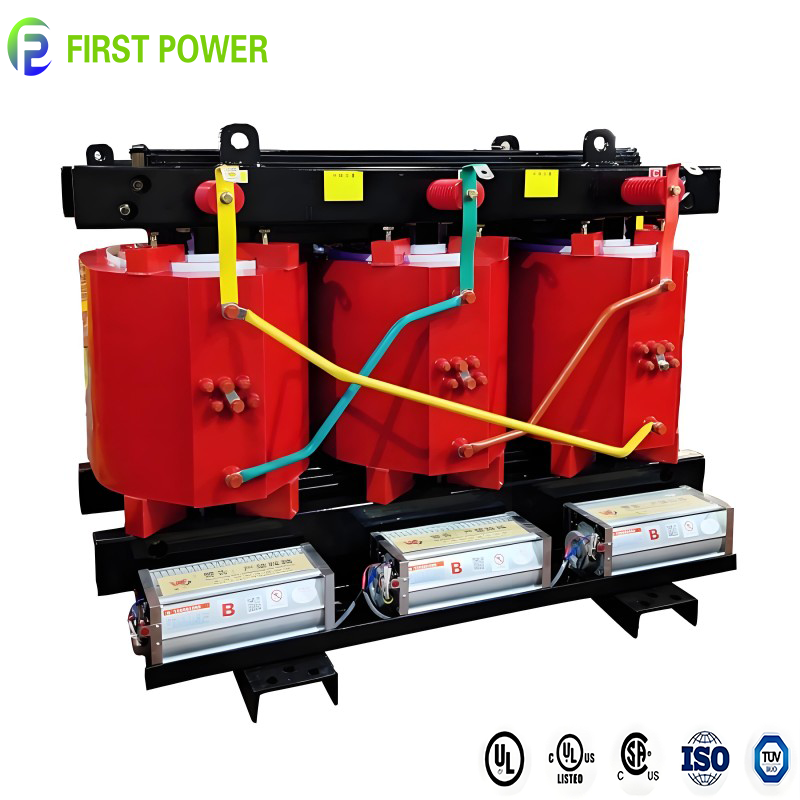
In international procurement, “epoxy resin transformer” normally describes a cast-resin dry-type transformer whose windings are encapsulated in epoxy resin. The construction is chosen when oil-free fire safety, indoor installation, low maintenance and environmental tolerance matter more than the lowest first cost. It is common in hospitals, data centers, metro stations, commercial towers, renewable-energy plants and industrial cleanrooms.
Serious buyers should not stop at the label. Two suppliers can both quote an “epoxy resin transformer” while offering different temperature-rise classes, partial-discharge limits, core grades, winding material, enclosure protection and test scope. The real comparison is the guaranteed loss figure, the routine test report, the applicable standard and the factory’s ability to repeat the design across multiple units.
The information gain in this guide is not another list of suppliers. It is a procurement framework: how to match the right transformer platform to the load, how to audit a China factory, what the 2025–2030 buying trends mean for total cost of ownership, and where Wisegj’s verified manufacturing system fits into that decision. A competitive quote is not the same as a compliant design.
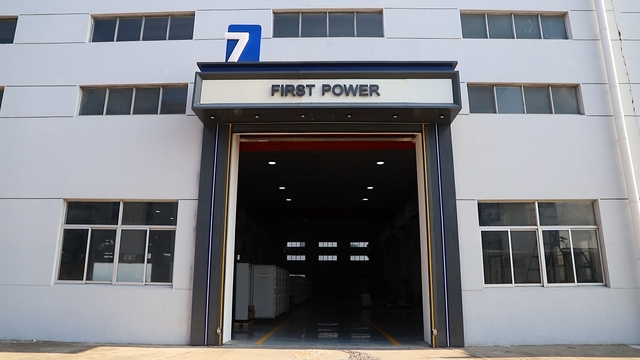 Jiangsu Wisegj Power · Suzhou, China
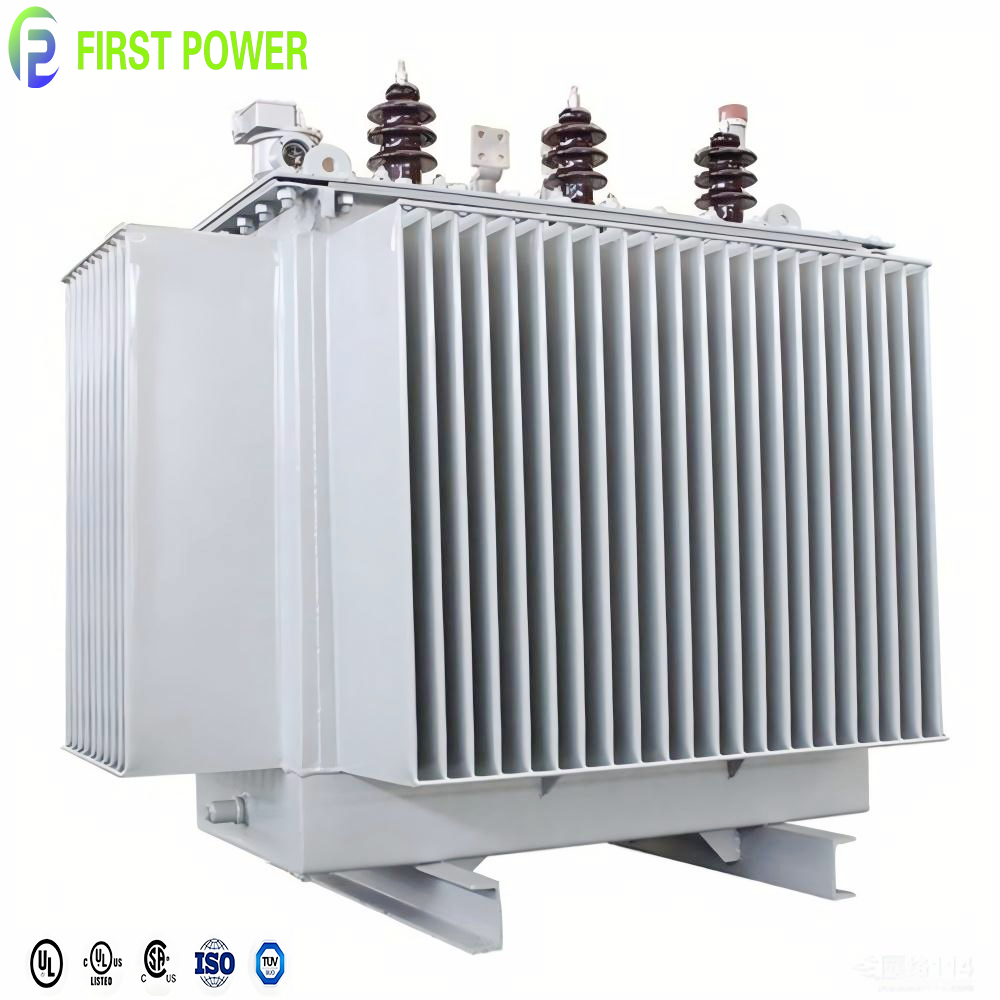
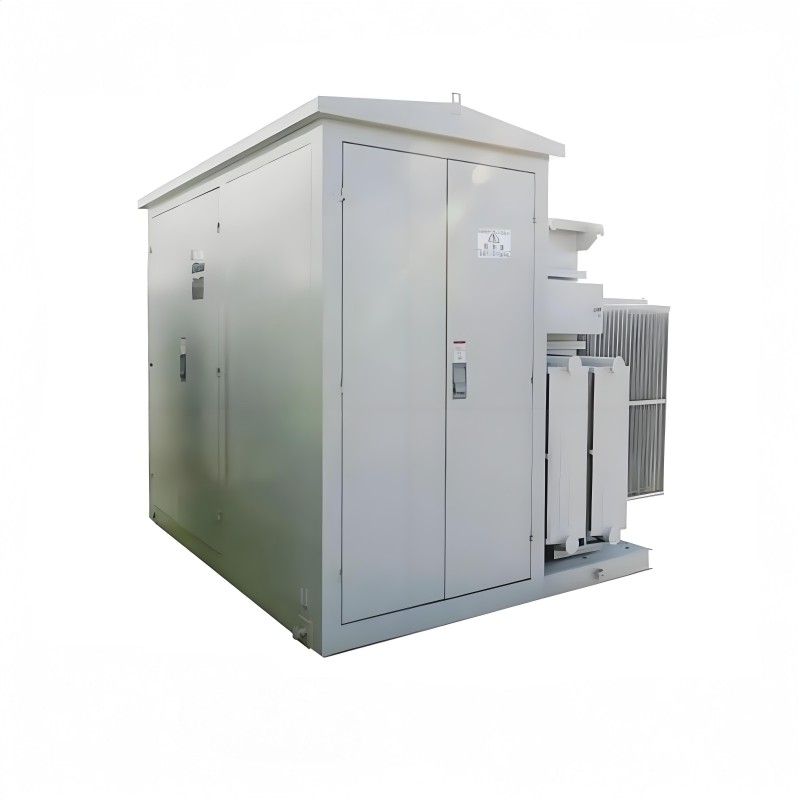
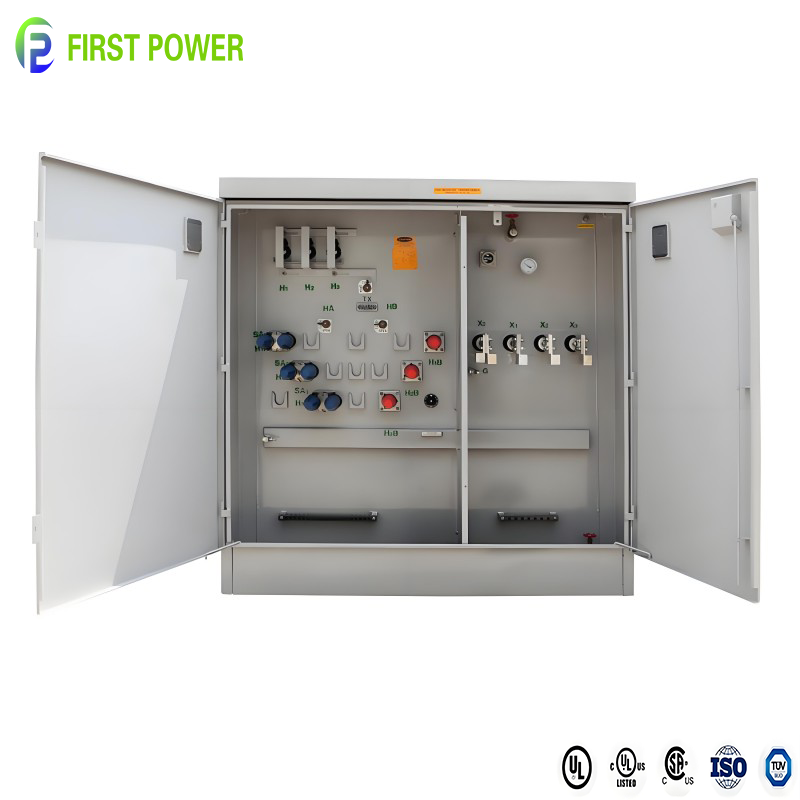
Eight Transformer Platforms to Shortlist Before You Request a Quote
The product platforms below are the adjacent factory range buyers review when an epoxy resin dry-type transformer is part of a broader distribution or substation package. Every destination URL is preserved; specifications can be customized by rating, vector group, impedance, cooling, enclosure and market standard.
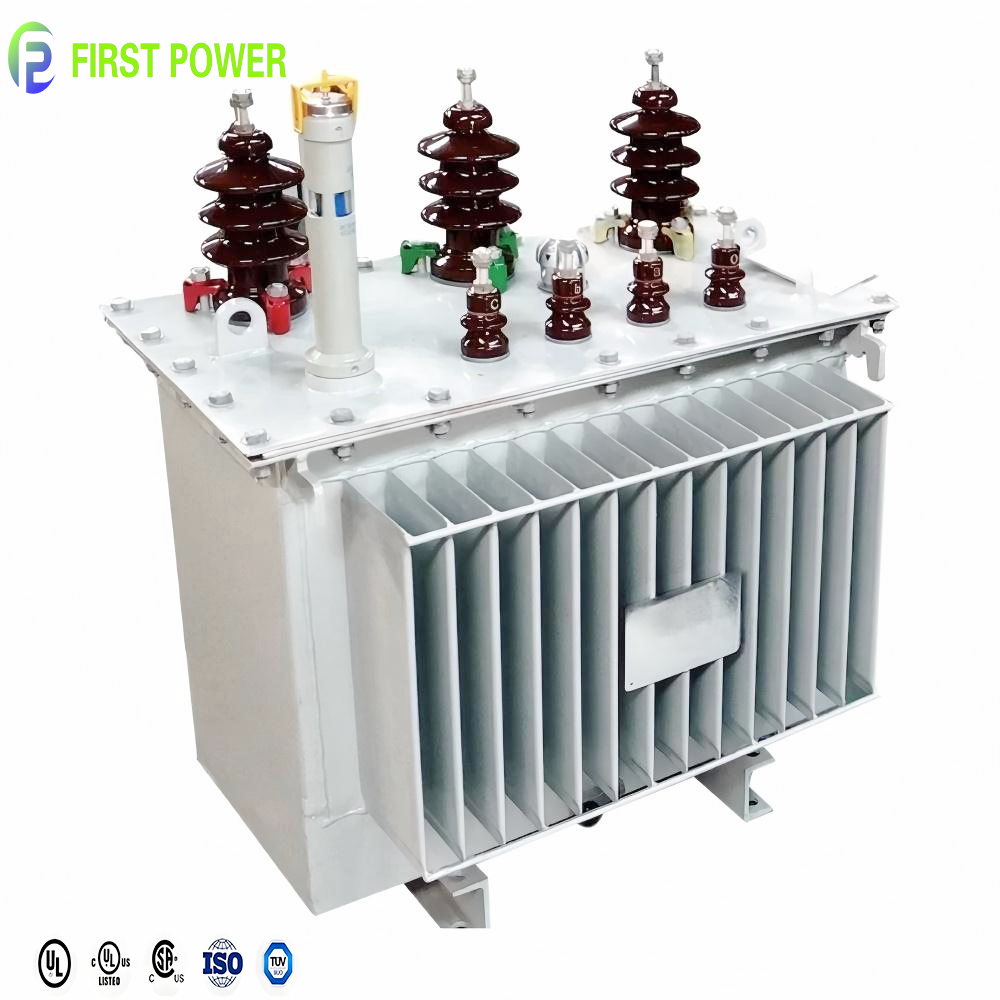
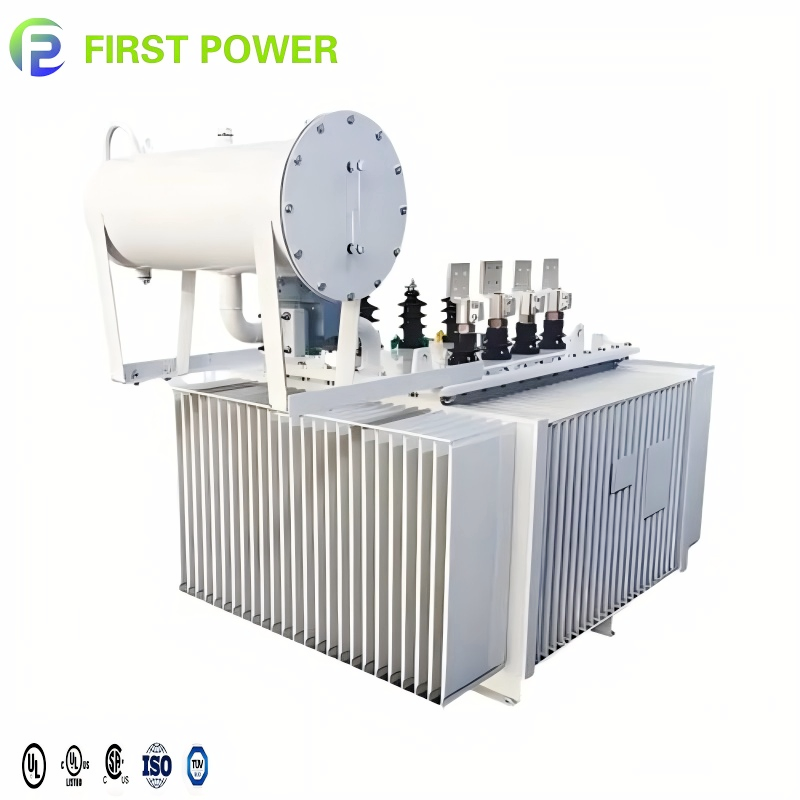
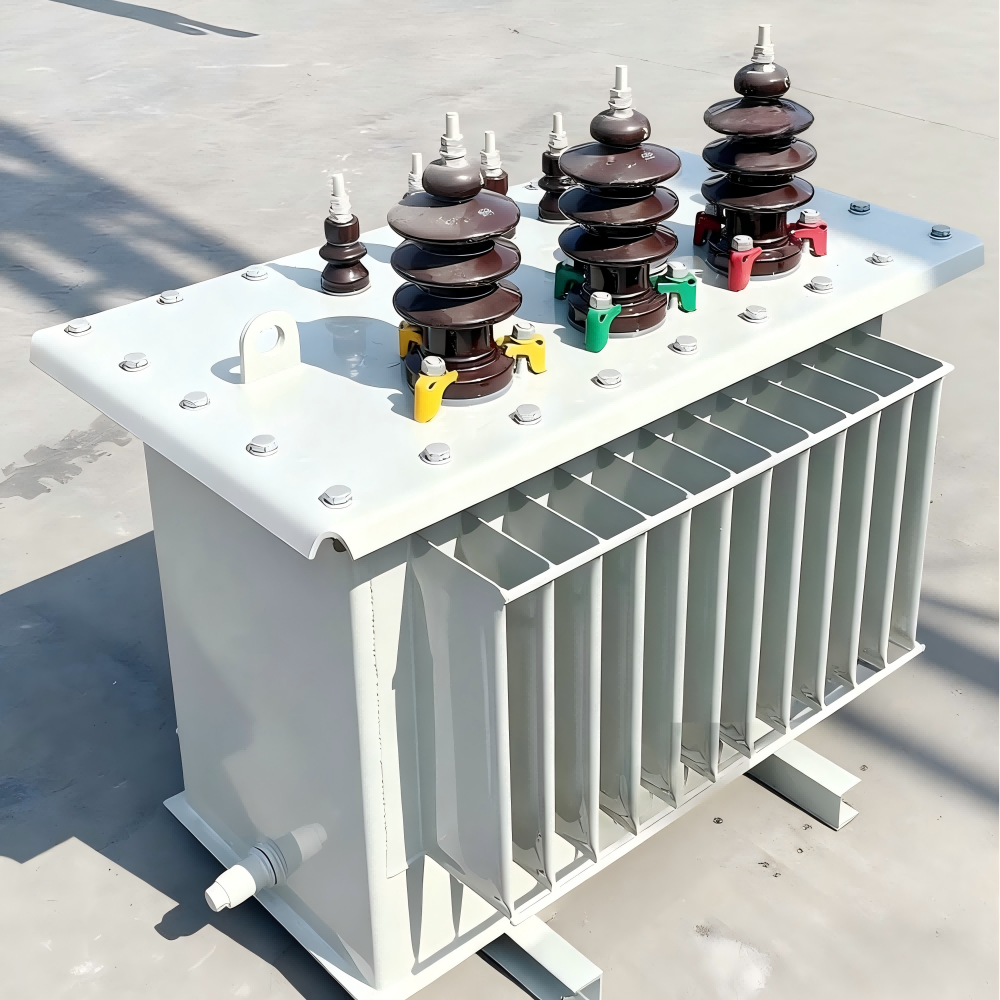
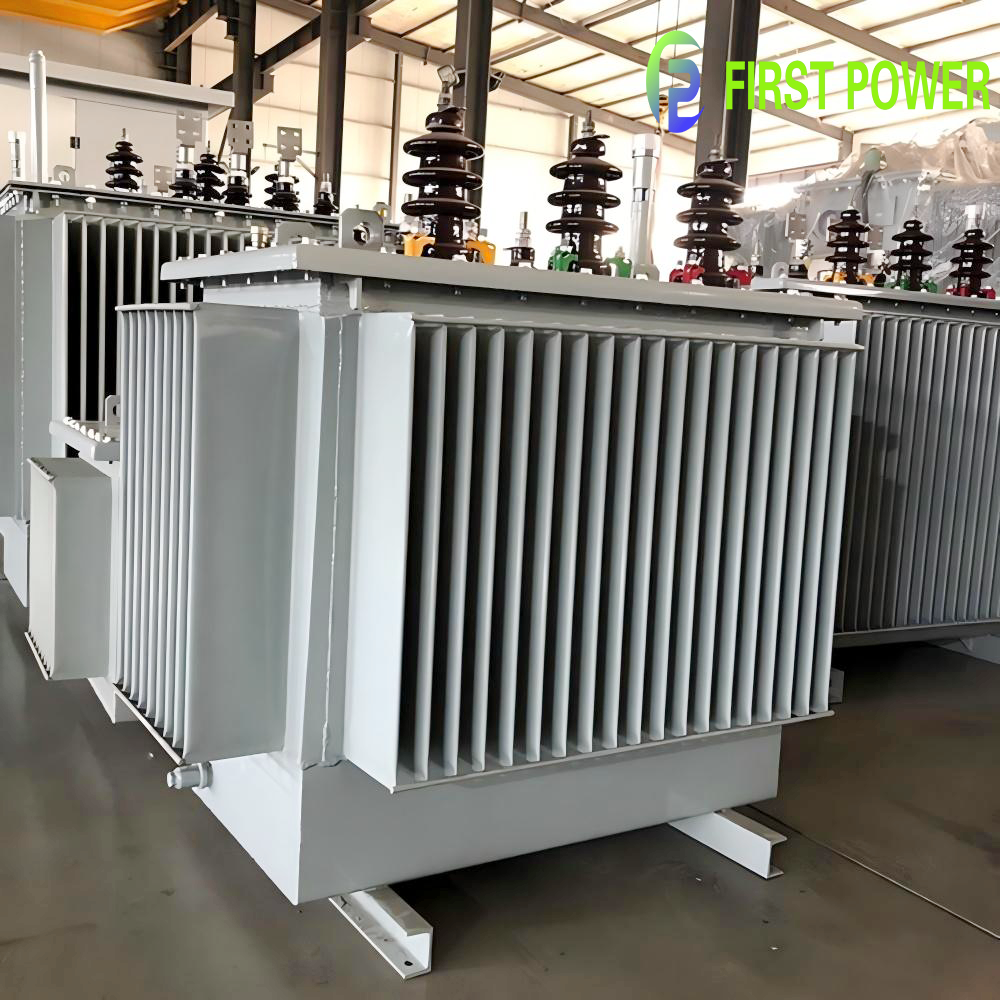
Product Recommendations: Match the Transformer to the Load
A shortlist becomes useful only when it maps to the operating environment. Use the following decision paths before comparing prices.
Hospitals, data centers, metro and high-rise buildings
Choose cast-resin dry-type where oil is prohibited, fire risk must be minimized, or the transformer sits close to occupied space. Demand partial-discharge data, temperature-rise class and enclosure IP rating.
Review dry-type platformUnderground commercial, solar and campus distribution
Three-phase pad mounted transformers suit loop-feed networks, tamper-resistant enclosures and low-profile siting. For North American projects, confirm ANSI/IEEE dimensions and dead-front requirements.
Review pad mounted platformUtility and industrial distribution
S11 oil-immersed distribution transformers remain highly competitive for 10–35 kV networks. Compare guaranteed no-load and load losses, impedance, vector group and routine test scope, not only kVA price.
Review S11 platformHigh-capacity industrial and substation projects
On-load tap changers, ONAF cooling and higher voltage classes belong in engineered power transformer packages. Clarify tap range, cooling stage, protection and factory acceptance testing early.
Review OLTC platform2025–2030 Trends Reshaping Epoxy Resin Transformer Procurement
Buyers are moving from catalogue-price comparison toward total owning cost, verifiable quality records and supply resilience.
Efficiency becomes a financial variable
Loss capitalisation is replacing simple kVA pricing. Ask for guaranteed no-load and load losses, then capitalise them over 10–20 years. A lower-loss design can outperform a cheaper unit once energy cost is included.
Fire-safe equipment moves closer to the load
Urban substations, battery plants, hospitals and data centers are placing dry-type transformers indoors or near occupied areas. Epoxy cast-resin construction supports oil-free operation and lower fire-risk engineering.
Factory verification moves before negotiation
ISO certificates alone are not enough. Procurement teams now ask for audit reports, CE certificate numbers, test laboratory evidence and third-party witness inspection before releasing a purchase order.
Modular and prefabricated substations
Compact substations combine MV switchgear, transformer and LV distribution in one enclosure. They reduce site labor, shorten commissioning and improve quality control for renewable and fast-track projects.
Digital quality records enter the PO
Serial-number-linked test reports, approved drawings, nameplate drafts, O&M manuals and packing records are becoming contractual deliverables. They reduce installation disputes and simplify utility acceptance.
Sustainability and material declarations
Natural-ester fluids, low-loss cores, recyclable conductors and material data sheets are appearing in tenders. Suppliers that can document materials and losses will have an advantage in regulated markets.
Where Epoxy Resin Transformer Technology Is Heading
The next buying cycle will reward designs that combine low loss, compact footprint, verified dielectric performance and digital documentation.
Lower loss, higher efficiency
CRGO and amorphous core options, optimized flux density and improved winding geometry are used to reduce no-load and load losses. Buyers should compare guaranteed values, not marketing labels.
Better thermal and partial-discharge control
Class F/H insulation systems, vacuum casting control and partial-discharge testing are becoming specification points for critical facilities. Reliable thermal design protects overload capability and service life.
Compact high-density designs
Data centers and urban projects need more capacity in less space. Compact dry-type designs, optimized enclosures and integrated LV connections help reduce civil works and installation time.
Smart monitoring and condition data
Temperature sensors, partial-discharge monitoring and digital nameplates are moving from premium projects to mainstream specifications. The goal is earlier fault detection and better maintenance planning.
Integrated LV/MV packages
Transformers are increasingly purchased with switchgear, protection and compact substation enclosures. Factory-assembled packages reduce interface risk between multiple suppliers.
Circular materials and recyclability
Material declarations, recyclable copper/aluminium conductors and design for disassembly are becoming part of environmental evaluation. Epoxy systems are also being reviewed for end-of-life treatment.
How to Tell a Top China Supplier from a Trading Story
A supplier can present certificates, but a qualified factory must connect those certificates to repeatable processes. This is where E-E-A-T is tested: experience in the work, expertise in design, authority in certifications, and trust in how claims are documented.
Audit checks that matter before you place a deposit
Ask for evidence that the factory can control the whole chain: design review, core and winding preparation, drying, casting or oil filling, testing, packing and export documentation. The following checklist is a practical starting point for a remote or onsite audit.
Buyer audit weighting model
Use this weighting as a discussion tool when comparing two China epoxy resin transformer suppliers. Adjust it to your project risk.
Inside Wisegj’s Verified Manufacturing System
Jiangsu Wisegj Power Co., Ltd. is a Suzhou-based manufacturer and exporter of pad mounted, oil immersed, dry type and power transformers, compact substations and switchgear. The company’s advantages are specific enough to check: 20+ years of team experience, 6,847 m² of verified production floorspace, 50+ R&D engineers, 211 qualified supply-chain partners and a 4.9/5 buyer rating.
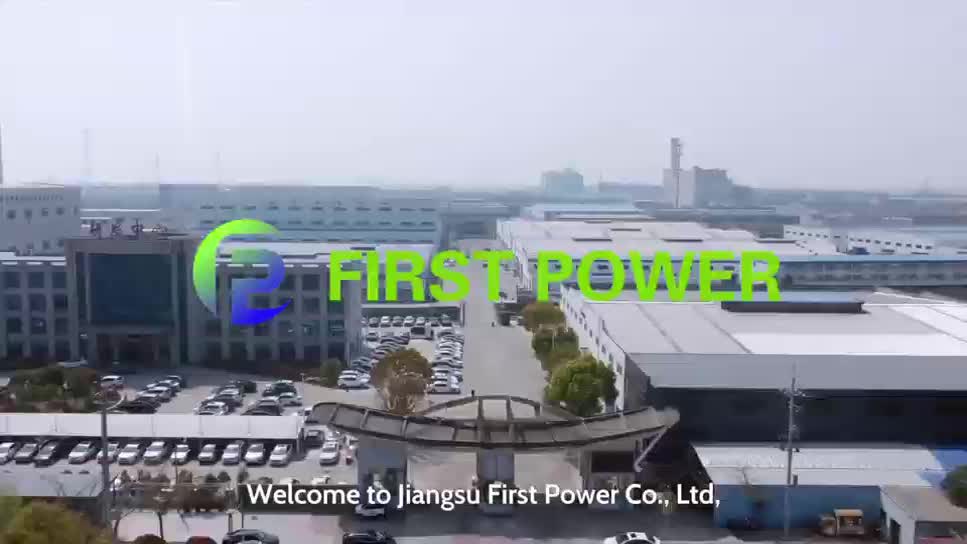
Company & engineering team
Project review by transformer engineers before quotation, backed by documented design and export experience.
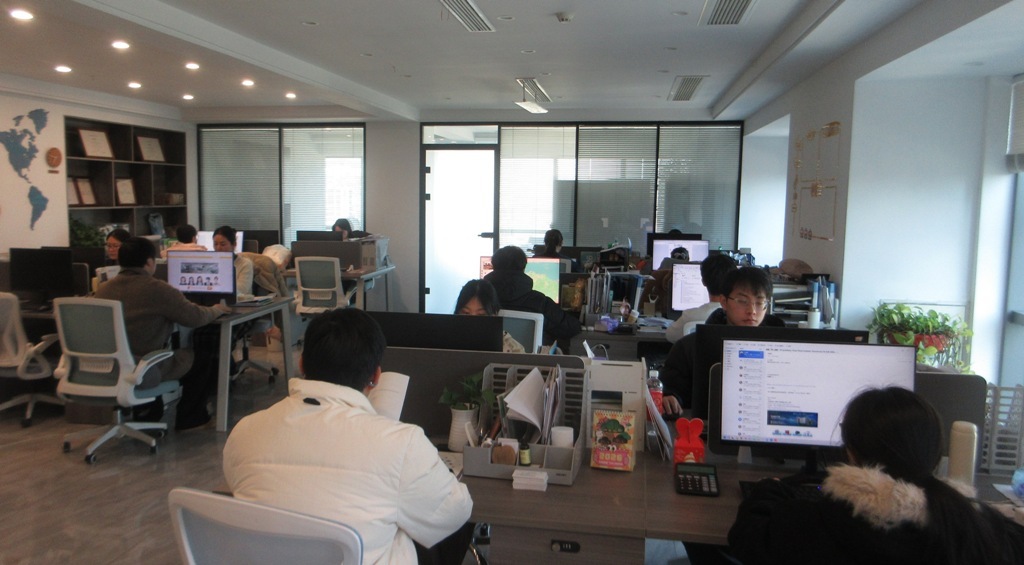
Production workshop
Dedicated winding, core assembly, drying, tanking and assembly areas support repeatable transformer builds.
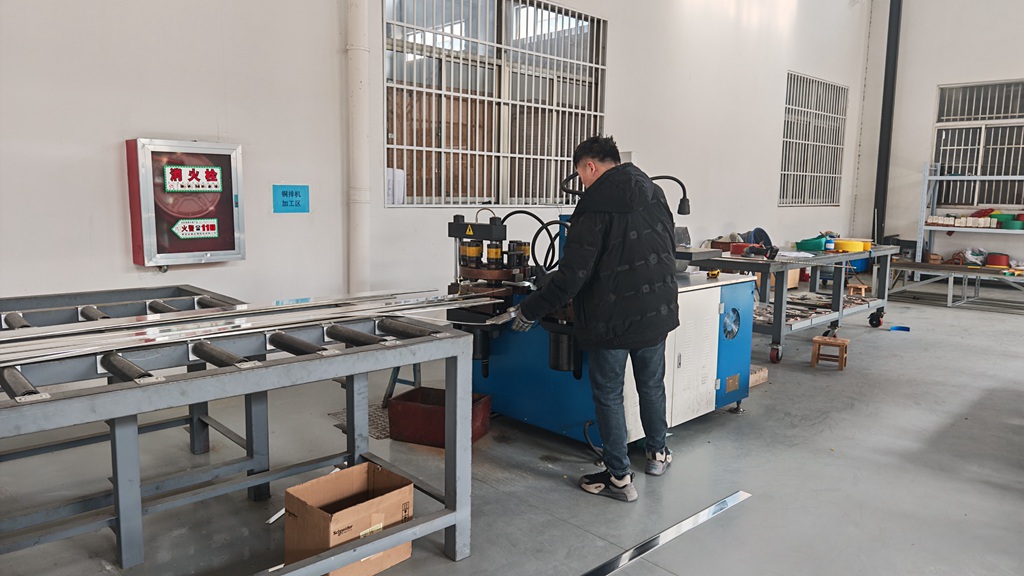
Testing laboratory
Ratio, resistance, loss, impedance, dielectric and oil tests are documented for each serial number before dispatch.
20+ years in transformer engineering
Hands-on experience across distribution, pad mounted, dry type and power transformer projects, with engineering review before quotation.
6,847 m² verified factory
TÜV Rheinland onsite verification supports production capability, floorspace and quality inspection claims.
50+ engineers, 211 supply partners
Customized designs plus qualified sources for silicon steel, copper, bushings and accessories support stable lead times.
Testing before shipment
Routine tests per unit, English test reports and third-party witness inspection welcomed by project QA teams.
International compliance
ISO 9001, ISO 14001 and ISO 45001 systems, plus CE certificates for power transformer, oil immersed, dry type, compact substation and switchgear ranges.
24-hour engineer response
OEM/ODM and design-based customization, Incoterms from EXW to DDP, multi-currency payment and responsive pre-sale / after-sale support.
Epoxy Resin Transformer vs Oil-Immersed Transformer
Use this table to separate technical fit from quotation format. In many projects, the best answer is a hybrid package: dry-type close to the load, oil-immersed or pad-mounted upstream.
| Decision factor | Epoxy resin cast dry-type | Oil-immersed distribution | Procurement implication |
|---|---|---|---|
| Fire and indoor siting | No oil, self-extinguishing, suited to indoor installation | Mineral oil risk; usually outdoor or dedicated room | Dry type for hospitals, malls, tunnels and data centers |
| Loss and efficiency | Low-loss grades available; footprint can grow at high ratings | Very competitive at medium and high ratings | Compare guaranteed losses, not only nameplate kVA |
| Maintenance | Lower routine maintenance; no oil sampling | Oil testing, sealing and containment checks required | Include 10-year maintenance cost in the comparison |
| Installation | Indoor, close to the load, no oil bund | Outdoor pad, pole or substation; oil containment | Civil works and site layout affect total cost |
| Typical factory range | 30–2,500 kVA, up to 35 kV in Wisegj dry-type range | 30–2,500 kVA distribution and larger power classes | Confirm the factory’s actual tested range, not only catalogue text |
| Standards | IEC 60076-11, IEEE C57.12.01 | IEC 60076, IEEE C57.12 series | Write the standard, test scope and witness inspection into the RFQ |
Wisegj’s dry-type range includes CE-certified dry type transformers; oil-immersed and pad-mounted platforms cover broader distribution and power applications. Ratings outside standard ranges can be engineered on request.
Common Questions from Transformer Buyers
Straight answers from the engineering and export teams behind China epoxy resin transformer projects.
What is an epoxy resin transformer, and is it the same as a cast-resin dry-type transformer?
When should I choose epoxy resin dry-type over oil-immersed?
How can I verify a China epoxy resin transformer factory before ordering?
Which standards and tests should be specified in the RFQ?
What lead time and order quantity are realistic for a custom transformer?
Can ratings, vector group, impedance and enclosure be customized?
What trade terms, payment methods and currencies are supported?
How do you control losses and prove efficiency before shipment?
Send Your Transformer Specification for an Engineering Review
Share rated power, primary and secondary voltage, frequency, vector group, impedance, tap range, cooling, altitude, ambient temperature and loss target. A transformer engineer will review it and respond within one working day. OEM/ODM, third-party witness testing and export documentation are available.
Contact Us