Recommended Transformer Platforms to Shortlist With a Three-Phase Dry Transformer Program
This guide focuses on three-phase dry-type transformers, but real projects often combine dry-type equipment with oil-immersed, pad-mounted, and distribution platforms. The eight products below are part of the manufacturer’s export portfolio and should be evaluated alongside the dedicated dry-type product group when a project requires a single qualified supply chain.
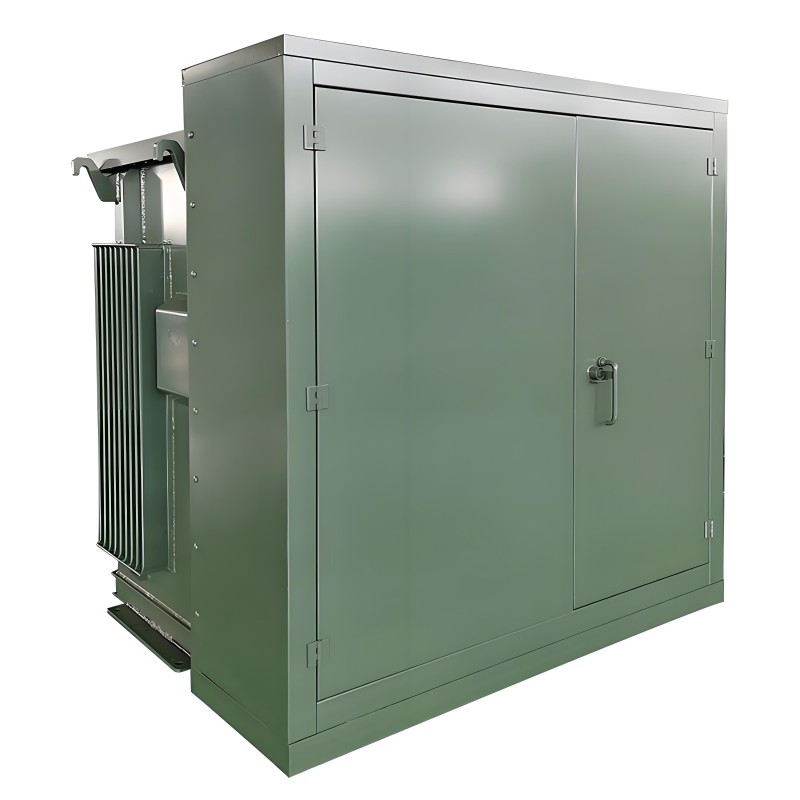
C Certified 75–2500 kVA Oil Type Three-Phase Pad-Mounted Transformer
480 V output, 35 kV input, 50/60 Hz. A pad-mounted platform for projects where oil-filled equipment is permitted and utility-style enclosures are required.
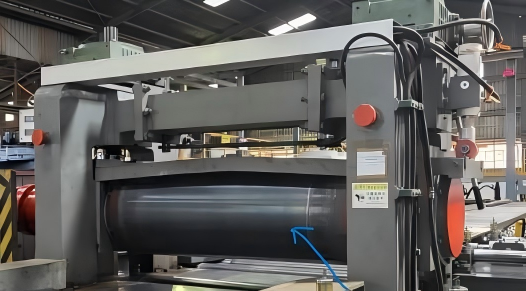
MAIN ROLLER D
Project-specific mechanical component listed in the current export catalogue. Configuration, material, and interface details should be confirmed with engineering before order.
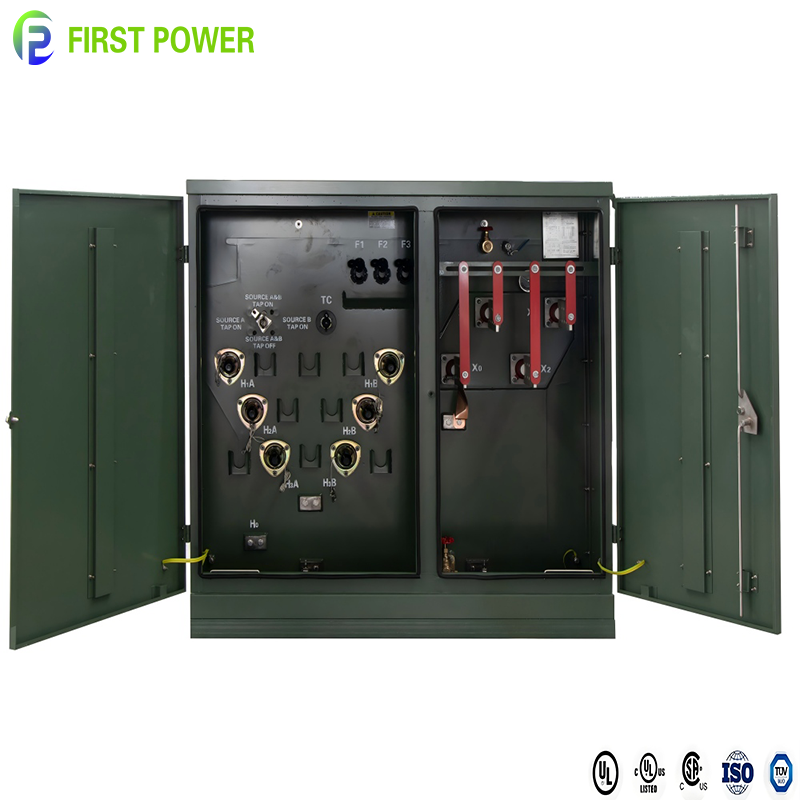
Listed C CE MV&HV 50/60 Hz Three-Phase Pad-Mounted Transformer for Industrial Power Supply
6 kV, 10 kV, 15 kV, 20 kV, and 35 kV options for industrial power supply. Suitable for mixed-voltage projects with utility review requirements.
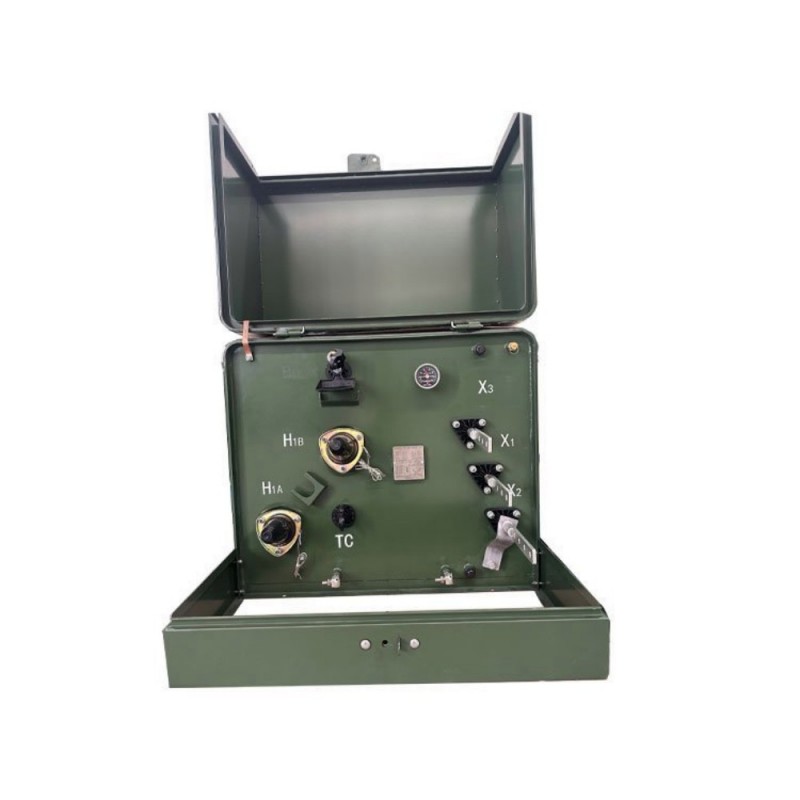
C Certification 6/10/13/20/34.5 kV Oil Type Single-Phase 75 kVA Pad-Mounted Transformer
Single-phase pad-mounted solution for residential and light commercial underground distribution where three-phase dry-type equipment is not the primary requirement.
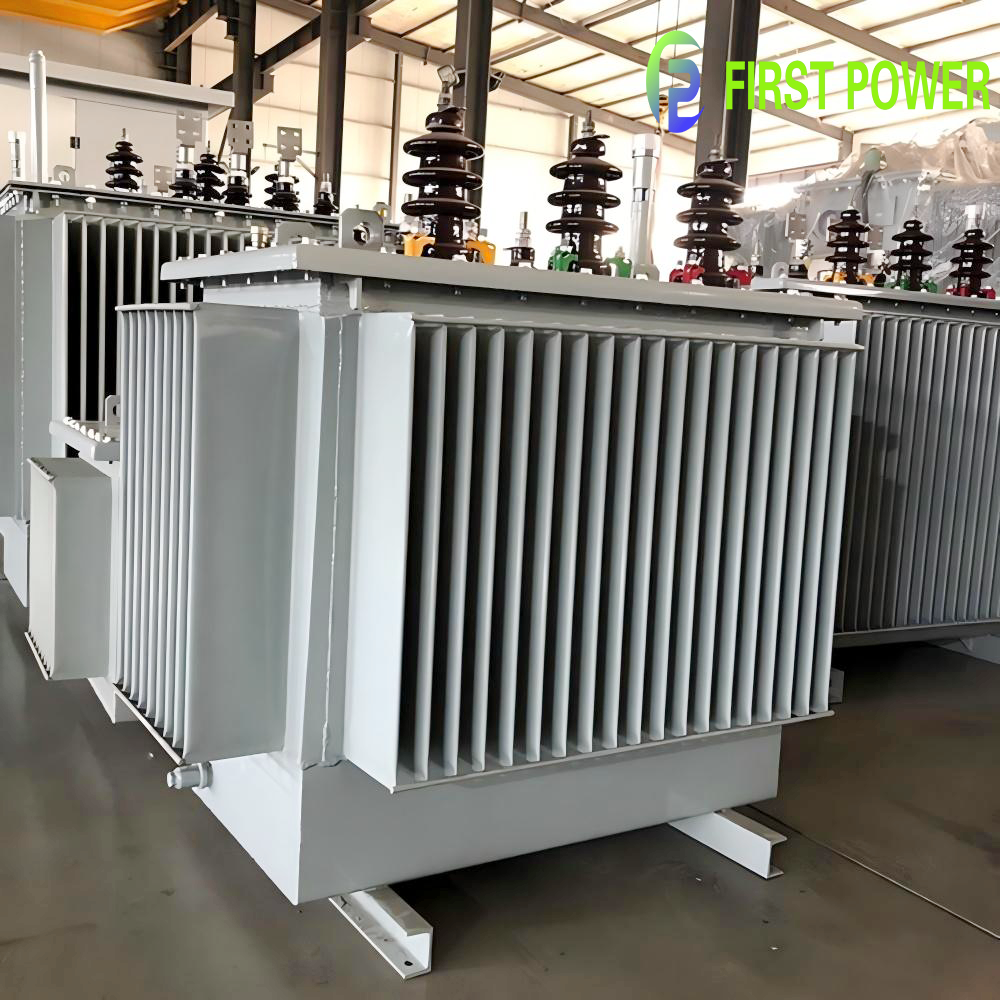
C CE MV&HV S11 50/60 Hz Three-Phase Oil-Immersed 50 kVA Distribution Transformer
10 kV, 20 kV, and 35 kV class distribution transformer for electric power distribution. A useful benchmark when comparing dry-type and oil-immersed lifecycle costs.
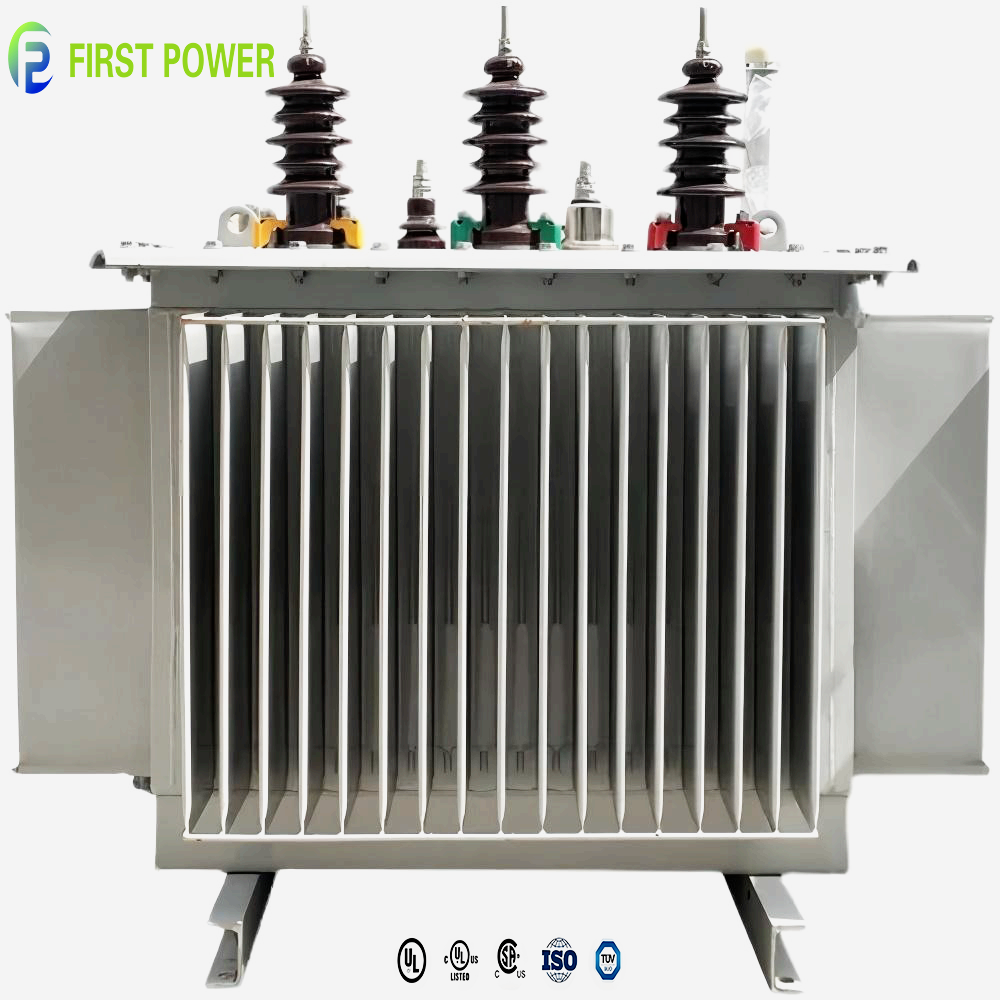
C Certification 60 Hz S11 Three-Phase Oil-Immersed Transformer for Power Supplies
500 kVA class, 10 kV and 35 kV options, 22 kV/0.4 kV configurations, 50/60 Hz. Designed for power supply projects with defined loss and impedance targets.
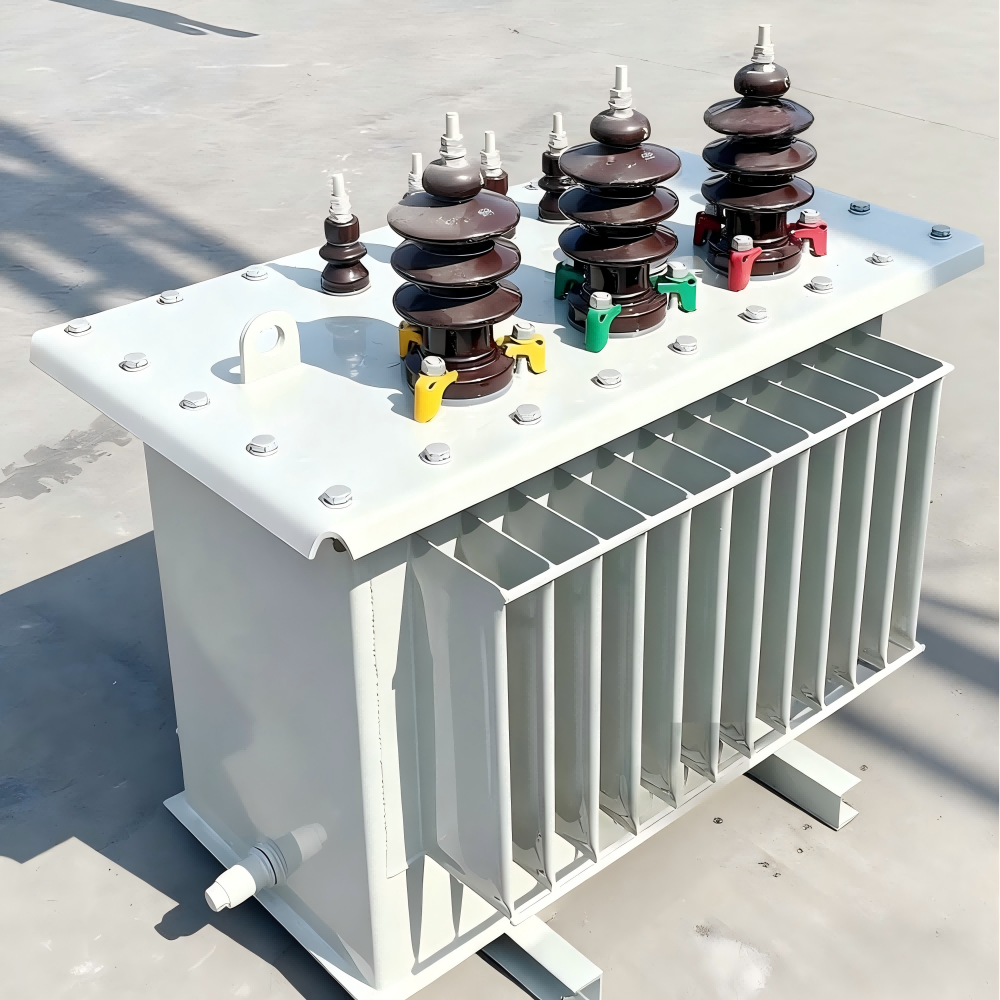
C CE MV&HV 30–31,500 kVA 6–35 kV S11 Three-Phase Oil Transformer for Power Distribution
Wide-capacity oil transformer platform for power distribution. Appropriate for utility, industrial, and infrastructure packages that need tested losses and full routine reports.
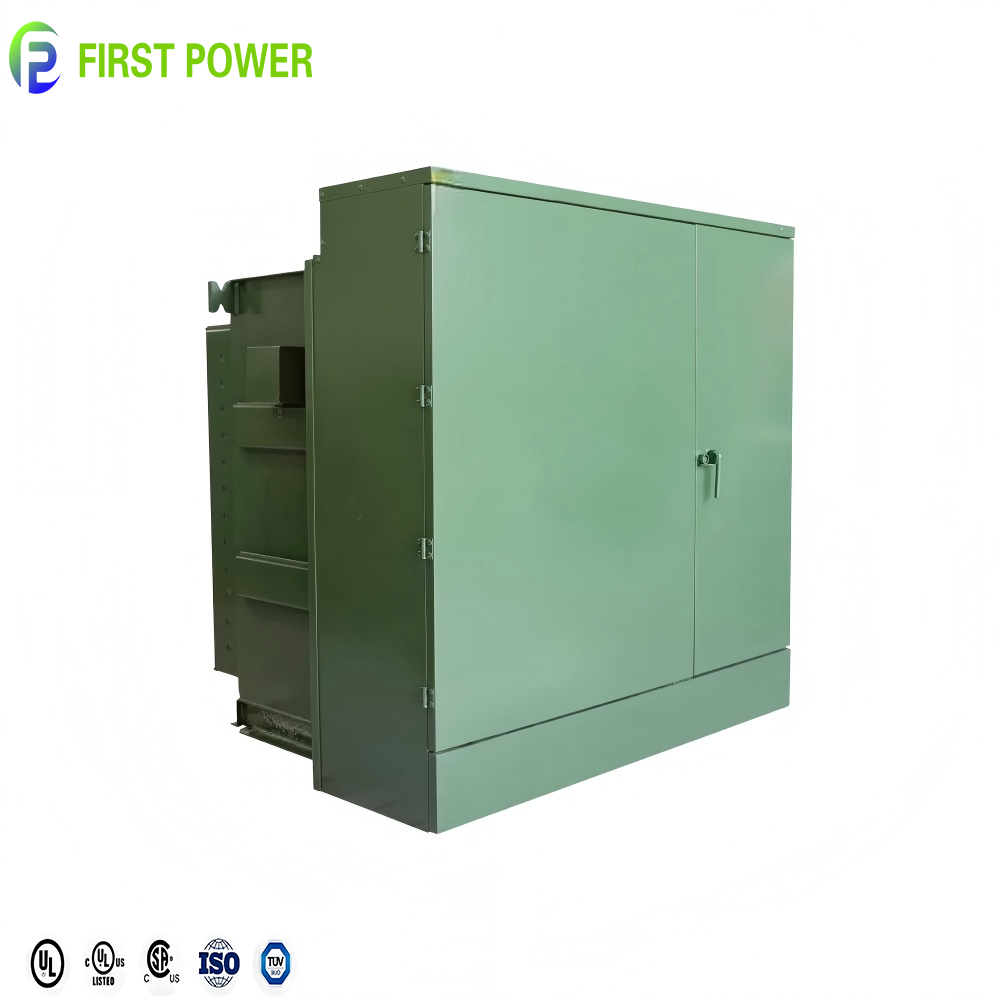
C CE 50/60 Hz 10/20/35 kV 300–750 kVA Three-Phase Pad-Mounted Distribution Transformer
300 kVA, 500 kVA, 630 kVA, and 750 kVA ratings for electric power distribution. A practical upstream companion for commercial, campus, and renewable projects.
What the Top 10 Query Really Means for Three-Phase Dry Transformer Procurement
“Top 10 Three Phase Dry Transformer Manufacturer & Supplier” is a high-intent search used by EPC procurement engineers, data-center owners, utility specification teams, and industrial facility managers when they are building a shortlist. It is not a request for a decorative ranking. In a 2025 procurement environment, the real question behind the query is: which supplier can prove design competence, reproduce tested losses, document compliance to IEC 60076-11 or IEEE C57.12.01, and stay accountable after shipment?
This guide is written from the perspective of Jiangsu Wisegj Power Co., Ltd., a Suzhou-based manufacturer whose portfolio covers 220 V to 500 kV equipment and whose production system is certified to ISO 9001, ISO 14001, and ISO 45001, with CE documentation and onsite production verification by TÜV Rheinland. It explains how to compare the top 10 options, what is changing in dry-type transformer procurement, and which evidence should be requested before a purchase order is issued. It also shows where a three-phase dry-type transformer fits alongside oil-immersed and pad-mounted equipment, especially in urban, indoor, fire-sensitive, and renewable projects.
Evidence Behind the Supplier Shortlist: Jiangsu Wisegj Power Co., Ltd.
E-E-A-T is not a badge on a website. It is the ability to show experience, expertise, authority, and trust through factory evidence, engineering documentation, and accountable communication.
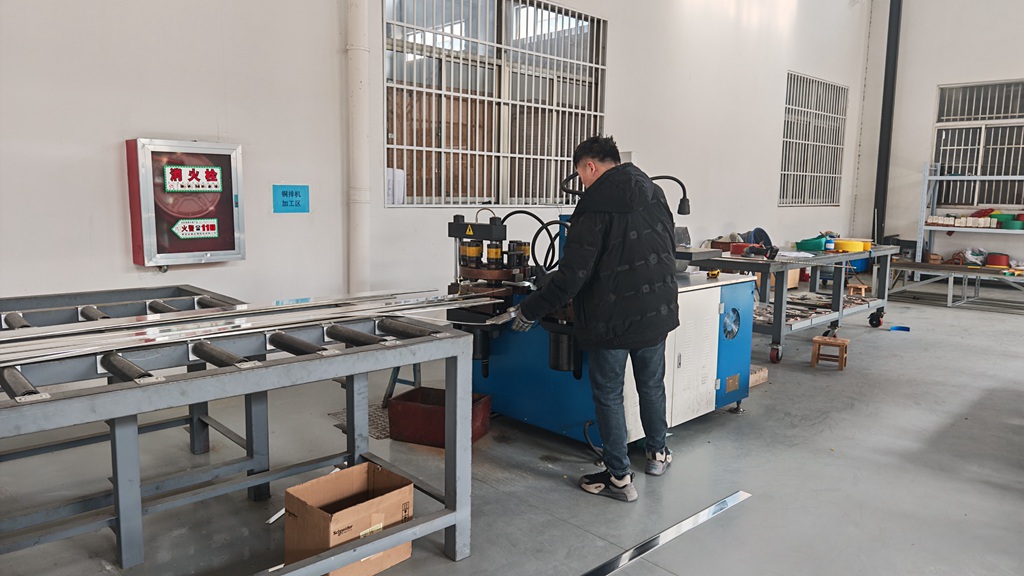
 Factory & Engineering Team
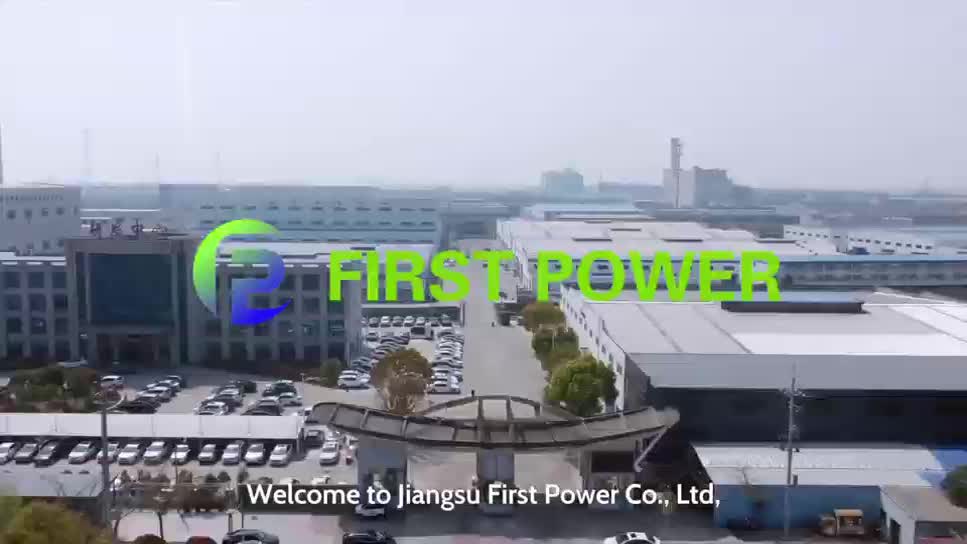
 Company & Facility Overview
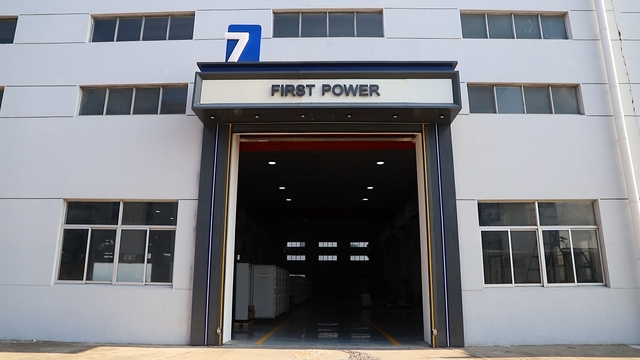
 Assembly Workshop
 Testing Laboratory
A Specialist Transformer Supplier Based in Suzhou, China
Jiangsu Wisegj Power Co., Ltd. designs, assembles, and exports medium and high voltage equipment from 220 V up to 500 kV: power transformers, distribution transformers, pad mounted transformers, dry type transformers, compact substations, switchgear, distribution boxes, and voltage stabilizers. For buyers searching for a top 10 three phase dry transformer manufacturer & supplier, the relevant test is not whether a supplier lists every product category, but whether it can control the design, production, testing, and documentation chain behind the specific product being ordered.
Our engineering team brings more than 20 years of hands-on transformer experience. Every project is reviewed by engineers before quotation, built under ISO 9001 quality control, and shipped with full routine test reports. Production capability, floorspace, and quality inspection have been verified onsite by TÜV Rheinland, an independent third-party inspection body. The company also states that it supplies Fortune 500 companies and maintains 24-hour pre-sale and after-sale response targets. For dedicated dry-type configurations, review the Dry Type Transformer product group and request a project-specific design review.
- Own production base with industry certificates
- 50+ engineers in R&D and technical support
- OEM, ODM, design-based, and sample-based customization
- Finished-product inspection on every unit
- Complete English documentation and test reports
- Export packing and Incoterms support from EXW to DDP
Location: Room 1908-1, Building 1, Xinyi Plaza, No. 68 South Tiancheng Road, High-Speed Railway New City, Suzhou, Jiangsu, China. Email: info@energywisegj.com
Contact UsThe Top 10 Three-Phase Dry Transformer Manufacturer & Supplier Checklist
Use this framework to compare shortlisted suppliers with the same evidence standard. A supplier that cannot answer these ten points clearly should not remain on a utility, data-center, or EPC shortlist.
Design Ownership
Confirm whether the supplier engineers the core, windings, insulation system, and thermal design in-house or merely assembles purchased kits.
Standard Mapping
Ask for a clause-by-clause map against IEC 60076-11, IEEE C57.12.01, local grid codes, and CE requirements for the destination market.
Factory Verification
Request floorspace evidence, process photos, and third-party inspection reports. Wisegj’s 6,847 m² production base has been verified by TÜV Rheinland.
Loss Discipline
Guaranteed no-load and load losses must be stated in writing. Evaluate them with the buyer’s capitalization formula, not just the first price.
Temperature Rise
Review temperature-rise test evidence, insulation class, cooling method, and enclosure ventilation assumptions for the actual installation site.
Routine Test Dossier
Each unit should receive winding resistance, ratio, vector group, impedance, load loss, no-load loss, applied voltage, and induced voltage tests.
Customization Control
Check whether ratings, vector group, impedance, taps, bushings, IP enclosure, and nameplate language can be customized without losing compliance.
Supply-Chain Depth
Qualified sources for silicon steel, copper, insulation, bushings, and accessories reduce hidden substitutions and protect lead times.
Export Execution
Confirm seaworthy packing, shock indicators, Incoterms, payment terms, shipping documents, and site-delivery coordination.
Lifecycle Response
Ask who answers technical questions after shipment, how fast, and with what drawings, manuals, and spare-parts recommendations.
Future Procurement Trends for Three-Phase Dry Transformer Buyers
Procurement is moving from catalogue comparison to evidence-based total cost evaluation. The strongest suppliers will be those that can support both technical clarification and commercial accountability.
Total Cost of Ownership
Buyers increasingly capitalize no-load and load losses, maintenance access, fire-protection requirements, and outage risk. The lowest purchase price is rarely the lowest lifecycle cost.
Evidence-Based Sourcing
Factory audits, certificate numbers, witness testing, and serial-number-linked test reports are becoming normal RFQ requirements rather than optional extras.
Local Grid-Code Fit
Voltage class, frequency, neutral arrangement, enclosure language, and utility approval requirements vary by market. Dry-type designs must be localized without losing original certification logic.
Digital Quality Records
Procurement teams want drawings, nameplate drafts, routine test reports, packing lists, and O&M manuals in reviewable digital formats before shipment release.
Illustrative RFQ Scorecard Weighting for a Dry-Type Transformer Project
Illustrative decision weighting for supplier evaluation; it is not a market forecast. Adjust the weights to match utility, EPC, or owner criteria.
Three-Phase Dry Transformer Development Trends to Watch
Dry-type technology is advancing on several fronts at once: fire safety, loss reduction, thermal management, monitoring, and compact integration with switchgear and renewable systems.
Cast-Resin & VPI Advancement
Improved resin formulations and vacuum pressure impregnation help dry-type transformers resist moisture, pollution, and thermal cycling in demanding indoor environments.
Low-Loss Core Design
Buyers are asking for lower no-load loss, optimized flux density, and better load-loss control. These choices affect both operating cost and temperature rise.
Condition Monitoring
Winding temperature, partial discharge, fan status, and enclosure temperature can be monitored with simple, cyber-safe sensors and local alarms.
Hybrid & Compact Packages
Data centers, EV charging hubs, hospitals, and renewable projects increasingly prefer factory-integrated dry-type transformer and switchgear packages that reduce site work.
How to Choose Between Dry-Type, Pad-Mounted, and Oil-Immersed Solutions
Use this comparison to separate technical suitability from commercial preference. The correct choice depends on fire protection, installation location, utility rules, loss capitalization, and maintenance capability.
| Solution | Typical Application | Standards & Evidence | Procurement Note |
|---|---|---|---|
| Three-phase cast-resin dry transformer | Hospitals, high-rise buildings, data centers, tunnels, indoor substations, fire-sensitive areas | IEC 60076-11, IEEE C57.12.01, CE documentation, routine test reports | Confirm enclosure IP rating, ambient temperature, altitude, and ventilation before comparing losses. |
| Three-phase VPI dry transformer | Industrial plants, marine and coastal environments, renewable projects where oil is restricted | IEC 60076-11, temperature-rise and dielectric test evidence | Review moisture resistance, pollution degree, and maintainability of the winding insulation system. |
| Three-phase pad-mounted transformer | Underground distribution, commercial campuses, solar farms, utility networks | IEEE C57.12.34 or local utility standards; CE where applicable | Verify loop or radial feed, dead-front configuration, bayonet fusing, and enclosure security. |
| Single-phase pad-mounted transformer | Residential subdivisions, rural underground loops, light commercial loads | IEEE C57.12.38 or local grid-code requirements | Check voltage ratio, secondary configuration, fuse coordination, and utility approval history. |
| Oil-immersed distribution transformer | Utility distribution, industrial plants, mining, infrastructure where oil-filled equipment is accepted | IEC 60076 series, loss and impedance guarantees, oil test reports | Evaluate fire separation, bunding, oil containment, and maintenance access alongside first cost. |
| Compact substation | Renewables, urban networks, temporary power, fast-track projects | IEC 62271-202 and project-specific switchgear standards | Confirm factory assembly scope, transport dimensions, lifting plan, and site commissioning responsibility. |
Frequently Asked Questions When Comparing Dry Transformer Manufacturers
These are the questions technical and commercial buyers should ask before they move from a shortlist to a purchase order.
What defines a true three-phase dry transformer manufacturer?
A true manufacturer controls design calculations, winding, core assembly, insulation processing, testing, and documentation for the three-phase dry transformer being offered. A trading company may coordinate these steps, but it should be able to identify the production site, the test laboratory, the quality system, and the responsible engineer. Ask for the factory address, certificate numbers, and a sample routine test report before accepting a quotation.
Are three-phase dry-type transformers suitable for outdoor installation?
Dry-type transformers can be installed outdoors when they are protected by an appropriate enclosure with the required IP rating, ventilation, corrosion protection, and ingress protection for the site environment. For coastal, dusty, or high-humidity locations, the enclosure design and insulation system must be reviewed together. If the site requires a utility-standard pad-mounted enclosure, an oil-immersed pad-mounted platform may be more practical.
How do cast-resin and VPI dry transformers differ?
Cast-resin transformers encapsulate windings in epoxy resin, which provides strong protection against moisture and pollution. VPI transformers use vacuum pressure impregnation with resin over a winding structure and are often chosen for specific industrial or marine environments. The better choice depends on fire safety, ambient conditions, maintenance access, loss targets, and the buyer’s preferred standard. Ask the supplier to explain the insulation system rather than simply comparing the label.
Which standards should a dry-type transformer comply with?
Depending on the destination market, a three-phase dry transformer may be specified to IEC 60076-11, IEEE C57.12.01, or a local grid-code equivalent. CE marking may also be relevant for European Economic Area projects. A credible supplier should provide a standard-to-design mapping, routine test reports, nameplate data, and a clear statement of any deviations. Do not accept a general certificate without checking that it covers the exact product family and rating being purchased.
How can procurement verify factory capability before ordering?
Start with a factory audit that covers production floorspace, winding equipment, core assembly, drying or impregnation, test equipment, calibration records, and packing capability. Request evidence of third-party inspection, ISO 9001, ISO 14001, and ISO 45001 systems, plus product-specific certificates. Jiangsu Wisegj Power Co., Ltd. states that its 6,847 m² production floorspace and quality inspection process have been verified onsite by TÜV Rheinland, which gives buyers a documented starting point for further due diligence.
How should total cost of ownership be calculated for a dry transformer?
Use a formula that includes the purchase price, capitalized no-load loss, capitalized load loss, installation cost, fire-protection measures, ventilation or cooling energy, maintenance, spare parts, and expected outage cost. The weighting of losses should reflect the buyer’s load profile and energy price. A transformer with a higher first cost but lower guaranteed losses and better thermal margin may be the lower-cost asset over a 20- to 30-year service life.
What routine tests should be expected before shipment?
Routine tests normally include winding resistance, voltage ratio and vector group, impedance and load loss, no-load loss and current, applied voltage withstand, and induced voltage withstand. For oil-filled equipment, oil dielectric strength and other oil tests are also relevant. For dry-type units, partial discharge and temperature-rise evidence may be requested depending on the standard and project specification. Third-party witness inspection should be welcomed for critical projects.
Can the supplier customize a dry-type transformer for my project?
Customization should cover ratings, vector group, impedance, tap range, bushing configuration, cooling method, enclosure IP rating, paint color, nameplate language, and documentation package. The key is to confirm that customization is controlled through drawings and calculations rather than handled as an informal production change. OEM, ODM, design-based, and sample-based customization are available from Wisegj, and each option should be documented before production release.
What information is needed for a fast and accurate quotation?
Provide rated power, primary and secondary voltage, frequency, vector group, impedance, tap range, cooling method, ambient temperature, altitude, installation location, applicable standard, loss limits or efficiency target, enclosure requirement, and required documentation. Add any utility or EPC specification sections, approved vendor requirements, and delivery schedule. Complete data reduces clarification rounds and helps the manufacturer return a compliant design with guaranteed losses.
What trade and payment terms are available?
Export transactions can be arranged under FOB, CFR, CIF, EXW, FCA, CIP, CPT, DDP, and other Incoterms depending on the destination and buyer preference. Payment methods can include T/T, L/C, D/P, and D/A where commercially appropriate. The final terms should be confirmed in the contract along with packing requirements, inspection rights, document language, and warranty scope.
Have a Dry-Type Transformer Specification Ready for Review?
Send your datasheet, single-line diagram, utility requirements, or tender documents. A transformer engineer can review the ratings, standards, losses, enclosure, and documentation requirements before a commercial offer is issued.
info@energywisegj.com