Top 10 Cast Resin Transformer Factories & Wholesaler
A buyer-side evaluation framework for cast resin dry-type transformers — factory audit criteria, technical benchmarks, five-year procurement trends and wholesale terms from an ISO-certified, TÜV Rheinland verified manufacturer.
Wholesale Portfolio
Eight Production Families Shipped From Our Verified Factory Floor
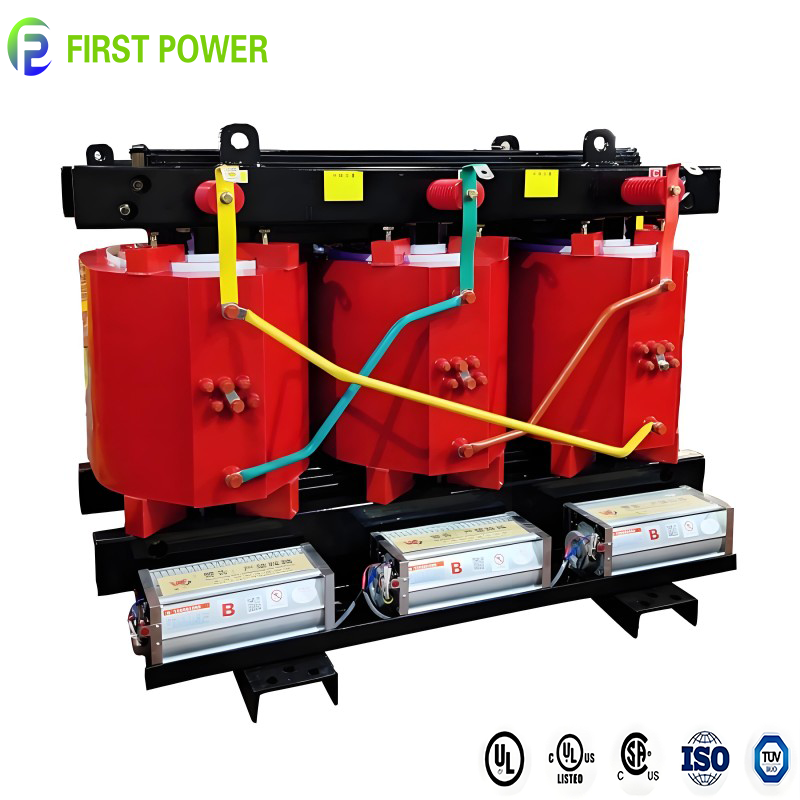
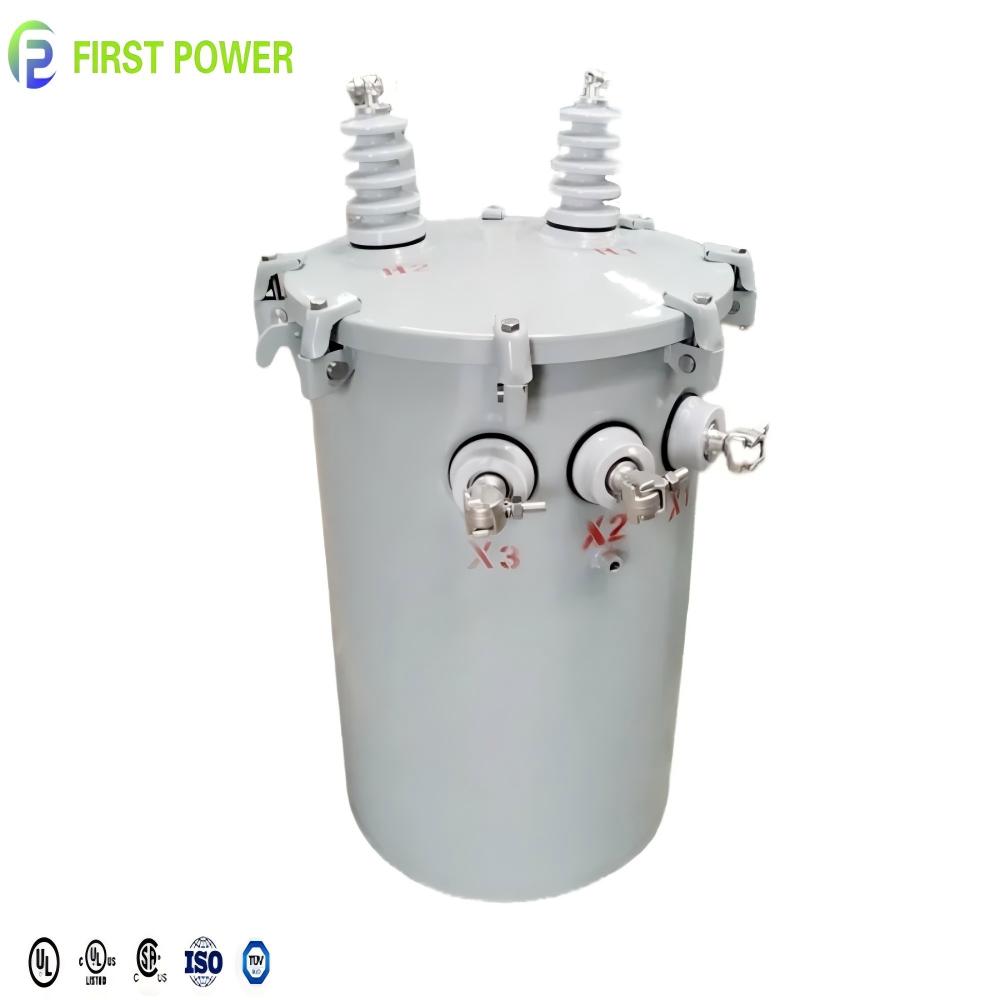
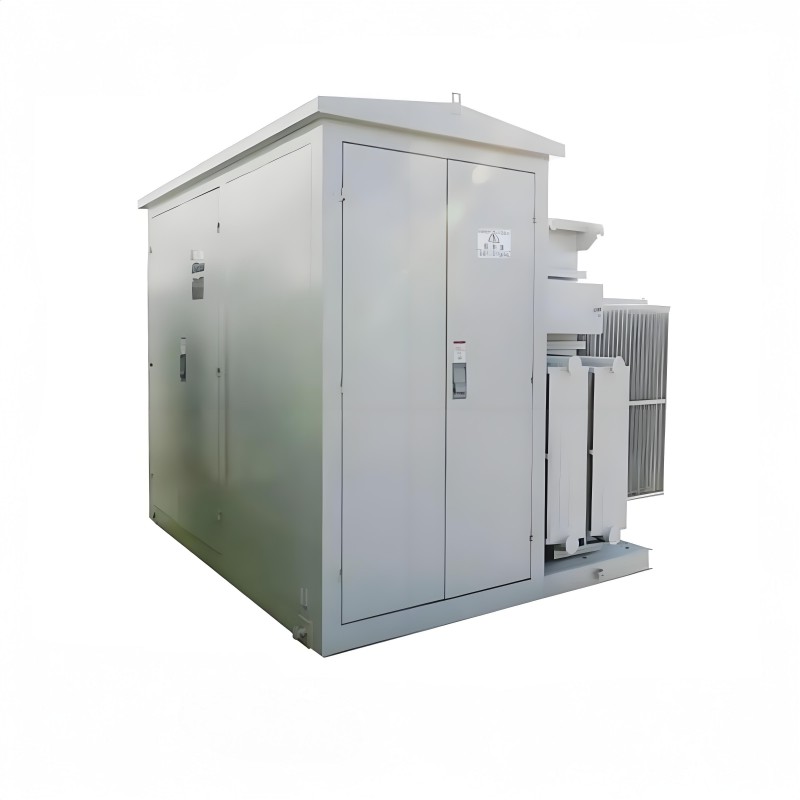
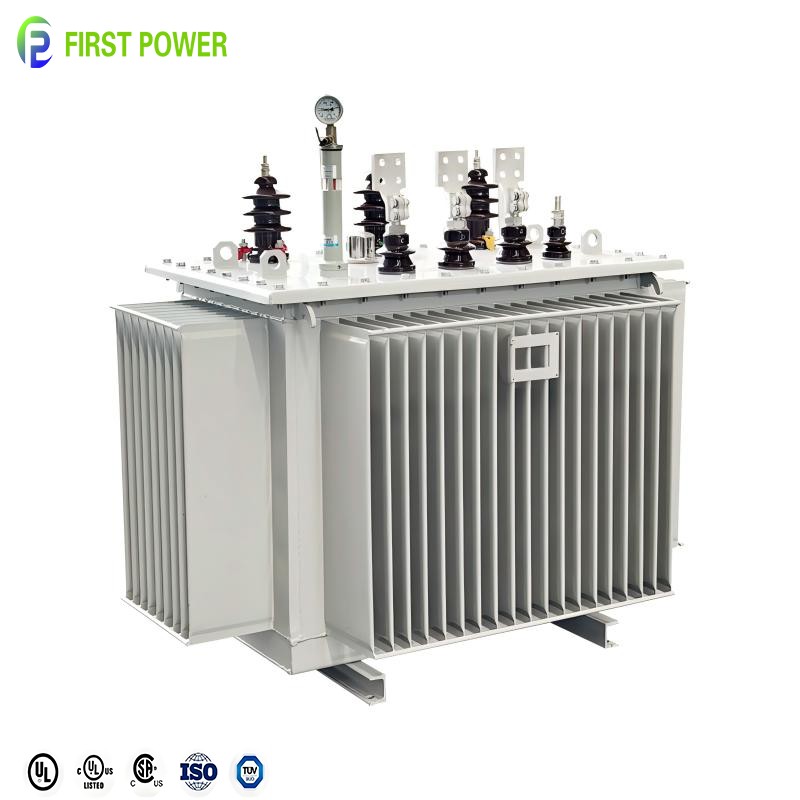
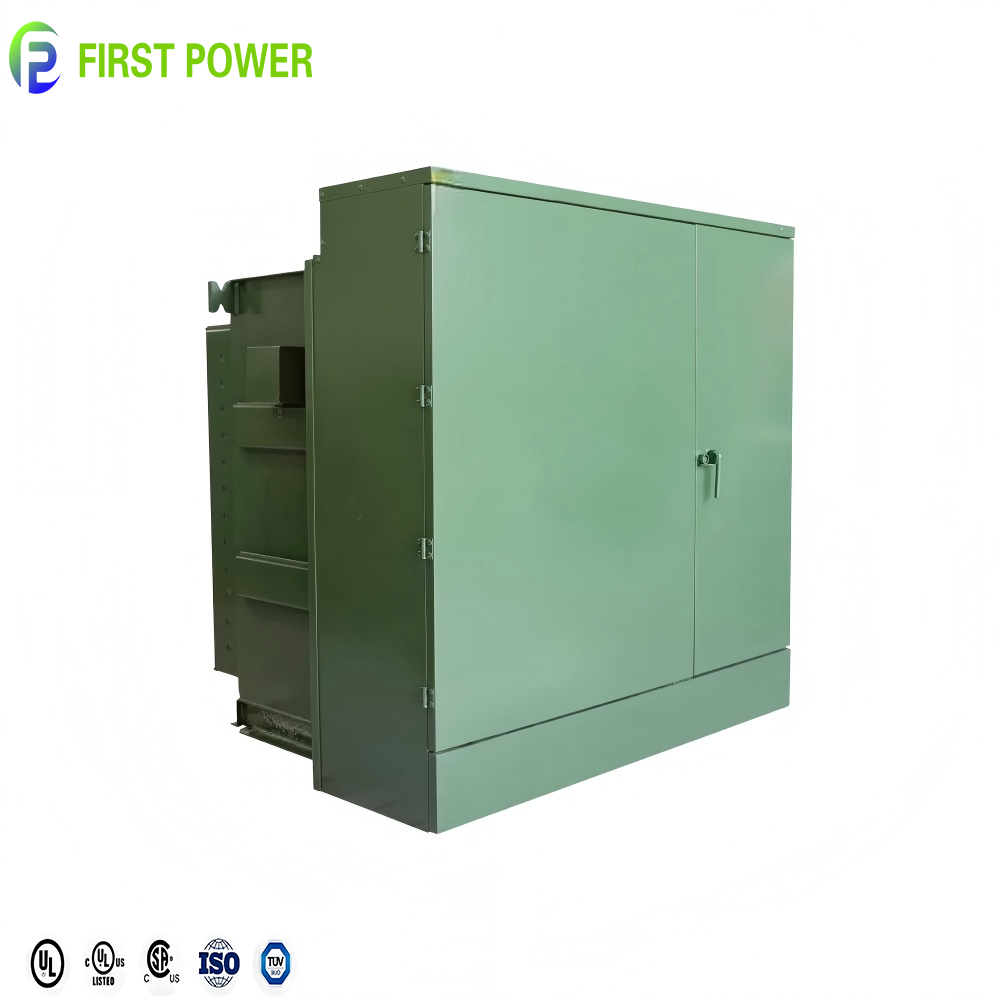
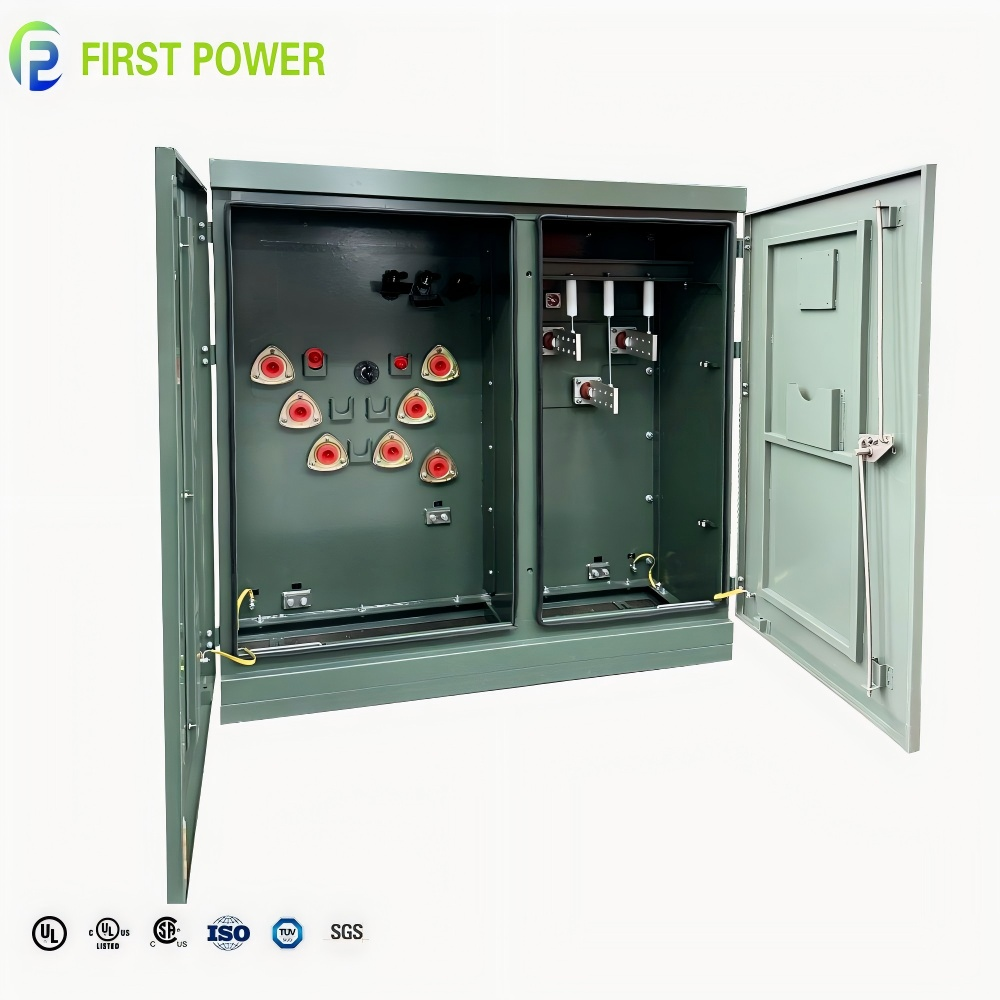
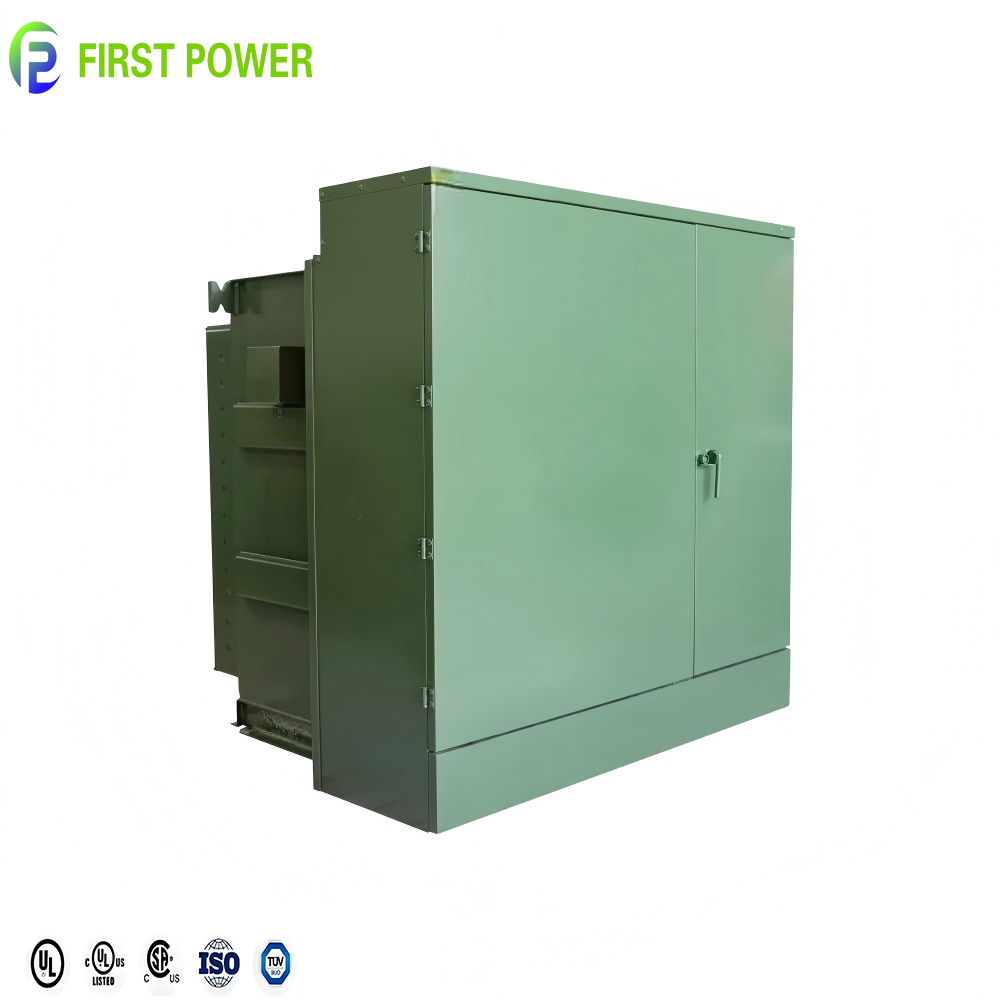
Cast resin dry-type units, ANSI and IEC oil-immersed distribution transformers, pad-mounted designs and heavy-duty handling components. Select any model to open its full technical datasheet and test data.
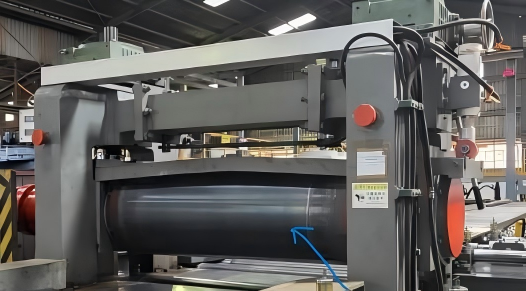
Heavy-duty roller assembly supplied as an OEM replacement part for transformer handling and plant logistics.
20+Years of transformer engineering experience
500 kVMaximum voltage class supplied
6,847 m²TÜV-verified production floorspace
50+R&D and technical engineers
211Qualified supply-chain partners
4.9/5Average buyer rating
Technical Foundation
What Exactly Is a Cast Resin Transformer — and Who Should Buy One?
Before ranking factories, it helps to be precise about what you are ranking them on.
A cast resin transformer is a dry-type distribution transformer whose high-voltage and low-voltage windings are wound, dried, placed in a mould and vacuum-encapsulated in an epoxy resin system. Unlike an oil-immersed transformer, where the active part sits inside a steel tank filled with insulating fluid, a cast resin unit carries its dielectric strength inside the casting itself. That single design decision cascades into how the equipment is specified, installed, insured and maintained.
The commercial consequences matter more than the technical ones. A cast resin transformer contains no combustible liquid, so it introduces no fire loading, requires no oil containment pit, no bunding, no deluge system and no periodic oil sampling programme. That is precisely why it has become the default choice for hospitals, data halls, underground substations, tunnels, metro stations, high-rise cores, ports and offshore platforms — anywhere a fire is measured in lives rather than in equipment.
Partial discharge below 10 pCThis is the single most diagnostic number on a cast resin datasheet. Vacuum casting defects, trapped air pockets and micro-cracks all show up as elevated PD long before they cause a failure. A serious factory controls it below 10 pC on every routine test and targets 5 pC or better.
Insulation class F (155 °C) or H (180 °C)Class H allows a higher hot-spot temperature and therefore a smaller, lighter unit for the same rating. Class F is more conservative and is often specified where load cycles are aggressive. Neither is "better" — but the class must match the ambient and duty profile in your tender.
Environmental class E2 and climate class C2E2 certifies operation under condensation, C2 covers an outdoor ambient range down to −25 °C. Both are type-tested qualifications under IEC 60076-11 and both are commonly written into utility specifications. A factory that cannot produce the report cannot claim the class.
Guaranteed loss figures, not "typical" onesNo-load and load losses determine the 25-year running cost far more than the purchase price does. Buyers should demand guaranteed losses with penalty clauses, because a 10 % overshoot in no-load loss on a 2,000 kVA unit quietly costs more than the negotiating margin.
Where cast resin does not win is on first cost at larger ratings and outdoors in aggressive environments, where a sealed oil-immersed or pad-mounted design remains cheaper per kVA. The practical rule our application engineers use: if the transformer goes indoors, near people, or underground, cast resin is the safer engineering answer; if it goes on a pole or a fenced pad in open air, oil-immersed usually wins on total cost.
Evaluation Framework
How We Define a “Top 10” Factory: 10 Audit-Ready Criteria
Most “top 10” lists rank manufacturers by advertising budget. Procurement teams should rank them by evidence. These are the ten filters our customers apply during a factory audit — and the ten we invite every buyer to run against us.
01Routine Partial Discharge Testing
Every unit, not a sample. Ask for the PD value on the serial-numbered test report. Above 10 pC is a rejection, not a negotiation.
02Resin & Casting Traceability
Resin grade, batch number, vacuum level and curing curve should be recorded per casting. No records means no process control.
03Thermal & Climate Class Evidence
F or H insulation class, plus E2 and C2 type-test reports traceable to the exact model you are buying.
04Type-Test Reports, Model-Specific
Lightning impulse, short-circuit withstand and temperature-rise reports must match the design you are quoting.
05Core & Winding Material Disclosure
CRGO grade, copper versus aluminium, and core-step configuration should be stated in writing, because they set the loss profile.
06In-House Test Laboratory
Ratio, resistance, no-load and load loss, impedance, applied and induced voltage, PD — all measured in-house, not outsourced.
07Verifiable Certification
ISO 9001, ISO 14001, ISO 45001 and CE — check the certificate number with the issuing body, not just the PDF on a website.
08Third-Party Witnessed FAT
Will the factory accept TÜV, SGS or Intertek inspectors on the shop floor and during final acceptance testing? A trader cannot.
09Export Packing & Logistics
Cast resin bodies are brittle. Vacuum bagging, shock-indicating labels, timber crating and moisture control should be standard.
10Documentation & Response Speed
GA drawings, nameplate drafts, FAT reports, O&M manuals, spare-part lists — and an engineer who answers within one working day.
Six shifts that are already changing how cast resin transformers are specified, sourced and priced.
1. Total cost of ownership replaces lowest bid
Energy codes in the EU and North America are pushing no-load loss limits down with each revision. Buyers now model 20–25 years of running cost, so a unit with better guaranteed losses wins even at a 15–20 % price premium. Expect loss penalties and verification tests to become standard contract terms.
2. Fire and ESG compliance push demand toward dry type
Insurance carriers and building codes increasingly restrict liquid-filled transformers inside occupied buildings and transport infrastructure. Combined with environmental reporting on oil handling and spill risk, this structurally favours cast resin in urban and indoor projects.
3. Renewables and data centres reshape order profiles
Solar, wind and hyperscale data halls order in larger batches, with tighter impedance tolerances and more parallel-operation requirements. Suppliers who cannot scale a repeatable casting process to hundreds of identical units per year will lose these tenders.
4. Lead time becomes the most expensive variable
Transformer lead times have moved from weeks to many months across the industry. Procurement teams now pre-book capacity and accept staged deliveries rather than risk a project delay. Framework agreements with annual volume commitments are overtaking one-off purchase orders.
5. Digital traceability enters the tender documents
QR-linked test reports, digital nameplates and full material traceability are being written into specifications. A buyer should be able to scan a plate and retrieve the routine test record, the resin batch and the FAT sign-off within seconds.
6. Dual sourcing and regional inventory
Tariff exposure and shipping volatility have made single-source supply a board-level risk. Expect more buyers to qualify two factories per product family and to hold buffer stock regionally — which rewards manufacturers with documented, reproducible quality systems over cheap one-off quotes.
Product Roadmap
Where Cast Resin Transformer Technology Is Heading
What the next generation of cast resin dry-type equipment will look like — and what to specify now so you are not re-buying in six years.
Lower no-load loss at every rating
Thinner, higher-grade grain-oriented silicon steel and stepped mitred cores are cutting no-load loss further, while amorphous alloy cores are moving down into the smaller distribution ratings.
Higher casting voltage classes
35 kV cast resin is now routine; 66 kV vacuum-cast designs are entering urban transmission and offshore applications, displacing oil-filled equipment where fire risk cannot be mitigated.
Fully automated vacuum casting
Automated vacuum casting lines and automatic pressure gelation reduce batch-to-batch dispersion in a process where consistency matters more than peak capability. Ask a factory how much of its casting is still manual.
Embedded sensing and condition monitoring
PT100 or fibre-optic winding sensors, partial-discharge couplers and current transformers integrated into the casting are turning the transformer into a monitored asset rather than a passive one.
Compact, high-overload designs
AN/AF dual-mode cooling with IP20 to IP31 enclosures lets a physically smaller unit carry a high short-time overload — valuable where plant rooms are shrinking and load growth is uncertain.
Recyclability and lower-impact insulation
Bio-based and recyclable epoxy systems, plus core-and-coil designs that can be dismantled rather than landfilled, are appearing in tenders with explicit end-of-life scoring criteria.
Manufacturer Profile
Why Buyers Shortlist Jiangsu Wisegj Power
Every claim below is backed by a certificate, a third-party inspection report or a document we hand to your QA team before the order is placed.
TÜV Rheinland Verified Factory
6,847 m² of inspected production floorspace with dedicated winding, core assembly, drying, tanking and test areas, verified on site by an independent body.
ISO 9001 / 14001 / 45001
Quality, environmental and occupational health systems certified under 62824Q6052R0S, 62824E6053R0S and 62824S6054R0S, valid through 2027.
CE Certificates by Product Line
Separate CE certification for oil-immersed power transformers, dry-type transformers, compact substations and switchgear — each with a traceable certificate number.
20+ Years of Team Experience
A core engineering group that has spent more than two decades in transformer design and export projects, and that reads tender documents line by line.
50+ R&D and Process Engineers
Electromagnetic calculation, structural design and process engineering in-house, so ratings, impedance, vector group and enclosure are engineered — not templated.
211 Qualified Supply Partners
Multiple qualified sources for silicon steel, copper, bushings and accessories, so a single supplier disruption does not move your delivery date.
Routine Tested, Witness Welcome
Ratio, resistance, loss, impedance, dielectric and PD tests documented per serial number. Third-party witness inspection and customer FAT attendance are both accepted.
24-Hour Engineer Response
Technical questions, drawing approvals and after-sales issues receive a qualified answer within one working day — from an engineer, not a sales script.
Selection Guide
Cast Resin vs Oil-Immersed vs Prefabricated Substation
An engineering comparison our application team runs with EPC contractors and utilities when shortlisting equipment for a project.
Decision Factor
Cast Resin Dry-Type
Oil-Immersed Transformer
Prefabricated Compact Substation
Typical installation
Indoor, close to the load, basements, plant rooms
Outdoor platform, pole or fenced substation
Outdoor, minimal footprint, fast-track sites
Fire risk profile
No combustible liquid; self-extinguishing casting
Mineral oil is combustible; bunding and fire walls normally required
Renewables, urban networks, temporary and emergency supply
Ranges shown are standard production ranges. Ratings outside these values — including 5 MVA and 6 MVA cast resin units at 6 kV to 35 kV — can be engineered against your specification.
Straight answers from our engineering and export departments — the questions procurement teams actually send us.
What is the decisive difference between a cast resin and an oil-immersed transformer in a tender?
It is almost always the installation environment, not the electrical rating. If the equipment goes indoors, underground, into a tunnel or near occupied space, the absence of combustible liquid removes the need for bunding, fire walls, deluge systems and oil-sampling routines — which usually outweighs the higher per-kVA price. If the unit goes outdoors on a fenced pad or a pole, an oil-immersed or pad-mounted design generally delivers the lower total cost. Our engineers will tell you which one fits, even when it means a smaller order.
Which standards do your cast resin transformers comply with?
Units are designed and tested to IEC 60076-11 for dry-type power transformers, with IEEE C57.12.01 as an alternative for North American specifications. Where a project calls for it, GB 1094.11 and equivalent national standards are also applied. Product lines hold CE certification, and production runs under ISO 9001, ISO 14001 and ISO 45001 management systems.
What capacity and voltage range can you actually build?
Standard cast resin dry-type production covers 30 kVA to 2,500 kVA at primary voltages up to 35 kV, with 5 MVA and 6 MVA three-phase dry-type units available in the 6 kV to 35 kV class for larger distribution duties. The wider portfolio reaches 500 kV for oil-immersed power transformers, so a single supplier can cover an entire substation package rather than just one voltage tier.
Which factory tests are performed before shipment?
Every unit receives routine tests: winding resistance, voltage ratio and vector group, impedance and load loss, no-load loss and current, applied voltage withstand, induced voltage withstand, and partial discharge measurement. Liquid-filled units additionally receive oil dielectric strength testing. Type-test reports for lightning impulse, temperature rise and short-circuit withstand are available on request, and third-party witness inspection is welcome at any stage.
Can cast resin transformers be customised for a specific project?
Yes. OEM, ODM, design-based and sample-based customisation are all available, covering rating, vector group, impedance, tap range, terminal and bushing configuration, cooling method (AN or AF), enclosure type and IP rating, surface colour, nameplate language and documentation language. If your tender specifies a non-standard impedance or a particular enclosure depth, send the drawing and we will confirm feasibility before quoting.
What are the wholesale terms — MOQ, lead time, packing and payment?
Minimum order quantity depends on the model and the tooling involved; repeat production of an existing design has no meaningful MOQ. Lead times are confirmed per order and typically run several weeks depending on rating, quantity and current capacity booking. Export packing includes moisture protection, shock indicators and seaworthy timber crating. We work with FOB, CFR, CIF, EXW, FCA, CPT, CIP, DDP and other Incoterms, and accept T/T, L/C, D/P and D/A among other payment methods in USD, EUR, GBP, CAD, AUD and other major currencies.
How do I get a technically accurate quotation quickly?
Send the following and our engineers can return a compliant design with guaranteed losses without an extra clarification round: rated power, primary and secondary voltage, frequency, vector group and impedance, tap changer type and range, cooling method, applicable standard, site altitude and ambient range, and any loss or efficiency target. A single-line diagram or tender document works just as well as a formatted datasheet.
Have a Specification Ready for Review?
Send your datasheet, single-line diagram or tender documents. A transformer engineer — not a sales script — will review it and come back with a compliant design, guaranteed losses and a factory test plan your QA team can audit.