What OEM/ODM Medium Voltage Transformer Buyers Should Evaluate Before Sourcing
Medium voltage transformers, typically covering distribution and industrial applications from 1 kV to 35 kV, are rarely commodity purchases. For OEM and ODM projects, the real search intent is not simply to find a factory that can quote a kVA figure. It is to find a manufacturing partner that can interpret a single-line diagram, align with local grid codes, control losses, document every routine test, and protect the project schedule from specification drift.
Jiangsu Wisegj Power Co., Ltd. supports this intent from Suzhou, Jiangsu, China, with a product scope that extends from 220 V to 500 kV and a practical focus on MV distribution products such as pad-mounted transformers, oil-immersed distribution transformers, single-phase transformers, on-load tap changer units and industrial power transformers. The information gain for buyers is decision-grade engineering data: loss values, certificate numbers, factory test reports, verified floorspace, drawing approval cycles and export documentation, rather than a price-only comparison.
This guide is prepared from Wisegj’s project-review and export experience with utilities, EPC contractors, industrial plants, renewable developers and commercial projects. It is written for procurement teams, electrical engineers and business owners who need a repeatable way to compare OEM/ODM medium voltage transformer manufacturers and factories.
Start With a Reviewable Specification
Send your rating, primary and secondary voltage, frequency, vector group, impedance, tap range, applicable standard, site altitude, ambient temperature and delivery port. A Wisegj engineer can review the data against production capability before quotation.
Contact UsEight OEM/ODM Medium Voltage Transformer Configurations for Fast Evaluation
The products below represent the most frequently requested MV and distribution configurations for industrial power supply, utility distribution, pad-mounted underground networks and OEM replacement projects. Product links are preserved from the original range so buyers can review exact ratings and inquiry details.
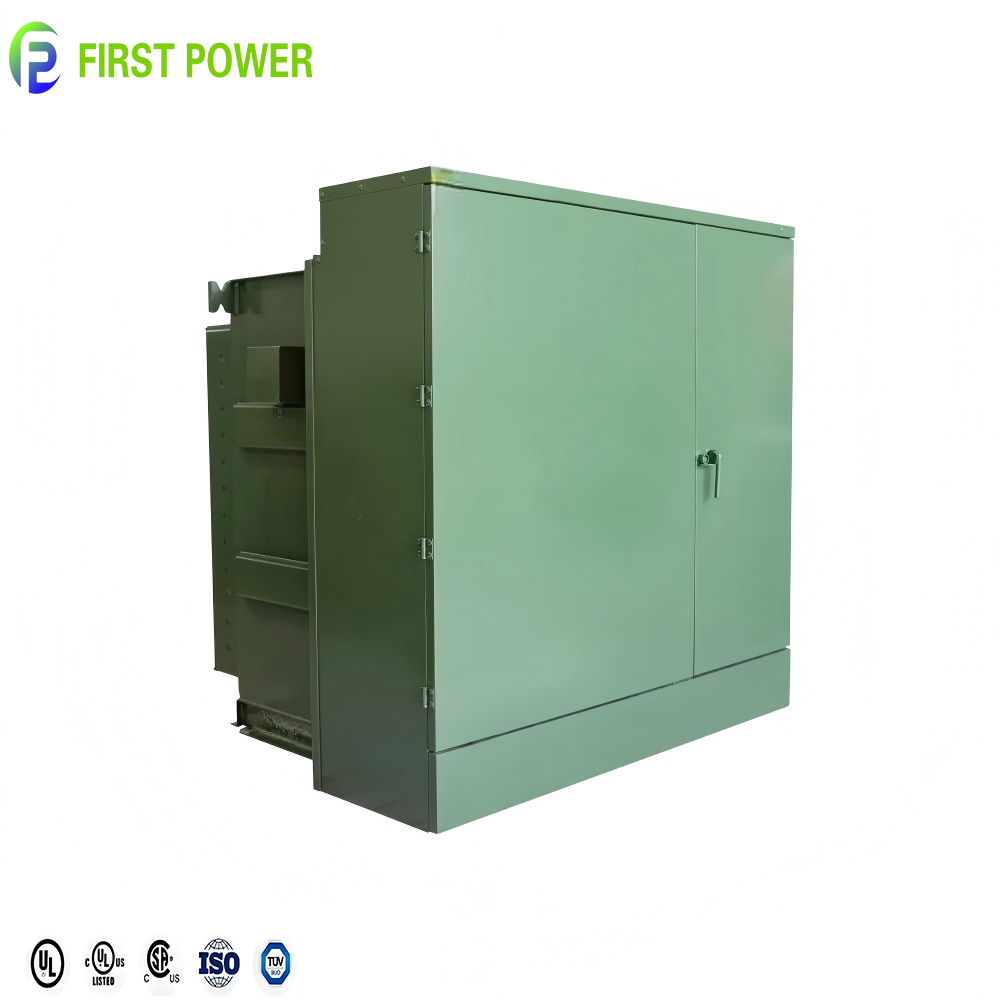
C CE MV&HV 50/60HZ 750KVA 1250KVA 1500KVA 2000KVA 2500KVA 3 Phase Pad Mounted Transformer for Industrial Power Supply
Three-phase pad-mounted MV transformer for underground distribution at factories, campuses, data centers and renewable projects. Supports loop-feed layouts and enclosure customization for local site practice.
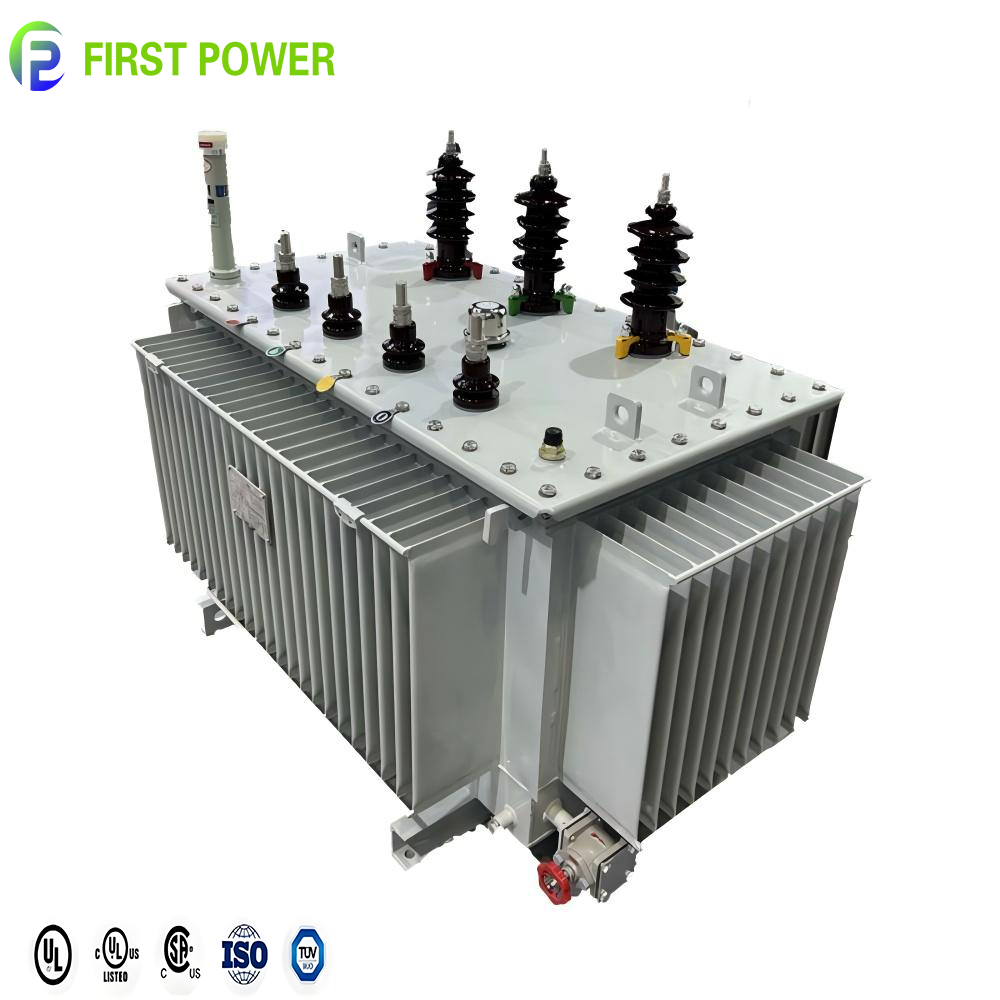
C CE 50/60HZ S11 10KV 20KV 35KV 50KVA 100KVA 200KVA 3 Phase Electrical Oil Immersed Transformer for Distribution System
Low-loss S11 oil-immersed distribution transformer for utility and industrial networks. Suitable for OEM orders requiring stable thermal performance, routine test documentation and export-ready packaging.
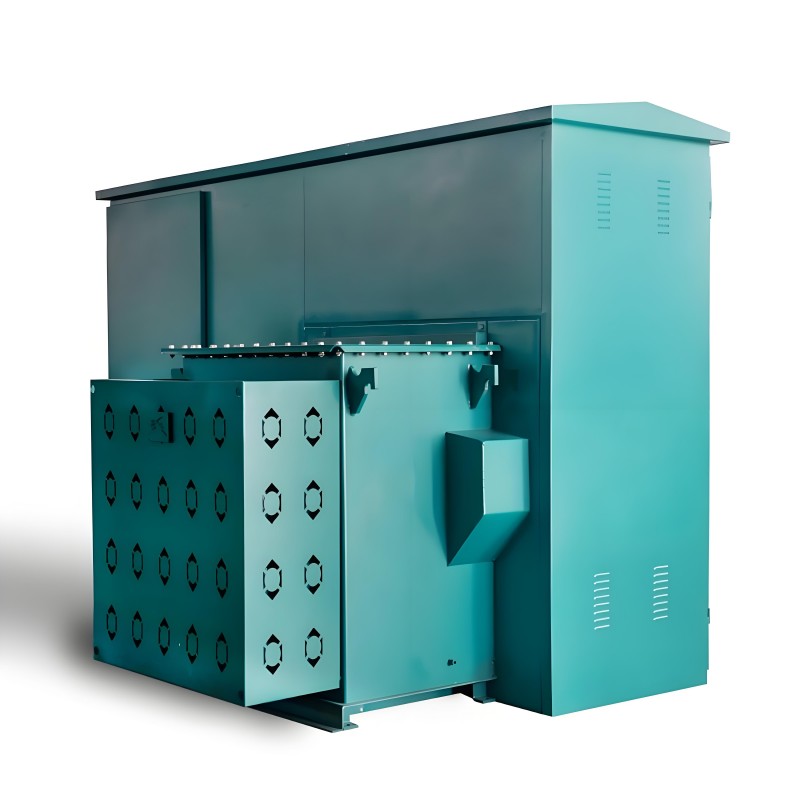
/C Certified Oil-Type Cooper 75-2500kva Pad Mounted Transformer 6kv-34.5kv 50/60hz Dead Front Three Phases
Dead-front three-phase pad-mounted transformer for 6 kV to 34.5 kV distribution systems. Well suited to OEM utility projects requiring accessible cable compartments, tamper-resistant enclosures and certification support.
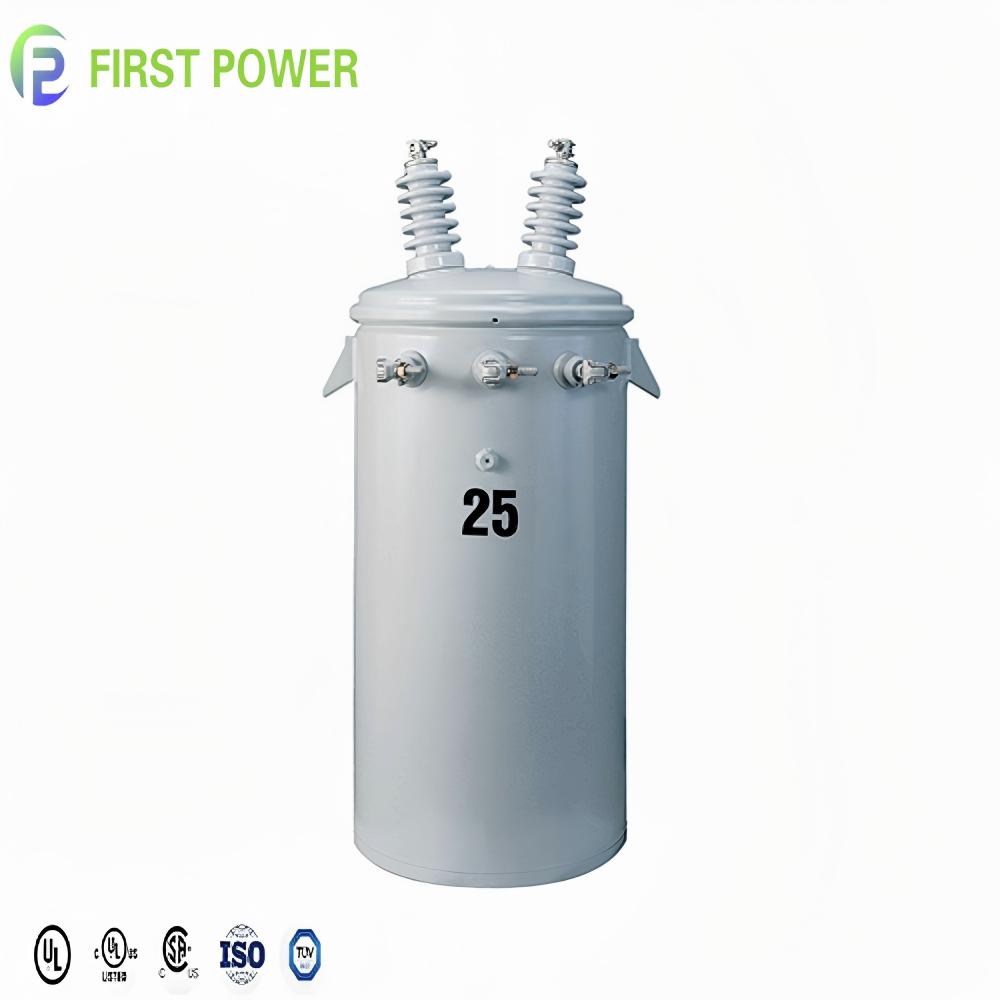
C CE Certification MV&HV 50/60HZ 6KV 10KV 20KV 35KV 25KVA Single Phase Transformer Price for Electric Power Distribution
Single-phase MV/HV transformer for distribution applications where a compact footprint and clearly documented voltage ratio are important. A practical choice for residential and light commercial network extensions.
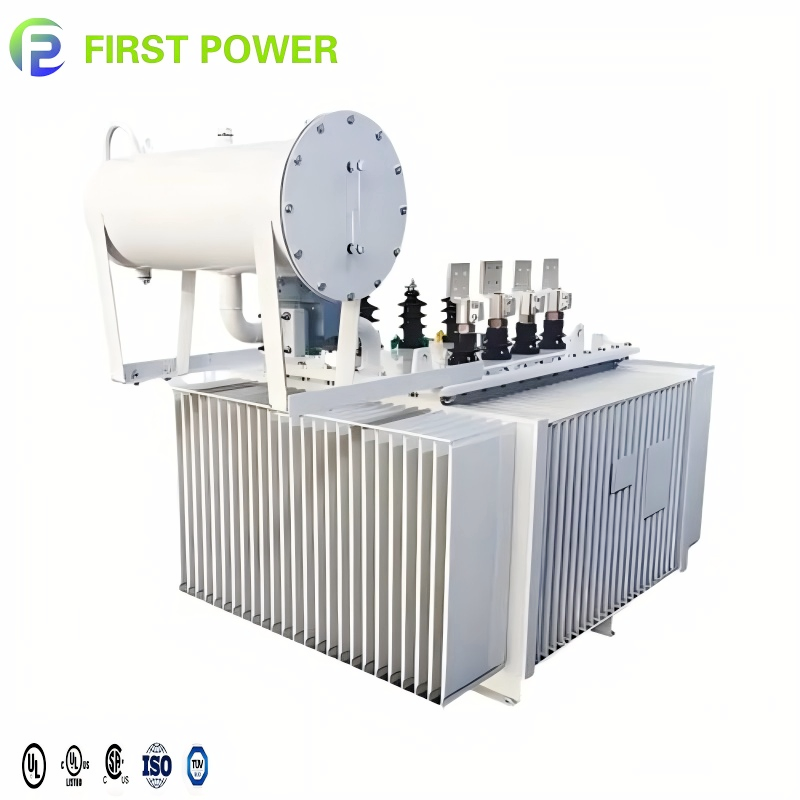
C CE 10KV 20KV 35KV 1000KVA 2000KVA 2500KVA 3 Phase Oil Type on Load Tap Changer Transformer for Industrial Power Supply
Oil-type on-load tap changer transformer for industrial plants and processes that need voltage regulation under changing load. The design supports OEM/ODM customization of tap range, impedance and cooling arrangement.
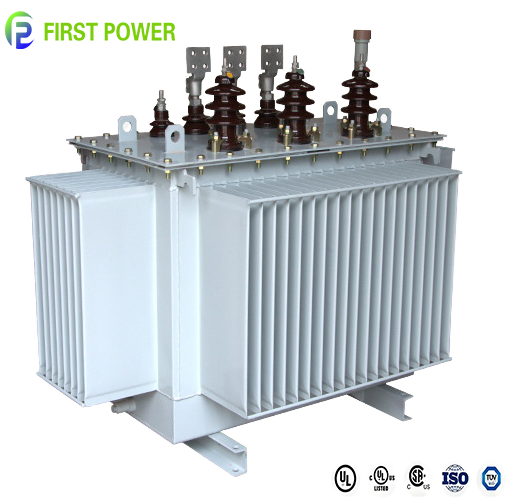
C CE 50/60HZ S11 10KV 15KV 20KV 35KV 100KVA 300KVA 500KVA 630KVA Three Phase Oil Transformer Price for Distribution System
Three-phase oil transformer for distribution systems requiring low losses and straightforward maintenance. Suitable for utility tenders, industrial parks and municipal distribution upgrades where repeatable quality is essential.
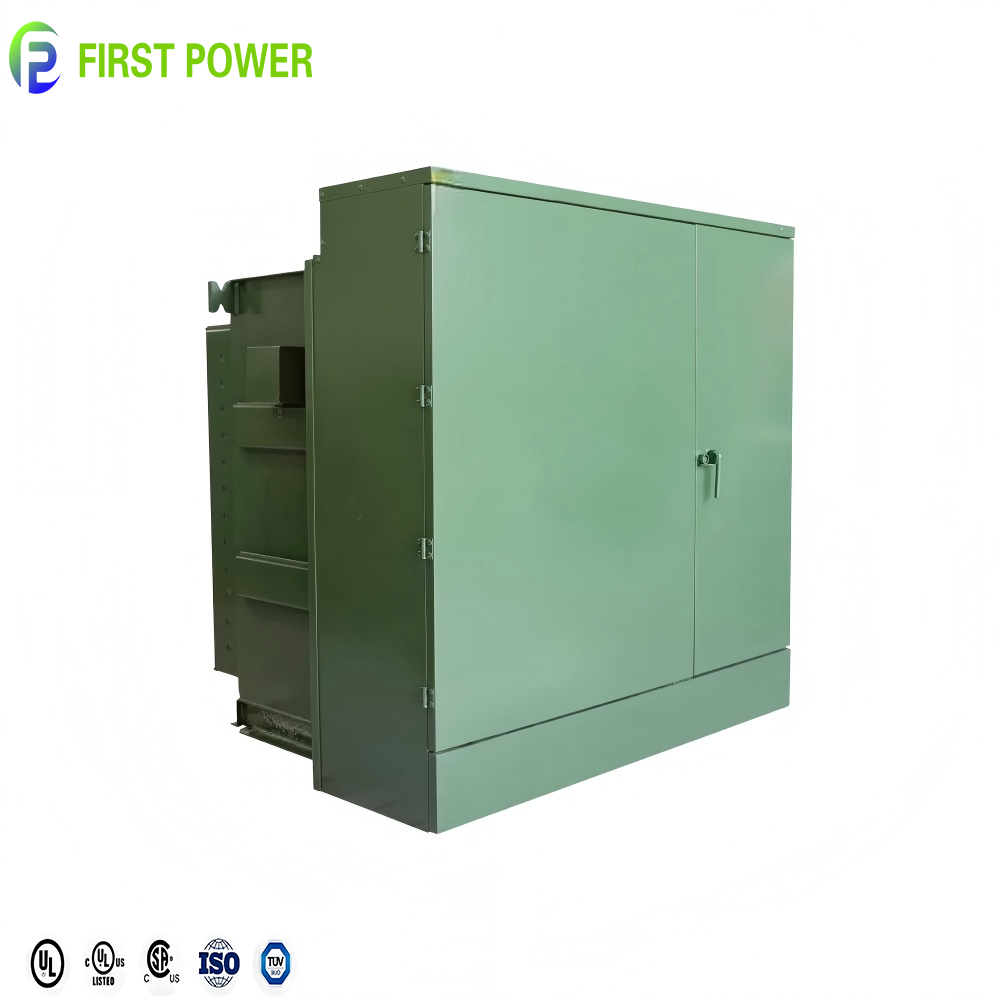
C CE 50/60HZ 10KV 20KV 35KV 300KVA 500KVA 630KVA 750KVA Three Phase Pad Mounted Transformer for Electric Power Distribution
Three-phase pad-mounted transformer for underground and semi-underground distribution networks. Ideal for commercial developments, industrial facilities and renewable interconnections that need a compact outdoor footprint.
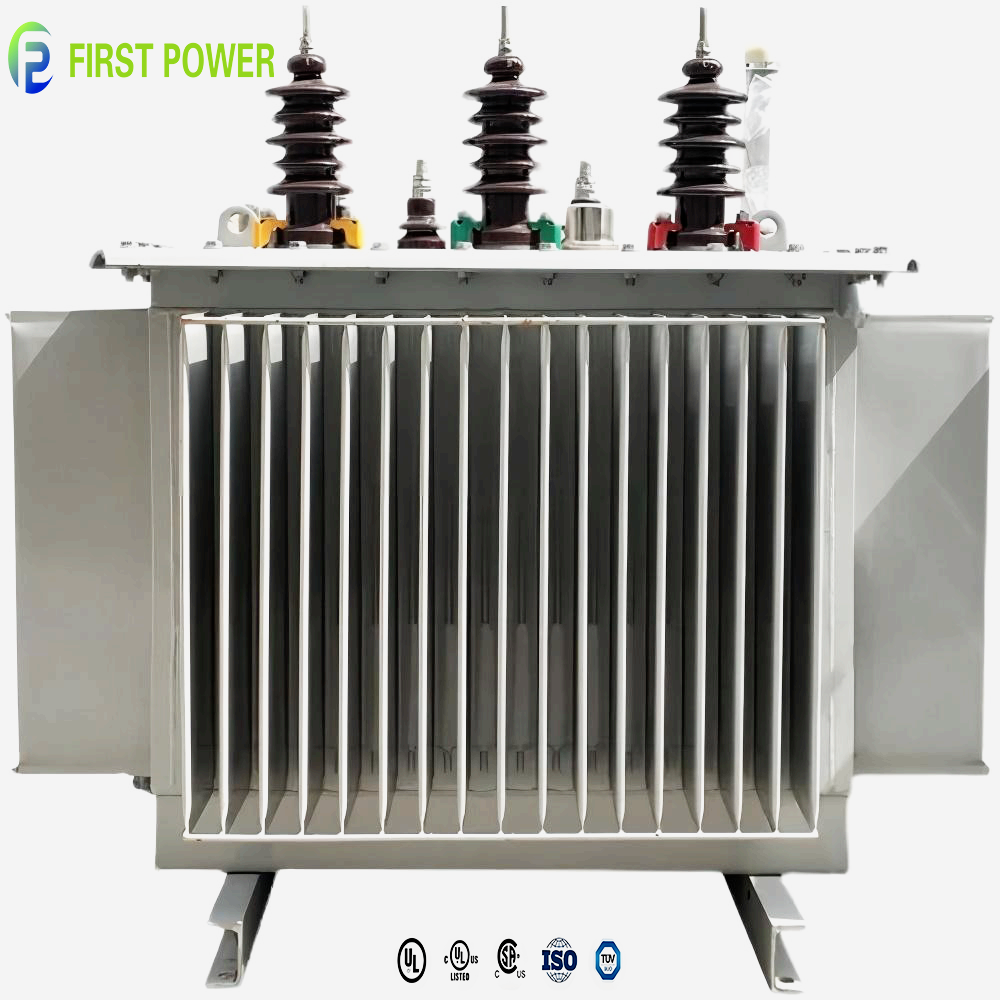
/C Certification 60HZ S11 Three Phase 10KV 35KV 500 KVA 22KV/0.4KV 50HZ Electric Oil Immersed Transformer for Power Supplies
Oil-immersed S11 transformer for power supplies and distribution projects, available with 50 Hz or 60 Hz configurations. Supports project-specific voltage ratios, vector groups and nameplate language.
Why Wisegj Is a Practical OEM/ODM Medium Voltage Transformer Factory Partner
For buyers comparing factories, credibility comes from verifiable capability rather than brochure language. Wisegj combines a production base, engineering depth, certificate stack and export experience that can be reviewed before purchase.
Verified Factory Capacity
A 6,847 m² production floorspace supports winding, core assembly, drying, tanking, assembly and testing. Floorspace and production capability have been inspected by TÜV Rheinland, giving procurement teams an independent reference point.
Engineer-Led Review
More than 50 engineers in R&D and technical support help convert project requirements into manufacturable designs. The review covers ratings, vector group, impedance, tap range, cooling method, bushings and site conditions.
Complete Certificate Stack
ISO 9001, ISO 14001 and ISO 45001 management systems are supported by CE certificates for oil-immersed transformers, dry type transformers and compact substations. Certificate numbers can be checked by compliance teams.
OEM/ODM Customization
Wisegj supports OEM, ODM, design-based and sample-based customization. Buyers can define ratings, enclosure color, nameplate language, bushing configuration, insulating fluid, tap changer type, loss limits and documentation package.
In-House Routine Testing
Every unit receives routine inspection and testing, including winding resistance, ratio and vector group, impedance and load loss, no-load loss and current, applied and induced voltage tests, plus oil dielectric tests for liquid-filled units.
211 Supply Partners
A qualified supply chain for silicon steel, copper, insulation materials, bushings and accessories helps stabilize lead times and maintain material traceability for repeat OEM production runs.
Export Logistics Support
Wisegj works with FOB, CFR, CIF, EXW, FCA, CIP, CPT and DDP terms, provides seaworthy packing and prepares shipping documents for markets in the Americas, Europe, Africa, the Middle East and Asia.
24-Hour Response
Technical questions, drawing comments and after-sales issues are handled by qualified staff, with a target response within one working day. This matters when an EPC schedule depends on drawing approval and material release.
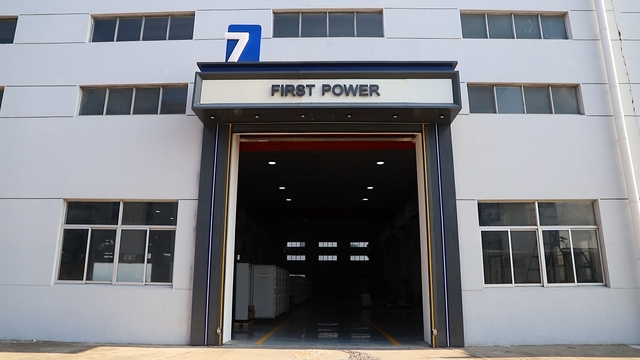 Factory & Facility Overview
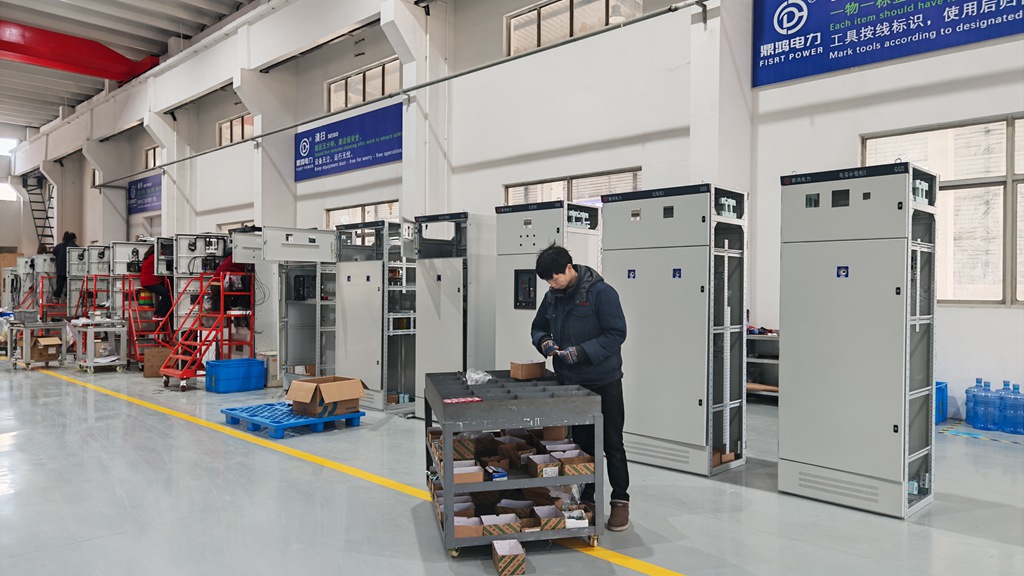
 Assembly Workshop
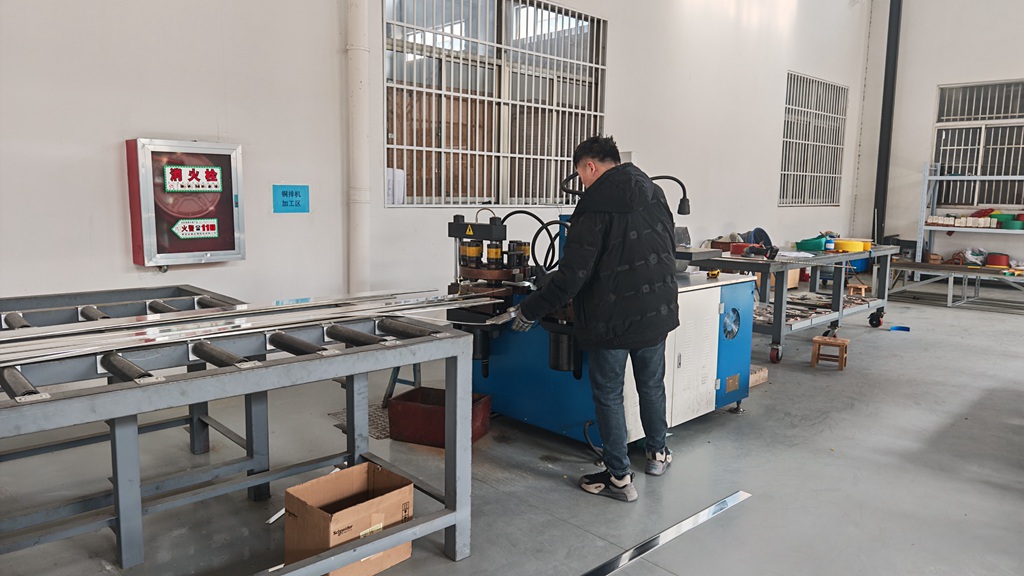 Testing Laboratory
 Export Packing & Loading
Specification Review
Engineers check rating, voltage class, frequency, applicable standard, altitude, ambient temperature and site installation method before design release.
Drawing & Loss Approval
GA drawing, nameplate draft, guaranteed losses, impedance and tap arrangement are confirmed with the buyer to reduce production-stage changes.
Controlled Production
Core cutting, winding, drying, oil filling and tanking follow documented work instructions and in-process inspection checkpoints.
Routine Test & Packing
Each unit receives routine tests, final inspection, nameplate verification and export packing before shipment, with reports supplied for review.
Medium Voltage Transformer Procurement Trends Shaping 2025–2030
OEM/ODM sourcing is moving from lowest purchase price toward lifecycle cost, compliance evidence, schedule resilience and documented quality. These trends are visible in the questions buyers now ask before supplier selection.
Total Cost of Ownership
Loss capitalization is becoming a routine part of tender evaluation. Buyers compare no-load loss, load loss and expected service life, not only the initial quote. A transformer with a slightly higher purchase price can still deliver a lower lifecycle cost in high-utilization networks.
Certification-First Sourcing
Procurement teams increasingly ask for certificate numbers, test standards and report formats at the RFQ stage. CE documentation, ISO management systems and destination-market grid-code alignment reduce the risk of late compliance issues.
Lead-Time Resilience
After several years of volatile material and freight markets, buyers prefer factories with qualified supply partners, transparent production planning and the ability to freeze drawings early. Schedule certainty is now a technical purchasing criterion.
Renewables & Data Centers
Solar farms, energy storage sites, EV charging hubs and data centers need compact MV distribution with predictable thermal performance. Pad-mounted and prefabricated solutions are often preferred where site construction time is limited.
Digital Traceability
Serial-number-linked test reports, drawing revisions and packing lists are becoming standard expectations. Buyers want documentation that can be audited years after commissioning, especially for utility framework agreements.
Sustainability & Fire Safety
Natural ester fluids, lower-loss cores, recyclable materials and fire-safe dry-type options are moving from niche requests into mainstream specifications for urban, commercial and renewable projects.
Illustrative Buyer Priority Index for MV Transformer Sourcing
Based on Wisegj project-intake patterns, the relative weight of decision factors commonly discussed before order placement. Values are illustrative and are not presented as a formal market survey.
How Medium Voltage Transformer Products Are Evolving
Product design is responding to efficiency rules, fire-safety requirements, space constraints and the need for more data after commissioning. These developments affect OEM/ODM specification choices today, not only in future tender cycles.
High-Efficiency Cores
CRGO and amorphous core options continue to attract attention where loss evaluation is strict. The right choice depends on load profile, tariff structure and the buyer’s required efficiency class rather than a single material preference.
Fire-Safe & Ester-Filled Designs
Natural ester fluids and dry-type transformers are increasingly specified for urban, indoor and fire-sensitive locations. Wisegj supports insulation-system discussions during the specification stage so the selected design matches local code and insurance expectations.
Sensor-Ready Transformers
Temperature monitoring, digital nameplates and condition-monitoring interfaces are becoming easier to integrate. Buyers increasingly ask for sensor provisions even when monitoring is installed later, preserving future upgrade paths.
Modular MV Packages
Prefabricated substations and compact MV distribution packages reduce site labor and commissioning time. For renewable and data-center projects, factory-assembled modules can improve schedule certainty when site access is restricted.
How to Specify an OEM/ODM Medium Voltage Transformer Without Rework
A precise RFQ shortens engineering review and helps the factory return a compliant design with guaranteed losses. Use the comparison below to shortlist the right transformer family before requesting a formal quotation.
| Transformer Family | Typical Rating | Typical Application | Common Standards |
|---|---|---|---|
| Three Phase Pad Mounted | 45–5,000 kVA, up to 34.5 kV | Commercial sites, industrial facilities, solar farms, data centers | IEEE C57.12.34, C57.12.28 |
| Single Phase Pad Mounted | 10–250 kVA | Residential underground distribution, rural loops | IEEE C57.12.38 |
| Oil Immersed Distribution | 30–2,500 kVA, 6–35 kV | Utility distribution, industrial plants, mining and infrastructure | IEC 60076 |
| On-Load Tap Changer Oil Type | 1,000–2,500 kVA class | Industrial power supply with voltage regulation needs | IEC 60076 |
| S11 Low-Loss Distribution | 50–1,500 kVA class | Distribution networks with efficiency targets | IEC 60076 |
| Pad Mounted Power Distribution | 300–750 kVA class | Outdoor distribution, commercial and renewable interconnection | IEEE C57.12.34, IEC 60076 |
What to Include in the RFQ
- Rated power in kVA or MVA
- Primary and secondary voltage
- Frequency, vector group and impedance
- Tap changer type and tap range
- Cooling method and insulating fluid
- Applicable IEC or IEEE standard
- Site altitude, ambient and seismic data
- Loss target, delivery port and required documents
Factory Tests and Documentation That Reduce Risk
Routine testing is not a formality. It is the evidence trail that lets the buyer confirm the transformer matches the approved design. Wisegj supplies documented routine test results for each unit and welcomes third-party witness inspection when required by the project.
- Winding resistance
- Voltage ratio and vector group
- Impedance and load loss
- No-load loss and current
- Applied and induced voltage tests
- Oil dielectric strength for liquid-filled units
- GA drawing, nameplate draft and O&M manual
- Packing list, certificate pack and shipping documents
Frequently Asked Questions About OEM/ODM Medium Voltage Transformer Sourcing
These are the questions engineering and procurement teams most often raise during the supplier selection and drawing-review process.
What is the difference between OEM and ODM for medium voltage transformers?
OEM usually means the buyer provides the design requirements, nameplate identity and specification, and the factory builds to that approved configuration. ODM means the factory contributes more of the design platform, then adapts ratings, enclosure, bushings, cooling and documentation to the buyer’s project. With Wisegj, both routes are available, including design-based and sample-based customization.
What voltage classes and ratings can Wisegj manufacture?
The wider company portfolio covers 220 V to 500 kV. For medium voltage transformer projects, the relevant range includes 6 kV, 10 kV, 15 kV, 20 kV, 22 kV, 33 kV and 35 kV classes, with ratings from small single-phase distribution units to multi-megavolt-ampere industrial transformers. Final capability depends on the specific design, standard and application condition.
Which standards and certificates can be provided?
Transformers can be designed and tested to IEC 60076 or ANSI/IEEE C57.12 series standards depending on the destination market. Wisegj holds CE certificates for oil-immersed transformers, dry type transformers and compact substations, and operates under ISO 9001, ISO 14001 and ISO 45001 management systems. Certificate numbers can be supplied for verification.
Can the transformer be customized for a specific project?
Yes. Customization can cover rated power, voltage ratio, frequency, vector group, impedance, tap range, cooling method, bushing arrangement, enclosure color, insulating fluid, nameplate language and documentation package. For OEM/ODM projects, early drawing approval is recommended so guaranteed losses and interface dimensions are fixed before production.
What factory tests are performed before shipment?
Routine tests typically include winding resistance, voltage ratio and vector group, impedance and load loss, no-load loss and current, applied voltage and induced voltage tests. Liquid-filled units also receive oil dielectric strength checks. Type test reports can be supplied where available, and third-party witness inspection is welcome before packing.
What is the typical minimum order quantity and lead time?
MOQ and lead time depend on the transformer family, rating, material availability and drawing approval date. Standard distribution transformer projects can often be planned in repeatable production slots, while customized pad-mounted or on-load tap changer units require more engineering review. A precise RFQ with the checklist above is the fastest way to obtain a reliable schedule.
Can you support third-party inspection and export documentation?
Yes. Wisegj can support buyer representatives, third-party inspection agencies and project QA teams during production and final testing. Export documents can include packing lists, test reports, certificate copies, nameplate verification and shipping documentation aligned with the agreed Incoterms and destination requirements.
Which trade and payment terms are accepted?
Common trade terms include FOB, CFR, CIF, EXW, FCA, CIP, CPT and DDP. Payment methods can include T/T, L/C, D/P and D/A, among other secure options agreed per contract. Major currencies such as USD, EUR, GBP, CAD, AUD and others can be discussed during quotation.
Send Your Medium Voltage Transformer Specification for Engineer-Led Review
Share your single-line diagram, rated power, primary and secondary voltage, frequency, vector group, impedance, tap range, loss target, applicable standard, site altitude, ambient temperature and delivery port. Wisegj can review the OEM/ODM path and return a practical next step for quotation, drawing approval and factory testing.
Contact UsExperienced engineering support · OEM/ODM customization · ISO-certified production · Export documentation